
Rosacea Treatment in Korea: What Works Best?
This is a subtitle for your new post
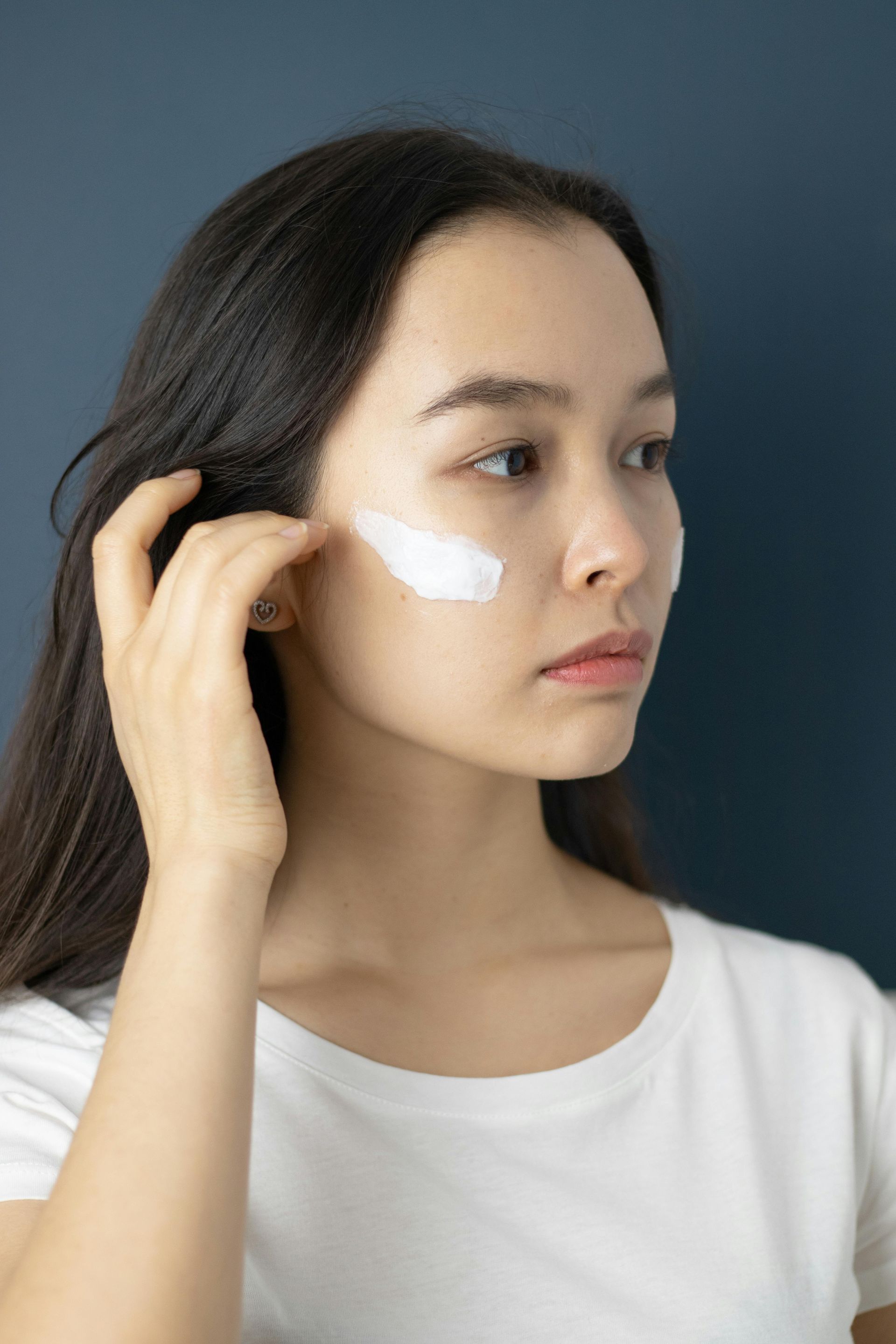
Rosacea is a chronic skin condition that causes persistent redness, flushing, visible blood vessels, and sensitivity. While it can’t be completely cured, Korean dermatology clinics are known for highly effective management strategies that significantly reduce symptoms and prevent flare-ups.
Here’s what actually works best in Korea—and why.
The Korean Approach: Calm, Repair, Control 💡
Unlike aggressive treatments, Korean clinics focus on a gentle, long-term strategy:
- ✔️ Reduce visible blood vessels and redness
- ✔️ Calm inflammation
- ✔️ Strengthen the skin barrier
- ✔️ Prevent future flare-ups
👉 Treatment is usually combination-based, not a single procedure.
1. Vascular Laser (Most Effective Core Treatment) 🔬
This is considered the gold standard for rosacea in Korea.
Common types:
- V-Beam (pulsed dye laser)
- Nd:YAG laser
- Excel V
What it does:
- Targets and shrinks visible blood vessels
- Reduces persistent redness and flushing
- Improves overall skin tone
👉 Vascular lasers directly treat the root vascular cause of rosacea, making them the most effective option.
2. IPL (Intense Pulsed Light) ✨
IPL is often used alongside lasers.
Best for:
- Diffuse redness
- Flushing
- Early-stage rosacea
How it works:
- Uses broad light energy to reduce redness
- Improves overall skin tone
👉 Less targeted than vascular lasers, but great for mild rosacea and maintenance.
3. Skin Barrier Repair Treatments 💖
One of Korea’s biggest strengths is barrier-focused care.
Popular options:
- Skin boosters (Rejuran, exosomes)
- Calming facials
- Hydration therapy
Why it matters:
- Rosacea skin is weakened and reactive
- Strengthening the barrier reduces sensitivity and flare-ups
👉 Long-term control depends heavily on barrier repair—not just lasers.
4. LDM & Ultrasound Therapy 🌿
A uniquely popular treatment in Korea.
What it does:
- Calms inflammation
- Enhances healing
- Improves skin resilience
👉 Often combined with lasers to reduce irritation and improve results.
5. Gentle Laser Toning & Supportive Treatments 🌟
Korean clinics often include:
- Laser toning (low-energy)
- LED light therapy
- Calming medical facials
👉 These help maintain results and keep skin stable between stronger treatments.
6. Medical Treatment (When Needed) 💊
For moderate to severe rosacea:
- Oral anti-inflammatory medication (e.g., low-dose antibiotics)
- Prescription topical creams
- Lifestyle and trigger management
👉 This step helps control internal inflammation and flare cycles.
Why Combination Treatment Works Best 🔥
Korean dermatology rarely uses just one method.
A typical plan includes:
- Vascular laser for redness
- Barrier repair for sensitivity
- Light therapy for inflammation
👉 This layered approach treats both cause and symptoms, leading to better long-term control.
How Many Sessions Are Needed? ⏳
Rosacea treatment is gradual:
- Laser/IPL: 3–6+ sessions
- Vascular laser: 3–5 sessions
- Maintenance: ongoing
👉 Results improve progressively with consistency.
Cost of Rosacea Treatment in Korea 💰
Typical price ranges:
- Vascular laser: ₩150,000 – ₩300,000
- IPL / laser toning: ₩100,000 – ₩300,000
- Skin boosters: ₩300,000 – ₩900,000
- Combination programs: ₩300,000 – ₩700,000
👉 Korea is often 30–60% more affordable than Western countries.
What Actually Works Best? 🎯
👉 Based on Korean dermatology practice:
Most effective approach:
- Vascular laser (core treatment)
- Barrier repair (essential)
- Combination maintenance (IPL, LED, skincare)
Not recommended:
- Aggressive resurfacing lasers
- Over-exfoliation
- One-time treatments
Final Thoughts 💖
Rosacea treatment in Korea stands out because it focuses on precision + gentleness.
Instead of trying to “remove redness instantly,” Korean clinics:
- Treat the underlying vascular issue
- Strengthen the skin barrier
- Build results gradually over time
With the right plan, you can expect:
- ✨ Reduced redness and flushing
- ✨ Fewer flare-ups
- ✨ Stronger, less reactive skin