
Women's health · Skin & hormones
Skin Changes and Hormones in Gangnam: Pregnancy, PCOS, Pill, Menopause
Hormonal skin changes are shifts in pigment, oil, hair growth and skin thickness caused by changing estrogen, progesterone and androgen levels, most often during pregnancy, with PCOS, on hormonal contraception and around menopause. At Hommage Clinic in Gangnam, Seoul, OB/GYN specialist Dr. Park Yuna looks for the hormonal cause, while the clinic's skin physicians treat the skin itself.
Quick answer
Hormonal skin changes, such as melasma, adult jawline acne, unwanted hair, hair shedding and menopausal dryness, are driven by estrogen, progesterone and androgens. At Hommage Women's Clinic in Gangnam, Seoul, OB/GYN specialist Dr. Park Yuna looks for the hormonal cause (pregnancy, PCOS, contraception or menopause) while the clinic's skin physicians treat the skin, so both plans fit together. Melasma affects roughly 36–75% of pregnant women, and PCOS affects 10–13% of women.
Key takeaways
- A skin change can be the first clue to a gynecologic condition such as PCOS or a thyroid problem.
- Many pregnancy changes fade within a year of birth, but some melasma persists.
- Treatment choices depend on whether you are pregnant, breastfeeding, on the pill or in menopause.
- Daily sun protection is the single most useful step for hormonal pigment.
Infographic
Hormones and skin in numbers
Melasma in pregnancy
Range reported across populations (Zhao et al., 2024).
Melasma that persists
After delivery, in some reports even years later.
Women with PCOS
Global prevalence, 2023 international guideline.
Postpartum shedding starts
Usually settles by the baby's first birthday.
Collagen loss
In the first five years after menopause, research suggests.
Pill trial for PCOS hair
Before adding an anti-androgen, per the guideline.
Hormonal skin changes at a glance
| Key fact | Details |
|---|---|
| What it is | Changes in pigment, oil, hair and skin thickness driven by female and male-type hormones |
| Common signs | Melasma, adult or jawline acne, hair shedding or thinning, unwanted hair, dryness |
| Life stages involved | Pregnancy and after birth, PCOS, starting or stopping the pill, perimenopause and menopause |
| How it's assessed | Skin and medical history, examination, and hormone or thyroid blood tests when needed |
| Treatment options | Treating the hormonal cause plus skincare, medication, lasers or injectables, timed safely |
| Reviewed by | Dr. Park Yuna, OB/GYN specialist |
Book an assessment if you have
- Acne that started or worsened in adulthood, especially along the jaw and chin
- Brown patches on the cheeks, forehead or upper lip during pregnancy or on the pill
- New dark hair on the face or body, or thinning hair on the scalp
- Dry, thinning or itchy skin since perimenopause or menopause
- Hair shedding that has not settled a year after giving birth
Seek prompt care instead if you have
- Rapid new hair growth with a deepening voice or very irregular periods, which needs urgent hormone tests
- Severe itching of the palms and soles in late pregnancy, which can signal a liver condition
- A mole that is changing, bleeding or looks different from your others
- A widespread blistering rash or a rash with fever
How do hormones affect your skin?
Your skin responds directly to hormones, so changes in hormone levels often show on your face and scalp first. Three hormone groups matter most:
- Estrogen supports collagen, skin thickness and moisture, and makes pigment cells more active, which is why it is linked with melasma.
- Progesterone can increase oil production and fluid retention, contributing to breakouts before periods and in pregnancy.
- Androgens (male-type hormones that women also make) enlarge oil glands, trigger acne and affect hair growth, causing more facial hair and thinner scalp hair when levels or sensitivity are high.
Because the same hormones affect periods, fertility and skin, a skin change can be the first clue to a gynecologic condition. Treating the skin alone often helps less than expected if the hormonal cause is not addressed too.
Skin changes in pregnancy and after birth
Pregnancy changes the skin of most women, and many changes fade within months of the birth. Common ones include:
- Melasma (the “mask of pregnancy”): brown patches on the cheeks, forehead and upper lip, worsened by sun. It often lightens after delivery but can persist. See melasma treatment .
- Darker skin on the nipples, underarms and a line down the abdomen (linea nigra).
- Acne , especially in the first trimester.
- Stretch marks , small skin tags and spider veins.
About two to four months after birth, many women notice heavy hair shedding as hair that was held in the growth phase falls out together. It usually returns to normal by the baby's first birthday. If shedding continues, thyroid function and iron levels are worth checking.
During pregnancy and breastfeeding, treatment choices are more limited: retinoids must be avoided, and most lasers, peels and injectables are postponed. Sun protection and gentle skincare are the mainstay until then.
PCOS and the pill: acne, unwanted hair and pigment
Polycystic ovary syndrome raises androgen levels, which can cause persistent jawline acne, oily skin, dark hair on the chin, chest or abdomen, scalp hair thinning and velvety dark skin in skin folds, a sign of insulin resistance. If you have these with irregular periods, an assessment for PCOS with hormone testing is the right first step.
Hormonal contraception can affect skin in both directions:
- Combined pills containing estrogen often improve acne and excess hair by lowering free androgens, and some are approved as acne treatments.
- Progestin-only methods , such as the minipill, implant or hormonal IUD, can worsen acne in some women.
- Estrogen-containing pills can trigger or worsen melasma in some women.
If your skin changed after starting or stopping a method, Dr. Park can review the options in our guide to birth control . Skin treatments such as acne laser treatment work better alongside hormonal care than instead of it.
Why does skin get drier and thinner after menopause?
Falling estrogen reduces collagen, natural oils and the skin's ability to hold water. Research suggests skin can lose about 30% of its collagen in the first five years after menopause, which shows as dryness, fine wrinkles, sagging, itchiness and slower healing.
Other changes are common too: scalp hair may thin, a few coarse chin hairs can appear as the balance shifts toward androgens, and some women develop adult acne for the first time. Hot flashes can also worsen facial redness. Menopausal hormone therapy may improve skin hydration and thickness, but it is prescribed for symptoms such as hot flashes, not for skin alone. See menopause treatment for the full picture.
For the skin itself, daily sunscreen, a richer moisturizer, a topical retinoid and treatments such as skin boosters can help restore hydration and texture.
Risks and side effects of treating hormonal skin changes
Hormonal skin treatment means combining medicines and procedures, so safety checks across both specialties matter. Key points:
- Isotretinoin and topical retinoids can cause serious birth defects. Isotretinoin requires reliable contraception and pregnancy tests; retinoids are stopped before trying to conceive.
- Spironolactone , used for hormonal acne and hair, must not be taken in pregnancy and can raise potassium levels.
- Oral tranexamic acid for melasma is usually avoided if you take an estrogen-containing pill or have a history of blood clots.
- Lasers and peels can worsen melasma or cause darker or lighter patches if settings are too strong, especially in darker skin.
- Hydroquinone can cause irritation and, with long-term use, a rare bluish-gray discoloration.
Tell us if you are pregnant, breastfeeding, trying to conceive or taking hormones, and contact the clinic promptly if you develop severe irritation, blistering, leg swelling, chest pain or a sudden headache during treatment.
Gynecology and skin care under one roof at Hommage Clinic
Hommage Clinic, a short walk from Sinnonhyeon Station in Gangnam, offers women's health and skin care in one place. Dr. Park Yuna, a female OB/GYN specialist, assesses the hormonal side, including ultrasound and blood tests, while skin treatments are planned by the clinic's skin and aesthetic physicians,Dr. Kim HyunbinandDr. Hwang Seonhwa. This lets treatments be timed safely around pregnancy, breastfeeding, contraception or hormone therapy. Browse ourgynecology servicesandskin and aesthetic treatments.
If you are enrolled in Korea's National Health Insurance, many tests and medical treatments, such as PCOS or thyroid work-ups, are covered, while cosmetic skin treatments are not. Visitors without coverage pay the clinic's fees directly, and we give a written quote before any treatment.
Mechanism
How hormones change your skin: estrogen, progesterone and androgens
Skin cells carry receptors for sex hormones, so each hormone pushes skin in a recognizable direction. Estrogen supports collagen and moisture but also stimulates pigment cells. Progesterone tends to increase oil and fluid. Androgens enlarge oil glands, thicken body and facial hair and shrink scalp hair follicles in women who are sensitive to them. Most hormonal skin problems come from the balance between these shifting, not from one hormone alone.
Life stages
Hormonal skin changes by life stage
The same skin concern can have a different cause, and a different safe treatment, depending on where you are in life. Jawline acne at 25 on a new progestin-only method is approached differently from jawline acne with irregular periods, which may point to PCOS, or new acne at 50 during perimenopause. The map below shows the most common changes at each stage and the first step Dr. Park and the skin team usually take.
Pregnancy
How to prevent melasma in pregnancy
Melasma is one of the most common skin changes of pregnancy. A 2024 review in Clinical, Cosmetic and Investigational Dermatology reported that it affects between 36% and 75% of pregnant women depending on the population. Most cases fade within a year after delivery, but up to 30% persist. Because treatment options are limited while you are pregnant or breastfeeding, prevention matters most.
The same review highlights one study in which daily broad-spectrum sunscreen started in the first trimester reduced new melasma during pregnancy by more than 90%. Visible light also darkens melasma, and ordinary clear sunscreens do not block it well; tinted sunscreens containing iron oxide add that protection. Mineral (zinc oxide or titanium dioxide) sunscreens are often preferred in pregnancy because they are not absorbed into the body.
Generally used in pregnancy
- Daily broad-spectrum mineral sunscreen, tinted for visible light
- Hats and shade, reapplying sunscreen every two hours outdoors
- Gentle cleanser and moisturizer
- Azelaic acid for acne and pigment
Avoid or postpone
- Isotretinoin and topical retinoids
- Spironolactone
- Oral tranexamic acid for melasma
- Most lasers, peels, botulinum toxin and fillers until after breastfeeding
 Hommage · Gangnam
Hommage Women's Clinic · Gangnam, Seoul
Shade, a hat and tinted sunscreen are the first line against hormonal pigment. Illustrative photo.
 Hommage · Gangnam
Hommage Women's Clinic · Gangnam, Seoul
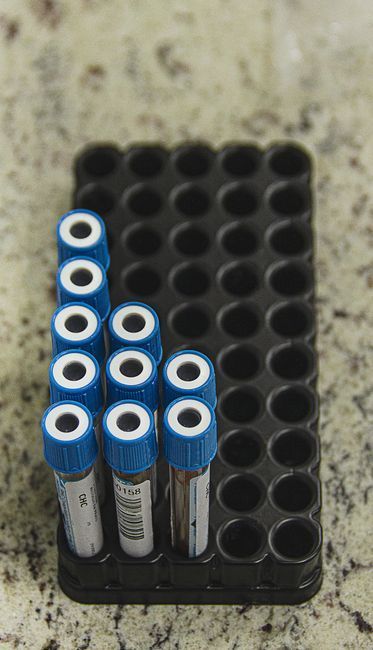
Blood tests for hormones, thyroid or iron help find the cause. Illustrative photo.
PCOS
PCOS acne and unwanted hair: the treatment pathway
The 2023 International Evidence-based Guideline for PCOS, which made 254 recommendations and practice points, states that hirsutism alone in an adult should be considered predictive of high androgen levels and PCOS, while acne or scalp thinning on their own are weaker clues. Doctors use a modified Ferriman–Gallwey score, with a cut-off of 4–6 depending on ethnicity, to judge hair growth; because many women remove hair before visits, it helps to tell your doctor what you usually do.
For treatment, the guideline says combined oral contraceptive pills can be recommended for hirsutism and irregular cycles in adults with PCOS, and that an anti-androgen is usually added only after at least six months of the pill or cosmetic hair removal has not helped enough. Laser hair removal and skin treatments work alongside this, not instead of it. See ourPCOS treatment page for the full picture.
Hair
Hormonal hair loss in women: shedding vs thinning
Two different hair problems are often confused. Shedding (telogen effluvium) is a sudden increase in hairs falling out, often two to four months after a trigger such as childbirth, stopping the pill, illness, crash dieting or low iron. Hair usually regrows once the trigger passes. Thinning (female pattern hair loss) is gradual: the parting widens and the ponytail feels smaller, with less obvious shedding. It can be linked to androgens, PCOS, genetics and menopause.
Telling them apart guides treatment. Shedding calls for checking thyroid function and iron, then patience. Pattern thinning may respond to topical treatments, hormonal care when androgens are high, and options such ashair loss PRP therapyorscalp microneedling, which have more limited evidence.
Shedding
- Handfuls of hair in the shower or brush
- Starts 2–4 months after a trigger
- Check thyroid and iron
- Usually regrows within a year
Thinning
- Wider parting, smaller ponytail
- Linked to androgens, PCOS, genetics, menopause
- Hormone assessment if periods are irregular
- Ongoing treatment to hold or improve density
 Hommage · Gangnam
Hommage Women's Clinic · Gangnam, Seoul
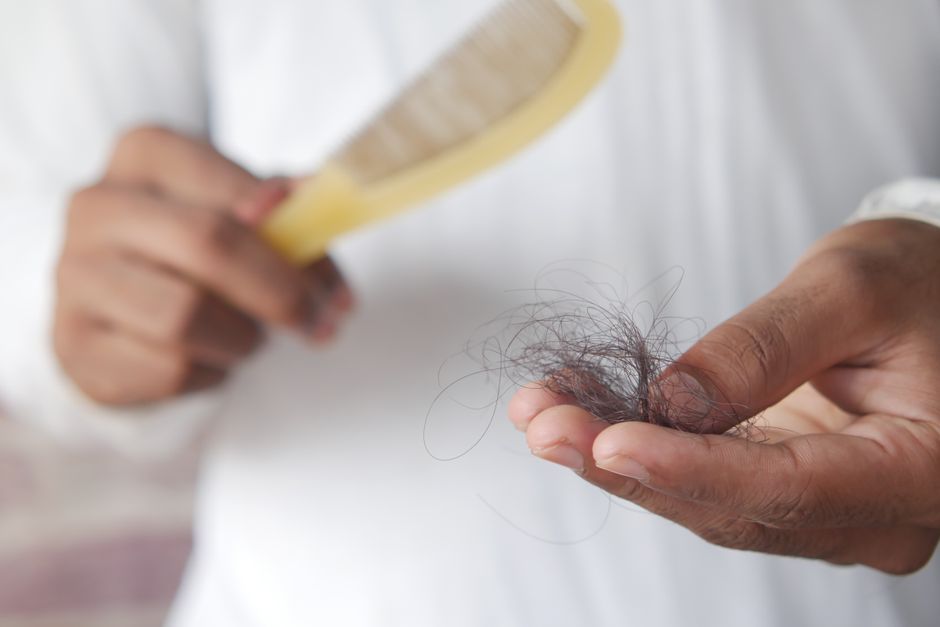
More hair in the brush after birth or stopping the pill is usually temporary. Illustrative photo.
 Hommage · Gangnam
Hommage Women's Clinic · Gangnam, Seoul
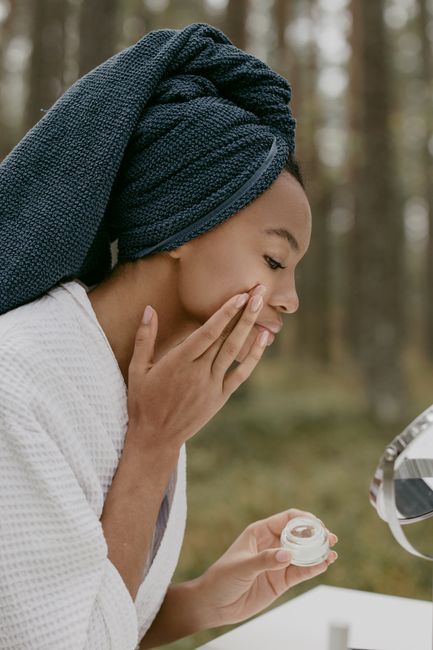
Richer moisturizers and daily sunscreen are the base of menopausal skin care. Illustrative photo.
Menopause
A skin routine for perimenopause and menopause
As estrogen falls, skin makes less oil and holds less water, and the barrier that keeps irritants out weakens. Products that suited you at 35 may sting at 50. A simple, consistent routine usually helps more than many active products:
- Morning: gentle cleanser or water rinse, moisturizer, broad-spectrum sunscreen every day.
- Evening: gentle cleanser, a topical retinoid a few nights a week to start, then a richer cream.
- Body: shorter, cooler showers and an unscented body cream on damp skin to ease itch.
- In clinic: options such asskin boostersorskin barrier repair treatmentfor hydration and texture.
Dryness is not limited to the face. Vaginal dryness and discomfort have the same hormonal cause and respond well to treatment; seevaginal dryness treatment. If hot flashes and night sweats are also troubling you,hormone replacement therapymay be discussed.
Evidence
Hormones and skin: what the research says
The link between hormones and skin is well established, and some treatments, such as combined pills for PCOS-related hair growth, rest on randomized trials and international guidelines. Other areas, especially cosmetic treatments for hormonal pigment and hair, rely on smaller studies. The cards below summarize sources we used.
Fewer new melasma cases
With daily broad-spectrum sunscreen from the first trimester, in one study cited by the review.
Zhao et al., Clin Cosmet Investig Dermatol, 2024PCOS guideline recommendations
Including use of the pill for hirsutism and a 4–6 hair-score cut-off by ethnicity.
Teede et al., Hum Reprod, 2023Randomized trials of pills in PCOS
Pill types compared for hirsutism and androgen levels in a meta-analysis.
Forslund et al., Eur J Endocrinol, 2023PCOS prevalence
Of women worldwide, using Rotterdam criteria.
Teede et al., Hum Reprod, 2023Visitors and expats
Hormone and skin care in Seoul for international patients
Having gynecology and skin care in one clinic is useful when you are in Seoul for a limited time. Hommage Women's Clinic is in Gangnam, a short walk from Sinnonhyeon Station (Line 9 and Shinbundang Line).
- Message the clinic by WhatsApp, KakaoTalk or the contact form with your main concern, and ask for language support if needed.
- Bring your passport, a list of medicines (including your contraceptive or hormone therapy) and any recent blood test or ultrasound results.
- Allow time for results: some blood tests take a day or more, and certain hormone tests are best timed to your cycle, so plan your first visit early in your stay.
- Laser or peel treatments for pigment may need avoiding strong sun for several days afterward; plan sightseeing around them.
- Ask for a written summary of results and your plan, so your doctor at home can continue it.
 Hommage · Seoul
Hommage Women's Clinic · Gangnam, Seoul
Gangnam: the clinic is a short walk from Sinnonhyeon Station. Illustrative photo.
 Hommage · Gangnam
Hommage Women's Clinic · Gangnam, Seoul
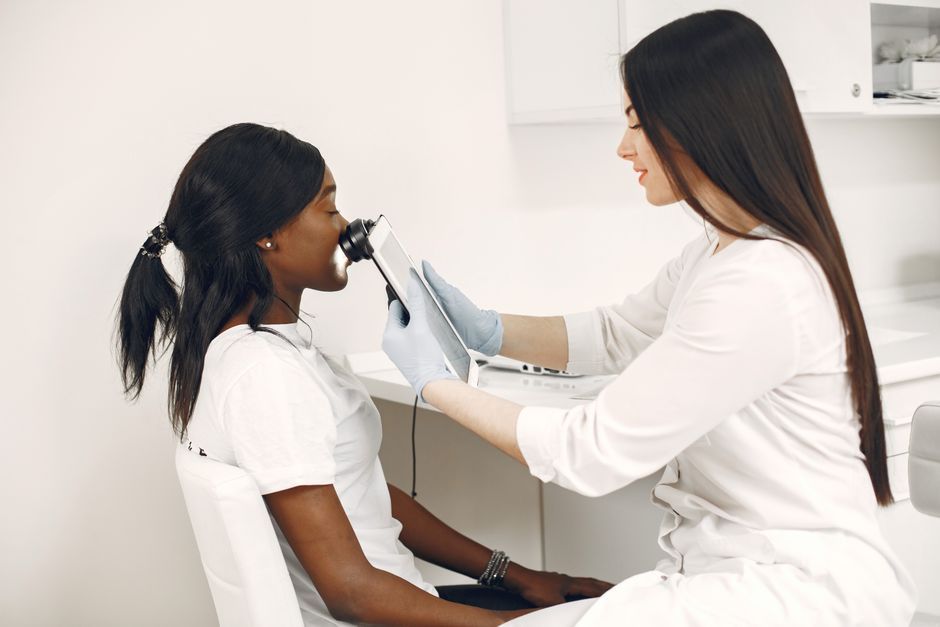
The skin is assessed alongside your hormonal history. Illustrative photo.
Choosing well
How to choose care for hormonal skin problems
Many skin clinics treat the surface, and many gynecology clinics treat the hormones. For hormonal skin changes it helps when both are considered together. Questions worth asking:
- Do they ask about my cycle, pill and pregnancy plans? These change both the cause and the safe treatment.
- Will they test hormones, thyroid or iron when it makes sense? Not for everyone, but when history points that way.
- Do they adjust lasers for melasma-prone skin? Too strong a setting can make pigment worse.
- Is pregnancy safety checked before every prescription? Especially retinoids, spironolactone and tranexamic acid.
- Do I get a written plan and quote? Including follow-up dates.
What affects the cost?
Cost depends on which tests are needed (for example hormone, thyroid or iron blood tests, or a pelvic ultrasound), whether prescription medicine is used, and which skin treatments are chosen and how many sessions they need. Medical tests and treatment may be covered for people enrolled in Korea's National Health Insurance; cosmetic skin treatments are not. You receive a written quote before any treatment.
Your visit
How a combined hormone and skin visit works
01
Tell us your story
When the skin or hair change began, your cycle, pregnancies, contraception and any hormone treatment.
02
Look for the cause
An exam and, when needed, ultrasound and blood tests for hormones, thyroid or iron.
03
Skin assessment
The skin concern is assessed and treatment options are matched to your hormonal situation.
04
One plan
A combined plan that times medical and skin treatments safely, with follow-up dates.
Your doctor
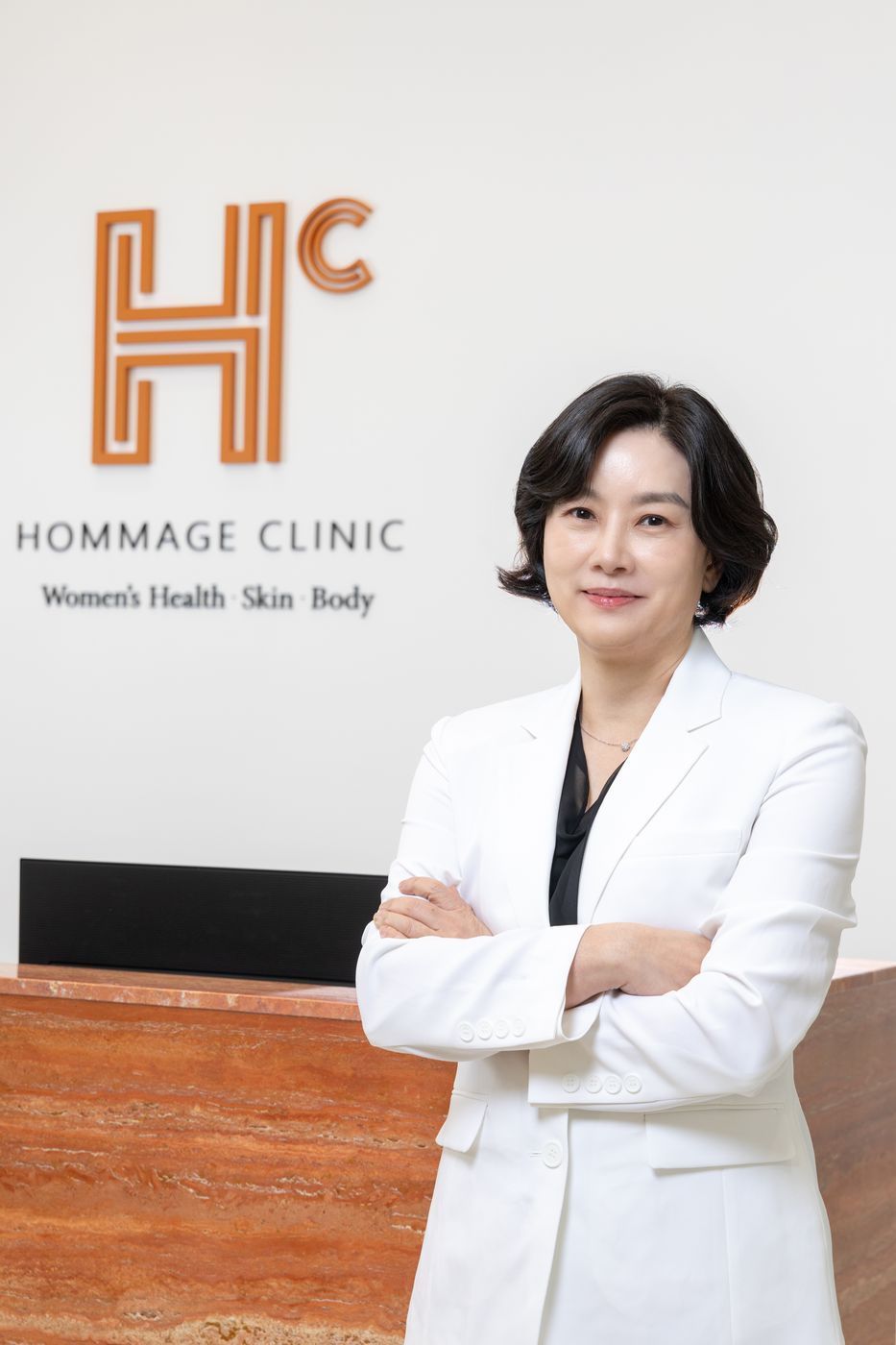
Dr. Park Yuna
Medical Director · OB/GYN Specialist
Dr. Park looks for the hormonal driver behind skin and hair changes, such as PCOS, a contraceptive or menopause. She coordinates with the clinic's skin physicians so that medical and skin treatments fit together safely, including during pregnancy, breastfeeding or hormone therapy.
OB/GYN specialist (Korea) and representative director of Hommage Clinic. Leads the clinic's women's health care, from screening and infections to hormones, contraception and fertility checks.
Hormones and skin: frequently asked questions
Does melasma go away after pregnancy?
Often it fades within several months after birth, but not always, and it can return with sun exposure, a later pregnancy or estrogen-containing pills. Daily broad-spectrum sunscreen is the most important step. If patches persist, treatment usually begins after breastfeeding. Read more on our melasma treatment page.
Can birth control cause or clear acne?
Both are possible. Combined pills with estrogen often improve acne by lowering free androgen levels, while some progestin-only methods, such as the implant or hormonal IUD, can worsen it in some women. If your skin changed after starting or stopping contraception, a review of your method can help.
Is hair loss after pregnancy normal?
Yes. Heavy shedding about two to four months after giving birth is common and is called postpartum telogen effluvium. Hair usually returns to its normal thickness by the baby's first birthday. If shedding lasts longer or is patchy, blood tests for thyroid function and iron can rule out other causes.
Which skin treatments are safe during pregnancy?
Gentle cleansing, moisturizers and mineral sunscreen are generally safe, and azelaic acid is commonly used for acne and pigment. Retinoids, including isotretinoin, must be avoided. Most lasers, chemical peels, botulinum toxin and fillers are postponed until after pregnancy and breastfeeding. Always check with your doctor before starting a new product.
Can hormone therapy improve my skin after menopause?
It may help skin hydration and thickness, but menopausal hormone therapy is prescribed for symptoms such as hot flashes and night sweats, not for skin alone, because it has its own risks. Skin-focused care, such as sun protection, moisturizers, retinoids and skin boosters, can be used with or without hormone therapy.
Can foreigners get hormone and skin care in Seoul?
Yes. International patients and foreign residents can book at Hommage Clinic in Gangnam. Bring your passport or residence card, a list of medications and any recent blood test results. If you are pregnant or breastfeeding, say so when you book. Please contact us before your visit to arrange language support.
How common is melasma in pregnancy?
Very common. A 2024 review reported that 36–75% of pregnant women develop melasma, depending on the population. Most cases fade within a year of delivery, but up to 30% persist, so daily sun protection from early pregnancy is worthwhile.
Is jawline acne a sign of PCOS?
It can be, but acne alone is a weak clue. The 2023 international PCOS guideline notes that unwanted hair growth is a stronger sign of high androgens. If you have acne together with irregular periods or new dark hair, an assessment for PCOS is sensible.
Does the pill help hirsutism in PCOS?
Often, yes. The 2023 international PCOS guideline says combined pills can be recommended for hirsutism in adults with PCOS. Hair growth changes slowly, so results are judged after about six months; an anti-androgen may be added if needed, with reliable contraception.
Can stopping the pill cause acne or hair shedding?
Yes. Some women notice breakouts in the months after stopping a combined pill, as androgen levels rise back to their natural level, and hair shedding can start two to four months later. Both usually settle, but persistent changes with irregular periods deserve a hormone check.
Can laser make melasma worse?
It can if the settings are too strong or the skin is irritated, causing darker or lighter patches. That is why melasma is treated with sun protection and topical care first, and any laser is gentle and gradual. See laser toning for how low-energy lasers are used.
Is tranexamic acid safe if I take the pill?
Oral tranexamic acid for melasma is usually avoided if you take an estrogen-containing pill or have a history of blood clots, because both affect clotting. Topical options may be considered instead. Your doctors will check your contraception before prescribing; see tranexamic acid therapy.
Which blood tests check for hormonal skin causes?
It depends on your history. Common tests include testosterone and other androgens, thyroid function, prolactin and iron stores, sometimes with a pelvic ultrasound. Some hormone tests are best done early in the cycle. See hormone testing for details.
References
Sources used for this page, reviewed by Dr. Park Yuna, OB/GYN specialist. Read our editorial and medical review policy.
- Teede HJ, et al. Recommendations from the 2023 International Evidence-based Guideline for the Assessment and Management of Polycystic Ovary Syndrome. Hum Reprod. 2023;38(9):1655–1679. Full text
- Forslund M, Melin J, Alesi S, et al. Different kinds of oral contraceptive pills in polycystic ovary syndrome: a systematic review and meta-analysis. Eur J Endocrinol. 2023;189(1):S1–S16. Abstract
- Zhao L, Fu X, Cheng H. Prevention of melasma during pregnancy: risk factors and photoprotection-focused strategies. Clin Cosmet Investig Dermatol. 2024;17:2301–2310. Full text
This page is general information and does not replace a personal consultation. Illustrations are original works of Hommage Women's Clinic, Gangnam, Seoul; photos marked illustrative are not of patients.
Related gynecology and skin services
Melasma Treatment
Care for hormone-related brown patches, from sunscreen and creams to gentle laser.
PCOS Treatment
Diagnosis and treatment for irregular periods, acne and excess hair caused by PCOS.
Acne Laser Treatment
Laser and light treatments for hormonal and persistent adult acne.
Menopause Treatment
One care plan for hot flashes, sleep, dryness and long-term health.
Hair Loss PRP Therapy
PRP injections for thinning scalp hair, including female pattern hair loss.
Skin Boosters
Injectable hydration and regeneration for dry, thinning skin.
Treat the skin and the hormones together
Book a consultation in Gangnam to find the hormonal cause of your skin or hair change and plan treatment that fits your life stage.
Hommage Clinic · 4F, Building A, 509 Gangnam-daero, Seoul (near Sinnonhyeon Station) · Mon & Fri 10:00–20:00 · Tue–Thu 10:00–19:00 · Sat 10:00–15:00