
Skin & Aesthetics · Redness & sensitive skin
Redness Reduction Therapy in Seoul: Calming Red, Sensitive Skin
Redness reduction therapy is a step-by-step plan to calm persistent facial redness by treating its cause, combining barrier repair, medical skin care, soothing in-clinic treatments and, where vessels are visible, laser or light. At Hommage Clinic in Gangnam, Seoul, Dr. Hwang Seonhwa first works out whether your redness comes from rosacea, irritation, dermatitis or visible vessels, then builds the plan.
Quick answer
Redness reduction therapy is a cause-first plan for persistent facial redness: repair the skin barrier, treat the medical cause, soothe reactive skin and, if visible vessels remain, close them with vascular laser or IPL. At Hommage Women's Clinic in Gangnam, Seoul, Dr. Hwang Seonhwa first works out whether redness comes from rosacea, irritation, dermatitis, steroid use, vessels or acne marks. Many people notice calmer skin within 2–6 weeks; vessel-related redness usually needs 3–5 laser sessions.
Key takeaways
- Different causes of redness look alike but need different treatment.
- Calming irritated skin comes before laser.
- Laser helps redness caused by vessels, not redness caused by dermatitis or irritation.
- A short, gentle routine and daily sunscreen support every other step.
Infographic
Redness reduction in numbers
Treatment layers
Repair, treat the cause, soothe, reduce vessels.
Calmer skin
With a gentle routine and the right medical treatment.
Laser sessions
When redness comes from dilated vessels.
Review interval
During active treatment.
Laser downtime
Redness and swelling after laser or light.
New product at a time
So you can tell what helps or irritates.
Redness reduction at a glance
| Key fact | Details |
|---|---|
| What it treats | Persistent facial redness, flushing, sensitive or irritated skin and red marks after acne |
| First step | Diagnosis: rosacea, irritation, dermatitis, steroid-related redness or visible vessels |
| Main approaches | Barrier care, prescription creams or pills, LDM and cooling care, vascular laser or IPL |
| Downtime | None to minimal for soothing care; 1–3 days of redness after laser or light |
| Results visible | Calmer skin often within 2–6 weeks; vessel reduction over several laser sessions |
| Follow-up | Usually every 4–6 weeks during treatment, then as needed for flare-ups |
| Reviewed by | Dr. Hwang Seonhwa, physician for skin and aesthetic treatments |
Book an assessment if you have
- Redness on the cheeks or nose that lasts most days
- Skin that stings, burns or flushes with skin care, heat or spicy food
- Visible fine vessels along with redness
- Red marks that linger for months after acne
- Redness or sensitivity after peels, lasers or other procedures
See a doctor promptly instead if you have
- Sudden facial swelling, hives or trouble breathing after a new product or medicine
- Painful, hot, spreading redness with fever, which can signal infection
- Redness in the eyes with pain or changes in vision
- A butterfly-shaped rash with joint pain, fatigue or fever
What causes facial redness?
Facial redness happens when blood vessels in the skin widen, either briefly (flushing) or for long periods (persistent redness), or when the skin is inflamed. Because several different conditions look similar in the mirror, naming the cause is the most important step.
- Rosacea: a long-term condition with flushing, persistent central redness, visible vessels and sometimes bumps. See rosacea laser treatment .
- Irritated or damaged skin barrier: over-exfoliation, strong acids or retinoids, frequent procedures or harsh cleansers cause stinging and redness.
- Dermatitis: contact dermatitis from a product, seborrheic dermatitis around the nose and eyebrows, or eczema.
- Steroid-related redness: long-term steroid cream on the face can thin the skin and leave redness that flares when it is stopped.
- Visible vessels and sun damage: broken capillaries that create a permanent red background.
- Post-acne marks: flat red or pink spots left after inflamed pimples heal.
- Hormonal flushing: menopausal hot flashes cause episodes of facial flushing. See hot flashes treatment .
Less commonly, redness is linked to autoimmune conditions such as lupus, or to certain medicines, which is why a doctor's assessment comes before any cosmetic plan.
How does redness reduction therapy work?
Redness reduction therapy works in layers: calm the inflammation, repair the skin barrier, control the trigger, then reduce visible vessels if they remain. Most people need more than one layer.
- Repair and protect. A simple routine with a gentle cleanser, a ceramide-containing moisturizer and daily mineral or broad-spectrum sunscreen reduces irritation that feeds redness. For skin that stings with almost everything, see skin barrier repair .
- Treat the medical cause. Depending on the diagnosis, this can include prescription creams such as metronidazole, azelaic acid or ivermectin for rosacea, anti-inflammatory creams for dermatitis, oral antibiotics at low doses, or a gradual plan to come off a facial steroid.
- Soothe in the clinic. Gentle treatments such as LDM ultrasound and cooling care can help settle sensitive, reactive skin, especially after procedures. They support comfort and recovery but do not remove vessels.
- Reduce vessels and persistent redness. When redness comes from dilated vessels, a vascular laser or IPL closes them. Light treatment is usually started once inflamed, irritated skin has calmed.
What happens at a redness assessment?
Your first visit focuses on diagnosis. Dr. Hwang asks when the redness started, what makes it worse, which products and medicines you use, including any steroid creams, and whether you also have bumps, dryness, eye irritation or hot flashes.
The skin is then examined under good light, and photographs may be taken to track progress. You leave with a written skin care routine, any prescriptions you need, and a plan that explains which in-clinic treatments, if any, make sense and when. If the pattern suggests an autoimmune or allergic cause, further tests or a referral are arranged before cosmetic treatment.
How long does it take to reduce facial redness?
Most people notice calmer, less reactive skin within two to six weeks of starting a gentle routine and the right medical treatment. Redness from visible vessels usually needs a series of laser or light sessions, typically three to five, about four to six weeks apart.
Results depend on the cause. Irritation-related redness can settle fully once the barrier recovers. Rosacea is a long-term condition, so redness can return with triggers, and maintenance care is usually needed. Red marks after acne often fade on their own over months, and vascular laser can speed this up.
Day-to-day habits that help
- Wash with lukewarm water and pat the skin dry.
- Keep a trigger diary for heat, alcohol, spicy food, hot drinks and stress.
- Introduce one new product at a time, and patch test first.
- Avoid scrubs, toners with alcohol and frequent peels while the skin is reactive.
- Use sunscreen every day, including in winter.
Risks and possible side effects
Each part of a redness plan has its own possible side effects, and Dr. Hwang will explain the ones that apply to you.
- Topical treatments such as azelaic acid can sting or itch for the first few weeks. Some rosacea creams that narrow vessels can cause rebound redness when they wear off.
- Oral antibiotics can cause stomach upset or sun sensitivity, and some are not suitable in pregnancy.
- Stopping a long-used facial steroid can cause a temporary flare, which is why it is done gradually with support.
- Laser and IPL can cause swelling, bruising with some settings, blisters, temporary dark or light patches and, rarely, scarring. These risks are higher in tanned skin or if the skin is still inflamed.
- Soothing treatments such as LDM are generally well tolerated; mild warmth or temporary redness can occur.
Contact the clinic if redness, burning or swelling gets worse instead of better, if you develop blisters, oozing or signs of infection, or if a new product causes itching or a rash.
Redness reduction therapy at Hommage Clinic
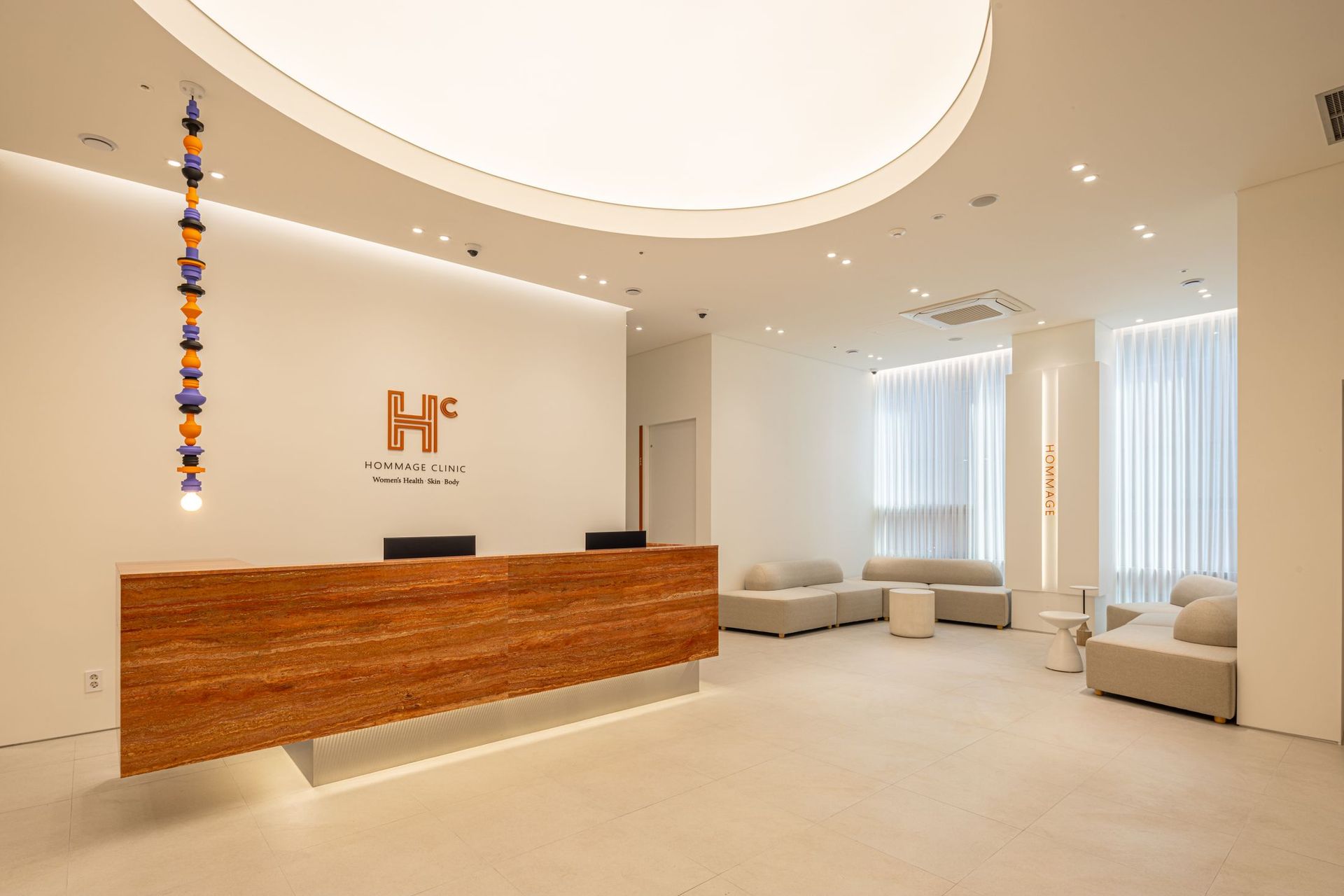
Hommage Clinic is a women's health and skin clinic in Gangnam, a short walk from Sinnonhyeon Station, and welcomes walk-ins during opening hours. Redness care starts with diagnosis by Dr. Hwang Seonhwa, rather than a fixed package, so your plan may be as simple as changing your routine or may combine medication, soothing care and laser over several months. LDM and cryo soothing care, which the clinic uses after procedures, can also be part of calming reactive skin.
Because the clinic also provides gynecology care, flushing linked to menopause or redness that changes with pregnancy or hormonal treatment can be looked at together; seeskin care for hormonal changes. Medical consultations for skin conditions may be partly covered by National Health Insurance for enrolled patients, while cosmetic laser and soothing treatments are not. Cost depends on the treatments chosen and the number of sessions, and you receive a written quote before treatment.
Diagnosis
Types of facial redness and the right treatment for each
Redness that looks the same in the mirror can have very different causes, and the wrong treatment can make it worse. A laser aimed at irritated, inflamed skin, for example, can trigger a flare, while a cream for dermatitis does nothing for dilated vessels. The chart below matches the most common types of redness with their first-line approach.
How it works
The four layers of redness reduction therapy
Think of redness care as a pyramid. A stable base of barrier repair and sun protection makes every treatment above it work better and with fewer side effects. Most people need the bottom two layers; only some need the top.
 Hommage · Gangnam
Hommage Women's Clinic · Gangnam, Seoul
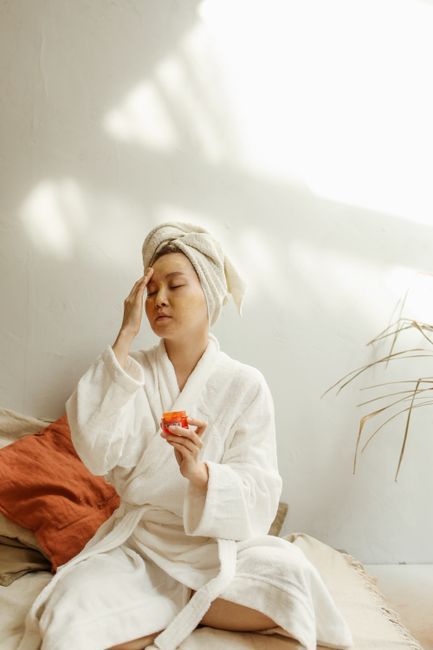
Barrier repair is the foundation of every redness plan. Illustrative photo.
 Hommage · Gangnam
Hommage Women's Clinic · Gangnam, Seoul
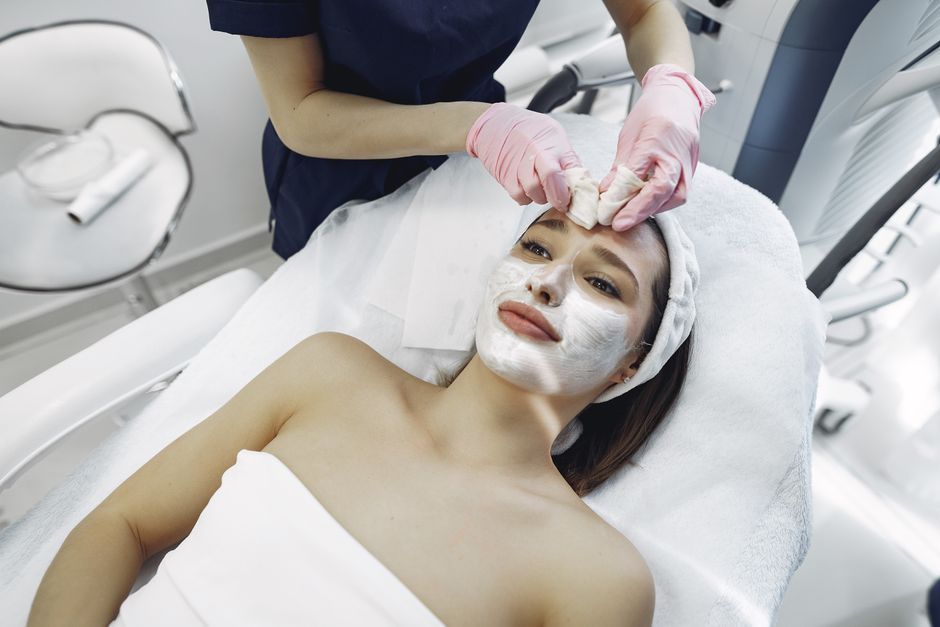
Soothing care calms reactive skin but does not remove vessels. Illustrative photo.
Know the pattern
Flushing vs persistent redness vs sensitive skin
Three patterns often overlap, and noticing which one bothers you most helps Dr. Hwang choose where to start.
Flushing
- Minutes to hours
- Heat, alcohol, stress, hot flashes
- Start: triggers, hormones
Persistent redness
- Background red tone
- Often with fine vessels
- Start: diagnosis, then laser
Sensitive skin
- Burns with products
- Tight, dry, flaky
- Start: barrier repair
If flushing comes with night sweats, sleep problems or irregular periods in your 40s or 50s, menopause may be involved. Ourmenopause treatmentteam can assess this alongside your skin.
Timeline
Redness reduction therapy timeline: what to expect
Redness usually improves in stages. The skin first stops reacting as much, then background redness fades, and finally any visible vessels are reduced. Progress is reviewed with photos so small improvements are not missed.
Daily care
Skin care for red, sensitive skin: do's and don'ts
Many people with red, reactive skin have tried too many products, not too few. Simplifying the routine is often the single most effective first step, and it makes it easier to see what actually helps.
Do
- Keep to 3 steps: cleanse, moisturize, sunscreen
- Choose fragrance-free, ceramide-based products
- Patch test new products for a few days
- Wash with lukewarm water
- Bring all your products to your appointment
- Use prescribed creams as directed
Don't
- Layer many serums and actives
- Use scrubs, peeling pads or cleansing brushes
- Use alcohol toners or strong fragrance
- Use steroid creams on the face without a plan
- Book peels or lasers while skin is inflamed
- Stop a long-used steroid suddenly
 Hommage · Gangnam
Hommage Women's Clinic · Gangnam, Seoul
A three-step routine is often enough for red, reactive skin. Illustrative photo.
Evidence
What the research says about treating facial redness
“Redness reduction therapy” is not a single treatment that can be tested in a trial; it is a combination chosen for each cause. The strongest evidence for light-based treatment comes from rosacea, where vascular lasers have been compared head to head. Evidence for soothing in-clinic treatments such as LDM is much more limited, which is why they are offered as comfort and recovery support, not as a cure.
>50% clearance with laser
68.6% pulsed dye, 71.4% Nd:YAG in rosacea redness.
Li & Wang, Front Med, 2022Satisfied with laser
88.6% and 91.4% in the same analysis.
Li & Wang, Front Med, 2022Session for small red spots
Small red spots such as cherry angiomas usually clear after one treatment.
DermNetPatients, split-face: dye laser vs IPL
Three monthly sessions; both reduced redness, visible vessels and symptoms, with no significant difference between them.
Neuhaus et al., Dermatol Surg, 2009Traveling to Seoul
Redness treatment in Seoul for international patients
A visit to Seoul is a good time for a redness assessment and a reset of your routine, even if laser happens later. Hommage Women's Clinic is in Gangnam, a short walk from Sinnonhyeon Station (Line 9 and Shinbundang Line).
Making the most of a short stay
- Bring every product you use, or clear photos of their ingredient lists, plus any creams or tablets from your doctor at home.
- Send photos of your redness by WhatsApp, KakaoTalk or the contact form before you travel.
- Expect diagnosis, a written routine and prescriptions on day one; laser may wait until the skin is calm.
- Be careful with Korean skin care shopping: add new products one at a time after you go home.
- Ask for written notes so a doctor at home can continue treatment.
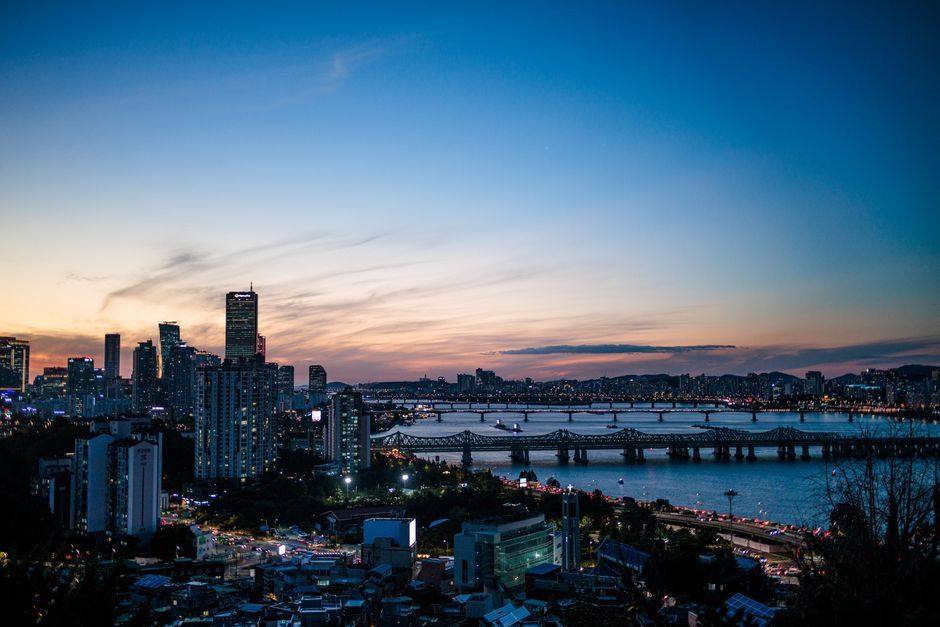 Hommage · Seoul
Hommage Women's Clinic · Gangnam, Seoul
Seoul: the clinic is in Gangnam, a short walk from Sinnonhyeon Station. Illustrative photo.
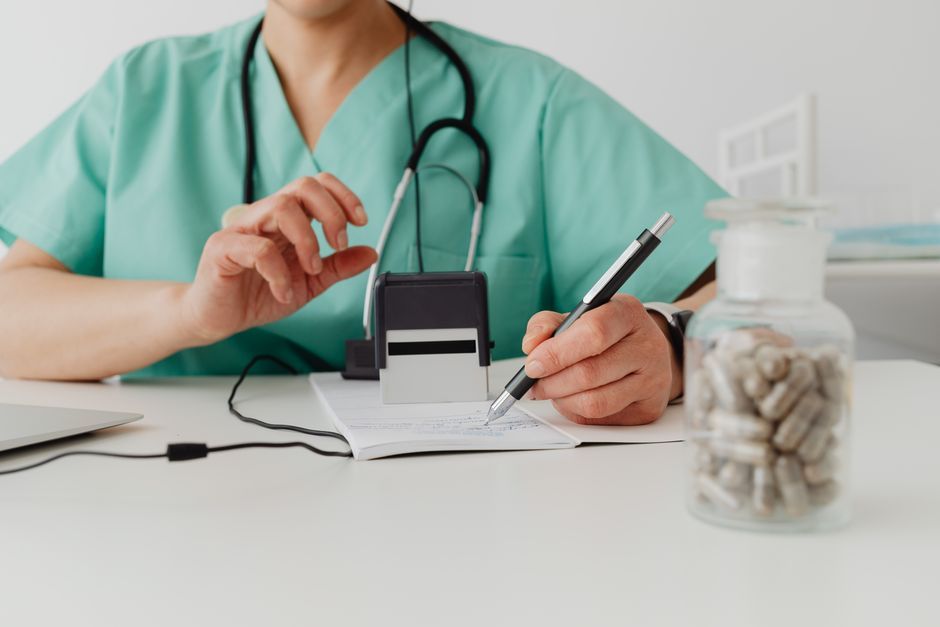 Hommage · Gangnam
Hommage Women's Clinic · Gangnam, Seoul
You leave with a written routine and plan. Illustrative photo.
Choosing well
How to choose a clinic for facial redness in Seoul
Redness is often sold as a package of sessions. Ask these questions at any clinic, including ours:
- Is a cause named? Rosacea, irritation, dermatitis, steroid use or vessels.
- Do they review your products? Many cases improve just by simplifying.
- Is medication offered when needed? Not every red face needs a laser.
- Do they wait for the skin to calm? Laser on inflamed skin can backfire.
- Are soothing treatments described honestly? As comfort support, not a cure.
- Is the quote written? Separating medical and cosmetic care.
What affects the cost of redness reduction therapy?
Cost depends on the cause and the mix of treatments: a consultation and prescriptions alone, or soothing sessions such asLDM, or a series ofvascular laserorIPLsessions. Medical consultations for skin conditions may be partly covered by National Health Insurance for enrolled patients; cosmetic laser and soothing treatments are not. You receive a written quote before treatment.
Your visit
What to expect at your redness appointment
01
History
Bring a list of your skin care products and medicines, including any steroid creams, and note what triggers your redness.
02
Diagnosis
Dr. Hwang examines your skin to separate rosacea, irritation, dermatitis, vessels and post-acne marks.
03
Your plan
You receive a written routine, any prescriptions and a timeline for soothing care or laser if needed.
04
Review
Progress is checked after about 4–6 weeks, and treatments are adjusted as your skin calms.

Your doctor
Dr. Hwang Seonhwa
Physician · Skin & Aesthetic Treatments
Dr. Hwang treats facial redness by finding its cause first, calming and repairing the skin before considering laser, and keeping routines simple so that each change can be judged.
Physician for face and skin procedures, including lifting, laser and skin-improvement treatments, planned around facial proportions and skin condition.
Facial redness: frequently asked questions
Why is my face always red?
Constant facial redness usually comes from rosacea, an irritated skin barrier, dermatitis, sun damage with visible vessels or long-term steroid cream use. Less often it is linked to an autoimmune condition or a medicine. Because these look alike but are treated differently, a skin examination is the most reliable way to find the cause before choosing a treatment.
Can facial redness be cured?
It depends on the cause. Redness from irritation or a product reaction can clear completely once the trigger is removed and the barrier recovers. Rosacea cannot be cured, but its redness can be controlled well with skin care, medication and laser. Visible vessels can be removed, although new ones may form over time.
Does laser help with facial redness?
Yes, when the redness comes from dilated blood vessels. A vascular laser or IPL closes those vessels and reduces background redness over several sessions. Laser does not treat redness caused by dermatitis or irritation, and it is more effective once the skin has calmed. Your doctor will explain whether laser suits your type of redness.
What skin care helps red, sensitive skin?
A short, gentle routine works well for most people: a mild non-foaming cleanser, a fragrance-free moisturizer with ceramides, and daily broad-spectrum sunscreen. Avoid scrubs, alcohol-based toners and frequent acids while the skin is reactive. Add new products one at a time. See skin barrier repair for more.
Can stopping steroid cream make my face redder?
Yes. After long-term use of a steroid cream on the face, stopping suddenly can cause a flare of redness, burning and bumps. This is why it is safer to taper under medical supervision, often with a non-steroid cream to bridge the change. Do not stop a prescribed steroid abruptly without talking to a doctor.
Can foreigners get redness treatment in Seoul?
Yes. International visitors and foreign residents can book a redness assessment at Hommage Clinic; bring your passport and a list of products and medicines you use. Treatment plans usually span several weeks, so let us know how long you will be in Seoul. Contact us before your visit to arrange language support; you can walk in during opening hours or book ahead for a set time.
How long does redness reduction therapy take to work?
Many people notice calmer, less reactive skin within two to six weeks of the right routine and medical treatment. If visible vessels remain, laser or IPL is usually given as three to five sessions about four to six weeks apart.
Is it rosacea or just sensitive skin?
They can overlap. Rosacea usually affects the central face with flushing, persistent redness, visible vessels and sometimes bumps. Sensitive skin stings or burns with products and often feels tight or dry. A doctor's examination helps tell them apart; see rosacea laser treatment for more on rosacea.
Does LDM reduce facial redness?
LDM is a gentle ultrasound treatment used to soothe reactive skin and support recovery after procedures. Evidence for it is limited, and it does not remove visible vessels. It is offered as comfort support alongside treatments for the cause, not as a stand-alone cure.
Can red acne marks be treated?
Yes. Flat red or pink marks after acne often fade on their own over months, and a vascular laser can help them fade faster. Active acne should be controlled first so new marks do not keep forming.
Can menopause cause facial redness?
Yes. Hot flashes cause episodes of facial flushing and can make rosacea worse. If flushing comes with night sweats or period changes, our gynecology team can assess it through hot flashes treatment alongside your skin care.
When is facial redness an emergency?
Seek urgent care for sudden facial swelling, hives or trouble breathing after a new product or medicine, or for painful, hot, spreading redness with fever. A butterfly-shaped rash with joint pain or fatigue, or red painful eyes with vision changes, also needs prompt medical assessment.
Is redness treatment covered by insurance in Korea?
Medical consultations and prescriptions for skin conditions may be partly covered by National Health Insurance for enrolled patients. Cosmetic laser, IPL and soothing treatments are not covered. You receive a written quote before any treatment.
References
Sources used for this page, reviewed by Dr. Hwang Seonhwa. Read our editorial and medical review policy.
- Li Y, Wang R. Efficacy comparison of pulsed dye laser vs. microsecond 1064-nm neodymium:yttrium-aluminum-garnet laser in the treatment of rosacea: a meta-analysis. Front Med. 2022;8:798294. Full text
- DermNet. Facial red vein and vascular birthmark treatments. dermnetnz.org
- Neuhaus IM, Zane LT, Tope WD. Comparative efficacy of nonpurpuragenic pulsed dye laser and intense pulsed light for erythematotelangiectatic rosacea. Dermatol Surg. 2009;35(6):920-928. PubMed
- Schaller M, Almeida LMC, Bewley A, et al. Recommendations for rosacea diagnosis, classification and management: update from the global ROSacea COnsensus 2019 panel. Br J Dermatol. 2020;182(5):1269-1276. doi:10.1111/bjd.18420
This page is general information and does not replace a personal consultation. Illustrations are original works of Hommage Women's Clinic, Gangnam, Seoul; photos marked illustrative are not of patients.
Related skin treatments
Rosacea Laser Treatment
How laser fits into rosacea care alongside medication and trigger control.
Vascular Laser
Lasers that close dilated vessels behind persistent redness.
Skin Barrier Repair
Restoring a damaged barrier that causes stinging, tightness and redness.
LDM
Gentle ultrasound micro-massage to soothe reactive skin and support recovery.
Broken Capillary Removal
Causes of red thread veins and how they are removed.
Hot Flashes Treatment
Care for menopausal flushing and hot flashes with an OB/GYN specialist.
Find out what is behind your redness
Book a redness assessment with Dr. Hwang Seonhwa in Gangnam. Bring your skin care products and medicines, and leave with a plan matched to the cause.
Hommage Clinic · 4F, Building A, 509 Gangnam-daero, Seoul (near Sinnonhyeon Station) · Mon & Fri 10:00–20:00 · Tue–Thu 10:00–19:00 · Sat 10:00–15:00