
Skin & Aesthetics · Hair & scalp
Stem Cell and Exosome Hair Therapy: What the Evidence Shows
Stem cell hair therapy is an umbrella term for emerging regenerative treatments that apply cells, or substances released by cells such as exosomes and growth factors, to the scalp to try to reactivate thinning hair follicles. At Hommage Clinic in Gangnam, Seoul, Dr. Hwang Seonhwa explains what the early evidence does and does not show and considers these options only alongside proven hair-loss treatment.

Quick answer
Stem cell hair therapy covers emerging scalp treatments that use exosomes, growth factors or concentrates of your own cells to try to reactivate thinning follicles. At Hommage Women's Clinic in Gangnam, Seoul, Dr. Hwang Seonhwa offers exosome solutions and the Miracell cell-separation system only after checking the cause of thinning and starting proven treatment. A session takes about 30–90 minutes with little downtime. Early studies are encouraging, but the evidence is still small and inconsistent.
Key takeaways
- These treatments are add-ons for thinning hair, not cures, and they cannot regrow hair where follicles are gone.
- A 2025 systematic review found only 11 clinical studies of exosomes for hair, including 2 randomized trials.
- Products differ widely in source and preparation, so results from one cannot be assumed for another.
- Ask what a product contains, where it comes from and how it is regulated before you agree to treatment.
Infographic
Stem cell and exosome hair therapy in numbers
Per session
Exosomes with microneedling are shorter; cell concentrates take longer.
Scalp tenderness
Redness and soreness usually settle quickly.
First review
When any change in density is usually assessed.
Clinical studies
Of exosomes for hair in a 2025 systematic review; only 2 were randomized.
Hairs/cm² reported
Range of density gains in those small, varied studies.
FDA-approved exosome products
As stated by the US FDA; regulation differs by country.
Stem cell hair therapy at a glance
| Key fact | Details |
|---|---|
| What it is | Regenerative scalp treatments using cell concentrates, exosomes or growth factors |
| Evidence level | Emerging: small studies with promising but inconsistent results |
| Treatment time | Usually 30–90 minutes, depending on the method used |
| Sessions | Varies by method; often a short course followed by review |
| Downtime | Usually minimal; scalp tenderness or redness for 1–3 days |
| Results visible | If they occur, usually assessed after 3–6 months |
| Advised by | Dr. Hwang Seonhwa, physician |
You might discuss regenerative options if you have
- Diagnosed female or male pattern hair loss that is still in an early or moderate stage
- Already tried first-line treatment such as minoxidil and want to know about add-ons
- Realistic expectations and are comfortable with a treatment still under study
- Ruled out treatable causes such as low iron or a thyroid disorder
Wait or choose another option if you
- Are pregnant or breastfeeding
- Have an active scalp infection, a blood-clotting disorder or a current cancer diagnosis
- Have hair loss that has not yet been diagnosed, such as patchy or scarring hair loss
- Expect a certain or lasting cure, which no current regenerative treatment can offer
What is stem cell hair therapy?
The term covers several quite different treatments that share one idea: using regenerative signals to help miniaturized hair follicles return to a healthier growth cycle. Hair follicles contain their own stem cells, and in pattern hair loss these cells remain present but become less active.
- Exosome treatments: exosomes are tiny vesicles released by cells, often cultured stem cells, that carry proteins and genetic signals. They contain no living cells and are applied after scalp microneedling or injected into the scalp.
- Autologous cell concentrates: your own blood or fat tissue is processed in a closed system to concentrate cells and growth factors, which are then injected into the scalp.
- Stem cell-derived growth factor solutions: conditioned media containing proteins released by cultured cells, used in a similar way to exosomes.
None of these transplant new hair follicles. That is what surgical hair transplantation does, which is a different procedure.
Does stem cell hair therapy work?
The honest answer is that it is promising but not yet proven. Small clinical studies of adipose-derived cell treatments and exosome or growth factor solutions have reported increases in hair density in pattern hair loss, but most had few participants, short follow-up and no placebo group.
Products and preparation methods also vary widely, so a result from one study cannot be assumed for another product. In many countries, including the United States, no stem cell or exosome product is approved specifically for treating hair loss, and regulators have warned consumers about unproven claims. By comparison, topical minoxidil has strong evidence, while PRP and low-level laser therapy have moderate evidence. Any clinic offering regenerative hair treatment should explain this clearly before you decide.
Check the cause of hair thinning first
Regenerative treatment can only help follicles that are still present, and it cannot fix an underlying medical cause. In women, thinning is often linked to more than one factor:
- Female pattern hair loss, which is partly genetic and partly hormonal
- Shedding two to three months after childbirth, illness or stress (telogen effluvium), which usually recovers on its own
- Low iron stores and thyroid disorders, both common and treatable
- Raised androgens in polycystic ovary syndrome (PCOS) , or hormonal change around menopause
Dr. Hwang examines your scalp and can arrange blood tests, including hormone testing , before any procedure is discussed.
What happens during treatment?
The visit depends on the type of treatment. Exosome or growth factor treatments are usually combined with microneedling: the scalp is numbed, microneedled, and the solution is applied or injected, which takes about 30–45 minutes.
Autologous cell treatments take longer, because blood or a small amount of fat must first be collected and processed before injection, which usually requires local anesthesia at the collection site. Either way, you go home the same day. Your doctor will explain the specific product or system proposed, where it comes from and how many sessions are planned before you agree to treatment.
Stem cell therapy vs PRP vs minoxidil
Regenerative treatments are add-ons, not replacements for medical therapy. A typical order of steps is:
- Treat any cause found on blood tests, such as low iron or a thyroid problem.
- Start first-line treatment , usually topical minoxidil; oral options such as low-dose oral minoxidil, or anti-androgen medicine for some women, may be prescribed after assessment.
- Consider procedures with moderate evidence , such as PRP for hair loss or low-level laser therapy.
- Discuss emerging options , such as exosome or cell-based treatment, if you want to go further and accept the uncertainty.
The same regenerative principles are also used for the face; see stem cell skin therapy .
Risks and possible side effects
Short-term side effects are usually mild and similar to other scalp injection treatments:
- Scalp tenderness, redness, swelling or small bruises for a few days
- Pinpoint bleeding and scabbing after microneedling
- Temporary shedding in the following weeks
- Soreness, bruising or swelling where blood or fat was collected
Less common risks include infection, allergic or inflammatory reactions to a product, and lumps at injection sites. Because long-term data are limited, the full safety profile of some products is not yet known, so ask what a product contains and how it is regulated. Contact the clinic if you develop increasing pain, spreading redness, pus or fever.
Regenerative hair treatment at Hommage Clinic
Hommage Clinic is a women's health and skin clinic in Gangnam, a short walk from Sinnonhyeon Station. The clinic's regenerative treatments use exosome solutions and the Miracell cell-separation system; whether either is suitable for your scalp is decided by Dr. Hwang Seonhwa after assessment. Hormonal causes of thinning can be checked by the clinic's gynecology service under one roof, and hair care is part of our wider skin and aesthetics services .
Cost depends on the method, product and number of sessions. These treatments are cosmetic and not covered by National Health Insurance; blood tests for a medical cause may be covered for enrolled patients. You receive a written quote before treatment starts.
Compare
Exosome vs stem cell hair treatment: what is the difference?
"Stem cell hair treatment" is used loosely in advertising, and it can mean very different things. Some treatments use concentrates of your own cells, prepared from a blood sample or a small amount of fat on the day. Others use exosomes: tiny packages of proteins and genetic signals released by cells grown in a laboratory, supplied as a ready-made product that contains no living cells. A third group uses growth factor solutions, sometimes called conditioned media.
All three aim to send regenerative signals to thinning follicles. They differ in where the material comes from, how much preparation is needed, and how they are regulated. The diagram below sets them side by side.
| Compare | Autologous cell concentrate | Exosome / growth factor solution |
|---|---|---|
| Source | Your own blood or fat tissue | Laboratory-grown cells (for example adipose or umbilical cord-derived) |
| Living cells? | Yes, plus growth factors | No; cell-free signals only |
| On the day | Collection and processing first; longer visit | Usually microneedling, then application or injection; about 30–45 min |
| Main questions to ask | How is it processed, and in a closed system? | What is the product, its source, and its regulatory status? |
| Evidence | Small studies; emerging | Small studies; emerging |
Candidacy
Who might consider stem cell or exosome hair therapy?
Regenerative hair treatment is best thought of as an optional extra for people who already have a clear diagnosis and a solid foundation of treatment. The typical person who asks about it has early to moderate pattern thinning, has used minoxidil for several months, and wants to know whether anything else might add to the result.
It is less suitable if the cause of your hair loss has not been found, if you are hoping to avoid medication altogether, or if you need a certain result for a specific date. Dr. Hwang Seonhwa will also tell you when an established option, such asPRPorlow-level laser therapy, is a more sensible next step.
What it may do
- Add to the effect of minoxidil or PRP
- Help thinning hair look a little fuller
- Reduce shedding in some people
- Be reviewed with photos at 3–6 months
What it cannot do
- Regrow hair on smooth, bald skin
- Replace medical treatment of the cause
- Give a permanent cure for pattern hair loss
- Guarantee the same result as a study or advert
 Hommage · Gangnam
Hommage Women's Clinic · Gangnam, Seoul
Regenerative options are discussed only once the cause of thinning is known. Illustrative photo.
Mechanism
How might exosomes and stem cells help hair follicles?
Each hair follicle cycles through a growing phase (anagen), a short transition (catagen) and a resting phase (telogen), after which the hair sheds and a new one starts. In pattern hair loss, the growing phase gets shorter and the follicle shrinks, so each new hair is finer than the last. Laboratory research suggests that signals carried by exosomes and growth factors can encourage follicles to enter and stay in the growing phase. Whether that happens reliably in people’s scalps is exactly what clinical studies are still testing.
 Hommage · Gangnam
Hommage Women's Clinic · Gangnam, Seoul
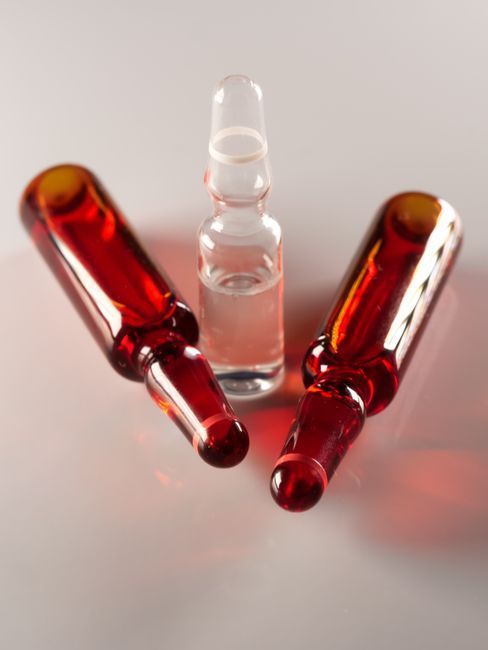
Ask for the name, source and status of any product before it is used on your scalp. Illustrative photo.
Safety first
Questions to ask before stem cell or exosome hair treatment
Because regenerative products vary so much, the most useful thing you can do is ask clear questions. In the United States, the FDA has stated that there are currently no FDA-approved exosome products, and it has warned the public about serious adverse events after unapproved products marketed as containing exosomes. Rules are different in each country, but the same questions apply wherever you are treated.
- What is the exact product or system? Ask for the brand name and keep it in writing.
- Where does it come from? Your own cells, or cells grown in a laboratory, and from which tissue.
- How is it regulated here? Ask what approval or registration the product has in Korea.
- What evidence supports this product? Studies of a different product are not the same.
- What are the possible side effects? Including what happens if there is a reaction.
- What is the full plan? Number of sessions, review date and when to stop if it is not helping.
Where it fits
Stem cell hair therapy vs PRP vs minoxidil: the evidence ladder
Hair-loss treatments sit on very different rungs of evidence. Topical minoxidil has been tested in many randomized trials. PRP and low-level laser therapy have a growing body of randomized trials with moderate or low-certainty evidence. Exosome and stem cell treatments have the fewest and smallest studies. The higher a treatment sits on the ladder, the more confidently its benefit can be predicted.
Evidence
Do exosomes work for hair loss? What the research says
A 2025 systematic review in Clinical, Cosmetic and Investigational Dermatology gathered every clinical study of exosome therapy for hair it could find up to May 2025. It found 11 studies: 2 randomized controlled trials, 3 retrospective studies, 3 single-group studies, 1 case series and 2 case reports. Every study reported improvement in at least one hair measure, and none reported serious side effects.
Those results are encouraging, but they come with important caveats: the studies were small, used exosomes from many different sources, measured results in different ways and followed patients for different lengths of time. The authors themselves called for larger, standardized randomized trials before firm conclusions can be drawn.
Clinical studies
Only 2 were randomized controlled trials.
Al Ameer et al., Clin Cosmet Investig Dermatol, 2025Hairs/cm² gained
Range reported across studies of different exosome sources.
Al Ameer et al., 2025Serious side effects
None reported in the included studies; long-term data are lacking.
Al Ameer et al., 2025FDA-approved exosome products
FDA public safety notification; regulators warn about unproven claims.
US FDA, 2019 Hommage · Gangnam
Hommage Women's Clinic · Gangnam, Seoul
Regenerative hair treatments are still being studied. Illustrative photo.
Aftercare
After exosome or stem cell hair treatment: do's and don'ts
Aftercare is similar to other scalp procedures. When microneedling is used, the scalp has many tiny channels that close within a day or two, so the aim is to keep the area clean and avoid irritation. If fat was collected for a cell-based treatment, the collection site also needs simple care. Written instructions are given at the end of your visit.
Do
- Wash your hair the next day, or as advised, with a mild shampoo
- Keep the scalp clean and out of strong sun for a few days
- Continue minoxidil or other treatment when your doctor says it is safe to restart
- Care for any blood or fat collection site as instructed
- Call the clinic if redness spreads, pain increases, or you develop a fever
Don't (for about 24–48 hours)
- Apply hair products, sprays or dye to the treated scalp
- Use saunas, steam rooms or swimming pools
- Do heavy exercise that makes you sweat a lot
- Scratch or pick at small scabs after microneedling
- Add another scalp procedure without checking first
Traveling to Seoul
Stem cell and exosome hair therapy in Seoul for international patients
Many visitors come to Seoul curious about exosome hair treatments they have seen online. A consultation at Hommage Women's Clinic in Gangnam gives you an honest view of whether it is worth trying, alongside a proper assessment of why your hair is thinning.
Before you book
- Contact the clinic by WhatsApp, KakaoTalk or the contact form with your dates, and ask for language support if needed.
- Bring your passport, recent blood tests, and a list of your medicines and current hair treatments.
- Allow at least 1–2 days: assessment first, treatment the same or next day if suitable.
- Ask for the product name and documents in writing so your home doctor can review them.
After you fly home
Keep using your home treatment, take monthly photos in the same light, and message the clinic with questions. A review at about 3–6 months, in person or by photos, helps decide whether further sessions are worthwhile.
 Hommage · Seoul
Hommage Women's Clinic · Gangnam, Seoul
Seoul: the clinic is in Gangnam, near Sinnonhyeon Station. Illustrative photo.
 Hommage · Gangnam
Hommage Women's Clinic · Gangnam, Seoul
Options, evidence and costs should be explained before you decide. Illustrative photo.
Choosing well
How to choose a clinic for stem cell hair therapy in Seoul
With emerging treatments, the way a clinic talks about evidence tells you a lot. Look for these signs at any consultation, including ours:
- No promises of guaranteed regrowth Honest clinics describe the evidence as emerging.
- Cause checked first Iron, thyroid and hormonal causes are considered before any product is sold.
- Proven treatment kept in the plan Regenerative options are offered on top of, not instead of, minoxidil.
- Product named in writing Brand, source and regulatory status are shared openly.
- A doctor assesses and supervises You know who examines you and who performs the procedure.
- A review date and stopping rule The plan says when to judge results and when to stop.
What affects the cost of stem cell or exosome hair therapy?
The cost depends on the method (a ready-made exosome product or a cell concentrate prepared from your own tissue), the product brand and amount used, whetherscalp microneedlingis included, and how many sessions are planned. Ongoing home treatment adds to the long-term total. These treatments are cosmetic and not covered by National Health Insurance, and you receive a written quote before treatment starts.
Your visit
How a regenerative hair consultation works
01
Hair history and exam
Dr. Hwang reviews when thinning started, recent pregnancy or illness, your cycle and medicines, and examines your scalp.
02
Tests if needed
Iron, thyroid and hormone blood tests help rule out causes that a procedure cannot fix.
03
Options explained
You hear the evidence for each option, from minoxidil to PRP to emerging treatments, with a written quote.
04
Treatment and review
If you go ahead, progress is reviewed at about 3–6 months and the plan is adjusted.
Your doctor
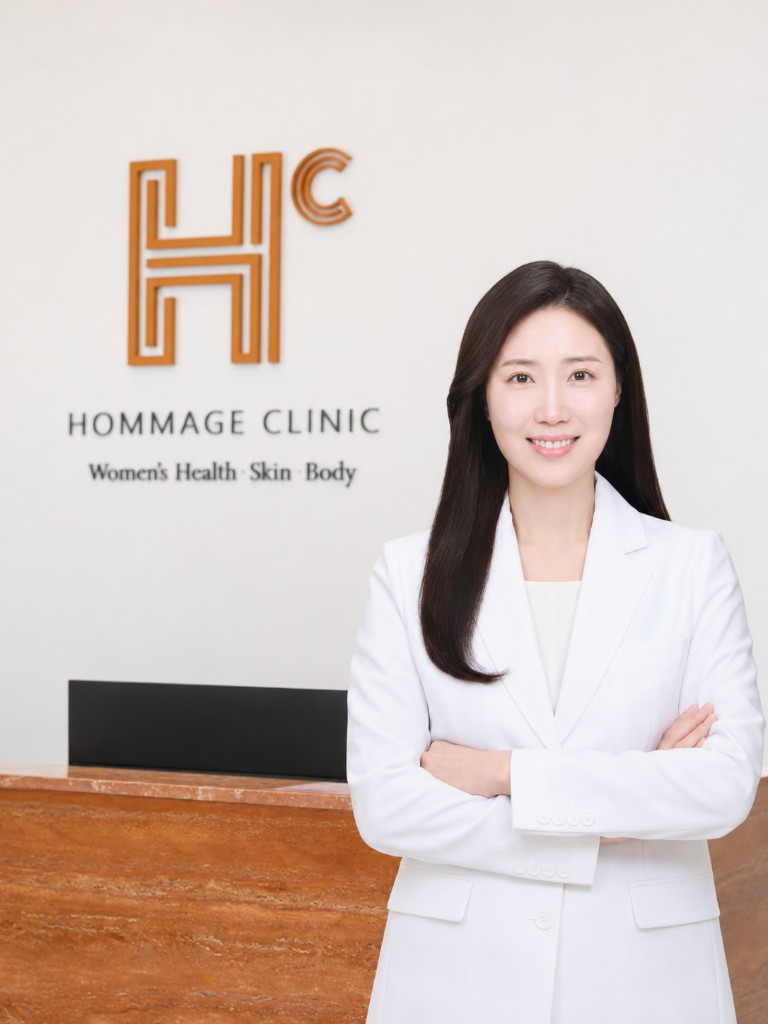
Dr. Hwang Seonhwa
Physician · Skin & Aesthetic Treatments
Dr. Hwang discusses stem cell and exosome options as emerging add-ons, explaining the limits of current evidence before any treatment. They are considered only after treatable causes have been checked and first-line therapy is in place.
Physician for face and skin procedures, including lifting, laser and skin-improvement treatments, planned around facial proportions and skin condition.
Stem cell hair therapy: frequently asked questions
Is stem cell hair therapy proven to work?
Not yet. Small studies of cell-based and exosome treatments have shown encouraging increases in hair density, but larger controlled trials are still needed. It is considered an emerging treatment, while minoxidil has strong evidence and PRP and low-level laser therapy have moderate evidence. Be cautious of any clinic that promises certain regrowth.
What is the difference between exosome and stem cell hair treatment?
Stem cell treatments use living cells, usually concentrated from your own blood or fat tissue. Exosome treatments use tiny vesicles released by cells, so they contain no living cells. Both aim to send regenerative signals to hair follicles, and both are still being studied for hair loss.
Is stem cell hair therapy better than PRP?
There is not enough evidence to say so. PRP has been studied more widely and has moderate evidence for pattern hair loss, while stem cell and exosome treatments have fewer, smaller studies. Some people use them together. Your doctor can explain which option fits your hair loss and budget. See PRP for hair loss.
Can stem cell therapy regrow hair on a bald scalp?
No. Current regenerative treatments aim to strengthen follicles that are still present, so they are most suitable for thinning hair rather than smooth, completely bald areas. Where follicles are gone, surgical hair transplantation by a specialist is the established option.
How long do the results of stem cell hair therapy last?
There is little long-term data. Pattern hair loss continues over time, so any improvement is likely to fade without ongoing treatment such as daily minoxidil or periodic sessions. Results are usually reviewed after three to six months to decide whether continuing is worthwhile.
Can foreigners get stem cell hair therapy in Seoul?
Yes. International patients and foreign residents can book a consultation at Hommage Clinic; bring your passport for registration. Ask for the product name and documents in writing so your home doctor can review them. Please contact us before your visit to arrange language support; you can walk in during opening hours or book ahead for a set time.
How many clinical studies are there on exosomes for hair loss?
Not many. A 2025 systematic review found 11 clinical studies of exosome therapy for hair, of which only 2 were randomized controlled trials; the rest were smaller observational studies, a case series and case reports. All reported some improvement and no serious side effects, but the authors called for larger, standardized trials.
Are exosome hair products approved?
It depends on the country. The US FDA has stated that there are currently no FDA-approved exosome products and has warned about unapproved products. Regulation in Korea and elsewhere differs, so ask the clinic for the exact product name and its regulatory status before treatment.
Does exosome hair treatment hurt?
Exosome treatment is usually combined with scalp microneedling, which is done after numbing cream. Most people feel pressure and mild stinging, and the scalp may be tender and red for one to three days. Cell-based treatments also involve a small collection procedure, done under local anesthesia.
How many sessions of exosome hair therapy are needed?
Protocols differ between products and studies, so there is no standard number. A short course is usually planned, followed by a review at about three to six months with photos. If there is no clear benefit by then, continuing is not usually recommended.
Can I combine exosomes with PRP or minoxidil?
Yes, regenerative treatments are generally used on top of first-line treatment such as minoxidil, and sometimes alongside PRP or scalp microneedling. Your doctor will tell you when to pause and restart topical treatment around a session.
Is stem cell hair therapy safe during pregnancy?
No. Regenerative scalp treatments are postponed during pregnancy and breastfeeding because there are no safety data. Shedding after childbirth usually recovers on its own, and hair treatment options can be reviewed once breastfeeding has finished.
References
Sources used for this page, reviewed by Dr. Hwang Seonhwa. Read our editorial and medical review policy.
- Al Ameer MA, Alnajim AT, Al Ameer A, et al. Exosomes and hair regeneration: a systematic review of clinical evidence across alopecia types and exosome sources. Clin Cosmet Investig Dermatol. 2025;18:2215–2227. DOAJ
- US Food and Drug Administration. Public safety notification on exosome products. December 6, 2019. FDA
- Kieling L, Konzen AT, Zanella RK, Valente DS. Is autologous platelet-rich plasma capable of increasing hair density in patients with androgenic alopecia? A systematic review and meta-analysis of randomized clinical trials. An Bras Dermatol. 2024;99(6):847–862. PMC
- van Zuuren EJ, Fedorowicz Z, Schoones J. Interventions for female pattern hair loss. Cochrane Database Syst Rev. 2016;(5):CD007628. Cochrane
This page is general information and does not replace a personal consultation. Illustrations are original works of Hommage Women's Clinic, Gangnam, Seoul; photos marked illustrative are not of patients.
Related hair and regenerative treatments
Hair Loss PRP Therapy
Platelet-rich plasma from your own blood, with moderate evidence for pattern hair loss.
Scalp Microneedling
Fine-needle treatment often used to deliver exosome or growth factor solutions.
Low-Level Laser Therapy
Needle-free red light therapy for thinning hair, in clinic or at home.
Hair Filler Injection
Peptide and hyaluronic acid scalp injections, and why they are not volume fillers.
Stem Cell Skin Therapy
Regenerative treatments for facial skin quality, texture and recovery.
Hormone Testing
Blood tests for androgens, thyroid and other hormones behind hair thinning.
Get an evidence-based view of regenerative hair care
Book a consultation with Dr. Hwang Seonhwa in Gangnam to compare stem cell, exosome and proven hair-loss treatments for your scalp.
Hommage Clinic · 4F, Building A, 509 Gangnam-daero, Seoul (near Sinnonhyeon Station) · Mon & Fri 10:00–20:00 · Tue–Thu 10:00–19:00 · Sat 10:00–15:00