
Skin & Aesthetics · Body contouring
Cellulite Reduction Therapy in Seoul: Realistic Options That Help
Cellulite reduction therapy is any treatment that aims to soften the dimpled, orange-peel look of skin on the thighs, buttocks or abdomen by targeting its causes: fibrous bands that tether the skin, bulging fat and thinning, lax skin. At Hommage Clinic in Gangnam, Seoul, Dr. Kim Hyunbin works out which factor dominates and explains which approach is likely to give a modest, worthwhile change.

Quick answer
Cellulite reduction therapy softens the dimpled look of the thighs, buttocks or abdomen by targeting its causes: fibrous bands that tether the skin, fat pushing upward and lax skin. At Hommage Women's Clinic in Gangnam, Seoul, Dr. Kim Hyunbin grades your cellulite standing up and matches the method, such as energy devices or collagen-stimulating injections, to the main cause. Cellulite affects 80–90% of women after puberty; improvement is partial and needs maintenance.
Key takeaways
- Cellulite is a normal skin structure, not a disease, and it appears in slim and athletic women too.
- No treatment removes it permanently; the aim is a softer, smoother look.
- Releasing the fibrous bands has the most lasting effect on deep dimples; devices help mild, shallow cellulite.
- A 2015 review of 67 studies found no treatment with clear, strong evidence, so be wary of big promises.
- A stable weight and leg and glute strength help keep any result.
Infographic
Cellulite treatment in numbers
Women affected
After puberty, according to systematic reviews.
Device session
Back to normal activity straight away.
Band release procedure
Under local anesthetic, through tiny entry points.
Bruising after subcision
Tenderness and swelling settle over this time.
Review point
Photos in the same pose and light are compared.
Longest reported effect
For dimples treated by band release; devices fade sooner.
Cellulite treatment at a glance
| Key fact | Details |
|---|---|
| What cellulite is | Dimpling caused by fibrous bands, fat pushing upward and lax skin; very common in women |
| Treatment options | Energy devices, subcision-type procedures, collagen-stimulating injections, topicals |
| Sessions | Devices usually need a course of several sessions; procedures are often one or two |
| Downtime | Minimal for devices; bruising and tenderness for 1–3 weeks after subcision |
| Results visible | Gradually over weeks to a few months, depending on the method |
| How long results last | From weeks to a few years; most approaches need maintenance |
| Reviewed by | Dr. Kim Hyunbin, aesthetic physician |
Cellulite treatment may suit you if you
- Have visible dimpling on the thighs, buttocks or abdomen when standing
- Are at or near a stable weight
- Want a softer, smoother look and accept that improvement is partial
- Are prepared for a course of sessions or maintenance
Wait or choose another option if you
- Are pregnant or breastfeeding
- Have a history of blood clots, active varicose vein problems or a bleeding disorder
- Have an active skin infection, open wound or rash in the area
- Expect cellulite to disappear completely or permanently
What causes cellulite?
Cellulite is a normal change in skin structure, not a disease or a sign of being overweight. It affects an estimated 80–90% of women after puberty, including slim and athletic women, and is much less common in men.
Under the skin, fat sits in small compartments separated by fibrous bands called septa. In women these bands tend to run straight up and down, so they tether the skin at points while fat pushes upward between them, creating the dimpled pattern. Several factors make it more visible:
- Hormones: estrogen influences fat storage and connective tissue, which is why cellulite often appears after puberty, in pregnancy or around menopause. See skin care for hormonal changes .
- Genetics and age: family pattern, thinner skin and loss of collagen with age.
- Fat and fluid: weight gain, reduced circulation and fluid retention can make dimples deeper.
Because cellulite has several causes, no single treatment removes it, and the most useful plan targets the factor that matters most for you.
Which cellulite treatments actually work?
Treatments that release the tethering bands give the most lasting improvement in deep dimples, while devices and creams give smaller, shorter-lived changes. The main options are:
- Subcision-type procedures: a fine instrument cuts the fibrous bands under local anesthesia so the dimple can lift. Devices built for this have the strongest evidence for individual dimples, with results reported to last up to about three years. The same principle is used for acne scar subcision .
- Energy devices: radiofrequency, microwave, focused ultrasound or acoustic waves heat or stimulate tissue to firm skin and reduce fat slightly. They suit mild, shallow cellulite with laxity; see RF body tightening and body HIFU .
- Collagen-stimulating injections: diluted bio-stimulators can thicken thin skin over time; this is an emerging, mostly off-label use with limited data. See collagen stimulators .
- Massage and topicals: mechanical massage and creams containing retinol or caffeine may improve the look slightly and temporarily.
What happens during cellulite treatment?
Treatment starts with an assessment standing up, because dimples are easier to see and grade that way. The doctor checks whether dimples are mild and widespread or deep and individual, how firm the skin is, and whether localized fat or loose skin is also present.
- Device sessions usually take 20–60 minutes. Gel is applied and a handpiece warms or stimulates the area; you feel heat, suction or tapping, and return to normal activity straight away.
- Subcision-type procedures take about an hour. Dimples are marked while you stand, the area is numbed with local anesthetic, and the bands are released through tiny entry points. A compression garment is often advised afterward.
- Injections are placed through a fine needle or cannula after numbing, usually in a few minutes per area.
How long do cellulite treatment results last?
Results range from a few weeks to a few years, depending on the method, and most approaches need maintenance. Device results build over the course and are typically modest, with improvement that fades over months unless you repeat sessions. Collagen-stimulating injections work gradually over two to three months as new collagen forms.
Subcision-type procedures can give the longest-lasting change in treated dimples, but new dimples may form over time and the overall pattern is softened rather than erased. Weight gain, pregnancy and aging can bring cellulite back. Regular exercise that builds muscle in the thighs and buttocks, a stable weight and avoiding smoking help keep results. After treatment, follow any compression advice, keep the area protected from sun if it is bruised, and contact the clinic if swelling or pain worsens.
Risks and possible side effects of cellulite treatment
Side effects depend on the method, and procedures that cut or inject carry more risk than devices. You should know them before choosing.
- Devices: redness, warmth and mild swelling for hours; rarely, burns, blisters or bruising from suction.
- Subcision: bruising, tenderness and swelling for one to three weeks, numbness, firm areas under the skin and, less often, a collection of blood (hematoma), infection, brownish staining or uneven skin that may need further treatment.
- Injections: bruising, swelling and, occasionally, small lumps or nodules that can take months to settle.
Treatment may be unsuitable if you have a blood clotting disorder, take blood thinners, have a history of deep vein thrombosis or have active varicose vein problems. Contact the clinic promptly if you notice a painful, swollen leg, rising redness or warmth, fever, a blister or a hard lump that keeps growing.
Cellulite vs fat vs loose skin: why the difference matters
Many people call any uneven skin on the thighs cellulite, but dimpling, extra fat and loose skin respond to different treatments. Getting this right avoids paying for a treatment that cannot help.
- True cellulite shows as dimples or a mattress-like pattern, often more visible when you stand or squeeze the skin. Deep, individual dimples respond most to releasing the bands.
- Localized fat is a soft bulge you can pinch. Fat-reduction treatments or body fat dissolving injections target this, and can make cellulite look slightly smoother.
- Loose skin looks crepey or folds when you sit. Skin-tightening devices or collagen stimulators suit this better.
Most people have a mix, so a plan often combines two approaches and adds supportive care such as body contour massage .
Cellulite treatment at Hommage Clinic
Hommage Clinic is a walk-in-friendly women's health and skin clinic in Gangnam, a short walk from Sinnonhyeon Station. Dr. Kim Hyunbin examines the area, explains which factor is driving your cellulite and recommends a plan only when it is likely to help. The clinic's body devices include ONDA, which delivers microwave energy to the deep fat layer while cooling the skin, and Tune Body radiofrequency, which may be considered when cellulite comes with localized fat or laxity. The clinic also uses collagen-stimulating injectables such as Juvelook and Radiesse. The clinic does not list a dedicated cellulite subcision device; if deep dimples need band release, Dr. Kim explains that option honestly.
Because gynecology andskin and aesthetic treatmentsare under one roof, hormone-related changes can be discussed alongside your women's health care. Cellulite treatment is cosmetic and is not covered by Korea's National Health Insurance. Cost depends on the method, the area and the number of sessions, and you receive a written quote before treatment.
Anatomy
Why do women get cellulite? The structure under the skin
The main reason cellulite is so common in women is the direction of the fibrous bands (septa) in the fat layer. In women they tend to run vertically, like the walls of a quilted mattress, so fat chambers bulge upward between the anchor points. In men the bands more often run at an angle in a criss-cross pattern that holds fat flatter. Thinner skin with age, and hormonal effects on fat and connective tissue, make the pattern easier to see.
This structure explains why treatments work differently: releasing a band lets a dimple lift; reducing fat lowers the bulges; firming skin hides the pattern a little. The diagram below shows the three targets.
Grading
Cellulite grades: mild, moderate and severe
Doctors grade cellulite by how visible it is and in which position. Grading is done standing, in even light, because lying down flattens the pattern. The grade guides the method far more than the area does.
Visible only when pinched
Smooth when standing; orange-peel texture appears when the skin is squeezed.
Often helped by: healthy habits, topicals, energy devices.
Visible when standing
Dimpling shows standing but fades lying down; skin may be slightly lax.
Often helped by: device courses, collagen stimulators, combined plans.
Deep dimples, also lying
Deep, individual dimples or ridges visible in most positions.
Often helped by: band release (subcision-type) for individual dimples, plus skin firming.
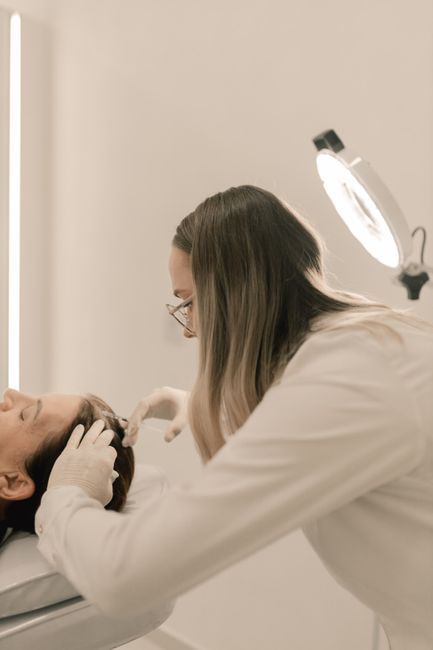 Hommage · Gangnam
Hommage Women's Clinic · Gangnam, Seoul
Your grade, not the area, decides which method is worth trying. Illustrative photo.
Compare
Best cellulite treatments compared: subcision vs devices vs injections vs creams
The honest way to compare cellulite treatments is by two questions: how strong is the effect, and how long does it last? The chart below places the main options on those two axes. None reaches the top-right corner, which is why plans often combine two methods and add maintenance.
| Method | Best for | Downtime | Typical duration |
|---|---|---|---|
| Band release (subcision-type) | Deep, individual dimples | Bruising and tenderness 1–3 weeks | Longest; reported up to about 3 years in treated dimples |
| Energy devices (RF, microwave, ultrasound, acoustic waves) | Mild, shallow cellulite with laxity or fat | None to minimal | Months; needs maintenance |
| Collagen-stimulating injections | Thin, lax skin over dimples | Bruising, swelling for days | Builds over 2–3 months; long-term data limited |
| Creams and massage | Mild texture; add-on care | None | Small, fades when you stop |
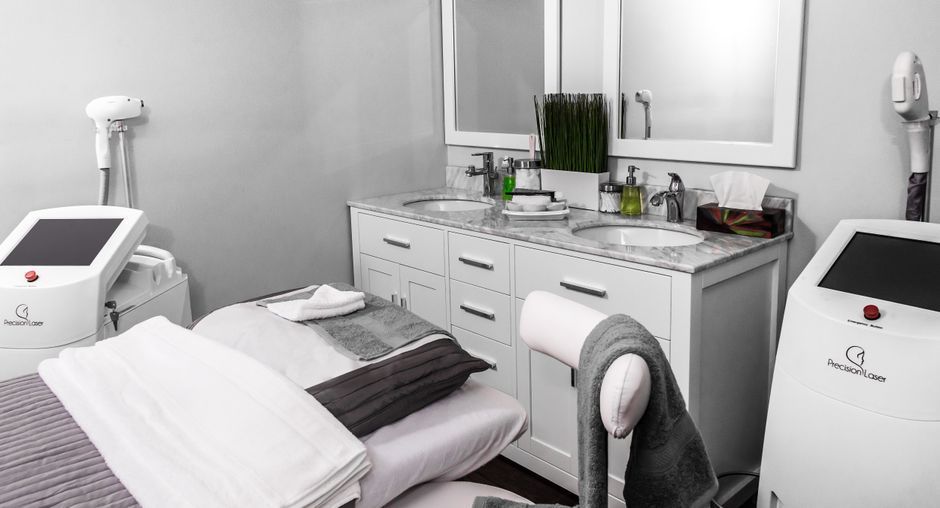 Hommage · Gangnam
Hommage Women's Clinic · Gangnam, Seoul
Device sessions take 20–60 minutes, and you go straight back to your day. Illustrative photo.
Devices
Non-invasive cellulite treatment: what devices can and cannot do
Most people who ask about cellulite want a treatment without needles or downtime, so devices are where many plans start. They work on the fat and skin, not on the tethering bands, which is why they suit mild, shallow dimpling better than deep dimples.
- Radiofrequency: warms the skin and fibrous tissue to firm skin; seeRF body tightening.
- Microwave (ONDA): heats the deeper fat layer while cooling the skin, used when cellulite sits over a pocket of fat.
- Focused and cavitation ultrasound: aimed mainly at fat; seebody HIFUandultrasound cavitation.
- Acoustic wave therapy: pressure waves applied in a course; one of only two approaches a 2015 evidence-based review found showed some evidence of potential benefit.
Expect a course of sessions, gradual change and maintenance. If after a full course you see little difference, more of the same device is rarely the answer; Dr. Kim will discuss whether a different target, such as the bands or the skin, makes more sense.
At home
How to reduce cellulite naturally: exercise, weight and skin care
Home care cannot release the fibrous bands, but it can make cellulite less noticeable and help any clinic treatment last longer. The evidence is modest, so think of these as supportive habits rather than a cure.
- Build muscle under the area: squats, lunges, hip bridges and step-ups firm the thighs and buttocks, which can smooth the surface a little.
- Keep your weight steady: gradual fat loss can help if you carry extra weight, but rapid loss can leave looser skin that shows dimples more.
- Don't smoke: smoking damages collagen and makes skin thinner over time.
- Topicals: retinol creams used for several months may thicken skin slightly; caffeine creams have a small, short effect. Avoid retinoids if pregnant or trying to conceive.
- Self-tanner: a light tan visually softens dimples, without sun damage.
Supportive massage can temporarily reduce puffiness; seebody contour massage therapyfor what it can and cannot do.
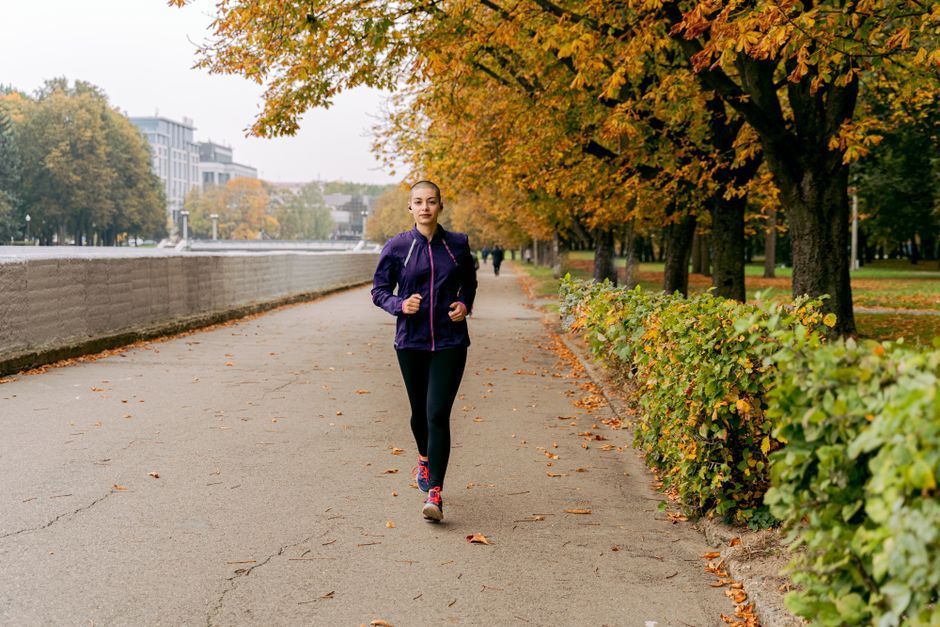 Hommage · Gangnam
Hommage Women's Clinic · Gangnam, Seoul
Leg and glute strength and a steady weight support any treatment. Illustrative photo.
 Hommage · Gangnam
Hommage Women's Clinic · Gangnam, Seoul
Aftercare depends on the method: little for devices, more after band release. Illustrative photo.
Aftercare
Cellulite treatment aftercare: do's and don'ts
After device sessions you can carry on as normal. After band-release procedures or injections, the first one to two weeks matter most for limiting bruising and lumps. You receive written instructions for your method before you leave.
Do
- Wear compression garments as advised after band release
- Walk gently from the first day to help circulation
- Use cool packs wrapped in cloth for bruising
- Keep up leg and glute exercise once cleared
- Keep a stable weight between sessions
- Message the clinic with a photo if a lump grows or a spot blisters
Don't
- Take a sauna or hot bath on a device day
- Do intense leg workouts for a few days after band release
- Expose bruised skin to strong sun, which can leave marks
- Massage injected areas unless told to
- Ignore a painful, swollen calf or leg: seek care urgently
- Judge the result in the first weeks
Evidence
Does cellulite treatment work? What the research says
Cellulite is one of the most heavily marketed concerns in aesthetics and one of the least well studied. Many trials are small, short, sponsored by device makers and judged by photos. The figures below come from a systematic review and a manufacturer-sponsored trial; read them as signals, not guarantees.
Studies reviewed
Systematic review of cellulite treatments following PRISMA guidelines.
Am J Clin Dermatol, 2015Randomized and placebo-controlled
Most of the 67 studies had important methodological flaws.
Am J Clin Dermatol, 2015Methods with some evidence
Acoustic wave therapy and a minimally invasive 1440 nm laser.
Am J Clin Dermatol, 2015Satisfied at 3 years
Guided subcision trial; presented, industry-sponsored data.
Pivotal trial, reported 2016Traveling to Seoul
Cellulite treatment in Seoul for international patients
What you can achieve on a trip depends on the method. Device treatments have no downtime but work as a course, so a short visit usually covers an assessment and one or two sessions. Injections fit a one-week stay. If a procedure that causes bruising is planned, allow about a week so the doctor can check you before you fly.
Before you book
- Send your dates and the areas that concern you by WhatsApp, KakaoTalk or the contact form; ask for language support if needed.
- Tell us about blood clots, varicose veins, blood thinners and pregnancy before you travel.
- Bring your passport, a list of medicines and loose clothing for after treatment.
- On long flights after any procedure, walk the aisle, drink water and wear compression if advised.
 Hommage · Seoul
Hommage Women's Clinic · Gangnam, Seoul
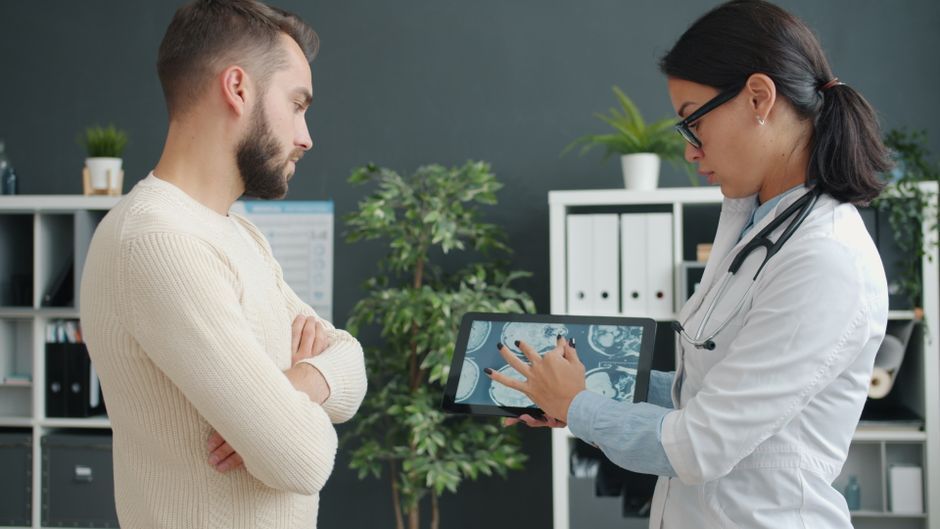
Gangnam: the clinic is a short walk from Sinnonhyeon Station. Illustrative photo.
 Hommage · Gangnam
Hommage Women's Clinic · Gangnam, Seoul
You hear what change is realistic, and receive a written quote, before deciding. Illustrative photo.
Choosing well
How to choose a cellulite treatment clinic in Seoul
Cellulite packages are everywhere in Gangnam. These questions help you judge any offer, including ours:
- Is my cellulite assessed standing, by a doctor? Grading lying down hides the problem.
- Do they separate dimples, fat and loose skin? Each needs a different method.
- Is the claim realistic? Be cautious of promises to remove cellulite permanently.
- How many sessions, and what maintenance? A clear course plan beats an open-ended package.
- Are clot and vein risks checked? Especially before procedures and injections.
- Are standardized photos taken? Same pose and light, so change can be judged fairly.
What affects cellulite treatment cost in Seoul?
The price depends on the method, the size and number of areas, the number of sessions and whether treatments are combined, for example a device course withcollagen stimulatorsorbody fat-dissolving injections. Maintenance is a separate, later cost. Cellulite treatment is cosmetic and is not covered by Korea's National Health Insurance, and you receive a written quote before treatment.
Your visit
What to expect at a cellulite consultation
01
Standing assessment
Dr. Kim looks at the area while you stand and sit, grades the dimpling and checks for fat, loose skin and veins.
02
Health check
You are asked about pregnancy plans, blood clots, varicose veins, blood thinners and recent weight change.
03
Plan and quote
You hear which method fits, how many sessions to expect and what change is realistic, with a written quote.
04
Review
Progress is reviewed with photos taken in the same position and light, usually after two to three months.
Your doctor
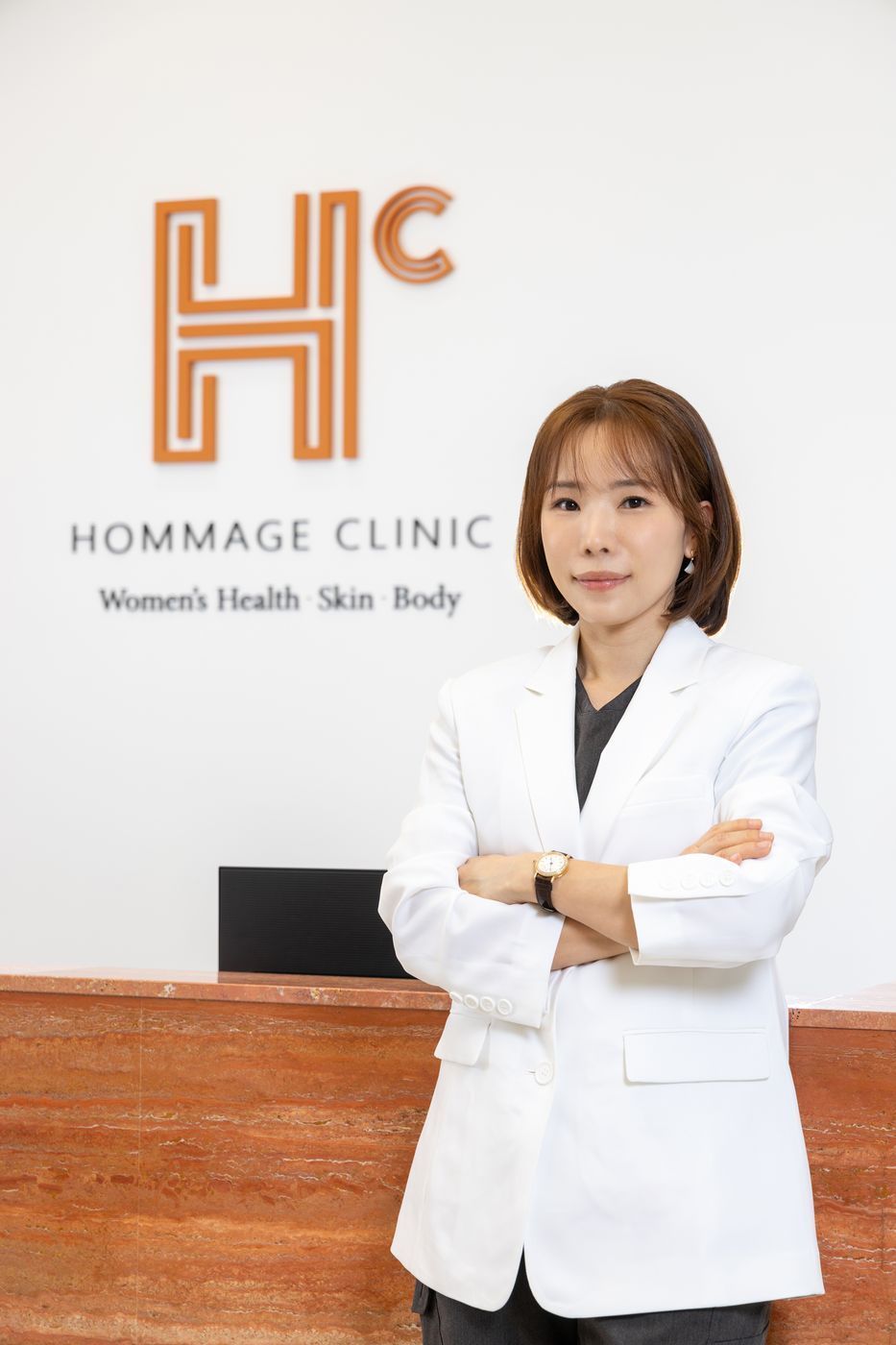
Dr. Kim Hyunbin
Associate Director · Skin & Aesthetic Treatments
Dr. Kim assesses cellulite standing up and separates dimpling from fat and loose skin before suggesting any treatment, because each responds to a different method. Dr. Kim sets expectations for a partial, gradual improvement from the first visit.
Associate director dedicated to skin and aesthetic procedures, with extensive experience in lifting, botulinum toxin, fillers and laser treatments.
Cellulite treatment: frequently asked questions
Can cellulite be removed permanently?
No treatment removes cellulite permanently. Procedures that release the fibrous bands can improve treated dimples for a few years, while devices, massage and creams give shorter-lived changes. Aging, weight change and hormones can bring dimpling back, so most people need maintenance to keep the improvement.
Does losing weight get rid of cellulite?
Losing excess fat can make cellulite less visible for some people, but slim women also have cellulite, and rapid weight loss can leave looser skin that makes dimples look worse. Building muscle in the thighs and buttocks and keeping a stable weight usually help more than dieting alone.
How many cellulite treatment sessions will I need?
Device-based treatments are usually given as a course of several sessions, often weekly or every few weeks, with maintenance afterward. Subcision-type procedures are commonly done once, with a touch-up for remaining dimples. Collagen-stimulating injections are often given in two or three sessions. Your doctor will suggest a number after assessing the area.
Do cellulite creams work?
Creams containing retinol or caffeine may make cellulite look slightly smoother, and retinol needs several months of regular use. Effects are small and fade when you stop. Retinoids should be avoided during pregnancy. Creams are a reasonable low-cost add-on but are unlikely to change deep dimples.
Why do I have more cellulite after pregnancy or on the pill?
Estrogen affects fat storage, fluid balance and connective tissue, so cellulite can become more noticeable during pregnancy, with some hormonal contraceptives and around menopause. Weight gain and loss of skin firmness add to it. A gynecology review can be useful if changes are sudden; see skin care for hormonal changes.
Can foreigners get cellulite treatment in Seoul?
Yes. Visitors and foreign residents can book a cellulite assessment at Hommage Clinic in Gangnam. Walk-ins are welcome, or book ahead for a set time; bring your passport for registration. Device courses and bruising after procedures take time to settle, so share your travel dates, and contact us before your visit to arrange language support.
What is the most effective cellulite treatment?
For deep, individual dimples, procedures that release the fibrous bands (subcision-type) have the longest reported results, up to about three years in treated dimples. For mild, shallow cellulite, energy devices and skin-firming treatments can help a little. A 2015 systematic review of 67 studies found no treatment with clear evidence of good efficacy, so the best choice depends on your grade and the main cause.
Does cellulite treatment hurt?
Device sessions feel like warmth, suction or tapping and usually need no anesthesia. Band-release procedures are done under local anesthetic, and the area is tender and bruised for one to three weeks afterward. Injections cause brief stinging after numbing.
Why do thin women have cellulite?
Cellulite comes from skin structure, not only fat. In women, the fibrous bands under the skin tend to run vertically and tether the skin at points, so even a thin fat layer can bulge between them. Genetics, hormones and thinner skin with age matter as much as weight. Cellulite affects an estimated 80–90% of women after puberty.
Can exercise get rid of cellulite?
Exercise cannot release the fibrous bands, so it will not remove cellulite. Building muscle in the thighs and buttocks and keeping a stable weight can make it look smoother and help clinic treatments last. Rapid weight loss can sometimes make dimples look worse by leaving looser skin.
Is RF good for cellulite?
Radiofrequency can firm skin and slightly reduce fat, which may soften mild cellulite, but it does not cut the tethering bands. Results are modest and need maintenance. See RF body tightening for how a course works.
How soon will I see results from cellulite treatment?
After device courses, change builds over the weeks of treatment and following months. Collagen-stimulating injections work gradually over two to three months. After band release, bruising settles over one to three weeks before the smoother surface is clear. Progress is reviewed with photos in the same pose and light, usually after two to three months.
Is cellulite treatment safe if I have varicose veins?
Tell the doctor about varicose veins, past blood clots or blood thinners before any treatment. Active vein problems or a clotting history may make procedures and some devices unsuitable. Gentle options may still be possible after assessment, and vein problems may need their own medical review first.
References
Sources used for this page, reviewed by Dr. Kim Hyunbin. Read our editorial and medical review policy.
- Cellulite: an evidence-based review. Am J Clin Dermatol. 2015 Aug. PubMed
- Kaminer MS, Coleman WP 3rd, Weiss RA, Robinson DM, Coleman WP 4th, Hornfeldt C. Multicenter pivotal study of vacuum-assisted precise tissue release for the treatment of cellulite. Dermatol Surg. 2015;41(3):336–347.
- Cellfina results last 3 years (report of three-year pivotal trial data presented in 2016; industry-sponsored). The Aesthetic Guide. 2016. Article
- Araújo AR, Soares VPC, Silva FS, Moreira TS. Radiofrequency for the treatment of skin laxity: myth or truth. An Bras Dermatol. 2015;90(5):707–721. SciELO
This page is general information and does not replace a personal consultation. Illustrations are original works of Hommage Women's Clinic, Gangnam, Seoul; photos marked illustrative are not of patients.
Related body treatments
RF Body Tightening
Radiofrequency for mild skin laxity on the abdomen, arms and thighs, and how a course works.
Body Contour Massage Therapy
What lymphatic and mechanical massage can and cannot do as supportive body care.
Body HIFU Treatment
Focused ultrasound for localized fat and deep firming, and how it compares with RF.
Collagen Stimulators
Juvelook, Radiesse and other injectables that build collagen gradually.
Fat Dissolving Injections (Body)
Injections for small, stubborn pockets such as bra-line rolls, and what the evidence shows.
Skin Care for Hormonal Changes
How pregnancy, PCOS and menopause change skin, and how care can be planned together.
Get an honest view of your cellulite options
Book an assessment with Dr. Kim Hyunbin in Gangnam. You learn whether dimpling, fat or loose skin is the main issue and what change is realistic before you decide.
Hommage Clinic · 4F, Building A, 509 Gangnam-daero, Seoul (near Sinnonhyeon Station) · Mon & Fri 10:00–20:00 · Tue–Thu 10:00–19:00 · Sat 10:00–15:00