Skin & Aesthetics · Ablative laser
CO2 Laser Resurfacing in Seoul for Deep Scars and Wrinkles
CO2 laser resurfacing is an ablative laser treatment that vaporizes tiny columns of damaged skin and heats the deeper layer, triggering new collagen that smooths deeper acne scars, wrinkles and rough texture. At Hommage Clinic in Gangnam, Seoul, Dr. Hwang Seonhwa reviews your skin type, scar depth and recovery time first, and usually uses fractional settings to shorten healing and lower pigmentation risk.
Quick answer
CO2 laser resurfacing uses a 10,600 nm ablative laser, usually in fractional mode, to remove tiny columns of skin and heat the dermis, rebuilding collagen for deeper acne scars, wrinkles and rough texture. At Hommage Women's Clinic in Gangnam, Seoul, Dr. Hwang Seonhwa plans 1–3 sessions with conservative settings for Asian skin. Expect about 5–7 days of crusting, pinkness for 4–8 weeks, and results building over 3–6 months.
Key takeaways
- CO2 is the strongest common resurfacing laser: more change per session, but the longest recovery.
- Fractional CO2 heals much faster than fully ablative CO2 and is the usual choice today.
- In Asian skin, temporary darkening (PIH) is common in the first months and usually fades with sun protection.
- Antiviral cover is standard if you have ever had cold sores.
- International patients should plan about a week in Seoul.
Infographic
CO2 laser resurfacing in numbers
Wavelength
Absorbed by water in the skin.
Fractional sessions
Spaced about 6–8 weeks or more apart.
Crusting and peeling
Before most people feel ready to go out.
Pinkness
Can be covered with makeup once healed.
Collagen result
Improvement keeps building after healing.
Strict sun protection
Lowers the risk of dark marks.
CO2 laser resurfacing at a glance
| Key fact | Details |
|---|---|
| Laser type | Ablative CO2 laser (10,600 nm), usually in fractional mode |
| Treatment time | About 20–40 minutes of laser time, after about 45–60 minutes of numbing |
| Comfort | Numbing cream and cooling; deeper treatments feel hot and stinging |
| Sessions | Typically 1–3 fractional sessions, spaced about 6–8 weeks or more apart |
| Downtime | About 5–7 days of crusting and peeling; pinkness can last 4–8 weeks or more |
| Results visible | Smoother skin once healed; collagen keeps improving over 3–6 months |
| Performed by | Dr. Hwang Seonhwa, physician for skin and aesthetic treatments |
CO2 laser may suit you if you have
- Moderate to deep rolling or boxcar acne scars
- Wrinkles and crepey texture that lighter lasers have not improved
- Rough, sun-damaged skin or surgical and injury scars that have fully healed
- Enough time for about a week of visible healing and careful sun avoidance
Wait or choose another option if you have
- Pregnancy or breastfeeding, or a fresh tan or sunburn
- An active cold sore, skin infection or inflamed acne breakout
- Recent isotretinoin (Roaccutane) use, keloid scars, vitiligo or active melasma
- Upcoming travel, outdoor events or sun exposure within the first few weeks
What is CO2 laser resurfacing?
CO2 laser resurfacing uses a 10,600 nm carbon dioxide laser to remove (ablate) a controlled amount of skin and heat the dermis beneath it. Water in the skin absorbs the energy, so the laser vaporizes tissue while leaving a zone of heat around each treated spot.
That heat is the key difference from many other lasers. It tightens existing collagen and drives a strong wound-healing response, so new collagen is laid down for months afterward. This is why CO2 is often chosen for deeper scars and wrinkles, and why its recovery is longer than gentler options.
Fractional vs fully ablative CO2: what is the difference?
Most CO2 resurfacing today is fractional. Instead of removing the whole surface, the laser treats thousands of microscopic columns and leaves bridges of healthy skin in between, which heal the treated areas quickly.
- Fractional CO2: pinpoint crusting and peeling for about 5–7 days, then pinkness that fades over weeks. Often repeated 1–3 times for scars.
- Fully ablative CO2: removes the entire top layer in one treatment. It can give a dramatic change, but healing takes about 1–2 weeks, redness can last months, and the risk of delayed lightening of the skin is higher. It is now used selectively.
For Asian and darker skin, which tends to darken after inflammation, fractional settings at conservative density are usually the safer choice. If you want a lighter approach first, read about fractional laser resurfacing , including non-ablative options with 1–3 days of downtime.
CO2 vs Er:YAG laser: which is right for you?
Both are ablative lasers, but they behave differently. The Er:YAG laser (2,940 nm) is absorbed far more strongly by water, so it removes skin very precisely with little surrounding heat. CO2 leaves more heat behind.
- Depth and tightening: CO2 produces more collagen tightening and is often preferred for deeper scars and wrinkles. Er:YAG suits finer lines and surface texture.
- Healing: Er:YAG usually heals faster with shorter redness. CO2 recovery is longer.
- Pigment risk: because it causes less heat injury, Er:YAG may carry a somewhat lower risk of prolonged redness and pigment change, although both need careful settings in darker skin.
- Bleeding: CO2 seals small vessels as it works; deeper Er:YAG passes can cause pinpoint bleeding.
For acne scars, CO2 is often combined with subcision or TCA CROSS; see boxcar scar treatment for how scar type changes the plan.
What happens during CO2 laser treatment?
Plan for about 1.5–2 hours at the clinic. Your skin is cleansed and numbing cream is applied for about 45–60 minutes; for deeper treatment, local anesthetic injections may be added. Your eyes are protected with shields, and the doctor treats each area in planned passes while a cooling device blows cold air. You will feel heat, snapping and stinging. Afterward, the skin is soothed and covered with a healing ointment, and you go home with aftercare products and instructions.
How long is CO2 laser recovery?
Expect about a week of visible healing after fractional CO2. Swelling peaks over the first 2–3 days, then tiny brown crusts form and shed by about day 5–7. Pinkness usually remains for 4–8 weeks, sometimes longer, and can be covered with makeup once the skin has closed.
- Keep the skin moist: apply the ointment or barrier cream you are given and avoid letting the skin dry out and crack.
- Do not pick or rub crusts and flakes; picking raises the risk of infection, dark marks and scarring.
- Strict sun protection: avoid direct sun, wear a hat, and use broad-spectrum SPF 30+ sunscreen once healed, for at least 3 months.
- Avoid saunas, swimming pools, heavy exercise and active skincare such as retinoids or acids until your doctor clears you.
Skin looks smoother once healed, but the full effect builds over 3–6 months as collagen remodels.
Risks and possible side effects
CO2 resurfacing is effective, but its risks are higher than those of lighter lasers, and Dr. Hwang will review them with you before treatment:
- Prolonged redness lasting several weeks to months.
- Post-inflammatory hyperpigmentation (PIH): temporary darkening, common in Asian and darker skin, usually appearing 3–6 weeks after treatment and fading with sun protection and lightening care.
- Hypopigmentation: lighter skin that can appear months later, more likely after fully ablative or very dense treatment.
- Infection: bacterial, fungal or viral while the skin is open.
- Herpes reactivation: if you have ever had cold sores, an antiviral is usually prescribed starting before treatment.
- Acne flares, milia, contact dermatitis from products, and rarely scarring.
Contact the clinic the same day if you notice increasing pain, pus, yellow crusts, clusters of blisters, fever, or new raised or thickened areas.
CO2 laser resurfacing at Hommage Clinic
Hommage Clinic is a women's health and skin clinic in Gangnam, a short walk from Sinnonhyeon Station. Because CO2 is a stronger treatment, it is planned by a doctor after an in-person skin assessment, and lighter options such asRF microneedlingare discussed if they fit your skin and schedule better. You can explore our otherskin and aesthetics treatmentsfor combination plans.
Cost depends on the area, the depth and density of treatment, the number of sessions and any combined procedures. Cosmetic laser resurfacing is not covered by Korea's National Health Insurance. You receive a written quote before treatment, and walk-ins are welcome for an assessment during opening hours.
Mechanism
How does CO2 laser resurfacing work? Ablation plus a zone of heat
Each fractional CO2 pulse does two things. In the centre, it vaporizes a microscopic column of skin; around that column, it leaves a thin collar of heated, coagulated tissue. The open column lets the skin rebuild from below, and the heated collar shrinks existing collagen and triggers a strong repair response. Reviews of fractional CO2 describe treated columns roughly a tenth of a millimetre wide and up to about one millimetre deep, with the surface usually closing within a couple of days because healthy skin surrounds every column.
Compare
CO2 vs Er:YAG vs non-ablative laser: strength and downtime
Resurfacing lasers sit on a scale from gentle to strong. Non-ablative fractional lasers leave the surface intact and need several sessions; Er:YAG removes skin precisely with little heat; CO2 adds a heat zone that tightens and remodels more deeply. Moving up the scale usually means more change per session, longer recovery and more care needed for Asian skin. A 2025 meta-analysis found ablative lasers improved acne scars more, while non-ablative lasers caused less pain and shorter redness.
 Hommage · Gangnam
Hommage Women's Clinic · Gangnam, Seoul
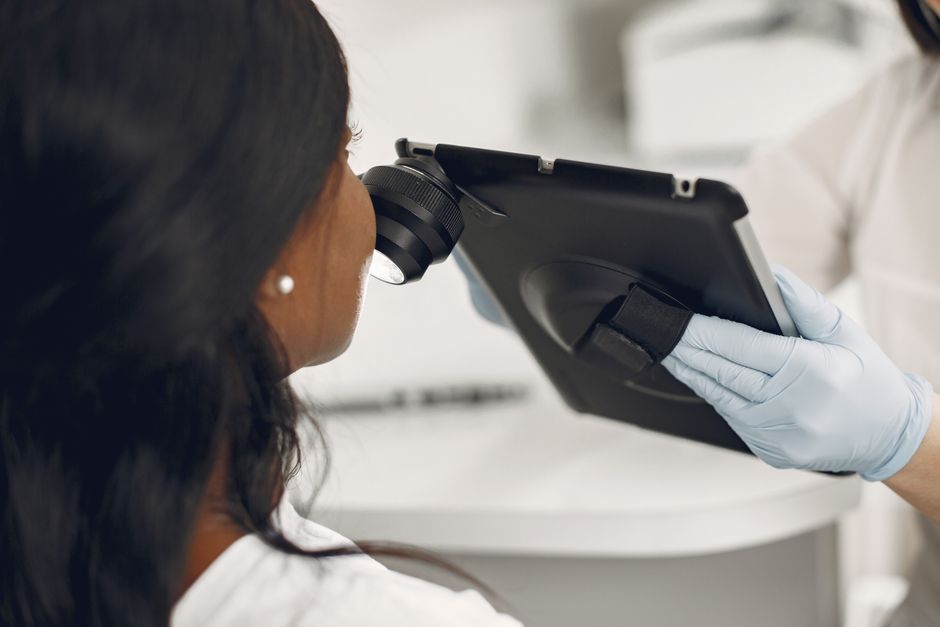
Scar depth and skin type decide whether CO2 is the right strength. Illustrative photo.
Is it for me?
Who is a good candidate for CO2 laser resurfacing?
CO2 is chosen when lighter options are unlikely to give enough change, and when you can accept about a week of visible healing and several months of careful sun protection. Dr. Hwang Seonhwa works through these questions with you before recommending it.
- Are your scars or wrinkles moderate to deep? Mild texture often responds to gentler lasers first.
- Have lighter treatments not been enough? CO2 is often a step up rather than a starting point.
- Can you take about a week of downtime? Plus several weeks of pinkness.
- Can you avoid strong sun for 3 months? The main way to reduce dark marks.
- Is your acne and skin calm? Active breakouts, infection or a melasma flare are treated first.
- Are your expectations realistic? Scars improve; they rarely disappear completely.
Healing
CO2 laser recovery day by day: what to expect
Knowing what is normal makes the first week much easier. Swelling peaks in the first two to three days, crusts form and shed by about day five to seven, and pinkness fades over the following weeks. Temporary darkening, if it happens, tends to show at around three to six weeks, which is why sun protection continues long after the skin looks healed.
Asian skin
CO2 laser for Asian skin: dark marks, and how they are managed
Temporary darkening, called post-inflammatory hyperpigmentation (PIH), is the most common concern after CO2 laser in Asian skin. In a small Hong Kong study of nine Chinese patients treated once with fractional CO2, PIH was seen in 55.5% at one month, 37.5% at three months and 11.1% at six months, while 86% were satisfied overall. In other words, darkening is common early on but usually fades with time and care.
How Dr. Hwang lowers the risk
- Fractional, conservative density rather than fully ablative treatment.
- Longer gaps between sessions , so inflammation settles fully.
- Timing: autumn and winter in Seoul, away from beach holidays.
- Strict sun protection for at least three months.
- Early treatment of PIH with topical care; reviews of PIH in skin of color treat topical agents as first-line and lasers as a later option.
If melasma is your main concern, CO2 is usually not the right tool; see melasma treatment or pigment correction peels .
 Hommage · Gangnam
Hommage Women's Clinic · Gangnam, Seoul
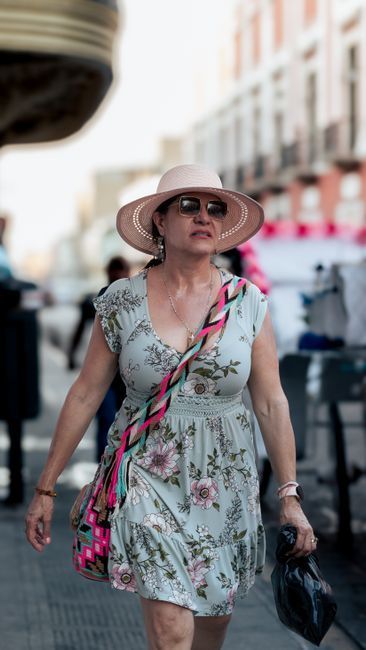
A hat and daily sunscreen for at least three months lower the risk of dark marks. Illustrative photo.
 Hommage · Gangnam
Hommage Women's Clinic · Gangnam, Seoul
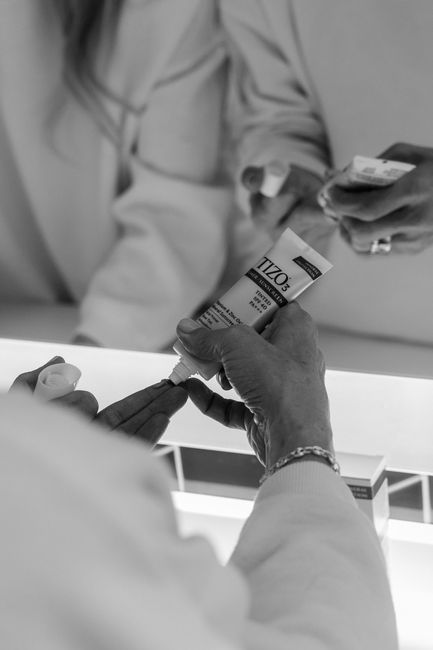
Keeping healing skin moist, not dry, is the core of CO2 aftercare. Illustrative photo.
Aftercare
CO2 laser aftercare: do's and don'ts
The first week after CO2 laser decides much of the outcome. Moist healing, no picking and early contact if something looks wrong lower the risk of infection, scarring and dark marks. You go home with written instructions, aftercare products and a way to send photos to the clinic.
Do
- Rinse gently with cool water and pat dry with a clean towel
- Reapply the healing ointment so the skin never dries and cracks
- Use cool compresses and sleep propped up for the first 2–3 nights
- Take antivirals exactly as prescribed
- Use SPF 30+ and a hat once healed, for at least 3 months
- Message the clinic with a photo if anything looks unusual
Don't
- Pick, rub or peel crusts
- Use saunas, pools, hot yoga or heavy exercise until cleared
- Apply makeup until the skin has fully closed
- Restart retinoids, acids or scrubs before your doctor says so
- Let pets or unwashed hands touch healing skin
- Plan beach or ski trips in the following weeks
Evidence
Is CO2 laser effective and safe? What the research says
CO2 laser has been used for skin resurfacing for decades, and fractional CO2 is one of the most studied treatments for acne scars. The research consistently shows meaningful improvement, but studies are often small, use different devices and settings, and report improvement as "mild to moderate" or in grades rather than complete clearance. Data from Asian patients are limited but show that darkening is the main issue to plan for.
Satisfied (Asian patients)
One fractional CO2 session in 9 Chinese patients gave mild to moderate improvement in scars, texture and pores.
Chan et al., Lasers Surg Med, 2010PIH fades
Darkening in the same study fell from 55.5% at 1 month to 11.1% at 6 months.
Chan et al., Lasers Surg Med, 2010CO2 vs Er:YSGG PIH
In 16 Japanese patients, PIH was less frequent with fractional CO2 than with a fractional 2,790 nm laser; scar improvement was similar.
Kono et al., presented at ASLMS, 2010Ablative vs non-ablative
Meta-analysis (186 cases): ablative lasers improved acne scars more; non-ablative had less pain and redness.
Ke et al., J Dtsch Dermatol Ges, 2025Traveling to Seoul
CO2 laser in Seoul for international patients: a 7-day plan
Because CO2 needs about a week of visible healing, visitors should plan the trip around the treatment rather than fit the treatment into the last days. Hommage Women's Clinic is in Gangnam, a short walk from Sinnonhyeon Station (Line 9 and Shinbundang Line).
Before you book
- Send photos of your scars or wrinkles and your dates by WhatsApp, KakaoTalk or the contact form, and ask for language support if needed.
- Tell us about cold sores, isotretinoin, blood thinners and keloid scarring in advance.
- Avoid sunburn or tanning for at least two weeks before your trip.
- Plan treatment early in your stay and keep the first three days free.
After you fly home
Keep moisturizing on the flight, protect your skin from the sun at your destination, and send a photo to the clinic if you notice darkening or anything unusual. A second session, if needed, is usually at least 6–8 weeks later.
 Hommage · Seoul
Hommage Women's Clinic · Gangnam, Seoul
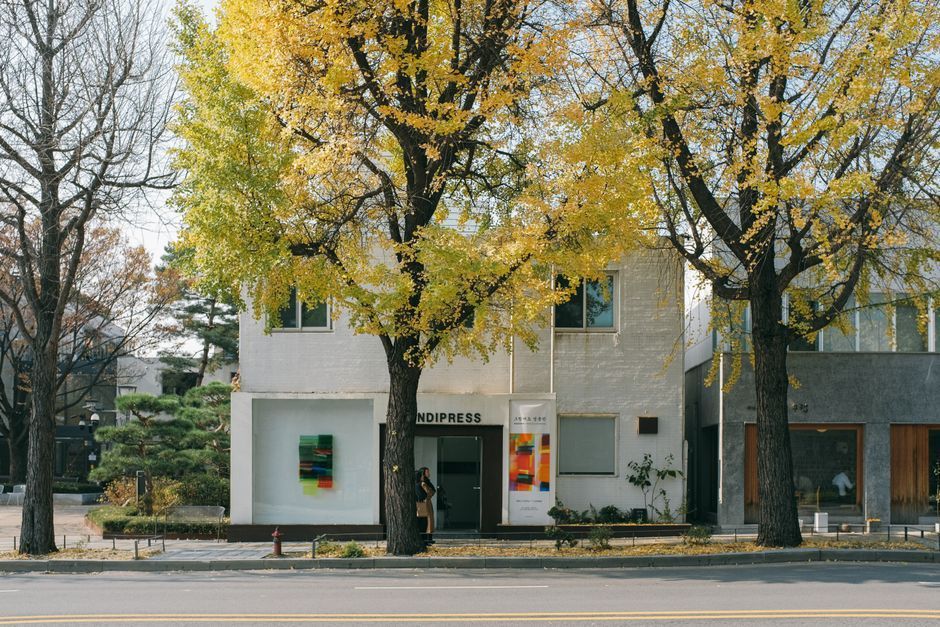
Autumn and winter are popular seasons for laser resurfacing in Seoul. Illustrative photo.
Choosing well
How to choose a CO2 laser clinic in Seoul
CO2 is a powerful laser, and the person setting the depth and density matters as much as the machine. Use these questions at any consultation, including ours:
- Does a doctor perform the treatment? And set the depth and density for each area.
- Do they offer gentler alternatives? A clinic that only offers CO2 may not tell you when a lighter laser would do.
- How do they handle Asian skin? Ask about density, intervals and PIH plans.
- Is antiviral cover routine? For anyone with a cold-sore history.
- What happens if healing goes wrong? Clear contact routes and follow-up visits.
- Is the quote written? Including aftercare products and sessions.
What affects CO2 laser cost in Seoul?
The cost depends on the area (full face, cheeks, around the eyes or a single scar), the depth and density of treatment, the number of sessions, the type of anesthesia, and any combined procedures such as subcision or TCA CROSS . Aftercare products and follow-up are explained in your quote. Cosmetic CO2 resurfacing is not covered by Korea's National Health Insurance, and you receive a written quote before treatment.
 Hommage · Gangnam
Hommage Women's Clinic · Gangnam, Seoul
Choose dates with a week of recovery before work events or travel. Illustrative photo.
Your visit
What to expect at your CO2 laser appointment
01
Assessment and timing
Dr. Hwang examines your scars or wrinkles, skin type, cold-sore history and medications, and helps you choose a date with enough recovery time.
02
Preparation
Some patients start sun avoidance or skin preparation in advance. On the day, numbing cream is applied and an antiviral is started if needed.
03
Laser treatment
The doctor treats each area in planned passes with eye protection and cooling, then applies a healing ointment.
04
Healing and follow-up
You follow written aftercare at home, and a follow-up visit checks healing and plans any next session.
Your doctor
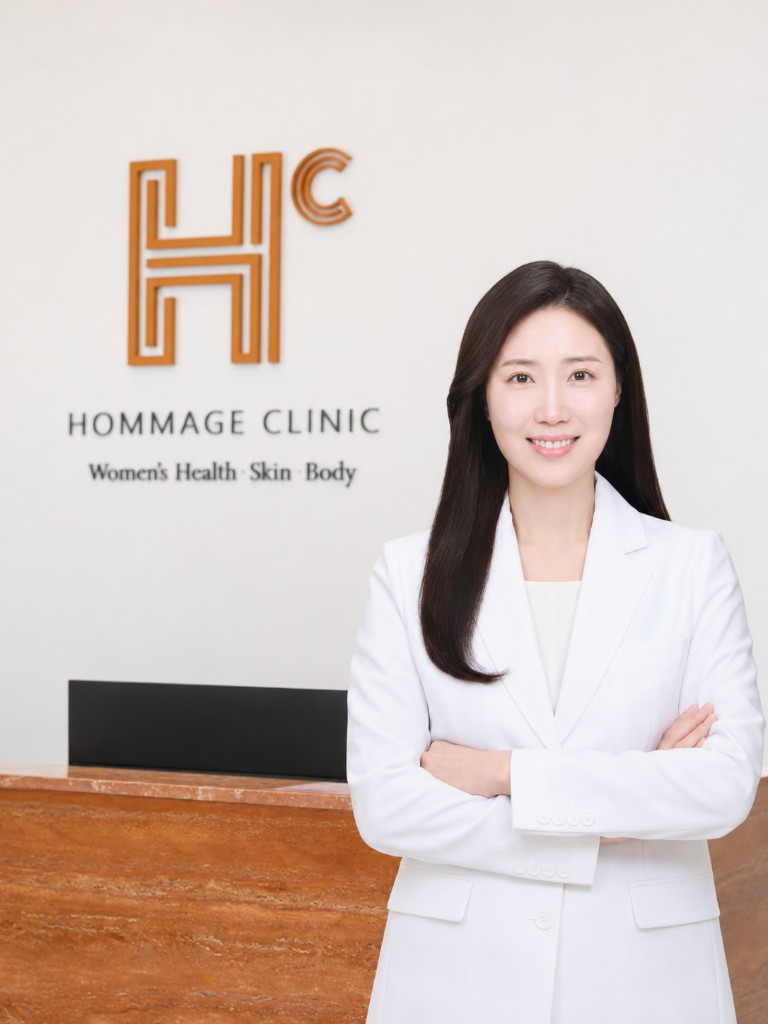
Dr. Hwang Seonhwa
Physician · Skin & Aesthetic Treatments
Dr. Hwang plans CO2 treatment around scar depth, skin type and your available recovery time, and uses fractional, conservative settings for pigment-prone skin. When scars are mixed in type, Dr. Hwang may combine CO2 with other scar methods rather than relying on laser alone.
Physician for face and skin procedures, including lifting, laser and skin-improvement treatments, planned around facial proportions and skin condition.
CO2 laser resurfacing: frequently asked questions
Does CO2 laser resurfacing hurt?
CO2 laser is one of the more uncomfortable skin lasers, but numbing cream, cooling air and, for deeper work, local anesthetic injections keep most people comfortable enough. You will feel heat and stinging during treatment. Afterward, the skin feels like a strong sunburn for a day or two, and simple pain relief is usually enough.
How long does CO2 laser downtime last?
After fractional CO2, most people need about 5–7 days before they feel comfortable in public, while crusts form and shed. Pinkness then lasts about 4–8 weeks and can be covered with makeup. Fully ablative treatment needs about 1–2 weeks of healing and redness can last several months.
How many CO2 laser sessions do I need for acne scars?
Many people see a meaningful change after one fractional CO2 session, but deeper or widespread acne scars often need 2–3 sessions spaced at least 6–8 weeks apart. Scars rarely disappear completely; the goal is a clear improvement. Combining CO2 with subcision or TCA CROSS can help certain scar types.
Are CO2 laser results permanent?
Improvement in scars is long-lasting because damaged tissue is replaced with new collagen. Wrinkle and texture improvements also last for years, but your skin continues to age and respond to sun exposure. Daily sunscreen and good skincare help you keep the result, and some people choose occasional lighter maintenance treatments.
Is CO2 laser safe for Asian skin?
It can be, with careful settings. Asian skin has a higher risk of post-inflammatory hyperpigmentation after CO2 laser, so doctors usually use fractional mode, lower density and longer intervals, with strict sun protection afterward. If you are prone to dark marks or melasma, a gentler laser may be suggested first.
Can I fly or travel after CO2 laser in Seoul?
You can usually fly a few days after fractional CO2, but plan your trip carefully. Keep your skin moisturized during the flight, avoid sun at your destination, and allow time for a follow-up check before you leave Seoul. International patients should bring a passport, and please contact us before your visit to arrange language support.
How common are dark marks after CO2 laser in Asian skin?
Fairly common at first. In a small study of Chinese patients treated once with fractional CO2, temporary darkening was seen in 55.5% at one month, 37.5% at three months and 11.1% at six months. Conservative settings, sun protection and early topical treatment help it fade.
What is the difference between fractional CO2 and fully ablative CO2?
Fractional CO2 treats microscopic columns and leaves healthy skin between them, so it heals in about 5–7 days. Fully ablative CO2 removes the whole top layer for a bigger single change, but healing takes about 1–2 weeks, redness can last months and delayed lightening is more likely. Fractional is the usual choice for Asian skin.
CO2 laser or Er:YAG laser: which should I choose?
CO2 leaves a zone of heat that tightens collagen, so it is often preferred for deeper scars and wrinkles, with longer recovery. Er:YAG removes skin more precisely with less heat and usually heals faster, making it better suited to finer lines and surface texture. See Er:YAG laser resurfacing.
When can I wear makeup after CO2 laser?
Once the crusts have shed and the skin has fully closed, usually about 5–7 days after fractional CO2. Use clean brushes and gentle, fragrance-free products; mineral makeup can cover the pinkness that lasts for several weeks.
Can CO2 laser be combined with other acne scar treatments?
Can I have CO2 laser if I get cold sores?
Yes, but tell the doctor. Laser can trigger a cold sore flare while the skin is healing, so an antiviral medicine is usually started before treatment and continued for several days afterward.
What is the best time of year for CO2 laser in Seoul?
Many people choose autumn or winter, when sun exposure is lower and it is easier to protect healing skin for the following three months. Avoid booking CO2 laser shortly before a beach holiday, ski trip or important outdoor event.
References
Sources used for this page, reviewed by Dr. Hwang Seonhwa. Read our editorial and medical review policy.
- Chan NPY, et al. Fractional ablative carbon dioxide laser resurfacing for skin rejuvenation and acne scars in Asians. Lasers Surg Med. 2010. doi:10.1002/lsm.20974. PubMed
- Ke R, Cai B, Ni X, et al. Efficacy and safety of non-ablative vs. ablative lasers for acne scarring: a meta-analysis. J Dtsch Dermatol Ges. 2025. doi:10.1111/ddg.15651
- Kono T, et al. Fractional 10,600 nm CO2 vs fractional 2,790 nm Er:YSGG laser for acne scars in Asian skin. Presented at the American Society for Lasers in Medicine and Surgery annual meeting, 2010. Report
- Sowash M, Alster T. Review of laser treatments for post-inflammatory hyperpigmentation in skin of color. Am J Clin Dermatol. 2023;24:381–396. Springer
- Manstein D, et al. Fractional photothermolysis: a new concept for cutaneous remodeling using microscopic patterns of thermal injury. Lasers Surg Med. 2004. PubMed
This page is general information and does not replace a personal consultation. Illustrations are original works of Hommage Women's Clinic, Gangnam, Seoul; photos marked illustrative are not of patients.
Related scar and resurfacing treatments
Fractional Laser Resurfacing
Overview of ablative and non-ablative fractional lasers, with downtime compared.
Er:YAG Laser Resurfacing
Precise ablative laser with less heat and faster healing for fine lines and texture.
Fractional Laser for Acne Scars
Scar-focused laser plans matched to rolling, boxcar and ice-pick scars.
Subcision for Acne Scars
Releases tethered rolling scars from below, often combined with laser.
Laser Mole Removal
Removal of small benign skin growths after a doctor's examination.
Laser Vaginal Tightening
Non-surgical vaginal laser treatment planned by a female OB/GYN specialist.
Is CO2 laser the right depth for your skin?
Book a skin assessment with Dr. Hwang Seonhwa in Gangnam to compare CO2, Er:YAG and gentler options, and plan your recovery time.
Hommage Clinic · 4F, Building A, 509 Gangnam-daero, Seoul (near Sinnonhyeon Station) · Mon & Fri 10:00–20:00 · Tue–Thu 10:00–19:00 · Sat 10:00–15:00