
Skin & Aesthetics · Skin boosters
Rejuran Healer in Seoul: The Salmon DNA Skin Booster Explained
Rejuran is a skin-booster injection made of polynucleotides (PN), purified DNA fragments from salmon, placed in tiny amounts just under the skin to support repair, hydration and elasticity, so texture, fine lines and dullness improve gradually. At Hommage Clinic in Gangnam, Seoul, Dr. Kim Hyunbin assesses your skin first and plans a course of Rejuran Healer, alone or with other boosters.
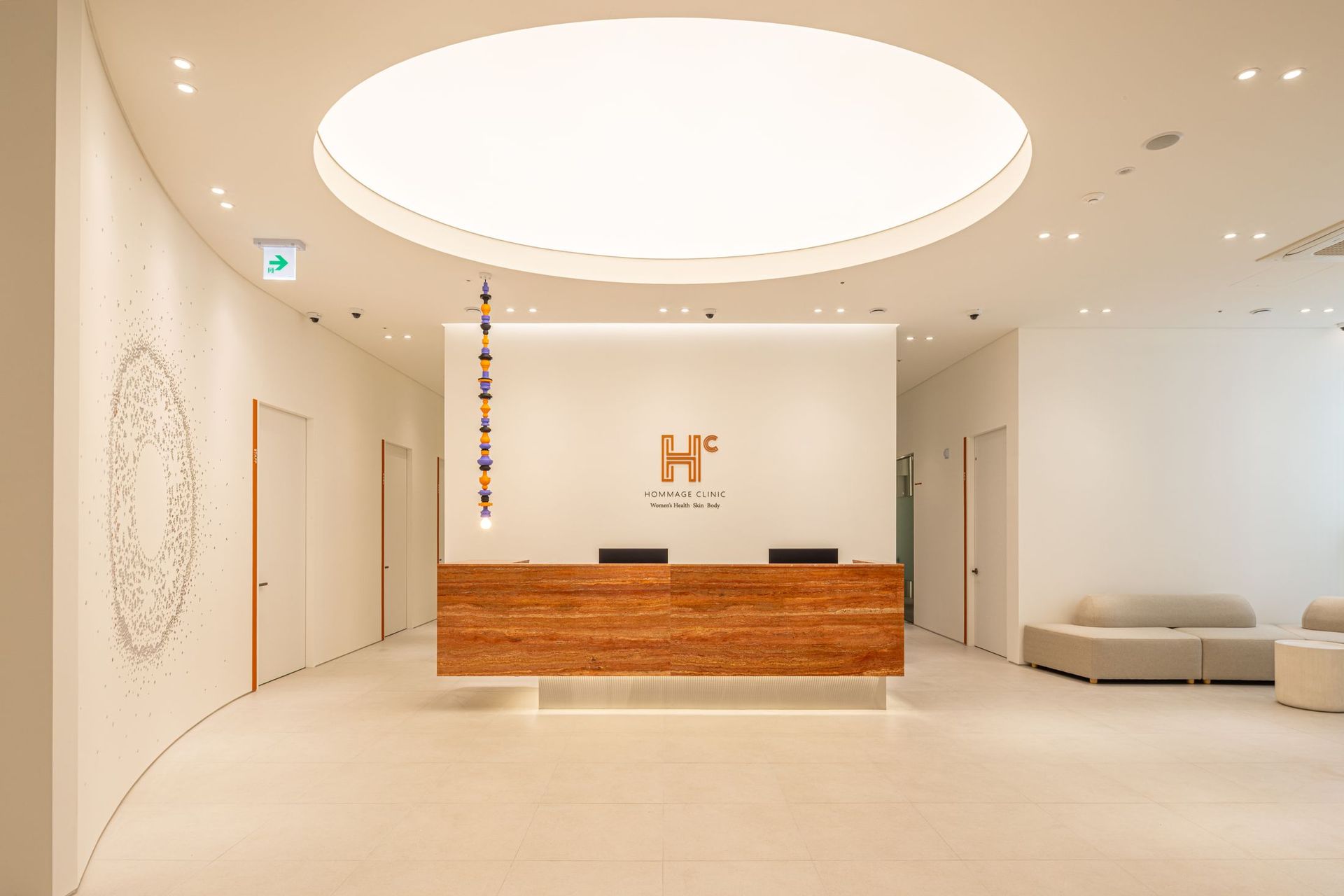
Quick answer
Rejuran Healer is a Korean skin booster made of polynucleotides, purified DNA fragments from salmon, injected in tiny amounts just under the skin to support repair, hydration and elasticity. At Hommage Women's Clinic in Gangnam, Seoul, Dr. Kim Hyunbin plans a typical course of 3–4 sessions, 2–4 weeks apart. Injecting takes about 20–30 minutes after numbing cream, small bumps settle in 1–3 days, and results after a full course often last around 6–12 months.
Key takeaways
- Rejuran improves skin quality: texture, fine lines, dullness and slow recovery. It does not lift or add volume.
- It stings more than most boosters, and the small bumps afterward are expected, not a reaction.
- Results build gradually over a course; one session alone usually gives a modest change.
- People with a fish or salmon allergy should tell their doctor and usually choose another booster.
Infographic
Rejuran in numbers
Injecting time
After 30–40 minutes of numbing cream.
Sessions in a course
Usually spaced 2–4 weeks apart.
Bumps settle
Redness or bruising can last up to a week.
First visible change
Smoother, more hydrated skin after each session.
After a full course
Maintenance every few months keeps results.
Serious events
None reported in the polynucleotide studies reviewed in 2024 (see references).
Rejuran at a glance
| Key fact | Details |
|---|---|
| Treatment time | About 20–30 minutes of injecting, plus 30–40 minutes for numbing cream |
| Comfort | Numbing cream is used; Rejuran usually stings more than hyaluronic acid boosters |
| Sessions | Typically 3–4 sessions, 2–4 weeks apart, then maintenance every few months |
| Downtime | Small bumps for 1–3 days; redness or bruising can last up to a week |
| Results visible | Gradually, usually 2–4 weeks after a session and building over the course |
| How long results last | Often around 6–12 months after a full course, varying with skin and lifestyle |
| Performed by | A doctor from the skin & aesthetics team, such as Dr. Kim Hyunbin |
Rejuran may suit you if you have
- Dull, thin or tired-looking skin that has lost its bounce
- Fine lines, crepey texture or enlarged pores without major sagging
- Skin that feels sensitized or slow to recover after lasers or peels
- A wish to improve skin quality gradually rather than add volume
Wait or choose another option if you
- Are pregnant or breastfeeding
- Have a fish or salmon allergy, or reacted to a polynucleotide product before
- Have an infection, cold sore, eczema flare or inflamed acne in the area
- Take blood thinners or have a bleeding disorder (discuss with your doctor first)
What is Rejuran and how does it work?
Rejuran is a Korean-developed injectable whose active ingredient is polynucleotide (PN): long chains of DNA fragments purified from salmon. It is not a filler. Instead of adding volume, it is placed in many tiny deposits in the upper layers of the skin to improve the quality of the skin itself.
Laboratory and early clinical research suggests that polynucleotides support the activity of fibroblasts, the cells that make collagen, help the skin hold water and calm low-grade inflammation. PN is closely related to PDRN (polydeoxyribonucleotide), a shorter-chain form used in wound-healing medicines in some countries.
Rejuran is approved for use in Korea, while its regulatory status and availability differ from country to country. Small clinical studies, many from Korea, report better elasticity, hydration and texture after a course of treatment; larger independent trials are still limited, so results vary between people.
What can Rejuran treat?
Rejuran is used for skin quality concerns rather than structure. It is most often chosen for:
- Dull, dehydrated or thin skin that looks tired
- Fine lines and crepey texture on the cheeks, forehead or neck
- Enlarged pores and uneven texture
- Skin that is easily irritated or slow to recover after laser treatment
- Shallow texture irregularities, as one part of a wider scar plan
Rejuran will not lift sagging skin or replace lost volume. Deep folds and hollows usually respond better to dermal fillers , gradual structural support comes from collagen stimulators , and laxity along the jawline is treated with energy devices such as HIFU lifting .
Does Rejuran hurt? What happens during treatment
Rejuran is known as one of the more uncomfortable skin boosters, because the gel is injected at many points close to the surface. Numbing cream makes it tolerable for most people, who describe sharp pinpricks and stinging rather than deep pain.
- Your doctor reviews your skin, medical history, allergies and medicines, and agrees the treatment area with you.
- Numbing cream is applied for about 30–40 minutes, then the skin is cleansed and disinfected.
- Rejuran Healer is injected in small, evenly spaced deposits with a very fine needle, which takes about 20–30 minutes for the full face.
- The skin is cooled and soothed, and you receive written aftercare instructions.
Small raised bumps at each injection point are expected straight after treatment. They are the product sitting in the skin, not a reaction.
When will I see results, and how long does Rejuran last?
Results build gradually. Most people notice smoother, more hydrated skin about 2–4 weeks after a session, and the clearest change comes after a full course of typically 3–4 sessions spaced 2–4 weeks apart.
After a course, the improvement often lasts around 6–12 months, and many people return for a single maintenance session every few months. Sun protection, not smoking and a gentle skincare routine help results last longer.
Aftercare
- The bumps usually flatten within 1–3 days; avoid pressing or massaging them.
- Skip makeup on the day of treatment; light makeup is usually fine from the next day.
- Avoid saunas, hot baths, intense exercise and alcohol for about 2 days.
- Use a broad-spectrum sunscreen daily, and ask before booking other facial treatments in the following two weeks.
Risks and possible side effects of Rejuran
Rejuran is generally well tolerated, but it is an injection treatment and has possible side effects that your doctor will explain before you agree to it.
- Common and temporary: raised bumps at the injection points, redness, mild swelling, tenderness and small bruises, usually settling within a few days to a week.
- Less common: lumps or bumps that last longer than usual, uneven skin texture while healing, cold sore flare-ups in people prone to them, and darker marks after bruising, which is more likely in deeper skin tones.
- Rare: skin infection, an allergic reaction to the product or numbing cream, and, as with any facial injection, injury to a blood vessel.
Contact the clinic promptly if you notice pain that gets worse instead of better, spreading redness, warmth, pus, blistering, fever, or skin that turns pale or dusky.
Rejuran vs other skin boosters: which is right for you?
The right booster depends on whether your skin mainly needs repair, hydration or structure, and two can be combined in one plan. Our skin boosters guide compares them in more detail.
- Rejuran (polynucleotide): focused on repair and texture, and often chosen for thin, sensitive or post-laser skin.
- Hyaluronic acid boosters such as SKINVIVE: mainly add hydration and glow, often with less visible bumping.
- Collagen stimulators such as Juvelook: build collagen slowly for firmer, thicker skin and some structural support.
- Your own blood or regenerative products: PRP uses concentrated platelets, and exosome and stem cell skin therapy is an emerging option with less evidence.
Rejuran at Hommage Clinic
Hommage Clinic is a women's health and skin clinic in Gangnam, a short walk from Sinnonhyeon Station, and it welcomes walk-ins during opening hours. A doctor assesses your skin and performs the injections, and the clinic uses Rejuran Healer alongside other boosters such as SKINVIVE, LITOO, Juvelook and exosome treatment, so the plan can match what your skin needs at each stage.
Because the clinic also offers gynecology, skin changes linked to pregnancy, the pill or menopause can be discussed under one roof; seeskin care for hormonal changes. Cost depends on the treatment area, the amount of product, the number of sessions and any combined treatments. Rejuran is cosmetic and not covered by National Health Insurance, and you receive a written quote before treatment. Explore related options in ourskin and aesthetics services.
Mechanism
How does salmon DNA (polynucleotide) work in the skin?
Polynucleotides are long chains of DNA building blocks. In Rejuran they are purified from salmon so that the protein that could trigger reactions is removed, leaving a gel that is placed in the upper dermis, the layer where collagen-producing cells called fibroblasts live.
The working theory is that polynucleotides act much like PDRN, a related shorter-chain molecule used in wound healing: they create a hydrating, supportive environment around fibroblasts and calm low-grade inflammation, so the skin repairs itself more efficiently. It is worth knowing that a 2024 review in the International Journal of Molecular Sciences notes this mechanism has not yet been objectively demonstrated in people. What is better documented is the clinical effect: gradual improvements in texture, fine lines and skin recovery over a course of treatment.
Common uses
Rejuran for under-eyes, sensitive skin and after laser
Because Rejuran works on skin quality rather than volume, it is often chosen for areas and situations where a filler would be too heavy or a strong laser too irritating.
Under the eyes
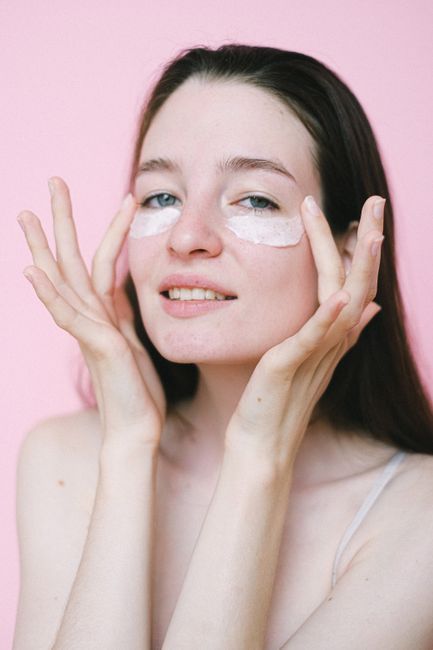
The skin under the eyes is among the thinnest on the face, and fine crepey lines there are a common concern. A polynucleotide booster can make that skin look smoother and less tired. It will not fill a deep tear trough; for hollows, an under-eye filler may be discussed, sometimes with a booster for the skin over the top.
Sensitive, reactive skin
Skin that flushes easily or feels tight and irritated with many products is another frequent reason. In a survey of 100 aesthetic physicians published in 2024, 64% reported using polynucleotides for facial redness and 71% felt it improved redness and inflammation, although only 26% thought it prevented the redness from returning, and this is opinion rather than trial evidence.
Alongside laser treatment
Rejuran is frequently planned with lasers such as pico laser or RF microneedling to support recovery. Dr. Kim decides the order and spacing so that the skin is not overloaded in one visit.
 Hommage · Gangnam
Hommage Women's Clinic · Gangnam, Seoul
Thin, crepey under-eye skin is a common reason to consider Rejuran. Illustrative photo.
Planning
Rejuran sessions: a typical course, week by week
Rejuran is designed as a course rather than a one-off treatment. Each session adds to the last, so the skin usually looks best a few weeks after the final injection. A typical plan has three or four sessions spaced two to four weeks apart, then maintenance every few months. Milder concerns may need fewer sessions, and your doctor may adjust the interval if bruising or bumps take longer to settle.
Compare
Rejuran vs hyaluronic acid booster vs PRP
These three are often considered side by side for tired, dull or thin skin. A hyaluronic acid booster works mainly by holding water in the skin, so the effect on glow shows quickly. Rejuran works more on repair and texture, building over a course. PRP uses growth factors from your own blood, which appeals to people who prefer not to use a manufactured product, but it needs a blood draw and results vary more between people.
None is best for everyone. In one randomized trial described in the 2024 review, 120 people with crow's feet were treated with either a polynucleotide filler or a hyaluronic acid filler, and the polynucleotide group kept its effect longer at 12 months. That is one study of one product type, so it does not settle the question, but it shows why polynucleotides are often chosen for longer-term skin quality.
| Compare | Rejuran (PN) | HA booster | PRP |
|---|---|---|---|
| Best for | Thin, sensitive, post-laser skin; fine texture | Dehydrated, dull skin | People preferring their own blood product |
| Comfort | Stings more than most boosters | Usually milder; often contains lidocaine | Blood draw plus injections |
| Bumps afterward | Visible for 1–3 days | Usually less visible | Mild redness and swelling |
| Avoid if | Fish or salmon allergy | Allergy to HA products or lidocaine | Blood disorders, low platelets |
 Hommage · Gangnam
Hommage Women's Clinic · Gangnam, Seoul
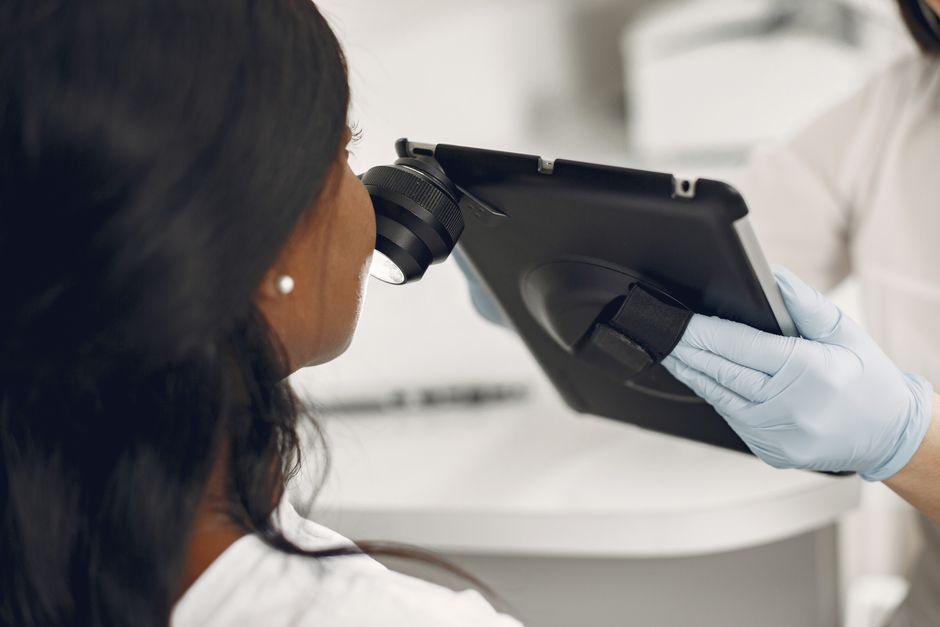
A close look at texture, pores and redness comes before any plan. Illustrative photo.
Preparation
Is Rejuran right for me? Preparing for your first session
A good Rejuran plan starts with an honest look at what your skin needs. If your main concern is sagging along the jaw, deep folds or hollow cheeks, Rejuran alone will disappoint, and Dr. Kim will say so. If your skin looks tired, thin, rough or reacts easily, it is a reasonable choice.
Tell your doctor about
- Any fish, salmon or seafood allergy, and reactions to previous injections or numbing cream
- Blood thinners, aspirin, fish oil or other supplements that increase bruising
- Cold sores, which can flare after facial injections
- Pregnancy, breastfeeding or plans to conceive
- Recent or planned lasers, peels or fillers
On the day
Come with clean skin if possible and allow around an hour in total, including numbing time. Avoid booking the session just before a wedding, photo shoot or flight; give the bumps and any bruises a few days to settle.
Aftercare
Rejuran aftercare and downtime: do's and don'ts
Rejuran downtime is short but visible. Straight after treatment you will see small raised bumps across the treated area, a little like mosquito bites, which usually flatten within 1–3 days. Redness or small bruises can take up to a week to fade. Most people return to work the next day, using light makeup from then if they wish.
Do
- Leave skin bare on the day of treatment
- Cleanse gently with lukewarm water from the next day
- Use a plain, fragrance-free moisturizer
- Apply broad-spectrum sunscreen every morning
- Sleep on your back the first night if you can
- Keep your next session date in the course
Don't
- Press, massage or squeeze the bumps
- Use saunas, hot baths or do hard exercise for about 2 days
- Drink alcohol for about 2 days
- Use scrubs, peels, retinoids or strong acids for a few days
- Book other facial treatments within 2 weeks without asking
- Pick at any small scab or bruise
 Hommage · Gangnam
Hommage Women's Clinic · Gangnam, Seoul
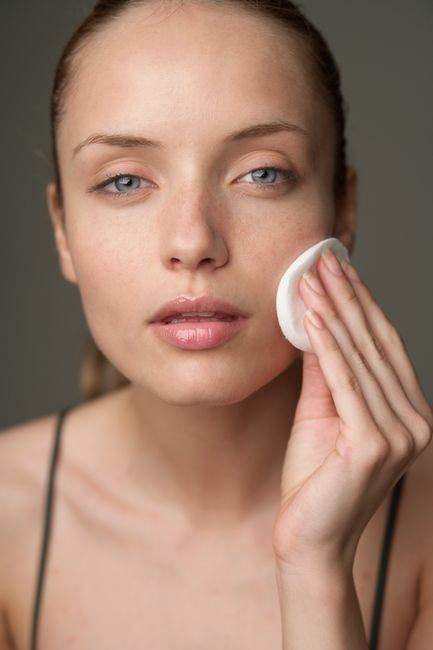
Keep skin care gentle for a few days after each session. Illustrative photo.
Evidence
Does Rejuran work? What the research says
Polynucleotides have been studied more in Korea and Italy than elsewhere, and the research base is growing. A 2024 review in the International Journal of Molecular Sciences gathered the human studies by indication and graded them. Most were small, but a few were randomized and controlled. The cards below summarize findings from that review; they cover polynucleotide products in general, not only Rejuran.
Crow's feet trial
Phase III randomized trial: polynucleotide vs hyaluronic acid filler; longer duration with PN at 12 months.
Pak et al., cited in Lee et al., IJMS 2024Surgical scar trial
Randomized vs saline after thyroid surgery; better scar quality and narrower scars at 6 months.
Kim et al., cited in Lee et al., IJMS 2024Acne scar trial
Randomized vs placebo over 6 months; both groups improved, more in the PN group.
Araco et al., cited in Lee et al., IJMS 2024Serious adverse events
None reported across the included studies; mostly mild redness, swelling and bruising.
Lee et al., IJMS 2024Traveling to Seoul
Rejuran in Seoul for international patients
Rejuran was developed in Korea, and many visitors ask for it in Seoul. Hommage Women's Clinic is in Gangnam, a short walk from Sinnonhyeon Station (Line 9 and Shinbundang Line), and walk-ins are welcome during opening hours.
Fitting a course into your trip
- A single visit is possible, but the full effect needs several sessions 2–4 weeks apart. If you are in Seoul for 2–4 weeks, two sessions can usually fit.
- Book your first session early in your stay so bumps settle before sightseeing and flying.
- Bring your passport, a list of medicines and allergies, and the names of any recent treatments.
- Contact the clinic by WhatsApp, KakaoTalk or the contact form to arrange language support.
Rejuran's availability differs by country, so ask for the product name and amount in writing if you plan to continue the course at home.
 Hommage · Seoul
Hommage Women's Clinic · Gangnam, Seoul
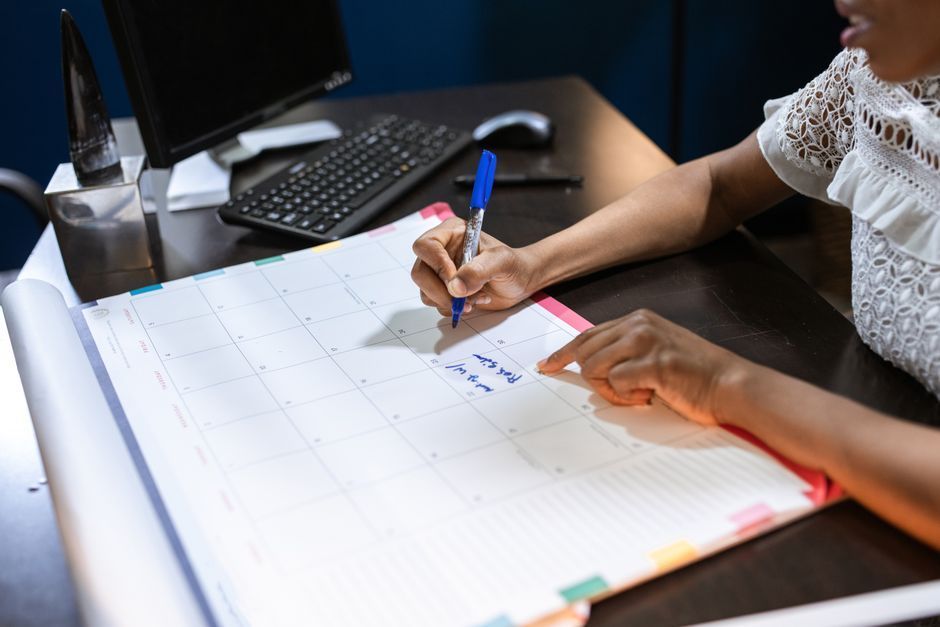
Plan session dates around your stay in Seoul. Illustrative photo.
 Hommage · Gangnam
Hommage Women's Clinic · Gangnam, Seoul
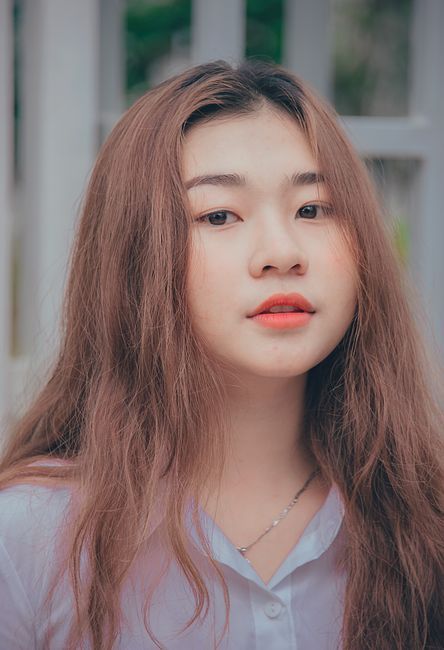
The aim is healthier-looking skin, built over a course. Illustrative photo.
Choosing well
How to choose a Rejuran clinic in Seoul
Rejuran is offered widely in Gangnam, sometimes as a quick add-on. Use these questions at any consultation, including ours:
- Is it genuine Rejuran Healer? Ask to see the sealed product and its label before injection.
- How much product, and where? The amount and area should be stated in your plan.
- Does a doctor inject? The physician who assesses you should perform the injections.
- Do they ask about fish allergy and medicines? This is a basic safety step for polynucleotide products.
- Is a course explained honestly? Beware of promises of dramatic change after one session.
- Is there follow-up? You should know who to contact if bumps or bruises do not settle.
What affects Rejuran cost in Seoul?
The price depends on the product variant and amount, the area (full face, under-eyes or neck), the number of sessions in the course, and whether Rejuran is combined with lasers or other boosters. Rejuran is cosmetic and not covered by Korea's National Health Insurance. You receive a written quote at your consultation before you decide.
Your visit
What to expect at your Rejuran appointment
01
Skin assessment
Dr. Kim reviews your skin concerns, allergies (including fish), medicines and upcoming plans, then agrees the area and number of sessions.
02
Numbing
Numbing cream is applied for about 30–40 minutes, then the skin is cleansed and disinfected.
03
Injections
Rejuran Healer is placed in small, even deposits with a fine needle, taking about 20–30 minutes.
04
Aftercare and next session
You receive written aftercare, and the next session is usually booked 2–4 weeks later.

Your doctor
Dr. Kim Hyunbin
Associate Director · Skin & Aesthetic Treatments
Dr. Kim uses Rejuran for skin quality, such as texture, fine lines and slow recovery, rather than for volume or lifting. The number of sessions and any combination with other boosters or lasers are planned only after examining your skin and checking allergies and medicines.
Associate director dedicated to skin and aesthetic procedures, with extensive experience in lifting, botulinum toxin, fillers and laser treatments.
Rejuran: frequently asked questions
Does Rejuran hurt?
Rejuran is more uncomfortable than most skin boosters, because many small injections are made close to the skin surface. Numbing cream is applied for 30–40 minutes first, and most people describe sharp pinpricks and stinging that stop when the injections finish. Tenderness for a day or two afterward is common.
How many Rejuran sessions do I need?
A typical course is 3–4 sessions spaced 2–4 weeks apart, because the effect builds with each treatment. After the course, many people have a maintenance session every few months. Your doctor may suggest fewer sessions for mild concerns or combine Rejuran with another booster, depending on your skin.
How long does Rejuran last?
After a full course, results often last around 6–12 months. The effect fades gradually as the skin ages, so maintenance sessions are used to keep it. Sun exposure, smoking and harsh skincare can shorten how long results last, while daily sunscreen helps keep them.
Is Rejuran made from salmon, and is it safe if I have a fish allergy?
Yes, Rejuran's polynucleotides are purified from salmon DNA. The product is highly purified, but people with a fish or salmon allergy are generally advised not to have it. Tell your doctor about any allergy before treatment so an alternative such as a hyaluronic acid booster can be considered.
Can I wear makeup after Rejuran?
Skip makeup on the day of treatment, while the injection points are still open. Light makeup is usually fine from the next day, applied gently over the bumps. Use clean brushes or sponges, and avoid scrubs, peels and strong active ingredients for a few days.
Is Rejuran safe during pregnancy or breastfeeding?
Rejuran has not been studied in pregnancy or breastfeeding, so it is usually postponed until after you have finished breastfeeding. Skin changes during pregnancy, such as melasma, can be managed in other ways; see skin care for hormonal changes.
Can foreigners get Rejuran in Seoul?
Yes. International patients and foreign residents can have Rejuran at Hommage Clinic; bring your passport for registration. Because a course usually needs several sessions a few weeks apart, plan your dates around your stay. Contact us before your visit to arrange language support; you can walk in during opening hours or book ahead for a set time.
Why do I have bumps after Rejuran?
The small raised bumps are the product sitting in the skin at each injection point, not an allergic reaction. They usually flatten within 1–3 days. Avoid pressing or massaging them. Contact the clinic if a bump becomes painful, hot or red, or is still there after two weeks.
Are there different types of Rejuran?
Yes. Rejuran Healer is the standard version for the face, and the manufacturer makes other variants for particular areas or concerns. Which version is used depends on your skin, the area and what the clinic stocks; your doctor names the exact product in your plan so you can check it before treatment.
Can Rejuran help acne scars?
Rejuran can help shallow texture irregularities as one part of a scar plan, and a small randomized study of polynucleotides for acne scars reported more improvement than placebo. Deeper scars usually need treatments such as RF microneedling, subcision or laser, with Rejuran used to support recovery.
Can Rejuran be combined with Botox, fillers or laser?
When can I fly after Rejuran?
Flying the next day is generally fine. Bumps usually settle within 1–3 days and bruises within about a week. If you have an important event or photos soon after landing, book the session a few days before you fly.
Is Rejuran covered by insurance in Korea?
No. Rejuran is a cosmetic treatment and is not covered by Korea's National Health Insurance, and travel insurance rarely covers it. The cost depends on the area, the amount of product and the number of sessions, and you receive a written quote before treatment.
References
Sources used for this page, reviewed by Dr. Kim Hyunbin, aesthetic physician. Read our editorial and medical review policy.
- Lee KWA, Chan KWL, Lee A, Lee CH, Wan J, Wong S, Yi KH. Polynucleotides in aesthetic medicine: a review of current practices and perceived effectiveness. Int J Mol Sci. 2024;25(15):8224. Full text
- Yi KH, Winayanuwattikun W, Kim SY, et al. Skin boosters: definitions and varied classifications. Skin Res Technol. 2024;30(3):e13627. PMID 38481069.
This page is general information and does not replace a personal consultation. Rejuran is a brand name used for identification only. Illustrations are original works of Hommage Women's Clinic, Gangnam, Seoul; photos marked illustrative are not of patients.
Related skin quality treatments
Skin Boosters
Hyaluronic acid, PN and regenerative boosters compared for hydration, texture and glow.
Collagen Stimulators
Juvelook, Radiesse and similar injectables that build your own collagen gradually.
PRP for Skin
Platelet-rich plasma from your own blood for texture, tone and fine lines.
Stem Cell Skin Therapy
Exosome and regenerative skin treatments, with the evidence explained honestly.
Korean Glass Skin Facial
A doctor-planned routine for smooth, hydrated, luminous skin.
Skin Care for Hormonal Changes
How pregnancy, the pill and menopause affect your skin, and what helps.
Find out whether Rejuran suits your skin
Book a skin assessment with Dr. Kim Hyunbin in Gangnam. You will get a session plan, aftercare guidance and a written quote before any injection.
Hommage Clinic · 4F, Building A, 509 Gangnam-daero, Seoul (near Sinnonhyeon Station) · Mon & Fri 10:00–20:00 · Tue–Thu 10:00–19:00 · Sat 10:00–15:00