
Skin & Aesthetics · Tone & brightness
Skin Tone Evenness Therapy: A Combined Plan for Uneven Skin Tone
Skin tone evenness therapy is a staged combination of treatments, such as prescription skin care, gentle peels, low-energy laser and skin boosters, that targets the several causes of blotchy or dull skin at once: excess pigment, redness, post-acne marks and rough texture. At Hommage Clinic in Gangnam, Seoul, Dr. Hwang Seonhwa maps what is behind your uneven tone before building the plan.
Quick answer
Skin tone evenness therapy is a staged plan for blotchy or dull skin that treats each cause in turn: excess pigment, redness, post-acne marks and rough texture. At Hommage Women's Clinic in Gangnam, Seoul, Dr. Hwang Seonhwa maps your skin first, then combines home care with gentle peels, low-energy laser toning, redness treatment or skin boosters. Most plans use about 4–8 in-clinic sessions 2–4 weeks apart, and change usually shows after 6–12 weeks.
Key takeaways
- Uneven tone usually has several causes at once; treating only one often leaves skin looking patchy.
- The order matters: calm the barrier first, then treat acne or redness, then fade pigment.
- Irritation is the enemy: in Asian skin it often leads to new dark marks.
- Sunscreen every day is the step that keeps the result.
Infographic
Skin tone evenness therapy in numbers
Main causes mapped
Pigment, post-acne marks, redness and texture.
In-clinic sessions
About 2–4 weeks apart, chosen per person.
Visible change
With consistent home care and sunscreen.
Photo reviews
Plan adjusted at each review.
Sunscreen
The single most important step for lasting results.
Maintenance
Often a session every few months, before and after summer.
Skin tone evenness therapy at a glance
| Key fact | Details |
|---|---|
| What it treats | Blotchy or dull tone from mixed pigment, redness, post-acne marks and rough texture |
| What it involves | Home skin care plus in-clinic peels, laser toning, light therapy or skin boosters |
| Sessions | Usually a course of 4–8 in-clinic sessions, 2–4 weeks apart, chosen per person |
| Downtime | Minimal for most steps; light flaking or redness for a day or two after peels |
| Results visible | Gradual change, usually noticeable after 6–12 weeks |
| How long results last | Depends on sun protection and triggers; maintenance every few months is common |
| Reviewed by | Dr. Hwang Seonhwa, physician for skin and aesthetic treatments |
This approach may suit you if you have
- Patchy or blotchy tone without one clear cause
- Brown or red marks left after acne or irritation
- Dull, tired-looking skin with rough texture
- A mix of light melasma, redness and enlarged pores
Wait or talk to us first if you
- Are pregnant or breastfeeding (some steps are postponed or swapped)
- Have active eczema, a skin infection, sunburn or a fresh tan
- Are taking isotretinoin or recently finished it
- Have a spot that is changing, bleeding or not healing
What causes uneven skin tone?
Uneven skin tone is usually the result of several overlapping problems rather than one. Common contributors are:
- Excess pigment: sun damage, light melasma, freckles and scattered sun spots.
- Post-inflammatory hyperpigmentation: brown marks that linger for months after acne, eczema, bites or harsh treatments, especially in Asian and darker skin.
- Redness: visible small vessels, flushing or post-acne red marks.
- Dullness and texture: a build-up of dead skin cells, dehydration and enlarged pores that scatter light unevenly.
Hormones play a part too: pregnancy, the pill, PCOS and menopause can change pigment, oil and acne. Our page on skin care for hormonal changes explains how.
How is skin tone evenness therapy different from a single laser?
A single laser targets one problem, while skin tone evenness therapy combines steps that each address a different cause. If you have one clear lesion type, a focused treatment is usually better: see melasma treatment , freckle removal or sun spot treatment .
When the problem is mixed, for example light melasma plus post-acne marks plus redness, treating only the pigment often leaves skin still looking uneven. A combined plan sequences treatments so that the skin barrier stays healthy, which matters because irritated skin tends to darken.
What does the treatment plan include?
Your plan is built from a short list of well-established building blocks, chosen after examination:
- Home care: daily broad-spectrum sunscreen, a gentle cleanser and moisturizer, and prescription or cosmetic actives such as azelaic acid, niacinamide, retinoids, vitamin C or topical tranexamic acid.
- Gentle peels: superficial chemical peels to loosen dull surface cells and fade marks. See pigment correction peel .
- Low-energy laser: laser toning for diffuse pigment, spaced to avoid overtreatment.
- Redness care: vascular laser or light treatment when redness is a major part of the problem.
- Skin quality: skin boosters for hydration and texture. Products the clinic uses include Rejuran Healer (PDRN) and SKINVIVE (hyaluronic acid), chosen by skin condition.
Most people start with home care and one in-clinic treatment, then add steps as the skin responds. A typical sequence is to calm and repair the skin barrier first, treat active acne or redness next, and then fade remaining pigment. Strong treatments are not stacked in the same week, and any step that causes lasting irritation is paused, because inflamed skin in Asian complexions often darkens instead of clearing.
How long until skin tone looks more even?
Most people notice brighter, more even skin after about 6–12 weeks of consistent care. Post-acne brown marks often fade faster with treatment, while sun damage and melasma take longer and need ongoing protection.
Results last as long as triggers are controlled. Daily sunscreen, gentle skin care and treating acne early keep new marks from forming, and many people return for a maintenance session every few months, often before and after summer. Taking photos in the same light every few weeks makes gradual change easier to see.
Risks and possible side effects
Each step carries its own side effects, and combining them is planned to keep irritation low. Possible effects include:
- Irritation and dryness from retinoids or acids, especially in the first weeks.
- Temporary redness, flaking or stinging after peels.
- Post-inflammatory hyperpigmentation if the skin is overtreated or exposed to sun, the very problem the plan aims to prevent.
- White spots after too many frequent laser toning sessions, and small bruises or bumps after skin booster injections.
Contact the clinic if your skin stings persistently, becomes very red or swollen, or develops new dark patches during treatment.
Skin tone evenness therapy at Hommage Clinic
At Hommage Clinic in Gangnam, a short walk from Sinnonhyeon Station, Dr. Hwang Seonhwa begins with a close skin examination to separate pigment, redness and texture problems, then sets the order of treatments. Procedures are planned and performed by a physician, and walk-ins are welcome during opening hours. Because the clinic also provides women's health care, hormonal triggers such as the pill or PCOS can be reviewed in the same place. Explore otherskin and aesthetic treatments.
Cost depends on which steps you need and how many sessions. Cosmetic skin treatments are not covered by National Health Insurance, and you receive a written quote before starting.
Skin mapping
Uneven skin tone causes: brown, red, marks and texture
When people say their skin tone is uneven, they usually mean that some areas look darker, redder or duller than others. Looking closely, those differences fall into four groups, and each responds to a different tool. Brown pigment answers to sunscreen, lightening actives, peels and gentle laser. Redness answers to vascular light or laser and calming care. Post-acne marks may be brown, red or both. Dullness and rough texture improve with exfoliation and hydration.
Most faces have two or three of these at once. Mapping them at the first visit, under good light and magnification, is what turns a vague goal of "brighter skin" into a plan with a clear order.
The plan
How to even out skin tone in four stages
A combined plan is not about doing as many treatments as possible. It is about doing the right ones in the right order, so that each step makes the next one safer. Treating pigment on skin that is still breaking out or irritated tends to produce new marks. Treating redness first often makes remaining brown pigment easier to see and target.
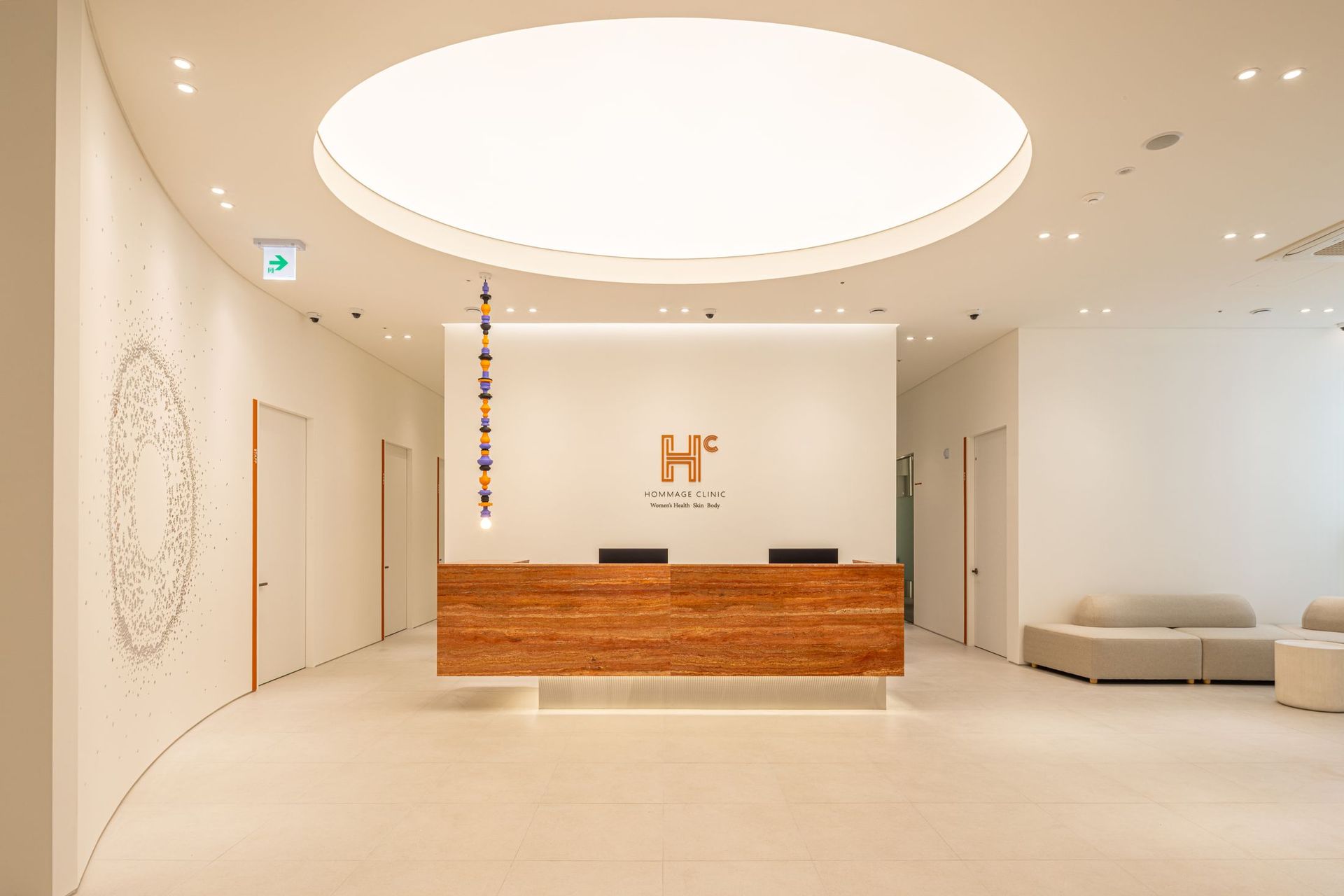
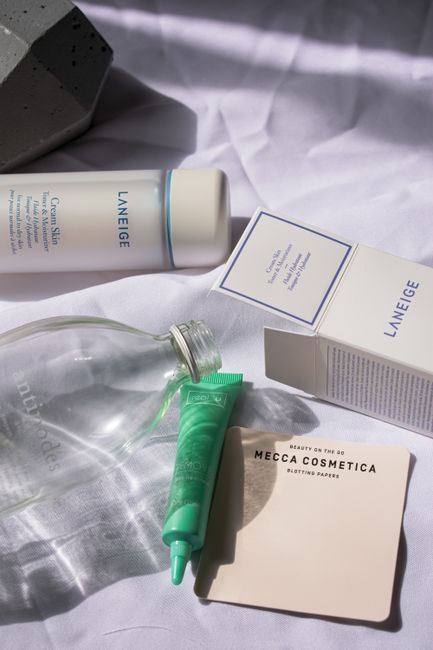 Hommage · Gangnam
Hommage Women's Clinic · Gangnam, Seoul
Home care and sunscreen are the foundation of every skin tone plan. Illustrative photo.
Results
Uneven skin tone treatment timeline: the first 12 weeks
Skin renews its outer layer roughly every few weeks, so pigment fades in steps rather than overnight. The first weeks are mostly about calming and protecting; visible brightening usually arrives in the second and third months. Taking photos in the same light every few weeks helps you and your doctor see changes that are hard to notice in the mirror day to day.
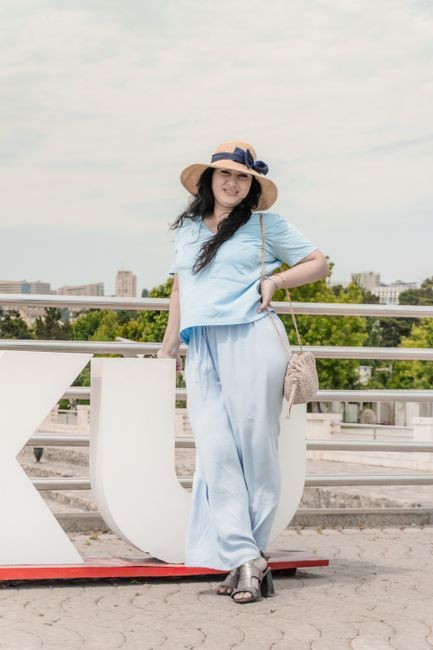 Hommage · Gangnam
Hommage Women's Clinic · Gangnam, Seoul
Shade, a hat and sunscreen keep new pigment from undoing progress. Illustrative photo.
At home
Home care for uneven skin tone: do's and don'ts
What you do every day counts for more than any single session. The aim is a short routine you can keep up for months, with one or two active ingredients chosen for your skin rather than a shelf of products that compete with each other.
Do
- Apply broad-spectrum SPF 30+ every morning, rain or shine
- Use a gentle cleanser and a plain moisturizer
- Add one active at a time, as prescribed
- Treat acne early to prevent new marks
- Take photos in the same light every few weeks
Don't
- Layer several strong acids and retinoids at once
- Scrub, pick or squeeze spots
- Use unregulated whitening creams
- Skip sunscreen on cloudy days or indoors by a window
- Book extra treatments elsewhere without telling your doctor
Choosing an approach
Combined plan or single treatment: which do you need?
A combined plan is not always the answer. If your concern is one clear thing, such as a few sharp sun spots, a focused treatment is quicker and simpler. If several things overlap, a single treatment tends to fix one and leave the rest. This quick guide shows how Dr. Hwang usually decides:
One clear cause
- A few defined sun spots: sun spot treatment
- Freckles only: freckle removal
- Mainly melasma: melasma plan
- Mainly redness: redness therapy
Overlapping causes
- Post-acne marks plus light melasma
- Redness plus dull, rough texture
- Blotchy tone with no single cause
- Skin that reacts badly to strong single treatments
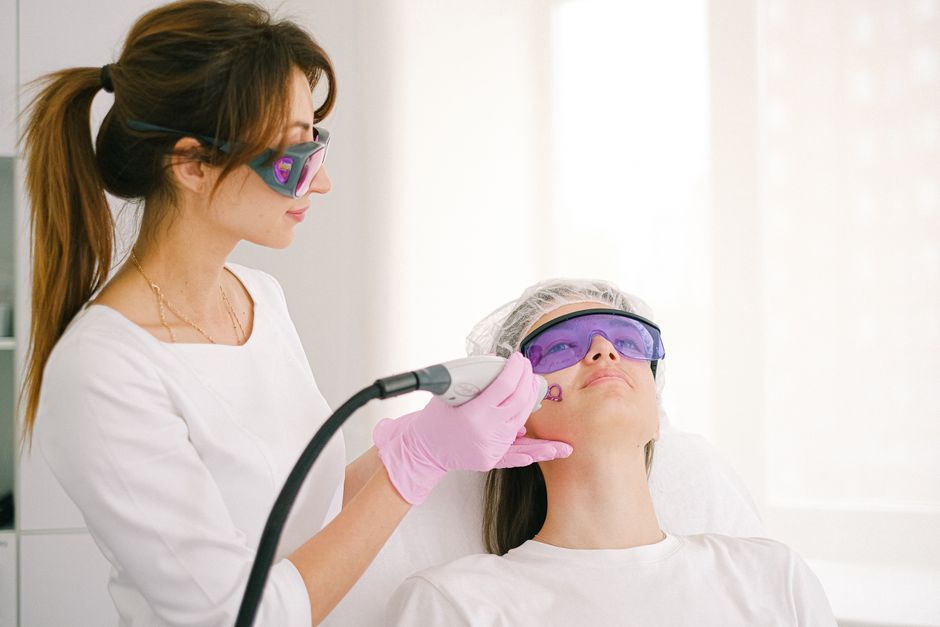 Hommage · Gangnam
Hommage Women's Clinic · Gangnam, Seoul
Low-energy laser is one step in a combined plan, not the whole plan. Illustrative photo.
Evidence
What the research says about evening out skin tone
There are no large trials of a "skin tone evenness" package as such, because every plan is different. The evidence comes from studies of the individual building blocks. They support each step for the right problem, and they repeatedly show that gentler approaches cause fewer pigment complications in Asian and darker skin.
Post-acne red and brown marks
Improved after 3–7 IPL sessions in 60 patients.
Wu et al., Dermatol Ther, 2022Melasma: peels and lasers
Both reduced severity; peels had fewer complications.
Lee et al., J Cosmet Med, 2024Sun spots
Lasers and IPL generally outperformed creams, peels or freezing.
Mardani et al., J Cosmet Dermatol, 2025Superficial peel complications
In skin types III–VI; mostly temporary.
Desai et al., J Clin Aesthet Dermatol, 2023Acne left dark marks
Share of Asian (47.4%, small group), Hispanic (52.7%) and African American (65.3%) acne patients with post-inflammatory hyperpigmentation in a US study. Sunscreen and topical care come first; lasers are an add-on.
Davis & Callender, J Clin Aesthet Dermatol, 2010 (citing Taylor et al., 2002)Traveling to Seoul
Uneven skin tone treatment in Seoul for international patients
A full combined plan runs over several months, so international visitors usually use their time in Seoul for the part that benefits most from an in-person visit: a careful skin assessment, one well-chosen in-clinic session, and a written home-care routine to continue at home.
- Send daylight photos of your face and your travel dates by WhatsApp, KakaoTalk or the contact form; ask for language support if needed.
- Bring your passport, your current skin products (or photos of their labels) and a list of medicines, including the pill or isotretinoin.
- Book your visit early in the trip so any redness settles before you fly.
- Ask for written notes on the treatments used, to share with a doctor at home.
- If you return to Seoul regularly, sessions can be planned around your visits.
 Hommage · Seoul
Hommage Women's Clinic · Gangnam, Seoul
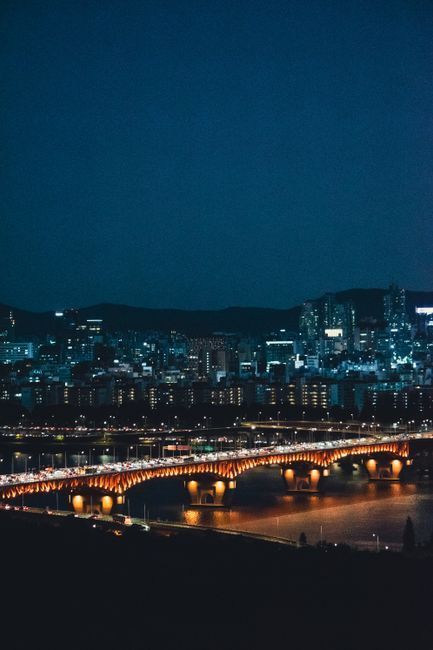
The clinic is in Gangnam, a short walk from Sinnonhyeon Station. Illustrative photo.
 Hommage · Gangnam
Hommage Women's Clinic · Gangnam, Seoul
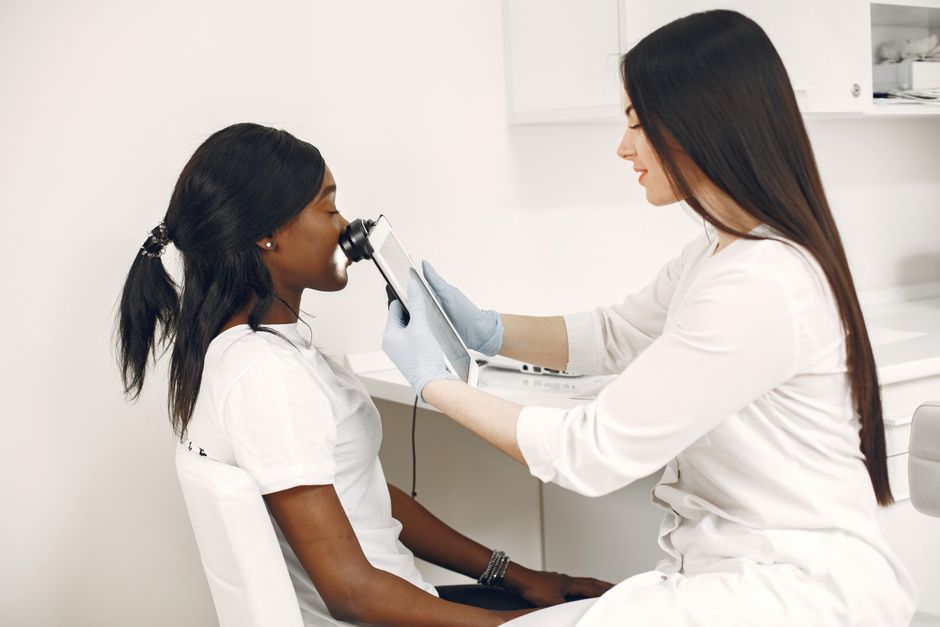
Every plan starts with a close look at what is causing the unevenness. Illustrative photo.
 Hommage · Gangnam
Hommage Women's Clinic · Gangnam, Seoul
Sessions are spaced weeks apart and reviewed with photos. Illustrative photo.
Choosing well
How to choose a clinic for uneven skin tone in Seoul
Brightening packages are everywhere in Gangnam. These questions help you tell a medical plan from a menu of treatments, at any clinic including ours:
- Does a physician identify the causes? Pigment, redness, marks and texture, not just "dull skin".
- Is there a clear order of steps? Calm first, then treat, then fade.
- Is home care part of the plan? Including sunscreen and one or two chosen actives.
- Are sessions spaced safely? Strong treatments should not be stacked in one week.
- Is progress reviewed? Photos every few weeks, with changes if needed.
- Is the quote written? All steps, sessions and products listed.
What affects the cost of skin tone evenness therapy?
The cost depends on which steps your skin needs (for examplepigment peels,laser toning, redness treatment orskin boosters), how many sessions, and any prescription products. Cosmetic skin treatments are not covered by Korea's National Health Insurance, and you receive a written quote before starting.
Your visit
What to expect at your first skin tone visit
01
Skin mapping
Dr. Hwang examines your skin under magnification to separate pigment, redness, post-acne marks and texture.
02
History
You are asked about sun exposure, acne, hormones, the pill, medications and past treatments or reactions.
03
Your plan
You receive a written home-care routine and a sequence of in-clinic treatments matched to your skin.
04
Review
Progress is checked with photos every 4–6 weeks, and steps are added, swapped or spaced out.

Your doctor
Dr. Hwang Seonhwa
Physician · Skin & Aesthetic Treatments
Dr. Hwang treats uneven tone by identifying each contributing cause first, then sequences gentle steps that protect the skin barrier, since irritated skin in Asian complexions tends to darken rather than clear.
Physician for face and skin procedures, including lifting, laser and skin-improvement treatments, planned around facial proportions and skin condition.
Uneven skin tone: frequently asked questions
What is the fastest way to even out skin tone?
There is no single fastest method for everyone, because the cause matters. Post-acne marks often fade quickly with a combination of topical treatment and gentle peels or laser toning, while melasma and sun damage need slower, steady care. Daily sunscreen speeds up every approach by preventing new pigment.
How many sessions does skin tone evenness therapy need?
Most plans include about 4–8 in-clinic sessions spaced 2–4 weeks apart, alongside daily home care. Some people need fewer, especially for post-acne marks. Your doctor reviews progress every few weeks and adjusts the number and type of sessions rather than following a fixed package.
Can uneven skin tone be fixed with skin care alone?
Mild dullness and light post-acne marks can improve with consistent sunscreen and well-chosen actives such as azelaic acid, niacinamide or retinoids. Deeper or long-standing pigment, redness from visible vessels and texture problems usually need in-clinic treatment as well. Home care remains the foundation in either case.
Is skin tone evenness therapy safe for sensitive skin?
Yes, with adjustments. For sensitive or easily irritated skin, the plan starts with barrier repair and gentle actives, uses lighter peels and lower laser energy, and spaces sessions further apart. Tell your doctor about any reactions to past products or procedures so the plan can avoid them.
Does the birth control pill affect skin tone?
It can. Estrogen-containing pills can trigger or worsen melasma in some women, while some pills improve hormonal acne and the marks it leaves. If your skin changed after starting or stopping the pill, mention it at your visit; our gynecology team can review options with you.
Can foreigners get skin tone treatment in Seoul?
Yes. International visitors and foreign residents can be assessed and start a plan at Hommage Clinic; bring your passport for registration. If you are in Seoul for a short time, the doctor can focus on one in-clinic step and a home-care routine you continue afterward. Contact us before your visit to arrange language support and book.
Is skin tone evenness therapy the same as skin whitening?
No. The aim is to make your own skin tone more even, by fading excess pigment, redness and marks, not to change your natural skin color. Unregulated whitening creams can contain harmful ingredients and are best avoided.
What causes uneven skin tone on the face?
The most common causes are sun damage, light melasma, brown or red marks after acne, visible small vessels and dull, rough texture. Hormones, such as pregnancy or the pill, and irritation from harsh products can add to it. Most people have more than one cause.
Which treatment is best for post-acne marks?
First control active acne so no new marks form. Brown marks then often fade with sunscreen, lightening actives and gentle peels; red marks often respond to IPL or vascular laser. Indented scars are a different problem and need other treatments.
Can I combine skin boosters with laser or peels?
Yes, often in the same plan, but usually not on the same day as a strong peel. Skin boosters improve hydration and texture, which can help skin look more even and tolerate other steps. Your doctor sets the spacing.
Why does my skin tone get worse after treatments?
Irritation and sun exposure are the usual reasons. In Asian skin, inflammation from strong peels, too-frequent laser or harsh products can cause new dark marks. Telling the clinic early allows the plan to be calmed down before marks set in.
How do I keep my skin tone even after treatment?
Wear broad-spectrum sunscreen every day, keep a simple routine with the actives your doctor recommends, treat acne early and book occasional maintenance sessions, often before and after summer.
Is uneven skin tone treatment covered by insurance in Korea?
Cosmetic skin treatments are not covered by Korea's National Health Insurance. You receive a written quote for your plan before starting.
References
Sources used for this page, reviewed by Dr. Hwang Seonhwa. Read our editorial and medical review policy.
- Wu X, Wang X, Wu X, et al. Intense pulsed light therapy improves acne-induced post-inflammatory erythema and hyperpigmentation: a retrospective study in Chinese patients. Dermatol Ther (Heidelb). 2022;12:1147–1156. Springer
- Lee I, Kang S, Lee J, Cho H, Lee KW, Lim D. Comparative efficacy of chemical peels and laser treatments in melasma: a meta-analysis of randomized controlled trials. J Cosmet Med. 2024;8(2):81–87. DOAJ
- Mardani et al. Treatment of solar lentigines: a systematic review of clinical trials. J Cosmet Dermatol. 2025. PMC
- Desai M, Gill J, Luke J. Cosmetic procedures in patients with skin of color: clinical pearls and pitfalls. J Clin Aesthet Dermatol. 2023;16(3):37–40. JCAD
- Davis EC, Callender VD. Postinflammatory hyperpigmentation: a review of the epidemiology, clinical features, and treatment options in skin of color. J Clin Aesthet Dermatol. 2010;3(7):20–31. JCAD
This page is general information and does not replace a personal consultation. Illustrations are original works of Hommage Women's Clinic, Gangnam, Seoul; photos marked illustrative are not of patients.
Related tone and brightness treatments
Laser Toning
Low-energy laser passes for dull, uneven tone and as part of melasma care.
Pigment Correction Peel
Gentle chemical peels that support lightening of uneven pigment.
Melasma Treatment
A long-term plan for hormonal, relapsing brown patches on the cheeks and forehead.
Redness Reduction Therapy
Care for flushing, visible vessels and red marks that make tone look uneven.
Skin Boosters
Injectable hydration and regeneration treatments for texture and radiance.
Skin Care for Hormonal Changes
How pregnancy, the pill and menopause affect pigment, acne and skin.
Find out what is making your skin tone uneven
Book a skin assessment with Dr. Hwang Seonhwa in Gangnam to map pigment, redness and texture and get a plan in the right order.
Hommage Clinic · 4F, Building A, 509 Gangnam-daero, Seoul (near Sinnonhyeon Station) · Mon & Fri 10:00–20:00 · Tue–Thu 10:00–19:00 · Sat 10:00–15:00