
Skin & Aesthetics · Hair & scalp
Low-Level Laser Therapy (LLLT) for Hair Loss: Does Red Light Work?
Low-level laser therapy (LLLT) is a non-invasive hair-loss treatment that shines low-power red laser or LED light on the scalp to stimulate the cells of thinning hair follicles, without heat, needles or downtime. At Hommage Clinic in Gangnam, Seoul, Dr. Hwang Seonhwa assesses the cause of your thinning and advises whether LLLT, used in clinic or at home, fits alongside first-line treatment such as minoxidil.
Quick answer
Low-level laser therapy (LLLT) shines low-power red light, around 630–680 nm, on the scalp to support thinning hair follicles, with no needles, heat or downtime. At Hommage Women's Clinic in Gangnam, Seoul, Dr. Hwang Seonhwa checks the cause of thinning first, then fits LLLT in clinic or with a home device alongside minoxidil. Sessions take 15–30 minutes, usually 2–3 times a week, and results are judged after 3–6 months.
Key takeaways
- LLLT is needle-free and painless, which makes it a popular add-on for people who avoid injections.
- A 2024 meta-analysis of 38 studies found higher hair density with LLLT than with placebo in pattern hair loss.
- The effect is usually modest, and many studies were funded by device makers.
- Consistency matters: benefits fade within months if you stop.
Infographic
LLLT for hair loss in numbers
Per session
Depending on the device.
Sessions per week
A common schedule; follow your device instructions.
Red light range
Typical wavelength band; no heat or tissue damage.
Minimum trial
Before judging results; changes often show at 3–6 months.
Downtime
Return to normal activities straight away.
Studies pooled
In a 2024 meta-analysis (3,098 patients).
LLLT for hair loss at a glance
| Key fact | Details |
|---|---|
| Treatment time | Typically about 15–30 minutes per session, depending on the device |
| Comfort | No needles or numbing; most people feel nothing or slight warmth |
| Sessions | Regular use, often 2–3 times a week, for at least 4–6 months |
| Downtime | None expected; you can return to normal activities straight away |
| Results visible | Usually after 3–6 months of consistent use |
| How long results last | Benefits fade within months if treatment is stopped |
| Advised by | Dr. Hwang Seonhwa, physician |
LLLT may suit you if you have
- Mild to moderate female or male pattern hair loss
- A preference for a needle-free option, or a fear of injections
- Thinning that needs extra support alongside minoxidil or oral treatment
- Time to commit to regular sessions over many months
Wait or choose another option if you
- Have sudden patchy or scarring hair loss that has not yet been diagnosed
- Have a light-sensitive skin condition or take medicines that cause photosensitivity
- Have a suspicious mole, skin cancer or open wound on the scalp
- Are pregnant, since safety data in pregnancy are limited
What is low-level laser therapy and how does it work?
LLLT, also called photobiomodulation or red light therapy, uses low-power laser diodes or LEDs, usually in the red to near-infrared range around 630–680 nm. Unlike resurfacing or hair-removal lasers, it does not heat or damage tissue.
The light is absorbed by mitochondria, the energy-producing parts of cells, in and around the hair follicle. This is thought to boost cell energy, improve local blood flow and help follicles stay longer in the growth (anagen) phase. LLLT does not create new follicles, so it helps most where thinning hair is still present. It is the same light-based principle used in some LED light therapy facials , adapted for the scalp.
Who is LLLT for, and what causes the thinning?
LLLT is mainly used for pattern hair loss, also called androgenetic alopecia. Several home devices have FDA clearance for this use in both women and men.
Before choosing a device, it helps to know why your hair is thinning. In women, common contributors include genetic pattern thinning, shedding after childbirth or illness (telogen effluvium), low iron stores, thyroid disorders and raised androgens in polycystic ovary syndrome (PCOS) . Dr. Hwang examines your scalp and can arrange blood tests, including hormone testing when your periods or skin suggest a hormonal cause. Treating an underlying cause often matters more than any device.
Is LLLT effective? What the evidence says
LLLT has moderate evidence for pattern hair loss. Randomized controlled trials of FDA-cleared helmets, caps and combs have found modest increases in hair count compared with sham devices, and reviews describe it as a reasonable add-on rather than a first-line cure.
Results vary between people and devices, and many studies were funded by manufacturers. Most people can expect less shedding and somewhat fuller coverage rather than a dramatic change. LLLT works more slowly than minoxidil and, like it, only works while you keep using it.
What happens during an LLLT session?
An in-clinic session is simple and usually takes 15–30 minutes.
- Your scalp is checked, and hair products or oils are washed out if needed so the light can reach the skin.
- You sit comfortably while a laser hood, cap or panel is positioned over the treatment area.
- The device runs for a set time; you can relax with your eyes closed.
- You leave straight away with no special aftercare.
Because LLLT needs frequent use, many people combine occasional clinic sessions with a home device. Dr. Hwang can explain how to judge whether a home device is properly cleared and how often to use it.
LLLT vs minoxidil, PRP and microneedling
LLLT is usually an add-on to medical treatment, not a replacement for it.
- Topical minoxidil is the first-line, evidence-based treatment for female and male pattern hair loss, applied daily at home.
- Oral options , such as low-dose oral minoxidil or anti-androgen medicine for some women, may be prescribed after assessment; many are avoided in pregnancy.
- LLLT is needle-free and suits people who want an extra step without injections.
- Procedures such as PRP for hair loss and scalp microneedling also have moderate evidence and can be combined with LLLT.
Combination plans are explained on our hair density treatment page.
Risks and possible side effects of LLLT
LLLT is one of the gentlest hair-loss treatments, and serious side effects are rare. Possible effects include:
- Mild scalp warmth, itching, tingling or dryness
- Temporary shedding in the first weeks, as resting hairs are pushed out
- Headache in a small number of users
- Eye strain or discomfort if the light is directed at the eyes, so never look into the device
People with light-sensitive conditions or photosensitizing medicines should check with a doctor first. Stop using the device and contact the clinic if you develop a rash, persistent irritation or a scalp change that worries you.
LLLT and hair-loss care at Hommage Clinic
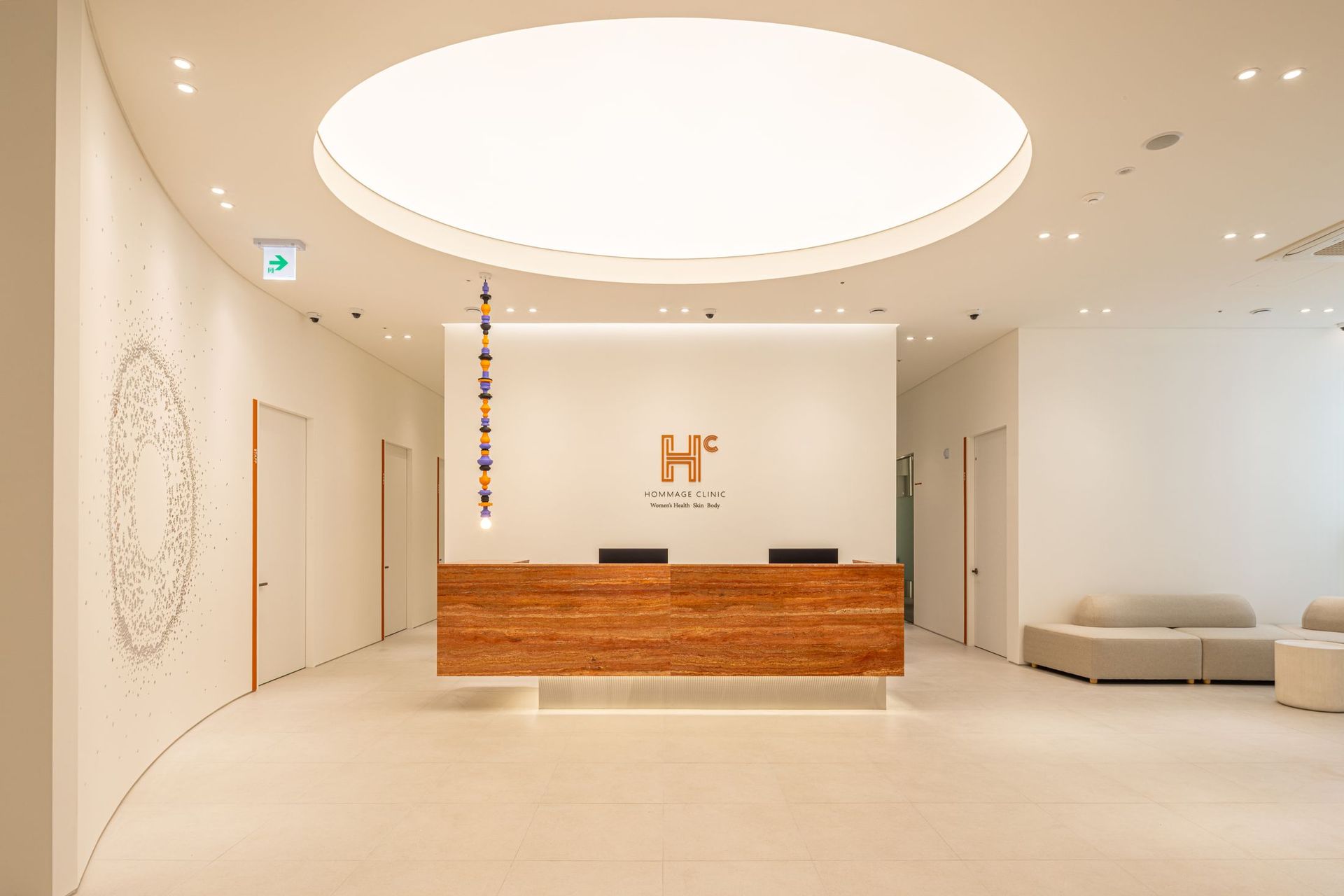
Hommage Clinic is a women's health and skin clinic in Gangnam, a short walk from Sinnonhyeon Station. Dr. Hwang Seonhwa assesses your scalp, checks for treatable causes and builds a plan that may include LLLT, medication or procedures, and the clinic's gynecology service can look into hormonal causes under the same roof. Hair care is part of our wider skin and aesthetics services .
Cost depends on the number of sessions and whether LLLT is combined with other treatments. LLLT for hair is cosmetic and not covered by National Health Insurance, while blood tests for a medical cause may be covered for enrolled patients. You receive a written quote before treatment starts.
Mechanism
How does red light therapy for hair work?
LLLT works through photobiomodulation: light at specific red wavelengths passes a few millimeters into the scalp and is absorbed by the energy-producing parts of follicle cells. Unlike hair-removal or resurfacing lasers, the power is far too low to heat or damage tissue. The diagram shows the proposed chain of effects, from light reaching the follicle to a longer growing phase. Each step is supported by laboratory work and trial results, although the exact mechanism in people is still being studied.
Choose your format
Laser cap at home vs LLLT in clinic
Because LLLT needs frequent use over many months, the biggest practical question is where you do it. Clinic sessions use larger, professional devices and fit people who live or work near the clinic. Home caps, helmets and combs make it easier to keep to a schedule of two or three times a week, but quality varies a lot between products, and many cheap devices have no clinical testing behind them.
Many people combine the two: clinic sessions to start and check progress, and a properly cleared home device for regular use. Dr. Hwang Seonhwa can look at a device you are considering and tell you what to check.
Clinic LLLT
- Professional device, set up by staff
- Progress checked with photos at visits
- Easy to combine with PRP or microneedling
- Needs regular trips to the clinic
Home cap or helmet
- Easier to keep to 2–3 sessions a week
- Choose a device with clinical testing and clearance
- Quality and light output vary between brands
- Benefit lasts only while you keep using it
 Hommage · Gangnam
Hommage Women's Clinic · Gangnam, Seoul
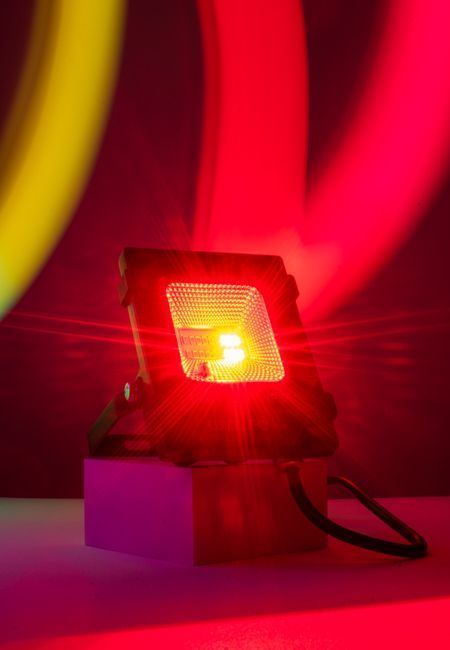
LLLT uses low-power red light, without heat or needles. Illustrative photo.
Schedule
How often should you use LLLT? A typical week and the first 6 months
More is not always better with red light. Studies use a range of schedules, and one review noted that some lower-frequency regimens did at least as well as heavier use. Most devices are designed for sessions on alternate days, two or three times a week. Follow your device's instructions or the plan agreed at the clinic, and give it at least four to six months before judging.
 Hommage · Gangnam
Hommage Women's Clinic · Gangnam, Seoul
Home devices make it easier to keep up regular sessions. Illustrative photo.
Buying a device
How to choose a home laser cap for hair loss
Home red light devices range from tested medical devices to cheap gadgets with no evidence at all. Price alone tells you little. These points help you sort them out before you buy, and you are welcome to bring a device or its details to your consultation.
- Medical device clearance Look for regulatory clearance for hair loss, not just a cosmetic label.
- Clinical testing The specific model should have been tested in a controlled trial.
- Wavelength stated Red light in the range used in studies, typically around 630–680 nm.
- Coverage of your thinning A cap or helmet covers the top of the head more evenly than a comb.
- A schedule you can keep Session length and frequency that fit your week.
- Eye safety guidance Clear instructions not to look into the light.
Evidence
Does LLLT work for hair loss? What the research says
LLLT has a larger research base than many other in-clinic hair treatments. A 2024 systematic review and meta-analysis pooled 38 studies with 3,098 patients, most of them with pattern hair loss, and found significantly higher hair density with LLLT than with placebo at both short and longer follow-up. In the Cochrane review of female pattern hair loss, laser comb devices raised hair counts compared with sham devices, although the women in those studies did not rate a clear difference themselves.
The limits are important: results varied a lot between studies, devices and regimens differed, and many trials were sponsored by manufacturers. LLLT is therefore best seen as a reasonable, low-risk add-on rather than a stand-alone answer.
Studies pooled
3,098 patients; 2,930 had pattern hair loss.
Perez et al., Dermatol Surg, 2024Effect size after 20+ weeks
Standardized mean difference in density vs placebo (95% CI 0.97–1.91).
Perez et al., 2024Hairs/cm² with laser comb
Two sham-controlled studies in women; self-ratings not clearly better.
van Zuuren et al., Cochrane, 2016Side effects
Temporary shedding and scalp itching were the main ones reported.
Martínez-Pizarro, Actas Dermosifiliogr, 2021 Hommage · Gangnam
Hommage Women's Clinic · Gangnam, Seoul
Realistic expectations are discussed before you start. Illustrative photo.
Getting the most from it
Using LLLT safely: do's and don'ts
LLLT has no downtime and needs no special aftercare, but a few habits make sessions safer and more effective. Most of them are about letting the light reach your scalp, protecting your eyes, and keeping to the schedule long enough to see whether it helps.
Do
- Use the device on a clean, dry scalp without heavy styling products
- Part your hair so the light reaches thinning areas
- Keep to the same days each week
- Keep using minoxidil or other treatment as prescribed
- Take monthly photos in the same light
Don't
- Look directly into the light
- Use it over a rash, wound or changing mole
- Increase session time beyond the instructions
- Use it with photosensitizing medicines without asking a doctor
- Stop after a few weeks; judge at 4–6 months
 Hommage · Gangnam
Hommage Women's Clinic · Gangnam, Seoul
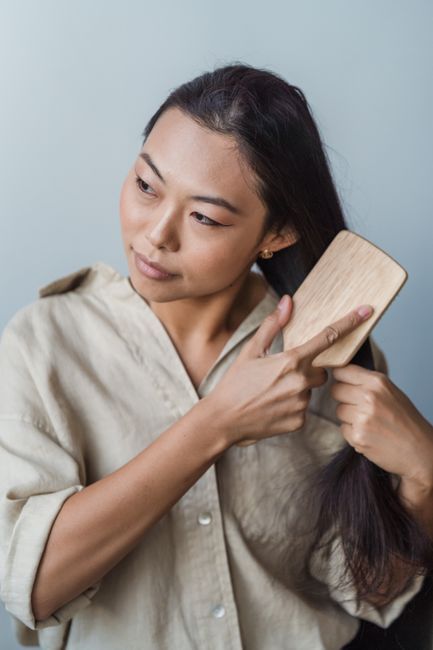
Parting clean, dry hair helps the light reach the scalp. Illustrative photo.
 Hommage · Seoul
Hommage Women's Clinic · Gangnam, Seoul
Seoul: the clinic is in Gangnam, near Sinnonhyeon Station. Illustrative photo.
Traveling to Seoul
LLLT for hair loss in Seoul: advice for international patients
LLLT needs use several times a week for months, so a short trip to Seoul is best used for diagnosis and planning rather than treatment itself. At Hommage Women's Clinic in Gangnam you can have a scalp assessment, blood tests if needed, and advice on a home device and schedule that you can follow after you fly home.
Before you book
- Send your dates and questions by WhatsApp, KakaoTalk or the contact form, and ask for language support if needed.
- Bring your passport, recent blood tests, a list of medicines, and the name of any home device you already use or are considering.
- One day is usually enough for assessment and a written plan; allow two if blood tests are needed.
- Check whether a home device you buy is cleared for use in your own country.
After you return home, take monthly photos and message the clinic with questions. A review at 4–6 months, in person or by photos, helps decide whether to continue.
Choosing well
How to choose an LLLT hair clinic in Seoul
Red light treatments are offered in clinics, salons and scalp spas, and the quality of advice varies. These questions help you compare, at any clinic including ours:
- Is a doctor diagnosing the cause? A light device cannot fix low iron, thyroid problems or scarring hair loss.
- What device is used? Ask for the name and whether it has medical clearance.
- Is LLLT combined with proven treatment? It works best as an add-on to minoxidil.
- Is the schedule realistic for you? Clinic sessions several times a week are hard to keep up.
- How will progress be measured? Standardized photos at the start and at 4–6 months.
- Are long-term costs explained? Including maintenance or a home device.
What affects the cost of LLLT for hair loss?
The cost depends on how many clinic sessions you have, whether you buy a home device instead or as well, and whether LLLT is combined withPRPorscalp microneedling. Because benefits last only while you continue, think about the cost over a year. LLLT for hair is cosmetic and not covered by National Health Insurance; you receive a written quote first.
 Hommage · Gangnam
Hommage Women's Clinic · Gangnam, Seoul
A clear plan and realistic expectations matter more than the device. Illustrative photo.
Your visit
How an LLLT plan is set up
01
Scalp assessment
Dr. Hwang asks about your hair history, cycle, pregnancies and medicines, and examines the pattern of thinning.
02
Blood tests if needed
Iron, thyroid and hormone tests help rule out causes that a light device cannot fix.
03
Your plan
You agree on how LLLT fits with minoxidil or other treatment, and on a session schedule.
04
Progress review
Results are reviewed at about 3–6 months, and the plan is adjusted if progress is slow.

Your doctor
Dr. Hwang Seonhwa
Physician · Skin & Aesthetic Treatments
Dr. Hwang positions LLLT as a supporting, needle-free step in a hair-loss plan rather than a cure on its own. Causes such as low iron or hormonal changes are looked for first, and progress is reviewed after several months of consistent use.
Physician for face and skin procedures, including lifting, laser and skin-improvement treatments, planned around facial proportions and skin condition.
Low-level laser therapy: frequently asked questions
Does low-level laser therapy really work for hair loss?
LLLT can help some people with pattern hair loss, but the effect is usually modest. Controlled trials of FDA-cleared devices show increases in hair count compared with sham devices after several months. It is most useful as an add-on to minoxidil and does not regrow hair on areas that are already smooth and bald.
Does LLLT hurt?
No, LLLT is not painful for most people. It uses low-power light that does not cut or burn the skin, so no numbing is needed. You may feel slight warmth or tingling. Avoid looking directly into the light, as it can strain your eyes.
How often do I need LLLT sessions?
Most protocols use the device two to three times a week, or as directed for that device, for at least four to six months before judging results. Because the benefit fades when treatment stops, long-term maintenance is usually needed. Home devices make this frequency easier to keep up.
Are home laser caps as effective as clinic treatment?
Some home caps and helmets are FDA-cleared and were tested in clinical trials, so they can be a practical option. Effectiveness depends on the device's light output, coverage and how consistently you use it. Many cheap devices are not cleared. Ask your doctor to check a device before you buy it.
Can I use LLLT for postpartum hair loss or while breastfeeding?
Postpartum shedding usually recovers on its own within 6–12 months, so LLLT is rarely needed for it. LLLT is not absorbed into the body, but safety data in pregnancy and breastfeeding are limited, so discuss it with your doctor first. Shedding that lasts beyond a year deserves iron and thyroid tests.
Can foreigners get LLLT hair treatment in Seoul?
Yes. International patients and foreign residents can book an LLLT consultation at Hommage Clinic; bring your passport for registration. Because LLLT needs regular use, short-term visitors may prefer advice on a home device. Please contact us before your visit to arrange language support; you can walk in during opening hours or book ahead for a set time.
Is red light therapy the same as LLLT?
Largely, yes. LLLT, photobiomodulation and red light therapy all describe using low-power red or near-infrared light, from laser diodes or LEDs, to act on cells without heating them. What matters for hair is the wavelength, power and how well the device covers the thinning area.
How much research is there on LLLT for hair loss?
More than for many in-clinic hair treatments. A 2024 meta-analysis pooled 38 studies with 3,098 patients and found higher hair density with LLLT than with placebo in pattern hair loss. Results varied widely between studies, and many were funded by device makers.
Can LLLT be combined with minoxidil?
Yes, and that is how it is usually used. Minoxidil remains the first-line treatment, and LLLT is added for extra support without needles. Apply minoxidil as directed and use the device on a clean, dry scalp, following the order your doctor recommends.
Can LLLT cause hair shedding?
Some people notice temporary extra shedding in the first weeks, as resting hairs are pushed out by new growth. It usually settles. If shedding is heavy or lasts more than a couple of months, contact the clinic.
Who should not use LLLT?
Check with a doctor first if you have a light-sensitive condition, take photosensitizing medicines, have a suspicious mole or skin cancer on the scalp, or are pregnant. Patchy or scarring hair loss should be diagnosed before using any device.
Does LLLT work for other types of hair loss?
LLLT has mainly been studied in pattern hair loss. A 2024 meta-analysis found only a few small studies in other types, such as alopecia areata or telogen effluvium, and not enough data to draw conclusions. Those conditions usually need different treatment.
References
Sources used for this page, reviewed by Dr. Hwang Seonhwa. Read our editorial and medical review policy.
- Perez SM, Vattigunta M, Kelly C, Eber A. Low-level laser and LED therapy in alopecia: a systematic review and meta-analysis. Dermatol Surg. 2025;51(2):179–183 (published online 2024). doi:10.1097/DSS.0000000000004442. PubMed
- van Zuuren EJ, Fedorowicz Z, Schoones J. Interventions for female pattern hair loss. Cochrane Database Syst Rev. 2016;(5):CD007628. Cochrane
- Martínez-Pizarro S. Low-level laser therapy for androgenetic alopecia. Actas Dermosifiliogr. 2021;112(2):99–102. Actas
- Georgiadis J, Phillips JH, Mott T. Platelet-rich plasma for androgenic alopecia. Am Fam Physician. 2022;105(1):84–85. AAFP
This page is general information and does not replace a personal consultation. Illustrations are original works of Hommage Women's Clinic, Gangnam, Seoul; photos marked illustrative are not of patients.
Related hair and scalp treatments
Hair Loss PRP Therapy
Growth factors from your own blood, injected into thinning areas of the scalp.
Scalp Microneedling
Fine-needle scalp treatment that can boost the effect of minoxidil and PRP.
Hair Density Treatment Plan
How medication, light and injection treatments are combined for thinning hair.
Stem Cell Hair Therapy
Emerging regenerative scalp treatments and what is known about them so far.
Hormone Testing
Blood tests for androgens, thyroid and other hormones linked to hair thinning.
PCOS Treatment
Care for PCOS, a common hormonal cause of scalp hair thinning, acne and irregular periods.
Ask whether LLLT suits your hair loss
Book a scalp assessment with Dr. Hwang Seonhwa in Gangnam and get a plan that fits light therapy around proven treatment.
Hommage Clinic · 4F, Building A, 509 Gangnam-daero, Seoul (near Sinnonhyeon Station) · Mon & Fri 10:00–20:00 · Tue–Thu 10:00–19:00 · Sat 10:00–15:00