
Cosmetic Gynecology · Intimate skin care
Intimate Area Lightening (Vaginal Whitening)
Intimate area lightening, often called vaginal whitening, is a cosmetic treatment that gradually lightens darker skin on the outer genital area, such as the labia, groin and inner thighs, using low-energy laser, mild peels or prescription creams. At Hommage Clinic in Gangnam, Seoul, female OB/GYN specialist Dr. Park Yuna first checks that the pigmentation is normal, then plans gentle treatment to limit irritation.
Quick answer
Intimate area lightening, often called vaginal whitening, gently lightens naturally darker skin on the labia, groin and inner thighs with low-energy laser, mild peels or prescription creams. At Hommage Women's Clinic in Gangnam, Seoul, female OB/GYN specialist Dr. Park Yuna first checks the skin, then a laser session takes about 15 minutes after 20 minutes of numbing cream. Several sessions a few weeks apart are usually needed, results are gradual and partial, and pigment can return.
Key takeaways
- Darker intimate skin is normal for most women and is not a sign of poor hygiene or sexual activity.
- Treatment is for the outer skin of the vulva and groin, not the inside of the vagina.
- Irritation can make skin darker, so gentle settings and patience matter more than strength.
- Any new, changing or irregular dark spot is examined before any cosmetic treatment.
- Strong bleaching products and unregulated whitening creams should be avoided on intimate skin.
Infographic
Intimate area lightening in numbers
Laser time
After about 20 minutes of numbing cream.
Sessions
A few weeks apart; planned after assessment.
Mild redness
Most women return to normal activities straight away.
No sex after laser
Lets the skin settle and avoids friction.
Women
Have a pigmented spot on the vulva; most are harmless, but each is checked.
Permanent results
Friction, hair removal and hormones can bring pigment back.
Intimate area lightening at a glance
| Key fact | Details |
|---|---|
| Treatment time | About 15 minutes of laser, after about 20 minutes of numbing cream |
| Anesthesia/comfort | Topical numbing cream; most women feel warmth or light snapping |
| Sessions | Usually several sessions a few weeks apart, planned after assessment |
| Downtime | Mild redness for a day or two; avoid sex for about 1 week after laser |
| Results visible | Gradually, over several sessions |
| How long results last | Varies; friction, shaving and hormones can bring pigment back over time |
| Performed by | Dr. Park Yuna, female OB/GYN specialist |
Lightening may suit you if you have
- Darker skin on the labia, groin, inner thighs or bikini line that bothers you
- Darkening after friction, shaving, waxing or past irritation
- Healthy skin with no active infection, rash or open wounds
- Realistic expectations of a gradual, partial change in tone
Wait or have a check-up first if you
- Are pregnant or breastfeeding
- Have a new, irregular or changing dark spot, which needs examination first
- Have an active infection, eczema, psoriasis or broken skin in the area
- Have recently used strong bleaching products or had sunburn or tanning on the area
Is darker intimate skin normal?
Yes. Skin on the labia, around the vaginal opening, in the groin and on the inner thighs is naturally darker than skin elsewhere for most women. This area has more pigment-producing cells that respond to estrogen and other hormones, so it often darkens at puberty, during pregnancy and with age. Darker intimate skin is normal and is not a sign of poor hygiene, sexual activity or ill health.
Other common causes of darkening include:
- Friction from tight clothing, exercise or skin rubbing against skin.
- Hair removal , as shaving and waxing can leave irritation that heals darker.
- Post-inflammatory hyperpigmentation (PIH) after infections, rashes or ingrown hairs.
- Insulin resistance , which can cause velvety dark skin (acanthosis nigricans) in the groin and is linked with PCOS .
The name “vaginal whitening” is a little misleading. Treatment is for the outer skin of the vulva and surrounding area, not the inside of the vagina.
How does intimate area lightening work?
Treatments lighten skin by breaking up existing pigment or slowing new pigment production. Because intimate skin is thin and sensitive, gentle settings and patience matter more than strength.
- Low-energy laser: short pulses of light target melanin (skin pigment) and break it into tiny particles the body clears over the following weeks. This is the same principle as laser toning and pico laser treatment for facial pigment. Hommage Clinic uses a dedicated laser for intimate pigmentation.
- Mild chemical peels: gentle acids loosen the outer layer of pigmented cells. Only low-strength peels are suitable here.
- Prescription creams: ingredients such as azelaic acid, tranexamic acid or niacinamide reduce pigment production. Strong bleaching products, steroid creams and unregulated imported whitening products can damage intimate skin and should be avoided.
Reducing friction and irritation from hair removal helps any treatment last longer.
What happens during treatment?
A laser session takes about 15 minutes, after about 20 minutes of numbing cream.
- Dr. Park examines the area to confirm the pigmentation is normal and to look for infection, skin conditions or any spot that needs closer assessment.
- Numbing cream is applied and the skin is cleaned.
- The laser is passed over the treatment area at gentle settings. Most women feel warmth or a light snapping sensation.
- A soothing product is applied and you can go home straight away with written aftercare.
Avoid shaving or waxing the area for several days before treatment, and try to schedule sessions away from your period.
How long do intimate lightening results last?
Lightening is gradual. Most women notice a change over several sessions rather than after one, and the degree of change varies with skin type and the cause of the darkening. Treatment aims for a softer, more even tone, not a complete change of color.
Results are not permanent. Ongoing friction, hair removal, hormonal changes such as pregnancy, and new irritation can bring pigment back, so occasional maintenance may be suggested.
Aftercare usually includes:
- Avoid sex for about 1 week after laser, and avoid saunas, hot baths and swimming for a few days.
- Wear loose, breathable cotton underwear.
- Do not shave, wax or use scented washes on the area until it has settled.
- Use only the products recommended to you.
Risks and possible side effects
Intimate skin is delicate, and the main risks come from irritation. Possible side effects include:
- Redness, warmth, itching or mild burning for a day or two.
- Post-inflammatory hyperpigmentation: irritation can paradoxically make the skin darker. This is more likely in naturally darker skin and with aggressive settings or strong products.
- Lighter patches (hypopigmentation) or uneven tone.
- Blistering, crusting or infection , which are uncommon with gentle settings.
- Contact dermatitis from creams or peels.
Contact the clinic if you notice blistering, worsening pain, oozing, spreading redness or fever.
Laser, peels or creams: which is right for you?
The choice depends on the cause of the darkening and your skin type. Laser gives the most controlled lightening for many women, while creams suit mild darkening or maintenance. Peels are used cautiously in this area.
Sometimes the first step is not a cosmetic treatment at all: treating an infection, changing hair removal habits, or addressing insulin resistance can reduce darkening on its own. Some women also ask about lightening after labiaplasty , or combine it with other intimate care. Our cosmetic gynecology page explains all options.
Intimate area lightening at Hommage Clinic
Hommage Clinic is a women's clinic in Gangnam, a short walk from Sinnonhyeon Station. Intimate lightening is assessed and performed by Dr. Park Yuna, a female OB/GYN specialist, so a gynecological check is part of the plan rather than an afterthought. Visits are private, and walk-ins are welcome during opening hours.
Intimate lightening is cosmetic and is not covered by Korea's National Health Insurance. Cost depends on the size of the area, the method and the number of sessions, and you receive a written quote before treatment.
How it works
How intimate laser lightening works
Skin color comes from melanin, a pigment made by cells called melanocytes in the lowest layer of the epidermis and passed up to the skin cells above. In intimate skin these cells are more numerous and more sensitive to hormones, which is why the area is naturally darker. A low-energy pigment laser sends very short pulses of light that are absorbed mainly by melanin. The pigment heats for a fraction of a second and breaks into tiny particles, which the body's clean-up cells gradually remove over the following weeks.
The key word is low . Using higher energy to get faster results can inflame the skin, and inflamed skin often responds by making more pigment, not less. That is why intimate lightening is done gradually over several sessions, why sessions are spaced a few weeks apart so the skin can calm down, and why friction and hair-removal irritation are reduced between visits.
Causes
Why does the bikini area get darker? Breaking the irritation cycle
Beyond natural, hormone-driven pigment, much of the extra darkening women notice in the groin and bikini line comes from repeated low-grade irritation. Shaving, waxing, tight clothing and skin rubbing on skin cause small amounts of inflammation, and the skin responds by making more melanin. Each new irritation adds a little more color, so the cycle continues even when it is not obvious.
This is why lightening treatment on its own often fades back. Lasting change usually needs both: gentle treatment to clear existing pigment, and changes that stop new irritation. For some women, a medical cause plays a part. Velvety, darker skin in the groin folds can be acanthosis nigricans, linked with insulin resistance and PCOS , and some prescription treatments for vulvar skin conditions are associated with darker pigment. Dr. Park looks for these before planning any cosmetic treatment.
 Hommage · Gangnam
Hommage Women's Clinic · Gangnam, Seoul
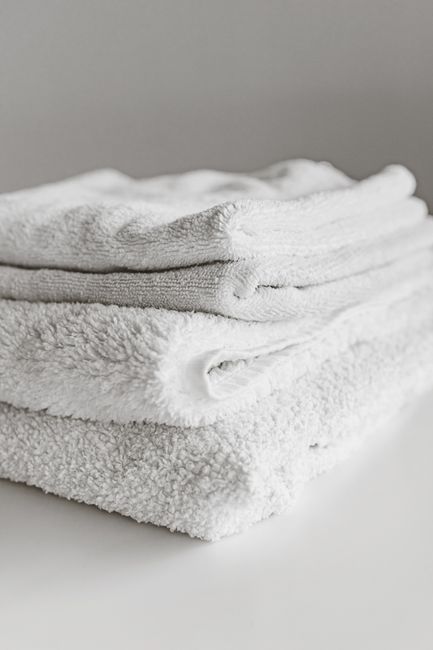
Soft, breathable fabrics reduce the friction that keeps pigment coming back. Illustrative photo.
Options compared
Intimate laser vs peel vs whitening cream
All three approaches aim to soften pigment, but they work differently and suit different situations. Many women end up using a combination: a short course of gentle laser to clear existing pigment, then a doctor-recommended cream and friction-reducing habits to hold the result. What all three share is the need for a gentle hand, because intimate skin is thinner and more reactive than facial skin.
| Compare | Low-energy laser | Mild peel | Prescription cream |
|---|---|---|---|
| How it works | Breaks up existing melanin | Loosens outer pigmented cells | Slows new pigment production |
| Visit time | About 15 minutes after numbing | Short in-clinic session | Daily use at home |
| Best for | Controlled, gradual lightening | Selected cases, used cautiously | Mild darkening and maintenance |
| Main caution | Too much energy can darken skin | Only low strengths are suitable | Avoid bleaching, steroid and unregulated products |
Your course
Intimate lightening sessions: what a typical course looks like
Intimate lightening is a course, not a single appointment. The exact number of sessions is set after Dr. Park has examined your skin, because it depends on how dark the area is, your natural skin type and what is driving the darkening. What stays the same is the rhythm: a gentle session, a few weeks for the skin to clear pigment and calm down, a review of how it responded, then the next step. If the skin reacts with redness or new darkening, the plan slows down rather than pushing on.
 Hommage · Gangnam
Hommage Women's Clinic · Gangnam, Seoul
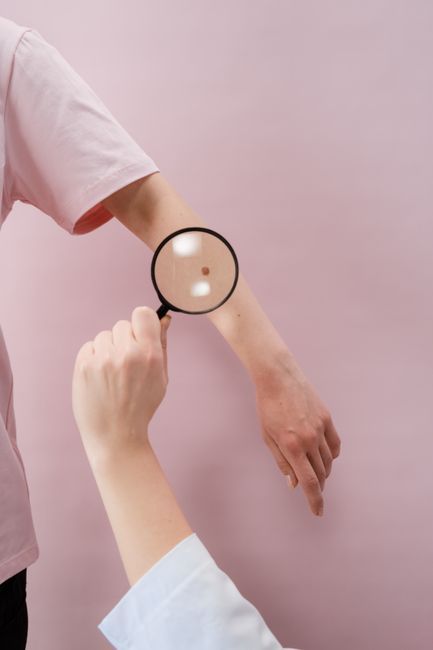
Any spot that looks different is examined before cosmetic treatment. Illustrative photo.
Safety first
Normal intimate pigmentation vs a spot that needs checking
About one in ten women has a pigmented spot somewhere on the vulva. The great majority are harmless, such as freckle-like areas of melanosis or ordinary moles. Melanoma of the vulva is rare, but it tends to be found late because the area is not easy to see, so any spot that behaves differently from the surrounding skin deserves a medical look. This is the main reason intimate lightening at Hommage starts with an examination by a gynecologist rather than a straight laser booking. A laser should never be used to lighten a spot that has not been assessed.
Usually normal
- Even darkening of labia, groin or inner thighs
- Color that deepened at puberty or in pregnancy
- Darker skin where clothing rubs or after shaving
- Both sides similar, changing slowly if at all
Have it examined
- A new spot, or one that is growing
- Irregular edges or several colors in one spot
- A spot that itches, bleeds or will not heal
- A raised or thickened dark area
- White, shiny or tight skin with itching
Aftercare
Intimate laser aftercare: do's and don'ts
What you do in the days and weeks after each session has a big effect on the result. The aim is simple: keep the skin calm, because calm skin clears pigment and irritated skin makes more. You receive these instructions in writing, and you can message the clinic if the area stays red or sore for longer than expected.
Do
- Wear loose, breathable cotton underwear
- Wash with plain lukewarm water and pat dry
- Use only the soothing product recommended
- Switch to trimming instead of shaving where possible
- Keep review visits so settings can be adjusted
Don't
- Have sex for about 1 week after laser
- Use saunas, hot baths or swim for a few days
- Shave or wax until the skin has settled
- Use scented washes, scrubs or bleaching creams
- Use imported whitening products without advice
 Hommage · Gangnam
Hommage Women's Clinic · Gangnam, Seoul
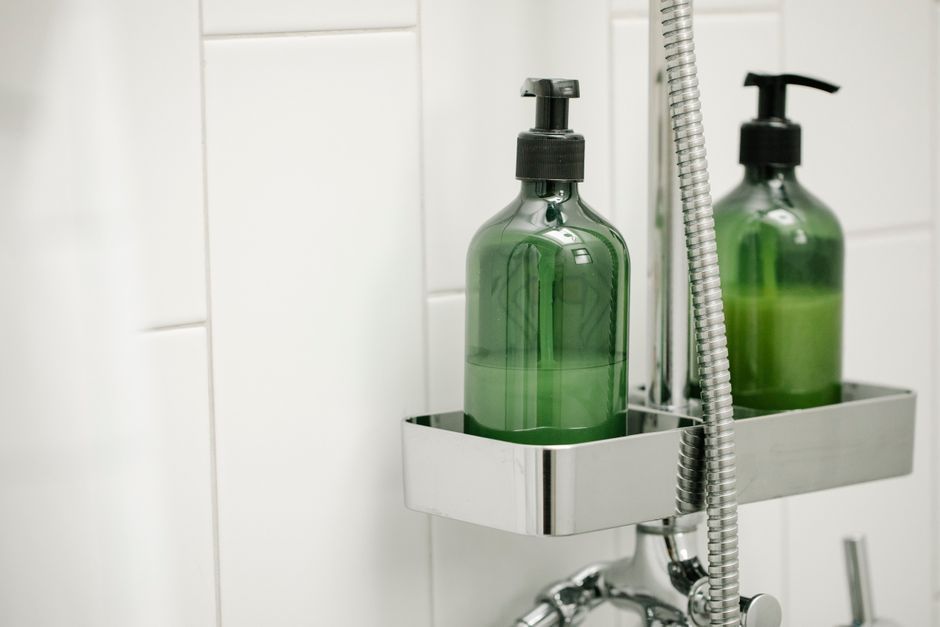
Calm skin clears pigment; irritated skin makes more. Use only recommended products. Illustrative photo.
Evidence
Does intimate lightening work? What the research says
Honest answer: there is very little research on cosmetic lightening of the vulva and groin specifically. Most of what doctors know comes from studies of pigment lasers and creams on the face and other body areas, such as the underarms, applied carefully to more sensitive skin. There are no large controlled trials of intimate lightening, and results vary a great deal between women. What the medical literature is clearer about is the background: pigmented spots on the vulva are common, darker intimate skin is usually physiological, and some medical treatments and conditions are linked with extra pigment.
Women
Have a pigmented lesion on the vulva; most are benign, but melanoma here is often found late.
Murzaku et al., J Am Acad Dermatol, 2014Had anogenital melanosis
Of 198 women treated for vulvar lichen sclerosus in one clinic.
Gambichler et al., Int J Womens Dermatol, 2024Higher odds with topical estrogen
In the same study, local estrogen use was the strongest predictor of extra pigment (association, not proof).
Gambichler et al., 2024Traveling to Seoul
Intimate lightening in Seoul for international patients
Because intimate lightening is a course of sessions a few weeks apart, it suits foreign residents and repeat visitors to Seoul better than a single short trip. Hommage Women's Clinic is in Gangnam, a short walk from Sinnonhyeon Station (Line 9 and Shinbundang Line).
Planning around your stay
- One short trip: you can have the consultation, skin check and a first gentle session; the rest of the plan may be a doctor-recommended cream at home.
- Repeat visits: if you come to Seoul regularly, sessions can be timed to your trips.
- Living in Korea: a full course of spaced sessions with reviews is easiest.
Before you book
- Send your questions and dates by WhatsApp, KakaoTalk or the contact form, and ask for language support if needed.
- Avoid shaving or waxing for several days before, and book away from your period.
- Bring your passport and a list of any creams or medicines you use on the area.
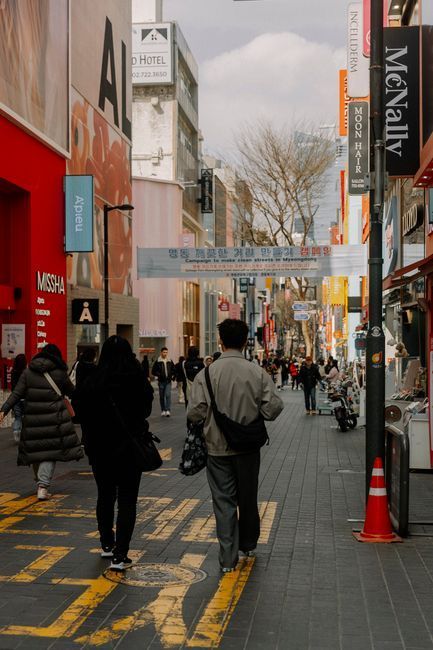 Hommage · Seoul
Hommage Women's Clinic · Gangnam, Seoul
Seoul: the clinic is in Gangnam, a short walk from Sinnonhyeon Station. Illustrative photo.
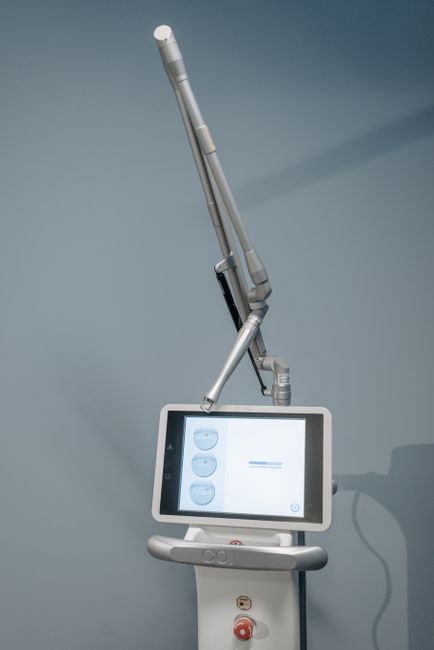 Hommage · Gangnam
Hommage Women's Clinic · Gangnam, Seoul
Gentle settings matter more than the brand of laser. Illustrative photo.
Choosing well
How to choose a clinic for intimate lightening in Seoul
Many clinics and salons in Seoul advertise intimate whitening. Because the skin is delicate and spots occasionally need medical assessment, ask these questions before booking anywhere, including with us:
- Is a doctor examining me first? Spots should be assessed medically before any laser is used.
- Who operates the laser? A doctor, or trained staff under a doctor's direct supervision.
- Do they talk about the risk of darkening? An honest clinic explains post-inflammatory hyperpigmentation.
- Are expectations realistic? Gradual, partial lightening, not a complete color change.
- Do they avoid bleaching products? No strong bleaches, steroids or unregulated creams on intimate skin.
- Is there a written plan and quote? Number of sessions, spacing and total cost before you start.
What affects intimate lightening cost in Seoul?
The price depends on the size of the area (labia only, or also groin, inner thighs and bikini line), the method (laser, peel or cream), the number of sessions your skin needs, and whether it is combined with another procedure such as labiaplasty . Intimate lightening is cosmetic and not covered by Korea's National Health Insurance; you receive a written quote at your consultation before you decide.
Your visit
What to expect at your appointment
01
Private consultation
Dr. Park asks what bothers you, how the color has changed over time, and about hair removal, products and hormones.
02
Skin check
A gentle exam confirms the pigmentation is normal and looks for infection, skin conditions or spots that need closer attention.
03
Treatment
After about 20 minutes of numbing cream, a laser session takes about 15 minutes. You can go home straight away.
04
Review
Progress is checked between sessions, and the plan is adjusted to your skin's response.
Your doctor
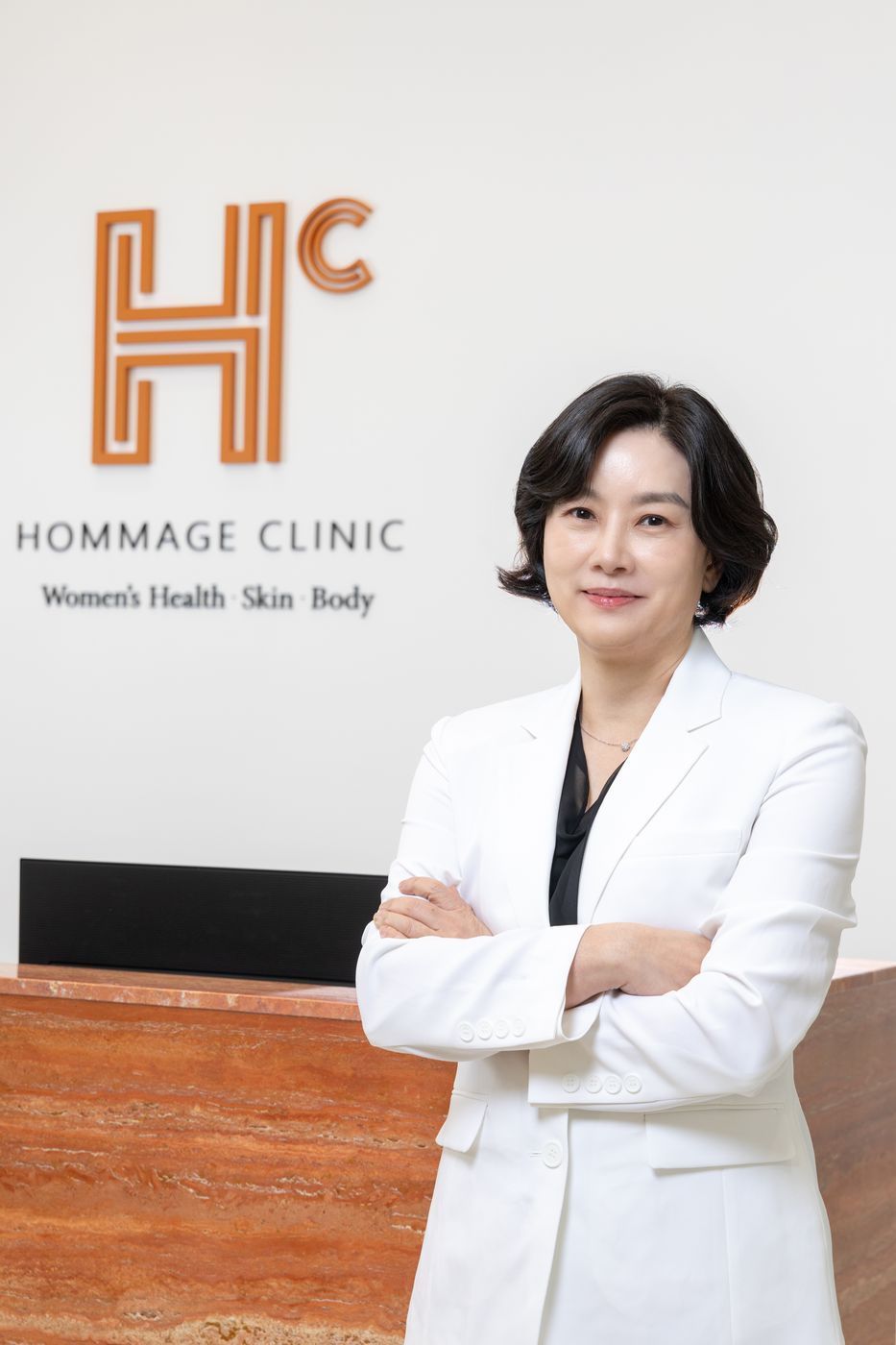
Dr. Park Yuna
Medical Director · OB/GYN Specialist
Dr. Park starts by confirming that darker intimate skin is normal and checking for any medical cause. She uses gentle settings and gradual sessions, because irritation in this area can cause more darkening rather than less.
OB/GYN specialist (Korea) and representative director of Hommage Clinic. Leads women's health care, labiaplasty and other cosmetic gynecology procedures.
Intimate area lightening: frequently asked questions
Is it normal for intimate skin to be darker?
Yes. Most women have darker skin on the labia, groin and inner thighs than elsewhere on the body. Hormones, friction, hair removal and age all play a part, and color often deepens during puberty and pregnancy. Darker intimate skin is normal and is not a sign of poor hygiene or sexual activity.
Does intimate laser lightening hurt?
Most women feel warmth or a light snapping sensation. Numbing cream is applied for about 20 minutes beforehand, and the laser itself takes about 15 minutes. Mild redness or warmth afterward usually settles within a day or two.
How many sessions of intimate lightening will I need?
Most women need several sessions a few weeks apart, because pigment is cleared gradually. The number depends on how dark the area is, your skin type and the cause of the darkening. Dr. Park suggests a plan after assessment and reviews progress as you go.
Can intimate lightening make the skin darker?
It can, if the skin becomes irritated. This is called post-inflammatory hyperpigmentation and is more likely in naturally darker skin, with aggressive settings or with strong bleaching products. Gentle settings, spacing sessions properly and careful aftercare lower the risk.
Are whitening creams safe for the intimate area?
Some prescription ingredients, such as azelaic acid, can be used with guidance. Avoid strong bleaching products, steroid creams and unregulated imported whitening products, which can irritate or thin intimate skin, and keep all products away from the inside of the vagina. Ask a doctor before using any lightening product on this area.
When can I have sex after intimate laser lightening?
Waiting about 1 week after a laser session is usually advised, so the skin can settle and friction does not cause irritation. If the area still feels sore or looks red after a week, wait longer and contact the clinic if you are unsure.
Can foreigners get intimate lightening in Seoul?
Yes. International patients and foreign residents can book an appointment at Hommage Clinic; bring your passport for registration. Contact us before your visit to arrange language support. Because several sessions are usually needed, ask about a schedule that fits the length of your stay.
Is vaginal whitening done inside the vagina?
No. Despite the name, intimate lightening treats the outer skin of the vulva, groin, bikini line and inner thighs. Nothing is applied inside the vagina, and lightening products should be kept away from the vaginal opening.
Are intimate lightening results permanent?
No. Results are gradual and partial, and friction, shaving or waxing, pregnancy and other hormonal changes can bring pigment back over time. Reducing irritation between sessions and occasional maintenance help results last longer.
Why does a doctor check my skin before lightening?
About one in ten women has a pigmented spot on the vulva. Most are harmless, but a new, changing or irregular spot needs medical assessment, and a laser should never be used on a spot that has not been examined. Some skin conditions, such as lichen sclerosus, also need medical treatment first.
Can PCOS or insulin resistance cause darker groin skin?
Yes. Insulin resistance can cause acanthosis nigricans, a velvety darkening in skin folds such as the groin, and it is linked with PCOS. Treating the underlying cause can improve the skin, and cosmetic lightening alone is unlikely to last if it is not addressed.
Can I have intimate lightening during pregnancy?
It is postponed during pregnancy and breastfeeding. Intimate skin often darkens in pregnancy because of hormones, and much of this fades on its own after birth. Waiting several months after birth and breastfeeding gives a clearer picture of whether treatment is still wanted.
Is intimate lightening covered by insurance in Korea?
No. It is a cosmetic treatment and not covered by Korea's National Health Insurance. Cost depends on the size of the area, the method and the number of sessions, and you receive a written quote at your consultation.
References
Sources used for this page, reviewed by Dr. Park Yuna, OB/GYN specialist. Read our editorial and medical review policy.
- Murzaku EC, Penn LA, Hale CS, Pomeranz MK, Polsky D. Vulvar nevi, melanosis, and melanoma: an epidemiologic, clinical, and histopathologic review. J Am Acad Dermatol. 2014;71(6):1241–1249.
- Gambichler T, Erdogan G, Weyer-Fahlbusch SS, Susok L. Treatment-induced anogenital melanosis is a very frequent finding in patients with vulvar lichen sclerosus. Int J Womens Dermatol. 2024;10(3):e169. DOAJ
- American College of Obstetricians and Gynecologists. Elective female genital cosmetic surgery. Committee Opinion No. 795. Obstet Gynecol. 2020;135(1):e36–e42.
This page is general information and does not replace a personal consultation. Illustrations are original works of Hommage Women's Clinic, Gangnam, Seoul; photos marked illustrative are not of patients.
Related treatments
Labiaplasty
Reshaping the inner lips for comfort or appearance, sometimes alongside lightening.
Labia Majora Augmentation
Restoring volume to the outer lips with filler or your own fat.
Pico Laser Treatment
Ultra-short laser pulses for pigmentation, tattoos and uneven tone.
Laser Toning
Low-energy laser sessions to gradually even out facial pigment.
Melasma Treatment
Care for hormone-related facial pigmentation, often linked to pregnancy or the pill.
PCOS Treatment
Diagnosis and care for PCOS, which can cause darker skin in skin folds.
Talk privately about intimate skin tone
Book a consultation with Dr. Park Yuna in Gangnam to have the area checked and learn which gentle lightening option fits your skin.
Hommage Clinic · 4F, Building A, 509 Gangnam-daero, Seoul (near Sinnonhyeon Station) · Mon & Fri 10:00–20:00 · Tue–Thu 10:00–19:00 · Sat 10:00–15:00