
Skin & Aesthetics · Hair & scalp
Seborrheic Dermatitis of the Scalp: Diagnosis and Treatment in Seoul
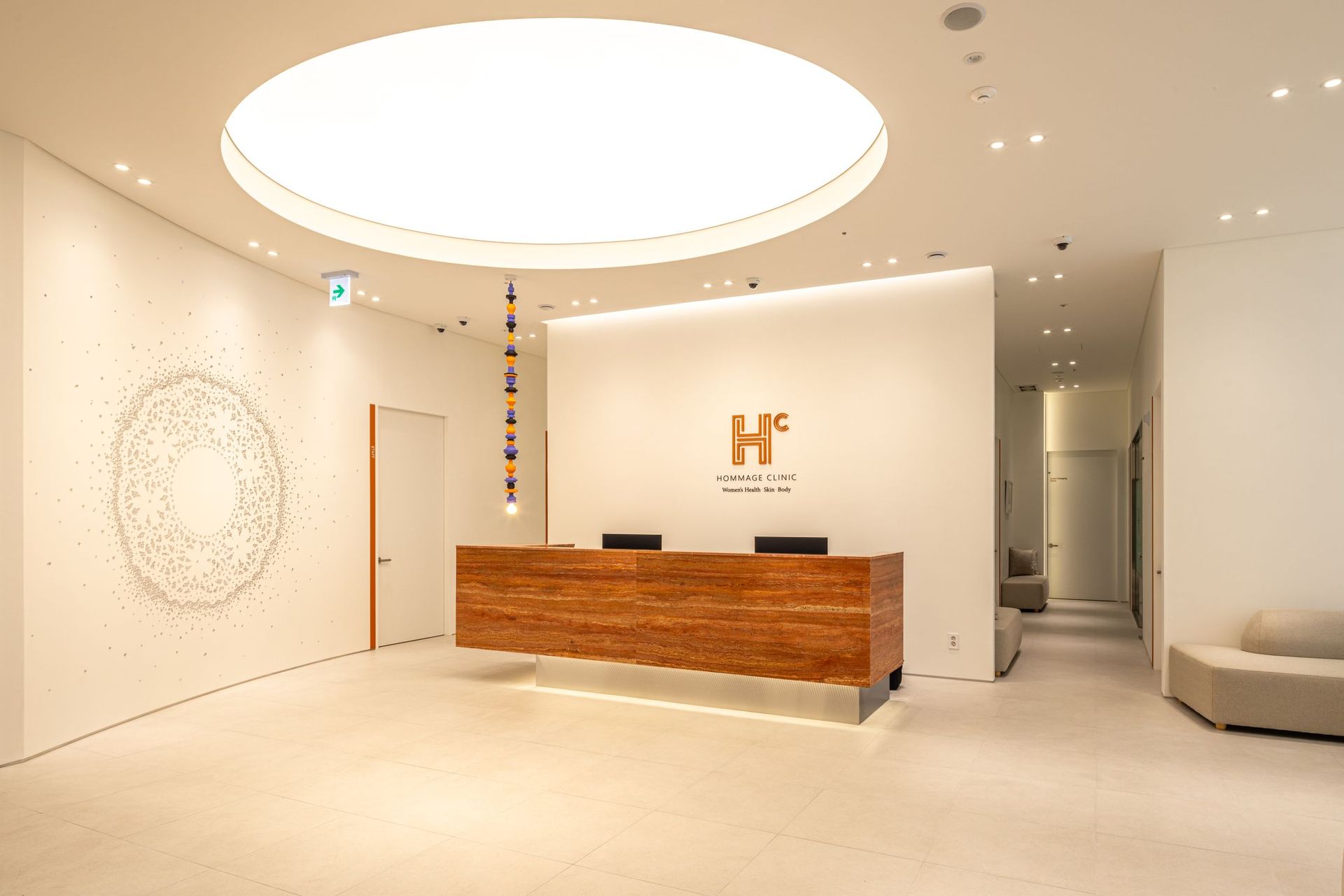
Seborrheic scalp treatment is medical care for seborrheic dermatitis, a common, long-lasting inflammatory skin condition that causes greasy yellowish flakes, redness and itching on the scalp and often around the eyebrows, nose and ears. At Hommage Clinic in Gangnam, Seoul, Dr. Hwang Seonhwa confirms the diagnosis, then combines antifungal shampoos, short anti-inflammatory courses and a maintenance routine to keep flares under control.
Quick answer
Seborrheic scalp treatment controls seborrheic dermatitis, a common relapsing inflammation that causes greasy flakes, redness and itch. At Hommage Women's Clinic in Gangnam, Seoul, Dr. Hwang Seonhwa confirms the diagnosis, then combines an antifungal shampoo such as ketoconazole 2% with a short anti-inflammatory course for flares. Most people improve within 2–4 weeks; a weekly maintenance shampoo helps keep it away, though it cannot be cured permanently.
Key takeaways
- Seborrheic dermatitis affects about 4% of people worldwide and is not contagious or caused by poor hygiene.
- Cochrane reviews show antifungal shampoos and short topical steroid courses both work better than placebo.
- Steroids are kept to short courses; antifungals are the long-term backbone of control.
- A written flare plan makes the next flare shorter and milder.
Infographic
Seborrheic dermatitis in numbers
Global prevalence
Pooled from 121 studies; 5.64% in adults.
Typical improvement
With consistent treatment.
Lower failure risk
Ketoconazole vs placebo at four weeks (Cochrane).
Steroid course
Short anti-inflammatory course for flares.
Review visit
Then step down to maintenance.
Maintenance
Antifungal shampoo weekly or every two weeks.
Seborrheic dermatitis at a glance
| Key fact | Details |
|---|---|
| What it is | A chronic, relapsing inflammation of oil-rich skin, linked to Malassezia yeast |
| Common signs | Greasy yellow or white scale, redness and itch on the scalp, brows, sides of nose and ears |
| How it's diagnosed | Usually by examining the scalp and face; tests only if another condition is suspected |
| Treatment options | Antifungal shampoos, short topical anti-inflammatory courses, scale softeners |
| How fast it improves | Typically within 2–4 weeks of consistent treatment |
| Follow-up | A review after about 4–6 weeks, then a maintenance routine to prevent flares |
| Reviewed by | Dr. Hwang Seonhwa, physician |
Book an assessment if you have
- Flaking and itching that have not improved after 2–4 weeks of an anti-dandruff shampoo
- Red, greasy or crusted patches on the scalp, hairline, eyebrows or behind the ears
- A scalp that stings or burns with hair products, or makes hair-loss treatment uncomfortable
- Flakes that keep returning every season and you want a long-term plan
Seek urgent care instead if you have
- Facial or eyelid swelling, or difficulty breathing, after using hair dye or a new product
- A painful, hot, spreading rash with fever, pus or honey-colored crusts
- A sudden rash covering large areas of your body
What is seborrheic dermatitis of the scalp?
Seborrheic dermatitis is a common inflammatory skin condition of areas rich in oil glands, especially the scalp. It is not caused by poor hygiene, and it is not contagious.
Everyone carries Malassezia , a yeast that lives on oily skin. In people prone to seborrheic dermatitis, the skin reacts to the yeast and to the fatty acids it releases from sebum. The result is inflammation and faster turnover of skin cells, which build up as greasy flakes. Everyday dandruff sits at the mild end of the same spectrum: flaking without visible redness. Seborrheic dermatitis is the inflamed form, and it often affects the face as well as the scalp.
Symptoms, triggers and who gets it
The typical signs are greasy, yellowish or white flakes on a red, itchy scalp, often along the hairline. Similar patches can appear on the eyebrows, the folds beside the nose, behind or inside the ears, and on the upper chest.
It usually comes and goes. Common triggers include:
- Stress, lack of sleep and illness
- Cold, dry winter air, which is noticeable in Seoul from late autumn
- Washing less often than usual, or heavy oils and styling products left on the scalp
- Hormonal changes that increase oil production; women with PCOS often notice a greasier scalp and skin
It is most common in young adults and middle age, and in babies as cradle cap. Severe or very widespread seborrheic dermatitis can be associated with some neurological and immune conditions, so a sudden severe case in adulthood deserves a medical check.
Is it seborrheic dermatitis or psoriasis?
The two can look alike, and some people have features of both. A few clues help:
- Seborrheic dermatitis: softer, greasy, yellowish scale with poorly defined edges, often on the brows and beside the nose too.
- Scalp psoriasis: thicker, silvery-white scale on sharply outlined plaques that often extend past the hairline, sometimes with patches on the elbows or knees, or nail changes.
- Contact dermatitis: itching, redness or oozing that starts after hair dye or a new product.
Dr. Hwang examines the scalp and face and asks about products, hair dye and skin elsewhere. Tests are rarely needed. A skin scraping may be arranged if a fungal infection of the scalp is possible, and you are referred to a dermatology specialist if the diagnosis is unclear or a biopsy is needed. Our dandruff guide compares these and other causes of flaking in more detail.
How is seborrheic dermatitis treated?
Treatment works in two phases: calming the current flare, then preventing the next one. Most plans combine:
- Antifungal shampoo: ketoconazole 2% is the standard choice; ciclopirox, selenium sulfide or zinc pyrithione are alternatives. Lather it into the scalp, leave it for about five minutes, then rinse. It is usually used two to three times a week during a flare.
- A short anti-inflammatory course: a topical corticosteroid solution, foam or shampoo for about one to two weeks settles redness and itch quickly. On the face, a mild steroid is used only briefly, and non-steroid creams such as calcineurin inhibitors may be prescribed.
- Scale softeners: salicylic acid preparations, or an oil applied before washing, loosen thick crusts so the shampoo can reach the skin.
For severe or stubborn cases, an oral antifungal course is occasionally used. Once the scalp is calm, a gentle in-clinic scalp detox treatment can help with buildup and comfort, but it does not replace medical treatment.
How long does it take to clear, and will it come back?
Most people see less itching and flaking within two to four weeks of consistent treatment. Seborrheic dermatitis cannot be cured permanently, but it can usually be well controlled.
Because it is a relapsing condition, flares often return when treatment stops or when triggers such as stress or winter weather appear. A maintenance routine helps: an antifungal shampoo once a week or every two weeks, with your regular mild shampoo on other days. Keep a flare plan ready, such as a few days of your prescribed solution as soon as itching starts, rather than waiting for heavy scaling. If the scalp is inflamed, start hair-loss treatment such as minoxidil only once it has settled, as described in our hair density treatment plan .
Risks and possible side effects of treatment
Scalp treatments for seborrheic dermatitis are usually well tolerated, but each has possible side effects:
- Antifungal shampoos: dryness, irritation or a change in hair texture. Selenium sulfide can leave an oily residue or discolor light or chemically treated hair.
- Topical corticosteroids: stinging, and with long or frequent use, skin thinning, visible small blood vessels or a rosacea-like rash on the face. They are prescribed for short courses for this reason.
- Calcineurin inhibitor creams: warmth or burning at first, which usually eases within days.
- Tar and salicylic acid products: odor, staining, irritation or greater sun sensitivity.
Stop the product and contact the clinic if you develop increasing redness, swelling, oozing or pain. Tell us if you are pregnant, breastfeeding or taking other medicines, especially before any oral antifungal.
Seborrheic scalp treatment at Hommage Clinic
Hommage Clinic is a walk-in-friendly women's health and skin clinic in Gangnam, a short walk from Sinnonhyeon Station. Dr. Hwang Seonhwa examines your scalp and face, explains the diagnosis and gives you a written routine for flares and for maintenance. Because the clinic also treats hair thinning and offers gynecology, an oily, flaky scalp, hair shedding and hormonal changes can be looked at together. Scalp care is part of our widerskin and aesthetics services.
Consultation and prescribed treatment for a diagnosed skin condition may be covered by National Health Insurance for enrolled patients, while cosmetic scalp-care sessions are not. You receive a written quote before any non-covered treatment.
Know your skin
Where seborrheic dermatitis appears: scalp, face, ears and chest
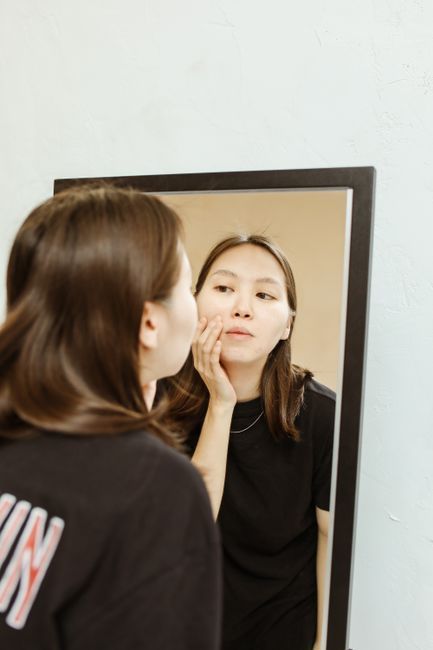
Seborrheic dermatitis follows the oil glands. The scalp is the most common site, but many people also have flaking and redness in a typical pattern on the face. Spotting these areas helps confirm the diagnosis and tells Dr. Hwang where gentler, face-safe products are needed instead of a scalp solution.
 Hommage · Gangnam
Hommage Women's Clinic · Gangnam, Seoul
Flaking on the brows or beside the nose is a common clue to seborrheic dermatitis. Illustrative photo.
Treatment options
Seborrheic dermatitis treatment by severity: a step-up plan
Not everyone needs the same strength of treatment. Mild flaking may settle with an antifungal shampoo alone, while red, itchy, inflamed patches usually need a short anti-inflammatory course on top. Treatment is stepped up only as far as needed and stepped down again once the skin is calm, which keeps side effects low. The ladder below shows how Dr. Hwang typically builds a plan; your own plan depends on the examination.
Antifungal shampoo
- Ketoconazole 2% or ciclopirox
- 2–3 times a week during a flare
- Leave on about 5 minutes
Short steroid course
- Scalp solution, foam or shampoo
- About 1–2 weeks, then stop
- Mild strength only on the face
Softeners and creams
- Salicylic acid or pre-wash oil for crusts
- Calcineurin inhibitors for the face
- Avoids long steroid use
Specialist care
- Unclear diagnosis or no response
- Occasional oral antifungal
- Check for associated conditions
Timeline
Seborrheic scalp treatment timeline: clear, review, maintain
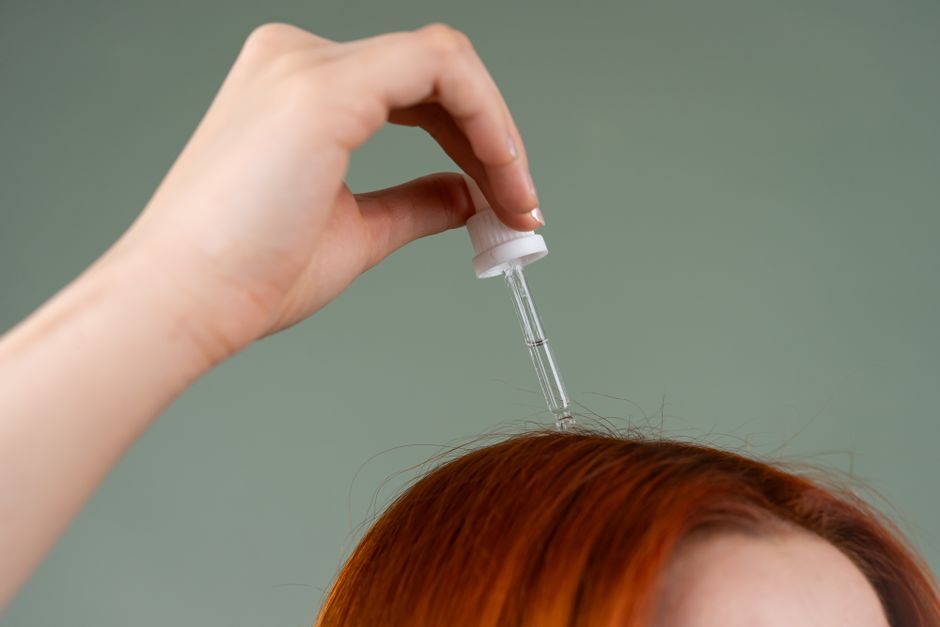
Seborrheic dermatitis is managed in cycles. The clearing phase calms the current flare over a few weeks. At the review, treatment is reduced to the lowest routine that keeps the scalp comfortable. When a trigger such as winter, stress or illness brings a flare, you restart your written flare plan early, rather than waiting for thick scale to build up.
 Hommage · Gangnam
Hommage Women's Clinic · Gangnam, Seoul
Starting your flare plan at the first itch keeps flares short. Illustrative photo.
Daily care
Living with seborrheic dermatitis: do's and don'ts
Day-to-day habits make a real difference to how often seborrheic dermatitis flares. You receive these tips in writing, along with your shampoo and flare routine, and can message the clinic if something stops working.
Do
- Keep using your maintenance shampoo even when the scalp looks clear
- Start your flare plan at the first sign of itch or redness
- Soften thick crusts with a pre-wash oil, then shampoo it out
- Wash after heavy sweating, exercise or wearing hats for long
- Use only face-safe products on brows and nose folds
- Protect sleep and manage stress where you can
Don't
- Use a scalp steroid solution for weeks without review
- Put strong scalp products on the face or eyelids
- Scratch or pick scale off with nails or combs
- Leave heavy oils on the scalp overnight every night
- Color or perm hair during an active flare
- Stop treatment completely as soon as it clears
Your situation
Seborrheic dermatitis in women: hormones, stress and hair loss
Many women first notice seborrheic dermatitis during busy, stressful periods, or alongside other changes in their skin and hair. Because Hommage Women's Clinic offers both skin care and gynecology, these links can be looked at together rather than in separate clinics.
Hormones and an oily scalp
Androgens increase oil production, so a greasier scalp and more flaking can go together with acne, irregular periods or unwanted hair growth. If those signs appear together, an assessment for PCOS or hormone testing may be worthwhile.
Stress, sleep and work
Stress and lack of sleep are among the most commonly reported triggers. Treatment does not depend on removing stress, but a flare plan you can start at the first itch helps during demanding weeks.
When hair is thinning too
An inflamed scalp can increase shedding for a while, and seborrheic dermatitis often occurs alongside pattern hair loss. The scalp is calmed first; persistent thinning is then assessed and may be treated with options such as low-level laser therapy or a hair density treatment plan.
 Hommage · Gangnam
Hommage Women's Clinic · Gangnam, Seoul
Busy, stressful weeks are a common time for flares to appear. Illustrative photo.
Evidence
Does seborrheic dermatitis treatment work? What the research says
Two Cochrane systematic reviews, which pool randomized trials, give the clearest picture. Antifungals and topical anti-inflammatory treatments both work better than placebo in the short term, and ketoconazole matched steroids for clearance with fewer side effects. The evidence has real gaps, which the reviews themselves point out.
Lower risk of failed clearance
Ketoconazole vs placebo at four weeks (8 studies; low-quality evidence).
Okokon et al., Cochrane, 2015Fewer side effects
Ketoconazole vs topical steroids, with similar clearance rates.
Okokon et al., Cochrane, 2015Trials, 9,052 people
Antifungals; ciclopirox also beat placebo (moderate-quality evidence).
Okokon et al., Cochrane, 2015Trials of anti-inflammatories
2,706 people; topical steroids cleared skin more often than placebo short term.
Cochrane CD009446, 2014Traveling to Seoul
Seborrheic dermatitis treatment in Seoul for international patients
Seborrheic dermatitis is treated mostly at home, so a short stay in Seoul is usually enough. One visit to Hommage Women's Clinic in Gangnam, a short walk from Sinnonhyeon Station, covers the examination and a written plan; a second visit a few days later is helpful if a prescription course is started. Follow-up after you return home can be done by message.
What to bring
- Your passport, plus a list of medicines and any allergies
- Names or photos of shampoos, creams and solutions you have used, and for how long
- Photos of the scalp or face during a bad flare, if it looks calmer on the day
Before and after your visit
Contact us by WhatsApp, KakaoTalk or the contact form to arrange language support. Keep the written plan with the generic names of each ingredient, since brand names differ between countries. Seoul's winters are cold and dry, so visitors from humid climates sometimes notice flares during their stay.
 Hommage · Seoul
Hommage Women's Clinic · Gangnam, Seoul
Gangnam, Seoul: the clinic is a short walk from Sinnonhyeon Station. Illustrative photo.
 Hommage · Gangnam
Hommage Women's Clinic · Gangnam, Seoul
Prescribed products are collected from a pharmacy and used at home. Illustrative photo.
Choosing well
How to choose a clinic for seborrheic dermatitis in Seoul
Scalp clinics and scalp-care shops are everywhere in Gangnam. For a medical condition like seborrheic dermatitis, these questions help at any visit, including ours:
- Does a doctor make the diagnosis? Psoriasis, allergy and infection can look similar and need different treatment.
- Is the face checked as well as the scalp? Brows, nose folds and ears often need gentler products.
- Are steroids limited to short courses? Ask how long to use any prescribed solution and when to stop.
- Is there a maintenance plan? A routine for between flares matters as much as clearing the current one.
- Are add-on sessions optional? Scalp spa or detox care can be pleasant but does not replace medical treatment.
- Is the cost explained first? Ask what insurance covers and get a written quote for anything that is not covered.
What affects the cost of seborrheic scalp treatment?
Cost depends on the consultation, any tests such as a skin scraping, which prescribed shampoos, solutions or creams you need and for how long, the number of follow-up visits, and whether you choose optional in-clinic care such as a scalp detox treatment or Korean scalp spa therapy. Consultation and prescribed treatment for a diagnosed condition may be covered by National Health Insurance for enrolled patients; cosmetic scalp-care sessions are not, and you receive a written quote first.
Your visit
What to expect at your scalp appointment
01
History
Dr. Hwang asks when the flaking started, what makes it worse, which shampoos and products you use, and about hair dye, stress and hormonal changes.
02
Scalp and skin check
The scalp, hairline, eyebrows, ears and other areas are examined to tell seborrheic dermatitis from psoriasis, allergy or infection.
03
Your routine
You leave with a written plan: which shampoo, how long to leave it on, how often, and when to use a prescribed solution.
04
Review
A follow-up after about 4–6 weeks checks progress and steps you down to a simple maintenance routine.
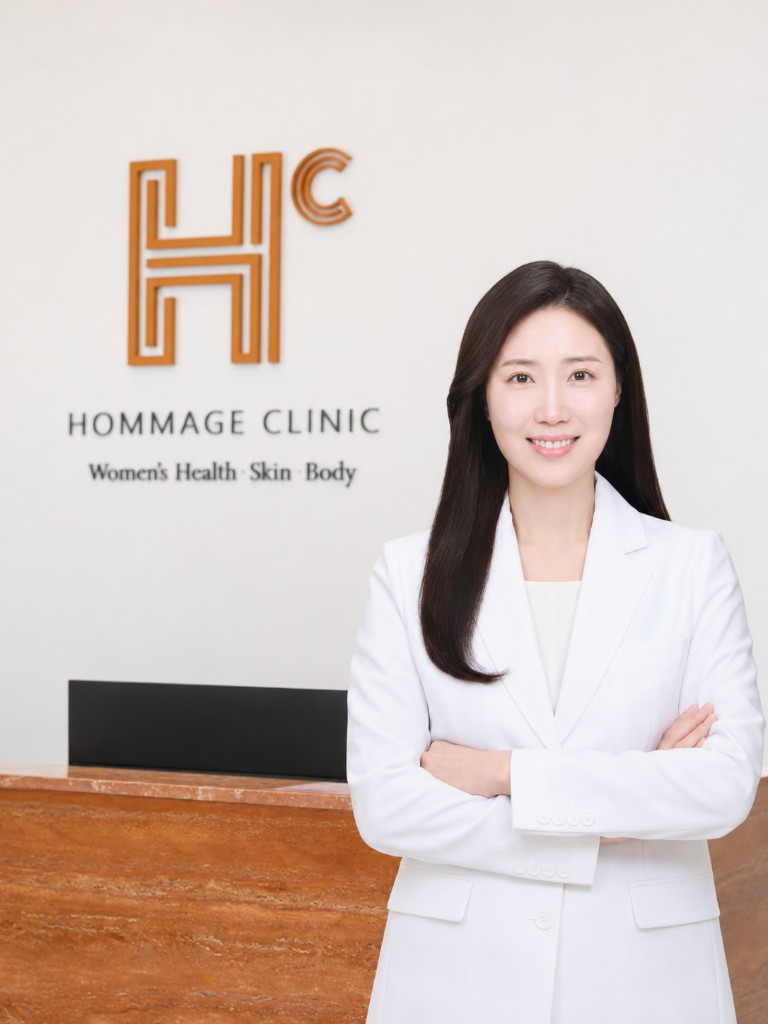
Your doctor
Dr. Hwang Seonhwa
Physician · Skin & Aesthetic Treatments
Dr. Hwang treats seborrheic dermatitis as a long-term condition to keep under control rather than a one-off fix. Plans pair a short, clear flare routine with an easy maintenance schedule, and scalp comfort is restored before any hair-loss treatment begins.
Physician for face and skin procedures, including lifting, laser and skin-improvement treatments, planned around facial proportions and skin condition.
Seborrheic dermatitis: frequently asked questions
Is seborrheic dermatitis contagious?
No. Seborrheic dermatitis cannot be passed to other people by touch, sharing towels or sharing a pillow. It is an inflammatory reaction to a yeast that normally lives on everyone's skin, combined with individual factors such as oil production, stress and weather. It is also not a sign of poor hygiene.
Can seborrheic dermatitis cause hair loss?
Seborrheic dermatitis does not usually cause permanent hair loss. Strong inflammation and frequent scratching can increase shedding for a while, which usually settles once the scalp is treated. Because pattern hair loss is also common, the two often occur together; if thinning continues after the scalp is calm, see our hair density treatment plan.
How often should I use ketoconazole shampoo?
During a flare, ketoconazole 2% shampoo is typically used two to three times a week for two to four weeks. Massage it into the scalp, leave it on for about five minutes and rinse well. For maintenance, once a week or every two weeks is usually enough. Use a mild shampoo on other days, and follow your doctor's instructions.
Can seborrheic dermatitis be cured permanently?
There is no permanent cure, but seborrheic dermatitis can usually be controlled well. Most people clear flares within a few weeks and then keep the scalp calm with a regular antifungal shampoo. Flares can return with stress, illness or winter weather, so having a ready-made flare plan from your doctor makes them shorter and milder.
Can I treat seborrheic dermatitis while pregnant or breastfeeding?
Yes, with some adjustments. Antifungal shampoos are generally considered low risk because very little is absorbed through the scalp, and short courses of mild topical steroids are often used. Oral antifungals are usually avoided. Tell your doctor that you are pregnant or breastfeeding so each product can be checked before you use it.
Can foreigners get seborrheic scalp treatment in Seoul?
Yes. International patients and foreign residents can book at Hommage Clinic; bring your passport for registration, and bring the names of any shampoos or creams you have already tried. Treatment is mostly done at home, so one visit and a follow-up usually suit short stays. Please contact us before your visit to arrange language support; you can walk in during opening hours or book ahead for a set time.
How common is seborrheic dermatitis?
Very common. A 2024 systematic review and meta-analysis of 121 studies estimated a global prevalence of about 4.4%, rising to about 5.6% in adults. Rates vary widely between countries and settings, and milder flaking (dandruff) is even more common.
Are steroid scalp solutions safe?
Used as a short course, usually around one to two weeks, topical steroids are effective and well tolerated; a Cochrane review found they cleared seborrheic dermatitis more often than placebo in the short term. Long or frequent use can thin the skin, especially on the face, which is why they are paired with an antifungal shampoo for long-term control.
Is ketoconazole better than a steroid for seborrheic dermatitis?
They work in different ways and are often combined. A Cochrane review found ketoconazole cleared seborrheic dermatitis about as often as topical steroids, with fewer side effects. Steroids calm redness and itch faster, so they are useful for flares, while antifungals are better suited to long-term use.
Can seborrheic dermatitis affect the face?
Yes. It often appears on the eyebrows, the folds beside the nose, around and behind the ears and sometimes the upper chest. The face needs gentler treatment than the scalp, such as antifungal creams, very short mild steroid courses or non-steroid creams. Facial redness can also overlap with rosacea; see our redness reduction therapy page.
Can I dye or perm my hair with seborrheic dermatitis?
Usually yes, once the scalp is calm. Avoid coloring, bleaching or perming during an active flare, when the skin is inflamed and more likely to sting or react. If your scalp itches or swells after hair dye, tell your doctor, as allergic contact dermatitis can look similar and needs a different approach.
Does diet affect seborrheic dermatitis?
There is no strong evidence that particular foods cause or cure seborrheic dermatitis, so restrictive diets are not recommended for it. A balanced diet, enough sleep and managing stress support general skin health, while antifungal shampoo and a flare plan remain the main treatments.
Do scalp spa or detox treatments help seborrheic dermatitis?
They can remove buildup and feel soothing once the scalp is calm, but they do not treat the inflammation and are not a substitute for medical care. At Hommage Clinic, options such as a scalp detox treatment or Korean scalp spa therapy are offered only as optional add-ons, not during an active flare.
References
Sources used for this page, reviewed by Dr. Hwang Seonhwa. Read our editorial and medical review policy.
- Okokon EO, Verbeek JH, Ruotsalainen JH, Ojo OA, Bakhoya VN. Topical antifungals for seborrhoeic dermatitis. Cochrane Database Syst Rev. 2015;(5):CD008138. Cochrane
- Topical anti-inflammatory agents for seborrhoeic dermatitis of the face or scalp. Cochrane Database Syst Rev. 2014;(5):CD009446. PubMed
- Polaskey MT, Chang CH, Daftary K, Fakhraie S, Miller CH, Chovatiya R. The global prevalence of seborrheic dermatitis: a systematic review and meta-analysis. JAMA Dermatol. 2024;160(8):846–855. JAMA Dermatology
- Ketoconazole 2% w/w Shampoo: Summary of Product Characteristics. Electronic Medicines Compendium (UK). emc
This page is general information and does not replace a personal consultation. Illustrations are original works of Hommage Women's Clinic, Gangnam, Seoul; photos marked illustrative are not of patients.
Related scalp and skin care
Dandruff Medical Therapy
How to tell dandruff, dry scalp and psoriasis apart, and how to use medicated shampoos.
Scalp Detox Treatment
A clarifying in-clinic scalp cleanse for buildup and oiliness, with realistic expectations.
Korean Scalp Spa Therapy
A relaxing, doctor-checked scalp care session for comfort and maintenance.
Hair Density Treatment Plan
A combined plan for thinning hair once the scalp is calm and healthy.
Redness Reduction Therapy
Care for facial redness, which can accompany seborrheic dermatitis or rosacea.
PCOS Treatment
Diagnosis and care for PCOS, a hormonal condition linked to oily skin and hair thinning.
Get your flaky, itchy scalp properly diagnosed
Book a scalp assessment with Dr. Hwang Seonhwa in Gangnam. You leave with a clear flare routine and a simple plan to keep your scalp calm.
Hommage Clinic · 4F, Building A, 509 Gangnam-daero, Seoul (near Sinnonhyeon Station) · Mon & Fri 10:00–20:00 · Tue–Thu 10:00–19:00 · Sat 10:00–15:00