
Sexual health · Causes & assessment
Low Sex Drive in Women: Common Causes and Assessment in Gangnam
Low sex drive (low libido) is a lasting drop in sexual interest or desire that bothers you, and it usually has more than one cause, from hormones and medications to stress, relationship strain, pain during sex or menopause. At Hommage Clinic in Gangnam, Seoul, OB/GYN specialist Dr. Park Yuna looks for those causes through a private consultation, an exam and targeted tests.
Quick answer
Low sex drive in women is a lasting drop in sexual desire that bothers you. It is common and usually has several causes at once, such as stress, medications, pain during sex, hormonal change after childbirth or around menopause, or relationship strain. At Hommage Women's Clinic in Gangnam, Seoul, female OB/GYN specialist Dr. Park Yuna finds the likely causes through a private consultation, an exam with your consent and targeted blood tests, then plans treatment that matches them.
Key takeaways
- There is no single normal level of desire; it is a concern only when the change lasts and distresses you.
- Responsive desire, where interest appears after intimacy starts, is a normal pattern.
- A testosterone blood test cannot diagnose low libido in women.
- Do not stop an antidepressant or contraceptive on your own; ask about alternatives instead.
- Pain, dryness and low mood are common, treatable reasons desire drops.
Infographic
Low sex drive in numbers
Report low desire
Of 31,581 US women in the PRESIDE survey, at some level.
Low desire with distress
Nearly 1 in 10 women in the same survey were distressed by it.
For a diagnosis
Low desire is called a disorder only if it lasts about 6 months or more and causes distress.
Testosterone effect
About one extra satisfying sexual event a month in postmenopausal women in trials.
Diagnostic hormone cut-offs
No blood level separates women with and without low desire.
Exam and tests
Ultrasound and blood tests can usually be done the same day.
Low sex drive at a glance
| Key fact | Details |
|---|---|
| What it is | A persistent fall in sexual desire that causes you distress, not a fixed “normal” level |
| Common causes | Hormone changes, medications, stress, fatigue, relationship strain, pain during sex, menopause |
| Medications linked to it | Some antidepressants (SSRIs/SNRIs), hormonal contraception in some women, certain other medicines |
| How it's assessed | Private consultation, pelvic exam with consent, ultrasound if needed, targeted blood tests |
| When to get checked | When the change lasts several months and bothers you, or comes with pain, dryness or low mood |
| Next step | Treatment is matched to the cause; see our low libido treatment page |
| Reviewed by | Dr. Park Yuna, OB/GYN specialist |
Book an assessment if you have
- Lost interest in sex for several months, and it worries you or affects your relationship
- Pain, dryness or burning during sex
- Noticed a change after starting a new medication, the pill or an antidepressant
- Irregular periods, hot flashes or other signs of hormonal change
- Had a baby in the past year and desire has not returned
Seek urgent care instead if you have
- Thoughts of harming yourself or severe hopelessness: call 119 or go to an emergency department
- Sudden, severe pelvic pain, especially with fever or vomiting
- Heavy bleeding that soaks a pad every hour for several hours
What counts as a low sex drive?
A low sex drive is a lasting drop in sexual interest or desire that bothers you or strains your relationship. There is no “normal” amount of desire: it varies between women and changes across a lifetime, so low desire is only a medical concern when it is persistent and distressing to you.
Large surveys suggest that roughly one in three women report low desire at some point, and around one in ten find it distressing. Doctors may use the terms hypoactive sexual desire disorder or female sexual interest/arousal disorder when low desire lasts at least six months and causes distress. Many women also experience responsive desire , meaning interest appears after intimacy begins rather than beforehand. That is a normal pattern, not a disorder.
What causes low sex drive in women?
Low desire usually has several causes at once, and they often feed each other. Pain during sex, for example, can lead to anxiety about sex, which lowers desire further. The main groups are:
- Hormonal changes: perimenopause and menopause , removal of the ovaries, the months after childbirth and breastfeeding, thyroid disorders and high prolactin levels.
- Medications: some antidepressants, hormonal contraception in some women, opioid pain medicines, and certain medicines for seizures, psychosis or breast cancer.
- Pain and physical symptoms: pain during intercourse , vaginal dryness , endometriosis , bladder leakage, and long-term conditions such as diabetes or anemia.
- Mind and mood: stress, fatigue, depression, anxiety, body-image concerns and past negative sexual experiences.
- Relationship factors: conflict, poor communication, a partner's own sexual difficulties, or a long, busy stretch of life with little time together.
Alcohol, smoking and poor sleep can add to any of these.
Can the pill or antidepressants lower your libido?
Yes, in some women. Both are common and often essential medicines, so the answer is usually to adjust them with your doctor, not to stop them on your own.
Antidepressants
Lower desire, slower arousal and difficulty reaching orgasm are well-known side effects of SSRIs and SNRIs, the most widely prescribed antidepressants. Depression itself also lowers desire, so it can be hard to tell which is responsible. Your prescriber may be able to adjust the dose or switch to a medicine with fewer sexual side effects, such as bupropion.
Hormonal birth control
Most women notice no change in desire on the pill, and some feel more relaxed about sex once pregnancy worries are gone. A minority notice lower desire or vaginal dryness. One proposed reason is that combined pills raise a protein (SHBG) that binds testosterone. If you suspect your method, Dr. Park can discuss a different pill or a non-hormonal option such as the copper IUD. See our guide to birth control options , and use backup contraception while you change.
How is low sex drive assessed?
Assessment starts with a private conversation, because the pattern of the change usually points to the cause. Dr. Park asks when the change began, whether it is constant or only in certain situations, and about pain, mood, sleep, periods, medications and your relationship. You share only what you are comfortable sharing.
- Physical exam: a gentle pelvic exam can show dryness, thinning tissue, infection or tender areas. It is done only with your consent, and you can ask to stop at any time.
- Ultrasound: a pelvic ultrasound when symptoms suggest fibroids, endometriosis or an ovarian problem.
- Blood tests: targeted hormone testing , such as thyroid function, prolactin and menopause-related hormones, plus a blood count or blood sugar if fatigue or other symptoms suggest it.
- Questionnaire: a short, standard sexual function questionnaire helps track changes over time.
A testosterone blood test cannot diagnose low libido in women, because levels overlap widely between women with and without low desire. It is mainly used to record a starting level before any testosterone treatment is considered.
Risks, warning signs and when to call us
Low desire is rarely dangerous in itself, but it can be the first sign of a treatable condition such as depression, an underactive thyroid, anemia or a hormone problem. Left alone, it can also wear on your relationship and wellbeing.
Contact the clinic promptly if low desire comes with new pelvic pain, bleeding after sex or between periods, unusual discharge, or a milky nipple discharge when you are not breastfeeding, which can be a sign of high prolactin. If you have persistent low mood, hopelessness or thoughts of self-harm, please seek help urgently; in Korea, call 119 in an emergency.
The assessment itself carries few risks. A pelvic exam can feel uncomfortable, a blood test may leave a small bruise, and talking about sex can bring up difficult feelings. Please do not stop an antidepressant or contraceptive while you wait for your appointment: stopping suddenly can cause withdrawal symptoms, a return of depression or an unplanned pregnancy.
Low sex drive vs low libido treatment: what comes next?
This page explains why desire drops and how the cause is found. Once the cause is clearer, treatment follows one or more paths, covered in detail on our low libido treatment page:
- Treating physical causes such as pain, dryness, thyroid problems or anemia.
- Reviewing medications with your prescriber.
- Counseling or sex therapy, alone or as a couple.
- For selected women, hormonal treatment such as vaginal estrogen, menopausal hormone therapy or, after menopause, carefully monitored low-dose testosterone.
For some women, simply learning that responsive desire is normal, or that a medication is involved, eases a great deal of worry.
Low sex drive assessment at Hommage Clinic
Hommage Clinic is a women's health and skin clinic in Gangnam, a short walk from Sinnonhyeon Station. Your assessment is led by Dr. Park Yuna, a female OB/GYN specialist, and ultrasound and blood tests can usually be done in the same visit. Walk-ins are welcome during opening hours. Related concerns such as dryness, bladder leakage or menopause symptoms can be planned together; see ourcosmetic and functional gynecologyservices.
If you are enrolled in Korea's National Health Insurance, many consultations and medical tests are covered, while cosmetic procedures are not. Visitors without coverage pay the clinic's fees directly. We explain costs in writing before any test, and you can contact us before your visit to arrange language support.
The big picture
What causes low libido in women? Five overlapping factors
Doctors think about low desire using a biopsychosocial model: body, mind and relationship all shape desire, and they influence each other. A woman with vaginal dryness may begin to expect discomfort, feel anxious before sex and lose interest, even though the starting problem was physical. That is why a good assessment covers all five areas below, and why treating only one of them often is not enough.
Everyday life
Stress, sleep and burnout: the most common reasons desire fades
Long working hours, caring for children or parents, and a constant mental to-do list leave little room for desire. When you are stressed or short of sleep, the body prioritizes getting through the day, and sex can start to feel like one more task. This is one of the most common patterns Dr. Park sees, and it is not a sign that something is wrong with you or your relationship.
Signs that life load is a big part of the picture include desire that returns on holiday or on quiet weekends, tiredness most days, and a sense that you would like to want sex but have no energy for it. Simple changes can help: protecting sleep, sharing household and childcare tasks more evenly, and planning unhurried time together without pressure for sex to happen.
When it may be more than stress
- Desire stays low even when life is calmer
- You also feel persistently low, flat or anxious for two weeks or more
- You feel exhausted despite enough sleep, which can point to anemia or a thyroid problem
- You have new pain, dryness or irregular periods
In these cases, an assessment and hormone testing can look for medical causes.
 Hommage · Gangnam
Hommage Women's Clinic · Gangnam, Seoul
Long hours and poor sleep are among the most common reasons desire fades. Illustrative photo.
Understanding desire
Spontaneous vs responsive desire: is my low libido normal?
Older models of sex assumed that desire always comes first, then arousal, then sex. Research by sexual medicine specialists, including the circular model described by Dr. Rosemary Basson, showed that many women, especially in long relationships, experience responsive desire : they start from feeling neutral but open to closeness, and desire grows once touch and arousal begin. If that describes you, your desire is not missing; it simply works differently from the spontaneous desire shown in films. Knowing this alone relieves many women and couples.
 Hommage · Gangnam
Hommage Women's Clinic · Gangnam, Seoul
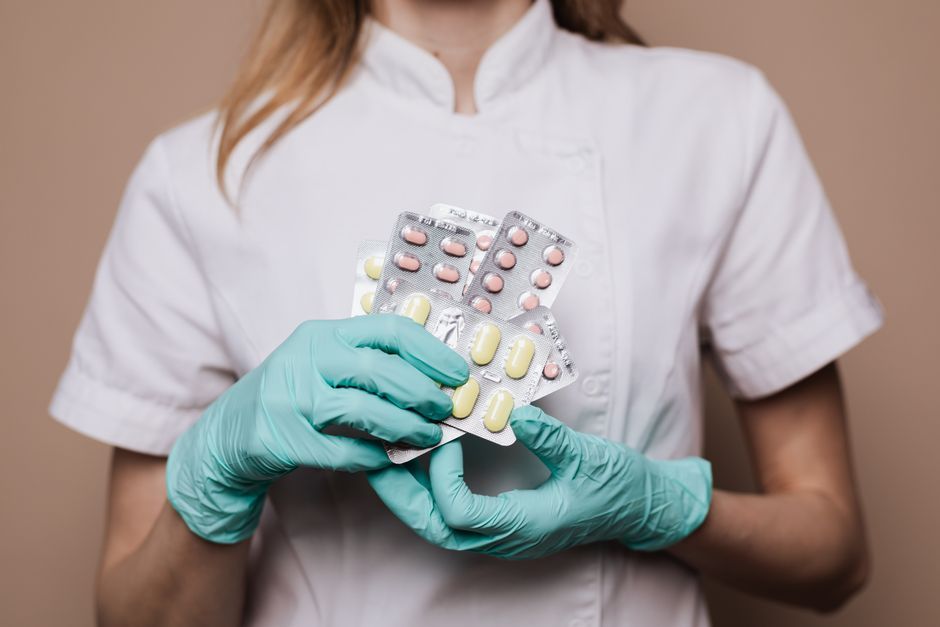
Bring a list of every medicine and supplement you take. Illustrative photo.
Medication check
Medicines that can lower sex drive: a quick checklist
Medication side effects are one of the most fixable causes of low desire. Use this list to prepare for your visit, and never stop a prescribed medicine without talking to the doctor who prescribed it.
- SSRI and SNRI antidepressants Lower desire, slower arousal and delayed orgasm are well-known side effects. Ask about dose changes or alternatives.
- Hormonal contraception Most women notice no change; a minority report lower desire or dryness. Other pills or non-hormonal methods are options.
- Anti-estrogen breast cancer treatment Can cause dryness and low desire; non-hormonal vaginal care is usually first choice.
- Opioid pain medicines Long-term use can lower sex hormones and desire.
- Some medicines for seizures, psychosis or blood pressure Effects vary between drugs; your prescriber can review them.
- Alcohol and recreational drugs Regular heavy use dampens desire and arousal over time.
Assessment
Low sex drive assessment: from first visit to plan
Most women need one or two visits to understand what is driving low desire. The pathway below shows how Dr. Park moves from your story to targeted tests and then to a plan. Not every step is needed for everyone: if the cause is clearly a new medicine or a recent baby, for example, extensive testing may not help.
Your life stage
Low sex drive in your 20s, 30s, 40s and after menopause
The most likely causes of low desire shift with age, although any cause can appear at any time.
20s and early 30s
Stress, studies or early careers, contraception side effects, antidepressants, painful sex such as vaginismus, and relationship uncertainty are common themes. Pain at first intercourse that was never treated can lead to years of avoidance; see painful intercourse treatment .
After childbirth
Broken sleep, breastfeeding, healing tissue, body changes and the demands of a baby all lower desire for many women in the first year. Desire usually returns gradually; persistent low mood deserves a check for postpartum depression.
Late 30s and 40s (perimenopause)
Irregular cycles, night sweats, poor sleep and mood changes can start years before the last period. Busy careers and caring for children and parents add to the load. In the PRESIDE survey, distressing low desire was most pronounced in midlife.
After menopause
Vaginal dryness and discomfort become more common. Treating dryness often helps desire, and for selected postmenopausal women with distressing low desire, carefully monitored testosterone is an evidence-based option. See menopause treatment and hormone replacement therapy .
 Hommage · Gangnam
Hommage Women's Clinic · Gangnam, Seoul
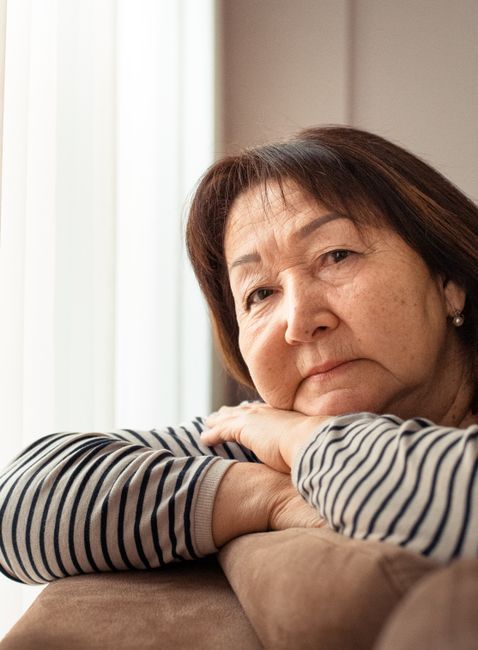
The causes of low desire often change with life stage. Illustrative photo.
Evidence
Low libido in women: what the research says
Low desire is the most commonly reported sexual problem in women, but research on its causes is largely based on surveys, and research on treatment is limited. The only hormonal treatment with an international consensus behind it is testosterone for postmenopausal women with distressing low desire, and even there the benefit is modest.
Any low desire
Of 31,581 US women aged 18 and over; the most common sexual problem reported.
Shifren et al., Obstet Gynecol, 2008 (PRESIDE)Distressing low desire
About twice as common as distressing arousal (5.4%) or orgasm (4.7%) problems.
Shifren et al., 2008Testosterone review
8,480 women; in postmenopausal women, desire and satisfying sexual events improved modestly.
Islam et al., Lancet Diabetes Endocrinol, 2019Extra satisfying event
Typical gain with testosterone in postmenopausal women; acne and hair growth were more common.
Global Consensus Position Statement, 2019 Hommage · Seoul
Hommage Women's Clinic · Gangnam, Seoul
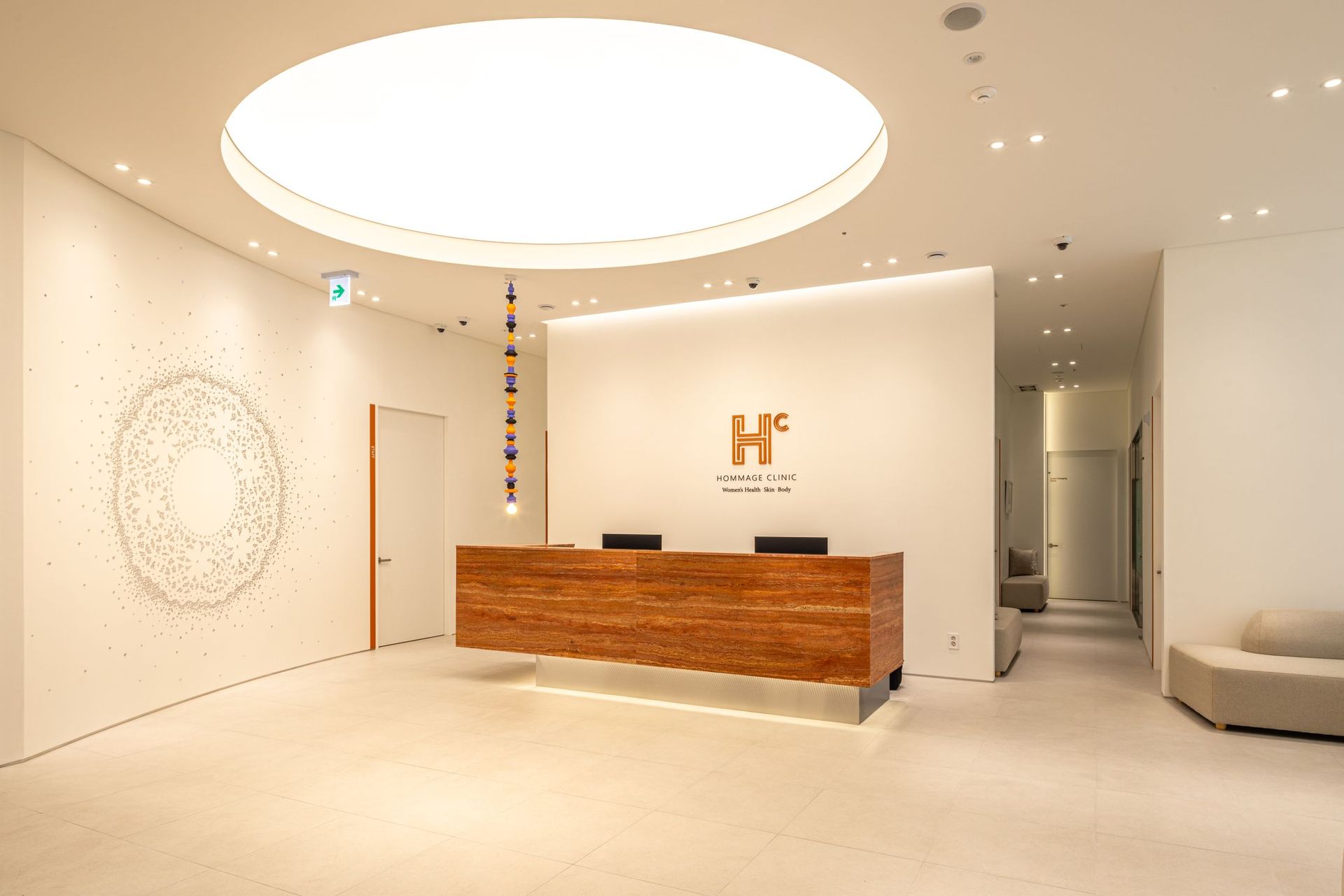
Seoul: the clinic is in Gangnam, a short walk from Sinnonhyeon Station. Illustrative photo.
Traveling to Seoul
Low sex drive assessment in Seoul for international patients
Talking about desire is easier with a female doctor and in your own words. International visitors and foreign residents can book a private consultation with Dr. Park Yuna at Hommage Women's Clinic in Gangnam, a short walk from Sinnonhyeon Station (Line 9 and Shinbundang Line).
How long to plan for
- The first consultation, exam and blood draw usually fit into one visit.
- Some blood results take a few days, so allow 2–5 days in Seoul if you want to discuss results in person; otherwise results can be explained by message.
- Some hormone tests are timed to your cycle, so tell us the first day of your last period when you book.
What to bring
- Passport or residence card for registration
- A list of all medicines, contraception and supplements
- Any recent blood test results or scans from home
Contact before you come
Message us by WhatsApp, KakaoTalk or the contact form with your preferred dates and whether you need language support. After you return home, ask for a written summary your own doctor can use to continue any treatment.
Choosing well
How to choose a doctor for low libido in Seoul
Low desire is easy to over-treat or under-treat. Use these questions at any clinic, including ours:
- Do they take a full history first? Medicines, mood, pain and relationship all matter before any test.
- Do they avoid diagnosing by a single hormone level? No blood test alone can diagnose low desire.
- Do they check for pain and dryness? These are common and treatable.
- Are they cautious with testosterone? It is evidence-based only for selected postmenopausal women, at doses close to natural female levels.
- Can they refer for counseling or sex therapy? Many women benefit from talking therapy as well as medical care.
- Do they avoid miracle cures? Be wary of supplements, injections or devices promised to boost libido.
What affects the cost of a low sex drive assessment?
Cost depends on how many blood tests are needed, whether a pelvic ultrasound is done, the number of follow-up visits and any treatment or referral you choose. For patients enrolled in Korea's National Health Insurance, many consultations and medical tests are covered; visitors without coverage pay the clinic's fees directly. Costs are explained in writing before any test.
 Hommage · Gangnam
Hommage Women's Clinic · Gangnam, Seoul
Blood tests are chosen for your symptoms, not ordered as a fixed panel. Illustrative photo.
Your visit
What to expect at your appointment
01
Book discreetly
Book by phone, KakaoTalk or online. You can simply ask for a women's health consultation if you prefer not to give details in advance.
02
Private consultation
Dr. Park asks about the change in desire, your health, cycle, mood and medications. Bring a list of everything you take, including supplements.
03
Exam and tests
With your consent, a pelvic exam and ultrasound, plus blood tests chosen for your symptoms. Some hormone tests are timed to your cycle.
04
Results and plan
Dr. Park explains the likely causes, answers your questions and agrees a treatment plan or referral with you, with a follow-up date.

Your doctor
Dr. Park Yuna
Medical Director · OB/GYN Specialist
Dr. Park starts by listening to how and when your desire changed before ordering any tests. She looks at hormones, medications, pain and life circumstances together, so that any treatment you choose targets the actual cause.
OB/GYN specialist (Korea) and representative director of Hommage Clinic. Leads the clinic's women's health care, from screening and infections to hormones, contraception and fertility checks.
Low sex drive: frequently asked questions
Is it normal to have a low sex drive?
Yes, it is very common for desire to rise and fall with stress, health, relationships and life stage. Low desire only needs medical attention when it lasts for months and bothers you or your partner. If it does, an assessment can find causes that are often treatable, such as medication side effects, pain or hormonal change.
Can stress cause low sex drive?
Yes. Ongoing stress, poor sleep and a heavy mental load are among the most common reasons for low desire, because the body and mind prioritize coping over intimacy. Desire often returns as stress eases. If it does not, or if you also feel persistently low or anxious, it is worth a medical check to look for other causes.
Does low testosterone cause low libido in women?
Not usually on its own. Testosterone plays a role in desire, but blood levels do not reliably predict libido in women, and most women with low desire have normal levels for their age. Testosterone treatment is considered mainly for postmenopausal women with distressing low desire after other causes are addressed. Read more on our low libido treatment page.
Will my sex drive come back after having a baby?
For most women, desire returns gradually, often over the first year after birth. Breastfeeding lowers estrogen, which can cause dryness and discomfort, and broken sleep lowers desire for almost everyone. A water-based lubricant can help in the meantime. See a doctor if sex stays painful or if you have signs of postpartum depression, such as persistent low mood or anxiety.
Does menopause always lower sex drive?
No. Some women notice lower desire around menopause, often because of vaginal dryness, pain during sex, hot flashes or poor sleep, while others notice little change. Treating dryness and other symptoms often helps desire too. Our menopause treatment page explains the options.
Should my partner come to the appointment?
That is your choice. Many women prefer to come alone for the first visit so they can speak freely about their health and history. A partner can join a later appointment if you both wish, and couples counseling can be helpful when communication or relationship strain is part of the picture.
Can foreigners get a sexual health consultation in Seoul?
Yes. International patients and foreign residents can book a consultation at Hommage Clinic in Gangnam. Bring your passport or residence card for registration and a list of your medications. Walk-ins are welcome during opening hours; please contact us before your visit to arrange language support.
How common is low sex drive in women?
Very common. In a US survey of more than 31,000 women, 38.7% reported low desire, and about 1 in 10 found it distressing. Low desire was the most common sexual concern women reported.
What is responsive desire?
Responsive desire means interest in sex appears after closeness and touch begin, rather than before. It is a normal pattern for many women, especially in long-term relationships, and is not a disorder. If you enjoy sex once it starts but rarely think about it beforehand, this may describe you.
Which blood tests are done for low libido?
Tests are chosen for your symptoms. Common ones are thyroid function, prolactin, a blood count for anemia, blood sugar, and menopause-related hormones when cycles have changed. A testosterone level cannot diagnose low libido, but may be measured before testosterone treatment is considered. See hormone testing.
Can low sex drive be a sign of depression?
Yes. Low desire is a common symptom of depression, alongside low mood, loss of interest in things you used to enjoy, poor sleep and tiredness. Some antidepressants can also lower desire. If you have felt low for two weeks or more, please mention it; treating depression often helps desire, and medicines can be adjusted if side effects are a problem.
Do libido supplements work for women?
There is little good-quality evidence that over-the-counter libido supplements work, and their contents are not always reliable. Some can interact with prescription medicines. It is better to find and treat the cause of low desire; tell Dr. Park about any supplements you take.
How long does it take for desire to improve?
It depends on the cause. Desire can improve within weeks after stopping a problem medicine or treating pain or dryness, while stress-related or relationship-related low desire often takes several months of change and support. In trials, testosterone for postmenopausal women was usually assessed after several months of use.
References
Sources used for this page, reviewed by Dr. Park Yuna, OB/GYN specialist. Read our editorial and medical review policy.
- Shifren JL, Monz BU, Russo PA, Segreti A, Johannes CB. Sexual problems and distress in United States women: prevalence and correlates. Obstet Gynecol. 2008;112(5).
- Davis SR, Baber R, Panay N, et al. Global consensus position statement on the use of testosterone therapy for women. J Clin Endocrinol Metab. 2019;104(10). doi:10.1210/jc.2019-01603. PMC
- Islam RM, Bell RJ, Green S, Page MJ, Davis SR. Safety and efficacy of testosterone for women: a systematic review and meta-analysis of randomised controlled trial data. Lancet Diabetes Endocrinol. 2019;7(10):754–766. DOI
- Basson R. The female sexual response: a different model. J Sex Marital Ther. 2000.
- American Psychiatric Association. Female sexual interest/arousal disorder. Diagnostic and Statistical Manual of Mental Disorders , 5th ed.
This page is general information and does not replace a personal consultation. Illustrations are original works of Hommage Women's Clinic, Gangnam, Seoul; photos marked illustrative are not of patients.
Related women's health services
Low Libido Treatment
Treatment options for low desire, from counseling to hormonal and non-hormonal care.
Painful Intercourse Treatment
Finding and treating the causes of pain during or after sex.
Vaginal Dryness
Why dryness happens, from hormones to medications, and when to see a doctor.
Menopause Treatment
One care plan for hot flashes, sleep, mood, dryness and long-term health.
Hormone Testing
Blood tests for thyroid, prolactin, estrogen and other hormones that affect desire.
Birth Control
Compare hormonal and non-hormonal methods, including options if the pill affects you.
Find out why your desire has changed
Book a private consultation with Dr. Park Yuna in Gangnam. An exam and blood tests can usually be arranged in the same visit.
Hommage Clinic · 4F, Building A, 509 Gangnam-daero, Seoul (near Sinnonhyeon Station) · Mon & Fri 10:00–20:00 · Tue–Thu 10:00–19:00 · Sat 10:00–15:00