
Intimate health · Vaginal comfort
Vaginal Dryness in Gangnam: Causes, Symptoms and When to See a Doctor
Vaginal dryness is a lack of natural moisture in the vagina that can cause itching, burning, soreness and pain during sex. It is most often caused by lower estrogen, for example after menopause or while breastfeeding, but medicines, stress and skin conditions can also play a part. At Hommage Clinic in Gangnam, Seoul, OB/GYN specialist Dr. Park Yuna finds the cause before recommending treatment.
Quick answer
Vaginal dryness is a lack of natural moisture that causes itching, burning and pain during sex. It is most often caused by low estrogen after menopause or while breastfeeding, but medicines, the pill, cancer treatment, stress and irritating products can cause it at any age. At Hommage Women's Clinic in Gangnam, Seoul, female OB/GYN specialist Dr. Park Yuna finds the cause with a private consultation and gentle exam, and rules out infection, before treatment.
Key takeaways
- Dryness is common and treatable; many women wait years before asking for help.
- After menopause it is part of genitourinary syndrome of menopause (GSM) and usually worsens without treatment.
- Itching and burning can also be infection or a skin condition, so a check matters.
- Any bleeding after menopause needs prompt assessment.
Infographic
Vaginal dryness in numbers
GSM estimates
Range of postmenopausal women affected across studies.
Bothersome
Postmenopausal women reporting bothersome symptoms.
Not only menopause
Breastfeeding, medicines and stress can cause it in your 20s–30s.
To diagnose
History and gentle exam; swabs or urine tests if infection is possible.
When to see a doctor
If dryness lasts more than a few weeks or affects sex or comfort.
Vaginal dryness at a glance
| Key fact | Details |
|---|---|
| What it is | Reduced vaginal moisture and elasticity, often with irritation or pain during sex |
| Common signs | Itching, burning, soreness, light bleeding after sex, urinary urgency or repeat infections |
| Common causes | Menopause, breastfeeding, hormonal medicines, cancer treatment, stress, harsh soaps |
| How it's diagnosed | Symptom history and a gentle pelvic exam; swabs or urine tests if infection is possible |
| Treatment options | Lubricants, moisturizers, vaginal estrogen and other options, compared on our treatment page |
| Reviewed by | Dr. Park Yuna, OB/GYN specialist |
See a doctor about dryness if you have
- Dryness or pain during sex that has lasted more than a few weeks
- Itching, burning or soreness that over-the-counter products do not settle
- Repeated urinary infections or new urgency after menopause
- Dryness that started with a new medicine or after cancer treatment
Seek prompt care instead if you have
- Any vaginal bleeding after menopause
- Unusual discharge with a strong smell, fever or pelvic pain
- Sores, blisters or a lump in the genital area
What is vaginal dryness?
Vaginal dryness happens when the vaginal lining makes less moisture and becomes thinner and less elastic. The lining depends on estrogen to stay thick, moist and slightly acidic, which also protects against infection.
When estrogen falls, the tissue can become pale, fragile and easily irritated. Doctors call the long-term changes after menopause genitourinary syndrome of menopause (GSM) , because the bladder and urethra are affected too. Unlike hot flashes, these changes usually do not go away on their own and often get worse over time without treatment.
What causes vaginal dryness?
Low estrogen is the most common cause, but dryness can happen at any age. Common causes include:
- Perimenopause and menopause: about half of postmenopausal women have vaginal symptoms. See menopause treatment .
- Breastfeeding and after childbirth: high prolactin keeps estrogen low for months.
- Hormonal medicines: some birth control pills, anti-estrogen breast cancer drugs and GnRH treatments for endometriosis or fibroids.
- Cancer treatment: chemotherapy, pelvic radiotherapy or removal of the ovaries.
- Other medicines: antihistamines, some antidepressants and acne medicines can reduce moisture.
- Low arousal: stress, relationship issues or low sex drive can mean less natural lubrication during sex.
- Irritants and skin conditions: douching, scented soaps, wipes and conditions such as lichen sclerosus or Sjögren's syndrome.
Women with very low estrogen at a younger age, such as premature ovarian insufficiency, can also have dryness; see low estrogen treatment .
Symptoms of vaginal dryness
Symptoms range from mild discomfort to pain that affects daily life and relationships. You may notice:
- Itching, stinging or burning in or around the vagina
- Pain, tightness or rawness during sex, sometimes with light bleeding afterward
- A feeling of soreness when walking, sitting or exercising
- Needing to pass urine more often or urgently, and more frequent urinary infections
- Changes in discharge
Pain during sex can make the pelvic floor muscles tense in anticipation, which makes sex more painful still. Our page on painful intercourse explains this cycle and how it is treated.
When should I see a doctor about vaginal dryness?
See a doctor if dryness lasts more than a few weeks, affects your sex life or daily comfort, or does not improve with over-the-counter lubricants. Treatment works well, and many women wait years before asking for help.
Get checked sooner if you have bleeding after menopause, unusual discharge or smell, sores, or symptoms that might be an infection. Itching and burning can also be caused by a yeast infection , bacterial vaginosis or a skin condition, which need different treatment. Using estrogen or creams on an untreated infection can delay the right care.
How is vaginal dryness diagnosed?
Diagnosis is based on your symptoms and a gentle examination. Dr. Park asks about your periods, menopause, childbirth and breastfeeding, medicines, cancer history, sexual comfort and urinary symptoms.
A pelvic exam shows whether the vaginal lining is thin, pale or inflamed, and a small speculum can be used. If infection is possible, a swab or urine test is taken; if you have bleeding after menopause, a pelvic ultrasound checks the lining of the uterus. If an exam is painful for you, tell us; it can be stopped at any time or done in stages.
Is vaginal dryness treatable, and are there risks?
Yes. Most women get good relief, and the right treatment depends on the cause. Options include water- or silicone-based lubricants for sex, regular vaginal moisturizers, low-dose vaginal estrogen, and other prescription or in-clinic treatments. These are compared in detail on our vaginal dryness treatment page.
Treatments are generally well tolerated, but each has possible side effects. Some lubricants and moisturizers can sting or irritate sensitive skin, and oil-based products can weaken latex condoms. Vaginal estrogen can cause mild discharge or breast tenderness at first, and any bleeding should be reported. Energy-based treatments such as vaginal laser can cause temporary discharge or discomfort, and their long-term evidence is still limited. Call the clinic if symptoms worsen or you notice bleeding.
Vaginal dryness care at Hommage Clinic
Hommage Clinic is a women's clinic in Gangnam, a short walk from Sinnonhyeon Station. Intimate concerns are assessed privately by Dr. Park Yuna, a female OB/GYN specialist, and infection tests and ultrasound can be done in the same visit. Because the clinic treats both medical and functional intimate concerns, related issues such as bladder leakage or painful sex can be addressed together; see our cosmetic and functional gynecology overview.
For patients enrolled in Korea's National Health Insurance, consultations, tests and many prescribed medicines are covered, while elective procedures are not. We explain costs before any test or treatment.
Causes by age
Vaginal dryness causes at every life stage
The most likely reason for dryness changes across a woman's life. In your twenties and thirties, medicines, the pill, stress and breastfeeding are common triggers and are often temporary. Around perimenopause, falling estrogen starts to play a bigger role, and after menopause dryness is usually part of a longer-term change in the tissue. The infographic maps the usual suspects for each stage.
Tell them apart
Vaginal dryness vs yeast infection vs bacterial vaginosis
Itching, burning and discomfort are shared by several conditions, which is why self-treating can go wrong: an antifungal cream will not help dryness, and estrogen will not cure an infection. Discharge is often the clue. The comparison below shows typical patterns, but only an exam and, if needed, a swab can confirm the cause. See also vaginal infections , yeast infection treatment and bacterial vaginosis treatment .
Check your medicines
Can medicines cause vaginal dryness?
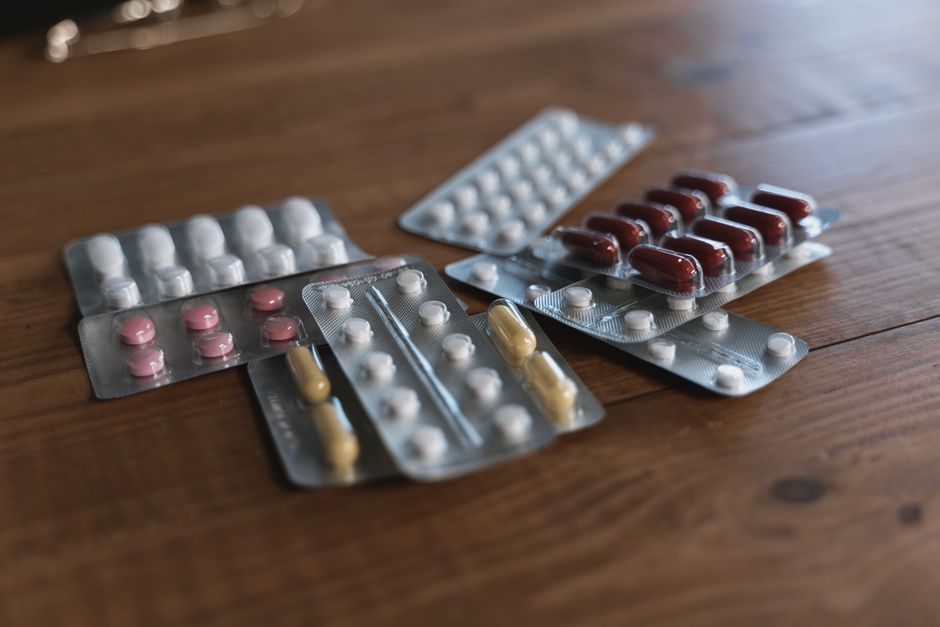
Yes. Several common medicines can reduce vaginal moisture, either by lowering estrogen or by drying mucous membranes throughout the body. If dryness began soon after starting something new, bring the packaging to your appointment. Do not stop a prescribed medicine on your own; often there is an alternative, or the dryness can be treated alongside it.
Hormonal birth control
Some pills and other methods; see birth control.
Anti-estrogen cancer drugs
Tamoxifen and aromatase inhibitors after breast cancer.
GnRH treatments
Used for endometriosis or fibroids.
Antihistamines & decongestants
Dry mucous membranes generally.
Some antidepressants
Can lower arousal and lubrication.
Acne medicines
Some oral acne treatments dry the skin and mucosa.
 Hommage · Gangnam
Hommage Women's Clinic · Gangnam, Seoul
Bring your medicines to the appointment so possible causes can be reviewed. Illustrative photo.
After menopause
Genitourinary syndrome of menopause (GSM): more than dryness
GSM is the medical name for the group of vaginal, vulvar and urinary changes caused by low estrogen after menopause. It replaced older terms such as vaginal atrophy and atrophic vaginitis because it covers the bladder and urethra too. Estimates of how many postmenopausal women have GSM range widely, from about 27% to 84% depending on the study, and the Menopause Society describes it as underdiagnosed and undertreated. It recommends that doctors ask about these symptoms in all perimenopausal and postmenopausal women, because many women do not raise them.
 Hommage · Gangnam
Hommage Women's Clinic · Gangnam, Seoul
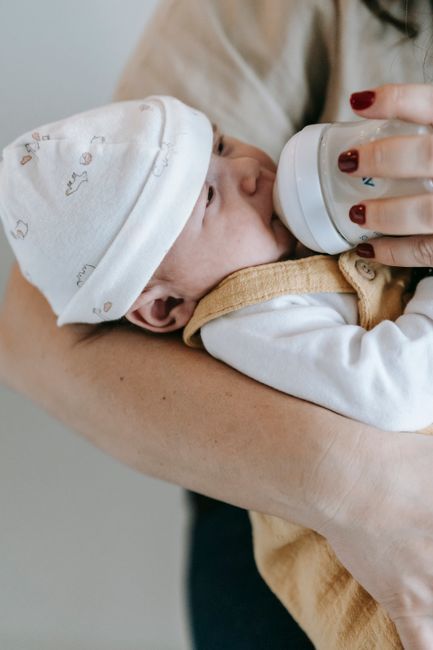
Low estrogen while breastfeeding often causes temporary dryness. Illustrative photo.
New mothers
Vaginal dryness after childbirth and while breastfeeding
Many new mothers are surprised by dryness and pain when they resume sex. While you breastfeed, the hormone prolactin keeps estrogen low, which thins and dries the vaginal tissue in a way similar to menopause, though temporary. Healing tears or stitches, tiredness and stress can add to discomfort.
For most women, dryness eases after weaning or once periods return. In the meantime, a generous water- or silicone-based lubricant and a regular vaginal moisturizer usually help, and low-dose vaginal estrogen is considered compatible with breastfeeding if needed. If pain is sharp, in one spot, or continues despite lubrication, have the area checked, as scar tissue or pelvic floor tension may be involved. Treatment options are compared on our vaginal dryness treatment page.
Self-check
Vaginal dryness self-check: is it time to see a doctor?
Use this quick check to decide whether home care is enough for now or whether an appointment makes sense. It is not a diagnosis, and any red flag means you should be seen promptly.
Home care may be enough
- Mild dryness only during sex
- Clear trigger (new soap, short illness, breastfeeding)
- Improves with a lubricant
Book an appointment
- Lasting more than a few weeks
- Pain during sex or daily soreness
- Urgency or repeat urinary infections
- Started with a new medicine
Be seen promptly
- Any bleeding after menopause
- Strong smell, fever or pelvic pain
- Sores, blisters, white patches or a lump
 Hommage · Gangnam
Hommage Women's Clinic · Gangnam, Seoul
Many women wait years before asking about dryness; it is common and treatable. Illustrative photo.
Evidence
How common is vaginal dryness? What the research says
Most research on vaginal dryness focuses on women after menopause. Estimates vary because studies use different definitions and many women do not report symptoms. These are the key findings from menopause society guidance.
GSM prevalence
Range of estimates in postmenopausal women.
Menopause Society, 2020Bothersome GSM
Postmenopausal women reporting bothersome symptoms.
Korean Society of Menopause, 2025Six months after a first baby
First-time mothers reporting lack of vaginal lubrication at 6 months postpartum (35% at 12 months) in an Irish cohort of 832 women; breastfeeding was linked with higher odds at 6 months.
O'Malley et al. (MAMMI study), BMC Pregnancy Childbirth 2018Breastfeeding and thin tissue
Vaginal atrophy found on examination after birth in breastfeeding vs non-breastfeeding women in a study of 117 new mothers.
Lev-Sagie et al., J Low Genit Tract Dis 2020Screen every woman
The Menopause Society endorses asking all peri- and postmenopausal women about GSM.
Menopause Society, 2020Without treatment
Unlike hot flashes, GSM tends to continue or worsen over time.
Menopause Society, 2020; NICE 2024 Hommage · Seoul
Hommage Women's Clinic · Gangnam, Seoul
Seoul: the clinic is in Gangnam, a short walk from Sinnonhyeon Station. Illustrative photo.
Traveling to Seoul
Seeing a female gynecologist in Seoul about vaginal dryness
For expat women and visitors, finding a female gynecologist who speaks plainly about intimate symptoms can be the hardest part. At Hommage Women's Clinic in Gangnam, consultations are private and led by Dr. Park Yuna, a female OB/GYN specialist.
- Contact first: send your questions by WhatsApp, KakaoTalk or the contact form, and ask for language support if needed.
- Bring: passport or residence card, a list of medicines (including the pill or any cancer treatment) and products you use.
- Time needed: usually one visit; swab results, if needed, may take a few days and can be shared with you remotely.
- After you leave: keep the written plan for your home doctor and check whether recommended products are available locally.
Choosing well
How to choose a gynecologist for vaginal dryness in Seoul
Use these questions at any clinic, including ours:
- Is the cause looked for first? Infection, medicines and skin conditions should be considered.
- Is the exam gentle and can it be paused? Your comfort should come first.
- Are simple options offered before procedures? Lubricants, moisturizers and vaginal estrogen come first.
- Is your medical history taken into account? Especially cancer treatment and breastfeeding.
- Is there a follow-up plan? So you know when and how to review progress.
What affects the cost of a vaginal dryness visit in Seoul?
Costs depend on the consultation, any tests needed (swabs, urine tests or pelvic ultrasound ), and the treatment chosen afterward. For patients enrolled in National Health Insurance, consultations, tests and many prescribed medicines are covered, while elective procedures are not. We explain costs before any test or treatment.
 Hommage · Gangnam
Hommage Women's Clinic · Gangnam, Seoul
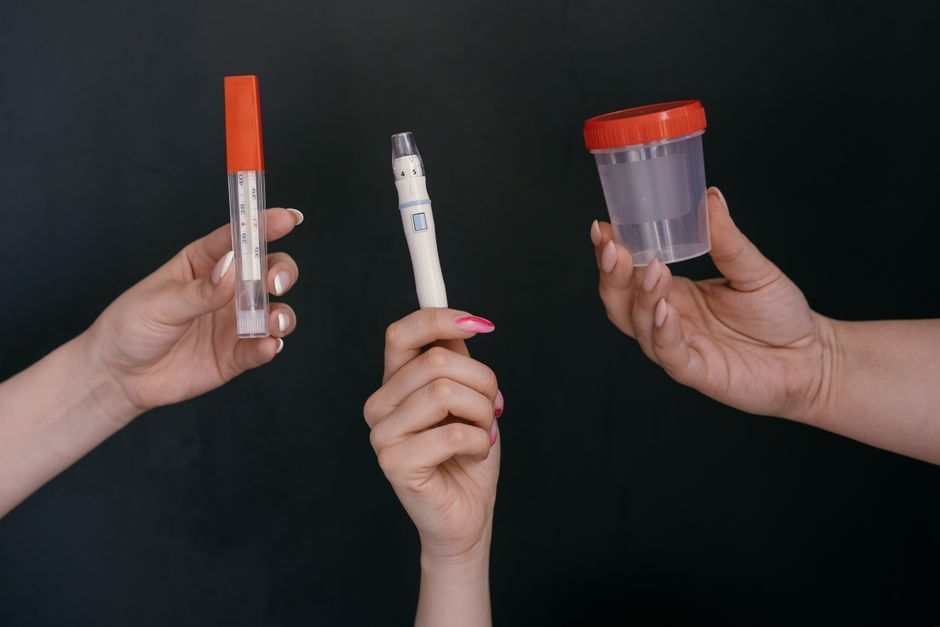
Simple tests rule out infection before dryness is treated. Illustrative photo.
Your visit
What to expect at your appointment
01
Private consultation
Dr. Park asks about your symptoms, cycle or menopause, medicines and sexual and urinary comfort.
02
Gentle exam
A pelvic exam checks the vaginal lining. Tell us if it is uncomfortable; we can pause at any time.
03
Tests if needed
Swabs, urine tests or an ultrasound to rule out infection or other causes.
04
Your plan
We explain the cause and agree on first steps, with a follow-up to check how treatment is working.

Your doctor
Dr. Park Yuna
Medical Director · OB/GYN Specialist
Dr. Park knows that many women find dryness hard to talk about, so she keeps consultations private and unhurried. She checks for infection and other causes first, so that treatment matches the real reason for your symptoms.
OB/GYN specialist (Korea) and representative director of Hommage Clinic. Leads the clinic's women's health care, from screening and infections to hormones, contraception and fertility checks.
Vaginal dryness: frequently asked questions
Can young women get vaginal dryness?
Yes. Vaginal dryness is not only a menopause problem. Breastfeeding, some birth control pills, antihistamines, certain antidepressants, stress, low arousal, intense exercise with missed periods and irritating soaps can all cause dryness in your 20s and 30s. A check-up helps find the reason.
Can birth control cause vaginal dryness?
Some women notice dryness on certain combined pills or other hormonal methods, possibly because they change hormone levels or lower libido. It does not happen to everyone. If you notice dryness after starting a new method, a different pill or a non-hormonal option may help; see birth control options.
Is vaginal dryness a sign of infection?
Not usually, but infections can cause similar itching, burning and discomfort. Dryness also makes infections and urinary tract infections more likely. If you have unusual discharge, a strong smell, sores or fever, see a doctor so swabs can be taken before you start treatment for dryness.
Does vaginal dryness go away on its own?
Dryness from breastfeeding, a medicine or a short stressful period often improves once the cause passes. Dryness from menopause usually does not go away and tends to get worse over time without treatment. Effective treatments are available, so there is no need to wait.
What can I use at home for vaginal dryness?
A water- or silicone-based lubricant during sex and a vaginal moisturizer used two to three times a week help many women. Avoid douching, scented soaps and wipes, and choose cotton underwear. If home measures are not enough after a few weeks, see our vaginal dryness treatment options.
Can foreigners see a female gynecologist in Seoul for vaginal dryness?
Yes. At Hommage Clinic in Gangnam, intimate health consultations are with Dr. Park Yuna, a female OB/GYN specialist. Bring your passport or residence card and a list of your medicines. Contact us before your visit if you need language support.
What is genitourinary syndrome of menopause (GSM)?
GSM is the medical term for vaginal, vulvar and urinary changes caused by low estrogen after menopause, including dryness, burning, pain during sex, urgency and repeat urinary infections. It replaced older terms such as vaginal atrophy. Studies estimate it affects between about 27% and 84% of postmenopausal women.
How can I tell dryness from a yeast infection?
Dryness usually causes little or no discharge, rawness and pain during sex, and comes on gradually. A yeast infection often causes intense itching with thick white discharge and starts more suddenly. Symptoms overlap, so a swab is the reliable way to tell. See yeast infection treatment.
Can stress or anxiety cause vaginal dryness?
Yes, indirectly. Stress, anxiety, tiredness and relationship difficulties can reduce arousal, which means less natural lubrication during sex. Very low energy intake or heavy training with missed periods can also lower estrogen. Addressing the cause and using a lubricant usually helps.
Is vaginal dryness after childbirth normal?
Yes, especially while breastfeeding, because prolactin keeps estrogen low. It usually improves after weaning or once periods return. A lubricant and vaginal moisturizer help in the meantime; if pain is sharp or continues, have healing tissue or pelvic floor tension checked.
Does vaginal dryness cause urinary symptoms?
It can. After menopause, low estrogen affects the urethra and bladder as well as the vagina, which can cause urgency, frequency and more urinary infections. These symptoms often improve with vaginal estrogen. See UTI treatment and urinary incontinence.
Which medicines can cause vaginal dryness?
Common examples include some hormonal birth control, tamoxifen and aromatase inhibitors, GnRH treatments for endometriosis or fibroids, antihistamines and decongestants, some antidepressants and some oral acne medicines. Do not stop a prescribed medicine on your own; ask whether there is an alternative or a treatment for the dryness.
What happens at a vaginal dryness appointment?
Dr. Park asks about your symptoms, cycle or menopause, medicines and sexual and urinary comfort, then performs a gentle exam that can be paused at any time. Swabs, urine tests or a pelvic ultrasound are added only when needed, and you leave with a clear plan.
References
Sources used for this page, reviewed by Dr. Park Yuna, OB/GYN specialist. Read our editorial and medical review policy.
- Faubion SS, Kingsberg SA, Clark AL, et al. The 2020 genitourinary syndrome of menopause position statement of The North American Menopause Society. Menopause. 2020;27(9):976–992. doi:10.1097/GME.0000000000001609. PubMed
- Korean Society of Menopause. The 2025 menopausal hormone therapy guidelines. J Menopausal Med. 2025;31(2):53–84. PMC
- National Institute for Health and Care Excellence. Menopause: identification and management (NG23). Updated November 2024.
- O'Malley D, Higgins A, Begley C, Daly D, Smith V. Prevalence of and risk factors associated with sexual health issues in primiparous women at 6 and 12 months postpartum; a longitudinal prospective cohort study (the MAMMI study). BMC Pregnancy Childbirth. 2018;18:196. doi:10.1186/s12884-018-1838-6
- Lev-Sagie A, Amsalem H, Gutman Y, et al. Prevalence and characteristics of postpartum vulvovaginal atrophy and lack of association with postpartum dyspareunia. J Low Genit Tract Dis. 2020;24(4):411–416. PubMed
This page is general information and does not replace a personal consultation. Illustrations are original works of Hommage Women's Clinic, Gangnam, Seoul; photos marked illustrative are not of patients.
Related intimate health care
Vaginal Dryness Treatment
Lubricants, moisturizers, vaginal estrogen and in-clinic options compared.
Painful Intercourse Treatment
Causes and treatment of pain during or after sex, from dryness to muscle tension.
Menopause Treatment
A full care plan for menopause symptoms, including vaginal and urinary changes.
Vaginal Infections
How to tell yeast, bacterial vaginosis and other infections apart, and when to get tested.
Low Estrogen Treatment
Causes and treatment of low estrogen at any age, a common reason for dryness.
Vaginal Laser Therapy
Medical laser treatment for dryness and menopause-related vaginal changes.
Talk privately about vaginal dryness
Book a consultation with Dr. Park Yuna, a female OB/GYN specialist in Gangnam, to find the cause and the right treatment.
Hommage Clinic · 4F, Building A, 509 Gangnam-daero, Seoul (near Sinnonhyeon Station) · Mon & Fri 10:00–20:00 · Tue–Thu 10:00–19:00 · Sat 10:00–15:00