
Cosmetic Gynecology · Vaginal health
Vaginal Rejuvenation in Seoul: Surgical and Non-Surgical Options
Vaginal rejuvenation is an umbrella term for treatments that aim to improve vaginal looseness, dryness or comfort, ranging from pelvic floor therapy and vaginal estrogen to lasers, injections and tightening surgery. At Hommage Clinic in Gangnam, Seoul, female OB/GYN specialist Dr. Park Yuna first finds the cause of your symptoms, then compares the options with you, including how strong the evidence is for each.
Quick answer
Vaginal rejuvenation is an umbrella term for treatments that aim to improve vaginal looseness, dryness or comfort. At Hommage Women's Clinic in Gangnam, Seoul, female OB/GYN specialist Dr. Park Yuna first finds the cause, then compares pelvic floor training, vaginal estrogen, laser or radiofrequency, injections and vaginoplasty with you. Non-surgical treatments usually mean avoiding sex for about 3–7 days; after vaginoplasty the wait is about 6–8 weeks. Evidence is strong for pelvic floor training and estrogen, and limited for lasers.
Key takeaways
- Looseness (usually after vaginal birth) and dryness (usually from low estrogen) are different problems with different first treatments.
- Start with the simplest option that has good evidence: pelvic floor training for looseness and leakage, moisturizers or vaginal estrogen for dryness.
- Lasers, radiofrequency, fillers and PRP have little downtime but modest, often temporary effects and limited evidence.
- Vaginoplasty gives the most noticeable, longest-lasting tightening, with several weeks of recovery.
Infographic
Vaginal rejuvenation in numbers
No sex after laser or RF
Typical wait after laser or radiofrequency treatment.
No sex after vaginoplasty
Only once Dr. Park confirms the wound has healed.
Pelvic floor training
Women with stress leakage were about 8 times as likely to report cure as untreated women (Cochrane, 2018).
Laser for menopause
A 2024 meta-analysis found benefit but rated the evidence low certainty.
FDA warning
Energy devices were not established as safe and effective for vaginal rejuvenation.
Stay in Seoul for surgery
Non-surgical treatments usually fit a short stay.
Vaginal rejuvenation at a glance
| Key fact | Details |
|---|---|
| What it covers | Looseness after childbirth, dryness after menopause, discomfort during sex, mild bladder leakage |
| Medical first steps | Pelvic floor training, vaginal moisturizers and low-dose vaginal estrogen |
| Non-surgical options | Lasers or RF, fillers, PRP; little downtime, milder effects that may need repeating |
| Surgical option | Vaginoplasty; the most noticeable tightening, with several weeks of recovery |
| Strength of evidence | Strong for surgery and estrogen; limited or emerging for lasers, PRP and stem cells |
| Reviewed by | Dr. Park Yuna, OB/GYN specialist |
Book an assessment if you have
- A loose or wide feeling at the vaginal opening since childbirth
- Dryness, burning or pain during sex since menopause or while breastfeeding
- Small leaks of urine when you cough, sneeze or exercise
- Lower confidence about intimacy that you would like to discuss privately
Seek prompt care instead if you have
- Bleeding after menopause or after sex, which needs investigation before any cosmetic treatment
- A bulge or heavy dragging feeling in the vagina, which may be prolapse
- Unusual discharge, sores or itching, which may be infection
What does vaginal rejuvenation mean?
"Vaginal rejuvenation" is a marketing term rather than a single medical procedure. It is used for treatments aimed at two quite different problems: looseness , usually from stretched muscles and tissue after vaginal childbirth, and dryness and thinning of the vaginal lining, usually from falling estrogen after menopause, while breastfeeding or with some medicines.
The right treatment depends on which problem you have, so the first step is a medical assessment rather than choosing a device. This page compares the main options. For dryness specifically, see our guide to causes of vaginal dryness , and for all intimate treatments, see the cosmetic gynecology overview .
Surgical vs non-surgical vaginal rejuvenation: which is right for you?
Most women start with medical and non-surgical options and consider surgery only if a structural problem remains.
For looseness after childbirth
- Pelvic floor treatment : guided exercises to strengthen the muscles. The recommended first step, with no side effects.
- Laser vaginal tightening : heat to the vaginal lining to stimulate collagen. Little downtime, but any effect is usually modest and temporary.
- Vaginal fillers : hyaluronic acid injected into the vaginal wall to add bulk. Temporary, with limited evidence.
- Vaginoplasty : surgery that repairs separated muscle and narrows the opening. The most noticeable and longest-lasting effect.
For dryness and thinning
- Vaginal moisturizers, lubricants and low-dose vaginal estrogen: well studied and the usual first-line treatment. See vaginal dryness treatment .
- Vaginal laser therapy : an option when estrogen is unsuitable or not enough; evidence is still developing.
- PRP and stem cell treatments : regenerative injections with limited, emerging evidence.
What does the evidence say?
Evidence varies a lot between treatments, and it is worth knowing before you choose.
- Strong: pelvic floor muscle training for muscle tone and bladder leakage, and vaginal estrogen for menopausal dryness.
- Established: vaginoplasty for structural looseness after childbirth, with the risks of any surgery.
- Developing: lasers for genitourinary syndrome of menopause (GSM). Some studies show improvement, but trials comparing laser with a sham treatment have mixed results, and long-term data are limited.
- Limited or emerging: radiofrequency or laser for tightening, fillers, PRP, the O-Shot and stem cell injections. Results vary between women.
In 2018 the US Food and Drug Administration (FDA) warned that energy-based devices had not been cleared for vaginal rejuvenation and that marketing them for such claims could cause harm, including burns and pain. ACOG likewise advises that these procedures are not medically indicated for cosmetic purposes and that women should be told about the limited evidence.
What happens at your consultation?
Dr. Park asks about your births, menopause, bladder control, sexual comfort and what you would most like to change. A pelvic exam checks muscle tone, the vaginal lining and any prolapse, and a swab or Pap test may be taken if due. Because infection, skin conditions and prolapse can cause similar symptoms, these are ruled out first.
You then hear which options fit your situation, what each can and cannot do, likely recovery and risks, and a written quote. Many women start with the simplest effective step and add treatments only if needed.
Recovery and risks by treatment type
Recovery and risks scale with how invasive the treatment is.
- Laser and radiofrequency: mild warmth, discharge or spotting for a few days; avoid sex for about 3–7 days. Rare risks include burns, scarring and ongoing pain.
- Fillers and PRP: swelling and tenderness for a few days; rare risks include infection, lumps and, for fillers, product entering a blood vessel.
- Vaginoplasty: soreness for 1–2 weeks and about 6–8 weeks before sex; risks include bleeding, infection, scarring and pain during sex if the vagina is made too narrow.
For any treatment, contact the clinic if you have fever, heavy bleeding, severe or worsening pain, or foul-smelling discharge.
Vaginal rejuvenation at Hommage Clinic
Hommage Clinic is a women's health and skin clinic in Gangnam, a short walk from Sinnonhyeon Station (Line 9 / Shinbundang Line). Dr. Park Yuna, a female OB/GYN specialist, assesses and treats you herself, so medical care such as menopause treatment and infection testing sits alongside cosmetic options. She recommends a device or procedure only after an exam, and explains when a simpler treatment is likely to be enough. See our complete guide to cosmetic gynecology in Korea for travel and safety tips.
Cosmetic vaginal procedures are not covered by Korea's National Health Insurance, while some medical care, such as treatment for infections or menopausal symptoms, may be covered for enrolled patients. You receive a written quote before any treatment.
Know the cause
Vaginal looseness or vaginal dryness? Why the cause decides the treatment
Women often use the words "vaginal rejuvenation" for two quite different feelings. The first is looseness : a wide or open feeling at the entrance, less friction during sex, air or water entering the vagina, or tampons that do not stay in place. This usually follows stretching of the pelvic floor muscles and the tissue around the vaginal opening during vaginal childbirth, and it can become more noticeable with age, weight change or long-term straining.
The second is dryness and thinning : burning, irritation, small tears or pain during sex, and sometimes more frequent urinary symptoms. This is usually caused by low estrogen, most often after menopause, while breastfeeding, or with some cancer treatments and hormonal medicines. Doctors call the menopausal form genitourinary syndrome of menopause (GSM).
Many women have a little of both, so Dr. Park examines muscle tone, the vaginal lining and the support of the vaginal walls before suggesting anything. The diagram below shows the usual first step for each path, and what comes next if that step is not enough.
 Hommage · Gangnam
Hommage Women's Clinic · Gangnam, Seoul
The first step is a private conversation about what you notice and when it started. Illustrative photo.
Compare options
Vaginal rejuvenation options compared: how invasive, and how well proven?
Every vaginal rejuvenation option sits somewhere on two scales: how invasive it is, and how strong the evidence is that it works. The most useful choice is usually the least invasive option with good evidence for your specific problem. Treatments further down the list below are not simply "stronger" versions of the ones above; they work in different ways and suit different problems.
For example, a laser cannot repair a separated muscle, and surgery does not treat a thin, dry lining caused by low estrogen. That is why Dr. Park matches the treatment to the cause rather than to a package, and why many women end up combining a simple medical step with one targeted procedure.
| Option | What it does | Downtime | How long it lasts |
|---|---|---|---|
| Pelvic floor training | Strengthens the muscles around the vagina, bladder and bowel | None | As long as you keep exercising |
| Moisturizers or vaginal estrogen | Restore moisture and thickness of the vaginal lining | None | While used; symptoms often return if stopped |
| Laser or radiofrequency | Heats the vaginal wall to stimulate collagen | Avoid sex about 3–7 days | Usually temporary; top-up sessions are often offered |
| Fillers or PRP | Injections that add volume or aim to support tissue repair | A few days to a week | Temporary; evidence is limited |
| Vaginoplasty | Repairs separated muscle and narrows the vaginal opening | About 6–8 weeks before sex | Long-lasting, though a later vaginal birth can stretch the tissue again |
 Hommage · Gangnam
Hommage Women's Clinic · Gangnam, Seoul
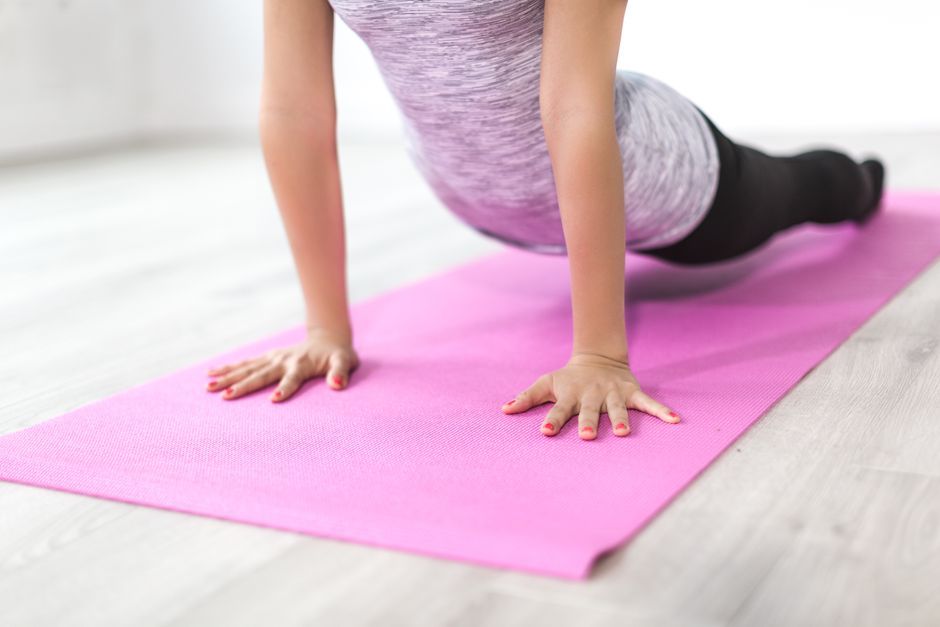
Regular, correct pelvic floor exercise is the foundation for every other treatment. Illustrative photo.
First step for looseness
Pelvic floor muscle training: the evidence-based first step
The pelvic floor is a sling of muscles that supports the bladder, uterus and bowel and surrounds the vagina. When these muscles are weak or poorly coordinated after childbirth, women often notice looseness, reduced sensation during sex and small leaks of urine when they cough, sneeze or exercise. Training them has no side effects and is the first treatment recommended for stress urinary incontinence.
In a Cochrane review of 31 trials with 1,817 women, women with stress incontinence who did pelvic floor muscle training were about eight times as likely to report being cured as women who had no treatment (56% vs 6%). Evidence that training improves the feeling of vaginal looseness itself is more limited, but stronger muscles are the foundation for any later treatment, including surgery.
Many women do the exercises incorrectly at first, for example by squeezing the buttocks or holding their breath. A check with a doctor or physiotherapist, sometimes with biofeedback, makes training more effective. Read more on our pelvic floor treatment , Kegel therapy and urinary incontinence pages.
- Find the right muscles Imagine stopping wind and the flow of urine at the same time. Use this only to learn the feeling, not as a routine exercise while urinating.
- Squeeze, lift and hold Hold for a few seconds while breathing normally, then relax fully before the next squeeze.
- Add quick squeezes Short, fast contractions train the muscles to react when you cough or jump.
- Keep going Practise several times a day and give it several months before judging the result.
- Ask for a check If you are unsure you are doing it right, a quick exam or biofeedback can confirm it.
Dryness after menopause
Vaginal dryness and menopause: moisturizer, estrogen or laser?
If your main problem is dryness, burning or pain during sex after menopause, the cause is usually thinning of the vaginal lining from low estrogen. Vaginal moisturizers used regularly, and lubricants during sex, help many women. Low-dose vaginal estrogen, used as a cream, tablet or ring, restores the thickness and moisture of the lining and is the usual first-line medical treatment. Because the dose is small and acts locally, it is different from whole-body hormone replacement therapy .
Vaginal laser is sometimes offered when estrogen is unsuitable, not wanted or not enough. The research is mixed: a 2024 meta-analysis of 12 randomized trials found improvements in dryness and pain during sex with CO2 laser but rated the certainty of the evidence as low, and a 2021 Australian trial of 85 women found no significant difference between real and sham laser after 12 months. Dr. Park explains these results before you decide. See vaginal laser therapy , menopause treatment and painful intercourse treatment .
Moisturizers & lubricants
Best for mild dryness or pain only during sex. No prescription needed.
Simple first stepVaginal estrogen
Best for ongoing dryness, burning and urinary symptoms after menopause.
Strong evidenceVaginal laser
An option when estrogen is unsuitable or not enough. Several sessions; effect may fade.
Evidence low certainty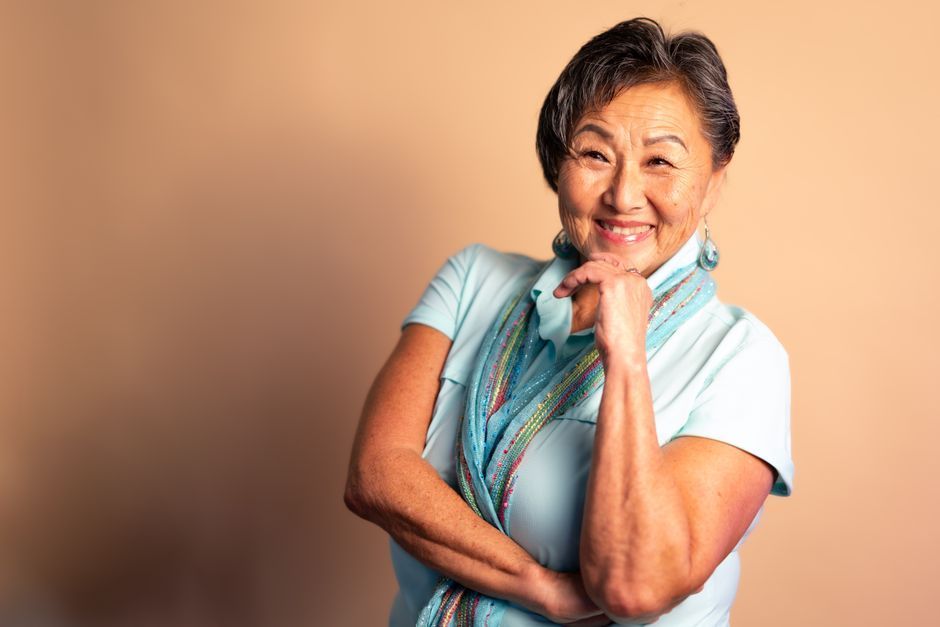 Hommage · Gangnam
Hommage Women's Clinic · Gangnam, Seoul
Dryness after menopause is common, and there are well-studied treatments for it. Illustrative photo.
Recovery
Vaginal rejuvenation recovery: how long before sex and exercise?
Downtime depends almost entirely on which treatment you have. Pelvic floor training and vaginal estrogen need no recovery at all. After laser or radiofrequency, most women go back to work the same day and avoid sex for about three to seven days. After injections, a few days to a week is usual. Vaginoplasty is real surgery: soreness lasts one to two weeks, and sex and hard exercise wait until about six to eight weeks, once Dr. Park confirms the wound has healed.
 Hommage · Gangnam
Hommage Women's Clinic · Gangnam, Seoul
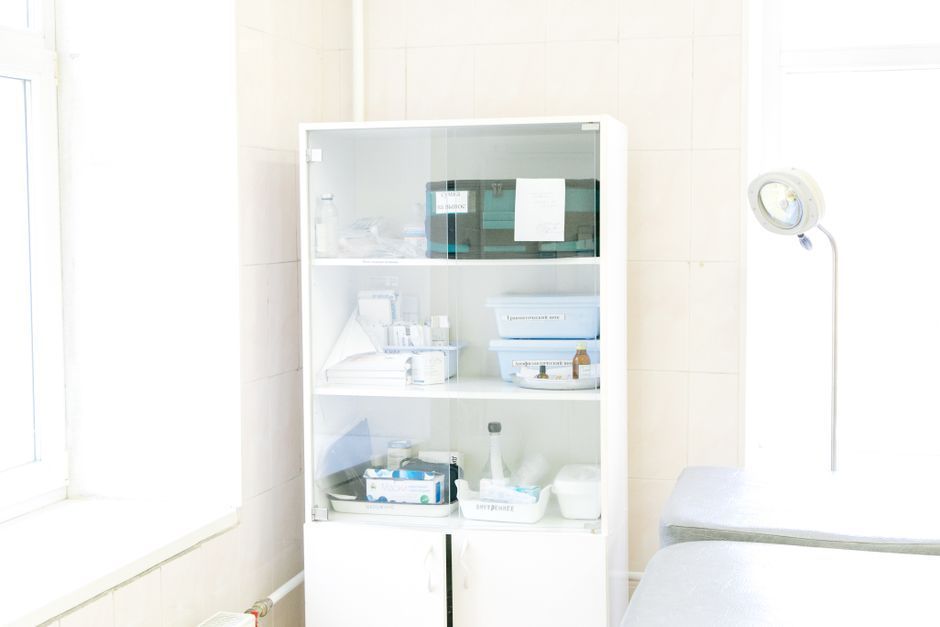
Any treatment is planned only after an exam confirms it is suitable. Illustrative photo.
Is it right for you?
Who is a good candidate for vaginal rejuvenation?
A good candidate has symptoms that genuinely bother her, a clear idea of what she would like to change, and realistic expectations about what each option can do. Being a candidate for one treatment does not mean you are a candidate for all of them: a woman with dryness after menopause may do very well with vaginal estrogen and need nothing else, while a woman with a widened opening after several births may need surgery for a lasting change.
Some problems should be treated, or at least investigated, before any rejuvenation procedure. The American College of Obstetricians and Gynecologists (ACOG) also advises that women be told about normal variation and about the limited evidence for procedures done only for appearance. If your concern comes mainly from a partner's comments or from comparing yourself with images online, Dr. Park will talk this through with you first.
Often a good fit
- Looseness, dryness or discomfort that affects daily life or sex
- Willing to start with pelvic floor or medical treatment
- Not planning another vaginal birth soon (mainly for surgery)
- Up to date with cervical screening
- Realistic expectations about results
Treat or check first
- Unusual discharge, sores or itching (possible infection)
- Bleeding after menopause or after sex
- A bulge or dragging feeling (possible prolapse)
- Pregnancy, or tissues still healing after a recent birth
- Pressure from someone else to have treatment
Evidence
Does vaginal rejuvenation work? What the research says
Research on vaginal rejuvenation is uneven. Pelvic floor training has been tested in many randomized trials. Energy devices have fewer, smaller trials, and some of the most careful ones compared the real treatment with a sham (switched-off) treatment and found smaller differences than earlier, uncontrolled studies suggested. Many device studies are funded by manufacturers. The cards below summarize the key findings that Dr. Park shares with patients.
Pelvic floor training
Women with stress leakage reporting cure with training vs no treatment (31 trials, 1,817 women overall).
Dumoulin et al., Cochrane Review, 2018CO2 laser vs sham
85 postmenopausal women, three sessions; symptoms at 12 months did not differ significantly from sham.
Li et al., JAMA, 2021Laser for GSM
CO2 laser improved dryness and pain during sex, but the certainty of evidence was rated low.
Rev Bras Ginecol Obstet, 2024Radiofrequency for laxity
Women given one active treatment were three times as likely as sham to report no laxity at 6 months; manufacturer-sponsored trial.
Krychman et al., J Sex Med, 2017Traveling to Seoul
Vaginal rejuvenation in Seoul for international patients
Women living abroad, or visiting Seoul, can have the full assessment and most non-surgical treatments during a short stay. Vaginoplasty needs a longer stay, around 10 to 14 days, so the wound can be checked before you fly. Hommage Women's Clinic is in Gangnam, a short walk from Sinnonhyeon Station (Line 9 and Shinbundang Line).
Before you book
- Send your questions and preferred dates by WhatsApp, KakaoTalk or the contact form, and ask for language support if you need it.
- Choose dates away from your expected period, as the exam and most treatments are easier outside menstruation.
- Bring your passport, a list of medicines and allergies, recent Pap or HPV results, and records of previous births or pelvic surgery.
- If you have dryness and use vaginal estrogen at home, bring the product name so treatment can be planned around it.
After you fly home
Keep the written aftercare guide with you and send questions to the clinic if anything worries you. For fever, heavy bleeding or rapidly increasing pain, see a local doctor straight away.
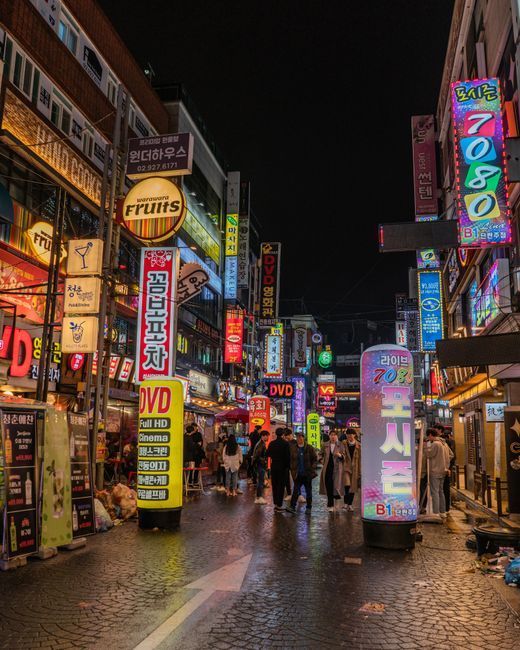 Hommage · Seoul
Hommage Women's Clinic · Gangnam, Seoul
Seoul: the clinic is in Gangnam, a short walk from Sinnonhyeon Station. Illustrative photo.
 Hommage · Gangnam
Hommage Women's Clinic · Gangnam, Seoul
You receive a written plan and quote before deciding. Illustrative photo.
Choosing well
How to choose a vaginal rejuvenation clinic in Seoul
Gangnam has many clinics advertising vaginal tightening and rejuvenation packages. Use these questions at any consultation, including ours:
- Is a gynecologist examining me first? Looseness, dryness, infection and prolapse can feel similar; only an exam tells them apart.
- Do they explain the evidence for each option? A good answer includes what is unproven, not only what is new.
- Do they offer simple steps before devices? Pelvic floor training and vaginal estrogen should be part of the conversation.
- Who performs the treatment? The doctor who examines you should plan and supervise it.
- How many sessions, and what if it does not help? Ask before you pay for a package.
- Do I get a written quote and aftercare plan? Both should come before you decide.
What affects the cost of vaginal rejuvenation in Seoul?
The cost depends mainly on which treatment you choose, how many sessions are planned (lasers and radiofrequency are often given as a course), the product and amount used for injections, and, for vaginoplasty, the extent of repair and the type of anesthesia. Combining procedures, such as vaginoplasty with labiaplasty , also changes the total. Tests such as a Pap smear or infection screening are listed separately. Cosmetic vaginal procedures are not covered by Korea's National Health Insurance, and you receive a written quote before any treatment.
Your visit
From first visit to treatment plan
01
Private consultation
Dr. Park asks about childbirth, menopause, bladder control, comfort during sex and your goals.
02
Pelvic examination
An exam checks muscle tone, the vaginal lining and prolapse, with tests for infection if needed.
03
Options compared
You hear which medical, non-surgical and surgical options fit, with the evidence for each and a written quote.
04
Treatment and review
Start with the simplest effective step, then review progress and add or change treatment as needed.

Your doctor
Dr. Park Yuna
Medical Director · OB/GYN Specialist
Dr. Park starts by working out whether your main concern is looseness, dryness or bladder control, because each needs a different approach. She explains the evidence behind each option plainly, usually begins with pelvic floor and medical treatment, and recommends lasers, injections or surgery only when they are likely to help.
OB/GYN specialist (Korea) and representative director of Hommage Clinic. Leads women's health care, labiaplasty and other cosmetic gynecology procedures.
Vaginal rejuvenation: frequently asked questions
Does vaginal rejuvenation really work?
It depends on the treatment and the problem. Pelvic floor training and vaginal estrogen have strong evidence for muscle tone and menopausal dryness, and vaginoplasty reliably tightens a structurally widened vagina. Evidence for lasers, radiofrequency, fillers, PRP and stem cells is limited or still emerging, and results vary between women.
Is vaginal rejuvenation safe?
Treatments are generally safe when an experienced gynecologist selects and performs them after an exam, but none is free of risk. Lasers can rarely cause burns or pain, injections can cause infection or lumps, and surgery carries bleeding, infection and scarring risks. In 2018 the US FDA warned against marketing energy devices for vaginal rejuvenation claims without supporting evidence.
What is the difference between vaginal rejuvenation and vaginoplasty?
Vaginal rejuvenation is a broad term covering any treatment for vaginal looseness, dryness or comfort, including lasers, injections and surgery. Vaginoplasty is a specific operation that repairs separated muscles and narrows the vaginal opening. It gives the most noticeable tightening but needs several weeks of recovery. See our vaginoplasty page for details.
Can vaginal rejuvenation help with bladder leakage?
Pelvic floor muscle training is the most effective first treatment for stress urinary incontinence, the leaking that happens with coughing or exercise. Some studies suggest vaginal lasers may help mild leakage, but evidence is limited. Persistent leakage should be assessed properly. Read more about urinary incontinence.
When can I have sex after non-surgical vaginal rejuvenation?
After laser or radiofrequency treatment, most women wait about 3–7 days. After fillers or PRP injections, a few days to a week is usual, depending on the area treated. After vaginoplasty, the wait is much longer, usually around 6–8 weeks. Dr. Park gives you specific aftercare for the treatment you have.
Can foreigners get vaginal rejuvenation in Seoul?
Yes. International patients and foreign residents can book a consultation at Hommage Clinic in Gangnam. Bring your passport and a list of your medicines, and contact us before your visit to arrange language support. Non-surgical treatments usually fit into a short stay, while surgery needs around 10–14 days in Seoul for follow-up.
How do I know if I have vaginal looseness or vaginal dryness?
Looseness usually feels like a wide or open entrance, less friction during sex, or air or water entering the vagina, and often starts after vaginal childbirth. Dryness usually feels like burning, irritation or pain during sex and often starts around menopause or while breastfeeding. Many women have some of both. A pelvic exam by a gynecologist is the reliable way to tell them apart.
Is laser or surgery better for vaginal looseness?
They do different things. Laser and radiofrequency heat the vaginal lining and may give a mild, usually temporary improvement with little downtime. Vaginoplasty repairs separated muscle and narrows the opening, giving a more noticeable and longer-lasting change but with weeks of recovery. Pelvic floor training is recommended before either.
How many sessions of laser vaginal rejuvenation are needed?
Courses in published studies usually involve around three sessions several weeks apart, sometimes followed by top-up sessions. In a 2021 trial of 85 postmenopausal women, three CO2 laser sessions did not improve symptoms significantly more than sham treatment at 12 months, so Dr. Park discusses whether laser is likely to help you before planning a course. See laser vaginal tightening.
Can I have vaginal rejuvenation if I plan more children?
Pelvic floor training, moisturizers and most non-surgical treatments do not affect future pregnancy. Surgery is usually best delayed until you have finished having children, because a later vaginal birth can stretch the repaired tissue again. Treatments are not given during pregnancy.
Does vaginal rejuvenation improve sexual satisfaction?
Some women report better comfort and confidence after treatment, especially when pain from dryness is treated or a structural gap is repaired. However, sexual satisfaction depends on many factors, including desire, relationship and general health, and no procedure can promise it. If low desire is the main concern, see our page on low sex drive.
Is vaginal rejuvenation covered by insurance in Korea?
Cosmetic vaginal procedures are not covered by Korea's National Health Insurance. Some medical care, such as treatment for infections, menopausal symptoms or incontinence, may be covered for enrolled patients depending on the situation. You receive a written quote before any treatment.
Does vaginal estrogen count as vaginal rejuvenation?
It is not usually marketed that way, but for dryness after menopause it is often the most effective treatment. Low-dose vaginal estrogen restores moisture and thickness of the lining with very little absorbed into the body. Dr. Park can explain whether it is suitable for you, including if you have a history of breast cancer. See vaginal dryness treatment.
References
Sources used for this page, reviewed by Dr. Park Yuna, OB/GYN specialist. Read our editorial and medical review policy.
- US Food and Drug Administration. FDA warns against use of energy-based devices to perform vaginal 'rejuvenation' or vaginal cosmetic procedures: FDA Safety Communication. 30 July 2018. Summary (IUGA)
- American College of Obstetricians and Gynecologists. Elective female genital cosmetic surgery. Committee Opinion No. 795. Obstet Gynecol. 2020;135(1):e36–e42.
- Dumoulin C, Cacciari LP, Hay-Smith EJC. Pelvic floor muscle training versus no treatment, or inactive control treatments, for urinary incontinence in women. Cochrane Database Syst Rev. 2018;CD005654. Cochrane
- Li FG, Maheux-Lacroix S, Deans R, et al. Effect of fractional carbon dioxide laser vs sham treatment on symptom severity in women with postmenopausal vaginal symptoms: a randomized clinical trial. JAMA. 2021;326(14):1381–1389.
- Laser therapy for genitourinary syndrome of menopause: systematic review and meta-analysis of randomized controlled trials. Rev Bras Ginecol Obstet. 2024;46:e-rbgo38. DOAJ
- Krychman M, et al. Effect of single-treatment, surface-cooled radiofrequency therapy on vaginal laxity and female sexual function: the VIVEVE I randomized controlled trial. J Sex Med. 2017;14(2):215–225.
This page is general information and does not replace a personal consultation. Illustrations are original works of Hommage Women's Clinic, Gangnam, Seoul; photos marked illustrative are not of patients.
Explore vaginal treatments
Vaginoplasty
Surgical tightening of the vaginal canal and entrance after childbirth.
Laser Vaginal Tightening
Non-surgical heat treatment for mild looseness, and what to expect realistically.
Vaginal Laser Therapy
Laser for menopausal dryness and mild bladder leakage, and the current evidence.
Vaginal Dryness Treatment
Moisturizers, vaginal estrogen and other treatments for dryness compared.
Pelvic Floor Treatment
Strengthening pelvic floor muscles, the first step for looseness and leakage.
Menopause Treatment
Care for hot flashes, sleep, mood and vaginal changes during menopause.
Find the right option for your body
Book a private consultation with Dr. Park Yuna in Gangnam. She will find the cause of your symptoms and compare medical, non-surgical and surgical options with you.
Hommage Clinic · 4F, Building A, 509 Gangnam-daero, Seoul (near Sinnonhyeon Station) · Mon & Fri 10:00–20:00 · Tue–Thu 10:00–19:00 · Sat 10:00–15:00