
Women's health · Menopause symptoms
Hot Flashes and Night Sweats: Treatment Options in Gangnam, Seoul
A hot flash is a sudden wave of heat over the face, neck and chest, often with sweating and a racing heartbeat, caused mainly by falling estrogen around menopause; night sweats are hot flashes during sleep. At Hommage Clinic in Gangnam, Seoul, OB/GYN specialist Dr. Park Yuna checks the cause and compares hormonal and non-hormonal treatments with you.
Quick answer
Hot flashes treatment reduces the sudden heat, sweating and night sweats caused mainly by falling estrogen around menopause. At Hommage Women's Clinic in Gangnam, Seoul, female OB/GYN specialist Dr. Park Yuna first checks the cause, then compares hormone therapy, which cuts hot flashes by about three-quarters, with non-hormonal medicines and CBT. Most treatments show an effect within 2–4 weeks, with a review after about 2–3 months.
Key takeaways
- Hot flashes last a median of about 7 years, and longer when they start early in perimenopause.
- Hormone therapy is the most effective option for healthy women under 60 or within 10 years of menopause.
- If you cannot or prefer not to use hormones, SSRIs/SNRIs, gabapentin, newer NK3 blockers and CBT all have evidence.
- Soy, herbs, yoga and acupuncture have not been shown to reliably reduce hot flashes.
Infographic
Hot flashes in numbers
Each episode
Typical length of a single hot flash.
Median duration
Total years of hot flashes in the SWAN study.
Korean women
Share of early postmenopausal women with hot flashes in a Korean study.
Fewer with hormones
Reduction with standard-dose hormone therapy.
Time to effect
Most medicines start to help within this window.
First review
Check what is working and adjust.
Hot flash treatment at a glance
| Key fact | Details |
|---|---|
| What it is | Sudden heat, flushing and sweating, usually lasting 1–5 minutes, often with chills afterward |
| Common cause | Falling estrogen in perimenopause and menopause; also some medicines and thyroid problems |
| How it's assessed | Symptom and cycle history, blood pressure, and blood tests when the cause is unclear |
| Treatment options | Hormone therapy, SSRIs/SNRIs, gabapentin, newer NK3 blockers, CBT and lifestyle changes |
| When it helps | Most medicines show an effect within 2–4 weeks; hormone therapy is usually the most effective |
| Reviewed by | Dr. Park Yuna, OB/GYN specialist |
Book an assessment if you have
- Hot flashes or night sweats that wake you, disrupt work or leave you exhausted
- Hot flashes before age 45, or with periods that have stopped early
- Flushing while taking breast cancer medicines such as tamoxifen
- Tried lifestyle changes or supplements without enough relief
Seek urgent care instead if you have
- Sweating with chest pain, shortness of breath or fainting
- Fever, drenching night sweats and weight loss you cannot explain
- Flushing with a severe headache, pounding heartbeat and very high blood pressure
What causes hot flashes?
Hot flashes happen when falling estrogen disturbs the brain's temperature control center in the hypothalamus. The range of temperatures your body treats as “normal” narrows, so a tiny rise in core temperature triggers a sudden effort to cool down: blood vessels in the skin widen, you flush and sweat, and your heart beats faster.
Researchers have found that a brain signal called neurokinin B becomes overactive when estrogen drops, which is why newer non-hormonal medicines target it. Up to about 80% of women have hot flashes during the menopause transition, and they last around seven years on average. They are one part of the wider picture covered on our menopause treatment page.
Is it menopause or something else?
In women over 45 with changing periods, hot flashes are almost always due to the menopause transition. Other causes are worth checking when the pattern is unusual:
- Early estrogen loss from premature ovarian insufficiency, surgery or cancer treatment. See low estrogen treatment .
- Medicines such as tamoxifen, aromatase inhibitors, some antidepressants and GnRH drugs used for endometriosis or fibroids.
- An overactive thyroid , infection, or, rarely, hormone-secreting tumors.
- Skin flushing from rosacea, which tends to be triggered by heat, alcohol or spicy food and stays on the face.
Dr. Park may arrange hormone testing and a thyroid check if you are under 45, your periods are still regular, or your symptoms do not fit.
Hormone therapy vs non-hormonal treatment: which is right for you?
Hormone therapy is the most effective treatment for hot flashes, reducing how often they happen by roughly three-quarters in studies. Non-hormonal medicines help less on average, but they are a good choice if you cannot or prefer not to take hormones.
Hormone therapy
Estrogen, given as a tablet, skin patch or gel, with a progestogen if you still have a uterus. For most healthy women under 60 or within 10 years of menopause, the benefits outweigh the risks. Our hormone replacement therapy page explains the risks in detail.
Non-hormonal medicines
- SSRIs and SNRIs such as low-dose paroxetine, escitalopram or venlafaxine. They work within a few weeks and can also help mood.
- Gabapentin , often taken at bedtime, which can be useful when night sweats break up sleep.
- NK3 receptor blockers such as fezolinetant, which act directly on the brain's temperature center. They are approved in the US and Europe; ask us whether they are available in Korea at the time of your visit.
- Oxybutynin , a bladder medicine that reduces sweating, used selectively because of side effects in older women.
What can I do myself to reduce hot flashes?
Simple changes will not stop hot flashes completely, but they can reduce how much they bother you. Cognitive behavioral therapy (CBT) and clinical hypnosis have good evidence for making hot flashes less disruptive, and losing weight helps some women.
- Dress in layers, keep your bedroom cool and use a fan at night.
- Notice your triggers, which often include alcohol, caffeine, spicy food, hot drinks and stress.
- Stop smoking, which is linked with more frequent hot flashes.
Evidence for supplements such as soy, black cohosh or evening primrose oil is weak or inconsistent, and some can interact with other medicines, so tell us about anything you take.
Risks and possible side effects
Every treatment has trade-offs, and Dr. Park explains them for your health history before you start. Hormone therapy can cause breast tenderness, bloating or spotting at first; combined therapy carries a small rise in breast cancer risk with longer use, and estrogen tablets slightly raise the risk of blood clots and stroke. It is usually not suitable after breast cancer, a clot or a stroke.
SSRIs and SNRIs can cause nausea, sleep changes, dizziness or lower sex drive, and paroxetine should not be combined with tamoxifen. Gabapentin can cause drowsiness and dizziness. Fezolinetant has been linked with rare liver injury, so liver blood tests are needed before and during the first months of treatment. Call the clinic if you notice yellowing of the skin or eyes, dark urine, bleeding after menopause or side effects that do not settle.
Hot flash care at Hommage Clinic
Hommage Clinic is a women's clinic in Gangnam, a short walk from Sinnonhyeon Station. Your assessment is done by Dr. Park Yuna, a female OB/GYN specialist, who looks at hot flashes alongside sleep, mood, vaginal comfort and bone health rather than in isolation. Blood tests and ultrasound can be arranged in the same visit when needed, and related concerns are covered on our cosmetic and functional gynecology pages.
If you are enrolled in Korea's National Health Insurance, consultations, many tests and prescribed medicines for menopause symptoms are usually covered; visitors without coverage pay the clinic's fees directly. We explain costs before any test or prescription.
Mechanism
What happens in your body during a hot flash?
Your brain keeps core temperature inside a comfortable band, sometimes called the thermoneutral zone. When estrogen falls, that band narrows, so a tiny rise in temperature that you would not normally notice is treated as overheating. The brain then fires a rapid cooling response: skin blood vessels widen, you flush and sweat, and your heart speeds up. Because you have cooled too much, a chill often follows. Each treatment works at a different point in this chain.
Duration
How long do hot flashes last? What the SWAN study found
The US Study of Women's Health Across the Nation (SWAN) followed 1,449 women of different ethnic backgrounds through the menopause transition. The median total duration of frequent hot flashes was 7.4 years, and they continued for a median of 4.5 years after the final period. Timing of onset mattered most: women whose hot flashes began before or early in perimenopause had them for more than 11.8 years, while those who started after menopause had them for about 3.4 years. East Asian women in the study tended to have shorter durations, though individual experience varies widely. In a Korean study of women aged 40 to 60, hot flashes affected about 42% in perimenopause and 53% in early postmenopause.
Compare options
Best treatment for hot flashes: how the options compare
In 2023 the Menopause Society reviewed every non-hormonal approach studied since 2015 and sorted them into recommended and not recommended. Combined with the hormone therapy evidence, that gives a clear picture of what is worth trying. The infographic groups treatments by strength of evidence, not by brand; Dr. Park then matches them to your health and preferences.
Night sweats
Night sweats treatment: getting your sleep back
Night sweats are hot flashes that happen during sleep, and for many women they are the most disruptive symptom because broken sleep spills into mood, concentration and energy the next day. Treating the hot flashes themselves usually helps sleep the most. Gabapentin taken at bedtime can be useful when night-time symptoms dominate, and the UK's NICE guideline (2024) recommends menopause-specific CBT, which has evidence for both hot flashes and sleep problems, alongside or instead of hormones.
Simple measures can make nights more comfortable even if they do not reduce the number of hot flashes:
- keep the bedroom cool, use a fan and layered, breathable bedding
- keep a glass of cold water by the bed
- limit alcohol and caffeine in the evening
- keep regular sleep and wake times
Drenching sweats with fever, weight loss or swollen glands are not typical of menopause and should be checked promptly.
 Hommage · Gangnam
Hommage Women's Clinic · Gangnam, Seoul
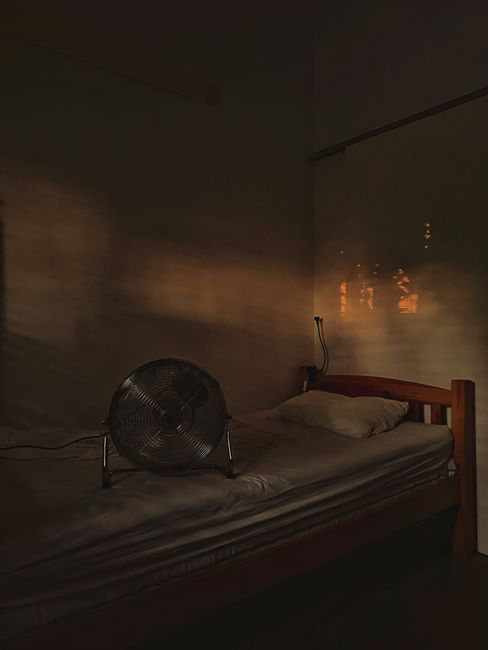
A cool bedroom makes night sweats more bearable, but medical treatment helps most. Illustrative photo.
 Hommage · Gangnam
Hommage Women's Clinic · Gangnam, Seoul
A two-week symptom diary helps choose and later measure treatment. Illustrative photo.
Before your visit
Keep a hot flash diary: what to record
A simple two-week record makes your consultation far more useful. It shows how often hot flashes happen, how severe they are and what sets them off, and it gives a baseline so that at your 2–3 month review you can see clearly whether treatment is working.
- How many per day and night Count daytime hot flashes and how often night sweats wake you.
- How bad, on a 1–3 scale Mild (warm), moderate (sweating), severe (have to stop what you are doing).
- Possible triggers Alcohol, coffee, spicy or hot food, stress, warm rooms.
- Your periods Dates and any unusual bleeding.
- Medicines and supplements Including anything for breast cancer, mood or bladder.
Your situation
Non-hormonal hot flash treatment after breast cancer or when you cannot take estrogen
Hot flashes are common during and after breast cancer treatment, especially with tamoxifen or aromatase inhibitors, and they can be intense. Systemic hormone therapy is generally not recommended after breast cancer, so care focuses on non-hormonal options such as menopause-specific CBT, which does not involve any medicine. Among medicines, the choice depends on your cancer treatment: paroxetine can reduce tamoxifen's effect, so alternatives such as venlafaxine or gabapentin are often preferred. Dr. Park coordinates the plan with your oncology team.
The same non-hormonal approach suits women who have had a blood clot, stroke or heart attack, or who simply prefer to avoid hormones. Vaginal dryness after breast cancer is treated separately; seevaginal dryness treatment.
 Hommage · Gangnam
Hommage Women's Clinic · Gangnam, Seoul
Menopause-specific CBT is a non-hormonal option with evidence for hot flashes and sleep. Illustrative photo.
Evidence
Hot flash treatments: what the research says
Hot flashes are among the best-studied menopause symptoms, with long-term cohort studies and many randomized trials. The figures below come from those sources; they are averages, and the right option for you depends on your health history.
Median duration
1,449 women; 4.5 years after the final period.
Avis et al., JAMA Intern Med, 2015Hormone therapy
Reduction at standard dose; about 65% at low dose.
Korean Society of Menopause, 2025Fezolinetant 45 mg
Reduction in phase 3 trials, significantly more than placebo.
Phase 3 trials, summarized 2023Asian women affected
Reported range in Asia, versus 36–74% in Western countries.
Korean Society of Menopause, 2025Return after stopping HT
Hot flashes recur in up to 87% after stopping hormone therapy.
Korean Society of Menopause, 2025Traveling to Seoul
Hot flashes treatment in Seoul for international patients
Expat women and visitors can be assessed and start treatment for hot flashes at Hommage Women's Clinic in Gangnam, a short walk from Sinnonhyeon Station.
- Contact first: send your dates and questions by WhatsApp, KakaoTalk or the contact form, and ask for language support if needed.
- Bring: passport or residence card, a list of medicines and supplements, a two-week hot flash diary if you can, and recent screening results.
- Time needed: usually one visit; allow an extra day if blood tests (thyroid, liver or hormone tests) are needed before prescribing.
- Follow-up: a review after 2–3 months, in Seoul or with your home doctor using your written plan. Check whether the same medicine is available at home before you leave.
 Hommage · Seoul
Hommage Women's Clinic · Gangnam, Seoul
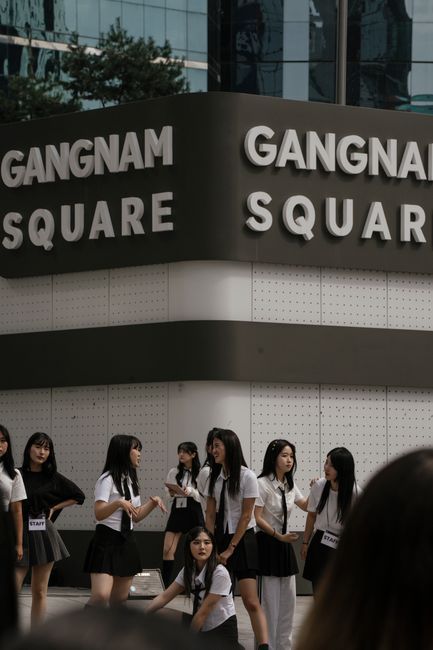
Gangnam: the clinic is near Sinnonhyeon Station. Illustrative photo.
 Hommage · Gangnam
Hommage Women's Clinic · Gangnam, Seoul
Hormonal and non-hormonal options are compared side by side. Illustrative photo.
Choosing well
How to choose a clinic for hot flash treatment in Seoul
Use these questions at any clinic, including ours:
- Do they check for other causes? Thyroid problems and medicines can mimic menopause.
- Are hormonal and non-hormonal options both offered? You should be able to choose.
- Do they review your other medicines? Some combinations, such as paroxetine with tamoxifen, should be avoided.
- Is follow-up planned? A review after 2–3 months shows whether treatment is working.
- Are claims realistic? Be wary of supplements or 'detox' packages promising cures.
What affects the cost of hot flash treatment in Seoul?
Costs depend on whether tests are needed (for example hormone testing , thyroid or liver blood tests), the medicine chosen and how long a supply you need, and the number of follow-up visits. Many consultations, tests and prescribed medicines are covered for patients enrolled in National Health Insurance; visitors without coverage pay directly. We explain costs before any test or prescription.
Your visit
What to expect at your hot flash consultation
01
Symptom review
Bring a rough record of how often hot flashes happen, what triggers them and how they affect your sleep.
02
Health check
Dr. Park reviews your periods, medicines, family history and blood pressure, and orders tests only if needed.
03
Choosing treatment
We compare hormonal and non-hormonal options against your health history and preferences.
04
Review
A follow-up after about 2–3 months to check how well treatment is working and adjust it.

Your doctor
Dr. Park Yuna
Medical Director · OB/GYN Specialist
Dr. Park starts by finding out how much hot flashes are affecting your sleep and daily life, then explains both hormonal and non-hormonal options honestly so you can choose what fits your health and comfort with risk.
OB/GYN specialist (Korea) and representative director of Hommage Clinic. Leads the clinic's women's health care, from screening and infections to hormones, contraception and fertility checks.
Hot flashes: frequently asked questions
How long do hot flashes last?
Each hot flash usually lasts one to five minutes. The phase of life in which they occur lasts about seven years on average, and some women have them for more than ten years, especially if they started early in perimenopause. Treatment can be stopped or reduced later to check whether you still need it.
Can you have hot flashes without menopause?
Yes. Hot flashes can be caused by early loss of ovarian function, certain medicines such as tamoxifen, an overactive thyroid, infection or, rarely, other hormone problems. If you are under 45 or your periods are still regular, a check-up and blood tests are worthwhile. See low estrogen treatment.
What is the most effective non-hormonal treatment for hot flashes?
Low-dose SSRIs or SNRIs, gabapentin and newer NK3 receptor blockers such as fezolinetant all reduce hot flashes, with the NK3 blockers acting most directly on the cause. The right choice depends on your other health conditions, medicines and side effects, so it is decided with your doctor.
Do black cohosh or soy supplements help hot flashes?
The evidence is weak and inconsistent, and major menopause societies do not recommend them as treatment. Black cohosh has been linked with rare liver problems, and supplement quality varies. If you want to try one, tell your doctor so it can be checked against your other medicines.
Can I treat hot flashes after breast cancer?
Yes, but usually without estrogen. Options include CBT, SSRIs or SNRIs that do not interfere with tamoxifen, gabapentin and possibly NK3 receptor blockers. Dr. Park coordinates the choice with your cancer team and avoids medicines, such as paroxetine, that reduce tamoxifen's effect.
Can foreigners get hot flash treatment in Seoul?
Yes. International patients and foreign residents can book a consultation at Hommage Clinic; bring your passport or residence card and a list of any medicines you take. If you need help with language, contact us before your visit so we can arrange support.
Why do I get hot flashes at night?
Night sweats are simply hot flashes that happen during sleep. A warm bedroom, heavy bedding, alcohol in the evening and stress can make them more likely. Treating the hot flashes usually improves sleep the most; bedtime gabapentin and menopause-specific CBT can also help.
Does exercise reduce hot flashes?
Trials reviewed by the Menopause Society in 2023 did not show that exercise or yoga reliably reduce hot flashes. Exercise is still strongly recommended for bone, heart, mood and sleep. Weight loss, on the other hand, may reduce hot flashes for some women.
What is fezolinetant and is it safe?
Fezolinetant is a non-hormonal tablet that blocks the NK3 receptor in the brain's temperature center. In phase 3 trials the 45 mg dose reduced hot flashes by about 65%, more than placebo. It can rarely cause liver injury, so liver blood tests are needed before starting and during the first months. Ask us whether it is currently available in Korea.
Are hot flashes dangerous?
Hot flashes themselves are not dangerous, but frequent ones can seriously disturb sleep, work and quality of life, so treating them is reasonable. Sweating with chest pain, fainting, fever or unexplained weight loss is different and needs prompt medical attention.
Do hot flashes come back after stopping treatment?
They can. The Korean Society of Menopause notes that hot flashes recur in up to 87% of women after stopping hormone therapy. Because hot flashes often fade with time, Dr. Park reviews treatment periodically and can try a lower dose or a break to see whether you still need it.
Is it normal to have hot flashes in my early 40s?
Hot flashes can start in perimenopause, which sometimes begins in the early 40s. Under 45, it is worth checking for early menopause or other causes such as thyroid problems with a consultation and hormone testing.
How quickly do hot flash treatments work?
Most medicines, including hormone therapy and SSRIs or SNRIs, start to help within 2–4 weeks, and the full effect is usually clear by 2–3 months. Keeping a simple diary of how many hot flashes you have helps you and your doctor judge progress at your review.
References
Sources used for this page, reviewed by Dr. Park Yuna, OB/GYN specialist. Read our editorial and medical review policy.
- Avis NE, Crawford SL, Greendale G, et al. Duration of menopausal vasomotor symptoms over the menopause transition. JAMA Intern Med. 2015;175(4):531–539.
- The 2023 nonhormone therapy position statement of The North American Menopause Society. Menopause. 2023;30(6):573–590. doi:10.1097/GME.0000000000002200
- Korean Society of Menopause. The 2025 menopausal hormone therapy guidelines. J Menopausal Med. 2025;31(2):53–84. PMC
- The 2022 hormone therapy position statement of The North American Menopause Society. Menopause. 2022;29(7):767–794. doi:10.1097/GME.0000000000002028. PubMed
- National Institute for Health and Care Excellence. Menopause: identification and management (NG23). Updated November 2024.
- Lederman S, Ottery FD, Cano A, et al. Fezolinetant for treatment of moderate-to-severe vasomotor symptoms associated with menopause (SKYLIGHT 1): a phase 3 randomised controlled study. Lancet. 2023;401(10382):1091–1102. doi:10.1016/S0140-6736(23)00085-5
- Johnson KA, Martin N, Nappi RE, et al. Efficacy and safety of fezolinetant in moderate-to-severe vasomotor symptoms associated with menopause: a phase 3 RCT (SKYLIGHT 2). J Clin Endocrinol Metab. 2023;dgad058. doi:10.1210/clinem/dgad058
This page is general information and does not replace a personal consultation. Illustrations are original works of Hommage Women's Clinic, Gangnam, Seoul; photos marked illustrative are not of patients.
Related menopause care
Menopause Treatment
A complete care plan for menopause symptoms, bone health and long-term wellbeing.
Hormone Replacement Therapy
How HRT works, who it suits, and an honest look at its benefits and risks.
Low Estrogen Treatment
Causes and treatment of low estrogen at any age, including early menopause.
Hormone Testing
Blood tests for estrogen, FSH, thyroid and other hormones when the cause is unclear.
Well-Woman Exam
A regular check-up covering screening, blood pressure, breast health and wellbeing.
Rosacea Laser Treatment
Treatment for persistent facial redness and flushing that may be confused with hot flashes.
Get relief from hot flashes and night sweats
Book a consultation with Dr. Park Yuna in Gangnam to compare hormonal and non-hormonal treatments for your symptoms.
Hommage Clinic · 4F, Building A, 509 Gangnam-daero, Seoul (near Sinnonhyeon Station) · Mon & Fri 10:00–20:00 · Tue–Thu 10:00–19:00 · Sat 10:00–15:00