
Skin & Aesthetics · Hair & scalp
Scalp Microneedling for Hair Loss: What It Does and What to Expect
Scalp microneedling is a procedure in which very fine needles make thousands of tiny, controlled punctures in the scalp to trigger a healing response that may help thinning hair grow thicker and help treatments such as minoxidil or PRP work better. At Hommage Clinic in Gangnam, Seoul, Dr. Hwang Seonhwa checks the cause of your thinning first and performs sterile in-clinic sessions as part of a wider plan.
Quick answer
Scalp microneedling uses a sterile pen with very fine needles, usually set to about 0.5–1.5 mm, to make tiny channels that trigger healing signals and help minoxidil or PRP absorb. At Hommage Women's Clinic in Gangnam, Seoul, Dr. Hwang Seonhwa checks the cause of thinning first, then treats with single-use cartridges. A session takes 30–45 minutes, redness fades in 1–3 days, and results are reviewed at 3–6 months.
Key takeaways
- Microneedling is an add-on to daily minoxidil, not a replacement; most studies tested the two together.
- In a 2013 randomized study of 100 men, microneedling plus minoxidil grew more hair than minoxidil alone over 12 weeks.
- Studies are still small, and fewer have included women.
- Sterile, single-use needles matter; reused home rollers raise the risk of infection.
Infographic
Scalp microneedling in numbers
Per session
Most of it is numbing; needling takes about 10–15 minutes.
Typical needle depth
Set for your scalp by the doctor.
Between sessions
Deeper treatments need longer gaps.
Redness
Pinpoint spots and tenderness fade quickly.
Before minoxidil again
Typical wait, to avoid stinging and irritation.
Results review
Hair growth cycles take months to show change.
Scalp microneedling at a glance
| Key fact | Details |
|---|---|
| Treatment time | About 30–45 minutes, including numbing |
| Comfort | Numbing cream first; most people feel light scratching or pressure |
| Sessions | Typically a course of several sessions, every 1–4 weeks depending on depth |
| Downtime | Minimal; redness and pinpoint spots usually fade within 1–3 days |
| Results visible | Usually after about 3 months, assessed at 3–6 months |
| How long results last | Gains need ongoing treatment, as pattern hair loss continues over time |
| Performed by | Dr. Hwang Seonhwa, physician |
Scalp microneedling may suit you if you have
- Female or male pattern hair loss with thinning that is still visible as fine hair
- A widening part or thinning crown that has responded only partly to minoxidil
- A plan for PRP or another scalp treatment that microneedling can support
- A healthy scalp without active flaking, infection or inflammation
Wait or choose another option if you
- Have an active scalp infection, open sores, or a flare of psoriasis or seborrheic dermatitis
- Tend to form keloid scars, or have a bleeding disorder or take blood thinners
- Have sudden patchy hair loss or scarring hair loss that has not been diagnosed
- Are pregnant or breastfeeding and the plan includes medicated products
What is scalp microneedling and how does it work?
Scalp microneedling uses a sterile pen or roller fitted with very fine needles, usually set to a depth of about 0.5–1.5 mm, to make tiny, evenly spaced channels in the scalp. The scalp repairs these micro-injuries within a day or two.
That repair process releases growth factors and increases local blood flow, which is thought to stimulate hair follicles and the stem cells around them. The channels also let topical treatments penetrate more deeply for a short time. It uses the same principle as microneedling for acne scars on the face, but the depth, pattern and aftercare are adapted to the scalp.
Who is scalp microneedling for?
Microneedling is mainly used for pattern hair loss (androgenetic alopecia), where follicles have shrunk but are still present. It is not a first-line treatment on its own.
In women, thinning often has more than one cause. Pattern thinning can be worsened by low iron, thyroid problems, or raised androgens from polycystic ovary syndrome (PCOS) , and heavy shedding a few months after childbirth is usually temporary telogen effluvium that recovers on its own. Dr. Hwang examines your scalp and can arrange blood tests, including hormone testing when your cycle or skin suggests a hormonal cause, so that the procedure is matched to the real problem. Itchy, flaky or inflamed scalps are treated first, for example with seborrheic scalp treatment .
What happens during a scalp microneedling session?
A session usually takes 30–45 minutes, most of which is numbing and preparation.
- Your scalp is examined and the treatment area is marked, usually the part line and crown.
- Numbing cream is applied for about 20–30 minutes, then the scalp is disinfected.
- The doctor passes a sterile, single-use needle cartridge over the area in a set pattern; this takes about 10–15 minutes.
- A soothing solution, or a treatment such as PRP, may be applied or injected while the channels are open.
Hair does not need to be shaved. You may see tiny pinpoint spots of blood that stop within minutes.
How many sessions do I need, and when will I see results?
Most plans use a course of several sessions spaced one to four weeks apart, with deeper treatments spaced further apart. Results are usually reviewed after three to six months, because hair grows slowly and each growth cycle takes months.
A widely cited clinical study found that men who had weekly microneedling plus minoxidil for 12 weeks grew more hair than men who used minoxidil alone, and later studies, including some in women, have reported similar trends. The evidence is encouraging but still limited by small study sizes. Because pattern hair loss is ongoing, benefits fade without continued treatment, usually daily minoxidil plus occasional maintenance sessions.
Microneedling vs PRP vs minoxidil: how do they fit together?
These treatments are usually layered rather than used as alternatives. Minoxidil is the foundation, and microneedling or PRP are added when you want more than medication alone.
- Topical minoxidil: the first-line, evidence-based treatment for female and male pattern hair loss, used at home every day.
- Oral options: low-dose oral minoxidil or, for some women, anti-androgen medicine may be prescribed when suitable; most are avoided in pregnancy.
- Microneedling: stimulates the scalp and improves absorption of what is applied afterward.
- PRP: concentrated growth factors from your own blood, often given in the same visit. See PRP for hair loss .
Some clinics also apply regenerative solutions after microneedling; our page on stem cell and exosome hair therapy explains what is known about them.
Risks and possible side effects of scalp microneedling
In trained hands with sterile equipment, scalp microneedling is generally well tolerated. Expected, short-lived effects include:
- Redness, tenderness and a feeling like mild sunburn for one to three days
- Pinpoint bleeding during treatment and small scabs afterward
- Mild swelling, itching or flaking as the scalp heals
- Temporary extra shedding in the following weeks
Less common risks include infection, irritation or allergy to products applied afterward, and, rarely, scarring or a flare of psoriasis in people prone to it. Home rollers carry a higher infection risk if they are reused or shared. Call the clinic if you develop increasing pain, spreading redness, pus or fever.
Scalp microneedling at Hommage Clinic
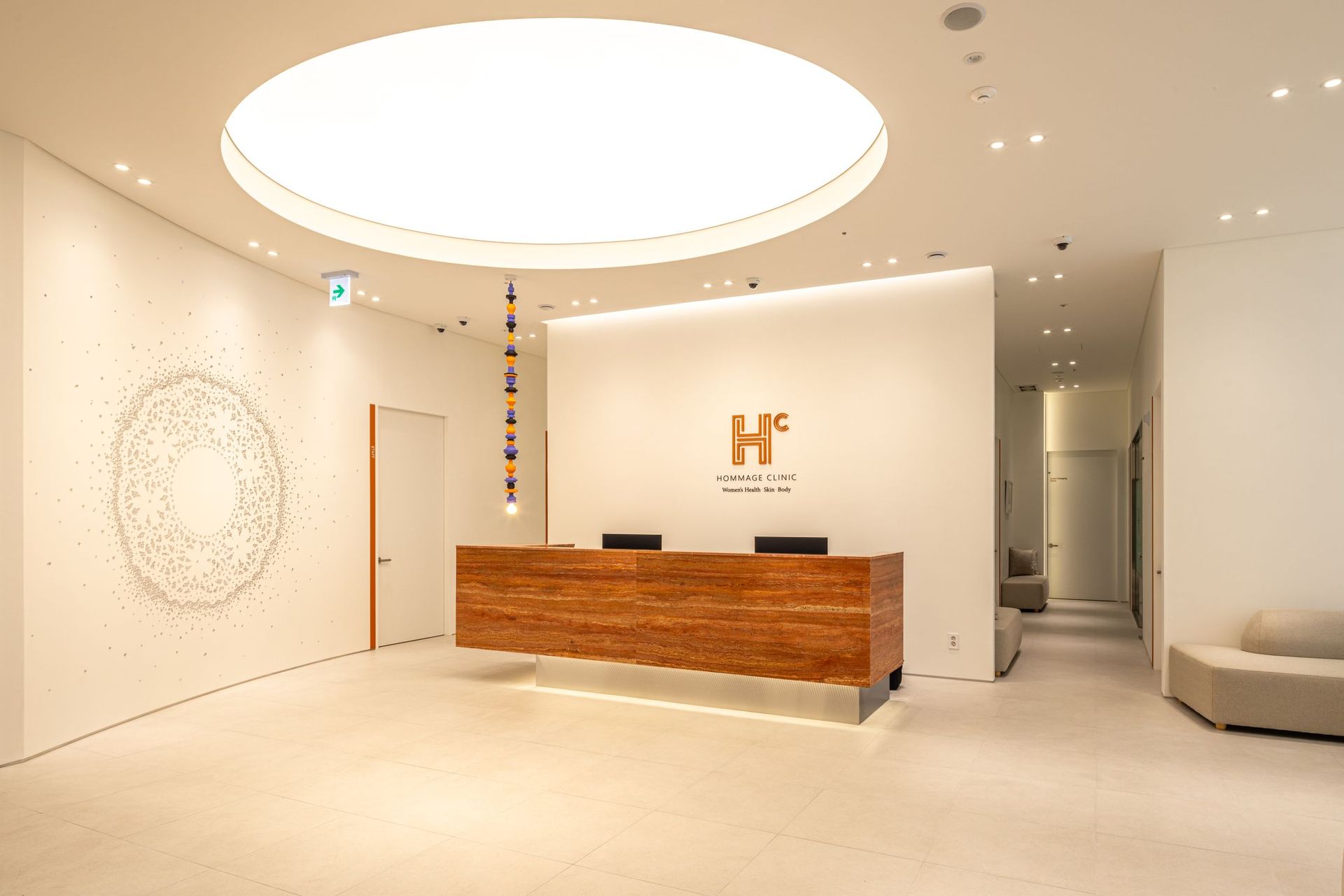
Hommage Clinic is a women's health and skin clinic in Gangnam, a short walk from Sinnonhyeon Station. Dr. Hwang Seonhwa assesses your scalp and performs the treatment with single-use needle cartridges, and the clinic's gynecology team can look into hormonal causes of thinning in the same building. Hair and scalp care sits within our wider skin and aesthetics services .
Cost depends on the size of the area, the number of sessions and whether PRP or other products are added. Scalp microneedling is cosmetic and not covered by National Health Insurance; blood tests for a medical cause may be covered for enrolled patients. You receive a written quote before treatment begins.
Mechanism
How does microneedling for hair growth work?
Microneedling works in two ways at once. The tiny, controlled punctures set off the scalp's wound-healing response, releasing growth factors and drawing more blood to the area, which is thought to wake up shrunken follicles. At the same time, the channels stay open for a short while, so a treatment applied afterward, such as PRP, can reach deeper. The diagram shows both effects in a simplified cross-section of the scalp.
Compare
Clinic microneedling vs a home derma roller
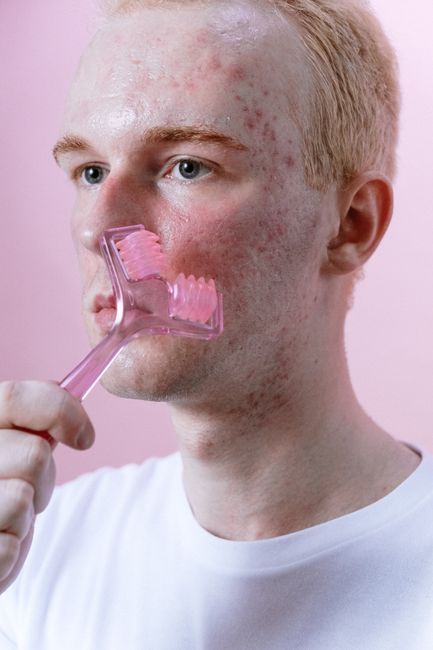
Derma rollers sold for home use look similar to clinic tools, but they are not the same treatment. Clinic pens use sterile, single-use cartridges, adjustable depth and an even pattern, applied by a doctor after numbing. Home rollers usually have shorter needles, are reused, and depend on how hard you press, which makes results and safety less predictable.
If you would like to try a home roller, ask Dr. Hwang Seonhwa about a safe needle length, how often to use it and how to clean it. Never share a roller, and stop if your scalp becomes red, sore or flaky.
Microneedling pen
- Sterile, single-use cartridge each time
- Depth set for your scalp, usually 0.5–1.5 mm
- Numbing cream first
- Can be combined with PRP in the same visit
Derma roller
- Shorter needles; effect depends on pressure
- Reused, so cleaning is essential
- Higher risk of infection or irritation
- Ask a doctor about needle length first
 Hommage · Gangnam
Hommage Women's Clinic · Gangnam, Seoul
Home rollers are not the same as sterile, single-use clinic cartridges. Illustrative photo.
Healing and results
Scalp microneedling recovery and results timeline
Recovery from each session is quick: the scalp feels warm and tender for a day or two, and small scabs fall away within the week. Hair results take far longer, because follicles need several months to move through a new growth cycle. Most plans review progress at three to six months with photos, then decide whether to continue, space sessions out or change approach.
 Hommage · Gangnam
Hommage Women's Clinic · Gangnam, Seoul
A hat protects your healing scalp from strong sun for a few days. Illustrative photo.
Aftercare
Scalp microneedling aftercare: do's and don'ts
For a day or two after microneedling, your scalp has thousands of tiny open channels. Good aftercare keeps them clean while they close and avoids irritating products. You receive written instructions at the end of each session.
Do
- Wash gently after about 24 hours with mild shampoo and lukewarm water
- Wait about 24 hours before reapplying minoxidil, unless told otherwise
- Wear a hat in strong sun for a few days
- Sleep on a clean pillowcase
- Call the clinic if pain increases or redness spreads
Don't (for a few days)
- Dye, perm or bleach your hair
- Use saunas, swimming pools or hot baths
- Do heavy exercise that makes you sweat a lot
- Apply hair sprays, gels or fragranced products
- Scratch or pick at small scabs
Evidence
Does microneedling regrow hair? What the research says
The study most often cited is a 2013 randomized, evaluator-blinded trial in the International Journal of Trichology. One hundred men with mild to moderate pattern hair loss were split into two groups of 50: one used 5% minoxidil twice daily, and the other used the same minoxidil plus weekly microneedling. After 12 weeks, the microneedling group had a much larger increase in hair count in a marked area, and far more of them rated their improvement as good.
These results are encouraging, but the study was small, short and included only men, and later studies have also been modest in size. Microneedling is therefore best viewed as a promising add-on to minoxidil, with evidence still building, especially for women.
Mean hair count gain
Microneedling plus minoxidil at week 12, in a 1 cm² area.
Dhurat et al., Int J Trichology, 2013Minoxidil alone
Mean hair count gain in the comparison group over the same 12 weeks.
Dhurat et al., 2013Rated over 50% better
41 of 50 men in the microneedling group, by their own rating.
Dhurat et al., 2013Minoxidil in women
Regrowth vs placebo in female pattern hair loss: the foundation treatment.
van Zuuren et al., Cochrane, 2016 Hommage · Gangnam
Hommage Women's Clinic · Gangnam, Seoul
Evidence for microneedling in women is still building. Illustrative photo.
Traveling to Seoul
Scalp microneedling in Seoul for international patients
Microneedling works best as a course, with sessions one to four weeks apart, so it suits people who live in Seoul or return regularly. On a single trip, you can have a scalp assessment, blood tests if needed, a first session (often with PRP) and a written plan for home treatment, then continue sessions on later visits. Hommage Women's Clinic is in Gangnam, a short walk from Sinnonhyeon Station.
Before you book
- Message the clinic by WhatsApp, KakaoTalk or the contact form with your dates; ask for language support if needed.
- Bring your passport, recent blood tests and a list of medicines, including any blood thinners.
- Allow 1–2 days: assessment first, treatment the same or next day.
- Avoid booking a swim, sauna or hair salon visit in the two days after treatment.
Flying the day after microneedling is generally fine. Keep your scalp clean and covered from strong sun, and message the clinic with any questions.
 Hommage · Seoul
Hommage Women's Clinic · Gangnam, Seoul
Seoul: the clinic is in Gangnam, near Sinnonhyeon Station. Illustrative photo.
 Hommage · Gangnam
Hommage Women's Clinic · Gangnam, Seoul
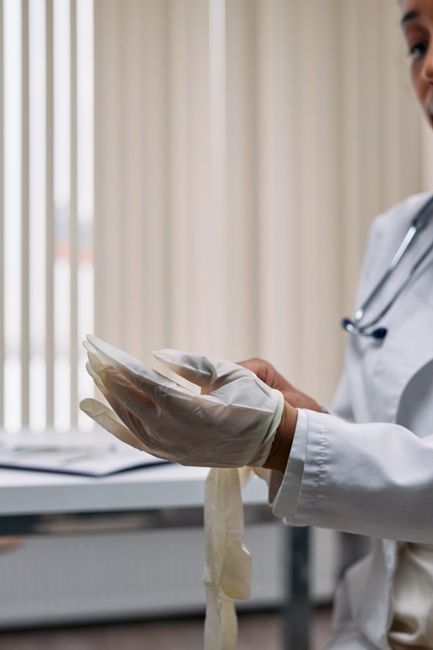
Ask whether single-use, sterile cartridges are used. Illustrative photo.
Choosing well
How to choose a scalp microneedling clinic in Seoul
Scalp microneedling is offered by clinics and some scalp care shops in Gangnam. These questions help you compare, including at our clinic:
- Is a doctor involved? Diagnosis and needle depth should be set by a physician.
- Single-use, sterile cartridges? A new cartridge for every session reduces infection risk.
- Is the cause checked first? Iron, thyroid, hormones and scalp inflammation should be considered.
- Is minoxidil part of the plan? Most evidence is for microneedling combined with minoxidil.
- Is the scalp healthy enough today? Treatment should wait if your scalp is inflamed or infected.
- Is there a review point? Photos at the start and at 3–6 months.
What affects the cost of scalp microneedling?
Cost depends on the size of the area treated, the number of sessions in your course, and whetherPRPor another product is added in the same visit. Home medication and maintenance sessions add to the long-term total. Scalp microneedling is cosmetic and not covered by National Health Insurance, and you receive a written quote before treatment.
Your visit
What to expect at your scalp microneedling appointment
01
Assessment
Dr. Hwang reviews your hair history, medicines and any recent pregnancy, illness or diet change, and examines your scalp.
02
Tests if needed
Blood tests for iron, thyroid and hormones can be arranged before a procedure is planned.
03
Treatment
After numbing, the scalp is treated with a sterile, single-use cartridge, sometimes combined with PRP.
04
Aftercare and review
You receive written aftercare, a schedule for the next sessions and a 3–6 month progress review.

Your doctor
Dr. Hwang Seonhwa
Physician · Skin & Aesthetic Treatments
Dr. Hwang uses scalp microneedling as a supporting step alongside proven medication, not as a stand-alone cure. Needle depth and spacing are set for each patient's scalp, and treatment is postponed while the scalp is inflamed or flaky.
Physician for face and skin procedures, including lifting, laser and skin-improvement treatments, planned around facial proportions and skin condition.
Scalp microneedling: frequently asked questions
Does scalp microneedling hurt?
Scalp microneedling is uncomfortable rather than painful for most people. Numbing cream is applied for 20–30 minutes first, and you then feel light scratching, vibration or pressure. The scalp may feel tender or warm, like mild sunburn, for a day or two afterward.
How often should you microneedle your scalp?
In-clinic sessions are usually spaced one to four weeks apart, with deeper treatments needing longer gaps for the scalp to heal. A typical course runs for a few months before results are reviewed. Treating more often than recommended does not speed up results and raises the risk of irritation.
Can I use minoxidil after scalp microneedling?
Yes, but usually not straight away. Most doctors advise waiting about 24 hours before reapplying minoxidil, because freshly opened channels absorb more and can sting or irritate. After that, continuing daily minoxidil is important, since the combination is what most studies have tested.
Is a home derma roller as good as in-clinic microneedling?
Home rollers use shorter needles and are harder to keep sterile, so they are not the same as an in-clinic treatment. Reused or shared rollers can spread infection, and too much pressure can irritate the scalp. If you want to try one, ask your doctor about needle length and cleaning first.
When can I wash my hair after scalp microneedling?
You can usually wash your hair gently after about 24 hours, using a mild shampoo and lukewarm water. For a few days, avoid hair dye, perms, saunas, swimming pools and heavy sweating, and protect your scalp from strong sun with a hat.
Can foreigners get scalp microneedling in Seoul?
Yes. International patients and foreign residents can have scalp microneedling at Hommage Clinic; bring your passport for registration. Because a course needs several sessions weeks apart, it suits people living in Seoul or visiting regularly. Please contact us before your visit to arrange language support; you can walk in during opening hours or book ahead for a set time.
Does microneedling really regrow hair?
It can help thinning hair grow thicker in some people, mainly when combined with minoxidil. In a 2013 randomized study of 100 men, those who had weekly microneedling plus minoxidil gained an average of 91.4 hairs in a marked area over 12 weeks, compared with 22.2 with minoxidil alone. The study was small and included only men, so results in women may differ.
What needle depth is used for scalp microneedling?
In-clinic scalp microneedling usually uses depths of about 0.5–1.5 mm, set by the doctor for your scalp and the goal of the session. Deeper treatments need longer gaps between sessions. Home rollers are usually shorter.
Can microneedling be combined with PRP in one visit?
Yes. Microneedling and PRP are often done together: the scalp is microneedled, then PRP is applied or injected while the channels are open. It adds little time, though tenderness may last a little longer.
Will I need to shave my head?
No. Hair is parted in sections so the pen can reach the scalp, and there is no need to cut or shave it. Tiny spots of blood stop within minutes and are hidden by your hair.
Who should not have scalp microneedling?
It should wait if you have a scalp infection, open sores, or a flare of psoriasis or seborrheic dermatitis, and it may not suit people who form keloid scars, have a bleeding disorder or take blood thinners. Undiagnosed patchy or scarring hair loss needs assessment first.
How long do microneedling results last?
Pattern hair loss continues over time, so gains usually need ongoing treatment, typically daily minoxidil plus occasional maintenance sessions. Results are reviewed at three to six months to decide the next step.
References
Sources used for this page, reviewed by Dr. Hwang Seonhwa. Read our editorial and medical review policy.
- Dhurat R, Sukesh M, Avhad G, Dandale A, Pal A, Pund P. A randomized evaluator blinded study of effect of microneedling in androgenetic alopecia: a pilot study. Int J Trichology. 2013;5(1):6–11. PubMed
- van Zuuren EJ, Fedorowicz Z, Schoones J. Interventions for female pattern hair loss. Cochrane Database Syst Rev. 2016;(5):CD007628. Cochrane
- Kieling L, Konzen AT, Zanella RK, Valente DS. Is autologous platelet-rich plasma capable of increasing hair density in patients with androgenic alopecia? A systematic review and meta-analysis of randomized clinical trials. An Bras Dermatol. 2024;99(6):847–862. PMC
This page is general information and does not replace a personal consultation. Illustrations are original works of Hommage Women's Clinic, Gangnam, Seoul; photos marked illustrative are not of patients.
Related hair and scalp treatments
Hair Loss PRP Therapy
Platelet-rich plasma from your own blood, often given in the same visit as microneedling.
Low-Level Laser Therapy
Needle-free red light treatment for pattern hair loss, in clinic or at home.
Stem Cell Hair Therapy
Emerging regenerative options, including exosome solutions, and their current evidence.
Hair Filler Injection
Peptide and hyaluronic acid scalp injections, what they are and what they are not.
Seborrheic Scalp Treatment
Medical care for an oily, flaky, itchy scalp before or alongside hair treatment.
Hormone Testing
Blood tests for androgens, thyroid and other hormones that can cause hair thinning.
Plan your scalp microneedling course
Book a scalp assessment with Dr. Hwang Seonhwa in Gangnam to find the cause of your thinning and set a treatment schedule.
Hommage Clinic · 4F, Building A, 509 Gangnam-daero, Seoul (near Sinnonhyeon Station) · Mon & Fri 10:00–20:00 · Tue–Thu 10:00–19:00 · Sat 10:00–15:00