
Gynecology · Vaginal health
Vaginal Infections: How to Tell BV, Yeast and Trichomoniasis Apart
A vaginal infection (vaginitis) is inflammation of the vagina that changes your discharge and can cause itching, burning or odor; the three most common causes are bacterial vaginosis, yeast infection and trichomoniasis, and each needs a different treatment. At Hommage Clinic in Gangnam, Seoul, female OB/GYN specialist Dr. Park Yuna identifies the cause with an exam and swab tests before treating.

Quick answer
Vaginal infections(vaginitis) are most often caused by bacterial vaginosis, a yeast infection or trichomoniasis, and each needs a different medicine. At Hommage Women's Clinic in Gangnam, Seoul, female OB/GYN specialist Dr. Park Yuna finds the cause with a short exam, a pH check and a swab, then treats it. Some findings are explained at the visit; lab PCR or culture results usually follow within a few days.
Key takeaways
- Discharge and smell give clues, but symptoms overlap; a swab is the reliable way to know.
- Guessing is a common reason infections come back: yeast medicine does not treat BV or trichomoniasis.
- Trichomoniasis is an STI, so partners need treatment at the same time.
- Infections that return three or more times a year deserve a fuller work-up, not repeat prescriptions.
Infographic
Vaginal infections in numbers
Healthy vaginal pH
Kept mildly acidic by protective lactobacilli.
Women with BV
Estimated global prevalence in reproductive age.
Ever have a yeast infection
Lifetime share of women with vulvovaginal candidiasis.
BV returns
Within 12 months of treatment in some studies.
Trichomoniasis cases
New infections worldwide in 2020, ages 15–49 (WHO).
Recurrent infection
Three or more episodes a year needs a fuller work-up.
Vaginal infections at a glance
| Key fact | Details |
|---|---|
| What it is | Inflammation of the vagina, most often caused by BV, yeast (Candida) or trichomoniasis |
| Common signs | Change in discharge color, smell or amount; itching, burning, soreness or pain with sex |
| How it's diagnosed | Gentle speculum exam, vaginal pH and a swab for microscopy; PCR tests for STIs when needed |
| Treatment options | Antibiotics for BV and trichomoniasis, antifungals for yeast; partners treated for STIs |
| Results | Some checks can be done at the visit; lab PCR or culture results usually take a few days |
| Reviewed by | Dr. Park Yuna, OB/GYN specialist |
Book an assessment if you have
- Discharge that has changed in color, smell or texture, or a fishy odor after sex
- Itching, burning or soreness that has not cleared with pharmacy treatment
- Symptoms that keep coming back, three or more times a year
- A new sexual partner, or a partner who has been diagnosed with an STI
- Vaginal symptoms during pregnancy
Seek urgent care instead if you have
- Fever, lower abdominal pain or pain during sex together with abnormal discharge
- Severe pelvic pain, vomiting or feeling faint
- Pain or bleeding in pregnancy with abnormal discharge or leaking fluid
What causes vaginal infections?
Most vaginal infections happen when the normal balance of the vagina is disturbed. A healthy vagina is kept mildly acidic, with a pH of about 3.8–4.5, by protective bacteria called lactobacilli. When these fall in number, other bacteria or yeast can overgrow, or an infection passed on during sex can take hold.
The three most common causes are bacterial vaginosis (BV) , an overgrowth of mixed bacteria; vulvovaginal candidiasis , a yeast infection; and trichomoniasis , a sexually transmitted parasite. Common triggers include antibiotics, hormonal changes in pregnancy or around your period, douching, scented washes, a new sexual partner and, for yeast, poorly controlled diabetes.
Some discharge is normal. Healthy discharge is clear to white, has a mild smell or none, and becomes thinner and stretchier around ovulation. A change from your usual pattern is the signal to pay attention to.
BV vs yeast infection vs trichomoniasis: how to tell them apart
Discharge and smell give useful clues, but symptoms overlap and many women have more than one infection at once. Use these patterns as a guide, not a diagnosis.
Bacterial vaginosis
- Discharge: thin, gray-white and watery.
- Smell: fishy, often stronger after sex or during your period.
- Itching: usually mild or absent.
- Sexually transmitted? Not classed as an STI, but linked to sexual activity.
Read more about bacterial vaginosis treatment .
Yeast infection
- Discharge: thick, white and clumpy, like cottage cheese, or sometimes little discharge at all.
- Smell: little or none.
- Itching: often intense, with redness, swelling and burning of the vulva.
- Sexually transmitted? No.
Read more about yeast infection treatment .
Trichomoniasis
- Discharge: frothy, yellow-green or gray.
- Smell: often unpleasant or musty.
- Itching: common, with soreness and pain when passing urine.
- Sexually transmitted? Yes. Many people have no symptoms, and partners need treatment at the same time.
Could it be an STI or something else?
Yes, and it is worth ruling out. Chlamydia and gonorrhea infect the cervix rather than the vagina, so they often cause no symptoms, or only a small increase in discharge, bleeding after sex or mild pelvic pain. Left untreated, they can spread upward and cause pelvic inflammatory disease . Painful sores or blisters suggest genital herpes. If you have a new partner or any doubt, STD testing from the same swab visit is sensible.
Not every itch or discharge is an infection. Irritation from soaps, pads, lubricants or condoms, a forgotten tampon, and thinning of the vaginal tissue from low estrogen after menopause or while breastfeeding can all cause similar symptoms. Burning when you pee can also mean a urinary tract infection rather than a vaginal one.
How are vaginal infections diagnosed?
A short exam and a swab test identify the cause in most cases. Self-diagnosis is often wrong: studies show that many women who treat themselves for a yeast infection actually have BV, a mixed infection or something else, which is why symptoms come back.
- Dr. Park asks about your symptoms, cycle, sexual health, recent antibiotics and any treatments you have tried.
- A gentle speculum exam shows the discharge and the vaginal walls and cervix.
- A swab checks vaginal pH and is examined under a microscope for clue cells, yeast or trichomonas.
- When needed, PCR tests from a swab check for trichomonas, chlamydia, gonorrhea and other infections, and a yeast culture is sent if infections keep returning.
If you can, avoid douching, vaginal creams and sex for a day or two before your visit, as they can affect the results. Do not delay a visit for this if your symptoms are bothering you.
Risks of untreated infection and side effects of treatment
Most vaginal infections are easy to treat, but leaving them can cause problems. BV and trichomoniasis make it easier to catch other STIs, including HIV, and are linked with preterm birth in pregnancy. BV also raises the risk of infection after gynecological procedures such as IUD insertion , which is why it is treated first.
Treatment itself can have side effects. Metronidazole can cause nausea, a metallic taste or stomach upset. Vaginal creams can sting at first, and oil-based creams can weaken latex condoms. Oral fluconazole interacts with some medicines, including certain statins and blood thinners, so tell us everything you take. Contact the clinic if symptoms are not better after finishing treatment, or if you develop a rash, fever or pelvic pain.
Vaginal infection care at Hommage Clinic
Hommage Clinic is a women's clinic in Gangnam, a short walk from Sinnonhyeon Station, and welcomes walk-ins during opening hours. Your exam is done by Dr. Park Yuna, a female OB/GYN specialist, in a private room, and STI tests, aPap smearor an ultrasound can be added in the same visit if you need them. You can find our othergynecology serviceshere.
If you are enrolled in Korea's National Health Insurance, consultation, standard tests and prescribed medicines for a vaginal infection are usually covered in part. Some PCR panels are paid directly, as are all fees for visitors without coverage. We tell you which tests we recommend and what they cost before the swab is taken.
Symptom checker
Vaginal discharge chart: BV vs yeast vs trichomoniasis at a glance
This side-by-side chart summarizes the classic pattern of each infection, from the color of the discharge to the vaginal pH and who needs treatment. It is a guide for knowing when to book, not a way to self-diagnose: many women do not have the textbook pattern, some have more than one infection at once, and only a swab confirms which infection you have.
| Compare | Bacterial vaginosis | Yeast infection | Trichomoniasis |
|---|---|---|---|
| Cause | Overgrowth of mixed bacteria | Candida yeast | Trichomonas parasite |
| Discharge | Thin, gray-white, watery | Thick, white, clumpy, or little | Frothy, yellow-green or gray |
| Main symptom | Fishy odor, worse after sex | Itching, redness, burning | Itching, soreness, pain passing urine |
| STI? | No, but linked to sex | No | Yes |
| Treatment | Metronidazole or clindamycin | Azole cream, pessary or oral fluconazole | Metronidazole; partners treated too |
Your vaginal balance
Vaginal pH and the microbiome: why the balance matters
Lactobacilli, the protective bacteria of a healthy vagina, make lactic acid that keeps the pH at about 3.8–4.5. That acidity makes it harder for other bacteria to overgrow. When lactobacilli fall in number, for example after a new partner, douching, antibiotics or around a period, the pH rises above 4.5 and the bacteria behind BV can take over. Trichomoniasis also raises pH.
Yeast is different: a yeast infection usually develops while the pH stays normal. That is why a quick pH strip during the exam is so useful. It points toward BV or trichomoniasis when high, and toward yeast when normal, before the microscope and lab tests confirm the cause.
Low estrogen after menopause or while breastfeeding also raises pH and thins the vaginal lining, causing itching and soreness without infection. Read more about vaginal dryness .
 Hommage · Gangnam
Hommage Women's Clinic · Gangnam, Seoul
Microscopy looks for clue cells, yeast or trichomonas. Illustrative photo.
When it keeps coming back
Recurrent vaginal infections: breaking the cycle
Recurrence is common. BV returns within a year in up to two-thirds of women in some studies, and recurrent yeast infection is defined as three or more episodes in 12 months. The most frequent reasons are a wrong first diagnosis, an infection that was never fully cleared, an untreated partner with trichomoniasis, less common yeast species, or an ongoing trigger such as frequent washing with scented products.
Instead of repeating the same prescription, Dr. Park works through the steps below. For recurrent yeast infections, a culture identifies the species, because some do not respond well to standard antifungals. For recurrent BV or yeast, a longer suppressive course may be considered after the infection is cleared.
 Hommage · Gangnam
Hommage Women's Clinic · Gangnam, Seoul
Gentle care protects the vagina's natural balance. Illustrative photo.
Prevention
How to prevent vaginal infections: do's and don'ts
The vagina cleans itself, and most prevention is about not disturbing its balance. These habits are sensible for everyone; evidence is strongest for avoiding douching and for condom use with new partners, and weaker for diet and probiotics.
Do
- Wash the vulva with water or a mild, unscented wash
- Wear breathable cotton underwear and change out of wet swimwear
- Use condoms with new partners
- Finish every course of treatment, even if you feel better
- Come in when symptoms are new, different or keep returning
Don't
- Douche or wash inside the vagina
- Use scented washes, wipes or sprays on intimate skin
- Self-treat repeatedly with pharmacy yeast products
- Use leftover antibiotics or someone else's medicine
- Ignore pelvic pain or fever with discharge
Evidence
Vaginal infections: what the research says
The evidence reviews behind the 2021 US CDC STI Treatment Guidelines and the World Health Organization give a clear picture of how common these infections are and how often they return. They also show where evidence is still limited.
BV prevalence
Reproductive-age women worldwide.
Muzny et al., Clin Infect Dis, 2022BV recurrence
Within 12 months of treatment.
Muzny et al., 2022Lifetime yeast infection
Women with at least one episode.
Nyirjesy et al., Clin Infect Dis, 2022Trichomoniasis
New infections worldwide in 2020, ages 15–49.
WHO fact sheet, 2025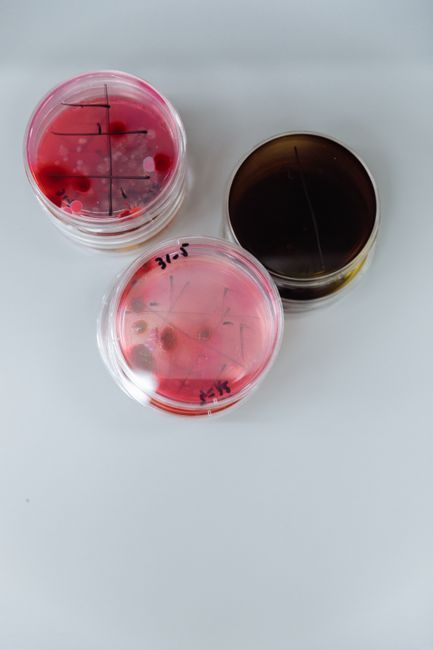 Hommage · Gangnam
Hommage Women's Clinic · Gangnam, Seoul
A culture identifies the organism when infections keep returning. Illustrative photo.
 Hommage · Gangnam
Hommage Women's Clinic · Gangnam, Seoul
The clinic is a short walk from Sinnonhyeon Station. Illustrative photo.
Traveling or living in Seoul
Vaginal infection treatment in Seoul for travelers and expats
Vaginal infections often flare during travel, with heat, long flights, swimming, antibiotics or a new partner. One visit is usually enough: an exam and swab, a diagnosis or likely diagnosis on the day, and a prescription you can take with you. If lab results arrive after you leave, we share them privately and tell you whether anything needs to change.
Before your visit
- Message us by WhatsApp, KakaoTalk or the contact form with your travel dates; ask for language support if needed.
- Bring your passport or residence card and the names or packets of any treatments you have already tried.
- Tell us if you are pregnant, breastfeeding or taking other medicines.
After you leave Seoul
Finish the whole course, even if you feel better in a day or two. If symptoms have not settled after treatment, or you develop fever or pelvic pain, see a local doctor and take your prescription details with you.
Choosing well
How to choose a gynecologist for vaginal infections in Seoul
Use these questions at any clinic, including ours:
- Is the cause tested, not guessed? A pH check and microscopy or PCR should come before treatment.
- Can STIs be checked at the same visit? Trichomoniasis and chlamydia can mimic other infections.
- Is there a plan for recurrence? Culture and suppressive treatment, not just repeat prescriptions.
- Are pregnancy and other medicines considered? Some treatments are not suitable for everyone.
- Will you get partner advice? Essential for trichomoniasis and other STIs.
- Are costs explained before the swab? Especially for PCR panels.
What affects the cost of vaginal infection treatment in Seoul?
Cost depends on which tests are needed (pH and microscopy, a PCR panel, or a culture), whether STI tests or a Pap smear are added, and the medicines prescribed. For patients enrolled in National Health Insurance, consultation, standard tests and medicines are usually partly covered; some PCR panels and all fees for visitors without coverage are paid directly. We explain recommended tests and their cost before the swab is taken.
 Hommage · Gangnam
Hommage Women's Clinic · Gangnam, Seoul
Treatment is matched to the confirmed cause. Illustrative photo.
Your visit
What to expect at your vaginal infection appointment
01
Consultation
Dr. Park asks about your discharge, odor, itching, cycle, partners and any treatments you have tried. Everything is kept confidential.
02
Exam and swab
A gentle speculum exam and a swab from the vagina, and from the cervix if STI tests are needed. It takes only a few minutes.
03
Diagnosis
Some findings can be explained at the visit. PCR or culture results usually follow within a few days.
04
Treatment and follow-up
You receive treatment matched to the cause, advice for partners when relevant, and a plan if infections keep coming back.

Your doctor
Dr. Park Yuna
Medical Director · OB/GYN Specialist
Dr. Park treats vaginal infections only after confirming the cause, because BV, yeast and trichomoniasis need different medicines and guessing is a common reason symptoms return. When infections recur, she looks for triggers and checks for less common causes rather than repeating the same prescription.
OB/GYN specialist (Korea) and representative director of Hommage Clinic. Leads women's health care, labiaplasty and other cosmetic gynecology procedures.
Vaginal infections: frequently asked questions
How do I know if I have BV or a yeast infection?
BV usually causes thin, gray discharge with a fishy smell and little itching, while a yeast infection causes thick, white discharge with intense itching and little smell. Symptoms overlap, and you can have both at once, so a swab test is the reliable way to know. See our pages on BV and yeast infections for details.
Can a vaginal infection go away on its own?
Sometimes. Mild BV and yeast infections occasionally clear without treatment, but they often linger or return, and trichomoniasis does not go away by itself. Because untreated BV and trichomoniasis raise the risk of other infections and pregnancy complications, it is better to get a diagnosis than to wait if symptoms last more than a few days.
Is a vaginal infection an STI?
Not always. Yeast infections are not sexually transmitted, and BV is linked to sex but is not classed as an STI. Trichomoniasis, chlamydia and gonorrhea are STIs, and partners need treatment too. If you have a new partner or are unsure, ask for STD testing when you are examined.
Can I buy treatment at a pharmacy in Korea?
Some antifungal vaginal tablets and creams for yeast are sold at pharmacies in Korea, but antibiotics for BV and trichomoniasis need a prescription. Pharmacy treatment is reasonable only if a doctor has diagnosed yeast infections before and the symptoms are the same. If it has not worked within a few days, or symptoms keep returning, get tested.
Can I get tested for a vaginal infection during my period?
It is better to come when you are not bleeding heavily, as blood can make some tests harder to read. However, if your symptoms are severe, start suddenly or come with pain or fever, do not wait for your period to end. Light bleeding does not usually stop us from examining you, so call us if you are unsure.
Can foreigners get treatment for vaginal infections in Seoul?
Yes. International patients and foreign residents can book an appointment at Hommage Clinic in Gangnam. Bring your passport or residence card and the names of any medicines you have already used. If you are traveling, tell us your dates so we can plan treatment you can finish on the road. Contact us before your visit to arrange language support.
What is the difference between vaginitis and a vaginal infection?
Vaginitis means inflammation of the vagina. Most vaginitis is caused by an infection, mainly bacterial vaginosis, yeast or trichomoniasis, but it can also come from irritation by soaps or products, or from thin tissue due to low estrogen. Finding which one it is decides the treatment.
Why does my vaginal infection keep coming back?
Common reasons are a wrong first diagnosis, an infection that was not fully cleared, an untreated partner with trichomoniasis, a less common yeast species, or an ongoing trigger such as douching or scented washes. BV returns within a year in up to two-thirds of women in some studies. A swab and, when needed, a culture help Dr. Park find the reason and plan longer treatment.
Do probiotics help prevent vaginal infections?
The evidence is limited. An evidence review for the 2021 CDC guidelines does not recommend probiotics or essential oils for yeast infections, and research on probiotics for BV is still developing. They are unlikely to cause harm for most women, but they should not replace testing and proven treatment.
Does my partner need treatment for a vaginal infection?
It depends on the cause. Partners need testing and treatment for trichomoniasis and other STIs, and you should avoid sex until both of you have finished treatment. For BV and yeast infections, whether a partner should be checked depends on your situation and how often infections return, and Dr. Park will advise you.
Can I drink alcohol while taking metronidazole?
Product labels for metronidazole still advise avoiding alcohol during treatment and for about 2–3 days after, because of a possible reaction with flushing and vomiting. The 2021 CDC guidelines dropped this warning after studies found the reaction to be uncommon, but because the course is short, most doctors suggest waiting until it is finished. Ask Dr. Park if you are unsure.
Are vaginal infections dangerous in pregnancy?
BV and trichomoniasis are linked with preterm birth, so symptoms in pregnancy should always be checked. Treatment choices change in pregnancy; for yeast infections, only vaginal (topical) azole treatments are recommended. Tell us if you are or could be pregnant before any treatment.
Can a vaginal infection cause bleeding?
Some infections, especially trichomoniasis and cervical infections such as chlamydia, can cause light bleeding after sex or spotting. Bleeding can also have other causes, such as cervical changes or polyps, so it should be checked with an exam and, if due, cervical screening.
References
Sources used for this page, reviewed by Dr. Park Yuna, OB/GYN specialist. Read our editorial and medical review policy.
- Muzny CA, Balkus J, Mitchell C, et al. Diagnosis and management of bacterial vaginosis: summary of evidence reviewed for the 2021 CDC Sexually Transmitted Infections Treatment Guidelines. Clin Infect Dis. 2022;74(Suppl 2):S144–S151. Clin Infect Dis
- Nyirjesy P, Brookhart C, Lazenby G, Schwebke J, Sobel JD. Vulvovaginal candidiasis: a review of the evidence for the 2021 CDC STI Treatment Guidelines. Clin Infect Dis. 2022;74(Suppl 2):S162–S168. Clin Infect Dis
- World Health Organization. Sexually transmitted infections (STIs). Fact sheet, 10 September 2025. WHO
- Workowski KA, Bachmann LH, Chan PA, et al. Sexually Transmitted Infections Treatment Guidelines, 2021. MMWR Recomm Rep. 2021;70(4):1–187. CDC
This page is general information and does not replace a personal consultation. Illustrations are original works of Hommage Women's Clinic, Gangnam, Seoul; photos marked illustrative are not of patients.
Related vaginal health services
Bacterial Vaginosis Treatment
Diagnosis, antibiotics and ways to reduce recurrence for fishy-smelling discharge.
Yeast Infection Treatment
Antifungal treatment for itching and thick discharge, and help when it keeps coming back.
STD Testing
Confidential PCR and blood tests for chlamydia, gonorrhea, trichomonas and more.
Pelvic Inflammatory Disease
When infection spreads to the uterus and tubes: signs, urgent care and treatment.
UTI Treatment
Burning when you pee: urine tests and antibiotics for bladder infections.
Vaginal Dryness
Why low estrogen can cause itching, soreness and irritation that mimic infection.
Find out what is causing your symptoms
Book a private exam with Dr. Park Yuna in Gangnam for a swab test and treatment matched to the cause, not a guess.
Hommage Clinic · 4F, Building A, 509 Gangnam-daero, Seoul (near Sinnonhyeon Station) · Mon & Fri 10:00–20:00 · Tue–Thu 10:00–19:00 · Sat 10:00–15:00