
Skin & Aesthetics · Soothing care
LDM Ultrasound Skin Treatment in Seoul
LDM (Local Dynamic Micro-massage) is a non-invasive skin treatment that uses gentle, rapidly alternating ultrasound frequencies to create a micro-massage in the skin, helping to calm redness, support hydration and soothe skin after procedures. Hommage Clinic in Gangnam, Seoul uses LDM, including as aftercare following lifting such as Ulthera, with the plan reviewed by Dr. Hwang Seonhwa.
Quick answer
LDM (Local Dynamic Micro-massage), known in Korea as “water-drop lifting,” is a gentle, non-focused ultrasound treatment that switches rapidly between frequencies to micro-massage the skin. It takes 10–20 minutes, has no downtime, and is used to calm redness, support hydration and soothe skin after lifting or lasers. At Hommage Women's Clinic in Gangnam, Seoul, Dr. Hwang Seonhwa uses LDM, including after Ulthera. Effects typically last several days.
Key takeaways
- Despite the “lifting” nickname, LDM does not lift like HIFU or Thermage; it soothes and hydrates.
- It is low-energy and non-thermal, so it suits sensitive or recently treated skin.
- Results are temporary, so LDM is used as aftercare or a short maintenance series.
- Published research is limited to small studies; tell the clinic about pacemakers, cancer or pregnancy first.
Infographic
LDM in numbers
Session length
Alone, or added after another procedure.
Downtime
Makeup can usually go on the same day.
How long the calm lasts
Repeat sessions maintain it.
Typical series spacing
For example weekly or every two weeks, if a series is chosen.
Frequencies alternated
The key difference from single-frequency skin ultrasound.
Heat injury
Unlike HIFU, LDM does not create heated points in the tissue.
LDM at a glance
| Key fact | Details |
|---|---|
| What it is | Low-intensity, non-focused ultrasound that alternates between frequencies to micro-massage skin |
| Treatment time | Usually 10–20 minutes, alone or after another procedure |
| Comfort | No anesthesia; most people feel only a smooth, cool gliding sensation |
| Downtime | Usually none; makeup can typically be applied the same day |
| Results | Calmer, more hydrated-looking skin, typically lasting days; repeat sessions maintain it |
| Often used for | Post-procedure soothing, sensitive or dehydrated skin, and maintenance |
| Reviewed by | Dr. Hwang Seonhwa |
LDM may suit you if you have
- Redness, heat or sensitivity after lifting, lasers or other procedures
- Dehydrated, tired-looking skin and want a gentle treatment with minimal downtime
- Sensitive skin that does not tolerate peels, extraction or heat
- A routine of lasers or lifting and want soothing maintenance in between
Avoid it or ask the doctor first if you have
- A pacemaker or other implanted electronic device
- Active skin infection, open wounds or an undiagnosed rash on the face
- Cancer in or near the treatment area, or are currently undergoing cancer treatment
- Pregnancy, when many clinics postpone device treatments as a precaution
What is LDM and how does it work?
LDM stands for Local Dynamic Micro-massage. It is a type of low-intensity ultrasound applied to the skin through a smooth handpiece and a water-based gel. In Korea it is often called “water-drop lifting” (물방울 리프팅) because of how the gel looks on the skin during treatment.
Unlike most skin ultrasound, LDM switches rapidly between different ultrasound frequencies. Each frequency acts at a slightly different depth, so the alternation is designed to create a fine, dynamic massage of skin tissue. Manufacturers report that this supports hydration, calms inflammation and may encourage collagen activity over repeated sessions. Published research is mostly small studies, so think of it as a gentle soothing and maintenance treatment, not a replacement for lifting procedures.
LDM vs HIFU (Ulthera): what is the difference?
Both use ultrasound, but they do very different jobs. HIFU focuses high-energy ultrasound to create tiny heated points deep in the tissue for lifting; LDM uses low, non-focused energy to calm and hydrate without heating or injuring tissue.
- HIFU / Ulthera: reaches the SMAS layer for lifting and tightening, with effects building over months. It can cause temporary redness, swelling and discomfort.
- LDM: works near the surface layers for soothing and hydration, with no heat injury and usually no downtime.
Despite the “lifting” nickname, LDM is not a substitute for HIFU, Thermage or other tightening treatments. Instead, it is often used together with them, which is how Hommage Clinic uses it after Ulthera.
Who is LDM for?
LDM suits people who want gentle, low-risk care for sensitive, dehydrated or recently treated skin. It is commonly used straight after energy-based procedures to settle heat and redness.
It may also be used as part of care for acne-prone or reactive skin, alongside proper medical treatment. However, ongoing redness, flushing, itching or flaking can be signs of rosacea, eczema or contact dermatitis, which need a diagnosis first. See skin barrier repair and redness reduction therapy for medical options.
What happens during an LDM session?
A session usually takes 10 to 20 minutes and needs no anesthesia. You can return to work or sightseeing straight afterward.
- Cleansing: makeup and oil are removed.
- Gel: a water-based gel or ampoule is applied so the ultrasound passes smoothly into the skin.
- Treatment: the handpiece glides across the face in slow movements. Most people feel a cool, smooth sensation and sometimes mild warmth.
- Finish: the gel is removed, then moisturizer and sunscreen are applied.
When LDM follows Ulthera or a laser, it is simply added at the end of that appointment.
How long do LDM results last, and how many sessions are needed?
Most people notice that skin looks calmer and more hydrated straight after a session, and the effect typically lasts several days. Because it is a maintenance treatment, results fade unless sessions are repeated.
Clinics often suggest a short series, for example weekly or every two weeks, or a session after each laser or lifting treatment. The right schedule depends on your skin and other treatments. There is no special aftercare: moisturize, wear sunscreen daily, and avoid saunas or harsh actives for the rest of the day if your skin is still sensitive from another procedure.
Risks and possible side effects
LDM is considered low-risk because it uses low-intensity ultrasound without heat injury, but side effects can still occur. Possible side effects include:
- Mild, temporary redness or warmth
- Irritation or an allergic reaction to the gel or ampoule
- Small breakouts in some acne-prone skin
- Discomfort over bony areas or very sensitive skin
Tell the clinic if you have a pacemaker or other implanted device, a history of cancer, a blood clotting disorder, or if you are pregnant. Contact us if redness, swelling or itching gets worse rather than better after treatment.
LDM at Hommage Clinic
Hommage Clinic is a walk-in-friendly women's health and skin clinic in Gangnam, a short walk from Sinnonhyeon Station. LDM is one of the clinic's soothing treatments: after Ulthera, the clinic uses LDM water-drop lifting or cryo soothing to calm redness and heat, and the doctor may also suggest it for sensitive or dehydrated skin. Dr. Hwang Seonhwa checks your skin and medical history first and decides whether LDM, acryotherapy facialor another treatment suits you. Browse allskin and aesthetic treatments.
LDM and other cosmetic treatments are not covered by Korea's National Health Insurance. Cost depends on whether LDM is part of aftercare for another procedure or a series of sessions, and you receive a written quote before treatment. Please contact us before your visit to arrange language support.
Mechanism
How does LDM work? Alternating ultrasound frequencies
Ordinary skin ultrasound uses a single frequency. LDM switches rapidly between two or three frequencies. Higher frequencies act closer to the surface, lower ones a little deeper, so alternating between them is designed to create a fine, constantly changing massage at different levels of the skin. Triple-frequency versions described in published studies use sets such as 1, 3 and 10 MHz or 3, 10 and 19 MHz.
The energy is low and spread out rather than focused. That is the key difference from HIFU , which concentrates high-energy ultrasound into tiny heated points deep in the tissue. LDM does not create heat injury, which is why it suits sensitive skin and why it is used straight after lifting and lasers to help skin settle.
Aftercare
LDM after Ulthera, Thermage and laser treatments
The most common use of LDM at Hommage Clinic is as the final step after energy-based procedures. HIFU (Ulthera) , Thermage , RF microneedling and lasers all work by delivering heat or energy into the skin, which can leave it warm, red or slightly swollen for a while. LDM is added at the end of the same appointment to help calm that reaction.
Why combine them?
Lifting and resurfacing treatments do the structural work over weeks and months. LDM does not lift, but it can make the hours and days after treatment more comfortable and help skin look calmer and more hydrated sooner. It is a supporting step, not a booster for the lifting result itself.
LDM or cryo after your procedure?
Both are used at Hommage Clinic. A cryotherapy facial cools quickly and suits skin that feels very hot. LDM works without cold and is often preferred for dry, sensitive or cold-sensitive skin. Dr. Hwang chooses based on your skin and the treatment you had.
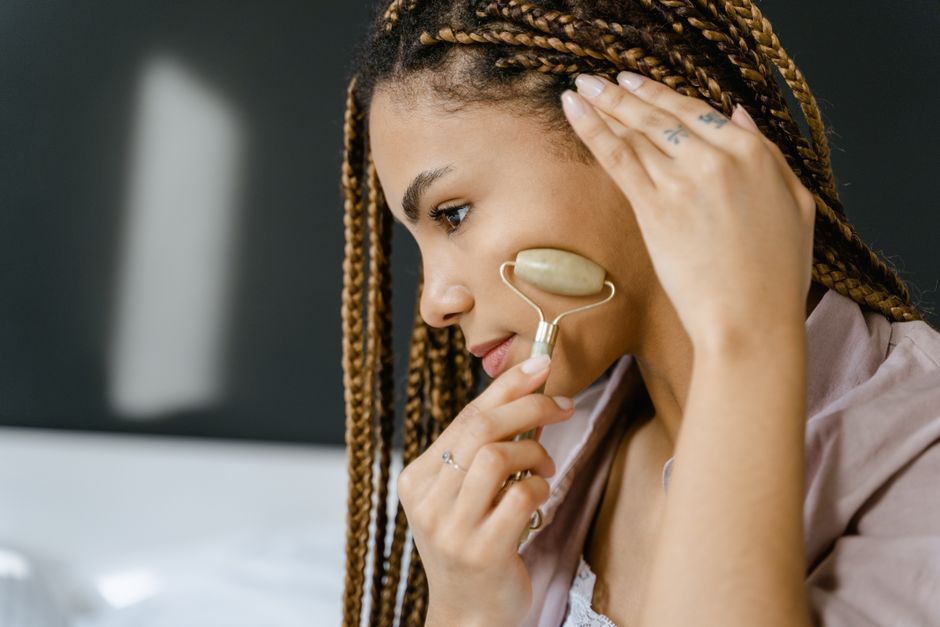 Hommage · Gangnam
Hommage Women's Clinic · Gangnam, Seoul
LDM is often added as the last, soothing step of a lifting or laser appointment. Illustrative photo.
Compare
LDM vs HIFU vs cryo: ultrasound energy and purpose
People often confuse LDM with HIFU because both use ultrasound, and with cryo because both are used for soothing. The illustration compares how much energy each uses, how deep it works and what it is for.
| Compare | HIFU / Ulthera | LDM | Cryo facial |
|---|---|---|---|
| Energy | High, focused ultrasound | Low, non-focused, alternating ultrasound | Cold, no ultrasound |
| Main purpose | Lifting and tightening | Soothing, hydration, post-procedure calm | Reducing heat, redness, puffiness |
| Downtime | Possible redness, swelling, tenderness | Usually none | Usually none |
| How long it lasts | Builds over months | Several days | Hours to about a day |
| Used together? | Yes: at Hommage Clinic, LDM or cryo soothing is used after Ulthera. | ||
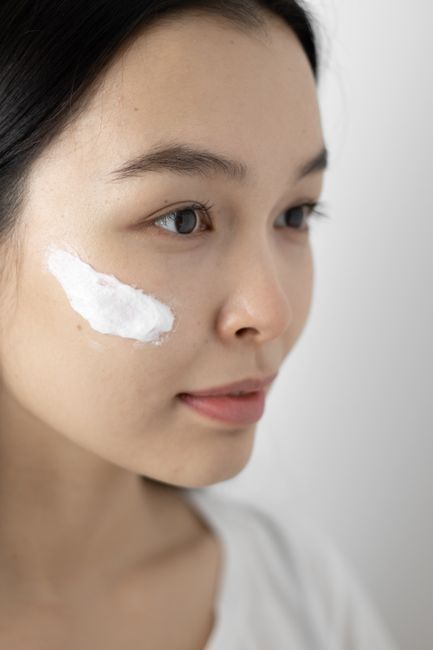 Hommage · Gangnam
Hommage Women's Clinic · Gangnam, Seoul
LDM is gentle enough for sensitive skin that does not tolerate heat, peels or extraction. Illustrative photo.
Your skin
LDM for sensitive, dehydrated and acne-prone skin
Outside of post-procedure care, LDM is mostly chosen for skin that reacts to almost everything: it stings with new products, flushes easily, or feels tight and dry. Because LDM does not heat, peel or extract, it can be a comfortable way to add in-clinic care for this kind of skin.
Gentle in-clinic care
No heat, peel or extraction. Pair with a short, simple home routine.
Support hydration
Often combined with hydrating ampoules; for longer effect, see skin boosters.
An add-on, not a cure
Small studies of multi-frequency ultrasound in acne exist, but acne still needs medical treatment.
Sessions
LDM sessions schedule: aftercare vs maintenance series
There are two common ways to plan LDM. As aftercare, it is a single session added to the end of a lifting or laser appointment. As a soothing series for sensitive or dehydrated skin, it is repeated, for example weekly or every two weeks, then spaced out once skin is calmer.
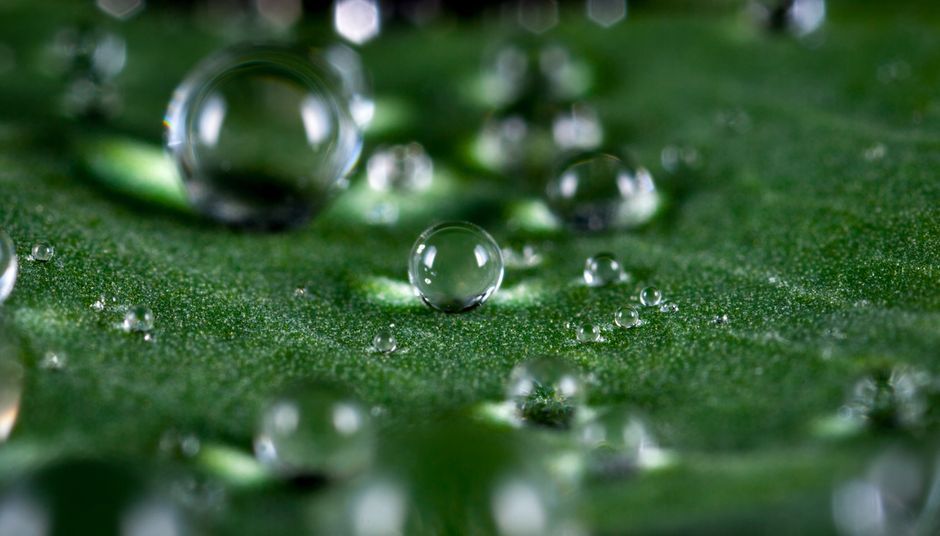 Hommage · Gangnam
Hommage Women's Clinic · Gangnam, Seoul
In Korea, LDM is nicknamed “water-drop lifting” after the look of the gel during treatment. Illustrative photo.
Evidence
Does LDM work? What the research says
LDM has been studied far less than HIFU or lasers. Most published reports are small case series without control groups, and many involve body treatments rather than the face. They suggest the treatment is well tolerated, but they cannot prove how much of the improvement is due to LDM itself. That is why we describe LDM as a gentle soothing and maintenance treatment, not as a lifting procedure.
Women in a triple-frequency LDM case series
Aged 27–53, treated for cellulite with 8–10 sessions, once or twice a week.
Chervinskaya et al., Clin Cosmet Investig Dermatol, 2024Adverse effects reported
No side effects or pain were reported in that series; skin elasticity scores improved.
As reported by Dermatology Times, 2024Follow-up range
Variable follow-up after the last session makes it hard to judge how long effects last.
Chervinskaya et al., 2024Traveling to Seoul
LDM in Seoul for international patients
LDM fits easily into a trip to Seoul because there is no downtime and no follow-up visit is required. Many visitors have it added to a lifting or laser appointment, which makes the following days more comfortable while sightseeing. Others book a session on its own after a long flight, when skin often feels dry and tired. Hommage Women's Clinic is in Gangnam, a short walk from Sinnonhyeon Station (Line 9 and Shinbundang Line), and walk-ins are welcome.
Plan your visit
- Send your dates and planned treatments by WhatsApp, KakaoTalk or the contact form, and ask for language support if needed.
- Tell the clinic about pacemakers or other implanted devices, cancer treatment, pregnancy and recent procedures.
- If you are staying longer, a short series of sessions can be spaced through your trip.
- Bring your passport for registration and a list of your skincare products and medicines.
After you fly home
Keep a simple routine with moisturizer and daily sunscreen, and message the clinic with any questions about your written aftercare.
 Hommage · Seoul
Hommage Women's Clinic · Gangnam, Seoul
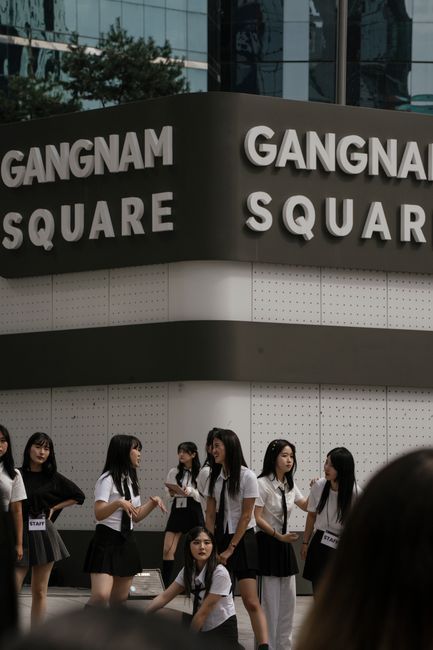
Gangnam: the clinic is a short walk from Sinnonhyeon Station. Illustrative photo.
 Hommage · Gangnam
Hommage Women's Clinic · Gangnam, Seoul
You get a clear plan and a written quote before any treatment. Illustrative photo.
Choosing well
How to choose an LDM clinic in Seoul
LDM is widely offered in Gangnam, often in packages with lifting. These questions help you compare, whether you book with us or elsewhere:
- Is LDM described honestly? Be wary if “water-drop lifting” is sold as an alternative to HIFU or Thermage.
- Is my medical history checked? Pacemakers, cancer and pregnancy should be asked about.
- Which gel or ampoule is used? Important if you react to skincare ingredients.
- Is it aftercare or a series? Know how many sessions are planned and why.
- Do I get a written quote? Including whether LDM is part of a package.
What affects LDM cost in Seoul?
Cost depends on whether LDM is added as aftercare to another procedure or booked on its own, the number of sessions in a series, session length and any ampoules used. LDM and other cosmetic treatments are not covered by Korea's National Health Insurance, and you receive a written quote before treatment.
Your visit
What to expect at your LDM appointment
01
Skin check
Dr. Hwang reviews your skin, recent procedures, medical history and any implanted devices.
02
Plan
LDM is planned as aftercare for another procedure or as part of a soothing plan, with a written quote.
03
Treatment
A 10–20 minute session with gel and a gliding handpiece, with no anesthesia needed.
04
Back to your day
Moisturizer and sunscreen go on, and you can usually return to normal activities right away.
Your doctor
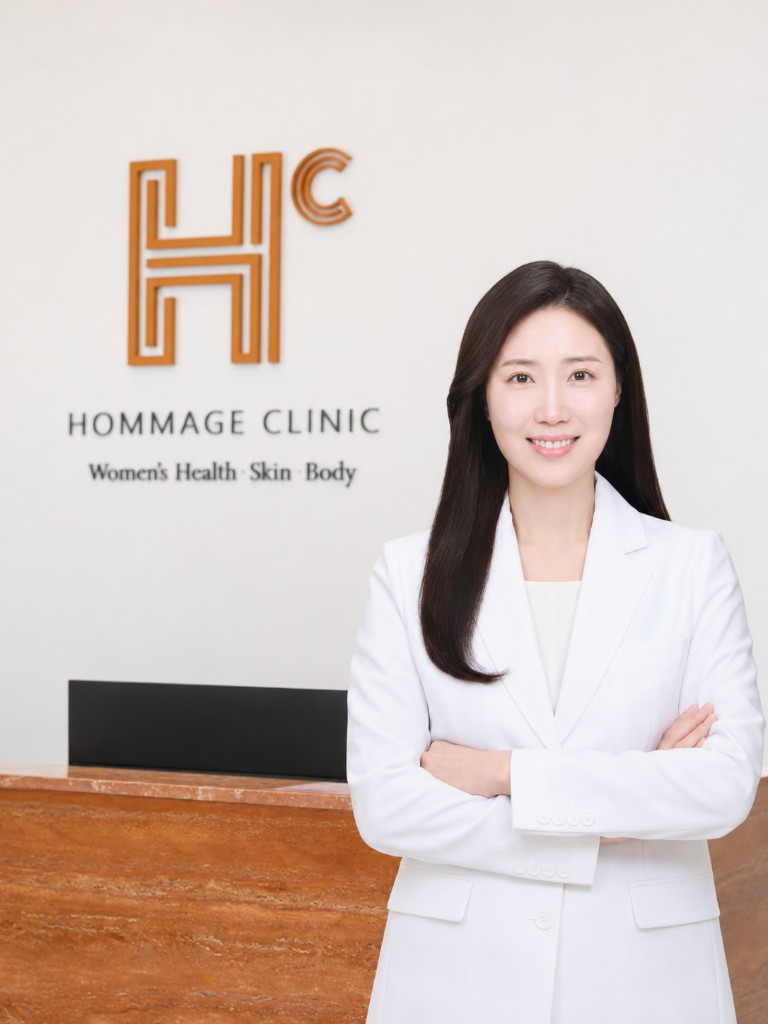
Dr. Hwang Seonhwa
Physician · Skin & Aesthetic Treatments
Dr. Hwang uses LDM mainly to calm and hydrate skin, particularly after lifting or laser treatments, and explains clearly that it complements rather than replaces tightening procedures.
Physician for face and skin procedures, including lifting, laser and skin-improvement treatments, planned around facial proportions and skin condition.
LDM: frequently asked questions
What does LDM do for the skin?
LDM uses gentle, rapidly alternating ultrasound frequencies to micro-massage the skin. It is mainly used to calm redness, support hydration and soothe skin after procedures such as Ulthera or lasers. Effects are gentle and typically last several days, so it is used as maintenance or aftercare rather than as a lifting treatment.
Does LDM hurt?
LDM does not usually hurt and needs no anesthesia. Most people feel a smooth, cool gliding sensation from the handpiece and gel, and sometimes mild warmth. If any area feels uncomfortable, especially over bone or very sensitive skin, tell the person treating you so the technique can be adjusted.
Is LDM the same as HIFU or Ulthera?
No. Both use ultrasound, but HIFU and Ulthera focus high energy deep in the tissue to create small heated points for lifting, while LDM uses low, non-focused energy to soothe and hydrate without heat injury. They are often combined: at Hommage Clinic, LDM or cryo soothing is used after HIFU lifting.
How many LDM sessions do I need?
LDM can be done as a single session after a procedure, or as a short series, for example weekly or every two weeks, for sensitive or dehydrated skin. Because the effects are temporary, people who like the results usually continue with occasional maintenance sessions. Your doctor will suggest a schedule after looking at your skin.
Can I wear makeup after LDM?
Yes, you can usually wear makeup the same day after LDM because the treatment does not break or heat the skin. If LDM was done after a laser or other procedure, follow the aftercare advice for that procedure, which may mean waiting longer before applying makeup.
Can foreigners get LDM in Seoul?
Yes. Visitors and foreign residents can ask about LDM at a skin assessment at Hommage Clinic in Gangnam, including as aftercare for another treatment. Walk-ins are welcome, or book ahead for a set time; bring your passport for registration. Please contact us before your visit to arrange language support.
Why is LDM called water-drop lifting?
In Korea LDM is often called “water-drop lifting” (물방울 리프팅) because of how the gel looks on the skin during treatment. Despite the name, LDM does not lift tissue like HIFU or Thermage; it is a soothing and hydrating treatment.
LDM vs cryo facial: which is better after lifting?
Both are used at Hommage Clinic after lifting such as Ulthera. A cryotherapy facial cools quickly and suits skin that feels very hot. LDM works without cold and often suits dry, sensitive or cold-sensitive skin. The doctor chooses based on your skin and the treatment you had.
Does LDM help acne?
There are small studies of multi-frequency ultrasound in acne, but the evidence is limited and LDM is not a substitute for medical acne treatment. It may be used as a gentle add-on for calming reactive skin. See acne treatment options for active breakouts.
Who should not have LDM?
Tell the clinic before LDM if you have a pacemaker or other implanted electronic device, cancer in or near the treatment area or ongoing cancer treatment, a blood clotting disorder, an active skin infection or open wounds, or if you are pregnant. The doctor will decide whether to proceed or wait.
Is there scientific evidence for LDM?
Evidence is limited. Published reports are mostly small case series without control groups, such as a 2024 series of 20 women treated for cellulite with triple-frequency LDM that reported no side effects. Large randomized trials for facial use are lacking, so LDM is best seen as gentle, well-tolerated maintenance care.
Can LDM be combined with skin boosters?
Yes, LDM is often used alongside other skin treatments. Timing depends on the products used and how your skin reacts, so the doctor plans the order. For longer-lasting hydration, skin boosters work inside the skin and last months.
Is LDM covered by insurance in Korea?
No. LDM and other cosmetic treatments are not covered by Korea's National Health Insurance, and travel insurance rarely covers them. You receive a written quote before treatment.
References
Sources used for this page, reviewed by Dr. Hwang Seonhwa. Read our editorial and medical review policy.
- Chervinskaya et al. Triple-frequency local dynamic micro-massage ultrasound for gynoid lipodystrophy (cellulite): a retrospective case series. Clin Cosmet Investig Dermatol. 2024. Summarized in: Triple-frequency ultrasound proven to be effective in reducing cellulite. Dermatology Times , December 2024. Dermatology Times
- Chervinskaya I, Gaidash N, Kruglikov I. A retrospective pragmatic two-center clinical study to evaluate the clinical outcome of triple-frequency ultrasound in the treatment of mild-to-severe acne vulgaris. J Cosmet Dermatol. 2024. doi:10.1111/jocd.16672. Small uncontrolled study (24 patients). PMC · Dermatology Times summary
This page is general information and does not replace a personal consultation. Illustrations are original works of Hommage Women's Clinic, Gangnam, Seoul; photos marked illustrative are not of patients.
Related skin treatments
HIFU Facial Lifting
Focused ultrasound lifting that LDM often follows as soothing aftercare.
Thermage
Radiofrequency skin tightening for laxity on the face and neck.
Cryotherapy Facial
Cooling care to calm heat and redness, the clinic's other soothing option.
Skin Barrier Repair
Staged care for stinging, dry or over-treated skin.
Korean Glass Skin Facial
Combining hydration, soothing and boosters for smooth, luminous skin.
Redness Reduction Therapy
Medical options for persistent facial redness and flushing.
Calm and hydrate your skin with LDM
Book an appointment with Dr. Hwang Seonhwa in Gangnam to find out whether LDM suits your skin, including as aftercare for lifting or laser treatment.
Hommage Clinic · 4F, Building A, 509 Gangnam-daero, Seoul (near Sinnonhyeon Station) · Mon & Fri 10:00–20:00 · Tue–Thu 10:00–19:00 · Sat 10:00–15:00