Skin & Aesthetics · Contouring guide
Buccal Fat Reduction in Seoul: Surgery vs Non-Surgical Options
Buccal fat reduction, also called buccal fat removal or buccal lipectomy, is a surgery that removes part of the deep fat pad in each cheek through a small incision inside the mouth to make the lower cheeks look slimmer. Hommage Clinic in Gangnam, Seoul does not perform this surgery; Dr. Kim Hyunbin reviews this guide and assesses whether non-surgical contouring suits you instead.
Quick answer
Buccal fat reduction(buccal fat removal, buccal lipectomy) is a short, permanent surgery that removes part of the deep fat pad in each cheek through a 1–2 cm cut inside the mouth. Hommage Women's Clinic in Gangnam, Seoul does not perform it; Dr. Kim Hyunbin reviews this guide and checks whether muscle, fat under the skin or early sagging, which respond to non-surgical treatment, is the real cause.
Key takeaways
- The buccal fat pad lies deep, near a facial nerve branch and the salivary duct; injections cannot reach it.
- Removal cannot be undone, and buccal fat shrinks naturally with age.
- Many “chubby cheeks” are a jaw muscle, fat under the skin or early sagging, not buccal fat.
- Reversible, non-surgical options let you see a change before anything permanent.
Infographic
Buccal fat removal in numbers
Surgery time
Often a day procedure under local anesthesia.
Incision
Inside each cheek; no scar on the face.
Back to desk work
Soft diet and mouth rinses for several days.
Swelling
Hides the result at first.
Final contour
Judged once swelling fully settles.
Surgeries at Hommage
The clinic offers assessment and non-surgical contouring only.
Buccal fat removal surgery at a glance
| Key fact | Details |
|---|---|
| What it is | Surgical removal of part of the deep buccal fat pad through a 1–2 cm cut inside each cheek |
| Who performs it | Plastic surgeons or oral and maxillofacial surgeons |
| Anesthesia | Usually local anesthesia, sometimes with sedation or general anesthesia |
| Recovery | Swelling for about 1–3 weeks; soft diet and mouth rinses for several days |
| Final result | Typically visible after about 3–6 months, once swelling fully settles |
| Main risks | Over-hollowing with age, asymmetry, nerve or salivary duct injury, infection |
| At Hommage Clinic | Surgery not offered; assessment and non-surgical contouring reviewed by Dr. Kim Hyunbin |
Surgery may be worth discussing with a surgeon if you have
- Round, full lower cheeks at a stable, healthy weight
- Fullness that sits inside the cheek rather than in the jaw muscle or under the skin
- A face that has kept this fullness since your teens or early twenties
- Realistic expectations and time for a 1–3 week recovery
Consider non-surgical options first if you
- Already have a slim face, hollow cheeks or early sagging
- Are over about 40, when natural facial fat loss can make removal look aged later
- Have a square jaw from a large chewing muscle rather than cheek fat
- Are pregnant, breastfeeding or still losing weight
What is buccal fat reduction?
Buccal fat reduction is an operation that removes part of the buccal fat pad, a deep pocket of fat that sits between the cheek muscles below the cheekbone. Less volume in this pad can make the lower cheeks look less round and the area under the cheekbones more defined.
The buccal fat pad (also called Bichat's fat pad) is separate from the fat just under your skin. It sits deeper, close to a branch of the facial nerve and the duct that carries saliva from the parotid gland. The surgeon reaches it through a short cut inside each cheek, so there is no visible scar on the face.
Removing the fat is irreversible. The buccal fat pad also shrinks naturally with age, so a face that looks full at 25 can look hollow at 45 if too much is taken. This is why many surgeons now remove less than in the past, and why careful selection matters.
Who performs buccal fat removal, and who is it for?
Buccal fat removal is performed by plastic surgeons and by oral and maxillofacial surgeons, in a facility equipped for minor facial surgery. Hommage Clinic does not perform buccal fat removal or any other facial surgery.
The people most likely to benefit have genuinely full lower cheeks caused by a large buccal fat pad, a stable healthy weight and good skin elasticity. It is less suitable if your face is already slim, if you are in your 40s or older, or if your width comes from something else:
- A large jaw muscle: clenching makes a hard bulge at the jaw angle. This responds to jawline Botox for masseter reduction , not fat removal.
- Fat under the skin: soft fullness near the jowls or under the chin sits in a different layer.
- Bone width: wide cheekbones or jaw angles are bone; see our guide to cheekbone reduction .
If you are considering surgery, ask the surgeon about their specialist qualification, how often they perform the operation, how much fat they plan to remove, and how follow-up works if you live abroad.
What happens during surgery, and how long is recovery?
The operation usually takes about 30–60 minutes and is often done as a day procedure. Most people return to desk work within about a week, although swelling takes longer to settle.
- The inside of the mouth is numbed with local anesthesia, sometimes with sedation or general anesthesia.
- A 1–2 cm cut is made inside each cheek, near the upper back teeth.
- The surgeon gently teases out part of the fat pad, checks both sides for symmetry, and closes the cuts with dissolving stitches.
Afterward, expect swelling and tightness for about 1–3 weeks, a soft diet for several days and antiseptic mouth rinses after meals. Smoking slows healing and should be avoided. Because swelling hides the result, the final contour is usually judged after about 3–6 months.
Risks and possible side effects of buccal fat removal
Buccal fat removal is a short operation, but it is still surgery and the change cannot be undone. Possible problems include:
- Common: swelling, bruising, tenderness and difficulty opening the mouth widely for a few days.
- Infection or a blood collection (hematoma) inside the cheek, which may need drainage.
- Asymmetry , if different amounts are removed or swelling settles unevenly.
- Nerve injury: temporary or, rarely, lasting weakness of the cheek or upper-lip muscles from damage to a facial nerve branch.
- Salivary duct injury , which can cause a swelling filled with saliva.
- Over-hollowing: a gaunt or tired look, which may only appear years later as the face ages.
After any surgery, seek urgent care for rapidly increasing swelling, fever, pus inside the mouth or difficulty breathing or swallowing. Your surgeon should explain how to reach the team after hours.
Non-surgical alternatives to buccal fat removal
Non-surgical treatments cannot remove the deep buccal fat pad, but many people who want slimmer cheeks have a different cause that responds well to them. The aim is to treat what is actually making the face look wide.
- Muscle: botulinum toxin relaxes an enlarged masseter so the lower face narrows over 2–6 weeks. Compare the options in our face slimming injections guide.
- Fat under the skin: fat-dissolving injections act on fat just beneath the skin of the lower cheeks, jowls or chin. They do not reach the buccal fat pad, so they are not a substitute for surgery.
- Sagging: lower-face fullness is often early laxity. Ulthera Prime micro-focused ultrasound, Thermage FLX or Tune Face radiofrequency, and MINT or Silhouette Soft threads tighten and lift. See HIFU facial lifting .
- Proportion: a small amount of dermal filler at the chin or front cheek can make the lower face look slimmer without removing anything.
These options are reversible or wear off over time, which lets you see how a change looks before committing to something permanent.
Cheek contouring at Hommage Clinic
Hommage Clinic is a women's health and skin clinic in Gangnam, a short walk from Sinnonhyeon Station, and welcomes walk-ins during opening hours. A doctor examines your cheeks at rest and while clenching, checks skin firmness and bone shape, and explains which layer is creating fullness. If surgery seems more suitable than any non-surgical option, the doctor will tell you plainly and explain what to ask a surgeon.
Non-surgical contouring may combine botulinum toxin, contour injections, lifting devices and threads. You can browse allskin and aesthetic treatments. Cost depends on the treatments chosen and the number of sessions. Cosmetic procedures are not covered by Korea's National Health Insurance, and you receive a written quote before treatment. You canbook a consultationto have your cheeks assessed.
Anatomy
Where is buccal fat? The four causes of full cheeks
A round lower face can come from four different layers, and only one of them is the buccal fat pad. The pad sits deep in the cheek, below the cheekbone and in front of the jaw muscle, separate from the fat just under the skin. The diagram below shows the four common sources of cheek fullness and the treatment that matches each.
Compare
Buccal fat removal vs non-surgical cheek slimming
The biggest difference is permanence. Surgery removes deep fat for good; non-surgical treatments are reversible or wear off, which makes them a lower-risk way to test a slimmer look. They also treat different layers, so the right choice depends on what is causing the fullness.
| Compare | Buccal fat surgery | Non-surgical options |
|---|---|---|
| Treats | Deep buccal fat pad | Jaw muscle, fat under the skin, early sagging |
| Performed by | Plastic or oral and maxillofacial surgeon | Physician, e.g. at Hommage Clinic |
| Reversible? | No | Toxin wears off; filler and lifting fade |
| Main concern | Hollowing years later, nerve or duct injury | Effect may be smaller; repeat sessions |
 Hommage · Gangnam
Hommage Women's Clinic · Gangnam, Seoul
Some cheek fullness is part of a youthful face. Illustrative photo.
Long term
Buccal fat removal regret: how the face changes with age
The most common worry people search for is whether buccal fat removal will look good in ten or twenty years. The reason is simple: buccal fat shrinks on its own with age, while removed fat never comes back. A face that is full at 25 can be well balanced at 35 without surgery, and a face that had fat removed at 25 can look hollow at 45. The illustration shows this in simple terms; individual faces vary.
 Hommage · Gangnam
Hommage Women's Clinic · Gangnam, Seoul
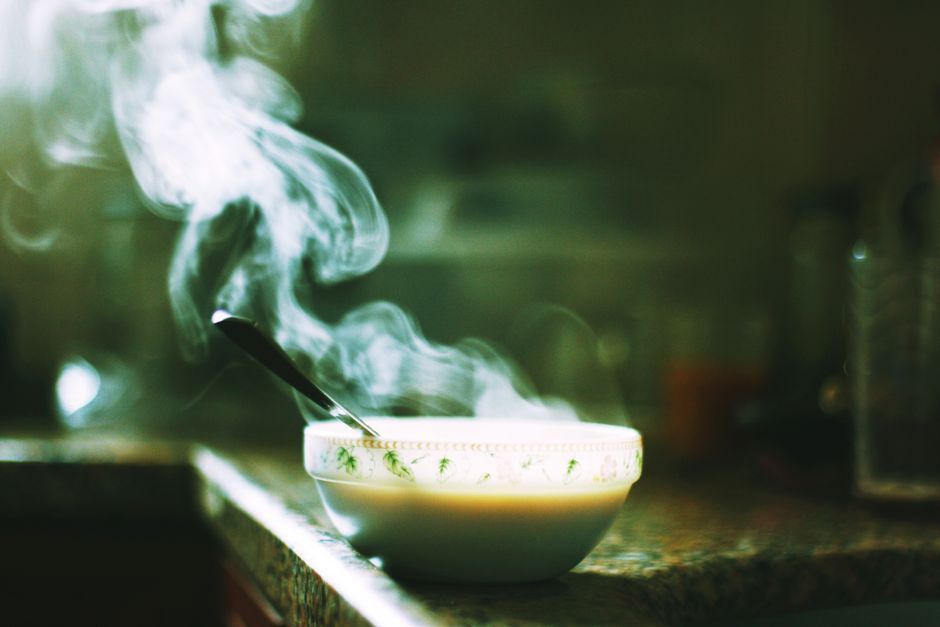
Soft food and mouth rinses help the inner-cheek stitches heal. Illustrative photo.
Recovery
Buccal fat removal recovery: do's and don'ts
If you decide on surgery with a surgeon elsewhere, follow their written instructions first. In general, recovery focuses on keeping the cuts inside the mouth clean and letting swelling settle.
Do
- Eat soft, lukewarm food for several days
- Rinse your mouth as instructed after meals
- Use cold packs on the cheeks in the first days
- Sleep with your head raised while swollen
- Keep follow-up checks with your surgeon
Don't
- Smoke; it slows healing inside the mouth
- Chew hard or crunchy food near the cuts
- Open your mouth very wide in the first days
- Judge the result before 3–6 months
- Ignore fever, pus or rapidly increasing swelling
Evidence
What the research says about cheek slimming options
Buccal fat removal has been performed for decades, but high-quality comparative research on it is limited, and long-term follow-up on how faces look 10–20 years later is scarce. That is exactly the question most people ask, so treat confident long-term promises with caution. The non-surgical alternatives have better-defined evidence for the layers they treat, summarized below.
Minor complications after surgery
Of 71 patients assessed for complications across the reviewed studies; no parotid duct or facial nerve injuries were reported.
Moura et al., Med Oral Patol Oral Cir Bucal, 2018 [5]Clinical trials found
A systematic review screened 220 articles and included 8 studies, none of them clinical trials; none assessed long-term effects or facial aging.
Moura et al., Med Oral Patol Oral Cir Bucal, 2018 [5]Thinner jaw muscle
Average masseter thickness reduction one month after toxin in 20 Korean adults.
Bae et al., Toxins, 2020 [1]Approved fat injection
Deoxycholic acid is approved for fat under the chin, not for the cheeks.
US prescribing information, Kybella, 2015 [2]Evidence for other uses
Injection lipolysis outside the chin has mostly low-level evidence.
ASPS position statement, 2019 [3]Keep away from glands
Fat-dissolving injections should stay this far from salivary glands, lymph nodes and muscles.
Allergan dosing information, Kybella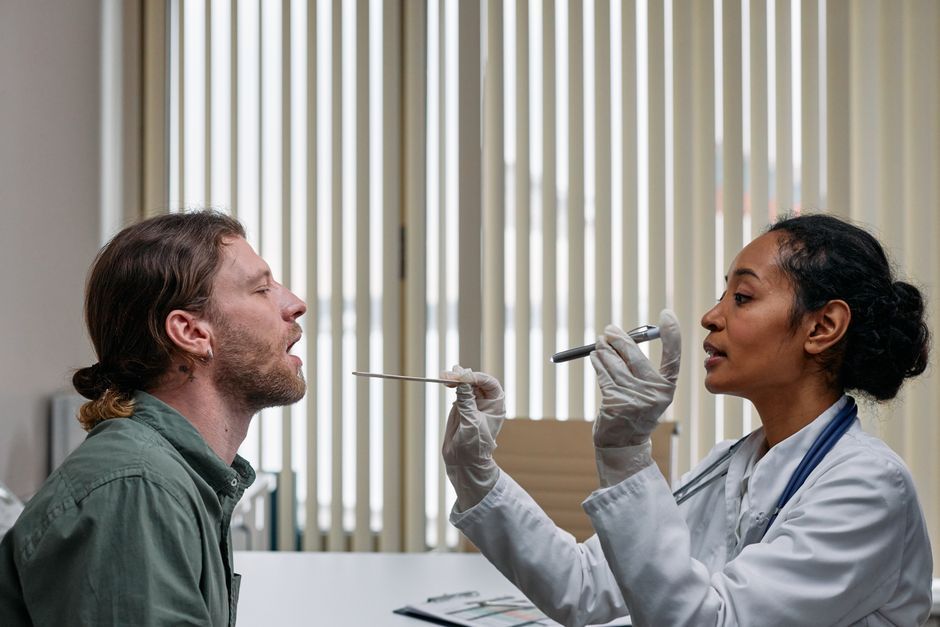 Hommage · Gangnam
Hommage Women's Clinic · Gangnam, Seoul
A face assessment helps separate buccal fat from jaw muscle, surface fat and sagging. Illustrative photo.
Before you decide
Is buccal fat removal an established technique? What the gaps in evidence mean
A 2018 systematic review asked exactly this question. It found only eight studies that met its criteria, none of them clinical trials, and minor complications in fewer than one in ten of the patients whose complications were reported. Serious injuries to the salivary duct or facial nerve were not found in those studies, but the numbers were small. Most importantly, no included study followed people long enough to see how their faces aged, and the authors called for controlled clinical studies.
In practice, this means the decision rests more on careful assessment than on data. At Hommage Women's Clinic, Dr. Kim Hyunbin's team first checks whether fullness comes from the buccal pad, the jaw muscle, surface fat or early sagging. If non-surgical options such as jaw Botox or HIFU lifting fit the cause better, you hear that first; if surgery seems the right path, we suggest discussing a conservative plan with a qualified surgeon.
Traveling to Seoul
Buccal fat reduction in Seoul for international patients
Many visitors come to Seoul asking about buccal fat removal. If you plan surgery with a surgeon, allow at least 1–2 weeks in Seoul for swelling to settle and a check of the incisions before flying, and ask how follow-up works once you are home.
If you would like a second opinion first, Hommage Women's Clinic in Gangnam offers a non-surgical assessment. Non-surgical options such as jaw Botox or lifting fit into a short trip with little downtime.
- Send front and side photos by WhatsApp, KakaoTalk or the contact form before you travel.
- Bring your passport and a list of medicines.
- Ask for language support when booking.
 Hommage · Seoul
Hommage Women's Clinic · Gangnam, Seoul
Allow time in Seoul for follow-up if you choose surgery. Illustrative photo.
Choosing well
Questions to ask before buccal fat removal in Seoul
Because the result is permanent, the choice of surgeon matters more than for most cosmetic procedures. Take these questions to any surgical consultation:
- Are you a plastic or oral and maxillofacial surgery specialist? Check the qualification, not just the clinic name.
- Is my fullness really buccal fat? Ask how they ruled out the jaw muscle, surface fat and sagging.
- How much will you remove, and why? A conservative, explained plan lowers the risk of hollowing.
- How will my face look in 10–20 years? A good surgeon discusses aging honestly.
- What if there is a problem after I fly home? Agree on contact and follow-up in writing.
What affects the cost of cheek slimming?
For surgery, cost depends on the surgeon, the type of anesthesia and the facility. For non-surgical options at Hommage Clinic, it depends on the treatments chosen (toxin, injections, lifting or filler), the product and dose, and the number of sessions. Cosmetic treatment is not covered by Korea's National Health Insurance, and you receive a written quote before any treatment.
 Hommage · Gangnam
Hommage Women's Clinic · Gangnam, Seoul
Take your questions to every consultation and decide without pressure. Illustrative photo.
Your visit
What to expect at a cheek contouring consultation
01
Assessment
Dr. Kim's team examines your cheeks at rest and while clenching, checks fat, skin firmness and bone shape, and takes photos.
02
Honest options
You hear which layer causes the fullness and whether non-surgical treatment can help, or whether a surgical opinion makes more sense.
03
Your plan
If you choose non-surgical contouring, you receive the expected sessions, downtime, risks and a written quote.
04
Review
A follow-up about 4–6 weeks after treatment to compare photos and decide on any next step.
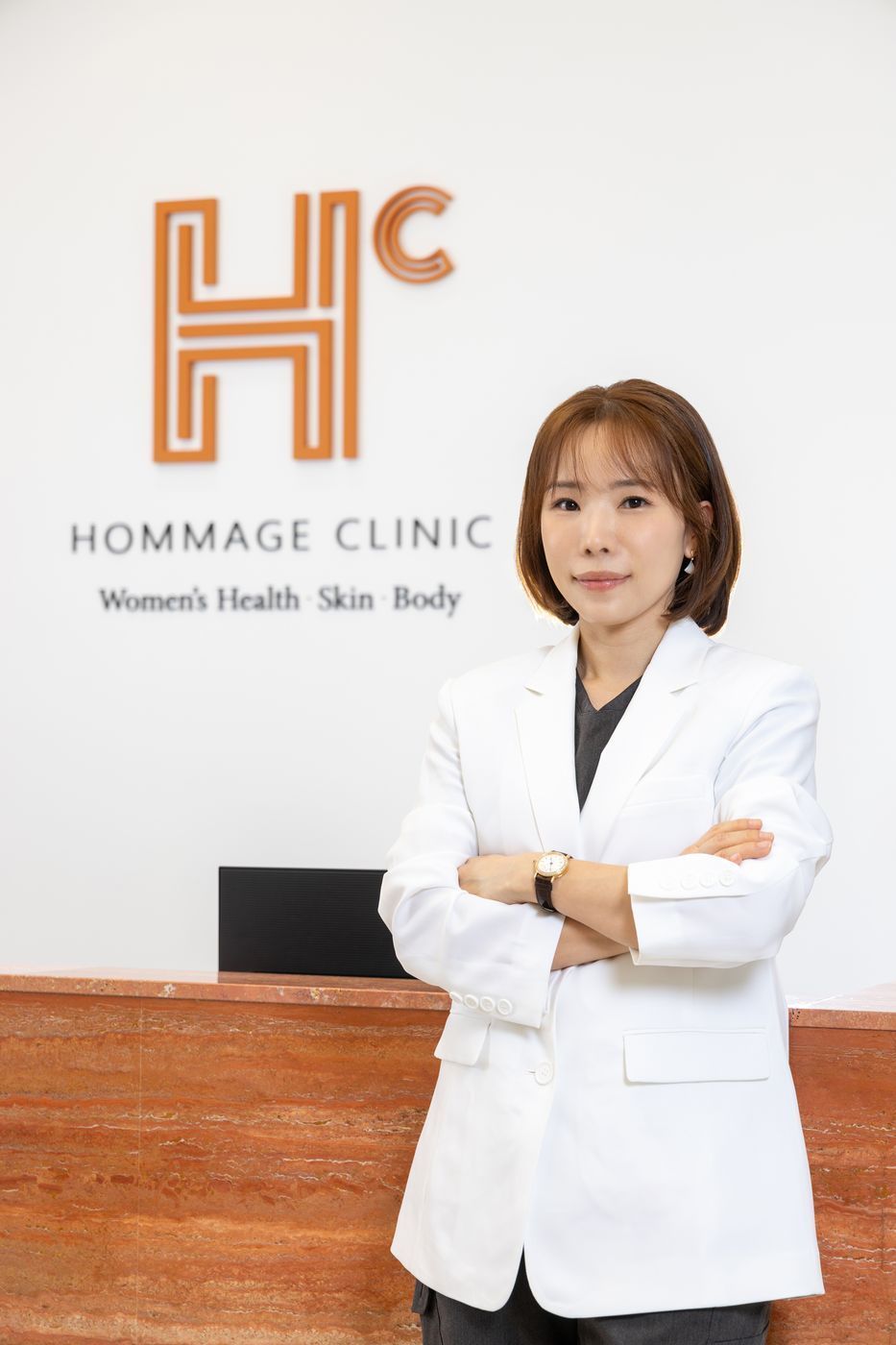
Your doctor
Dr. Kim Hyunbin
Associate Director · Skin & Aesthetic Treatments
Dr. Kim assesses whether cheek fullness comes from the buccal fat pad, the jaw muscle, fat under the skin or early sagging before discussing any option. When surgery looks more suitable than injections or lifting, Dr. Kim says so and explains what to ask a surgeon.
Associate director dedicated to skin and aesthetic procedures, with extensive experience in lifting, botulinum toxin, fillers and laser treatments.
Buccal fat reduction: frequently asked questions
Does Hommage Clinic perform buccal fat removal?
No. Hommage Clinic does not perform buccal fat removal or other facial surgery. The clinic offers an assessment and non-surgical contouring, such as jaw Botox, contour injections and lifting. If surgery looks more suitable for you, the doctor will explain why and what to ask a plastic or oral and maxillofacial surgeon.
Is buccal fat removal permanent?
Yes. Removed buccal fat does not grow back, so the change is irreversible. Your face still ages, though, and the remaining buccal fat naturally shrinks over time. Removing too much can make the cheeks look hollow or tired years later, which is why careful patient selection and conservative removal matter.
How long does buccal fat removal recovery take?
Most people return to desk work within about a week, but swelling usually lasts 1–3 weeks. You will typically eat soft food and use mouth rinses for several days while the stitches inside the cheek dissolve. The final contour is generally judged after about 3–6 months, once all swelling has settled.
Can fat-dissolving injections remove buccal fat?
No. Fat-dissolving injections work on the fat just beneath the skin, while the buccal fat pad lies deeper, between the cheek muscles and close to nerves and a salivary duct. Injections are therefore not a substitute for surgery. They can help when fullness comes from fat under the skin of the lower cheeks or chin.
Will buccal fat removal make me look older?
It can, in some faces. Youthful faces have full cheeks, and buccal fat naturally decreases with age. If a lot is removed from a face that is already slim, the cheeks can look hollow or gaunt as you get older. People with very full cheeks at a younger age are usually at lower risk.
What can I do instead of buccal fat surgery?
It depends on what is making your face look wide. Jaw Botox slims a large chewing muscle, contour injections reduce fat under the skin, and lifting treatments tighten early sagging. Small amounts of filler can also improve proportion. See our face slimming injections guide to compare the options.
Can foreigners have cheek contouring treatment in Seoul?
Yes. International patients can have non-surgical cheek contouring at Hommage Clinic; bring your passport for registration. Walk-ins are welcome, or book ahead for a set time. If you are considering surgery elsewhere, plan to stay in Seoul for at least 1–2 weeks for follow-up. Contact us before your visit to arrange language support.
How do I know if I have large buccal fat pads?
Buccal fat fullness sits in the lower-middle cheek, below the cheekbone and in front of the jaw muscle, and is often present since your teens. A doctor checks by examining the cheek at rest and while you clench, pinching the surface fat, and looking at skin firmness and bone shape. Many people who think they have large buccal fat actually have a strong masseter or surface fat.
Is buccal fat removal safe?
It is a short operation that is generally well tolerated in suitable patients, but it is still surgery. Risks include infection, bleeding inside the cheek, asymmetry, injury to a facial nerve branch or the salivary duct, and a hollow look later in life. Choosing an experienced specialist surgeon and a conservative plan lowers these risks.
What is the best age for buccal fat removal?
There is no fixed age, but surgeons are generally more cautious from about 40, because natural fat loss with age can make removal look aging later. People in their 20s and 30s with genuinely full lower cheeks and good skin are more often considered suitable. A slim face at any age is usually a reason to avoid it.
Can buccal fat removal be reversed?
Not directly. The removed fat cannot be put back. If the cheeks later look hollow, volume can sometimes be restored with fillers or fat grafting, but results vary and may need repeating. This is the main reason to try reversible options first and to choose conservative removal if you go ahead.
Will jaw Botox make my cheeks look slimmer?
If the width of your lower face comes from an enlarged masseter muscle, yes. Botulinum toxin relaxes the muscle so it slowly thins, narrowing the jaw angle over 2–6 weeks. It does not change buccal fat. See our jawline Botox page for details.
How long should I stay in Seoul after buccal fat surgery?
Plan on at least 1–2 weeks, so swelling can settle and your surgeon can check the incisions inside your mouth before you fly. Agree in advance on how to contact the surgical team from home if you notice fever, increasing swelling or pus.
References
Sources used for this page, reviewed by Dr. Kim Hyunbin. Read our editorial and medical review policy.
- Bae H, Kim J, Seo KK, Hu KS, Kim ST, Kim HJ. Comparison between conventional blind injections and ultrasound-guided injections of botulinum toxin type A into the masseter: a clinical trial. Toxins. 2020;12(9):588. DOAJ
- US Food and Drug Administration. KYBELLA (deoxycholic acid) injection: prescribing information. 2015. FDA label
- American Society of Plastic Surgeons. Mesotherapy and injection lipolysis: position statement (updated 2019). ASPS
- Kamalpour S, LeBlanc K Jr. Injection adipolysis: mechanisms, agents, and future directions. J Clin Aesthet Dermatol. 2016;9(12):44–50. JCAD
- Moura LB, Spin JR, Spin-Neto R, Pereira-Filho VA. Buccal fat pad removal to improve facial aesthetics: an established technique? Med Oral Patol Oral Cir Bucal. 2018;23(4):e478–e484. doi:10.4317/medoral.22449. PMC
This page is general information and does not replace a personal consultation. Hommage Clinic does not perform buccal fat removal. Illustrations are original works of Hommage Women's Clinic, Gangnam, Seoul; photos marked illustrative are not of patients.
Non-surgical contouring options
Face Slimming Injections
How jaw toxin and fat-dissolving injections differ, and which suits your face.
Jawline Botox (Masseter Reduction)
Botulinum toxin that slims a square jaw by relaxing an enlarged chewing muscle.
Fat Dissolving Injections
Injections that break down small fat pockets on the face and under the chin.
HIFU Facial Lifting
Micro-focused ultrasound that lifts and firms the jawline, cheeks and the area under the chin.
Cheekbone Reduction
What zygoma surgery involves, and non-surgical ways to soften prominent cheekbones.
Facial Balancing Treatment
Filler, toxin and lifting planned together for better facial proportion.
Find out what is making your cheeks look full
Book an assessment in Gangnam. We check muscle, fat, bone and skin firmness and explain non-surgical options honestly, including when surgery may suit you better.
Hommage Clinic · 4F, Building A, 509 Gangnam-daero, Seoul (near Sinnonhyeon Station) · Mon & Fri 10:00–20:00 · Tue–Thu 10:00–19:00 · Sat 10:00–15:00