
Fungal Acne Treatment in Korea
Fungal Acne Treatment in Korea
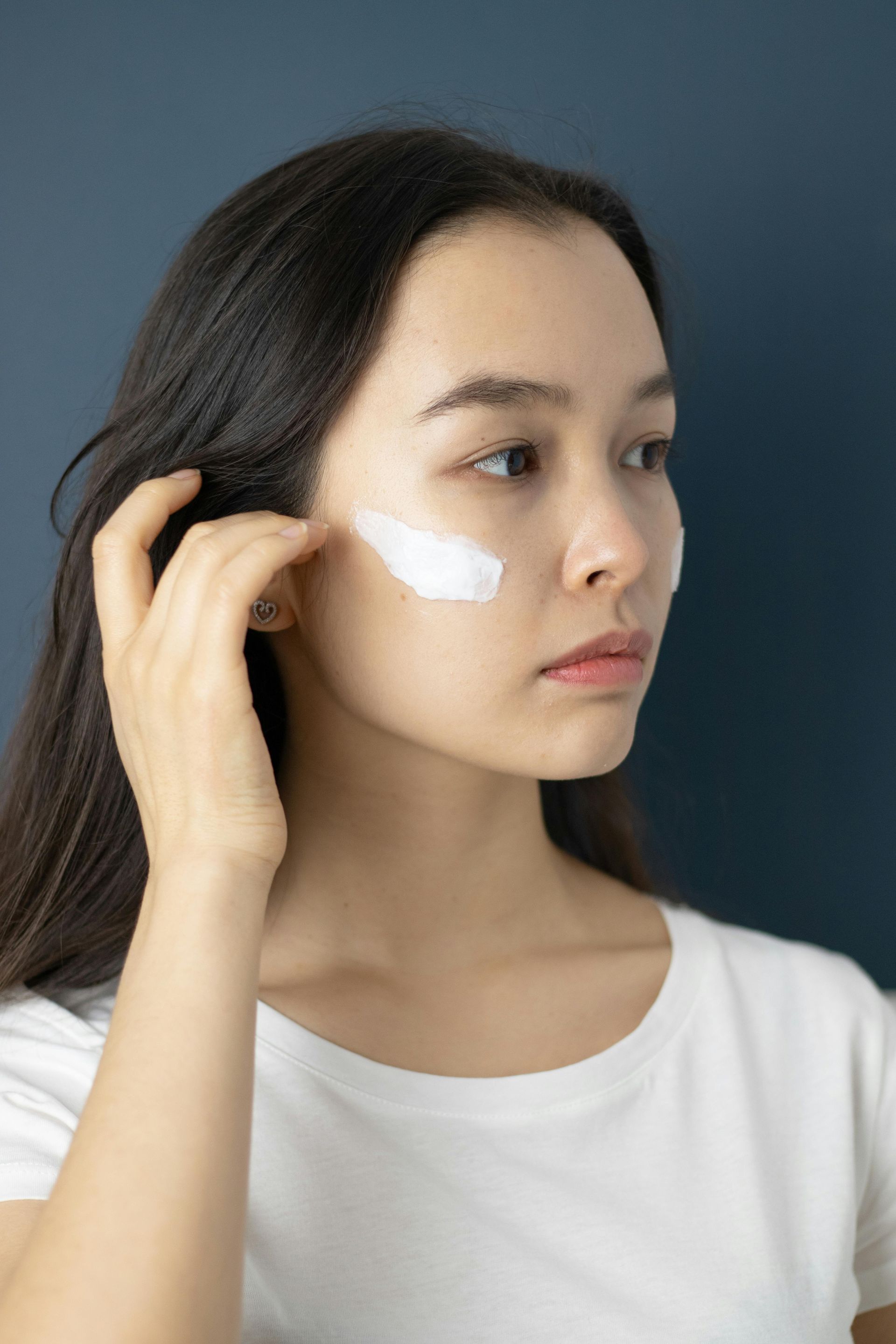
Fungal acne is caused by an overgrowth of yeast (Malassezia) that naturally lives on the skin.
Unlike regular acne:
- It appears as small, uniform bumps
- Often itchy (not always painful)
- Common on forehead, chest, and back
- Does not respond well to typical acne treatments
👉 Misdiagnosis is very common—this is why professional evaluation is important.
Why Accurate Diagnosis Matters 🔬
Korean clinics emphasize differential diagnosis before treatment.
Fungal acne can be confused with:
- Regular acne
- Bacterial folliculitis
- Heat rash or irritation
Clinics first determine the exact cause because treatment differs completely.
👉 Treating fungal acne with standard acne medication can actually make it worse.
The Korean Approach: Target the Yeast, Not Just the Skin 🧠
Korean dermatology focuses on:
- ✔️ Eliminating fungal overgrowth
- ✔️ Restoring skin balance
- ✔️ Preventing recurrence
This is done through a combination of medical treatment + skin care adjustment.
1. Antifungal Medications (Core Treatment) 💊
This is the most important step.
Common options:
- Topical antifungal creams
- Antifungal shampoos (used on skin)
- Oral antifungal medication (for severe cases)
Antifungal therapy directly targets the yeast causing breakouts.
Clinical studies show medications like itraconazole can significantly improve lesions within weeks.
2. Medical Cleansing & Acne Care 🧴
Korean clinics often include gentle treatments to support recovery:
- Light exfoliation (non-irritating)
- Sebum control care
- Anti-inflammatory treatments
👉 The goal is to reduce oil without feeding the yeast, since Malassezia thrives on lipids.
3. Laser & Light Therapy (Supportive) ✨
Unlike regular acne, lasers are not the main treatment—but they can help:
- Reduce inflammation and redness
- Improve skin texture after breakouts
- Prevent post-acne marks
👉 Used as a supportive treatment, not a primary cure.
4. Skin Barrier Repair 💖
Fungal acne often worsens when the skin barrier is damaged.
Korean clinics focus on:
- Hydration treatments
- Barrier-repair skincare
- Low-irritation routines
👉 Healthy skin = less chance for yeast overgrowth.
5. Skincare & Lifestyle Adjustments 🔄
This is critical for preventing recurrence.
Doctors typically recommend:
- Avoiding heavy, oily products
- Using fungal-acne-safe skincare
- Showering after sweating
- Wearing breathable clothing
Fungi thrive in warm, humid, oily environments, so controlling these factors is key.
What Makes Fungal Acne Different from Regular Acne? ⚠️
- Regular acne → bacteria + oil → treated with antibiotics
- Fungal acne → yeast → treated with antifungals
👉 Using the wrong treatment (like antibiotics) can worsen fungal acne.
Typical Treatment Timeline ⏳
- Initial improvement: 1–3 weeks
- Clearer skin: 3–6 weeks
- Maintenance: ongoing skincare + prevention
Fungal acne often responds faster than regular acne once treated correctly.
Cost of Treatment in Korea 💰
Estimated ranges:
- Consultation: ₩10,000 – ₩50,000
- Topical treatment: ₩20,000 – ₩100,000
- Oral medication: ₩30,000 – ₩150,000
- Add-on treatments (laser, care): ₩100,000+
Why Foreign Patients Choose Korea 🌏
- ✔️ Accurate diagnosis (key for fungal acne)
- ✔️ Access to prescription antifungal treatments
- ✔️ Combination of medical + aesthetic care
- ✔️ Fast and efficient treatment plans
Tips for Foreign Patients ✔️
- ✔️ Don’t self-diagnose—many cases are misidentified
- ✔️ Avoid oily skincare products
- ✔️ Follow medication exactly as prescribed
- ✔️ Maintain hygiene (especially after sweating)
- ✔️ Stick to simple, non-comedogenic routines
Final Thoughts 💖
Fungal acne is one of the most misunderstood skin conditions—but it’s also highly treatable when diagnosed correctly.
Korean dermatology stands out because it:
- Identifies the exact cause
- Uses targeted antifungal therapy
- Combines medical treatment with barrier repair
With the right approach, you can expect:
- ✨ Rapid improvement
- ✨ Reduced recurrence
- ✨ Clearer, balanced skin