
Skin & Aesthetics · Rosacea
Rosacea Laser Treatment in Seoul: Reducing Redness and Visible Vessels
Rosacea laser treatment uses a vascular laser or intense pulsed light to close the dilated blood vessels behind rosacea's persistent redness and visible veins, usually over three to five sessions. It does not cure rosacea, so at Hommage Clinic in Gangnam, Seoul, Dr. Hwang Seonhwa combines it with trigger control and topical or oral treatment for bumps and flares.
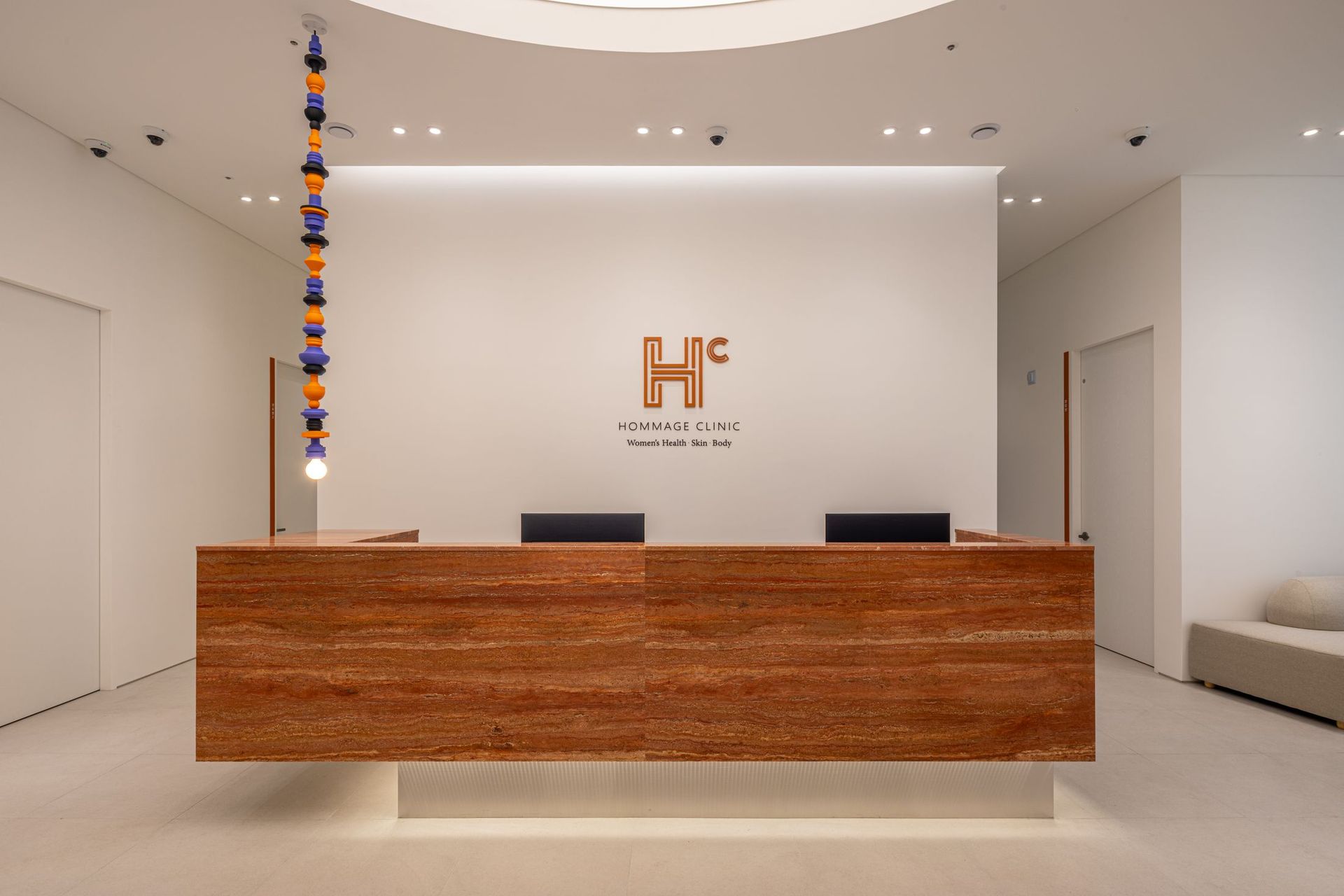
Quick answer
Rosacea laser treatment uses a vascular laser or intense pulsed light (IPL) to close the dilated vessels behind rosacea's persistent redness and visible veins, usually over 3–5 sessions about 4–6 weeks apart. At Hommage Women's Clinic in Gangnam, Seoul, Dr. Hwang Seonhwa first calms active bumps with medication and trigger control, then plans laser or light for the redness that remains. Laser does not cure rosacea, so maintenance and daily care keep results going.
Key takeaways
- Laser mainly treats redness and visible vessels, not inflamed bumps.
- Pulsed dye and 1064 nm Nd:YAG lasers gave similar results in a 2022 meta-analysis.
- Calming the skin first lowers the risk of a post-laser flare.
- Sun protection and trigger control help results last longer.
Infographic
Rosacea laser in numbers
Sessions
Typical course for rosacea redness.
Between sessions
Time for treated vessels to clear.
Full-face session
With cooling and eye shields.
Redness & swelling
Bruising 1–2 weeks only with purpuric settings.
>50% clearance
Pooled results for pulsed dye and Nd:YAG lasers (2022).
Maintenance a year
Common once the main course is done.
Rosacea laser at a glance
| Key fact | Details |
|---|---|
| What it treats | Persistent redness, flushing tendency and visible vessels (telangiectasia) of rosacea |
| What it does not treat alone | Inflamed bumps and pustules, which need topical or oral medication |
| Sessions | Usually 3–5, about 4–6 weeks apart, then maintenance as needed |
| Downtime | Redness and swelling for 1–3 days; bruising for 1–2 weeks with some settings |
| Results visible | Gradual reduction in redness after each session |
| How long results last | Often a year or more, but rosacea is long-term and redness can return |
| Reviewed by | Dr. Hwang Seonhwa, physician for skin and aesthetic treatments |
Rosacea laser may help if you have
- Persistent redness across the cheeks, nose or chin
- Visible fine vessels on the nose and cheeks
- Frequent flushing that leaves redness behind
- Redness that remains after bumps are controlled with medication
Wait or see a doctor first if you have
- Many active, inflamed bumps or pustules, which should be calmed with medication first
- Eye burning, grittiness or redness, which may be ocular rosacea and needs an eye check
- A fresh tan, or you are pregnant
- Thickening skin on the nose (rhinophyma), which needs a different approach
What is rosacea?
Rosacea is a common long-term inflammatory skin condition of the central face. It typically causes flushing, persistent redness and visible vessels, and in some people papules and pustules that look like acne but without blackheads. It is most often diagnosed in adults between 30 and 50.
Dermatologists now describe rosacea by its features rather than fixed types. These include:
- Persistent central facial redness , which can deepen during flares.
- Flushing in response to triggers.
- Telangiectasia , fine visible vessels. See broken capillary removal .
- Papules and pustules , red bumps and small pus spots.
- Eye symptoms such as dryness, burning and redness of the eyelids.
- Skin thickening , most often on the nose, which is less common in women.
The exact cause is not fully understood. Overactive blood vessels, an altered immune response, skin mites called Demodex and a weakened skin barrier all appear to play a part. Rosacea is not caused by poor hygiene and is not contagious.
How does laser treat rosacea?
Laser and light treatments reduce rosacea redness by closing the dilated vessels that cause it. The light is absorbed by blood inside the vessels, heating and sealing them, and the body clears them over the following weeks.
Two main approaches are used:
- Vascular laser , such as pulsed dye (585–595 nm), KTP (532 nm) or long-pulsed Nd:YAG (1064 nm), suits persistent redness and distinct vessels.
- IPL uses filtered broad-spectrum light and can reduce diffuse redness while also improving brown sun spots.
Laser mainly helps the redness and vessels. It may reduce flushing for some people, but it does not reliably clear inflamed bumps, and it does not stop rosacea from being active. That is why laser is planned alongside medical treatment rather than instead of it.
Rosacea treatment beyond laser: triggers and medication
Effective rosacea care combines three parts: gentle skin care and trigger control, medication for inflammation, and laser or light for redness and vessels.
Common triggers to track
- Sun exposure and heat, including saunas and hot showers
- Alcohol, especially red wine, and hot drinks
- Spicy food
- Emotional stress and intense exercise
- Cold wind and sudden temperature changes
- Irritating skin care, such as alcohol toners, scrubs and strong acids
Medical treatments
- Topical creams and gels: metronidazole, azelaic acid and ivermectin reduce bumps and inflammation; brimonidine or oxymetazoline can temporarily narrow vessels to reduce redness for several hours.
- Oral treatment: low-dose doxycycline or other tetracycline-class antibiotics for moderate bumps, used for their anti-inflammatory effect. Low-dose isotretinoin is sometimes considered for severe or resistant cases.
- Skin barrier care: a gentle cleanser, fragrance-free moisturizer and daily sunscreen. See skin barrier repair .
If your main concern is redness and you are not sure it is rosacea, start with redness reduction therapy , which looks at all causes of facial redness.
What happens during rosacea laser, and does it hurt?
A session usually takes 15 to 30 minutes for the full face. Inflamed bumps are calmed with medication beforehand where possible. On the day, your skin is cleansed, photos are taken, you wear eye shields and the laser or light is applied across the red areas with cooling before each pulse.
Each pulse feels like a quick, warm snap of a rubber band. Most people manage without numbing cream; cooling makes it more comfortable. Rosacea skin can feel warm and flushed for a few hours afterward, so treatment settings start conservatively and are adjusted at each visit.
How long do rosacea laser results last?
Most people need three to five sessions about four to six weeks apart, with redness improving gradually after each one. Closed vessels do not reopen, and many people find the improvement lasts a year or longer.
Because rosacea is a long-term condition, new vessels and redness can return, especially with sun exposure and frequent flushing. Many people book a maintenance session once or twice a year and continue their topical treatment and trigger control. After each session, expect redness and swelling for one to three days. With purpuric pulsed dye settings, purple bruising lasts about one to two weeks.
Aftercare
- Use cool compresses for short periods; avoid ice directly on the skin.
- Avoid heat, alcohol, spicy food and intense exercise for a few days.
- Continue your gentle routine, and pause active ingredients if your doctor advises.
- Wear broad-spectrum sunscreen daily.
Risks and possible side effects of rosacea laser
Laser and IPL are well established for rosacea redness, but they carry real risks that are discussed with you before treatment. Expected, temporary effects are redness, swelling, warmth and, with some settings, purple bruising.
Less common side effects include:
- A short-term rosacea flare with more flushing or bumps after treatment.
- Blistering or crusting , which usually heals within one to two weeks.
- Temporary dark or light patches , more likely in tanned or darker skin.
- Scarring , which is rare.
Medicines also have side effects: topical treatments can sting at first, vessel-narrowing gels can cause rebound redness, and oral antibiotics can cause stomach upset or sun sensitivity and are not suitable in pregnancy. Contact the clinic if you develop blisters, oozing, worsening swelling, signs of infection or a flare that does not settle within a few days. Eye pain or changes in vision need prompt medical attention.
Rosacea laser treatment at Hommage Clinic
Hommage Clinic is a women's health and skin clinic in Gangnam, a short walk from Sinnonhyeon Station, and welcomes walk-ins during opening hours. Dr. Hwang Seonhwa confirms that your redness is rosacea, calms active inflammation with medication where needed, and only then plans laser or light settings for your skin. Patients with eye symptoms are advised to have an eye examination as well.
Rosacea often changes around menopause, when hot flashes can trigger more flushing, and the clinic's gynecology team can help with that side; seemenopause treatment. Medical consultation and prescriptions for rosacea may be covered by National Health Insurance for enrolled patients, while cosmetic laser treatment is not. Cost depends on the area, the treatment chosen and the number of sessions, and you receive a written quote before treatment. You can also browse ourskin and aesthetic treatments.
Treatment plan
How laser fits into a rosacea treatment plan
Rosacea has several features, and each responds to a different tool. Laser and IPL are strongest against persistent redness and visible vessels. Creams and tablets are the main treatment for inflamed bumps. Daily care and trigger control reduce flushing and protect the results of both. The diagram shows how these three parts fit together.
Who benefits
Which rosacea symptoms does laser help?
Laser is a good match for some rosacea features and a poor match for others. Knowing which you have helps set realistic expectations before you start.
Persistent redness
The main target of vascular laser and IPL.
Visible vessels
Fine lines on the nose and cheeks close well.
Flushing
May lessen for some people; trigger control still matters.
Bumps & pustules
Treated with creams or tablets before laser.
Eye symptoms
Need an eye examination and separate care.
Skin thickening
Nose thickening needs other treatments.
 Hommage · Gangnam
Hommage Women's Clinic · Gangnam, Seoul
Your rosacea features decide whether laser, medication or both come first. Illustrative photo.
Compare
Pulsed dye laser vs Nd:YAG vs IPL for rosacea
Three light-based tools are commonly used for rosacea. In a 2022 meta-analysis of ten studies, pulsed dye laser and 1064 nm Nd:YAG laser gave similar results overall; bruising was more common with pulsed dye in the one study that reported side effects in detail. IPL is often chosen when redness comes with brown sun spots. The best tool depends on your vessels, skin tone and how much downtime you can accept.
| Compare | Pulsed dye (595 nm) | Nd:YAG (1064 nm) | IPL |
|---|---|---|---|
| Best for | Diffuse redness, fine vessels | Deeper or bluish vessels; darker skin | Redness with brown sun spots |
| Bruising | Possible with purpuric settings | Uncommon | Uncommon |
| Comfort | Hot snap with cooling | Can feel hotter | Warm flashes |
| Caution | Tanned skin | Precise settings needed | Tanned or darker skin |
 Hommage · Gangnam
Hommage Women's Clinic · Gangnam, Seoul
A few weeks of notes often reveal your personal triggers. Illustrative photo.
Self-care
How to keep a rosacea trigger diary
Triggers vary from person to person, so general lists only go so far. A simple diary for three to four weeks, kept before and during your laser course, shows what actually sets off your flushing. Dr. Hwang reviews it with you to fine-tune both your daily routine and your treatment plan.
What to note each day
- Flushing or redness, scored from 0 to 3, and when it happened
- Food and drinks, especially alcohol, hot drinks and spicy dishes
- Weather, sun, heat, saunas and exercise
- New skin products or makeup
- Stress, sleep and, for many women, where you are in your cycle
Hot flashes around menopause can be a major flushing trigger. If that sounds familiar, ourhot flashes treatmentteam can help alongside your skin care.
Schedule
Rosacea laser treatment timeline
A typical rosacea plan runs over several months. Calming the skin comes first, laser sessions follow at four-to-six-week intervals, and maintenance keeps the redness from creeping back.
Daily care
Rosacea skin care: do's and don'ts
Rosacea skin is often sensitive and stings easily. A short, gentle routine supports the skin barrier, reduces flares and makes laser more comfortable. Korean skin care routines can be adapted for rosacea by cutting back on steps and active ingredients rather than adding more.
Do
- Use a mild, low-foam cleanser and lukewarm water
- Apply a fragrance-free moisturizer twice a day
- Wear broad-spectrum sunscreen every day
- Patch-test new products on the jaw first
- Use prescribed creams consistently
- Pat skin dry instead of rubbing
Don't
- Use alcohol toners, menthol or strong fragrance
- Scrub, use cleansing brushes or frequent peels
- Steam the face or use hot towels
- Use steroid creams on the face unless prescribed
- Layer many active serums at once
- Stop medication as soon as redness improves without asking
 Hommage · Gangnam
Hommage Women's Clinic · Gangnam, Seoul
Fewer, gentler products usually suit rosacea skin best. Illustrative photo.
Evidence
Does laser work for rosacea? What the research says
Vascular lasers and IPL are standard dermatology options for rosacea redness and vessels. The comparative evidence is smaller than for rosacea medicines, and most studies follow patients for months rather than years. A 2022 meta-analysis pooled the head-to-head data for the two most common lasers. In a randomized split-face trial of 29 people with redness-type (erythematotelangiectatic) rosacea, three monthly sessions of pulsed dye laser on one side and IPL on the other both reduced redness, visible vessels and symptoms, with no significant difference between them. The global ROSCO 2019 consensus panel recommends treating each rosacea feature you have, often with a combination of treatments, and aiming for complete clearance with ongoing follow-up.
Studies pooled
Pulsed dye vs 1064 nm Nd:YAG in rosacea.
Li & Wang, Front Med, 2022>50% clearance
Pulsed dye vs Nd:YAG; difference not significant.
Li & Wang, Front Med, 2022Satisfied patients
Pulsed dye vs Nd:YAG.
Li & Wang, Front Med, 2022Cases of bruising
Pulsed dye vs Nd:YAG in the one study reporting side effects.
Li & Wang, Front Med, 2022Traveling to Seoul
Rosacea laser in Seoul for international patients
Rosacea care runs over months, so a visit to Seoul works best as either a start-up visit (diagnosis, medication and a first session) or as part of regular trips. Hommage Women's Clinic is in Gangnam, a short walk from Sinnonhyeon Station (Line 9 and Shinbundang Line).
Planning your visit
- Send recent photos and a list of current rosacea treatments by WhatsApp, KakaoTalk or the contact form before you travel.
- If bumps are active, plan for medication first; laser may be better on a later trip.
- Ask for non-purpuric settings if you are traveling or have events; allow 1–3 days of redness.
- Bring your passport, any prescriptions from home and your trigger diary if you keep one.
- Ask for written treatment notes so a doctor at home can continue the series.
Long flights, dry cabin air and travel stress can trigger flares. Pack your moisturizer and sunscreen in your hand luggage, and avoid saunas and hot spas in the days after treatment.
 Hommage · Seoul
Hommage Women's Clinic · Gangnam, Seoul
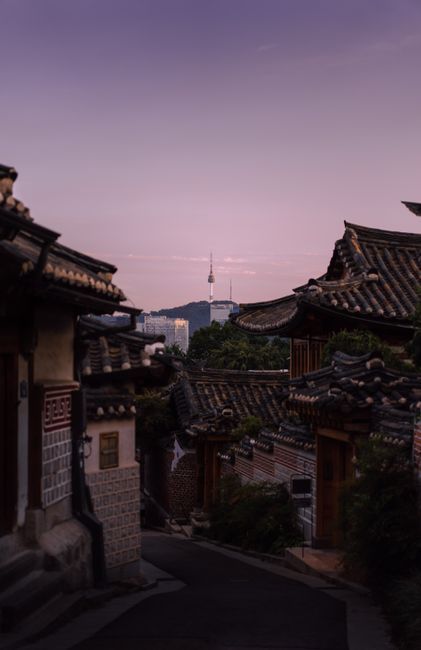
Seoul: the clinic is in Gangnam, a short walk from Sinnonhyeon Station. Illustrative photo.
 Hommage · Gangnam
Hommage Women's Clinic · Gangnam, Seoul
A good rosacea plan includes medication, not just laser. Illustrative photo.
Choosing well
How to choose a clinic for rosacea laser in Seoul
Ask these questions at any clinic, including ours:
- Is rosacea diagnosed by a doctor? Other causes of redness need different care.
- Are bumps treated with medication? Laser alone is not enough for inflammatory rosacea.
- Which device and why? Pulsed dye, Nd:YAG or IPL for your skin and vessels.
- Do settings start conservatively? Rosacea skin can flare after aggressive treatment.
- Is there a maintenance plan? Rosacea is long-term; ask what happens after the series.
- Is the quote written? Separating medical care from cosmetic laser.
What affects the cost of rosacea laser treatment?
Cost depends on the treatment area (nose and cheeks or the full face), the device, the number of sessions and maintenance visits, and any medication. Medical consultation and prescriptions for rosacea may be covered by National Health Insurance for enrolled patients, while cosmetic laser is not. You receive a written quote before laser treatment begins. Related options includevascular laserandIPL.
Your visit
What to expect at your rosacea appointment
01
Diagnosis
Dr. Hwang confirms rosacea, notes which features you have and asks about triggers, eye symptoms, medicines and pregnancy.
02
Calm first
Active bumps are treated with topical or oral medication, and a gentle skin care routine is set up.
03
Laser or light
Once the skin is calm, vascular laser or IPL is applied over about 15–30 minutes, with cooling and eye protection.
04
Maintain
Sessions are repeated every 4–6 weeks as needed, then reviewed for maintenance alongside your daily care.

Your doctor
Dr. Hwang Seonhwa
Physician · Skin & Aesthetic Treatments
Dr. Hwang treats rosacea as a long-term condition, calming inflammation with medication and trigger control before using laser or light for the redness and vessels that remain.
Physician for face and skin procedures, including lifting, laser and skin-improvement treatments, planned around facial proportions and skin condition.
Rosacea laser: frequently asked questions
Can laser cure rosacea?
No. Laser can greatly reduce rosacea redness and visible vessels, but it does not cure the condition. Rosacea is long-term, and new redness can return with triggers over time. Most people keep results longer by combining laser with daily sun protection, gentle skin care, trigger control and topical treatment, plus occasional maintenance sessions.
How many laser sessions are needed for rosacea?
Most people need three to five sessions spaced about four to six weeks apart. Redness from fine vessels often responds within a few sessions, while deeper or more widespread redness may need more. After the series, one or two maintenance sessions a year are common. Your doctor will review progress at each visit.
Is IPL or vascular laser better for rosacea?
Both work for rosacea redness. A vascular laser such as pulsed dye is often chosen for persistent redness and distinct vessels, while IPL can treat diffuse redness and brown sun spots in the same session. The choice depends on your vessels, skin tone and downtime preferences. See our IPL page for the differences.
Can laser make rosacea worse?
A temporary flare with more flushing or bumps can happen after treatment, especially if the skin was inflamed beforehand. This is why active bumps are calmed with medication first and settings start conservatively. Over a series of sessions, most people see less redness, not more. Let the clinic know if a flare does not settle within a few days.
What triggers rosacea flare-ups?
Common triggers include sun, heat, hot drinks, alcohol, spicy food, stress, intense exercise, cold wind and irritating skin products. Triggers differ between people, so keeping a simple diary of flares for a few weeks helps you find yours. Avoiding your main triggers makes medication and laser results last longer.
Is rosacea treatment safe during pregnancy?
Some rosacea treatments are not suitable in pregnancy, including oral tetracycline antibiotics and isotretinoin. Laser treatment is generally postponed until after pregnancy. Gentle skin care, sun protection and certain topical options such as azelaic acid are commonly used. Tell your doctor if you are pregnant, planning pregnancy or breastfeeding so the plan can be adjusted.
Can foreigners get rosacea laser treatment in Seoul?
Yes. International visitors and foreign residents can book rosacea care at Hommage Clinic; bring your passport and a list of your current treatments. A series of sessions spans several months, so plan follow-ups around your stay. Contact us before your visit to arrange language support; you can walk in during opening hours or book ahead for a set time.
Pulsed dye laser or Nd:YAG: which is better for rosacea?
Both work similarly overall. A 2022 meta-analysis of ten studies found more than half the redness cleared in about 69% of patients treated with pulsed dye laser and 71% with Nd:YAG, with no significant difference. Pulsed dye laser caused bruising more often in the one study that reported side effects. Dr. Hwang chooses based on your vessels, skin tone and downtime.
Does laser help rosacea bumps and pimples?
Not reliably. Laser and IPL mainly treat redness and visible vessels. Inflamed bumps and pustules respond best to topical creams such as metronidazole, azelaic acid or ivermectin, or to low-dose oral doxycycline. They are usually calmed before laser starts.
Do I need to stop my rosacea creams before laser?
Most gentle rosacea creams can be continued. Your doctor may ask you to pause irritating products such as retinoids or acids for a few days before and after each session. Never stop prescribed oral medication without advice.
Can menopause make rosacea worse?
Hot flashes cause repeated flushing, which can worsen rosacea redness for some women. Managing hot flashes, along with rosacea care, can help. The clinic's gynecology team offers menopause treatment and hot flashes treatment.
How long is the downtime after rosacea laser?
Most people have redness and mild swelling for one to three days and can return to work straight away. With purpuric pulsed dye settings, purple bruising lasts about one to two weeks. Non-purpuric settings avoid most bruising but may need more sessions.
Is rosacea laser covered by insurance in Korea?
Medical consultation and prescriptions for rosacea may be covered by National Health Insurance for enrolled patients, but cosmetic laser treatment is not. You receive a written quote that separates medical care from laser before treatment starts.
References
Sources used for this page, reviewed by Dr. Hwang Seonhwa. Read our editorial and medical review policy.
- Li Y, Wang R. Efficacy comparison of pulsed dye laser vs. microsecond 1064-nm neodymium:yttrium-aluminum-garnet laser in the treatment of rosacea: a meta-analysis. Front Med. 2022;8:798294. Full text
- DermNet. Facial red vein and vascular birthmark treatments. dermnetnz.org
- Neuhaus IM, Zane LT, Tope WD. Comparative efficacy of nonpurpuragenic pulsed dye laser and intense pulsed light for erythematotelangiectatic rosacea. Dermatol Surg. 2009;35(6):920-928. PubMed
- Schaller M, Almeida LMC, Bewley A, et al. Recommendations for rosacea diagnosis, classification and management: update from the global ROSacea COnsensus 2019 panel. Br J Dermatol. 2020;182(5):1269-1276. doi:10.1111/bjd.18420
This page is general information and does not replace a personal consultation. Illustrations are original works of Hommage Women's Clinic, Gangnam, Seoul; photos marked illustrative are not of patients.
Related redness treatments
Redness Reduction Therapy
A cause-first plan for persistent facial redness of any origin.
Vascular Laser
How 595, 532 and 1064 nm lasers close dilated vessels.
IPL
Broad-spectrum light for diffuse redness and sun spots together.
Broken Capillary Removal
Removing fine red lines on the nose and cheeks.
Skin Barrier Repair
Calming sensitive, stinging skin that makes rosacea harder to control.
Menopause Treatment
Care for hot flashes and other menopause symptoms that can worsen flushing.
Get your rosacea redness under control
Book a rosacea assessment with Dr. Hwang Seonhwa in Gangnam. We will calm active flares first, then plan laser or light for the redness that remains.
Hommage Clinic · 4F, Building A, 509 Gangnam-daero, Seoul (near Sinnonhyeon Station) · Mon & Fri 10:00–20:00 · Tue–Thu 10:00–19:00 · Sat 10:00–15:00