Skin & Aesthetics · Fillers
Nose Filler in Seoul: What a Non-Surgical Nose Job Can Do
Nose filler, often called a non-surgical nose job, is an injection of hyaluronic acid filler that raises a low bridge, smooths a small bump or refines the profile of the nose without surgery; results usually last about 9–12 months. At Hommage Clinic in Gangnam, Seoul, Dr. Kim Hyunbin treats the nose conservatively, because it is one of the higher-risk areas for filler complications.

Quick answer
Nose filler(non-surgical rhinoplasty) uses a small amount of hyaluronic acid filler to raise a low bridge, smooth around a small bump or refine the nasal profile without surgery. At Hommage Women's Clinic in Gangnam, Seoul, Dr. Kim Hyunbin treats the nose conservatively because it is a higher-risk area for filler. Injecting takes about 10–15 minutes, the final shape shows after 1–2 weeks, and results usually last about 9–12 months.
Key takeaways
- Filler can add height or smooth a line; it cannot make a nose smaller or narrower.
- The nose is one of the areas most often linked to rare filler-related vision loss, so small volumes and slow, deep injection matter.
- Avoid pressure on the bridge, including heavy glasses, for about 2 weeks.
- Previous rhinoplasty or a nasal implant raises the risk; tell your doctor.
- HA nose filler can be dissolved with hyaluronidase.
Infographic
Nose filler in numbers
Injecting time
After numbing cream.
Mild redness & swelling
Bruising is uncommon but possible.
Final shape
Once minor swelling has settled.
No pressure on the bridge
No squeezing, massage or heavy glasses.
Typical duration
Sometimes longer, as the nose moves little.
Higher-risk area
Nose, between the brows and forehead lead vision-loss reports.
Nose filler at a glance
| Key fact | Details |
|---|---|
| Treatment time | About 10–15 minutes of injecting, after numbing cream |
| Comfort | Numbing cream and lidocaine in the filler; brief pressure and stinging |
| Sessions | Usually one, using a small volume; a careful top-up may follow after 2–4 weeks |
| Downtime | Mild redness and swelling for 1–3 days; bruising is uncommon but possible |
| Results visible | Immediately, with the final shape after about 1–2 weeks |
| How long results last | Usually about 9–12 months, depending on the product and your metabolism |
| Performed by | A clinic physician from the skin & aesthetics team, such as Dr. Kim Hyunbin |
Nose filler may suit you if you have
- A low or flat nasal bridge you would like to raise slightly
- A small bump that could be disguised by filling the area above and below it
- A wish to try a change before considering surgical rhinoplasty
- Healthy nasal skin with no previous implant or surgery in the area
Nose filler is usually not suitable if you
- Want your nose to look smaller or narrower (filler adds volume; it cannot reduce)
- Have had surgical rhinoplasty or a nasal implant (higher risk; needs specialist review)
- Have a large bump, a crooked nose or breathing problems
- Are pregnant or breastfeeding, or have skin infection on the nose
What is nose filler?
Nose filler is a hyaluronic acid dermal filler injected in small amounts along the bridge or near the tip of the nose to change its profile. It is sometimes called a liquid rhinoplasty or non-surgical rhinoplasty.
Filler works by adding volume, so it can make a nose look straighter, higher or more defined. It cannot make a nose smaller, narrow wide nostrils or correct breathing problems. Those changes need surgery by a plastic or ENT surgeon, which Hommage Clinic does not perform.
What can nose filler change?
Nose filler can make subtle changes to the shape of the nose. Common goals include:
- Raising a low bridge: the most common request in Korea, giving a straighter profile from the front and side.
- Disguising a small bump: adding filler above and below a hump to make the line look smoother.
- Starting the nose higher between the eyes: improving the transition from forehead to nose.
- Small changes near the tip: slight lift or definition, with extra caution because blood supply there is limited.
Results look most natural when the change is modest. Large amounts of filler in the nose raise the risk of complications and can make the nose look wide over time.
Is nose filler safe?
Nose filler is widely performed, but the nose is one of the higher-risk areas for filler, and you should know why before you decide. The skin is tight, and the blood vessels of the nose connect with vessels that supply the eye.
- Common: redness, mild swelling and tenderness for a few days; small bruises.
- Less common: asymmetry, a widened bridge, visible lumps, or filler spreading sideways over time.
- Vascular occlusion (rare but serious): filler can block an artery, causing skin damage or tissue loss on the nose. In very rare cases filler travels into the eye's blood supply and causes vision loss.
- Infection: uncommon but possible.
Risk is reduced by using small volumes, injecting slowly, choosing the correct depth, and avoiding the nose in people who have had rhinoplasty or an implant. Contact the clinic or emergency services immediately if you feel severe pain, notice white, dusky or mottled skin, or have any change in your vision.
What happens during treatment
Nose filler takes about 10–15 minutes of injecting. Most people feel pressure and a little stinging; numbing cream is applied first and most fillers contain lidocaine.
- Your doctor discusses your goal, looks at your nose from several angles and checks for any previous surgery, implants or filler.
- Numbing cream is applied and the skin is thoroughly disinfected.
- Small amounts of filler are placed deep along the bridge, close to the bone or cartilage, using a needle or a blunt cannula.
- The doctor watches the skin color throughout and checks the profile with you before finishing.
How long does nose filler last?
Nose filler usually lasts about 9–12 months, and sometimes longer because the nose moves little. You see the change immediately; minor swelling settles over 1–2 weeks.
- Do not press, squeeze or massage your nose for 2 weeks.
- Avoid wearing glasses that rest on the bridge for about 2 weeks if possible, or ask about lightweight frames.
- Avoid saunas, strenuous exercise and alcohol for 2–3 days.
- Gentle makeup is usually fine the next day.
Because hyaluronic acid can be dissolved with hyaluronidase, an unsatisfactory result can be reversed.
Nose filler vs surgical rhinoplasty
Nose filler and rhinoplasty answer different needs. Filler is quick, temporary and reversible, and suits small additions to the bridge or profile. Surgery is permanent and can reduce, narrow or straighten the nose, as well as fix breathing problems, but it involves an operation and weeks of recovery.
Some people use filler to preview a higher bridge before deciding on surgery. If your goals need reduction or structural change, Dr. Kim will tell you honestly that filler is not the right tool. For a more balanced overall profile, nose filler is sometimes planned together with chin filler , because chin projection changes how the nose looks from the side.
Nose filler at Hommage Clinic
Hommage Clinic is a women's health and skin clinic in Gangnam, a short walk from Sinnonhyeon Station. Walk-ins are welcome, or book ahead for a set time. A doctor performs every nose filler treatment with small volumes, and hyaluronidase is kept in the clinic for emergencies and adjustments.
Cost depends on the amount of filler and the product used. Nose filler is cosmetic and not covered by Korea's National Health Insurance; you receive a written quote before treatment. For other facial contouring options, seefacial balancingor ourskin and aesthetics guide.
Profile
Non-surgical nose job: how filler reshapes the profile
Nose filler works by adding, never by removing. A low bridge is raised so the nose starts higher between the eyes and runs in a straighter line. A small bump is disguised by filling just above and below it, so the line looks smooth even though the bump is still there. Slight lift near the tip can make a short or drooping tip look more defined, but this area has a limited blood supply and is treated with extra care or not at all.
In East Asian faces, the most common request is a gently higher bridge rather than a dramatic change. Small volumes keep the result natural from the front as well as the side, because too much filler can spread sideways and make the bridge look wider over time.
 Hommage · Gangnam
Hommage Women's Clinic · Gangnam, Seoul
The profile is assessed from the side and front before any filler. Illustrative photo.
Compare
Nose filler vs rhinoplasty: side-by-side comparison
Nose filler and surgical rhinoplasty are not competing versions of the same treatment. Filler suits small additions you want to try without commitment. Surgery suits changes that need reduction, structural support or breathing correction. The table below summarizes the practical differences; Hommage Women's Clinic offers filler only and will tell you if your goal needs a surgical opinion.
| Compare | Nose filler | Surgical rhinoplasty |
|---|---|---|
| Best for | Raising a low bridge, smoothing a small bump | Reducing size, narrowing, straightening, breathing problems |
| Procedure | About 10–15 minutes of injecting, numbing cream | Operation by a plastic or ENT surgeon |
| Recovery | Mild redness and swelling for 1–3 days | Weeks of swelling and splint care |
| Duration | About 9–12 months | Permanent |
| Main specific risk | Rare vascular occlusion, including vision loss | Surgical and anesthesia risks; revision surgery |
 Hommage · Gangnam
Hommage Women's Clinic · Gangnam, Seoul
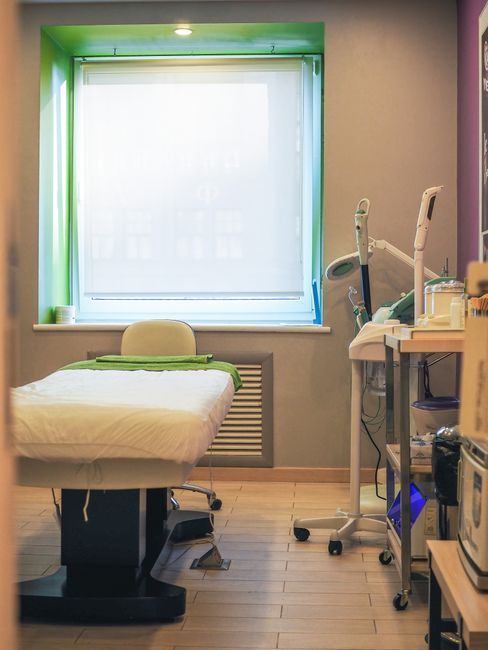
Hyaluronidase is kept on hand in case filler needs to be dissolved urgently. Illustrative photo.
Safety
Why the nose is a high-risk filler area, and how risk is reduced
The skin over the nose is tight and does not stretch much, so filler pushes against vessels more than in looser areas. The arteries of the nose also connect with branches that supply the eye. If filler enters one of these vessels, it can travel and block blood flow. A 2020 systematic review of vision loss after hyaluronic acid filler found the nose was among the three sites most often involved, together with the area between the brows and the forehead. The US FDA also lists the nose among injection sites outside its approved filler uses.
These events are rare, but they are the reason nose filler should never be treated as a quick, casual procedure.
Safety steps at Hommage
- Small volumes, injected slowly
- Deep placement along the midline, close to bone or cartilage
- Skin colour watched throughout injection
- Extra caution or no treatment after rhinoplasty or an implant
- Hyaluronidase kept in the clinic
Recovery
Nose filler recovery and results timeline
Recovery from nose filler is usually quick. You see the new profile straight away, with mild redness and swelling at the injection points for a day or three. The most important part of aftercare is protecting the bridge from pressure for about two weeks while the filler settles, which means no squeezing, massage or heavy glasses resting on the nose.
The first 24–48 hours also matter for safety. Any severe pain or change in skin colour during this time needs urgent attention, so stay reachable and keep the clinic's number handy.
Aftercare
Nose filler aftercare: do's and don'ts
Soft filler can still be shaped by pressure in the first two weeks, which is why the nose needs a little more protection than other filler areas. If you wear glasses every day, plan ahead: contact lenses or very light frames are the easiest solution, and you can ask Dr. Kim at the consultation whether your own glasses are likely to be a problem.
Do
- Switch to contact lenses or light frames for about 2 weeks
- Sleep on your back for the first few nights
- Apply gentle makeup from the next day
- Keep the clinic's number handy for 48 hours
- Contact the clinic about pain, skin colour change or vision change
Don't
- Press, squeeze or massage the nose for 2 weeks
- Wear heavy glasses or sunglasses on the bridge
- Use saunas, train hard or drink alcohol for 2–3 days
- Have facial treatments with pressure on the nose for 2 weeks
- Ask for large top-ups that widen the bridge
 Hommage · Gangnam
Hommage Women's Clinic · Gangnam, Seoul
Avoid heavy glasses on the bridge for about two weeks. Illustrative photo.
Evidence
Is nose filler safe? What the research says
Non-surgical rhinoplasty is popular, and most people have only mild, short-lived side effects. The serious risks are rare, which makes them hard to measure precisely: the published evidence is mainly case reports and reviews that collect them. Those reviews are consistent about one thing, though: the nose is among the riskiest places on the face to inject filler.
Of blindness-case injection sites were the nose
216 of 577 injection locations in 511 published cases (1906–2023): the single most common site, ahead of the forehead (23.1%) and glabella (22.0%).
Aesthet Surg J, 2024 [3]In recent reports, too
Among the 365 new cases reported 2018–2023, the nose accounted for 163 of 401 injection locations.
Aesthet Surg J, 2024 [3]Small volumes can harm
Volumes this small were reported to cause permanent vision loss (44 cases across 26 articles reviewed).
Aesthetic Plast Surg, 2020 [1]In the United States
The FDA lists the nose among unapproved filler injection sites.
US FDA, Dermal Fillers [2]Traveling to Seoul
Nose filler in Seoul for international patients
Nose filler is one of the quickest treatments to fit into a trip, but because the nose is a higher-risk area, plan to stay nearby for the first days. Hommage Women's Clinic is in Gangnam, a short walk from Sinnonhyeon Station (Line 9 and Shinbundang Line).
Planning your visit
- Have treatment early in your stay and remain in Seoul for at least 5–7 days afterwards.
- Bring contact lenses or light frames if you normally wear glasses.
- Bring your passport, a list of medicines, and details of any previous rhinoplasty, implant or nose filler.
- Send front and side photos and your questions in advance by WhatsApp, KakaoTalk or the contact form.
After you fly home
Keep a written record of the product and amount. Avoid pressing on your nose during the flight, for example with a tight eye mask. Seek urgent local care for severe pain, skin colour change or any change in vision, and let the clinic know.
 Hommage · Gangnam
Hommage Women's Clinic · Gangnam, Seoul
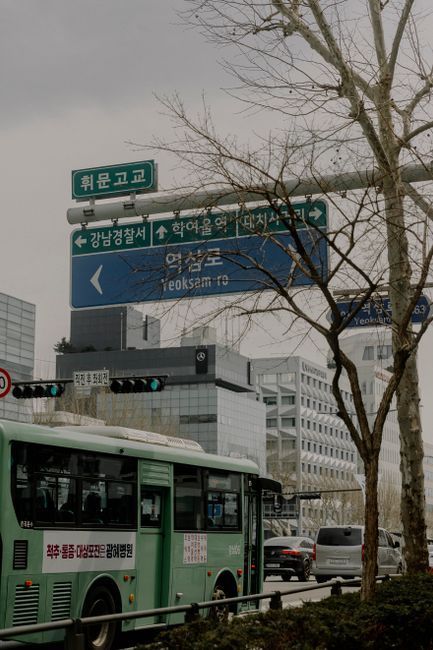
Plan to stay in Seoul for several days after nose filler. Illustrative photo.
 Hommage · Gangnam
Hommage Women's Clinic · Gangnam, Seoul
An honest consultation about what filler can and cannot do. Illustrative photo.
Choosing well
How to choose a clinic for nose filler in Seoul
For nose filler, the most important qualities in a clinic are caution and honesty: a doctor who tells you when filler is not the right tool, keeps volumes small, and is prepared for a complication.
Ask before you book
- Is the injection done by a doctor experienced with nose anatomy?
- Which MFDS-licensed hyaluronic acid filler is used, and how much?
- Is hyaluronidase kept in the clinic, and what is the emergency plan?
- Will you treat me if I have had rhinoplasty or an implant?
- Will you tell me if my goal needs surgery instead?
What affects the cost of nose filler in Seoul?
The cost depends on the amount of filler, the product, whether the bridge, the area between the eyes or the tip is treated, and whether a review or top-up is included. Dissolving filler from a previous clinic adds to the plan. Nose filler is cosmetic and not covered by Korea's National Health Insurance, and you receive a written quote before treatment. Related profile treatments include chin filler and facial balancing .
Your visit
What to expect at your nose filler appointment
01
Consultation
Dr. Kim discusses your goal, checks for previous surgery, implants or filler, and explains whether filler can achieve it.
02
Preparation
Numbing cream is applied and the nose is thoroughly disinfected before injection.
03
Injection
Small amounts of filler are placed deep along the bridge while the skin color is watched closely.
04
Aftercare
You receive written aftercare and the warning signs to watch for, and can return if anything looks or feels unusual.

Your doctor
Dr. Kim Hyunbin
Associate Director · Skin & Aesthetic Treatments
Dr. Kim treats the nose with small volumes and slow, deep injections, watching the skin color throughout. If your goal needs reduction or structural change, Dr. Kim will explain that filler is not suitable and that a surgical consultation elsewhere is the better route.
Associate director dedicated to skin and aesthetic procedures, with extensive experience in lifting, botulinum toxin, fillers and laser treatments.
Nose filler: frequently asked questions
Does nose filler hurt?
Nose filler is usually mildly uncomfortable. Numbing cream is applied first and most fillers contain lidocaine, so most people feel pressure and brief stinging. The nose may feel tender for a day or two. Tell your doctor straight away if you feel severe or increasing pain during or after treatment, because this can be an early warning sign.
How long does nose filler last?
Nose filler usually lasts about 9–12 months, and sometimes longer, because the nose moves little. The duration depends on the product, the amount and your metabolism. Top-ups are usually small; using large volumes repeatedly can widen the bridge over time.
Can nose filler make my nose smaller?
No. Filler adds volume, so it cannot reduce the size of the nose or narrow wide nostrils. It can make a nose look straighter or more balanced by raising a low bridge or smoothing around a small bump. Reduction needs surgical rhinoplasty, which Hommage Clinic does not perform.
Can I get nose filler after rhinoplasty?
Filler after rhinoplasty or with a nasal implant carries a higher risk, because scar tissue changes blood flow and the skin is less flexible. Many doctors avoid it or treat only with great caution. Tell your doctor about any previous nose surgery, implant or filler before treatment.
Can I wear glasses after nose filler?
It is safer to avoid heavy glasses resting on the bridge for about 2 weeks, because pressure can shift the filler while it settles. Contact lenses or light frames are a good option during this time. Ask your doctor about your own glasses at the consultation.
Can foreigners get nose filler in Seoul?
Yes. Visitors and foreign residents can have nose filler at Hommage Clinic; bring your passport or residence card. Walk-ins are welcome during opening hours, or you can book ahead; contact us before your visit to arrange language support. Have treatment early in your trip so you can return if needed before flying home.
Why is the nose a high-risk area for filler?
The skin over the nose is tight, and the nasal arteries connect with vessels that supply the eye. If filler enters one of these vessels it can block blood flow to the skin or, very rarely, the eye. A 2020 systematic review of vision loss after hyaluronic acid filler found the nose among the three most commonly involved sites.
Can nose filler fix a hump?
It can disguise a small hump by filling the areas just above and below it, so the profile looks straighter. The hump itself is still there, and the nose does not become smaller. A large hump is better assessed by a surgeon.
Can nose filler lift the tip?
A slight lift or definition near the tip is sometimes possible with a very small amount of filler, but the tip has a limited blood supply and tight skin, so it carries more risk. Many doctors treat the tip very cautiously or not at all. Dr. Kim will explain whether it is sensible for your nose.
Can nose filler widen my nose over time?
Yes, if large amounts are used or frequent top-ups accumulate, filler can spread sideways and make the bridge look wider. Keeping volumes small and leaving time between sessions helps. HA filler that has spread can be dissolved with hyaluronidase.
What should I do if my nose turns white or painful after filler?
Treat it as an emergency. Severe or increasing pain, or skin that turns white, grey, blue or mottled, can mean filler is blocking a blood vessel, and any change in vision is even more urgent. Contact the clinic or emergency services immediately; HA filler blockages are treated with hyaluronidase, and early treatment matters.
Can I combine nose filler with chin filler?
Yes. Chin projection changes how the nose looks from the side, so a small amount of chin filler can balance the profile and sometimes reduce how much nose filler is needed. This is part of a facial balancing approach.
References
Sources used for this page, reviewed by Dr. Kim Hyunbin. Read our editorial and medical review policy.
- Vision loss associated with hyaluronic acid fillers: a systematic review of literature. Aesthetic Plast Surg. 2020;44(3):929–944. PubMed
- US Food and Drug Administration. Dermal fillers (soft tissue fillers): approved and unapproved uses, risks. Updated July 2023. FDA
- Doyon VC, Liu C, Fitzgerald R, Humphrey S, Jones D, Carruthers JDA, Beleznay K. Update on blindness from filler: review of prognostic factors, management approaches, and a century of published cases. Aesthet Surg J. 2024;44(10):1091–1104. doi:10.1093/asj/sjae091. Aesthetic Surgery Journal
This page is general information and does not replace a personal consultation. Illustrations are original works of Hommage Women's Clinic, Gangnam, Seoul; photos marked illustrative are not of patients.
Related filler and contouring treatments
Dermal Fillers
How hyaluronic acid fillers work, how long they last and how they are dissolved.
Chin Filler
Chin projection that balances the nose and lips in profile.
Facial Balancing
Small, planned treatments across several areas for a harmonious profile.
Find out what nose filler can change for you
Book a consultation with Dr. Kim Hyunbin in Gangnam for an honest assessment of what filler can and cannot do for your nose.
Hommage Clinic · 4F, Building A, 509 Gangnam-daero, Seoul (near Sinnonhyeon Station) · Mon & Fri 10:00–20:00 · Tue–Thu 10:00–19:00 · Sat 10:00–15:00