
Gynecology · Cervical follow-up
Colposcopy in Gangnam, Seoul: Your Next Step After an Abnormal Result
A colposcopy is a close-up examination of the cervix using a magnifying instrument called a colposcope, done to find out why a Pap smear or HPV test was abnormal and whether any area needs a biopsy or treatment. At Hommage Clinic in Gangnam, Seoul, OB/GYN specialist Dr. Park Yuna performs the exam in about 15–20 minutes and explains what she sees and what happens next.

Quick answer
A colposcopy is a magnified look at the cervix, done after an abnormal Pap smear or a positive HPV 16/18 test, to see whether any area needs a small biopsy. At Hommage Women's Clinic in Gangnam, Seoul, it is performed by female OB/GYN specialist Dr. Park Yuna in a visit of about 15–20 minutes. You can return to normal activities the same day, and biopsy results usually take 1–2 weeks.
Key takeaways
- Colposcopy is a diagnostic exam, not a treatment, and most women who have one do not have cancer.
- A biopsy, if taken, is about the size of a grain of rice and feels like a brief pinch or cramp.
- CIN 1 usually clears on its own; CIN 2–3 is usually treated with a short procedure such as LEEP.
- Avoid sex, tampons and swimming for about a week after a biopsy, or as advised.
Infographic
Colposcopy in numbers
Visit time
The exam itself takes about 5–10 minutes.
Back to normal
Work and daily activities straight after.
Rest the cervix
No sex, tampons or swimming after a biopsy.
Biopsy results
Reported as normal, CIN 1, CIN 2 or CIN 3.
Window to act
Typical time from HPV infection to cancer (WHO).
Preventable
Of cervical cancers arise from untreated precancer (WHO).
Colposcopy at a glance
| Key fact | Details |
|---|---|
| What it is | A magnified exam of the cervix to check abnormal Pap or HPV results |
| Why it's done | ASC-H, HSIL, AGC, persistent LSIL, or a positive HPV 16/18 test |
| Procedure time | Usually 15–20 minutes, with the exam itself taking about 5–10 minutes |
| Comfort | Similar to a Pap smear; a biopsy, if taken, feels like a brief pinch or cramp |
| Recovery | Back to normal activities the same day; light spotting for a few days after a biopsy |
| Results | Biopsy results usually within about 1–2 weeks |
| Reviewed by | Dr. Park Yuna, OB/GYN specialist |
Book a colposcopy if you have
- A Pap smear showing ASC-H, HSIL or atypical glandular cells (AGC)
- A positive HPV 16 or HPV 18 result, even with a normal Pap smear
- Repeated LSIL or ASC-US results, or high-risk HPV that has persisted
- A cervix that looks abnormal, or bleeding after sex that needs checking
Wait or tell us first if you
- Are on your period: book for a day without bleeding
- Have an active vaginal infection, which may need treating first
- Are pregnant: colposcopy is safe, but biopsies are limited and planned carefully
What is a colposcopy?
A colposcopy is a diagnostic examination, not a treatment. It lets the doctor look at the cervix under bright light and magnification, so that areas of abnormal cells can be seen clearly and, if needed, sampled.
The colposcope stays outside your body, like a pair of binoculars on a stand. After a speculum is inserted, the doctor applies a mild vinegar-like solution (acetic acid), which makes abnormal cells turn white for a short time, and sometimes an iodine solution that stains healthy cells brown. These simple steps highlight areas that a Pap smear alone cannot show.
Why would you need a colposcopy?
A colposcopy is usually recommended when screening shows a higher chance of significant cell changes. It is a precaution, and most women who have one do not have cancer.
Common reasons include:
- A Pap smear result of ASC-H, HSIL or atypical glandular cells (AGC).
- LSIL or ASC-US together with a positive high-risk HPV test.
- A positive HPV test for type 16 or 18, even if cells look normal.
- High-risk HPV that has persisted on repeat testing.
- Follow-up after treatment for cervical precancer, or a cervix that looks unusual during an exam.
What happens during a colposcopy?
A colposcopy feels much like a Pap smear, only a little longer. You lie on the examination chair, and the doctor inserts a speculum and looks through the colposcope.
- Acetic acid is applied to the cervix. It may sting or feel cool for a moment.
- The doctor examines the cervix for a few minutes and may take photographs for your record.
- If an area looks abnormal, a small biopsy (a piece about the size of a grain of rice) is taken. You may feel a sharp pinch or a cramp lasting a few seconds.
- A solution is applied to stop any bleeding, and the speculum is removed.
Many women find it helpful to take a simple pain reliever such as ibuprofen about an hour beforehand, if it is safe for you.
Recovery: what to expect after a colposcopy
Most women go straight back to work or daily activities. If no biopsy was taken, you may have little more than slight spotting.
After a biopsy, light bleeding or spotting and a dark, grainy discharge (from the solution used to stop bleeding) are common for a few days. Mild cramping can be eased with a pain reliever. To let the cervix heal, avoid vaginal sex, tampons, douching and swimming for a few days to a week, or as Dr. Park advises. Use pads rather than tampons during this time.
What do colposcopy and biopsy results mean?
Biopsy results describe how deep any abnormal cells go, using the term CIN (cervical intraepithelial neoplasia). None of these is cancer.
- Normal or inflammation only: continue follow-up screening as advised.
- CIN 1 (low-grade): mild changes that usually clear on their own. Monitoring with repeat tests is the usual approach.
- CIN 2 or CIN 3 (high-grade): changes that are more likely to progress if left alone. Treatment, often a LEEP (loop excision) or cone biopsy that removes the affected area, is usually recommended. In younger women with CIN 2, careful monitoring may sometimes be an option.
If treatment is needed, Dr. Park explains your options and, where a procedure needs a hospital setting, arranges a referral. After treatment, HPV and Pap testing are repeated to make sure the changes have gone.
Risks and possible side effects
Colposcopy is a low-risk procedure. The most common effects are mild discomfort during the exam and, after a biopsy, spotting, cramping and dark discharge for a few days.
Less commonly, bleeding can be heavier or an infection can develop at the biopsy site. Contact the clinic if you have bleeding heavier than a normal period, a fever, foul-smelling discharge, or pelvic pain that gets worse instead of better. Colposcopy can occasionally miss an abnormal area, which is why follow-up tests are part of the plan.
Colposcopy at Hommage Clinic
Hommage Clinic is a women's clinic in Gangnam, a short walk from Sinnonhyeon Station. Your colposcopy is performed by Dr. Park Yuna, a female OB/GYN specialist, who takes time to explain the exam beforehand and talks you through what she sees. If you had your Pap smear abroad, bring the report and we will review it first. Learn more about our approach to cervical cancer screening and other gynecology services .
On cost: when a colposcopy is done because of an abnormal screening result, National Health Insurance usually covers much of the cost for enrolled patients; visitors without coverage pay directly. Biopsy and pathology fees depend on what is needed, and we explain costs before the procedure.
How it works
How does a colposcopy work? Acetic acid, iodine and the colposcope
The colposcope is simply a magnifying instrument on a stand that stays outside your body, like a pair of binoculars. What makes the exam useful is the solutions applied to the cervix. A mild vinegar solution (acetic acid) makes areas with abnormal cells turn white for a short time. An iodine solution, sometimes used as well, stains healthy cells brown, while abnormal areas stay pale. The doctor maps these areas, and if one looks suspicious, takes a tiny biopsy from exactly that spot so the laboratory can grade it. The simplified diagram shows the idea using abstract shapes.
Know the difference
Colposcopy vs LEEP vs cone biopsy
These three terms are often mixed up, which can make a colposcopy appointment feel more frightening than it is. A colposcopy is the look-and-sample exam. A LEEP (loop electrosurgical excision procedure) and a cone biopsy are treatments that remove a larger area of abnormal tissue, used when a biopsy shows high-grade changes (CIN 2 or CIN 3). Many women only ever need the first step, followed by repeat testing.
Colposcopy
- Magnified look, small biopsy if needed
- About 15–20 minutes
- Same-day return to activities
LEEP
- Thin heated wire loop removes the abnormal area
- Usually for CIN 2 or CIN 3
- Followed by HPV and Pap testing
Cone biopsy
- Removes a cone-shaped area of the cervix
- An alternative to LEEP in some cases
- May need a hospital referral
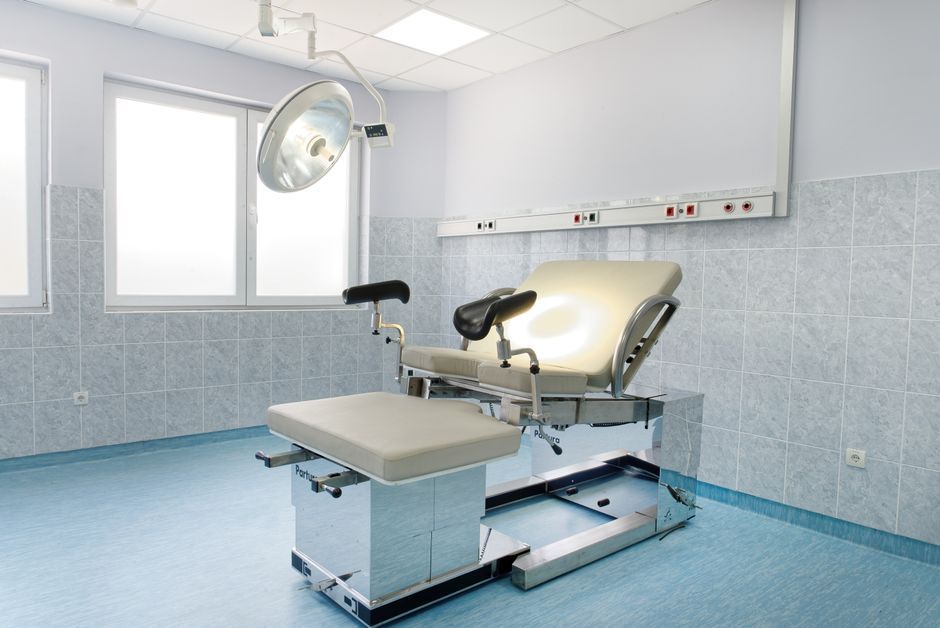 Hommage · Gangnam
Hommage Women's Clinic · Gangnam, Seoul
Colposcopy is a short outpatient exam; you go home the same day. Illustrative photo.
Biopsy results
CIN 1, CIN 2, CIN 3: what your colposcopy biopsy means
CIN stands for cervical intraepithelial neoplasia, which means abnormal cells within the surface layer of the cervix. The number describes how much of that layer is affected. None of the CIN grades is cancer, and the plan for each is different: low-grade changes are usually watched, high-grade changes are usually removed. Your age, HPV type and plans for pregnancy also shape the decision, so Dr. Park discusses each option with you.
 Hommage · Gangnam
Hommage Women's Clinic · Gangnam, Seoul
Most women return to normal activities the same day. Illustrative photo.
Aftercare
After a colposcopy biopsy: do's and don'ts
Good aftercare is simple and helps the small biopsy site heal within days. A dark, grainy discharge is normal for a few days; it comes from the solution used to stop bleeding, not from a problem.
For about a week
- Use pads, not tampons
- Take a simple pain reliever if needed
- Expect some spotting and dark discharge
- Keep your results appointment
Until healed
- Have vaginal sex
- Use tampons or douches
- Go swimming
- Ignore heavy bleeding or fever
Contact the clinic, or a local doctor if you have already left Seoul, if bleeding is heavier than a normal period, you have a fever or foul-smelling discharge, or pain gets worse instead of better.
Timeline
Colposcopy timeline: from abnormal result to follow-up
Knowing what happens when helps you plan work, travel and peace of mind. The exam itself is short, and the biopsy site heals within about a week. The longest wait is usually for the pathology result, after which Dr. Park agrees a plan with you: routine screening, repeat testing or treatment.
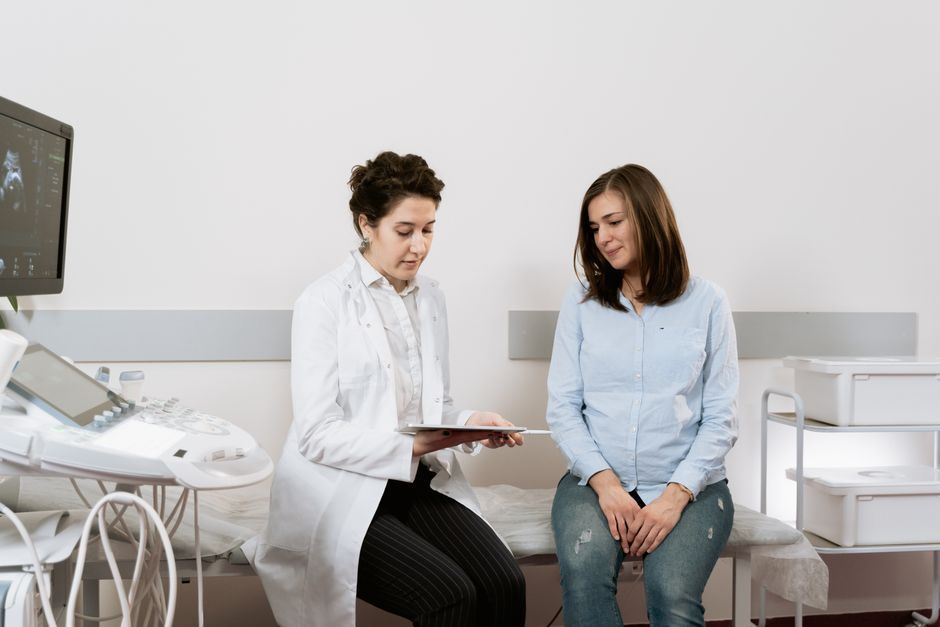 Hommage · Gangnam
Hommage Women's Clinic · Gangnam, Seoul
Biopsy results are explained with a clear follow-up plan. Illustrative photo.
Evidence
Why colposcopy matters: what the research says
Colposcopy is the link between a screening result and treatment. Screening programs only prevent cancer if women with abnormal results are examined and, where needed, treated. The evidence below explains why that follow-up step is so valuable, and why the timing is rarely urgent: precancer usually takes many years to progress.
From precancer
Of cervical cancers arise from untreated HPV-related precancer.
WHO fact sheetTime to progress
Typical time from infection to cancer with a normal immune system.
WHO fact sheetColposcopy threshold
Under the 2019 ASCCP risk-based guidelines, colposcopy (or treatment) is advised when the immediate risk of CIN 3+ is 4% or higher; at 60% or higher, treatment without a biopsy first is preferred for non-pregnant patients aged 25+.
ASCCP risk-based management guidelines, 2019Preterm birth after treatment
Preterm birth in women who had cervical treatment vs untreated women (RR 1.75). Risk was higher with excision than ablation, and rose with cone depth and repeat treatment. Evidence quality was low.
Kyrgiou et al., Cochrane Review, 2017WHO treatment goal
Of women with precancer or cancer should receive treatment.
WHO elimination strategyHPV 16/18
Share of cervical cancers (estimates vary; WHO gives about 76%), which is why these types go straight to colposcopy.
WHO fact sheetTraveling to Seoul
Colposcopy in Seoul for international patients
Some women receive an abnormal result while living or traveling in Korea; others come to Seoul to have follow-up done quickly. A colposcopy needs no hospital stay, but biopsy results take about 1–2 weeks, so plan how you will receive them. Hommage Women's Clinic is in Gangnam, a short walk from Sinnonhyeon Station (Line 9 and Shinbundang Line).
Before you book
- Send your Pap or HPV report by WhatsApp, KakaoTalk or the contact form so Dr. Park can review it first; ask for language support if needed.
- Choose a day when you are not on your period, and tell us if you might be pregnant.
- Bring your passport or residence card and any earlier colposcopy or biopsy reports.
- If flying soon after a biopsy, wear a pad and carry a simple pain reliever.
After you fly home
We send the pathology report with a clear plan, such as monitoring for CIN 1 or treatment for CIN 2–3, so your own gynecologist can continue your care. If you develop heavy bleeding or fever, see a local doctor straight away.
 Hommage · Seoul
Hommage Women's Clinic · Gangnam, Seoul
Seoul: biopsy results can be sent to you after you fly home. Illustrative photo.
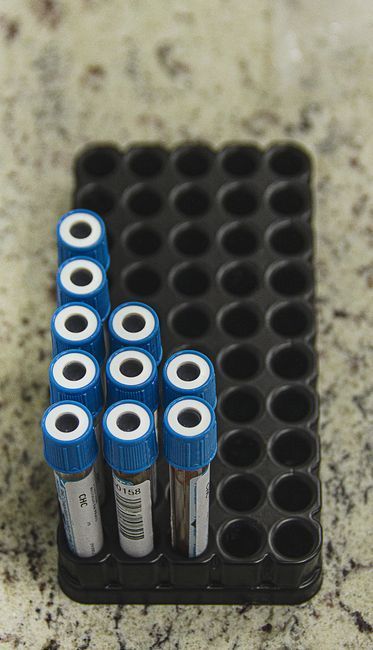 Hommage · Gangnam
Hommage Women's Clinic · Gangnam, Seoul
Biopsy samples are graded at a pathology laboratory. Illustrative photo.
Choosing well
How to choose a clinic for colposcopy in Seoul
Colposcopy relies on the doctor's experience. These questions help you compare clinics, including ours:
- Is it done by an OB/GYN specialist? Colposcopy is a specialist skill.
- Will they review your earlier reports first? Including results from abroad.
- Do they explain what they see as they go? It makes the exam less stressful.
- Is treatment recommended only when the biopsy shows it? CIN 1 is usually monitored, not removed.
- Is the cost of biopsy and pathology explained first? Know what is covered.
What affects the cost of a colposcopy in Seoul?
Cost depends on whether a biopsy is taken and how many samples are sent for pathology, whether an HPV test or Pap smear is repeated at the same visit, and your insurance status. When a colposcopy follows an abnormal screening result, National Health Insurance usually covers much of the cost for enrolled patients; visitors without Korean insurance pay directly and can ask for itemized receipts. We explain costs before the procedure.
Your visit
What to expect on the day
01
Review
Dr. Park reviews your Pap and HPV reports, explains why a colposcopy is advised and answers your questions.
02
Examination
A speculum exam with the colposcope and acetic acid. The exam itself usually takes about 5–10 minutes.
03
Biopsy if needed
A tiny sample is taken from any area that looks abnormal. Many women describe a brief pinch or cramp.
04
Results and plan
Biopsy results usually take 1–2 weeks. We explain them and agree on monitoring or treatment.

Your doctor
Dr. Park Yuna
Medical Director · OB/GYN Specialist
Dr. Park knows that being called back after an abnormal result is stressful, so she explains what the colposcope shows as she goes. She recommends treatment only when the biopsy shows it is needed, and favors careful monitoring for changes likely to clear on their own.
OB/GYN specialist (Korea) and representative director of Hommage Clinic. Leads the clinic's women's health care, from screening and infections to hormones, contraception and fertility checks.
Colposcopy: frequently asked questions
Does a colposcopy hurt?
Most women find a colposcopy no more uncomfortable than a Pap smear. The acetic acid may sting briefly. If a biopsy is taken, you may feel a sharp pinch or cramp for a few seconds. Taking ibuprofen an hour before, if it is safe for you, can help, and you can ask the doctor to pause at any time.
Does needing a colposcopy mean I have cancer?
No. A colposcopy is recommended to look more closely at changes found on screening, and most women who have one do not have cancer. The exam often shows low-grade changes that clear on their own, or high-grade precancerous changes that can be treated before they ever become cancer.
How long does it take to recover from a colposcopy biopsy?
Most women return to normal activities the same day. Spotting, mild cramps and a dark, grainy discharge are common for a few days after a biopsy. Avoid vaginal sex, tampons and swimming for about a week, or as your doctor advises, to let the cervix heal.
Can I have a colposcopy while pregnant?
Yes. A colposcopy is safe during pregnancy and is used to make sure there is no serious disease. Because the cervix has more blood flow, biopsies are taken only when really needed, and treatment of precancerous changes is usually postponed until after delivery. Tell us you are pregnant when you book.
What is the difference between a colposcopy and a LEEP?
A colposcopy is a diagnostic exam that looks at the cervix and may take small biopsies. A LEEP is a treatment that removes a larger area of abnormal tissue with a thin heated wire loop, usually for CIN 2 or CIN 3. Many women need only a colposcopy and follow-up, not a LEEP.
Can foreigners get a colposcopy in Seoul?
Yes. International patients and foreign residents can book a colposcopy at Hommage Clinic. Bring your passport or residence card and your previous Pap or HPV reports, including those from abroad. Contact us before your visit to arrange language support, and let us know your travel dates so we can plan for biopsy results.
How long does a colposcopy take?
The visit usually takes about 15–20 minutes, and the exam itself about 5–10 minutes. If a biopsy is taken, it adds only a few seconds. You can go home or back to work straight afterward.
Can I have a colposcopy on my period?
It is better to book on a day without bleeding, because blood makes it harder to see the cervix clearly. Very light spotting is usually fine. If your period starts unexpectedly, call the clinic and we will help you decide whether to keep the appointment.
What does CIN 1 mean after a colposcopy?
CIN 1 means low-grade changes in the lower part of the cervix's surface layer. It is not cancer and usually clears on its own as the immune system controls HPV, so the usual plan is repeat HPV and Pap testing rather than treatment.
Will a colposcopy affect my fertility or future pregnancy?
A colposcopy and small biopsy do not affect fertility. Treatments such as LEEP or a cone biopsy remove a larger area of the cervix, so if you are planning a pregnancy, tell Dr. Park; she takes this into account when discussing monitoring versus treatment.
Can I fly after a colposcopy?
Yes. A colposcopy does not stop you from flying. If you had a biopsy, wear a pad, carry a simple pain reliever and avoid tampons. See a doctor straight away if you develop heavy bleeding or a fever while traveling.
What if my colposcopy is normal but HPV is still positive?
This is common. It means no precancer was seen, but the virus is still present. The usual plan is repeat HPV and Pap testing, often in about 12 months, to check whether the infection has cleared. See HPV testing.
Is colposcopy covered by insurance in Korea?
When it is done because of an abnormal screening result, National Health Insurance usually covers much of the cost for enrolled patients. Biopsy and pathology fees depend on what is needed. Visitors without Korean insurance pay directly, and we explain costs before the procedure.
References
Sources used for this page, reviewed by Dr. Park Yuna, OB/GYN specialist. Read our editorial and medical review policy.
- World Health Organization. Cervical cancer: fact sheet (updated 3 July 2026). WHO
- World Health Organization. New recommendations for screening and treatment to prevent cervical cancer. 2021. WHO
- US Preventive Services Task Force. Screening for cervical cancer. 2018. USPSTF
- Koliopoulos G, et al. Cytology versus HPV testing for cervical cancer screening in the general population. Cochrane Database Syst Rev. 2017;CD008587. Cochrane
- Lee K, Suh M, Choi KS. Current status of the National Cancer Screening Program in Korea. J Prev Med Public Health. 2025;58(4):337–347. PMC
- ASCCP. 2019 ASCCP Risk-Based Management Consensus Guidelines for Abnormal Cervical Cancer Screening Tests and Cancer Precursors. Supporting paper: Risk estimates supporting the 2019 ASCCP Risk-Based Management Consensus Guidelines. J Low Genit Tract Dis. 2020;24(2):132–143. PubMed
- Kyrgiou M, Athanasiou A, Kalliala IEJ, et al. Obstetric outcomes after conservative treatment for cervical intraepithelial lesions and early invasive disease. Cochrane Database Syst Rev. 2017;(11):CD012847. Cochrane
This page is general information and does not replace a personal consultation. Illustrations are original works of Hommage Women's Clinic, Gangnam, Seoul; photos marked illustrative are not of patients.
Related cervical health services
Pap Smear
What results like ASC-US, LSIL and HSIL mean and when follow-up is needed.
HPV Testing
Why a positive HPV 16 or 18 result can lead to a colposcopy.
Cervical Cancer Screening
Screening schedules by age and how Korea's national program works.
HPV Vaccine
Vaccination that can protect against HPV types you have not yet been exposed to.
Pelvic Ultrasound
A scan of the uterus and ovaries, sometimes added to investigate bleeding.
Well-Woman Exam
A yearly gynecology checkup to keep your screening and follow-up on track.
Had an abnormal Pap or HPV result?
Book a colposcopy with Dr. Park Yuna near Sinnonhyeon Station. Bring your previous reports and we will explain each step and your results.
Hommage Clinic · 4F, Building A, 509 Gangnam-daero, Seoul (near Sinnonhyeon Station) · Mon & Fri 10:00–20:00 · Tue–Thu 10:00–19:00 · Sat 10:00–15:00