
Skin & Aesthetics · Facials
Cryotherapy Facial in Seoul: Cooling Care for Calm Skin
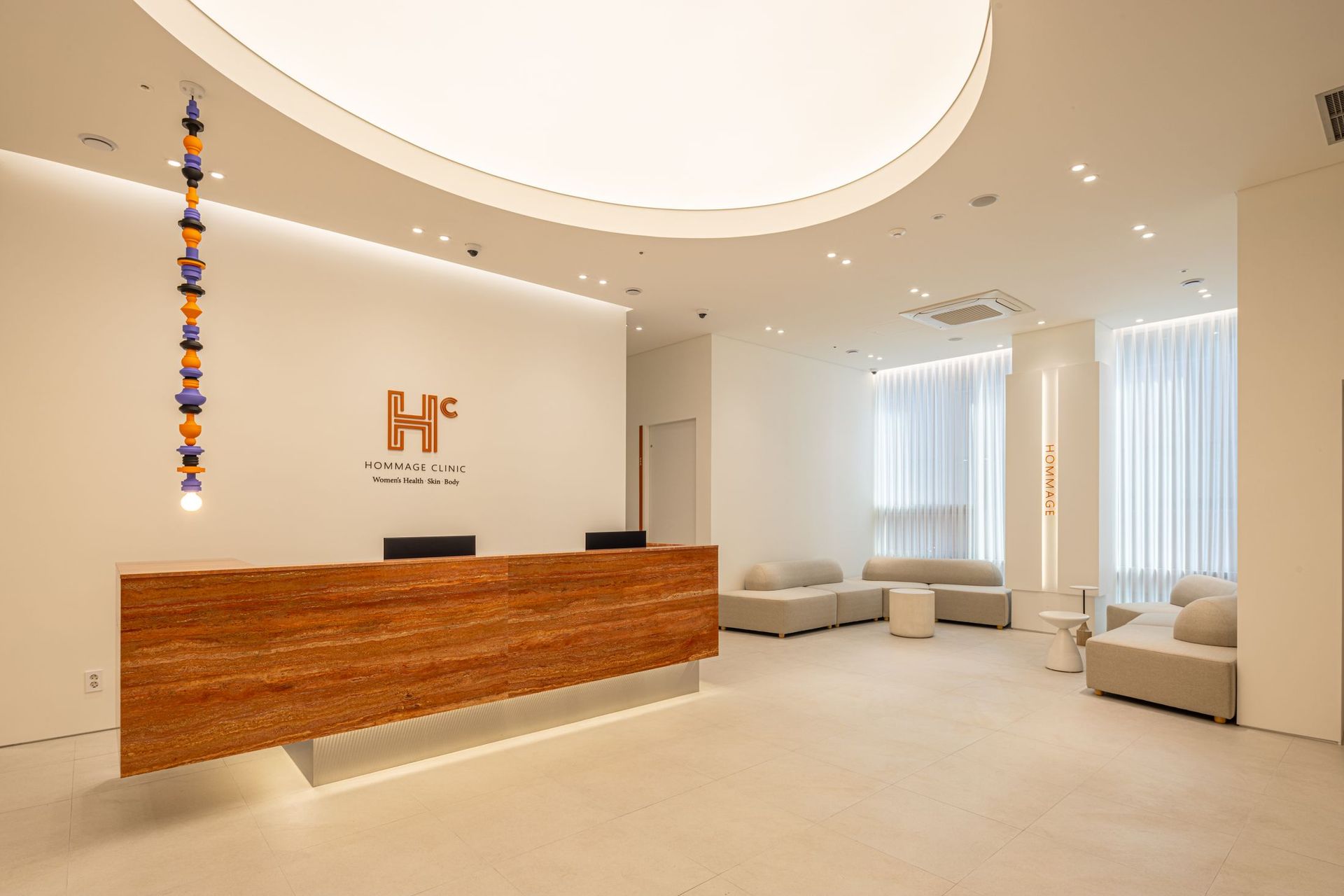
A cryotherapy facial cools the skin with a chilled device or cold vapor for a few minutes, temporarily narrowing blood vessels to reduce heat, redness and puffiness and leave skin feeling tighter and calmer. At Hommage Clinic in Gangnam, Seoul, cryo soothing is used on its own or after lasers and lifting to settle heat, with the plan reviewed by Dr. Hwang Seonhwa.
Quick answer
A cryotherapy facial cools the skin for 10–20 minutes with a chilled device or cold vapor, temporarily narrowing small blood vessels to reduce heat, redness and puffiness. At Hommage Women's Clinic in Gangnam, Seoul, cryo soothing is used on its own or after lasers, HIFU and RF, planned by Dr. Hwang Seonhwa. There is no downtime, and the calming effect lasts hours to about a day. It does not build collagen or lift skin.
Key takeaways
- Cosmetic cryo facials are different from medical liquid-nitrogen cryotherapy, which freezes and removes lesions.
- Cooling is well established in laser medicine to reduce pain and redness and protect the outer skin.
- The device must keep moving; cold held too long in one spot can cause cold burns or color change.
- People with cold urticaria, Raynaud's or cryoglobulinemia should not have cryo without medical advice.
Infographic
Cryotherapy facial in numbers
Session length
Alone, or as the last step after another treatment.
Downtime
Slight pinkness as skin rewarms.
How long calming lasts
A soothing step, not a long-term treatment.
Cold urticaria onset
Hives can appear within minutes of cold exposure in people with this condition.
Have cold urticaria
Uncommon, but a key reason to screen before cryo.
Doctor review
Dr. Hwang checks for rosacea and cold sensitivity first.
Cryotherapy facials at a glance
| Key fact | Details |
|---|---|
| What it is | Controlled cooling of the facial skin with a chilled probe, plate or cold vapor |
| Treatment time | Usually 10–20 minutes, alone or as the last step of another treatment |
| Comfort | No anesthesia; a cold, tingling sensation that most people find refreshing |
| Downtime | Usually none; slight pinkness as skin rewarms for a short time |
| How long results last | Calming and de-puffing effects are temporary, typically hours to a day |
| Often used for | Soothing heat and redness after lasers, HIFU or RF, and pre-event de-puffing |
| Reviewed by | Dr. Hwang Seonhwa |
A cryotherapy facial may suit you if you have
- Skin that feels hot or flushed after lasers, lifting or a long day
- Morning puffiness or a tired look before an event
- Sensitive skin that does not tolerate exfoliation or heat
- Recently had a procedure and want gentle soothing aftercare
Avoid it or ask the doctor first if you have
- Cold urticaria (hives triggered by cold) or cryoglobulinemia
- Raynaud's phenomenon or poor circulation affecting the face
- Open wounds, a skin infection or numb areas of the face
- Rosacea that flares with temperature changes, until it has been assessed
What is a cryotherapy facial and how does it work?
A cryotherapy facial is a short, controlled cooling treatment for the face. Depending on the device, cold is delivered through a chilled metal probe or plate glided over the skin, or as a stream of cold vapor. It is different from medical cryotherapy with liquid nitrogen, which freezes and destroys lesions such as warts.
Cold makes small blood vessels in the skin narrow for a while. That reduces blood flow and fluid in the tissue, which is why skin looks less red and less puffy and feels calmer. When the skin rewarms, blood flow returns, giving a fresh, slightly rosy look. The effect is real but temporary, so think of a cryo facial as a soothing and refreshing step rather than a long-term treatment.
Who is a cryotherapy facial for?
A cryotherapy facial suits people who want to calm heat, redness or puffiness quickly and gently. It is especially useful straight after energy-based procedures, which warm the skin.
For example, clinics often add cryo cooling after HIFU facial lifting , radiofrequency treatments or lasers to make the skin more comfortable. It can also be a refreshing stand-alone option before an event. However, persistent redness, flushing or visible blood vessels may be signs of rosacea or other conditions that need a diagnosis, and cooling alone will not treat them. See rosacea laser treatment and redness reduction therapy .
What happens during a cryotherapy facial?
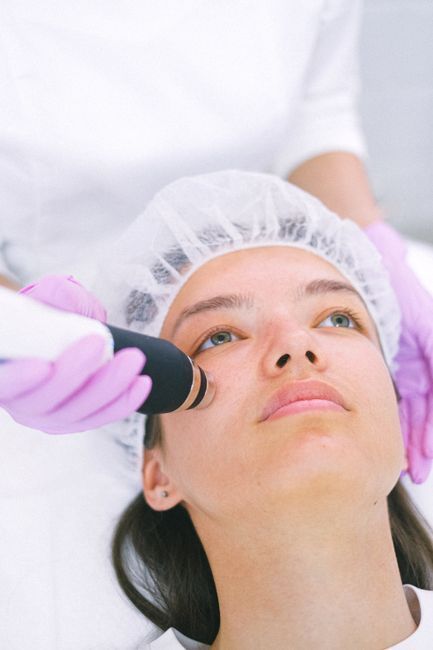
A cryo session usually takes 10 to 20 minutes and needs no numbing or recovery time.
- Cleansing: makeup and oil are removed so the cooling head moves smoothly.
- Cooling: the device is moved continuously over the face, never held in one spot, to keep temperature controlled. You feel cold and tingling, and you can ask for a break at any time.
- Soothing finish: a calming serum or moisturizer and sunscreen are applied.
When cryo is used after another procedure, it is simply added as the final step of that appointment.
How long do cryotherapy facial results last?
The calming, de-puffing effect is short-lived, typically lasting from a few hours to about a day. Skin may feel tighter immediately, but cooling does not build collagen or lift tissue.
That is why cryo is usually used for comfort and short-term refreshment, or to help skin settle after treatments that do produce longer-term change, such as lifting or lasers. There is no special aftercare: moisturize, use sunscreen, and avoid very hot showers, saunas or intense exercise for the rest of the day if your skin still feels warm or sensitive.
Risks and possible side effects
Facial cryotherapy is generally low-risk when the device is kept moving and the temperature is controlled, but cold can injure skin. Possible side effects include:
- Temporary redness, stinging or numbness as the skin rewarms
- Cold-related hives in people with cold urticaria
- Cold burns (frostnip), blisters or patchy color change if cold is applied too long in one area
- Worsening of flushing in some people with rosacea
Tell the clinic if you have cold sensitivity, Raynaud's phenomenon or reduced sensation in the face. Contact us if you notice blistering, white or gray patches, or pain that does not settle within a few hours.
Cryotherapy facial vs LDM: which soothing option is right for you?
Both are gentle soothing treatments used at Hommage Clinic, and they are often combined.
- Cryo: uses cold to quickly reduce heat, redness and puffiness. It suits skin that feels hot after a procedure.
- LDM: uses gentle ultrasound to support hydration and calm the skin, without cold.
After lifting such as Ulthera, the clinic uses LDM or cryo soothing to calm redness and heat. Your doctor will suggest which suits your skin and the procedure you had. For hydration-focused care, see the Korean glass skin facial .
Cryo soothing at Hommage Clinic
Hommage Clinic is a walk-in-friendly women's health and skin clinic in Gangnam, a short walk from Sinnonhyeon Station. Cryo is one of the soothing treatments the clinic uses, both as part of aftercare following lifting, lasers and other energy-based procedures and as a stand-alone calming facial. Dr. Hwang Seonhwa checks for rosacea, cold sensitivity or other conditions before recommending it. Explore otherskin and aesthetic treatments.
Cosmetic treatments are not covered by Korea's National Health Insurance. Cost depends on whether cryo is a stand-alone treatment or part of another procedure, and you receive a written quote before treatment. Please contact us before your visit to arrange language support.
Mechanism
How does a cryotherapy facial work? Cool, constrict, rewarm
Cold has a simple, predictable effect on skin. As the surface cools, the tiny blood vessels just beneath it narrow (vasoconstriction). Less blood and fluid reach the area, so heat, redness and swelling go down and skin feels tighter. When the cooling stops, the vessels open again and blood returns, giving a fresh, slightly rosy look.
This is the same principle doctors use during laser treatment. Cooling the outer skin with contact cooling, cold air or a cryogen spray reduces pain and redness and protects the surface layer while the laser works deeper. A cryo facial applies that cooling gently, on its own or after a treatment, for comfort and calm.
Aftercare
Cryo soothing after laser, HIFU and RF treatments
The most common reason for cryo at Hommage Clinic is comfort after energy-based procedures. Lasers, HIFU lifting , Thermage and RF microneedling all work by delivering heat into the skin, so it is normal to feel warm, tight or flushed afterward. A short cryo session helps that heat settle.
Cooling is a routine part of laser medicine. A 2016 review of cooling devices explains that cooling aims to protect the outer skin, reduce pain and redness, and limit swelling after laser treatment. It matters most for medium to deep skin tones, where more melanin increases the risk of blistering and pigment change.
Cryo or LDM after your procedure?
Both are used at Hommage Clinic. Cryo is the quicker choice when skin feels hot. LDM uses gentle ultrasound with no cold, which suits people who dislike cold or have cold sensitivity. Dr. Hwang chooses based on your skin and the treatment you had.
 Hommage · Gangnam
Hommage Women's Clinic · Gangnam, Seoul
Cryo is often the final, cooling step after lasers or lifting. Illustrative photo.
Compare
Cryo facial vs ice roller vs medical cryotherapy
“Cryotherapy” means very different things depending on where you hear it. An ice roller or chilled tool at home gives a brief cooling effect. A clinic cryo facial gives more controlled, even cooling over the whole face. Medical cryotherapy with liquid nitrogen is a different procedure altogether: it deliberately freezes and destroys small lesions such as warts or some spots, and leaves a wound that needs to heal.
| Compare | Ice roller at home | Clinic cryo facial | Medical cryotherapy |
|---|---|---|---|
| Purpose | Quick morning de-puffing | Soothe heat, redness, puffiness; post-procedure comfort | Destroy warts or some skin lesions |
| Freezes skin? | No | No, when kept moving | Yes, deliberately |
| Downtime | None | None | Blister or scab for days to weeks |
| Who does it | You | Clinic staff, after a doctor's assessment | A doctor |
 Hommage · Seoul
Hommage Women's Clinic · Gangnam, Seoul
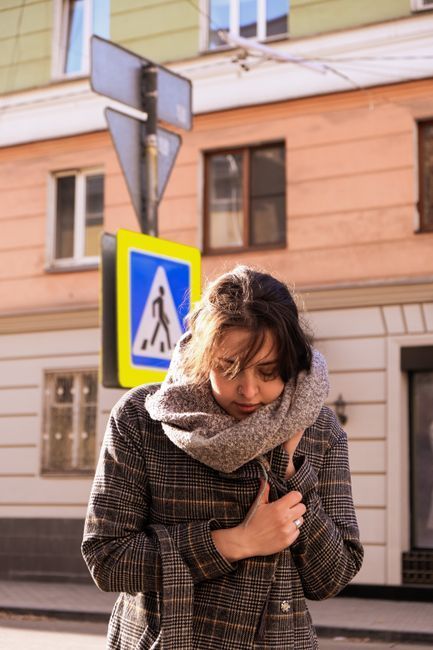
If cold weather gives you hives or turns your fingers white, tell the doctor before cryo. Illustrative photo.
Safety
Is a cryotherapy facial safe for me? Who should avoid it
For most people, a cryo facial is very low-risk. The main exceptions are conditions in which the body reacts abnormally to cold. Cold urticaria is uncommon, affecting about 0.05% of people, but hives can appear within 2–5 minutes of cold exposure and, rarely, a whole-body reaction can occur. That is why Dr. Hwang asks about cold reactions before any cryo treatment.
Usually fine
- Skin that feels hot after lasers, HIFU or RF
- Morning puffiness before an event
- Sensitive skin that dislikes heat or peels
- Mild redness after a facial
Check with the doctor first
- Hives or swelling after cold (cold urticaria)
- Raynaud's: fingers that turn white or blue in cold
- Cryoglobulinemia or poor circulation
- Numb areas, open wounds or infection on the face
- Rosacea that flares with temperature change
Results
Cryotherapy facial results timeline: what you feel and when
The effects of a cryo facial are immediate and short-lived. Knowing the timing helps you book it at the right moment, for example straight after a procedure or on the morning of an event.
 Hommage · Gangnam
Hommage Women's Clinic · Gangnam, Seoul
Skin usually feels calmer and less puffy for several hours. Illustrative photo, not a patient.
Evidence
Does a cryotherapy facial work? What the research says
The evidence for cooling the skin comes mostly from laser medicine, where it is a standard safety step. There is much less research on stand-alone cosmetic cryo facials. The honest summary is: cooling reliably reduces heat, pain and redness in the short term; there is no good evidence that it builds collagen, lifts skin or has lasting anti-aging effects.
Goals of skin cooling in laser care
Protect the outer skin, reduce pain and redness, and reduce swelling after treatment.
Das et al., J Cutan Aesthet Surg, 2016Skin surface with cold-air cooling
Reached in about 8 seconds; overcooling can cause frostbite or pigment change.
Das et al., 2016People with cold urticaria
Hives appear within 2–5 minutes of cold and last 1–2 hours; rarely, a severe reaction occurs.
DermNet, Cold urticaria, 2024Ice cube test
How doctors check for cold urticaria: an ice cube on the forearm, watching for a raised rash.
DermNet, 2024Traveling to Seoul
Cryotherapy facial in Seoul for international patients
Many visitors combine several skin treatments in one trip to Seoul, such as lasers or lifting. Cryo soothing is usually added at the end of those appointments, so there is nothing extra to plan and no recovery time. It can also be booked on its own, for example on the morning of a dinner or photo shoot. Hommage Women's Clinic is in Gangnam, a short walk from Sinnonhyeon Station (Line 9 and Shinbundang Line), and walk-ins are welcome.
Plan your visit
- Send your dates and planned treatments by WhatsApp, KakaoTalk or the contact form, and ask for language support if needed.
- Tell the clinic if you have ever had hives or swelling from cold, or fingers that turn white in cold weather.
- Bring your passport for registration and a list of your medicines.
- If you are having lasers or lifting, cryo can be added on the same day.
In Seoul's seasons
Seoul winters are cold and dry, and summers are hot and humid. Cryo is most often requested in summer and after procedures; in winter, Dr. Hwang may suggest LDM or hydration-focused care instead if your skin is dry or cold-sensitive.
 Hommage · Seoul
Hommage Women's Clinic · Gangnam, Seoul
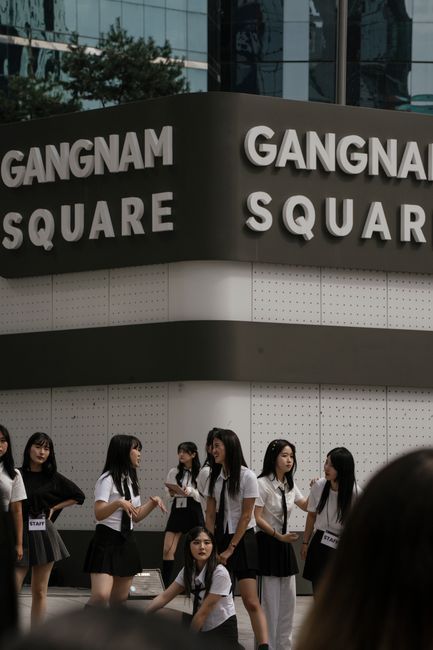
Gangnam: the clinic is a short walk from Sinnonhyeon Station. Illustrative photo.
 Hommage · Gangnam
Hommage Women's Clinic · Gangnam, Seoul
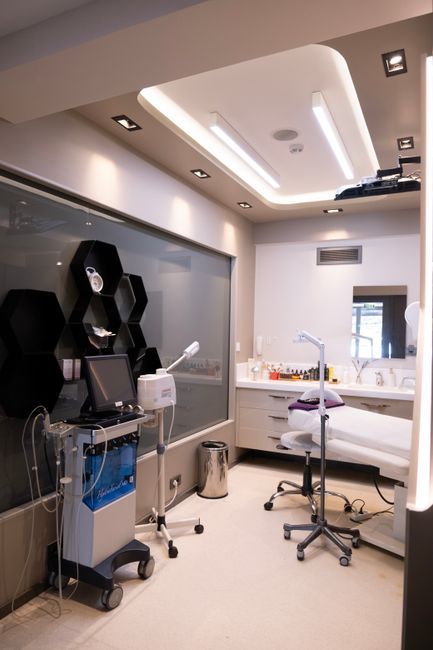
Cryo is done in a treatment room, alone or after another procedure. Illustrative photo.
Choosing well
How to choose a cryotherapy facial clinic in Seoul
Cryo facials are offered by many clinics and spas in Gangnam. These questions help you compare, whether you book with us or elsewhere:
- Do they ask about cold sensitivity? Cold urticaria and Raynaud's should be screened before cryo.
- Is the device kept moving? Cold held in one spot can cause cold burns.
- Is it cosmetic cooling or medical freezing? Make sure you know which you are booking.
- Are the claims realistic? Cryo calms and refreshes; it does not lift or build collagen.
- Is redness diagnosed first? Persistent redness may be rosacea needing medical care.
What affects cryotherapy facial cost in Seoul?
Cost depends on whether cryo is a stand-alone facial or an add-on to another procedure, the device used, session length and whether it is combined with soothing serums or masks. Cosmetic treatments are not covered by Korea's National Health Insurance, and you receive a written quote before treatment.
Your visit
What to expect at your appointment
01
Skin check
Dr. Hwang asks about redness, flushing, cold sensitivity and recent procedures, and looks at your skin.
02
Plan
Cryo is planned as a stand-alone facial or as the final step after another treatment, with a written quote.
03
Cooling
A 10–20 minute session with the device kept moving and breaks whenever you need them.
04
Back to your day
Moisturizer and sunscreen go on, and you can usually return to normal activities straight away.
Your doctor
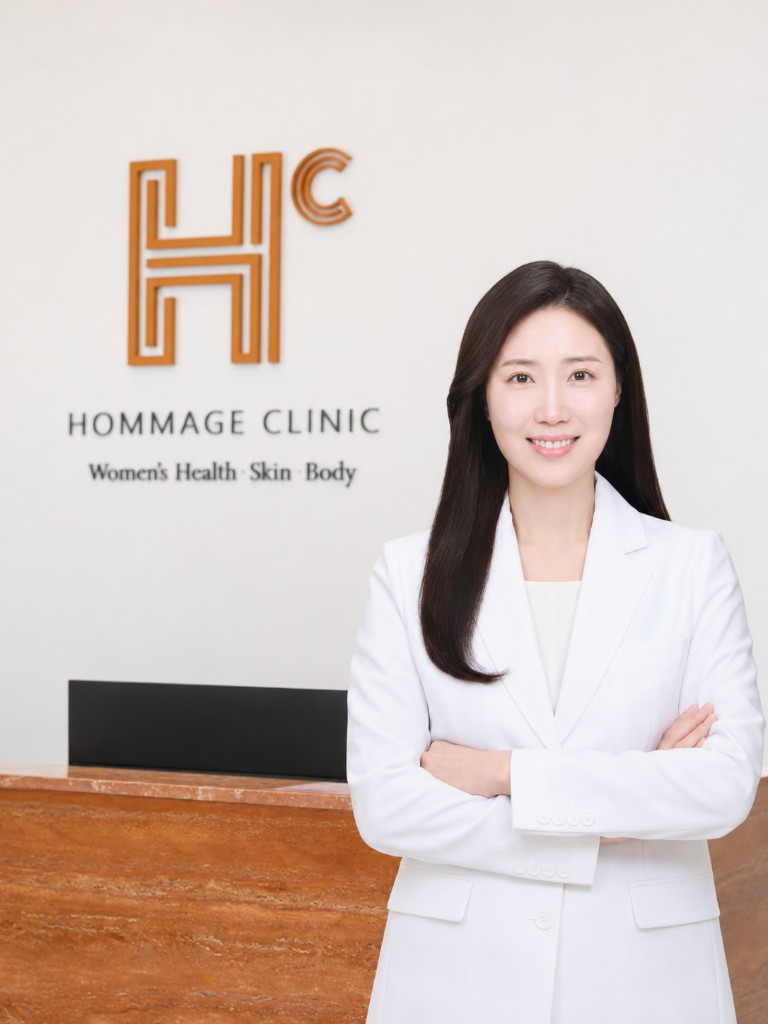
Dr. Hwang Seonhwa
Physician · Skin & Aesthetic Treatments
Dr. Hwang uses cryo mainly as a comfort and soothing step, and screens for rosacea, cold sensitivity and circulation problems first, so cooling is only used where it is likely to help.
Physician for face and skin procedures, including lifting, laser and skin-improvement treatments, planned around facial proportions and skin condition.
Cryotherapy facials: frequently asked questions
What does a cryotherapy facial do?
A cryotherapy facial cools the skin to temporarily narrow blood vessels, which reduces heat, redness and puffiness and leaves skin feeling tighter and refreshed. It is mainly a soothing treatment, often used after lasers or lifting. It does not build collagen or lift tissue, so its visible effects are short-lived.
Does a cryotherapy facial hurt?
A cryotherapy facial is not usually painful. Most people feel intense cold and tingling, which many find refreshing. The device is kept moving to avoid over-cooling any spot, and you can ask for a pause at any time. Tell the clinic if you have cold sensitivity, as cryo may not suit you.
How long does a cryotherapy facial last?
The calming and de-puffing effects of a cryotherapy facial typically last a few hours to about a day. That makes it useful before an event or after a procedure, but not a long-term solution. For longer-lasting changes in texture or firmness, other treatments such as skin boosters or lifting are needed.
Is a cryotherapy facial good for rosacea?
Cooling can make rosacea-prone skin feel more comfortable for a short time, but temperature swings can trigger flushing in some people. Rosacea needs a diagnosis and a medical plan first, which may include prescription treatment or vascular laser. Your doctor can advise whether gentle cooling is appropriate for your skin.
Can I get a cryo facial after Ulthera or laser treatment?
Yes, this is one of the most common uses. Energy-based treatments warm the skin, and cryo soothing helps calm the heat and redness afterward. At Hommage Clinic, LDM or cryo soothing is used after lifting such as Ulthera, and the doctor decides which suits your skin.
Can foreigners get a cryotherapy facial in Seoul?
Yes. Visitors and foreign residents can book a cryotherapy facial or add cryo soothing to another treatment at Hommage Clinic in Gangnam. Walk-ins are welcome, or book ahead for a set time; bring your passport for registration. Please contact us before your visit to arrange language support.
Is a cryo facial the same as liquid nitrogen cryotherapy?
No. A cosmetic cryo facial cools the skin without freezing it, to calm heat and redness. Medical cryotherapy with liquid nitrogen deliberately freezes and destroys small lesions such as warts, and leaves a blister or scab that needs to heal.
Who should not have a cryotherapy facial?
People with cold urticaria (hives from cold), Raynaud's phenomenon, cryoglobulinemia, numb areas of the face, open wounds or infection should not have cryo without medical advice. Cold urticaria is uncommon, about 0.05% of people, but hives can appear within minutes of cold exposure.
Does a cryotherapy facial tighten pores or lift skin?
Cooling makes skin feel tighter and can make pores look a little less visible for a few hours, but it does not change pore size, build collagen or lift tissue. For lasting tightening, see options such as HIFU lifting or pore-tightening laser.
Can I use an ice roller instead of a cryo facial?
An ice roller can give brief de-puffing at home. Keep it clean, wrap very cold items in cloth, keep it moving and stop if skin turns white or numb. A clinic cryo facial gives more even, controlled cooling and is planned around any treatments you are having.
Why is cooling used during laser treatment?
Cooling protects the outer skin, reduces pain and redness, and limits swelling while the laser works on deeper targets. It matters most for medium to deep skin tones, where more melanin raises the risk of blistering and pigment change.
Is a cryotherapy facial safe during pregnancy?
Gentle facial cooling does not use drugs, heat or needles, and is generally considered low-risk, but research in pregnancy is limited. Tell the clinic you are pregnant, and see our page on skin care for hormonal changes for pregnancy-related skin concerns.
Is a cryotherapy facial covered by insurance in Korea?
No. Cosmetic treatments are not covered by Korea's National Health Insurance, and travel insurance rarely covers them. You receive a written quote before treatment.
References
Sources used for this page, reviewed by Dr. Hwang Seonhwa. Read our editorial and medical review policy.
- Das A, Sarda A, De A. Cooling devices in laser therapy. J Cutan Aesthet Surg. 2016;9(4):215–219. doi:10.4103/0974-2077.197028. Full text
- DermNet. Cold urticaria. Updated July 2024. DermNet
This page is general information and does not replace a personal consultation. Illustrations are original works of Hommage Women's Clinic, Gangnam, Seoul; photos marked illustrative are not of patients.
Related skin treatments
LDM
Gentle ultrasound soothing and hydration, often paired with cryo after procedures.
HIFU Facial Lifting
Focused ultrasound lifting, often followed by cryo or LDM soothing.
Redness Reduction Therapy
Medical options for persistent facial redness and flushing.
Rosacea Laser Treatment
Vascular laser and medical care for rosacea-related redness.
Skin Barrier Repair
Care for sensitive, stinging skin with a weakened barrier.
Oxygen Facial Therapy
What oxygen facials really do and how long the effect lasts.
Calm hot, flushed skin with the right care
Book an appointment with Dr. Hwang Seonhwa in Gangnam to find out whether cryo soothing suits your skin on its own or as part of your treatment plan.
Hommage Clinic · 4F, Building A, 509 Gangnam-daero, Seoul (near Sinnonhyeon Station) · Mon & Fri 10:00–20:00 · Tue–Thu 10:00–19:00 · Sat 10:00–15:00