
Skin & Aesthetics · Regenerative care
Stem Cell and Exosome Skin Therapy: What It Can and Cannot Do
Stem cell skin therapy is an umbrella term for emerging regenerative treatments that apply your own concentrated cells, or exosomes and growth factors released by stem cells, to the skin to support repair, texture and recovery after procedures. At Hommage Clinic in Gangnam, Seoul, Dr. Kim Hyunbin explains the early evidence honestly and uses these options as add-ons for skin quality, not as cures.
Quick answer
Stem cell skin therapy is an umbrella term for emerging regenerative treatments, such as exosomes, stem cell-derived growth factors or your own cell concentrates, applied to the skin to support repair and recovery. At Hommage Women's Clinic in Gangnam, Seoul, Dr. Kim Hyunbin uses them as add-ons, mainly after laser or microneedling. Evidence is early: small trials suggest calmer, faster recovery after laser, but anti-aging claims are unproven.
Key takeaways
- Exosomes contain no living cells; they are tiny vesicles that carry signals between cells.
- Best early evidence: add-on after fractional laser for acne scars and redness.
- No exosome product is approved by the US FDA, and products vary widely in source and purity.
- These treatments do not lift, add volume, or prevent or cure disease.
Infographic
Stem cell and exosome skin therapy in numbers
Visit length
Depending on the method and any combined procedure.
Redness
Usually minimal, mostly from combined needling or laser.
Scar score drop
Exosome gel vs control gel after CO2 laser, 25 patients.
FDA-approved exosome products
Per the US FDA public safety alert.
Results
Gradual; calmer post-laser skin may be noticed sooner.
After a short course
Continued only if the benefit is worthwhile.
Stem cell skin therapy at a glance
| Key fact | Details |
|---|---|
| What it is | Regenerative skin treatments using exosomes, growth factors or your own cell concentrate |
| Evidence level | Emerging: small studies, mainly for skin texture and recovery after laser |
| Treatment time | Usually 30–90 minutes, depending on the method |
| Sessions | Varies by method; often a short course of several sessions, then review |
| Downtime | Usually minimal; redness or pinpoint marks for 1–3 days if combined with needling |
| Results visible | Gradually over weeks; calmer skin after laser may be noticed sooner |
| Advised by | Dr. Kim Hyunbin, associate director, skin & aesthetics |
You might discuss regenerative skin care if you have
- Dull, tired-looking skin or early fine lines and rough texture
- Redness, dryness or slow healing after laser, peels or other procedures
- Acne scars being treated with laser or microneedling, as an add-on
- Realistic expectations and comfort with a treatment still under study
Wait or choose another option if you
- Are pregnant or breastfeeding
- Have an active skin infection, cold sore or inflamed eczema in the area
- Have a current cancer diagnosis or are having cancer treatment
- Are looking for a cure or prevention for any disease, which these treatments do not offer
What is stem cell skin therapy?
Stem cell skin therapy is not one treatment. The term covers several approaches that share one idea: delivering regenerative signals to help the skin repair itself. Research suggests that stem cells work mainly through the proteins and messages they release, rather than by turning into new skin cells.
- Exosome treatments: exosomes are tiny vesicles released by cells, often cultured stem cells, that carry proteins, lipids and genetic signals between cells. They contain no living cells. Solutions are usually applied after laser or microneedling, or injected in small amounts.
- Stem cell-derived growth factors: conditioned media containing proteins released by cultured cells, used in a similar way to exosomes.
- Autologous cell concentrates: your own blood or a small amount of fat is processed in a closed system to concentrate cells and growth factors, which are then injected into the skin.
None of these replace your skin with new tissue, and none have been shown to reverse aging. They are more accurately described as supportive treatments for skin quality and healing.
Does stem cell skin therapy work? What the evidence shows
The honest answer is that it is promising but not yet proven. The strongest early evidence is for recovery after laser treatment, while evidence for anti-aging on its own is weaker.
- After laser or microneedling: small trials, including split-face studies, report less redness, faster recovery and better acne-scar improvement when exosome or growth factor solutions are applied after fractional laser.
- Texture and fine lines: small studies of exosome and conditioned-media products report improved hydration, texture and fine wrinkles, but most were short, small and often funded by manufacturers.
- Autologous cell injections: research on fat-derived and blood-derived cell treatments for facial skin is limited, and methods differ widely.
Products vary in source, purity and concentration, so a result from one study cannot be assumed for another. In many countries, including the United States, no exosome product is approved for cosmetic or medical use, and regulators have warned consumers about unproven stem cell claims. Be cautious of any claim that a stem cell treatment can prevent or cure diseases; outside approved uses and clinical trials, such claims are not supported by evidence.
Who is it for, and what can it treat?
Regenerative skin treatment is usually considered as an add-on rather than a first choice. It is most often discussed for:
- Skin that stays red, dry or flaky after lasers, peels or other procedures, and a weakened skin barrier; see skin barrier repair treatment
- Dull skin, rough texture and early fine lines
- Acne scars, combined with fractional laser or microneedling
- People who want a gentle regenerative option alongside proven treatments such as sunscreen, retinoids and lasers
It does not lift sagging skin or add volume. For those goals, collagen stimulators, fillers or energy-based lifting are more suitable, and our skin and aesthetics guide compares them.
What happens during treatment?
The visit depends on the method your doctor recommends. Most sessions take 30–90 minutes, and you go home the same day.
- Assessment: your doctor reviews your skin, medical history, cancer history, medicines and recent procedures, and explains the specific product or system proposed, where it comes from and how it is regulated.
- Preparation: the skin is cleansed and numbed. For autologous treatments, blood or a small amount of fat is first collected and processed, which takes longer and may need local anesthesia at the collection site.
- Treatment: exosome or growth factor solutions are applied straight after laser or microneedling, or injected in small amounts; cell concentrates are injected into the skin.
- Aftercare: the skin is soothed, and you receive written instructions and a review date.
Risks and possible side effects
Short-term side effects are usually mild and similar to those of the procedure the treatment is combined with. Because long-term data are limited, the full safety profile of some products is not yet known.
- Common and temporary: redness, swelling, tenderness, pinpoint bleeding and small bruises for a few days.
- Product reactions: irritation, rash or allergic reactions, either to the active material or to other ingredients in a solution, especially when it is applied to freshly needled skin.
- Collection-site effects: soreness, bruising or swelling where blood or fat was taken.
- Less common: infection, lumps at injection sites, and darker marks after inflammation, which is more likely in deeper skin tones.
Ask what a product contains and how it was made and tested before you agree to treatment. Contact the clinic if you notice spreading redness, warmth, pus, blistering, fever, or pain that gets worse after the first two days.
Stem cell skin therapy vs PRP vs Rejuran: which is right for you?
All three aim to improve skin quality rather than add volume, but they differ in source and evidence. Your doctor can help you choose based on your skin, budget and comfort with uncertainty.
- PRP: made from your own blood, with moderate evidence, particularly as an add-on for acne scars.
- Rejuran: a polynucleotide booster for repair and texture, supported mainly by smaller studies.
- Exosome and stem cell treatments: the newest option, with the least clinical evidence of the three; most useful to discuss as an add-on to laser or needling.
The same regenerative principles are used for thinning hair in stem cell hair therapy , and in intimate care in stem cell vaginal rejuvenation .
Regenerative skin care at Hommage Clinic
Hommage Clinic is a women's health and skin clinic in Gangnam, a short walk from Sinnonhyeon Station, welcoming walk-ins during opening hours. Its regenerative skin options include exosome treatment, injection of autologous stem cells (cells prepared from your own tissue) and JUVGEN, an autologous skin regeneration treatment that uses dedicated equipment. The clinic's Recovery program for skin that stays irritated after procedures combines regenerative treatment, skin boosters and gentle laser care in stages.
Your doctor tells you which method, product and cell source is proposed for you and why. Cost depends on the method, product and number of sessions. These treatments are cosmetic and not covered by National Health Insurance, and you receive a written quote before treatment.
How it works
Stem cells vs exosomes vs growth factors: how regenerative skin therapy works
The three main types of regenerative skin treatment are often sold under one label, but they are different things. Stem cells are living cells. Exosomes are tiny packets released by cells, carrying proteins and genetic messages, but with no living cells inside. Growth-factor solutions, sometimes called conditioned media, contain proteins released by cells grown in a lab. All three aim to send repair signals to the skin, which is why they are usually paired with a procedure such as laser or microneedling that has already started a healing response.
Knowing which one is proposed matters, because source, purity, regulation and evidence all differ. Dr. Kim Hyunbin will tell you exactly which product or method is suggested for you and why.
| Compare | Own-cell concentrate | Exosomes | Growth factors |
|---|---|---|---|
| Source | Your own blood or fat, processed the same day | Released by cultured cells, made by a manufacturer | Proteins from cultured cells, made by a manufacturer |
| How used | Injected into the skin | Applied after laser or needling, or injected | Applied after laser or needling |
| Evidence for skin | Limited; methods vary widely | Small trials, best for post-laser recovery | Small studies, often manufacturer-funded |
| Key question to ask | How are cells collected and processed? | Product name, origin and regulatory status | Product name and what else it contains |
Best-studied use
Exosomes after laser for acne scars: what one trial found
The clearest early evidence comes from a Korean double-blind, randomized, split-face trial published in 2020. Twenty-five people with acne scars had three sessions of fractional CO2 laser on the whole face. After each session, one side received a gel containing exosomes from human fat-tissue stem cells and the other side received a plain control gel. Neither the patients nor the assessors knew which side was which.
After 12 weeks, scar scores fell by 32.5% on the exosome side and 19.9% on the control side, and the exosome side had milder redness and shorter downtime. This is encouraging, but it is one small trial with one product; it cannot be assumed for other exosome products or for exosomes used alone without laser.
Safety and regulation
Are exosome and stem cell skin treatments approved?
Regulation differs by country and by product type, and this is a fast-changing area. The US Food and Drug Administration states that there are currently no FDA-approved exosome products, and it has issued a public safety alert after serious adverse events in patients treated with unapproved products marketed as containing exosomes. It also warns that some clinics make unsupported claims that such products prevent, treat or cure diseases.
None of this means every cosmetic exosome product is unsafe, but it does mean you should ask clear questions before treatment and be wary of big promises. The checklist below is a good place to start, whichever clinic you visit.
- What exactly is the product? Ask for the brand name and whether it contains cells, exosomes or growth factors.
- Where does it come from? Human, plant or other source, and how it was made and tested.
- How is it regulated here? Cosmetic, medical device or medicine, and in which country.
- What does the evidence show? Ask for the studies, and whether they were independent.
- What are the claims? Be cautious of any promise to cure disease or reverse aging.
 Hommage · Gangnam
Hommage Women's Clinic · Gangnam, Seoul
Always ask what a product contains and how it is regulated. Illustrative photo.
Post-procedure care
Regenerative care for skin that stays irritated after procedures
One of the most practical uses of regenerative treatment is helping skin that stays red, dry or sensitive after lasers, peels or other procedures. At Hommage Women's Clinic, the Recovery program combines regenerative treatment, skin boosters and gentle laser care in stages, so the skin barrier can settle before stronger treatments resume.
What a staged recovery plan usually includes
- A pause on strong actives and aggressive procedures while the skin calms.
- Gentle cleansing, barrier-supporting moisturizers and strict sun protection.
- Regenerative or booster treatment, chosen and timed by the doctor.
- Low-energy laser care only when the skin is ready.
- Review before returning to your usual treatment plan.
See also skin barrier repair treatment and skin boosters.
 Hommage · Gangnam
Hommage Women's Clinic · Gangnam, Seoul
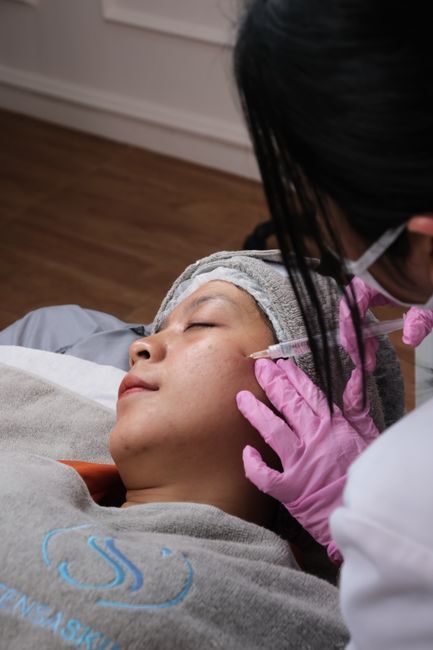
A staged plan lets irritated skin settle before stronger treatments. Illustrative photo.
Timeline
Exosome skin treatment timeline: course and review
Because the evidence is early, the clinic plans regenerative treatment as a short trial followed by a review, not an open-ended package. When exosomes are used after laser, they are applied at each laser session; when used on their own, a few sessions are spaced weeks apart and the result is judged honestly before continuing.
 Hommage · Gangnam
Hommage Women's Clinic · Gangnam, Seoul
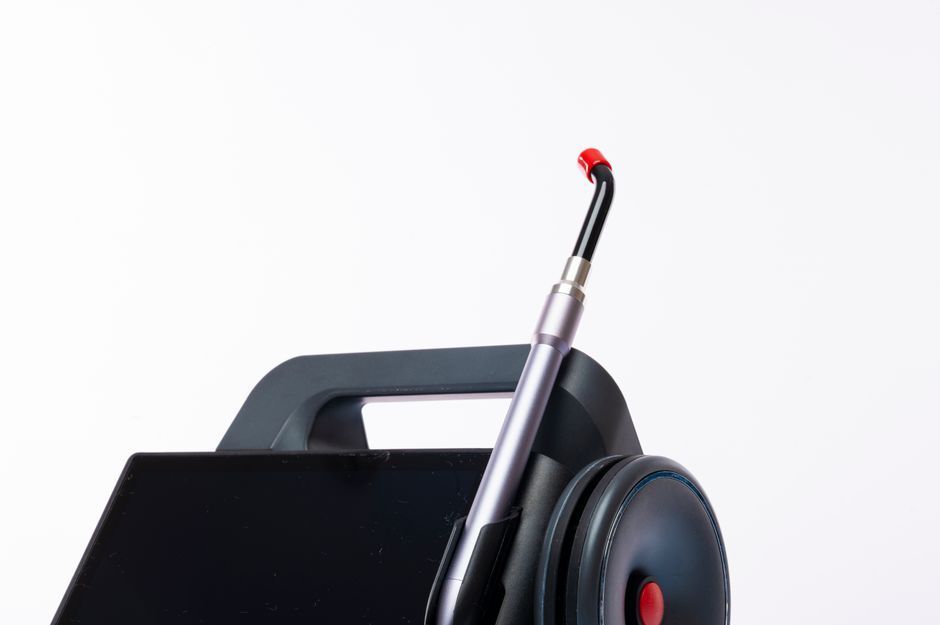
Regenerative solutions are usually applied right after laser or microneedling. Illustrative photo.
Aftercare
Aftercare after exosome or stem cell skin treatment
Aftercare mostly follows the procedure the treatment was combined with. When exosomes are applied after laser, the skin has fresh micro-injuries that need gentle, clean care; when cell concentrates are injected, the collection site also needs looking after. You receive written instructions and a review date.
Do
- Leave the applied solution on for as long as advised
- Use a gentle cleanser and simple, fragrance-free moisturizer
- Apply broad-spectrum sunscreen every day
- Keep the blood or fat collection site clean and dry
- Report spreading redness, blisters, pus or fever
Don't
- Apply your own serums or actives on fresh skin
- Use retinoids or acids for a few days
- Wear makeup for about 24 hours after needling or laser
- Use saunas, pools or do hard workouts for 1–2 days
- Buy exosome products online to use on broken skin at home
Evidence
Do exosomes and stem cell treatments work for skin? What the research says
Regenerative skin therapy is one of the fastest-growing areas in aesthetics, but research has not caught up with marketing. A few well-designed trials are encouraging, especially for recovery after laser, while many claims rest on lab studies or small, manufacturer-funded reports. Here is what we can say with reasonable confidence today.
Scar improvement with exosomes
vs 19.9% with control gel after 3 CO2 laser sessions; double-blind split-face, 25 patients.
Kwon et al., Acta Derm Venereol, 2020Redness and downtime
On the exosome-treated side in the same trial.
Kwon et al., 2020FDA-approved exosome products
The FDA has warned about serious adverse events with unapproved products.
US FDA public safety alertLow-quality reviews (PRP)
Even the related, better-studied PRP has weak evidence for facial rejuvenation.
Cruciani et al., Blood Transfus, 2024Traveling to Seoul
Exosome and stem cell skin therapy in Seoul for international patients
Many visitors come to Seoul curious about exosome facials. A session fits easily into a short trip, especially when it is paired with a laser treatment you are already planning, and recovery is usually a day or two of mild redness. Because the products and rules differ from country to country, ask for the product name and documents in writing so your home doctor can review them.
Before you book
- Message your skin goals and any recent procedures by WhatsApp, KakaoTalk or the contact form.
- Tell us about pregnancy, breastfeeding, cancer history or immune conditions.
- Bring your passport and a list of your medicines.
- Ask for language support if you need it.
After you fly home
Keep up sunscreen and simple skincare, and send photos to the clinic for review.
 Hommage · Seoul
Hommage Women's Clinic · Gangnam, Seoul
Gangnam, Seoul: the clinic is near Sinnonhyeon Station. Illustrative photo.
 Hommage · Gangnam
Hommage Women's Clinic · Gangnam, Seoul
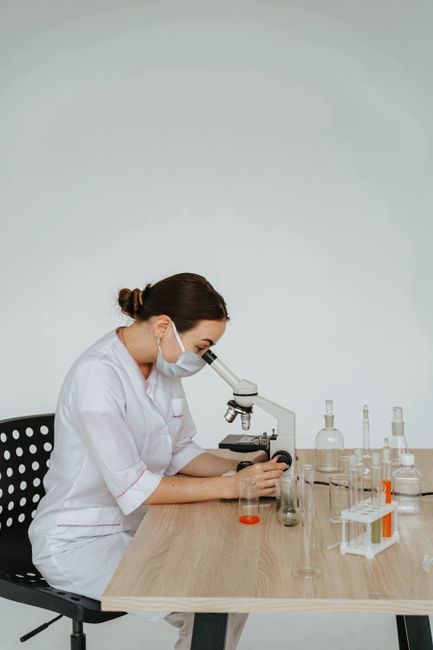
Much of the science is still at the laboratory stage. Illustrative photo.
Choosing well
How to choose a clinic for exosome or stem cell skin therapy
Regenerative treatments are heavily marketed, so the way a clinic talks about them tells you a lot. Use these questions at any consultation, including ours:
- Is a doctor advising and treating me? Not a sales consultant or beauty therapist.
- Do they name the exact product? And give it to you in writing.
- Do they explain the evidence honestly? “Emerging” and “early” are honest words.
- Do they avoid disease claims? No skin treatment prevents or cures disease.
- Do they offer proven options first? Sunscreen, skincare, lasers and boosters.
- Is there a review point and written quote? So you can stop if it is not helping.
What affects the cost of regenerative skin therapy?
The total depends on the method (exosome solution, growth factors or your own cell concentrate), the product used, the number of sessions and whether it is combined with laser, microneedling or skin boosters. Cell-based methods that need blood or fat collection take longer. These treatments are cosmetic and not covered by National Health Insurance, and you receive a written quote before treatment.
Your visit
How a regenerative skin consultation works
01
Skin and health history
Dr. Kim reviews your skin, recent procedures, medicines and any history of cancer or immune conditions.
02
Options explained
You hear the evidence for each option, from PRP and boosters to exosome or cell-based treatment, and which product would be used.
03
Treatment
If you go ahead, the chosen method is applied or injected, often alongside laser or microneedling.
04
Review
Your skin is reviewed after the course, and the plan is adjusted or stopped if the benefit is not worthwhile.
Your doctor
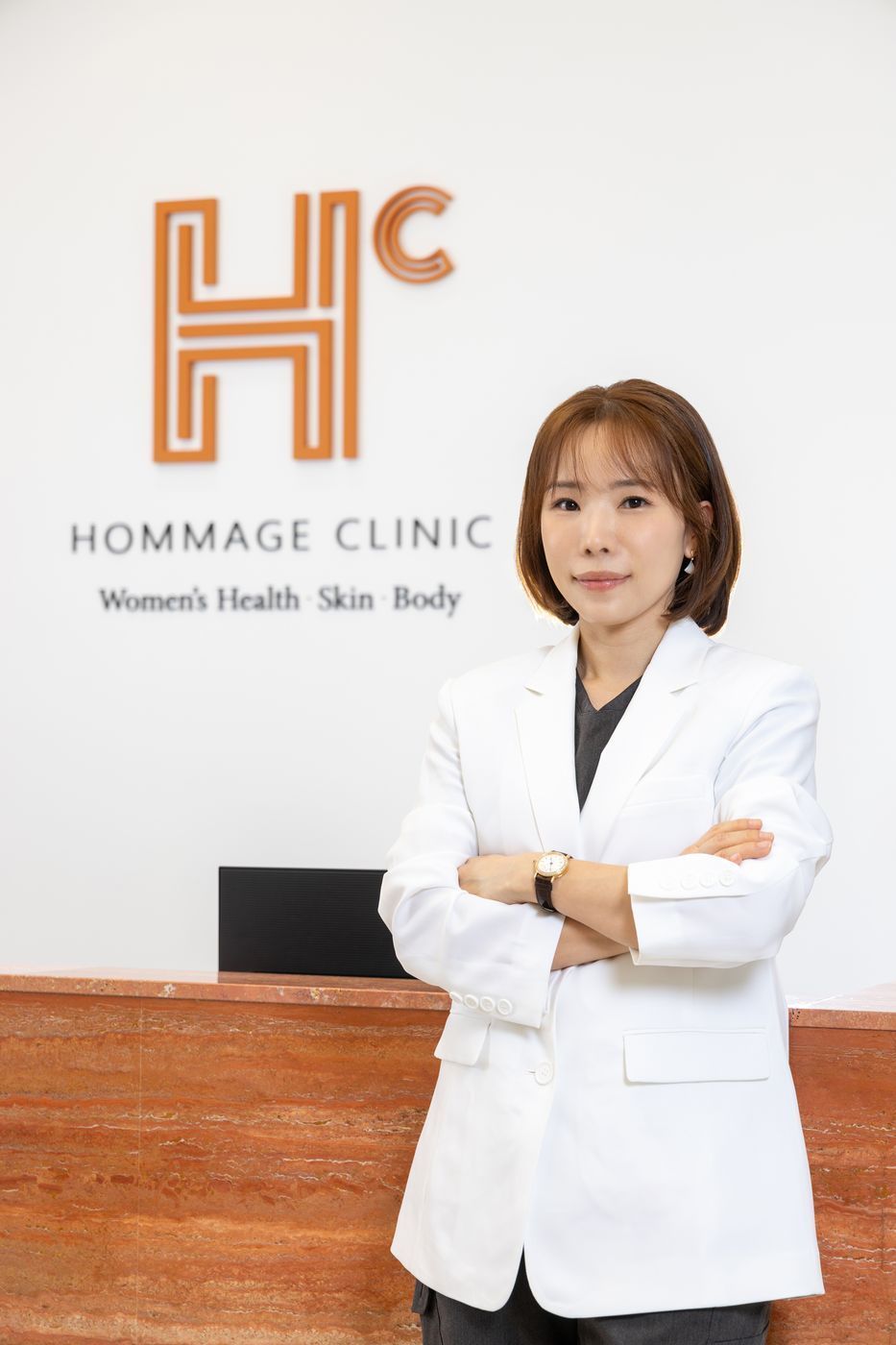
Dr. Kim Hyunbin
Associate Director · Skin & Aesthetic Treatments
Dr. Kim presents stem cell and exosome treatments as emerging add-ons for skin quality and recovery, and explains the limits of the evidence before any treatment. Proven basics such as sun protection, suitable skincare and established lasers or boosters come first.
Associate director dedicated to skin and aesthetic procedures, with extensive experience in lifting, botulinum toxin, fillers and laser treatments.
Stem cell skin therapy: frequently asked questions
Is stem cell skin therapy proven to work?
Not yet. Small studies suggest that exosome and growth factor solutions can reduce redness and support healing after laser, and may improve texture, but larger independent trials are still needed. It is considered an emerging treatment, so expect a modest, gradual benefit and be cautious of any clinic that promises dramatic or certain results.
What is the difference between exosome and stem cell skin treatment?
Stem cell treatments use living cells, usually concentrated from your own blood or fat. Exosome treatments use tiny vesicles released by cells, often cultured stem cells, so they contain no living cells. Both aim to send repair signals to the skin, and both are still being studied for cosmetic use.
Are exosomes safe?
Short-term side effects reported so far are usually mild, such as redness and irritation, but long-term safety data are limited. Products differ in source, purity and other ingredients, and in many countries none is approved as a medicine. Ask your doctor for the product name, its origin and how it is regulated before treatment.
Can stem cell therapy make my skin look younger?
It may improve skin quality, such as texture, hydration and recovery after procedures, but it does not reverse aging, lift sagging skin or replace lost volume. Those goals usually need other treatments, such as collagen stimulators, fillers or energy-based lifting, which your doctor can combine with regenerative care if appropriate.
How many sessions of exosome or stem cell skin therapy do I need?
It depends on the method and goal. Exosomes used after laser are usually applied at each laser session, while standalone courses are often several sessions a few weeks apart, followed by a review. Your doctor will suggest a plan and stop treatment if the benefit is not worthwhile.
Can foreigners get stem cell skin therapy in Seoul?
Yes. International patients and foreign residents can book a consultation at Hommage Clinic; bring your passport for registration. Ask for the product name and documents in writing so your home doctor can review them. Contact us before your visit to arrange language support; you can walk in during opening hours or book ahead for a set time.
Are exosomes approved by the FDA?
No. The US Food and Drug Administration states that there are currently no FDA-approved exosome products, and it has warned about serious adverse events with unapproved products. Rules differ in other countries, so ask how the specific product proposed to you is regulated.
Do exosomes help after laser treatment?
Early evidence suggests they may. In a 2020 double-blind split-face trial of 25 people with acne scars, the side treated with exosome gel after CO2 laser improved more (32.5% vs 19.9% scar score reduction) and had milder redness and shorter downtime. Larger trials are still needed.
Does an exosome facial contain living stem cells?
No. Exosomes are tiny vesicles released by cells and contain no living cells. Treatments that use living cells are usually made from your own blood or fat and are processed and injected the same day.
Can I use exosome serums at home?
Products for home use are cosmetics, and their content and quality vary widely. Applying anything to freshly needled or lasered skin at home raises the risk of irritation and infection. Ask your doctor before using such products after a procedure.
Is exosome therapy better than PRP?
Not clearly. PRP has more research, though its evidence for facial rejuvenation is still weak. Exosome treatments are newer, with a few encouraging trials for post-laser recovery. Your doctor can explain which makes more sense for your skin and budget.
Who should avoid stem cell or exosome skin treatment?
It is usually postponed during pregnancy and breastfeeding, and avoided with active skin infection, cold sores or inflamed eczema in the area, and during cancer diagnosis or treatment. Tell your doctor about immune conditions and all medicines.
Can regenerative therapy help skin that stays red after a procedure?
It may be part of a plan. Hommage Women's Clinic's Recovery program combines regenerative treatment, skin boosters and gentle laser care in stages for skin that stays irritated after procedures. See also skin barrier repair treatment.
References
Sources used for this page, reviewed by Dr. Kim Hyunbin. Read our editorial and medical review policy.
- Kwon HH, Yang SH, Lee J, Park BC, Park KY, Jung JY, Bae Y, Park GH. Combination treatment with human adipose tissue stem cell-derived exosomes and fractional CO2 laser for acne scars: a 12-week prospective, double-blind, randomized, split-face study. Acta Derm Venereol. 2020;100. doi:10.2340/00015555-3666. Abstract
- US Food and Drug Administration. Public safety alert due to marketing of unapproved stem cell and exosome products. FDA
- Cruciani M, Masiello F, Pati I, Pupella S, De Angelis V. Platelet rich plasma for facial rejuvenation: an overview of systematic reviews. Blood Transfus. 2024;22(5):429–439. Full text
This page is general information and does not replace a personal consultation. Illustrations are original works of Hommage Women's Clinic, Gangnam, Seoul; photos marked illustrative are not of patients.
Related regenerative treatments
PRP for Skin
Platelet-rich plasma from your own blood for texture, fine lines and acne scars.
Rejuran
Salmon-derived polynucleotide booster for skin repair, texture and fine lines.
Skin Boosters
Hyaluronic acid, PN and regenerative boosters compared for hydration and texture.
Skin Barrier Repair
Calming care for sensitive, irritated skin and a weakened barrier.
Stem Cell Hair Therapy
Exosome and regenerative scalp treatments for thinning hair, explained honestly.
Stem Cell Vaginal Rejuvenation
Regenerative approaches in intimate care, with an OB/GYN specialist.
Get an honest view of regenerative skin care
Book a consultation with Dr. Kim Hyunbin in Gangnam to compare exosome, cell-based, PRP and booster options for your skin, with a written quote first.
Hommage Clinic · 4F, Building A, 509 Gangnam-daero, Seoul (near Sinnonhyeon Station) · Mon & Fri 10:00–20:00 · Tue–Thu 10:00–19:00 · Sat 10:00–15:00