
Skin & Aesthetics · Facials
Brightening Facial in Seoul: Even Tone, Realistic Results
A brightening facial, often called a “whitening” facial in Korea, is a treatment that gently exfoliates and applies ingredients such as vitamin C, niacinamide or tranexamic acid to reduce dullness and even out patchy tone, without changing your natural skin color. At Hommage Clinic in Gangnam, Seoul, Dr. Hwang Seonhwa first identifies what is causing the unevenness, then plans care to match it.
Quick answer
A brightening facial(often called a whitening facial in Korea) gently exfoliates the skin and applies ingredients such as vitamin C, niacinamide or tranexamic acid to reduce dullness and mild patchy tone, without changing your natural skin color. At Hommage Women's Clinic in Gangnam, Seoul, Dr. Hwang Seonhwa checks the type of pigment first. A session takes about 30–60 minutes with no real downtime, and a more even tone usually builds over several sessions 2–4 weeks apart.
Key takeaways
- "Whitening" here means even and luminous, not lighter than your natural tone.
- Facials help most with dullness and mild unevenness; melasma and distinct spots usually need medical treatment.
- Results fade without daily sunscreen, because UV, visible light and heat all trigger pigment.
- Avoid unregulated lightening creams; some contain mercury or strong steroids.
Infographic
Brightening facial in numbers
Per session
No anesthesia needed.
Usual downtime
Mild redness or light flaking for a day or two after a peel step.
Between sessions
A course of several facials builds results.
Steps
Skin check, exfoliation, brightening, soothing and SPF.
Every day
Reapplied outdoors, with a hat in strong sun.
How long it lasts
Only with daily sun protection and home care.
Brightening facials at a glance
| Key fact | Details |
|---|---|
| What it is | Gentle exfoliation plus brightening ingredients to reduce dullness and uneven tone |
| Treatment time | Typically 30–60 minutes |
| Comfort | No anesthesia; mild tingling is common when acids or vitamin C are applied |
| Downtime | Usually none; mild redness or light flaking for a day or two after a peel step |
| Results visible | A fresher look straight away; more even tone typically builds over several sessions |
| How long results last | Weeks, and only with daily sun protection; pigment tends to return without it |
| Planned by | Dr. Hwang Seonhwa, after checking the type of pigment |
A brightening facial may suit you if you have
- Dull, tired-looking skin or rough texture
- Mild, patchy unevenness from sun exposure
- Faint marks left after healed breakouts
- Commitment to daily sunscreen to protect the results
See a doctor first or choose another option if you have
- Dark patches on the cheeks, forehead or upper lip that could be melasma
- A spot that is new, changing, bleeding or irregular in color or shape
- Active eczema, rosacea, sunburn or broken skin
- Recent isotretinoin use or a peel or laser in the past week
What is a brightening (whitening) facial?
A brightening facial is a clinic facial that aims to make skin look clearer and more even by removing dull surface cells and applying ingredients that calm excess pigment production. In Korea it is often called a “whitening” facial (미백), but the goal is not to make skin lighter than its natural color. It is to reduce patchy darkening and dullness so your own skin tone looks even.
Typical steps include gentle exfoliation or a mild peel, followed by serums or masks containing vitamin C, niacinamide, tranexamic acid, azelaic acid or arbutin. These ingredients reduce how much melanin pigment skin cells make or how it is transferred to the surface. Healthy skin of every shade can look luminous, and treatments should respect your natural tone.
What causes dullness and uneven skin tone?
Uneven tone has several causes, and the right treatment depends on which one you have. The most common are:
- Sun damage: freckles and sun spots from UV exposure.
- Post-inflammatory marks: brown marks left after acne, eczema or irritation, more common in medium to deep skin tones.
- Melasma: symmetrical brown patches linked to hormones, sun and heat, often starting in pregnancy or while taking the pill. See melasma treatment .
- Dullness: a build-up of dead cells, dehydration, smoking or poor sleep.
A brightening facial helps most with dullness and mild unevenness. Melasma and deeper spots usually need a medical plan, and any spot that is new or changing should be checked by a doctor first.
What happens during a brightening facial?
A session usually takes 30 to 60 minutes, and you can return to normal activities straight away. A typical visit includes:
- Skin check: the doctor looks at the pattern and depth of pigment to decide whether a facial is suitable.
- Cleansing and gentle exfoliation: sometimes with a mild acid peel suited to your skin type.
- Brightening step: serums or a mask with ingredients such as vitamin C or tranexamic acid.
- Soothing and protection: a calming step, moisturizer and broad-spectrum sunscreen.
How long do brightening facial results last?
Skin usually looks fresher right after a session, but a more even tone typically needs a course of several treatments, often spaced two to four weeks apart. Results last only as long as pigment is kept under control, so daily sunscreen is essential.
UV light, visible light and heat all trigger pigment, which is why results fade quickly without protection. Use a broad-spectrum SPF 30 or higher every day, reapply when outdoors, and wear a hat in strong sun. For a few days after a peel step, avoid scrubs, retinoids and saunas. Home products such as vitamin C, niacinamide or azelaic acid can help maintain results.
Risks and possible side effects
Brightening facials are generally well tolerated, but active ingredients can irritate the skin. Possible side effects include:
- Stinging, redness or tightness, usually settling within hours
- Light flaking for a day or two after a peel step
- Allergic or irritant contact dermatitis from serum ingredients
- Darker patches if the skin becomes inflamed, which is more likely in medium to deep skin tones and in melasma
- Increased sun sensitivity for several days after exfoliation
Be cautious with unregulated skin-lightening creams sold online. The World Health Organization warns that some contain mercury, and others contain strong steroids or high-strength hydroquinone that can damage skin when used without supervision. Contact the clinic if redness, burning or swelling gets worse after treatment.
Brightening facial vs laser toning vs melasma treatment
These options suit different problems, so the cause of your unevenness decides which is right.
- Brightening facial: for dullness and mild, surface unevenness, with little or no downtime.
- Laser toning: a course of low-energy laser sessions for more persistent pigment and uneven tone.
- Melasma treatment: a medical plan that may combine strict sun protection, prescription creams, tranexamic acid therapy and carefully chosen procedures.
Because melasma is often linked with hormones, women who notice it during pregnancy, while on the pill or around menopause may also find our page on skin changes and hormones helpful.
Brightening care at Hommage Clinic
Hommage Clinic is a walk-in-friendly women's health and skin clinic in Gangnam, a short walk from Sinnonhyeon Station. Dr. Hwang Seonhwa starts by identifying the type of pigment, because a facial that suits dullness can aggravate melasma. If your skin is sensitive or reactive, soothing treatments the clinic uses, such as LDM or cryo care, may be added to calm it. Because the clinic also offers women's health care, hormone-related pigment can be discussed in the same place. Browse otherskin and aesthetic treatments.
Cosmetic facials are not covered by Korea's National Health Insurance. Cost depends on the treatment, the number of sessions and any home-care products, and you receive a written quote before treatment. Please contact us before your visit to arrange language support.
Mechanism
How does a brightening facial work?
Skin color comes from melanin, a pigment made by cells called melanocytes deep in the outer skin layer. Melanocytes pass pigment up to the surrounding skin cells, which slowly move to the surface and are shed. Uneven tone happens when some areas make or hold more pigment than others, or when dead cells build up and make the surface look dull.
A brightening facial works on three points in that pathway. Exfoliation removes dull, pigment-loaded surface cells. Ingredients such as tranexamic acid, azelaic acid and arbutin help calm the signals that drive melanin production. Niacinamide is thought to slow the transfer of pigment to surface cells, and vitamin C acts as an antioxidant and a mild brightener. Sunscreen then stops the process being restarted by light.
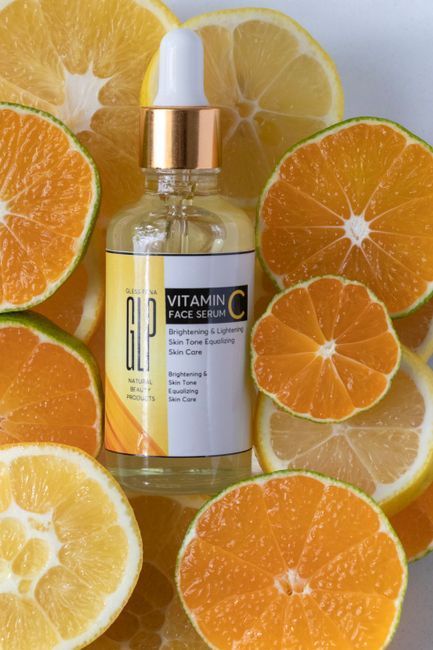 Hommage · Gangnam
Hommage Women's Clinic · Gangnam, Seoul
Vitamin C is one of several brightening ingredients chosen for your skin. Illustrative photo.
Ingredients
Brightening facial ingredients: vitamin C, niacinamide, tranexamic acid and more
Most clinic brightening facials use a combination rather than one hero ingredient, because each works on a different step. The right mix depends on whether your skin is oily or dry, sensitive or tolerant, pregnant or not, and whether melasma is part of the picture. This guide summarizes the most common ones and when they are avoided.
| Ingredient | Main role | Good for | Usually avoided when |
|---|---|---|---|
| Vitamin C | Antioxidant, mild brightening | Dullness, sun-exposed skin | Skin is very irritated |
| Niacinamide | Slows pigment transfer, supports barrier | Sensitive and oily skin | Rarely; patch test if reactive |
| Tranexamic acid (topical) | Calms pigment signals | Melasma-prone skin | Discussed individually in pregnancy |
| Azelaic acid | Calms pigment and acne | Post-acne marks, redness | Stinging is too strong |
| Mild AHA (lactic, glycolic) | Exfoliates dull cells | Rough, dull texture | Sunburn, active eczema |
| Retinoids, hydroquinone | Stronger pigment control | Selected cases, prescribed | Pregnancy and breastfeeding |
Which one?
Is a brightening facial right for my skin? A quick guide
The most common reason a brightening facial disappoints is that it was used for the wrong problem. Use this guide as a starting point; the doctor confirms the cause at your visit.
Results
Brightening facial results: what to expect over a course
The glow straight after a facial comes mainly from exfoliation and hydration, and it fades within days. A more lasting change in tone comes from repeating treatment over several weeks while protecting the skin from light in between. The timeline below shows a typical course.
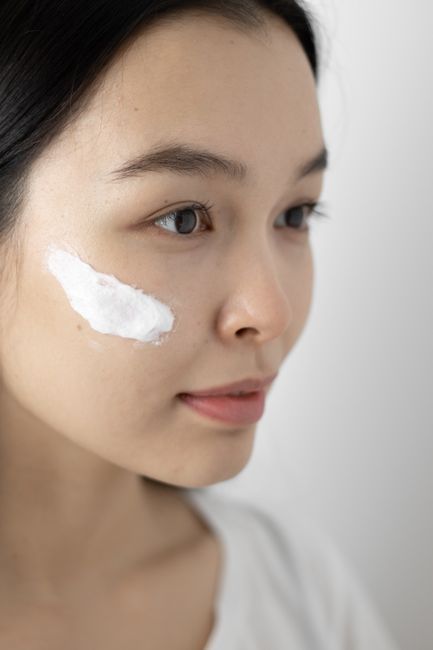 Hommage · Gangnam
Hommage Women's Clinic · Gangnam, Seoul
Without daily sunscreen, brightening results fade quickly. Illustrative photo.
Aftercare
After a brightening facial: do's and don'ts
Freshly exfoliated skin is a little more sensitive to sun and heat for a few days. Simple habits in that window protect the result and lower the risk of irritation, which in Asian skin can leave darker marks instead of a brighter tone.
Do
- Apply broad-spectrum SPF 30+ every morning
- Reapply outdoors and wear a hat in strong sun
- Use a gentle cleanser and plain moisturizer
- Continue home brightening care as advised
- Tell the clinic if burning or redness gets worse
Don't
- Use saunas, hot yoga or intense heat for a few days
- Scrub or use retinoids if a peel step was used
- Buy unregulated lightening creams online
- Book another peel or laser the same week
- Pick at any flaking skin
Safe brightening
Whitening vs brightening: protecting your natural skin tone
In Korean, the word for these treatments (미백) is usually translated as whitening, which can sound like a promise to make skin paler. A medical brightening facial does not do that, and should not try. Your baseline skin color is set by your genes. What a facial can change is the extra pigment from sun, inflammation and hormones that sits on top of it, along with dullness from dead cells and dehydration.
Products that promise dramatic lightening are where the real risks lie. The World Health Organization warns that some skin-lightening products contain mercury, and others contain strong steroids or high-strength hydroquinone used without supervision. These can cause thinning, acne, uneven patches or worse. If you have been using a product like this, bring it to your visit so Dr. Hwang can check the label.
What brightening can do
- Reduce dullness and rough texture
- Soften mild patchy darkening
- Help fade faint post-acne marks
- Support a long-term pigment plan
Claims to be wary of
- "Permanently whiter skin"
- Creams with no ingredient list
- Strong results in days with no sunscreen
- Steroid or mercury products sold online
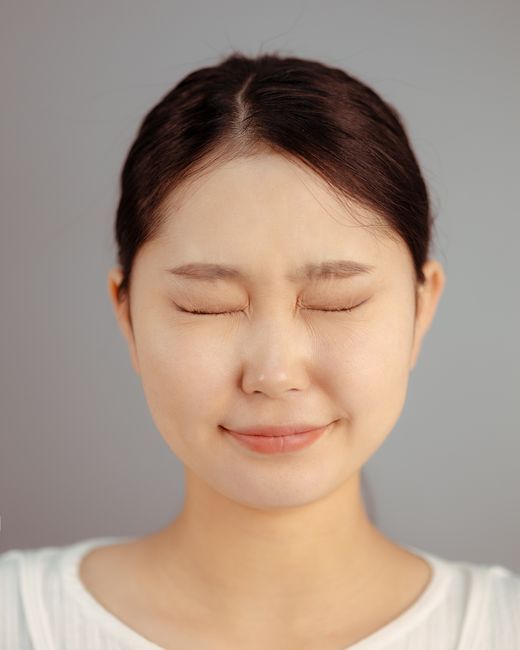 Hommage · Gangnam
Hommage Women's Clinic · Gangnam, Seoul
The goal is an even, healthy version of your own skin tone. Illustrative photo.
Evidence
Do brightening facials work? What the research says
Honestly, there are few good studies of "brightening facials" as a package, because every clinic combines different steps. The stronger evidence is for the parts that overlap with medical treatment: superficial chemical peels and prescription brightening agents for melasma and dark marks. That evidence is encouraging but limited, and most of it is about measurable pigment conditions rather than general dullness.
Melasma studies pooled
Peels and oral or topical treatments lowered melasma severity scores.
Ribeiro et al., Pharmaceutics, 2025Peels vs lasers
Both helped melasma; peels had fewer complications.
Lee et al., J Cosmet Med, 2024Superficial peel complications
In skin types III–VI; mostly temporary.
Desai et al., J Clin Aesthet Dermatol, 2023Niacinamide: measurable lightening
In controlled studies (18 and 120 volunteers), niacinamide moisturizer reduced hyperpigmentation and increased skin lightness vs vehicle after 4 weeks; lab tests showed it slows pigment transfer to skin cells (35–68%).
Hakozaki et al., Br J Dermatol, 2002Traveling to Seoul
Brightening facial in Seoul for international patients
A brightening facial is one of the easiest skin treatments to fit into a trip: there is no real downtime, and you can go sightseeing straight afterward with sunscreen and a hat. If you are visiting for a short time, the most useful visit combines a pigment check, one facial and a home-care routine you can keep using after you fly home.
- Walk-ins are welcome, or book ahead by WhatsApp, KakaoTalk or the contact form; ask for language support if needed.
- Bring your passport and photos or labels of the products you use at home.
- Avoid booking a facial with a peel step right before a beach or ski day.
- If you plan other treatments, such as laser, ask how to space them in the same trip.
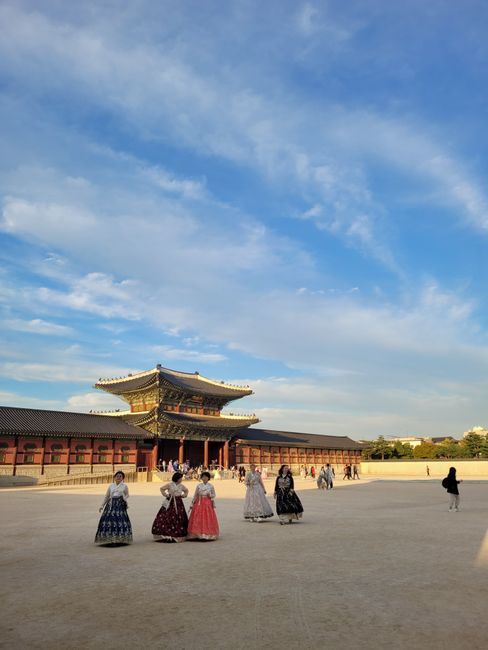 Hommage · Seoul
Hommage Women's Clinic · Gangnam, Seoul
No real downtime means you can keep exploring Seoul afterward. Illustrative photo.
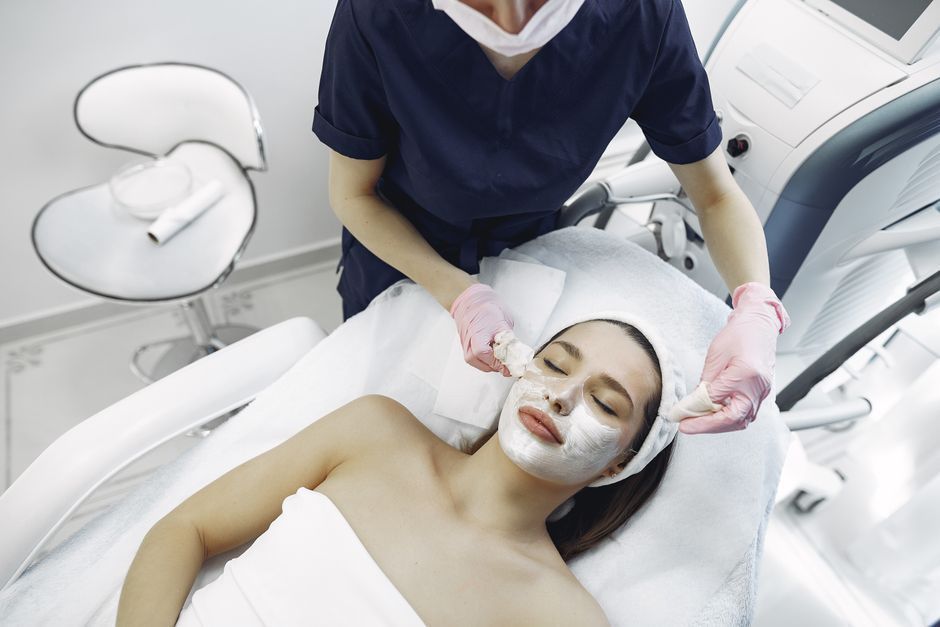 Hommage · Gangnam
Hommage Women's Clinic · Gangnam, Seoul
A brightening facial is gentle and needs no anesthesia. Illustrative photo.
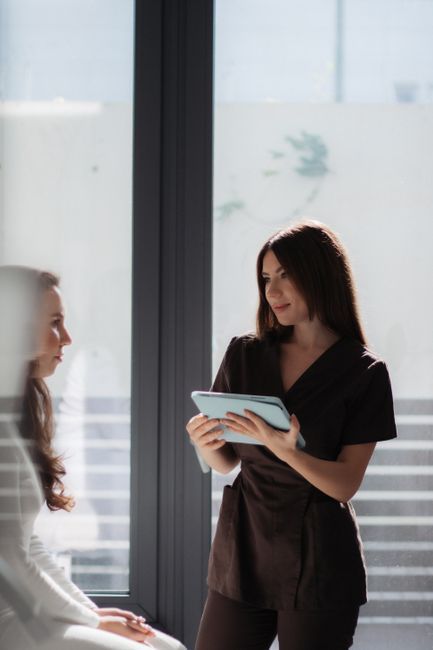 Hommage · Gangnam
Hommage Women's Clinic · Gangnam, Seoul
The pigment type is checked before any facial is planned. Illustrative photo.
Choosing well
How to choose a brightening facial in Seoul
Brightening facials are offered by spas, beauty shops and clinics across Gangnam. These questions help you compare, including with us:
- Is the pigment type checked first? Melasma and changing spots need a doctor, not just a facial.
- Are ingredients named? You should know what is being applied and why.
- Is it adapted for pregnancy or sensitivity? Some ingredients are swapped or avoided.
- Do they promise realistic results? Not permanent lightening of your natural tone.
- Is sunscreen part of the advice? It should be, every time.
- Is the price written in advance? Including any home products.
What affects the cost of a brightening facial?
The cost depends on the steps included (for example a mild peel or a soothing step), the number of sessions, any home-care products, and whether it is combined withlaser toningor apigment correction peel. Cosmetic facials are not covered by Korea's National Health Insurance, and you receive a written quote before treatment.
Your visit
What to expect at your brightening consultation
01
Pigment check
Dr. Hwang examines the pattern of darkening and asks about sun exposure, hormones, medications and past treatments.
02
Your plan
You agree whether a facial, a pigment treatment or a combination suits you, how many sessions and a written quote.
03
Treatment
A gentle facial session with no anesthesia, followed by sunscreen before you leave.
04
Maintenance
Home-care and sun protection advice, with a follow-up to check how your skin is responding.
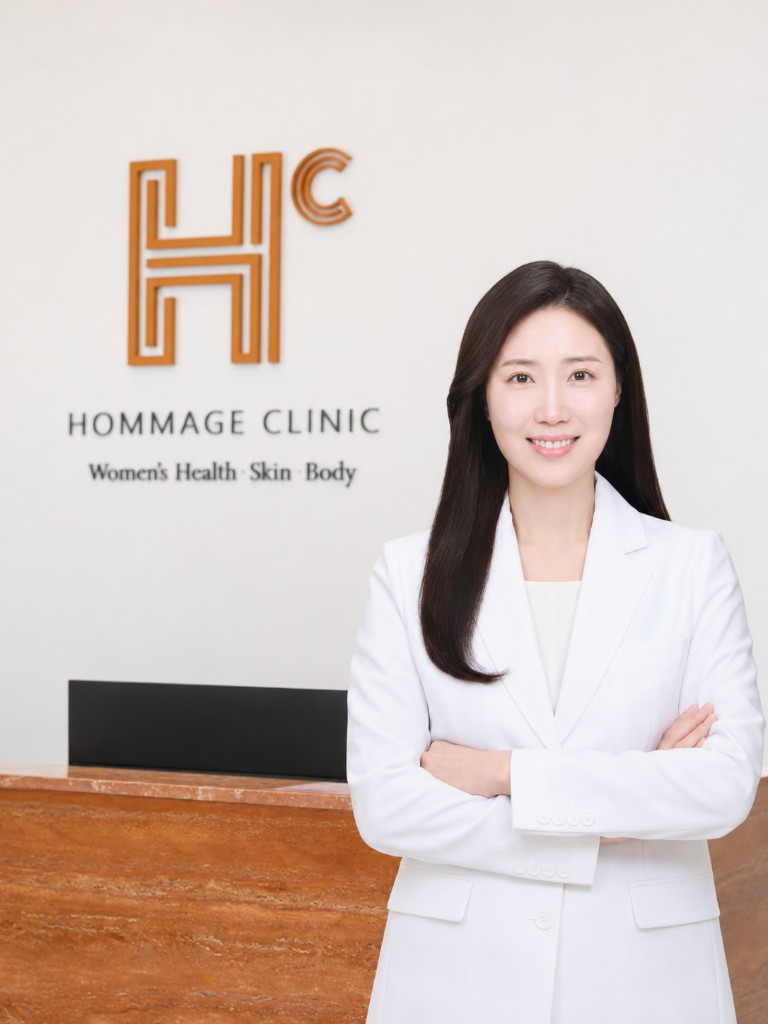
Your doctor
Dr. Hwang Seonhwa
Physician · Skin & Aesthetic Treatments
Dr. Hwang checks the type and depth of pigment before recommending a brightening facial, so that melasma or spots needing medical care are treated appropriately, and keeps the aim on an even version of your own natural tone.
Physician for face and skin procedures, including lifting, laser and skin-improvement treatments, planned around facial proportions and skin condition.
Brightening facials: frequently asked questions
Does a whitening facial make your skin lighter?
A whitening or brightening facial does not change your natural skin color. It reduces dullness and patchy darkening, such as sun spots or post-acne marks, so your own tone looks more even and luminous. Treatments that claim to permanently lighten your overall skin color are not realistic and may use unsafe ingredients.
How many brightening facial sessions do I need?
Many people notice fresher skin after one session, but a more even tone usually needs a course of several treatments, often two to four weeks apart. The number depends on the cause and depth of pigment. Daily sunscreen between sessions makes a large difference to how well and how long results hold.
Can a brightening facial remove melasma or dark spots?
A brightening facial can soften mild surface unevenness, but it rarely clears melasma or distinct dark spots on its own. Melasma usually needs a medical plan with strict sun protection and treatments such as tranexamic acid, while sun spots often respond better to targeted laser treatment.
Is a brightening facial safe during pregnancy?
Gentle brightening facials can often be adapted for pregnancy. Ingredients such as vitamin C, niacinamide and azelaic acid are generally considered compatible, while retinoids, hydroquinone and oral tranexamic acid are avoided. Tell the clinic you are pregnant or breastfeeding, because pregnancy also makes melasma more likely and skin more sensitive.
What should I avoid after a brightening facial?
After a brightening facial, avoid direct sun, saunas, hot yoga and intense heat for a few days, and pause retinoids and scrubs if a peel step was used. Apply broad-spectrum sunscreen every morning and reapply outdoors. Heat and UV light both trigger pigment, so protection is what keeps results from fading quickly.
Can foreigners get a brightening facial in Seoul?
Yes. Visitors and foreign residents can book a brightening consultation at Hommage Clinic in Gangnam. Walk-ins are welcome, or book ahead for a set time; bring your passport for registration. If you are on a short trip, ask about a plan you can continue at home, and contact us before your visit to arrange language support.
What is the difference between whitening and brightening?
In Korean clinics the two words usually mean the same treatment. Brightening is the more accurate term: the aim is to reduce dullness and patchy pigment so your own tone looks even, not to make skin paler than its natural color.
Which ingredient is best for brightening?
There is no single best one. Vitamin C helps dullness, niacinamide suits sensitive and oily skin, tranexamic acid and azelaic acid help pigment-prone skin, and mild acids smooth texture. The mix is chosen for your skin type and any pregnancy or sensitivity.
Can I get a brightening facial with acne?
Often yes, with adjustments. Active, inflamed acne is calmed first, and ingredients such as azelaic acid or a gentle salicylic step may be used. Faint brown marks left after acne often respond well over a course. See also skin tone evenness therapy.
Is a brightening facial better than laser toning?
They suit different problems. A facial is gentle and good for dullness and mild unevenness. Laser toning is a stronger course for persistent, diffuse pigment. Some plans alternate the two, spaced safely apart.
Can I wear makeup after a brightening facial?
Usually the same day or next day, as long as the skin is not stinging. Apply sunscreen first and remove makeup gently in the evening.
Are skin-lightening creams sold online safe?
Some are not. The World Health Organization warns that some skin-lightening products contain mercury, and others contain strong steroids or high-strength hydroquinone. Bring any product you use to your visit so the label can be checked.
Is a brightening facial covered by insurance in Korea?
Cosmetic facials are not covered by Korea's National Health Insurance. You receive a written quote before treatment.
References
Sources used for this page, reviewed by Dr. Hwang Seonhwa. Read our editorial and medical review policy.
- Ribeiro MM, Cardoso da Silva AC, Dalagrana H, et al. Systematic review and meta-analysis of treatments on Melasma Area Severity Index and quality of life. Pharmaceutics. 2025. PMID 41471132.
- Lee I, Kang S, Lee J, Cho H, Lee KW, Lim D. Comparative efficacy of chemical peels and laser treatments in melasma: a meta-analysis of randomized controlled trials. J Cosmet Med. 2024;8(2):81–87. DOAJ
- Desai M, Gill J, Luke J. Cosmetic procedures in patients with skin of color: clinical pearls and pitfalls. J Clin Aesthet Dermatol. 2023;16(3):37–40. JCAD
- World Health Organization. Mercury in skin lightening products (public information, as summarized on this page).
- Hakozaki T, Minwalla L, Zhuang J, et al. The effect of niacinamide on reducing cutaneous pigmentation and suppression of melanosome transfer. Br J Dermatol. 2002;147(1):20–31. doi:10.1046/j.1365-2133.2002.04834.x
This page is general information and does not replace a personal consultation. Illustrations are original works of Hommage Women's Clinic, Gangnam, Seoul; photos marked illustrative are not of patients.
Related pigment and skin treatments
Melasma Treatment
A medical plan for hormone- and sun-related brown patches on the face.
Laser Toning
Low-energy laser sessions for persistent uneven tone and pigment.
Tranexamic Acid Therapy
How tranexamic acid helps melasma, and who should avoid it.
Skin Tone Evenness Therapy
Combined approaches for blotchy, uneven skin tone.
Vitamin C Infusion Therapy
What vitamin C treatments can and cannot do for dull skin.
Skin Care for Hormonal Changes
Melasma, acne and skin changes linked to pregnancy, the pill and menopause.
Find out what is behind your uneven tone
Book a skin assessment with Dr. Hwang Seonhwa in Gangnam. We check the type of pigment first, then plan brightening care that suits your skin and protects your natural tone.
Hommage Clinic · 4F, Building A, 509 Gangnam-daero, Seoul (near Sinnonhyeon Station) · Mon & Fri 10:00–20:00 · Tue–Thu 10:00–19:00 · Sat 10:00–15:00