
Skin & Aesthetics · Pigment lasers
Pico Laser Treatment in Seoul for Pigmentation and Skin Texture
Pico laser treatment uses ultra-short pulses of laser energy, each lasting trillionths of a second, to shatter pigment into tiny particles that the body clears naturally and to stimulate collagen for smoother texture. At Hommage Clinic in Gangnam, Seoul, Dr. Hwang Seonhwa first confirms what type of spot you have, then chooses the wavelength and settings for your skin.

Quick answer
Pico laser treatment uses picosecond (trillionth-of-a-second) pulses to break skin pigment into tiny particles that the body clears, and a fractional handpiece to stimulate collagen. At Hommage Women's Clinic in Gangnam, Seoul, Dr. Hwang Seonhwa confirms what each spot is before treatment. A session takes about 10–30 minutes; freckles and sun spots often need 1–3 sessions, deeper pigment 5–10 or more, and small crusts after spot treatment flake off in about 5–10 days.
Key takeaways
- Diagnosis comes first: freckles, sun spots, melasma and dermal pigment respond differently, and melasma can darken with strong settings.
- The 532 nm wavelength targets surface pigment; 1064 nm reaches deeper and is generally gentler on Asian skin.
- In head-to-head trials, pico lasers often clear spots as well as or slightly better than Q-switched lasers, but the evidence base is still small.
- Daily broad-spectrum sunscreen is what keeps results; new spots form with sun exposure.
Infographic
Pico laser in numbers
Laser time
Plus about 30 minutes for numbing cream when used.
Sessions for freckles
Flat, well-defined surface spots often clear in a few sessions.
Sessions for deep pigment
Hori's nevus and toning programs need a longer series.
Crusts after spot treatment
Tiny dark crusts flake off; toning leaves only brief redness.
Between spot sessions
Toning is usually repeated every 2–4 weeks.
Every day
Broad-spectrum sunscreen protects results and lowers darkening risk.
Pico laser at a glance
| Key fact | Details |
|---|---|
| Treatment time | Usually 10–30 minutes, plus about 30 minutes for numbing cream when used |
| Comfort | A snapping, warm prickling feeling; numbing cream and cooling keep it tolerable |
| Sessions | Often 1–3 for freckles and sun spots; 5–10 or more for deeper pigment or toning |
| Downtime | Spot treatment: small dark crusts for about 5–10 days. Toning: mild redness for hours |
| Results visible | Surface spots lighten as crusts flake off; deeper pigment fades gradually over months |
| How long results last | Cleared spots can stay away, but new spots form with sun exposure; melasma often recurs |
| Reviewed by | Dr. Hwang Seonhwa, physician for skin and aesthetic treatments |
Pico laser may suit you if you have
- Freckles or sun spots on the face, hands or arms
- Gray-brown dermal pigment such as Hori's nevus, confirmed at consultation
- Dull or uneven tone, enlarged pores or mild acne scars (fractional pico)
- Dark marks after acne or irritation that have not faded with skin care alone
Wait or talk to us first if you
- Are pregnant or breastfeeding (cosmetic laser treatment is usually postponed)
- Have a fresh tan, sunburn, cold sore or skin infection in the area
- Have a spot that is changing, bleeding or irregular: it needs a medical check first
- Took isotretinoin recently or tend to form keloid scars
How does a pico laser work?
A pico laser delivers energy in picoseconds, or trillionths of a second. Pulses this short create a mechanical, shock-wave effect (often called photoacoustic) that breaks pigment into very fine particles while putting less heat into the surrounding skin than older nanosecond lasers.
Different wavelengths reach different depths. The 532 nm wavelength targets pigment near the surface, such as freckles. The 1064 nm wavelength reaches deeper pigment and is generally gentler on Asian skin, which tends to darken after heat or injury. A fractional (micro-lens) handpiece splits the beam into many tiny points that create small zones of injury beneath an intact surface, which prompts collagen remodeling for texture and pores. Pico lasers are one of several tools in our skin and aesthetic treatments , and the right one depends on your diagnosis.
What can pico laser treat?
Pico laser works on flat brown or gray-brown pigment and on mild texture problems. The most common uses are:
- Freckles and sun spots: flat, well-defined spots usually respond in a few sessions. See freckle removal and sun spot treatment for lesion-specific plans.
- Dermal pigment: Hori's nevus (gray-brown patches on the cheeks that start in adulthood) and nevus of Ota need more sessions, spaced further apart.
- Dull, uneven tone: low-energy “pico toning” passes, similar to laser toning .
- Texture and mild acne scars: fractional pico treatment, usually as a series.
Pico laser is not a stand-alone cure for melasma. It may be used gently as part of a wider melasma treatment plan, because strong settings can make melasma darker. Raised spots such as seborrheic keratoses and true moles need a different method, explained on our laser mole removal page.
What happens during a pico laser session?
A session usually takes under an hour including preparation. Your skin is cleansed and photographed so progress can be compared fairly, and numbing cream is applied for about 30 minutes if needed.
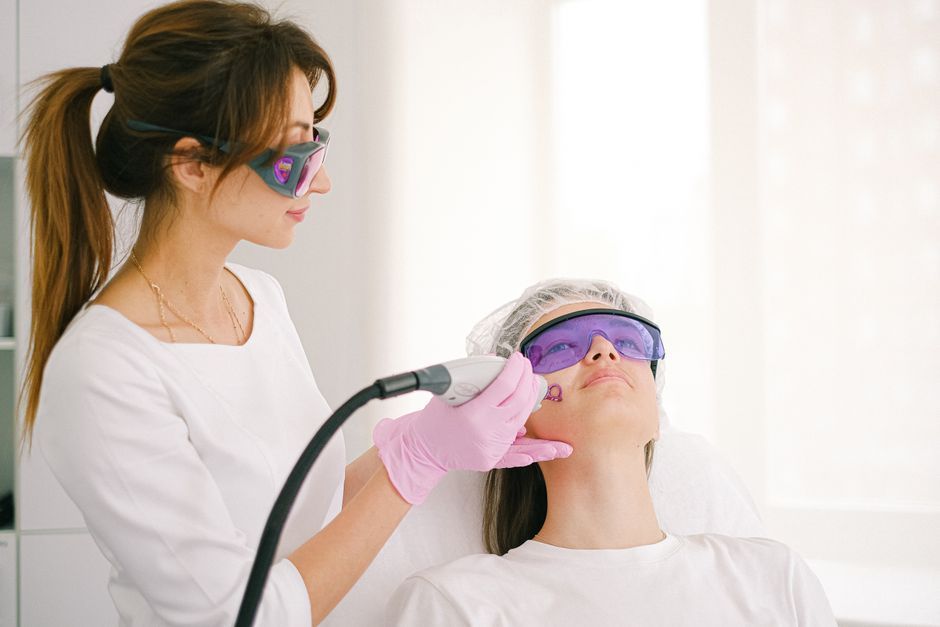
You wear protective eye shields while the doctor treats the area. Spot treatment targets individual lesions, which turn gray-white or darker right away; toning and fractional treatment cover the whole area in even passes. Most people describe the feeling as a rubber-band snap or warm prickling. The skin is then cooled and soothed, and sunscreen is applied before you leave.
Pico laser results and recovery: how long does it take?
Surface spots usually darken and form small crusts that flake off within about 5–10 days, leaving pink skin that settles over several weeks. Deeper pigment fades gradually, so results are judged over months rather than days.
- Intervals: spot and dermal pigment sessions are typically 4–8 weeks apart; toning is usually every 2–4 weeks.
- Aftercare: do not pick crusts, use a gentle cleanser and moisturizer, and apply broad-spectrum SPF 30 or higher every day. Pause retinoids, scrubs and acid exfoliants for about a week, or as advised.
- Daily life: you can usually return to work the same day. Makeup is often fine the next day after toning; after spot treatment, wait until the crusts have come off or follow your doctor's advice.
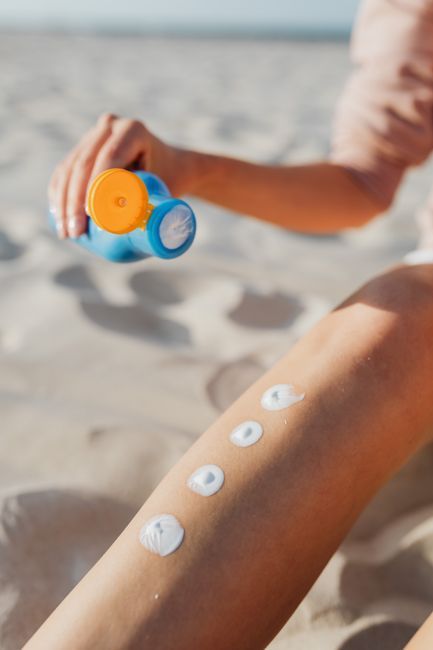
Treated spots can stay clear, but sun exposure creates new ones, so daily sun protection is what keeps results.
Risks and possible side effects
Pico laser is a medical procedure, and side effects can occur even with careful settings. Common, short-lived effects are redness, swelling, tiny pinpoint bleeding spots and temporary darkening of treated pigment.
Less common effects include:
- Post-inflammatory hyperpigmentation: new darkening a few weeks after treatment, more likely in Asian and darker skin. It usually fades over weeks to months, sometimes with topical treatment.
- Light spots (hypopigmentation): a risk with frequent, repeated toning sessions, which is why intervals are spaced.
- Worsening of melasma, blistering, cold sore flare-ups and, rarely, scarring or texture change.
Eye shields prevent eye injury. Contact the clinic if you notice blistering, oozing, increasing pain, signs of infection, or dark patches appearing in the weeks after treatment.
Pico laser vs Q-switched laser and IPL: which is right for you?
The right device depends on the lesion, not on which technology is newest. Q-switched lasers use nanosecond pulses and remain effective for many freckles and sun spots. Pico lasers use shorter pulses that rely less on heat; they may need fewer sessions for some pigment, though studies on sun spots and melasma often show similar results between the two.
IPL is not a laser. It uses broad-spectrum light that treats scattered brown spots and redness at the same time, but it is less precise and riskier on tanned or darker skin. Your doctor will explain why a particular device is recommended for your skin.
Pico laser treatment at Hommage Clinic
At Hommage Clinic in Gangnam, a short walk from Sinnonhyeon Station, every pigment plan starts with a diagnosis. Dr. Hwang Seonhwa examines each spot to separate freckles, sun spots, melasma and dermal pigment, because each responds differently. The laser treatment itself is planned and performed by a physician.
Because the clinic also provides women's health care, pigment linked to pregnancy, the pill or menopause can be considered alongsidehormonal skin changes. Walk-ins are welcome during opening hours. Cost depends on the area, the number of spots, the number of sessions and any combined treatment; cosmetic laser treatment is not covered by Korea's National Health Insurance, and you receive a written quote before treatment.
Mechanism
How pico laser works: picosecond vs nanosecond pulses
All pigment lasers aim a wavelength that melanin absorbs at a spot, then release the energy so quickly that the pigment heats and breaks before the heat spreads to the skin around it. The difference with a pico laser is how quickly. A Q-switched laser fires in nanoseconds (billionths of a second); a picosecond laser fires roughly a thousand times faster. Pulses this short create a pressure wave (a photoacoustic effect) that shatters pigment into much finer particles, which the body's clean-up cells can remove more easily.
Less leftover heat is the main reason pico lasers are popular for Asian skin, which tends to darken after heat or injury. It does not remove the risk entirely: energy, spot size, the number of passes and how often you are treated all matter as much as the device itself. That is why Dr. Hwang starts conservatively and adjusts settings at each visit.
Know your pigment
Pico laser for freckles, sun spots and Hori's nevus: which wavelength?
Where the pigment sits in the skin decides the wavelength, the number of sessions and how long you wait between them. Freckles and sun spots (solar lentigines) sit in the top layer, the epidermis, and are usually treated with 532 nm. Hori's nevus and nevus of Ota sit deeper, in the dermis, and need the longer 1064 nm wavelength (or 755 nm on some devices) over a longer series. Melasma is mixed and hormone-driven, so it is handled differently, with low-energy toning combined with creams or oral medicine as part of a widermelasma treatmentplan.
| Pigment | Where it sits | Usual approach | Typical sessions |
|---|---|---|---|
| Freckles | Epidermis | 532 nm spot treatment | Often 1–3 |
| Sun spots | Epidermis | 532 nm spot treatment | Often 1–3 |
| Hori's nevus, nevus of Ota | Dermis | 1064 nm (or 755 nm), spaced sessions | 5–10 or more |
| Melasma | Both layers | Gentle 1064 nm toning plus creams or oral medicine | A series, then maintenance |
| Dark marks after acne | Mostly epidermis | Low-energy toning; often fades with skin care alone | Varies |
Three ways to use it
Pico spot treatment vs pico toning vs fractional pico
One pico laser can be used in three quite different ways. The choice changes the downtime, the number of visits and what you can expect, so it is worth knowing which one is being offered before you book a package.
Spot treatment
- Targets individual freckles or sun spots
- Spots darken, then crust for about 5–10 days
- Often 1–3 sessions, 4–8 weeks apart
- Best for well-defined surface spots
Pico toning
- Low energy, even passes over the whole face
- Mild redness for a few hours; no crusts
- A series, usually every 2–4 weeks
- For dull or uneven tone; part of melasma care
Fractional pico
- Micro-lens splits the beam into tiny points
- Redness and tiny dots for a few days
- Usually a series of 3 or more
- For texture, pores and mild acne scars
 Hommage · Gangnam
Hommage Women's Clinic · Gangnam, Seoul
Eye shields are worn throughout every laser session. Illustrative photo.
Healing
Pico laser recovery timeline after spot treatment
Spot treatment follows a predictable pattern. Treated spots look darker for the first few days, form tiny crusts that flake off within about 5–10 days, and leave pink skin that blends in over the following weeks. Your next session, if one is needed, is usually 4–8 weeks later, once any redness or darkening has settled. Toning has much less visible downtime, usually only a few hours of redness.
 Hommage · Gangnam
Hommage Women's Clinic · Gangnam, Seoul
Sunscreen every day is the single most important part of pico laser aftercare. Illustrative photo.
Aftercare
Pico laser aftercare: do's and don'ts
Most problems after pico laser, especially new darkening (post-inflammatory hyperpigmentation), are linked to sun, friction and irritation in the first weeks. You receive these instructions in writing, and you can message the clinic with a photo if something looks unexpected.
Do
- Apply broad-spectrum SPF 30+ every morning and reapply outdoors
- Wear a hat or mask in strong sun
- Use a gentle cleanser and a plain moisturizer
- Let crusts fall off by themselves
- Keep your review appointment or send photos
Don't
- Pick, scrub or peel the crusts
- Use retinoids, scrubs or acid exfoliants for about a week, or as advised
- Sunbathe, tan or use saunas while skin is pink
- Cover crusts with heavy makeup until they have flaked off
- Book other lasers or peels on the same area without asking
Your skin type
Pico laser for Asian skin: lowering the risk of darkening
Asian skin has active pigment cells that respond to heat, friction and inflammation by making more pigment. After any laser, this can show up as post-inflammatory hyperpigmentation (PIH): a brownish patch that appears a few weeks later and usually fades over weeks to months. Pico lasers put less heat into the skin than older nanosecond lasers, and small trials in Asian patients have reported less PIH with picosecond settings, but the risk is not zero.
How the risk is kept low
- A test area or conservative first session if you have darkened after previous lasers, acne or cuts
- The 1064 nm wavelength for deeper or diffuse pigment, and spaced intervals rather than frequent sessions
- No treatment on a fresh tan or sunburn, and strict sunscreen before and after
- Brightening creams ortranexamic acid therapyalongside laser when melasma is also present
Very frequent, high-energy toning has been linked to white spots (hypopigmentation), which can be long-lasting. This is one reason Dr. Hwang plans toning as a measured series rather than an open-ended weekly habit.
 Hommage · Gangnam
Hommage Women's Clinic · Gangnam, Seoul
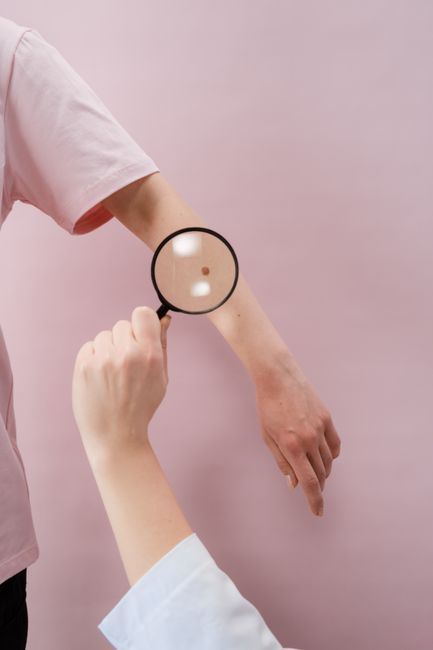
Settings are chosen after the doctor examines each spot and asks how your skin has reacted before. Illustrative photo.
Evidence
Does pico laser work? What the research says
Pico lasers have been studied mainly in Asian patients, which makes the research relevant to most people treated in Seoul. Most trials are small, last months rather than years, and are often split-face designs comparing two lasers on the same person. With those limits in mind, the findings below are consistent: pico lasers are effective for surface spots and some dermal pigment, and the 1064 nm wavelength has the best support for melasma, though only as part of a wider plan.
Sun spot clearance score
Pico vs Q-switched 532 nm on each side of the face; 20 Korean women, 12 weeks.
Kim et al., Ann Dermatol, 2020Darkening after treatment
PIH at 4 weeks, pico vs Q-switched. The difference was not statistically significant.
Kim et al., Ann Dermatol, 2020Melasma meta-analysis
1064 nm pico reduced melasma scores; 755 nm was not better than creams.
Feng et al., Lasers Med Sci, 2023Melasma score improvement
1064 nm pico at 24 weeks, vs 25.5% (755 nm) and 24.0% (hydroquinone cream); 60 women.
Liang et al., Front Med, 2023Traveling to Seoul
Pico laser in Seoul for international patients
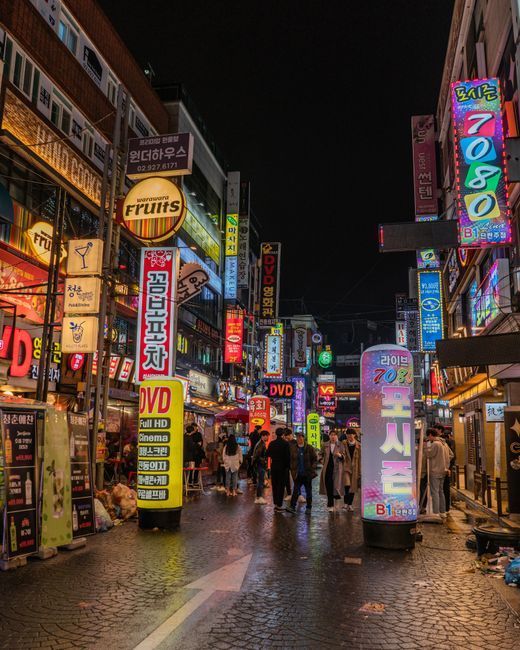
Pico laser fits well into a short trip, as long as you plan around the crusting period. Hommage Women's Clinic is in Gangnam, a short walk from Sinnonhyeon Station (Line 9 and Shinbundang Line).
Planning your stay
- Toning only: redness usually settles within hours, so even a 1–2 day visit works.
- Spot treatment: book early in your trip so the small crusts (about 5–10 days) can come off before you fly, and you can send photos for review.
- Series for deeper pigment: sessions are 4–8 weeks apart, so plan one session per trip or continue with a local doctor.
What to bring
Your passport, a list of medicines (including any recent isotretinoin), photos or notes from previous laser treatments, a wide-brimmed hat and SPF 30+ sunscreen. Send questions and preferred dates by WhatsApp, KakaoTalk or the contact form before you travel. Avoid beach holidays or skiing straight after spot treatment.
 Hommage · Seoul
Hommage Women's Clinic · Gangnam, Seoul
Seoul: the clinic is in Gangnam, a short walk from Sinnonhyeon Station. Illustrative photo.
 Hommage · Gangnam
Hommage Women's Clinic · Gangnam, Seoul
You receive a written plan and quote before any laser is used. Illustrative photo.
Choosing well
How to choose a pico laser clinic in Seoul
Pico laser is offered widely in Gangnam, often in multi-session packages. These questions help at any consultation, including ours:
- Does a physician diagnose each spot first? Freckles, sun spots, melasma and moles need different plans; a changing spot needs a medical check.
- Is the laser planned and performed by a doctor? Ask who sets the energy and who holds the handpiece.
- Do they explain spot, toning or fractional mode? And why that mode suits your pigment.
- Do they ask how your skin has darkened before? This is the main guide to safe settings in Asian skin.
- Is the number of sessions realistic? A good estimate gives a range and a review point, not an open-ended package.
- Are aftercare and follow-up written down? Including who to contact if darkening appears.
What affects pico laser cost in Seoul?
The price depends on whether you need spot treatment, toning or fractional treatment, the size of the area and the number of spots, how many sessions your pigment type usually needs, and whether pico laser is combined with creams,laser toningortranexamic acid therapy. Cosmetic laser treatment is not covered by Korea's National Health Insurance, and you receive a written quote after your assessment.
Your visit
What to expect at your pico laser appointment
01
Skin assessment
Dr. Hwang examines your spots, asks about sun exposure, medications and past treatments, and confirms the diagnosis before any laser is used.
02
Preparation
Your skin is cleansed and photographed. Numbing cream is applied for about 30 minutes if you need it.
03
Laser session
With eye shields in place, the laser is applied for about 10–30 minutes, followed by cooling and sunscreen.
04
Aftercare and review
You get written aftercare advice and a follow-up date, usually 2–8 weeks later depending on the plan.

Your doctor
Dr. Hwang Seonhwa
Physician · Skin & Aesthetic Treatments
Dr. Hwang plans pico laser treatment around an accurate diagnosis of each spot, starting with conservative settings in skin that darkens easily and adjusting the energy at each follow-up visit.
Physician for face and skin procedures, including lifting, laser and skin-improvement treatments, planned around facial proportions and skin condition.
Pico laser: frequently asked questions
Does pico laser hurt?
Most people feel a quick snapping or warm prickling sensation rather than strong pain. Numbing cream is applied before spot treatment or fractional treatment, and the skin is cooled afterward. Toning sessions are usually comfortable without numbing. Sensitivity varies by area, with the upper lip and around the nose often feeling sharper.
How many pico laser sessions will I need?
It depends on the type of pigment. Freckles and sun spots often need 1–3 sessions. Deeper pigment such as Hori's nevus may need 5–10 sessions several weeks apart, and toning or texture programs are usually a series of 5 or more. Your doctor will give an estimate after examining your skin.
How long do pico laser results last?
Spots that have cleared can stay away for a long time, but sun exposure and genetics cause new spots to form, so results depend on daily sun protection. Melasma is a chronic condition and often returns, so it needs ongoing care. Collagen changes from fractional treatment build over several months.
Can I wear makeup after pico laser?
After toning, you can usually wear makeup the next day. After spot treatment, avoid covering the small crusts with heavy makeup until they have flaked off, typically 5–10 days, unless your doctor advises otherwise. A thin layer of sunscreen is recommended from day one.
Is pico laser safe for Asian or darker skin?
Pico laser can be used on Asian and darker skin, but the risk of temporary darkening after treatment is higher. Lower energy, the 1064 nm wavelength, longer intervals and strict sun protection reduce this risk. Tell your doctor if you have darkened easily after previous lasers, acne or cuts.
What affects the cost of pico laser in Seoul?
Cost depends on the size of the treated area, how many spots are treated, the number of sessions you need and whether pico laser is combined with other treatments. Cosmetic laser treatment is not covered by National Health Insurance. Hommage Clinic gives you a written quote after your assessment and before any treatment.
Can foreigners get pico laser treatment in Seoul?
Yes. International visitors and foreign residents can book pico laser treatment at Hommage Clinic; bring your passport for registration. If you are in Seoul for a short stay, plan for the crusting period after spot treatment. Contact us before your visit to arrange language support; you can walk in during opening hours or book ahead for a set time.
Is pico laser better than Q-switched laser?
Not always. In a small split-face trial in Korean women with sun spots, the picosecond 532 nm laser gave higher clearance scores and less darkening than a Q-switched laser, but the darkening difference was not statistically significant. Q-switched lasers still work well for many freckles. The right device depends on your spot type and skin.
Can pico laser treat melasma?
It can help as part of a plan, but it is not a cure. A 2023 meta-analysis of six randomized trials found that the 1064 nm pico laser reduced melasma scores, while the 755 nm wavelength was not better than creams. Melasma often returns, so laser is combined with sun protection, creams and sometimes tranexamic acid therapy. See melasma treatment.
What is the difference between pico toning and laser toning?
Both use low-energy, even passes over the whole face to improve dull or uneven tone. Pico toning uses picosecond pulses; conventional laser toning usually uses a Q-switched 1064 nm laser with nanosecond pulses. Both are done as a series, and both need spaced intervals to avoid white spots.
Can pico laser darken my skin?
Yes, temporarily. Post-inflammatory hyperpigmentation can appear a few weeks after treatment, especially in Asian skin, and usually fades over weeks to months. Sun exposure, picking crusts and strong settings make it more likely. Contact the clinic if new dark patches appear; topical treatment can speed fading.
When can I exercise or go in the sun after pico laser?
Light exercise is usually fine the next day after toning; after spot treatment, avoid heavy sweating, saunas and swimming until the crusts have come off. Avoid sunbathing and deliberate tanning for the whole treatment course, and use SPF 30+ sunscreen and a hat whenever you are outdoors.
Can I have pico laser while pregnant or breastfeeding?
Cosmetic laser treatment is usually postponed during pregnancy and breastfeeding. Pigment such as melasma often changes during pregnancy and may fade afterward, so it is better to reassess your skin a few months after giving birth. Gentle care and sun protection are the safest approach in the meantime.
References
Sources used for this page, reviewed by Dr. Hwang Seonhwa. Read our editorial and medical review policy.
- Kim JY, Yang J, Huh G, Choi YJ, Kim WS. A split-face, single-blinded, randomized controlled comparison of 532 nm picosecond Nd:YAG laser versus 532 nm Q-switched Nd:YAG laser in the treatment of solar lentigines. Ann Dermatol. 2020;32(1). PMC
- Feng J, Shen S, Song X, Xiang W, et al. Efficacy and safety of picosecond laser for the treatment of melasma: a systematic review and meta-analysis. Lasers Med Sci. 2023;38:84. PubMed
- Liang S, Shang S, Zhang W, et al. Comparison of the efficacy and safety of picosecond Nd:YAG laser (1,064 nm), picosecond alexandrite laser (755 nm) and 2% hydroquinone cream in the treatment of melasma: a randomized, controlled, assessor-blinded trial. Front Med. 2023;10:1132823.
- Garg S, Vashisht KR, Garg D, Oberoi B, Sharma G. Advancements in laser therapies for dermal hyperpigmentation in skin of color: a comprehensive literature review. J Clin Med. 2024;13(7):2116. PMC
This page is general information and does not replace a personal consultation. Illustrations are original works of Hommage Women's Clinic, Gangnam, Seoul; photos marked illustrative are not of patients.
Related pigment treatments
Laser Toning
Low-energy laser passes for dull, uneven tone and as part of melasma care.
Freckle Removal
Laser and light options for small, sun-sensitive freckles that darken in summer.
Sun Spot Treatment
Treatment for flat brown spots caused by years of UV exposure.
Melasma Treatment
A long-term plan for hormonal, relapsing brown patches on the cheeks and forehead.
IPL
Broad-spectrum light for scattered brown spots and redness in lighter skin.
Fractional Laser for Acne Scars
Fractional laser resurfacing to soften acne scars and improve texture.
Know what your spots are before you treat them
Book a skin assessment with Dr. Hwang Seonhwa in Gangnam to confirm the type of pigment and whether pico laser is the right tool for it.
Hommage Clinic · 4F, Building A, 509 Gangnam-daero, Seoul (near Sinnonhyeon Station) · Mon & Fri 10:00–20:00 · Tue–Thu 10:00–19:00 · Sat 10:00–15:00