
Skin & Aesthetics · Facials
Korean Glass Skin Facial in Seoul: What It Can Really Do
A Korean glass skin facial is a clinic treatment plan aimed at smooth, well-hydrated, even-toned skin that reflects light, usually combining gentle cleansing, hydration, soothing and, for longer-lasting results, skin boosters. At Hommage Clinic in Gangnam, Seoul, Dr. Hwang Seonhwa builds the plan from treatments the clinic uses, such as LDM, cryo, Coreg Cell-Fit and boosters like Rejuran Healer or SKINVIVE.
Quick answer
A Korean glass skin facial is a doctor-planned combination of gentle cleansing, hydration, soothing and, when needed, injectable skin boosters, aimed at smooth, well-hydrated skin that reflects light evenly. At Hommage Women's Clinic in Gangnam, Seoul, Dr. Hwang Seonhwa builds the plan after a skin assessment. A visit takes 30–90 minutes with little or no downtime. The glow from facial steps lasts days; booster hydration builds over weeks and typically lasts several months.
Key takeaways
- “Glass skin” describes a look, not one device or product. The plan is built from several treatments chosen for your skin.
- Facial steps give a quick, short-lived glow. Longer-lasting change usually needs skin boosters plus daily sunscreen and gentle skincare.
- Acne, rosacea, eczema and melasma are treated first; aggressive “glow” routines can make them worse.
- No treatment removes pores or natural texture. A realistic goal is healthier, more even, better-hydrated skin.
Infographic
Glass skin facial in numbers
Visit length
Depends on which steps are combined.
Usual downtime
For facial steps; boosters can leave small bumps for a few days.
Facial-step glow
Cleansing and hydration refresh skin briefly.
HA booster effect
Cheek smoothness lasted at least six months in a 209-person study reviewed by the US FDA.
Less skin aging
With daily sunscreen vs occasional use over about 4.5 years (903 adults).
Doctor plans it
Dr. Hwang Seonhwa assesses your skin before any treatment.
Glass skin care at a glance
| Key fact | Details |
|---|---|
| What it is | A combination of hydrating, soothing and texture-refining treatments rather than one device |
| Treatment time | Typically 30–90 minutes, depending on which steps are combined |
| Comfort | Facial steps need no anesthesia; numbing cream is used if injectable boosters are added |
| Downtime | Usually none for facial steps; small bumps or bruises for a few days after boosters |
| How long results last | Facial glow lasts days; booster-based hydration typically lasts several months |
| Sessions | Often a short course, then maintenance; the plan depends on your skin |
| Planned by | Dr. Hwang Seonhwa, after a skin assessment |
A glass skin plan may suit you if you have
- Dull, dehydrated skin that looks tired even with good skincare
- Fine dryness lines, rough texture or makeup that sits poorly
- Mild uneven tone and want a more even, luminous look
- Time for a short course of treatments rather than a one-off visit
Wait or see a doctor first if you have
- Active acne, a rosacea flare or eczema, which need treatment before cosmetic care
- An active skin infection, cold sore or open wounds
- Pregnancy or breastfeeding, if injectable boosters are being considered
- Expectations of pore-free or filter-like skin, which no treatment can deliver
What is a Korean glass skin facial?
“Glass skin” is a Korean beauty term for skin that looks so smooth, hydrated and even that it reflects light, a bit like a clean pane of glass. A glass skin facial is not one device or one brand. It is a clinic plan that combines several gentle steps to improve hydration, calm redness and refine surface texture.
Skin looks luminous when its surface is smooth and its outer layer holds water well. Dead cells, dehydration, irritation and uneven pigment all scatter light and make skin look dull. That is why glass skin plans focus on cleansing, barrier-friendly hydration and soothing first, then add treatments that work deeper, such as skin boosters , when longer-lasting change is the goal.
Who is a glass skin facial for?
A glass skin plan suits people with dull, dehydrated or slightly rough skin who want a fresher, more even look without heavy downtime. It is most suitable for skin that is otherwise healthy.
It is not a substitute for medical treatment. Active acne, rosacea, eczema and melasma each need their own diagnosis and care, and aggressive “glow” routines can make them worse. Pores never disappear, because they are a normal part of skin, but they can look smaller when skin is clear and well hydrated. If pigmentation is your main concern, see brightening facials or laser toning instead.
What happens during a glass skin treatment?
A visit usually takes 30 to 90 minutes, depending on which steps are combined. A typical plan might include:
- Skin assessment: the doctor checks hydration, oiliness, redness, texture and pigment.
- Gentle cleansing: makeup, oil and surface dead cells are removed without harsh scrubbing.
- Hydration and soothing: for example LDM , a gentle ultrasound treatment, or cryo cooling to calm heat and redness.
- Optional boosters: injectable products such as Rejuran Healer (PDRN) or SKINVIVE (hyaluronic acid) are placed in the skin after numbing cream, for hydration that lasts months.
- Finish: barrier-friendly moisturizer and sunscreen.
How long do glass skin results last?
The glow from facial steps alone usually lasts a few days. Results from injectable boosters build over several weeks and typically last several months, which is why many plans use a short course followed by maintenance.
Daily habits matter as much as clinic visits. A gentle cleanser, a moisturizer that suits your skin, daily sunscreen and avoiding over-exfoliation protect the results. After facial steps you can usually return to normal routines the same day. After boosters, avoid makeup over injection points for the rest of the day and skip saunas, alcohol and intense exercise for a day or two.
Risks and possible side effects
Facial steps are low-risk, while injectable boosters carry the usual risks of any injection. Possible side effects include:
- Temporary redness, warmth or tightness after facial steps
- Irritation or allergic reactions to products used on the skin
- Small raised bumps, swelling, tenderness or bruising at booster injection points, usually settling within a few days
- Rarely, infection, lumps or, with hyaluronic acid products, blockage of a blood vessel
- Flare of acne, rosacea or cold sores in people prone to them
Call the clinic straight away if you notice increasing pain, skin that turns pale, gray or dusky, spreading redness, warmth or fever after injections.
Glass skin facial vs HydraFacial vs skin boosters
The difference is depth and how long the effect lasts.
- HydraFacial-style facial: suction cleansing and surface hydration, with a glow that lasts days.
- Skin boosters alone: injections that improve hydration and texture from inside the skin over months.
- Glass skin plan: combines gentle facial steps for an immediate refresh with boosters or other treatments for lasting change, adjusted to your skin.
If you are choosing a clinic for this kind of care, our guide to choosing a glass skin clinic lists questions worth asking.
Glass skin care at Hommage Clinic
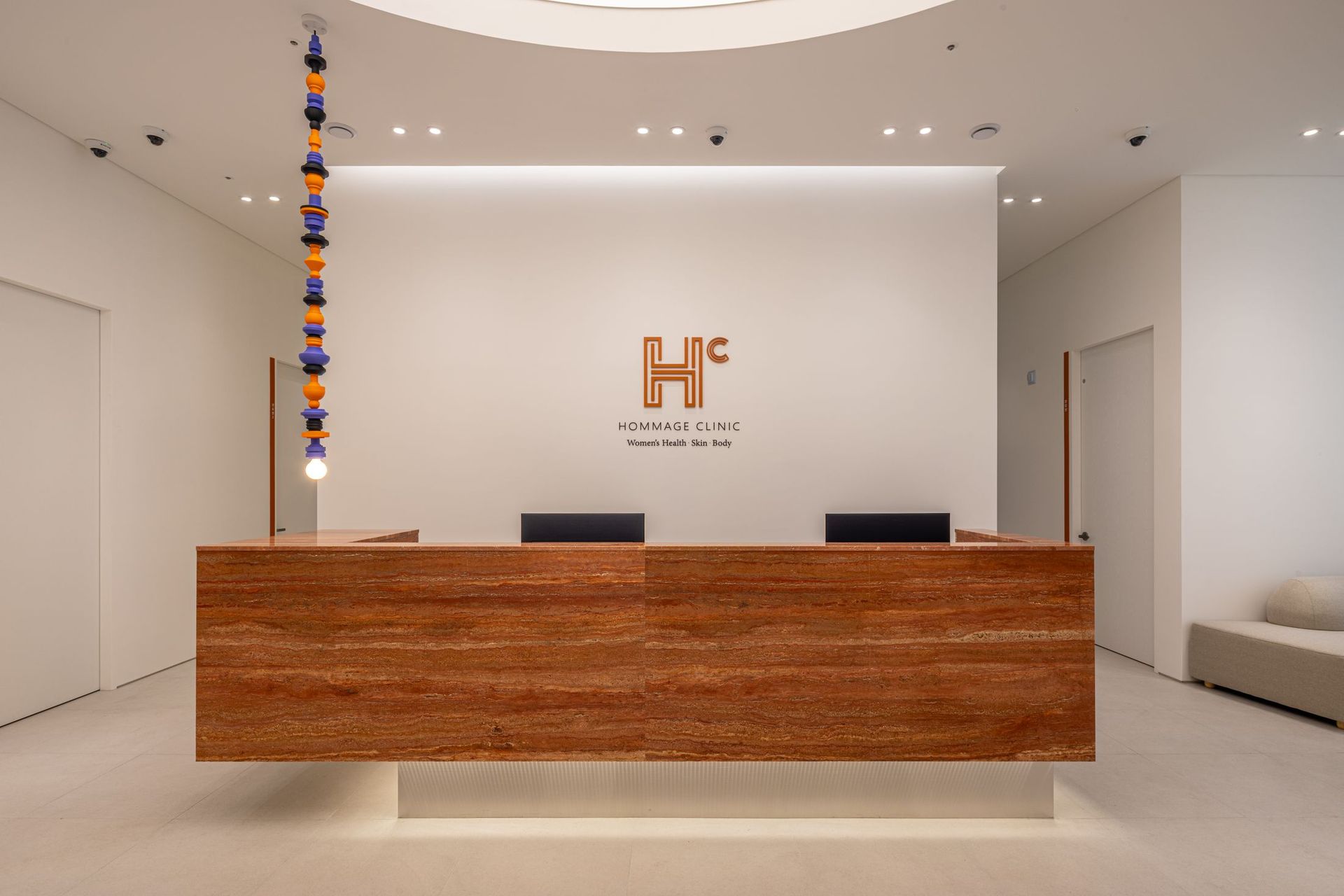
Hommage Clinic is a walk-in-friendly women's health and skin clinic in Gangnam, a short walk from Sinnonhyeon Station. Dr. Hwang Seonhwa assesses your skin and builds a plan from treatments the clinic uses: LDM and cryo for hydration and soothing, Coreg Cell-Fit for dry, dull or sensitive skin, and boosters such as Rejuran Healer, SKINVIVE or LITOO when longer-lasting improvement is the aim. Because the clinic also offers women's health care, skin changes linked to hormones can be considered too. See the full range ofskin and aesthetic treatments.
Cosmetic skin treatments are not covered by Korea's National Health Insurance. Cost depends on which steps and products are used and how many sessions you need, and you receive a written quote before treatment. Please contact us before your visit to arrange language support.
The science of glow
How does a glass skin facial work?
Skin looks like glass when light bounces off it evenly. That depends on three things you can see and feel: how smooth the surface is, how much water the outer layer holds, and how even the color is. Flaky dead cells, dehydration, redness and patchy pigment all break up reflected light, so skin looks flat or tired even when it is healthy.
A glass skin facial works on those three things in order. Gentle cleansing and exfoliation smooth the surface. Hydrating and barrier-friendly steps help the outer layer hold water, which is why skin looks plumper right after treatment. Soothing steps such as LDM ultrasound or cryo cooling calm redness. When the goal is a change that lasts months rather than days, skin boosters place hydrating or regenerating material inside the skin itself.
Your plan
Building a glass skin treatment plan, layer by layer
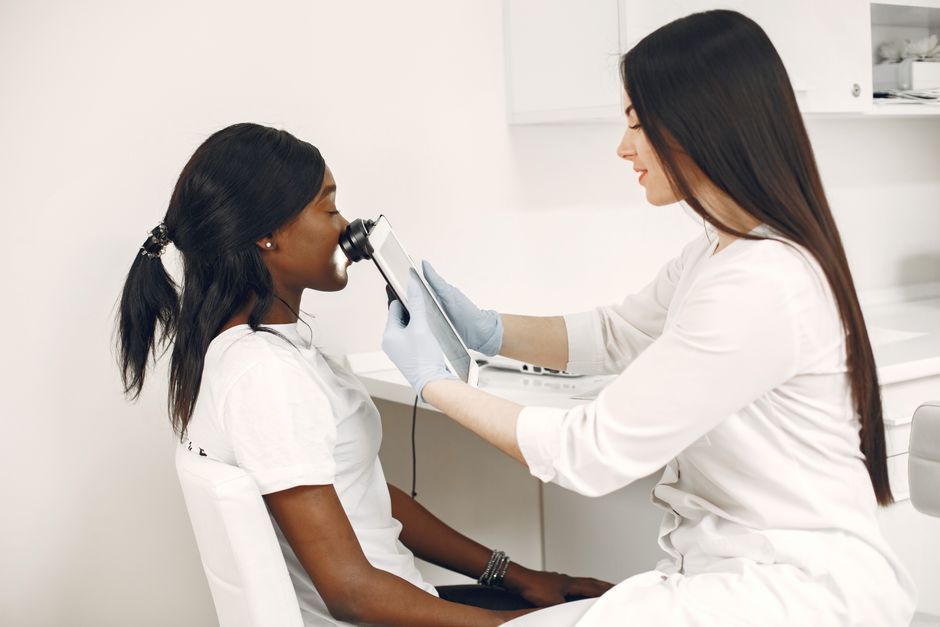
Because glass skin is a look rather than a single procedure, the most important step is the assessment. Dr. Hwang Seonhwa looks at hydration, oiliness, redness, texture and pigment, asks about your skincare, medicines and recent procedures, and then decides which layer needs the most help. Two people asking for the same glow can leave with very different plans.
Layer 1: surface and calm
For skin that is mainly dull or congested, the plan starts with gentle facial steps: cleansing, hydration and soothing with LDM or cryo. These give the quickest visible change and have no real downtime, but the effect fades within days, so they work best as regular maintenance.
Layer 2: barrier and hydration
Dry, tight or sensitive skin often looks dull because its barrier is struggling. Barrier-friendly steps such as Coreg Cell-Fit, together with a simpler home routine, come before anything stronger. If your skin stings with most products, our skin barrier repair page explains this step in more detail.
Layer 3: lasting hydration and texture
When the goal is improvement that lasts months, injectable boosters are added: Rejuran Healer (a PDRN booster), SKINVIVE (a hyaluronic acid microdroplet booster) or LITOO. These are given after numbing cream and can leave small bumps for a few days. Dr. Hwang explains which, if any, makes sense for you, and when facial steps alone are enough.
 Hommage · Gangnam
Hommage Women's Clinic · Gangnam, Seoul
Every glass skin plan starts with a skin assessment, not a fixed menu. Illustrative photo.
Compare
Glass skin facial vs HydraFacial vs skin boosters: depth and duration
The easiest way to compare these options is to ask two questions: how deep in the skin does each one work, and how long does the effect last? A HydraFacial-style facial works on the surface, so it gives a quick glow that fades in days. Skin boosters work inside the skin, so they take weeks to show and last months. A glass skin plan combines both: facial steps for the immediate refresh and, when appropriate, boosters for lasting change.
| Compare | HydraFacial-style | Glass skin plan | Skin boosters alone |
|---|---|---|---|
| Works on | Surface: oil, dead cells, surface hydration | Surface first, deeper skin if boosters are added | Hydration and repair inside the skin |
| Needles | No | Only if boosters are included | Yes, after numbing cream |
| Downtime | None | None for facial steps; small bumps for a few days after boosters | Small bumps or bruises for a few days |
| How long it lasts | Days | Days for the glow; months for booster effects | Several months (varies by product) |
| Best for | A quick refresh before an event | Dull, dehydrated skin wanting both a quick and a lasting change | Thin, dry or crepey skin without a facial component |
 Hommage · Gangnam
Hommage Women's Clinic · Gangnam, Seoul
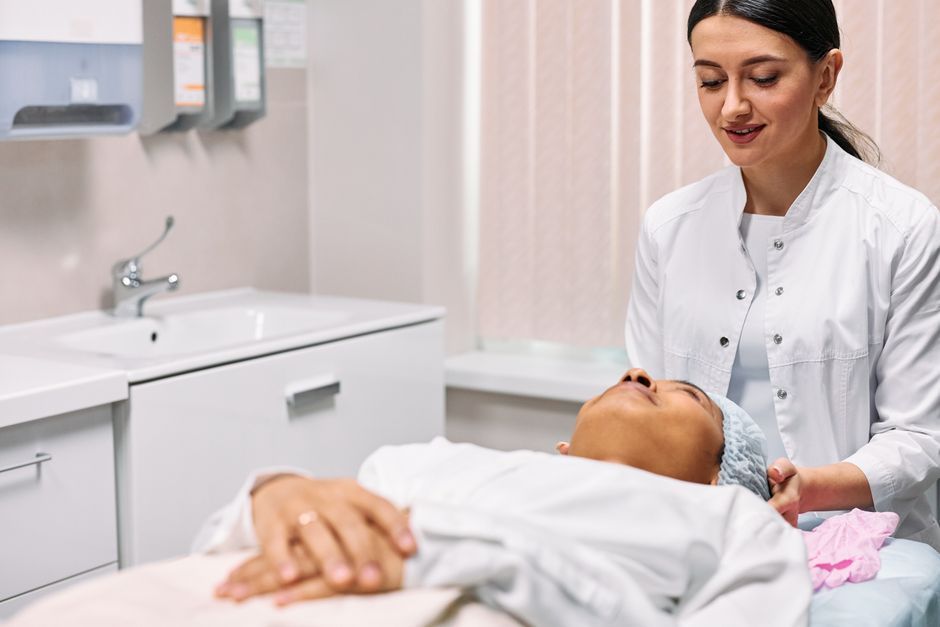
Facial steps are adjusted to your skin type rather than following one routine. Illustrative photo.
Your skin type
Glass skin for dry, oily, sensitive and acne-prone skin
Glass skin is often pictured on very dry or very young skin, but the approach changes with your skin type. The aim is the same in every case: a calm, hydrated surface that reflects light evenly. The route there is different, and pushing the wrong skin type too hard is the most common reason glow routines backfire.
Hydrate and protect
Focus on hydration and barrier support; boosters often help most here. Avoid frequent peeling.
Balance, don't strip
Gentle cleansing and light hydration; over-cleansing can make skin oilier. See sebum control.
Calm first
Soothing steps such as LDM or cryo, few products, and patch-testing anything new.
Treat acne first
Active breakouts need medical treatment before glow care. See acne treatment.
Hormones and skin
Many women notice their skin change with the menstrual cycle, pregnancy, postpartum and perimenopause: more breakouts before a period, melasma in pregnancy, or new dryness in the 40s and 50s. Because Hommage is a women's health and skin clinic, these links can be discussed in the same visit, and our page on skin care for hormonal changes explains more.
Results
Glass skin results timeline: what to expect and when
Glass skin care works on two clocks. Facial steps act fast: skin looks fresher and more hydrated the same day, but that effect fades within days. Boosters act slowly: small bumps settle in a few days, and hydration and texture improve gradually over the following weeks. The illustration shows a typical course; your own schedule is set after your assessment.
 Hommage · Gangnam
Hommage Women's Clinic · Gangnam, Seoul
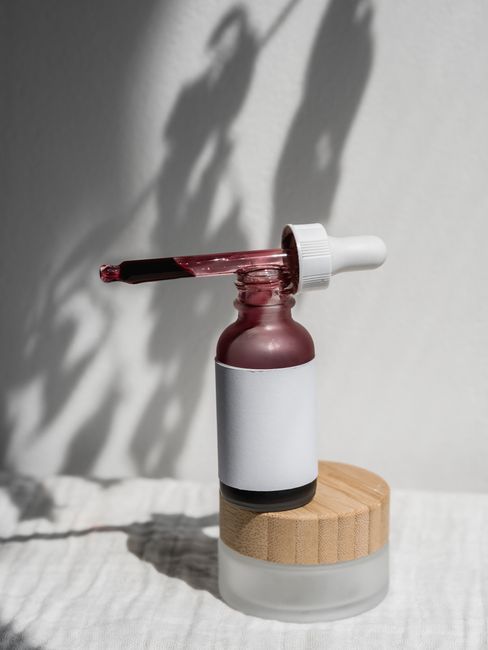
The realistic goal is healthy, hydrated skin with natural texture, not a filter. Illustrative photo, not a patient.
 Hommage · Gangnam
Hommage Women's Clinic · Gangnam, Seoul
A short, gentle routine protects results better than a long one. Illustrative photo.
Aftercare
Glass skin aftercare and home routine: do's and don'ts
What you do at home decides how long a glass skin facial lasts. The Korean multi-step routine is famous, but more steps are not always better: layering many actives can irritate the barrier and undo the result. Dr. Hwang usually recommends a short routine built on a gentle cleanser, a moisturizer that suits your skin and daily sunscreen, adding one active ingredient at a time if needed.
Do
- Use a gentle, low-foam cleanser morning and night
- Moisturize while skin is still slightly damp
- Wear broad-spectrum sunscreen every day, and reapply outdoors
- Introduce one new active product at a time
- Keep follow-up visits so the plan can be adjusted
Don't
- Scrub or peel at home in the days after treatment
- Wear makeup over booster injection points until the next day
- Use saunas, drink alcohol or exercise hard for a day or two after boosters
- Stack several strong acids or retinoids at once
- Pick at small bumps or dry patches
Evidence
Does a glass skin facial work? What the research says
There are no clinical trials of a “glass skin facial” as such, because it is a combination of treatments rather than one product. The evidence therefore comes from studies of its parts. Surface facial steps make skin look fresher but have little long-term research. Injectable skin boosters have more data, although most studies are small and use different products and methods. The strongest evidence of all is for something you do at home: daily sunscreen.
Less skin aging with daily sunscreen
Randomized trial of 903 adults under 55 in Nambour, Australia, over about 4.5 years, daily vs occasional sunscreen.
Ann Intern Med, 2013HA microdroplet booster
Cheek skin smoothness lasted at least six months in a 209-person study; approved for adults 21 and over.
US FDA, SKINVIVE approval, 2023Hydration after HA boosters
An HA–glycerol booster raised skin hydration for up to 16 weeks in a randomized study of 159 people with early sun damage.
Cited in Rho et al., Arch Plast Surg, 2024PDRN/PN boosters
European consensus: effects of a three-session course typically last 6–12 months.
Cited in Rho et al., 2024Traveling to Seoul
Glass skin facial in Seoul for international patients
Many visitors want a glass skin treatment while in Seoul. Facial steps fit easily into a short trip, because there is no real downtime. Boosters need a little more planning, so that small bumps or bruises have settled before photos, events or a flight. Hommage Women's Clinic is in Gangnam, a short walk from Sinnonhyeon Station (Line 9 and Shinbundang Line), and walk-ins are welcome.
Plan your visit
- Send your dates and skin concerns by WhatsApp, KakaoTalk or the contact form, and ask for language support if needed.
- Book the consultation early in your trip, so there is time for a second session if a short course is suggested.
- If boosters are planned, allow about 2–3 days before important photos or your flight home.
- Bring your passport for registration, and a list of your skincare products, medicines and allergies.
- Avoid sunburn, tanning or new strong products in the days before treatment.
After you fly home
Keep the home routine simple and use sunscreen every day. Facial steps can be repeated at a trusted clinic near you, and you can message the clinic with photos or questions. If you notice increasing pain or skin turning pale or dusky after injections, seek medical care straight away.
 Hommage · Seoul
Hommage Women's Clinic · Gangnam, Seoul
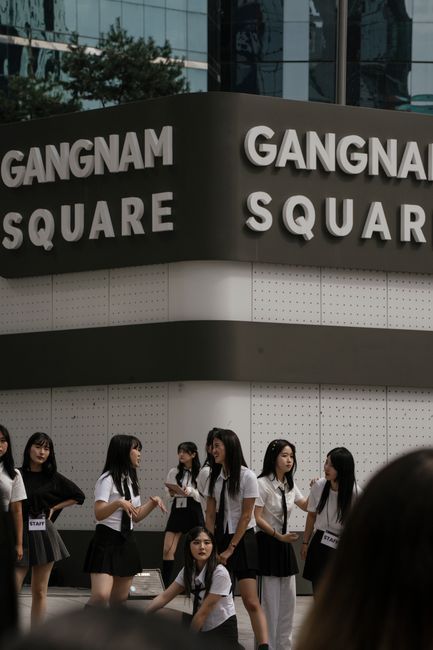
Gangnam: the clinic is a short walk from Sinnonhyeon Station. Illustrative photo.
 Hommage · Gangnam
Hommage Women's Clinic · Gangnam, Seoul
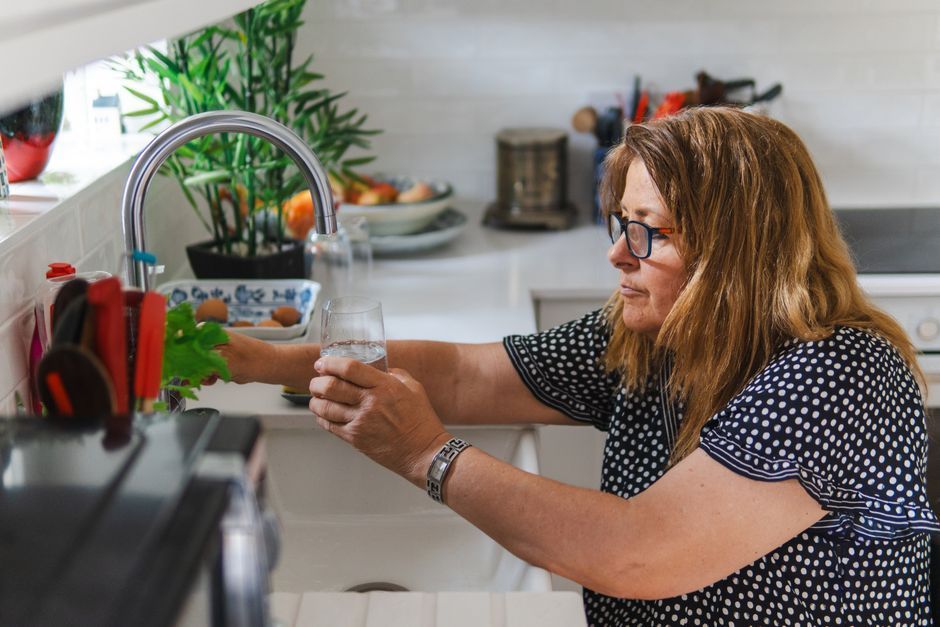
Sleep, sun protection and gentle daily care matter as much as clinic visits. Illustrative photo.
Choosing well
How to choose a glass skin clinic in Seoul
Gangnam has many clinics offering glass skin packages. Use these questions at any consultation, including ours:
- Does a doctor assess my skin first? A plan should follow an assessment, not a fixed package.
- Will they treat acne, rosacea or eczema first? Glow care on inflamed skin can make it worse.
- Do they name the exact booster products? Ask which product, how much and how many sessions.
- Who does the injections? Injectable boosters should be given by a doctor.
- Do they explain realistic results? Be wary of promises of pore-free or permanent glass skin.
- Do I get a written quote and aftercare? Both should come before treatment starts.
What affects glass skin facial cost in Seoul?
Cost depends on which facial steps are combined, whether injectable boosters are added and which product is used, the amount of product, and how many sessions are planned. Maintenance visits are priced separately. Cosmetic skin treatments are not covered by Korea's National Health Insurance, and you receive a written quote at your consultation before any treatment.
Your visit
What to expect at your glass skin consultation
01
Skin assessment
Dr. Hwang checks hydration, oiliness, redness, texture and pigment, and reviews your skincare and medications.
02
Your plan
You agree on which steps to combine, whether boosters are needed, how many sessions and a written quote.
03
Treatment
Facial steps need no anesthesia; numbing cream is applied first if boosters are part of the plan.
04
Maintenance
You leave with a simple home routine and a follow-up date to review progress.

Your doctor
Dr. Hwang Seonhwa
Physician · Skin & Aesthetic Treatments
Dr. Hwang plans glass skin care around your skin's condition rather than a fixed menu, treating redness, acne or barrier problems first and adding boosters only when longer-lasting hydration or texture change is the goal.
Physician for face and skin procedures, including lifting, laser and skin-improvement treatments, planned around facial proportions and skin condition.
Korean glass skin facial: frequently asked questions
Can a facial really give me glass skin?
A single facial can make skin look smoother and more luminous for a few days, but lasting glass-like skin usually needs a combination of good daily skincare, sun protection and, for many people, a course of skin boosters. Pores and natural texture never disappear completely, and results vary with age, skin type and hormones.
How many sessions do I need for glass skin?
The number of sessions depends on your skin and the treatments chosen. Facial steps such as LDM can be repeated every few weeks as maintenance. Injectable boosters are often given as a short course a few weeks apart, then repeated every several months. Your doctor will suggest a schedule after assessing your skin.
Does a glass skin facial hurt?
The facial steps, such as cleansing, LDM and cryo cooling, are generally comfortable and need no anesthesia. If injectable boosters are included, numbing cream is applied first, and most people feel small pricks and pressure. Tell the doctor if anything feels too uncomfortable, as the technique can be adjusted.
Can I wear makeup after a glass skin facial?
After facial steps alone, you can usually wear makeup the same day, though giving your skin a few hours to settle is kinder. If boosters were injected, avoid makeup over the injection points until the next day to lower the risk of infection, and use clean brushes or sponges.
Are skin boosters safe during pregnancy or breastfeeding?
Injectable skin boosters are generally postponed during pregnancy and breastfeeding because there is little safety data for these situations. Gentle facial steps such as cleansing and hydration are usually fine. Pregnancy can also trigger melasma and acne, which our skin care for hormonal changes page covers.
Can foreigners get a glass skin facial in Seoul?
Yes. Visitors and foreign residents can book a glass skin consultation at Hommage Clinic in Gangnam. Walk-ins are welcome, or book ahead for a set time; bring your passport for registration. Let us know your travel dates so boosters, if used, are not scheduled right before a flight, and contact us before your visit to arrange language support.
How long does a glass skin facial last?
The glow from facial steps such as cleansing, hydration and LDM usually lasts a few days. Injectable boosters last longer: in the study reviewed by the US FDA for SKINVIVE, improved cheek smoothness lasted at least six months, and PDRN boosters are typically repeated every 6–12 months after an initial course. Daily sunscreen and gentle skincare help results last.
What is the difference between a glass skin facial and a HydraFacial?
A HydraFacial-style facial is one surface treatment: suction cleansing and hydration with a glow that lasts days. A glass skin facial is a doctor-planned combination that may include similar facial steps plus soothing treatments and, when needed, injectable boosters for change that lasts months.
Is a glass skin facial safe for sensitive or acne-prone skin?
Usually, yes, if the plan is adjusted. Sensitive skin starts with soothing steps and few products. Active acne, rosacea or eczema are treated first, because glow routines on inflamed skin can make them worse. Dr. Hwang decides the order after examining your skin.
Which skin boosters are used for glass skin?
At Hommage Clinic, Dr. Hwang may use Rejuran Healer (a PDRN booster), SKINVIVE (a hyaluronic acid microdroplet booster approved in the US for cheek smoothness in adults 21 and over) or LITOO, depending on whether hydration, repair or texture is the main goal. Boosters are optional; many people do well with facial steps alone. See skin boosters for details.
Can I do a glass skin facial before an event or wedding?
Facial steps alone can be done a day or two before an event. If boosters are part of the plan, start several weeks ahead, because small bumps or bruises can take a few days to settle and hydration builds over the following weeks. Avoid trying a new treatment for the first time right before a big day.
Do I need sunscreen after a glass skin facial?
Yes. Daily broad-spectrum sunscreen is the single most useful habit for keeping skin smooth and even. In a randomized trial of 903 adults in Australia, people who used sunscreen daily showed 24% less skin aging over about 4.5 years than those who used it occasionally. Reapply when outdoors, especially after treatment.
Is a glass skin facial covered by insurance in Korea?
No. Cosmetic skin treatments are not covered by Korea's National Health Insurance, and travel insurance rarely covers them. Cost depends on the steps and products used and the number of sessions, and you receive a written quote before treatment.
References
Sources used for this page, reviewed by Dr. Hwang Seonhwa. Read our editorial and medical review policy.
- Rho NK, Kim HS, Kim SY, Lee W. Injectable “skin boosters” in aging skin rejuvenation: a current overview. Arch Plast Surg. 2024;51(6):528–541. PMC
- Sunscreen and prevention of skin aging: a randomized trial. Ann Intern Med. 2013;158(11). Abstract
- US Food and Drug Administration. SKINVIVE by JUVÉDERM – P110033/S059 (approved May 2023). FDA
This page is general information and does not replace a personal consultation. Illustrations are original works of Hommage Women's Clinic, Gangnam, Seoul; photos marked illustrative are not of patients.
Related skin treatments
Skin Boosters
Injectable hydration and texture care that typically lasts several months.
Rejuran
PDRN skin booster for dull, thin or tired-looking skin.
LDM
Gentle ultrasound treatment used for hydration and soothing.
HydraFacial-Style Facial
Suction cleansing and surface hydration for a quick, short-lived glow.
Laser Toning
Low-energy laser for uneven tone and dullness, often done as a course.
Choosing a Glass Skin Clinic
A practical checklist for international patients choosing skin care in Seoul.
Plan your glass skin care with a doctor
Book a skin assessment with Dr. Hwang Seonhwa in Gangnam and get a realistic plan for hydration, texture and tone, with a written quote before any treatment.
Hommage Clinic · 4F, Building A, 509 Gangnam-daero, Seoul (near Sinnonhyeon Station) · Mon & Fri 10:00–20:00 · Tue–Thu 10:00–19:00 · Sat 10:00–15:00