
Skin & Aesthetics · Pigmentation
Melasma Treatment in Seoul: A Realistic, Long-Term Plan
Melasma is a chronic skin condition that causes symmetrical brown or gray-brown patches, usually on the cheeks, forehead and upper lip, triggered by sunlight, hormones and genetics. At Hommage Clinic in Gangnam, Seoul, Dr. Hwang Seonhwa confirms the diagnosis, then builds a step-by-step plan that starts with sun protection and topical care before adding medication or gentle laser.
Quick answer
Melasma treatment lightens symmetrical brown patches caused by sunlight, hormones and genetics, but there is no permanent cure. At Hommage Women's Clinic in Gangnam, Seoul, Dr. Hwang Seonhwa builds a stepwise plan: daily tinted sunscreen, prescription creams, oral or topical tranexamic acid when suitable, and gentle laser toning or peels only as add-ons. Most people see lightening in 2–3 months; a full course takes 3–6 months, followed by maintenance.
Key takeaways
- Sun and visible light protection is the foundation; without it, other treatments fade quickly.
- Lasers are an add-on, not a first-line cure; aggressive settings can make melasma darker.
- Tranexamic acid has good supporting evidence but needs a health check for clotting risk.
- Melasma linked to pregnancy or the pill is reviewed together with our gynecology team.
Infographic
Melasma treatment in numbers
To see lightening
With consistent daily treatment.
Typical full course
Then maintenance, especially before summer.
Between reviews
Photo comparison at each follow-up.
Tinted, every day
Iron oxides also block visible light.
Tranexamic acid review
667 adults; effective alone or as an add-on.
Treatment ladder
Protection, creams, tablets, then procedures.
Melasma care at a glance
| Key fact | Details |
|---|---|
| What it is | A chronic, relapsing pigment disorder, most common in women with medium to darker skin tones |
| Common signs | Symmetrical brown or gray-brown patches on cheeks, forehead, upper lip, nose or chin |
| How it's diagnosed | Skin examination, often with dermoscopy or a Wood's lamp, to rule out look-alike pigment |
| Treatment options | Sun protection, topical lighteners, tranexamic acid, gentle peels and low-energy laser toning |
| Follow-up | Usually every 4–8 weeks at first, then maintenance; melasma often returns without it |
| Reviewed by | Dr. Hwang Seonhwa, physician for skin and aesthetic treatments |
Book a melasma assessment if you have
- Brown patches on both cheeks or the forehead that darken in summer
- Pigment that appeared during pregnancy or after starting the pill or hormone therapy
- Patches that returned or got darker after a previous laser or peel
- Uncertainty about whether your spots are melasma, freckles or another type of pigment
See a doctor promptly instead if you have
- A single dark spot that is growing, changing color, itching or bleeding
- Pigment changes together with fatigue, weight loss or other new symptoms
- A sudden darkening of skin after starting a new medication
What is melasma?
Melasma is an acquired pigment disorder in which pigment cells become overactive and deposit extra melanin in the skin. It is not dangerous, but it is chronic: it tends to fade and return over years, especially after sun exposure or hormonal change.
It is far more common in women and in people with Asian, Hispanic, Middle Eastern or South Asian skin. The main triggers are ultraviolet and visible light, heat, hormones (pregnancy, birth control pills and hormone therapy), genetics and some irritating cosmetics. When it appears during pregnancy it is sometimes called chloasma or the “mask of pregnancy”, and it may fade after delivery. Newer research also shows that blood vessels and inflammation in the skin play a role, which is part of why it is hard to clear completely.
Melasma vs freckles, sun spots and Hori's nevus
Many spots look similar, and choosing the wrong treatment can make melasma worse, so diagnosis comes first. Typical differences are:
- Melasma: blotchy, symmetrical patches with blurred edges on both cheeks, the forehead or upper lip.
- Freckles: small, scattered spots that appear in childhood and darken in summer. See freckle removal .
- Sun spots: flat, well-defined brown spots from years of UV exposure, often in your 30s or later. See sun spot treatment .
- Hori's nevus: gray-brown or bluish dots on the cheekbones that start in adulthood and lie deeper in the skin.
Many people have more than one type at once. Your doctor examines the skin under magnification and, if needed, a Wood's lamp to map which pigment is where.
How is melasma treated?
Melasma is treated in steps, starting with the basics that are effective and carry the least risk. Lasers are an add-on, not the first line.
- Daily sun protection: broad-spectrum SPF 30 or higher, ideally a tinted sunscreen with iron oxides that also blocks visible light, reapplied outdoors, plus a hat.
- Topical treatment: prescription lighteners such as hydroquinone or a triple-combination cream for limited periods, or non-hydroquinone options such as azelaic acid, cysteamine, niacinamide or topical tranexamic acid.
- Oral tranexamic acid: a low-dose prescription tablet that can lighten moderate to severe melasma when the medical history allows it. See tranexamic acid therapy .
- Procedures: gentle chemical peels or low-energy laser toning , spaced to avoid irritation.
Avoiding triggers matters too: if melasma started with the pill, your options can be reviewed with our gynecology team on the birth control page.
Can melasma be cured, and how long does treatment take?
Melasma can be lightened, often considerably, but there is no permanent cure. Most people see improvement after 2–3 months of consistent treatment, and a full course often takes 3–6 months.
Relapse is common, especially in summer, after pregnancy, or when sunscreen and maintenance treatment stop. A realistic goal is lighter, more even skin that you keep with daily sun protection and periodic maintenance, rather than a one-time removal.
Simple habits help: avoid long periods in strong sun or heat (including saunas and hot yoga), choose gentle, fragrance-free skin care, and do not scrub or pick at the patches.
Risks and possible side effects of melasma treatment
Every melasma treatment has trade-offs, and your doctor will explain them before you start:
- Aggressive lasers, strong peels and IPL can trigger inflammation that makes melasma darker (rebound or post-inflammatory hyperpigmentation). This is why energy is kept low.
- Repeated laser toning can cause mottled white spots if sessions are too frequent.
- Hydroquinone can cause irritation, and long-term, unsupervised use can rarely cause a blue-gray discoloration (ochronosis), so it is used in limited courses.
- Oral tranexamic acid can cause stomach upset, headache or changes in periods, and it is not suitable if you have had blood clots, a stroke or certain clotting conditions.
Contact the clinic if your skin becomes very red, peels heavily, or the patches darken during treatment.
Melasma care at Hommage Clinic
Hommage Clinic is a women's health and skin clinic in Gangnam, a short walk from Sinnonhyeon Station. Because melasma is so often linked to pregnancy, the pill, hormone therapy and menopause, having skin and gynecology care in one clinic lets your plan take hormones into account. Read more inskin care for hormonal changesand our widerskin and aesthetic treatments.
Dr. Hwang Seonhwa reviews your skin and medical history before prescribing medication or recommending any laser, and adjusts the plan at each follow-up. Walk-ins are welcome during opening hours. Melasma care is usually treated as cosmetic in Korea, so procedures such as laser toning and peels are not covered by National Health Insurance; cost depends on the medication, products and number of sessions, and you receive a written quote before any procedure.
Know your melasma
Melasma on the cheeks, forehead and jaw: the three common patterns
Doctors describe melasma by where it appears on the face. The centrofacial pattern covers the forehead, cheeks, nose and upper lip, and is the most common. The malar pattern is limited to the cheeks and nose. The mandibular pattern runs along the jawline. Melasma is almost always symmetrical, appearing on both sides of the face, which is one of the clues that separates it from sun spots or a single changing mole.
The depth of the pigment also matters. Pigment in the top layer of skin (epidermal) tends to respond better to creams; pigment that sits deeper (dermal) or in both layers (mixed) is slower to fade. A Wood's lamp or magnified examination helps Dr. Hwang estimate the depth and set realistic expectations.
Treatment options
The melasma treatment ladder: from sunscreen to laser
Melasma treatment is built from the bottom up. Each step adds benefit, but also cost, effort or risk, so you move up only when the step below is in place. Most people need at least the first two steps; many add tranexamic acid; fewer need procedures. Skipping the foundation and going straight to laser is the most common reason melasma comes back darker.
| Step | What it involves | Main caution |
|---|---|---|
| 1. Protection | Tinted SPF 30+ with iron oxides, hat, avoiding heat and irritating products | Needs to be daily and reapplied outdoors |
| 2. Creams | Hydroquinone or triple-combination cream in limited courses; azelaic acid, cysteamine, niacinamide or topical tranexamic acid | Irritation; hydroquinone is not for long, unsupervised use |
| 3. Tablets | Low-dose tranexamic acid after a health check | Not for people with clotting risks; period changes possible |
| 4. Procedures | Low-energy laser toning or gentle peels | Overtreatment can cause darkening or white spots |
Everyday care
Melasma triggers and daily habits that keep it lighter
What you do between visits has more effect on melasma than any single treatment. Ultraviolet light is the best-known trigger, but visible light from the sun and heat also darken melasma, which is why ordinary clear sunscreen is often not enough. Tinted sunscreens containing iron oxides add protection against visible light.
Do
- Use a tinted broad-spectrum SPF 30+ every morning, all year
- Reapply every 2–3 hours outdoors; add a wide-brimmed hat
- Choose gentle, fragrance-free skin care
- Use prescribed creams exactly as directed
- Mention new pills, hormones or pregnancy to your doctor
Don't
- Rely on makeup with SPF alone
- Sit in saunas, hot yoga or steam rooms often
- Scrub, rub or pick at the patches
- Use strong lighteners bought online without supervision
- Book aggressive lasers or IPL for melasma
 Hommage · Gangnam
Hommage Women's Clinic · Gangnam, Seoul
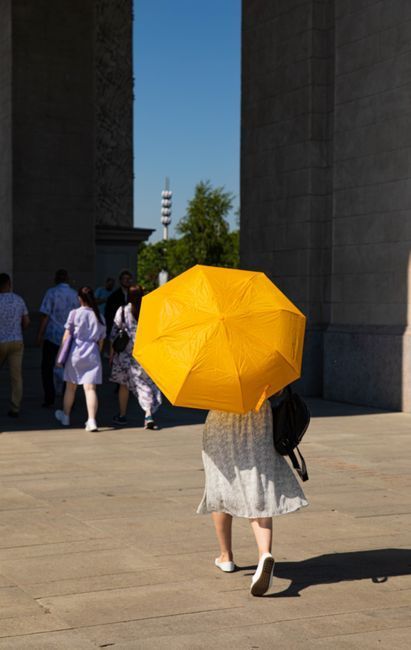
Shade and tinted sunscreen are the foundation of melasma care. Illustrative photo.
Results
Melasma treatment timeline: what to expect month by month
Melasma fades slowly, and early weeks can feel discouraging. Knowing the usual pattern helps you stay consistent. Most people notice lightening after 2–3 months of daily treatment, and a full course takes 3–6 months. After that, the aim shifts from clearing to keeping: maintenance creams, sun protection and occasional sessions, with extra care before summer.
 Hommage · Gangnam
Hommage Women's Clinic · Gangnam, Seoul
Pregnancy melasma is managed gently and often improves after birth. Illustrative photo.
Hormones
Melasma in pregnancy, on the pill and around menopause
Hormones are one of the main reasons melasma appears in women, and one reason it is more common in women than in men. Because Hommage is a women's health clinic as well as a skin clinic, these triggers can be looked at together.
During pregnancy
Melasma in pregnancy (chloasma, or the mask of pregnancy) is common and often fades within months after delivery. Treatment during pregnancy is usually limited to sun protection and gentle skin care, because many lighteners and tranexamic acid are avoided. Azelaic acid may be discussed. It is usually best to reassess a few months after birth.
On the pill or hormone therapy
If melasma started after beginning an estrogen-containing pill or hormone therapy, your options can be reviewed with our gynecology team. Some women switch to a non-estrogen method such as anIUD; seebirth control. Never stop contraception or prescribed hormones without advice.
Around menopause
Melasma can persist or appear around menopause, sometimes alongsidehormone replacement therapy. The plan takes both your skin and your wider health into account.
Evidence
What the research says about melasma treatment
Melasma has been studied extensively, but most trials are small, short and measure success with the MASI score, a doctor-rated scale of area, darkness and evenness. The strongest themes across the research are that tranexamic acid helps, combinations work better than single treatments, and relapse is common once treatment stops.
Tranexamic acid review
Studies / adults. Effective alone or as an add-on; side effects generally minor.
Kim et al., Acta Derm Venereol, 2017Lower relapse with combination
Oral tranexamic acid plus triple cream vs cream alone; 4 RCTs, 480 patients.
Gonçalves et al., Clin Exp Dermatol, 2024Period changes on oral TXA
Lighter or less frequent periods in one study; belching and cramps also reported.
Kim et al., 2017Patients in toning review
Low-fluence 1064 nm toning: generally effective and safe, but relapse common.
Lee et al., Medicina, 2022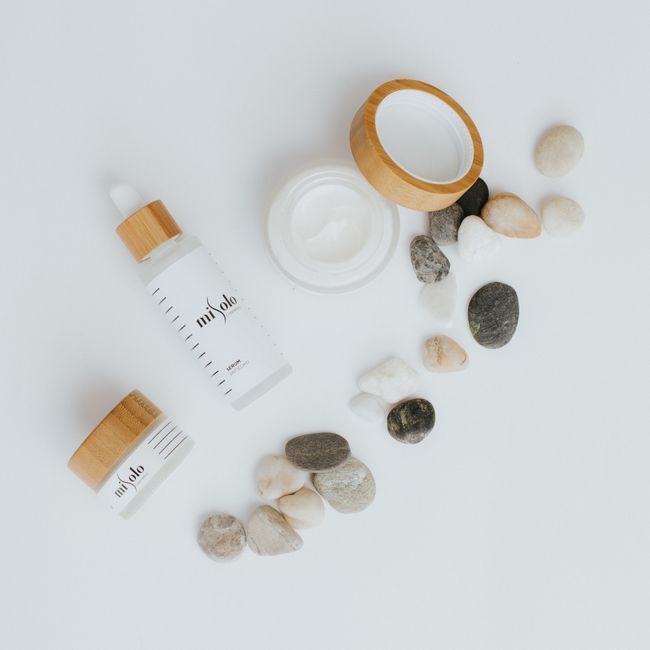 Hommage · Gangnam
Hommage Women's Clinic · Gangnam, Seoul
Prescription creams are used in planned courses, not indefinitely. Illustrative photo.
 Hommage · Seoul
Hommage Women's Clinic · Gangnam, Seoul
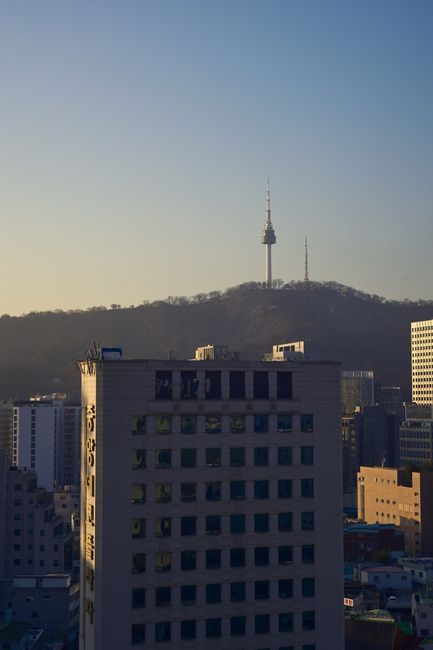
Seoul: the clinic is in Gangnam, a short walk from Sinnonhyeon Station. Illustrative photo.
Traveling to Seoul
Melasma treatment in Seoul for international patients
Melasma takes months to treat, so a visit to Seoul works best as the start of a plan you continue at home, rather than a one-off fix. Hommage Women's Clinic is in Gangnam, a short walk from Sinnonhyeon Station (Line 9 and Shinbundang Line).
A practical approach for visitors
- Book the assessment early in your trip; diagnosis and a written plan come first.
- If tranexamic acid is considered, bring your full medical history, including any blood clots, stroke, migraine with aura, smoking and hormonal medicines.
- One gentle toning session may be added if suitable; aggressive treatment before a flight or beach holiday is avoided.
- Ask whether the creams prescribed are available in your home country, and take the plan to your local doctor.
Bring your passport, a list of medicines and current skin products. Send questions and preferred dates by WhatsApp, KakaoTalk or the contact form before you travel.
Choosing well
How to choose a melasma clinic in Seoul
Because melasma relapses so easily, the quality of the plan matters more than any single device. Use these questions at any consultation, including ours:
- Is the diagnosis confirmed first? Melasma, sun spots and Hori's nevus need different treatment.
- Does the plan start with sunscreen and creams? A laser-only package is a warning sign.
- Is my medical history checked before tranexamic acid? Including clotting risks and hormonal medicines.
- Are laser settings conservative and sessions counted? To avoid rebound darkening and white spots.
- Is there a maintenance plan? Melasma often returns; the clinic should plan for that.
- Are hormonal triggers considered? Pregnancy, the pill and hormone therapy all matter.
What affects melasma treatment cost in Seoul?
Cost depends on which steps you need: prescription creams and sunscreen, tablets such astranexamic acid, the number oflaser toningorpeelsessions, and how long maintenance continues. Procedures for melasma are usually not covered by Korea's National Health Insurance, and you receive a written quote before any procedure.
 Hommage · Gangnam
Hommage Women's Clinic · Gangnam, Seoul
Every melasma plan starts with a diagnosis and a written plan. Illustrative photo.
Your visit
What to expect at your melasma consultation
01
History
Dr. Hwang asks when the patches appeared, about pregnancy, the pill or hormone therapy, sun habits, skin products and past treatments.
02
Skin examination
Your skin is examined under magnification, and a Wood's lamp may be used to see how deep the pigment lies.
03
Your plan
You receive a step-by-step plan: sun protection, topical care and, when suitable, tranexamic acid or gentle procedures.
04
Follow-up
Progress is reviewed with photos every 4–8 weeks at first, then the plan shifts to maintenance.

Your doctor
Dr. Hwang Seonhwa
Physician · Skin & Aesthetic Treatments
Dr. Hwang treats melasma as a long-term condition, starting with sun protection and topical care, adding tranexamic acid or low-energy laser only when they suit the skin and medical history, and avoiding aggressive settings that risk rebound darkening.
Physician for face and skin procedures, including lifting, laser and skin-improvement treatments, planned around facial proportions and skin condition.
Melasma: frequently asked questions
What causes melasma?
Melasma is caused by a combination of sunlight (both UV and visible light), hormones and genetics. Pregnancy, birth control pills and hormone therapy are common triggers, and heat and irritating skin products can make it worse. It is much more common in women and in people with medium to darker skin tones.
Will melasma go away on its own?
Melasma that starts during pregnancy or while taking the pill sometimes fades within months after delivery or after stopping the trigger. Melasma without a clear trigger usually persists for years without treatment. Daily sun protection alone can lighten it, and medical treatment speeds up and deepens the improvement.
Does laser make melasma worse?
Aggressive lasers and IPL can make melasma worse by causing inflammation that leads to rebound darkening. Low-energy laser toning, used carefully and spaced out, can help some people as part of a wider plan. Laser is never a stand-alone fix, and your doctor will decide whether it suits your skin.
How long does melasma treatment take?
Most people notice lightening after 2–3 months of consistent treatment, and a full course often takes 3–6 months. Because melasma is chronic, maintenance continues afterward, with daily sunscreen and periodic topical treatment or sessions, particularly before summer.
Can I treat melasma during pregnancy or breastfeeding?
During pregnancy, treatment is usually limited to sun protection and gentle skin care, since many lighteners and tranexamic acid are avoided. Azelaic acid may be an option after discussion with your doctor. While breastfeeding, some topical treatments can be used; ask before starting any medication. Pregnancy melasma often improves after delivery.
Is melasma treatment covered by insurance in Korea?
In most cases, no. Melasma care is usually treated as cosmetic in Korea, so laser toning, peels and related skin treatments are not covered by National Health Insurance. Coverage for consultation or medication depends on your enrollment status and the reason for the prescription. Hommage Clinic explains what applies to you and gives a written quote before any procedure.
Can foreigners get melasma treatment in Seoul?
Yes. International visitors and foreign residents can be assessed at Hommage Clinic; bring your passport and a list of your medications. Since melasma needs months of care, the doctor can design a plan you continue at home. Contact us before your visit to arrange language support and book an appointment.
What is the best sunscreen for melasma?
A broad-spectrum SPF 30 or higher that is tinted with iron oxides is usually recommended, because visible light as well as UV can darken melasma. Apply it every morning, reapply every 2–3 hours outdoors, and add a wide-brimmed hat. Makeup with SPF alone is rarely enough.
Does tranexamic acid work for melasma?
The evidence is encouraging. A 2017 meta-analysis of 11 studies and 667 adults found tranexamic acid reduced melasma severity alone or as an add-on, with generally minor side effects. It is not suitable for everyone, so a health check comes first. See tranexamic acid therapy.
Is melasma the same as sun spots or freckles?
No. Melasma forms blotchy, symmetrical patches with blurred edges, often on both cheeks or the forehead. Sun spots are flat, well-defined spots, and freckles are small scattered dots. They are treated differently, and lasers that work well for sun spots can worsen melasma, so diagnosis comes first.
Can hydroquinone be used long term?
Hydroquinone is effective but is normally used in limited courses under supervision, because long-term, unsupervised use can cause irritation and, rarely, a blue-gray discoloration called ochronosis. Your doctor may rotate to non-hydroquinone creams such as azelaic acid or cysteamine for maintenance.
Why does my melasma come back every summer?
Stronger sun, visible light and heat reactivate pigment cells in melasma-prone skin. Many people see darkening in summer even with good care. Starting maintenance treatment and stricter sun protection in spring, and avoiding saunas and long outdoor exposure, helps limit summer flares.
Can men get melasma?
Yes, though it is much less common than in women. In men, sun exposure and genetics play a larger role than hormones. Treatment follows the same steps: sun protection, creams, tranexamic acid where suitable, and gentle procedures as an add-on.
References
Sources used for this page, reviewed by Dr. Hwang Seonhwa. Read our editorial and medical review policy.
- Kim HJ, Moon SH, Cho SH, Lee JD, Kim HS. Efficacy and safety of tranexamic acid in melasma: a meta-analysis and systematic review. Acta Derm Venereol. 2017;97(7). PubMed
- Gonçalves OR, et al. Oral tranexamic acid combined with triple combination cream for melasma: systematic review and meta-analysis of randomized controlled trials. Clin Exp Dermatol. 2024.
- Lee YS, Lee YJ, Lee JM, Han TY, Lee JH, Choi JE. The low-fluence Q-switched Nd:YAG laser treatment for melasma: a systematic review. Medicina. 2022;58(7):936. PMC
- Near-visible light and UV photoprotection in the treatment of melasma: a double-blind randomized trial. PubMed
- Feng J, Shen S, Song X, Xiang W, et al. Efficacy and safety of picosecond laser for the treatment of melasma: a systematic review and meta-analysis. Lasers Med Sci. 2023;38:84. PubMed
This page is general information and does not replace a personal consultation. Illustrations are original works of Hommage Women's Clinic, Gangnam, Seoul; photos marked illustrative are not of patients.
Related pigment and hormonal skin care
Tranexamic Acid Therapy
Oral and topical tranexamic acid for melasma, with safety screening first.
Laser Toning
Low-energy 1064 nm laser sessions used carefully as part of melasma care.
Skin Tone Evenness Therapy
A combined plan for blotchy, dull or uneven skin tone.
Skin Care for Hormonal Changes
How pregnancy, the pill and menopause affect pigment, acne and skin.
Pigment Correction Peel
Gentle chemical peels that support lightening of uneven pigment.
Birth Control
Contraceptive options, including choices to discuss if the pill triggers melasma.
Get a melasma plan you can keep up
Book an assessment with Dr. Hwang Seonhwa in Gangnam to confirm your pigment type and start a plan that accounts for sun, skin and hormones.
Hommage Clinic · 4F, Building A, 509 Gangnam-daero, Seoul (near Sinnonhyeon Station) · Mon & Fri 10:00–20:00 · Tue–Thu 10:00–19:00 · Sat 10:00–15:00