
Skin & Aesthetics · Sensitive skin
Skin Barrier Repair Treatment in Seoul for Sensitive Skin
Skin barrier repair treatment restores the skin's outer protective layer when it has been weakened by over-exfoliation, harsh products, procedures or dry weather, reducing stinging, tightness, redness and flaking. At Hommage Clinic in Gangnam, Seoul, Dr. Hwang Seonhwa first rules out conditions such as eczema or rosacea, then plans staged recovery care with gentle in-clinic treatments and home routines.
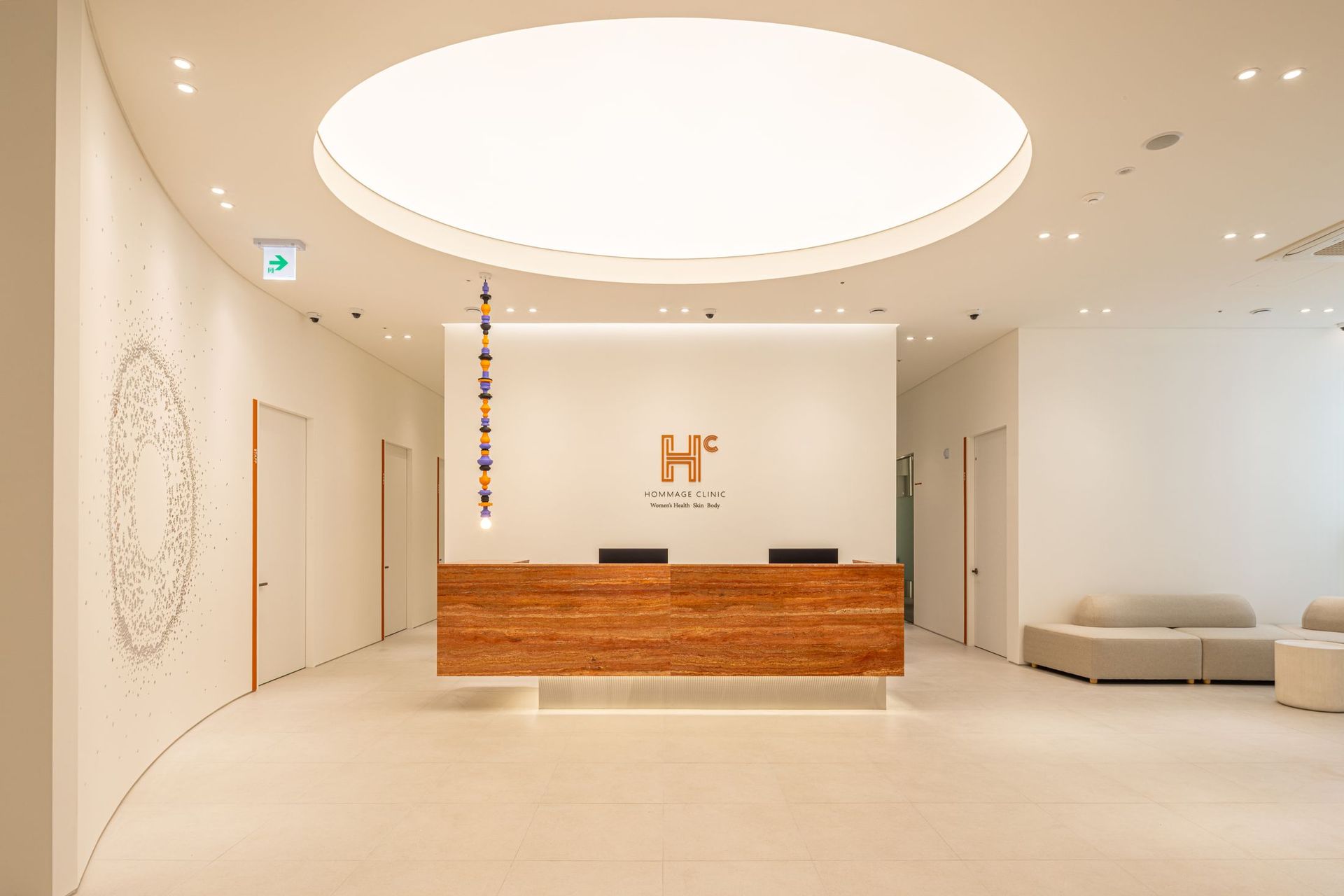
Quick answer
Skin barrier repair treatment is staged care that calms stinging, tight, red or flaking skin and helps rebuild its protective outer layer after over-exfoliation, procedures, harsh products or dry weather. At Hommage Women's Clinic in Gangnam, Seoul, Dr. Hwang Seonhwa first rules out eczema, rosacea or allergy, then plans three stages: calm, nourish and rebuild. Soothing treatments need no downtime, and many people feel better within 2–4 weeks.
Key takeaways
- Removing the trigger matters more than adding products. Most recovery starts with doing less.
- A short routine of gentle cleanser, fragrance-free moisturizer and sunscreen is the core of every plan.
- Exfoliating facials, peels and most lasers wait until the skin tolerates basics again.
- Persistent itch, rash, swelling or flushing needs a diagnosis, not just barrier care.
Infographic
Skin barrier repair in numbers
Recovery stages
Calm, nourish, then rebuild and reintroduce.
Core products
Gentle cleanser, fragrance-free moisturizer, sunscreen.
Downtime
For soothing treatments such as LDM or cryo.
Less stinging
Typical once the trigger is removed; can take longer.
Reintroducing actives
Slowly, so you can see what your skin tolerates.
The “mortar”
Ceramides, cholesterol and fatty acids hold the barrier together.
Barrier repair at a glance
| Key fact | Details |
|---|---|
| What it is | Care that calms irritation and rebuilds the skin's protective outer layer |
| Common signs | Stinging with products, tightness, flaking, redness, sudden sensitivity or breakouts |
| Approach | Simplify skincare, then gentle soothing and hydrating treatments in stages |
| Downtime | Usually none for soothing treatments |
| Recovery time | Often noticeable in 2–4 weeks; full recovery can take longer |
| When to see a doctor | Itchy rash, persistent redness, swelling or symptoms that do not settle |
| Reviewed by | Dr. Hwang Seonhwa |
Barrier repair care may help if you have
- Skin that stings or burns with products that used to feel fine
- Redness, dryness or flaking after peels, lasers or strong actives
- Tight, dehydrated skin that feels rough despite moisturizer
- Sensitivity that started after a change in climate or routine
See a doctor first if you have
- An intensely itchy rash, oozing or crusting, which may be eczema or infection
- Swelling, hives or blistering after a new product, which may be an allergy
- Persistent flushing with bumps or visible vessels, which may be rosacea
- Pain, fever or spreading redness after a procedure
What is the skin barrier and why does it get damaged?
The skin barrier is the outermost layer of the skin, the stratum corneum. It works like a brick wall: skin cells are the bricks, and a mix of ceramides, cholesterol and fatty acids is the mortar. It keeps water in and irritants, allergens and microbes out.
When the barrier is damaged, water escapes more easily and irritants get in, so skin becomes dry, tight and reactive. Common causes include:
- Over-exfoliation with acids, scrubs or retinoids, often several at once
- Recent peels, lasers or other procedures
- Harsh cleansers, hot water and frequent face washing
- Cold, dry winter air or long hours in air-conditioning
- Some medicines, such as isotretinoin, and conditions such as eczema
Damaged barrier, eczema or rosacea: how can you tell?
A damaged barrier usually improves once the trigger is removed and the skin is supported. Eczema, rosacea and allergic contact dermatitis are medical conditions that need a diagnosis and specific treatment.
- Damaged barrier: stinging, tightness, flaking and redness that started after a change in products, procedures or weather.
- Eczema (atopic dermatitis): intensely itchy, dry patches, often with a personal or family history of eczema, asthma or hay fever.
- Rosacea: flushing, persistent central facial redness, visible vessels or acne-like bumps. See rosacea laser treatment .
- Contact dermatitis: an itchy rash where a specific product was applied.
These can overlap, so a doctor's examination is a sensible starting point.
What happens during barrier repair treatment?
Barrier repair is usually a staged plan rather than a single session. At Hommage Clinic, the clinic's recovery program follows three stages: barrier recovery first, then nourishing the skin, then improving texture.
- Assessment: the doctor examines your skin and reviews every product, medicine and recent procedure.
- Simplify and calm: you pause actives and switch to a gentle cleanser, a ceramide-rich moisturizer and sunscreen. In-clinic soothing such as LDM or cryo may be used to calm heat and redness.
- Nourish: once skin is calmer, hydrating treatments may be added, such as Coreg Cell-Fit, a non-thermal QMR treatment for dry or sensitive skin, or skin boosters if appropriate.
- Rebuild: actives and other treatments are reintroduced slowly, one at a time.
How long does it take to repair the skin barrier?
Many people notice less stinging and tightness within two to four weeks of removing the trigger and following a simple routine. Full recovery can take longer, especially after strong procedures or long-term over-exfoliation.
Patience matters, because reintroducing actives too soon is a common reason sensitivity returns. Helpful habits include lukewarm water, a gentle non-foaming cleanser, applying moisturizer to slightly damp skin, daily sunscreen, and using a humidifier in dry seasons. Avoid scrubs, peels, retinoids and fragranced products until your skin tolerates basics again.
Risks and possible side effects
Barrier repair care is gentle, but reactions are still possible, especially when skin is already sensitive. Possible side effects include:
- Temporary stinging or redness during or after in-clinic treatments
- Allergic or irritant reactions to ingredients, even in products labeled for sensitive skin
- Clogged pores or small breakouts from heavier moisturizers
- Bruising or small bumps at injection points if skin boosters are used
Barrier care can also delay diagnosis if an underlying condition is missed, which is why assessment comes first. Contact the clinic if redness spreads, swelling or blisters appear, or your skin becomes painful or hot.
Barrier repair vs facials for sensitive skin
Many facials involve exfoliation, extraction or acids, which can set back a damaged barrier. While your barrier is recovering, gentler options are usually more suitable.
- Exfoliating facials: such as HydraFacial-style treatments or peels are usually postponed until skin tolerates basics again.
- Soothing treatments: such as LDM or a cryotherapy facial , calm skin without exfoliation.
- Deeper hydration: skin boosters or Coreg Cell-Fit may be considered later in recovery, after a doctor's review.
Skin barrier care at Hommage Clinic
Hommage Clinic is a walk-in-friendly women's health and skin clinic in Gangnam, a short walk from Sinnonhyeon Station. Its recovery program is designed for persistent redness, dryness or flaking after procedures and for a weakened barrier, and patients treated at other clinics are welcome. Dr. Hwang Seonhwa reviews your skin, products and recent treatments, then plans staged care using treatments the clinic uses, such as LDM, cryo, Coreg Cell-Fit and boosters. Hormonal changes, including pregnancy and menopause, can also affect skin sensitivity; seeskin care for hormonal changesand the full range ofskin treatments.
Diagnosis and treatment of skin diseases such as eczema may be covered by Korea's National Health Insurance for enrolled patients, while cosmetic recovery treatments are not. You receive a written quote before treatment. Please contact us before your visit to arrange language support.
How the barrier works
Healthy vs damaged skin barrier: what changes?
Dermatologists often describe the outer layer of skin as a brick wall. Flattened skin cells are the bricks, and a mix of three kinds of fat (ceramides, cholesterol and free fatty acids) forms the mortar between them. Laboratory research on barrier recovery shows that these lipids work as a team: in one study of aged skin, the balance between them affected how quickly the barrier recovered after damage, which is one reason well-formulated moisturizers combine several barrier lipids rather than relying on a single ingredient.
When the mortar is stripped away by acids, scrubs, harsh cleansers or procedures, gaps open up. Water evaporates faster from the skin (doctors call this transepidermal water loss), and irritants that the skin would normally keep out reach the living layers below. The result is the familiar picture of a damaged barrier: tightness, stinging, redness and flaking, often with new sensitivity to products you used to tolerate.
Healthy barrier
Skin cells are tightly packed and sealed by ceramides, cholesterol and fatty acids. Skin feels comfortable, holds moisture and tolerates most products.
Damaged barrier
Gaps in the lipid layer let water escape and irritants enter. Skin feels tight and stings, and products that were fine before start to burn. Repair focuses on removing what caused the damage and resupplying the missing lipids.
Self-check
Signs of a damaged skin barrier, and the most common triggers
A damaged barrier rarely appears out of nowhere. In our clinic, the story usually involves a recent change: a new acid serum, several actives layered at once, a peel or laser, a switch to a stronger cleanser, or the start of winter heating. Use the checklist below to see whether your symptoms fit, and bring the answers to your appointment.
Signs
- Stinging or burning when you apply moisturizer or sunscreen
- Tightness within minutes of washing
- Rough patches or fine flaking
- Redness that comes and goes
- New small bumps or breakouts
- Makeup that looks patchy or catches on dry spots
Common triggers
- Daily acids, scrubs or peeling pads
- Starting a retinoid too fast
- Several new actives at the same time
- A recent peel, laser or microneedling
- Hot water, foaming or alcohol-based cleansers
- Cold, dry air, heating or air-conditioning
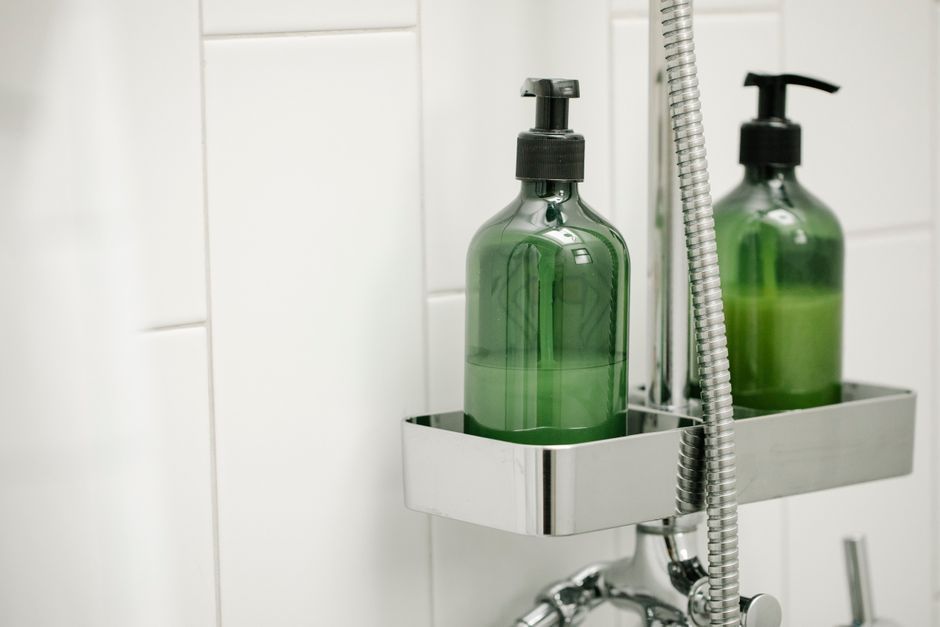 Hommage · Gangnam
Hommage Women's Clinic · Gangnam, Seoul
Layering many actives at once is one of the most common triggers. Illustrative photo.
Recovery plan
Skin barrier repair timeline: the 3-stage recovery plan
Hommage Clinic's recovery program follows three stages. The first is about stopping further damage and calming the skin. The second adds hydration and nourishment once stinging has settled. The third slowly brings back the products and treatments you want to use, one at a time. Moving to the next stage depends on how your skin responds, not on a fixed date, and the timeline below shows a typical pattern.
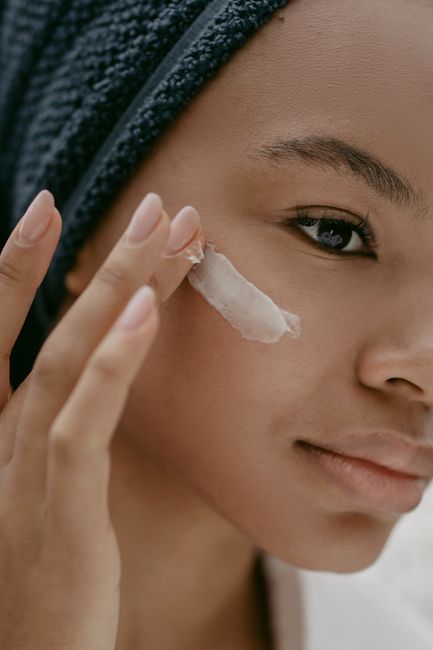 Hommage · Gangnam
Hommage Women's Clinic · Gangnam, Seoul
Moisturizer on slightly damp skin helps hold water in. Illustrative photo.
At home
A barrier repair routine: what to use and what to pause
While the barrier recovers, a shorter routine is almost always better. Each extra product is another chance for stinging. Look for simple, fragrance-free formulas, and introduce only one new product at a time so you can tell what your skin likes.
Use
- A gentle, non-foaming cleanser with lukewarm water
- A fragrance-free moisturizer with ceramides, cholesterol and fatty acids
- Moisturizer on slightly damp skin, twice a day
- A mineral or gentle sunscreen every morning
- A plain ointment on very dry spots at night
- A humidifier in winter or air-conditioned rooms
Pause
- AHA, BHA and PHA acids, peeling pads and scrubs
- Retinoids and vitamin C serums
- Fragrance, essential oils and alcohol toners
- Cleansing brushes and hot water
- Sheet masks or new products every day
- Peels, exfoliating facials and most lasers
If you use prescription creams, for example for acne or eczema, ask a doctor before stopping them. Some can be paused briefly; others should be continued with a gentler routine around them.
Who it suits
Sensitive skin: barrier repair or see a doctor first?
Barrier repair care suits skin that has been irritated by something you can name, and that improves when that trigger stops. Some symptoms point to a medical condition instead, such as eczema, rosacea, allergic contact dermatitis or infection, and need a diagnosis before any cosmetic care. This guide shows how Dr. Hwang usually sorts the two at an assessment.
Good fit for barrier repair
Stinging, tightness, flaking or patchy redness that began after a new product, a peel or laser, harsh cleansing or a change in weather, without intense itch, oozing, swelling or fever.
See a doctor first
Intensely itchy or oozing patches, hives or swelling after a product, persistent flushing with bumps or visible vessels (see redness reduction therapy), or pain, heat and fever after a procedure.
Your situation
Barrier repair after laser, peels and in a Seoul winter
After a laser or peel
Some redness, dryness and sensitivity are expected for a short time after resurfacing treatments, peels or microneedling. Problems usually start when the skin is pushed too soon: a new acid serum two days after a peel, or several procedures close together. If your skin is still stinging or flaking well beyond what you were told to expect, a barrier-focused plan helps it settle before the next treatment. Patients treated at other clinics are welcome to come for an assessment; bring the name and date of the procedure.
In dry or cold weather
Seoul winters are cold and dry, and indoor heating dries the air further. Many people who are fine in summer find their skin tight and flaky from late autumn. Switching to a richer, fragrance-free moisturizer, using lukewarm rather than hot water, and running a humidifier at night can prevent a seasonal flare. If you travel to Seoul in winter from a humid climate, pack your gentlest moisturizer.
 Hommage · Gangnam
Hommage Women's Clinic · Gangnam, Seoul
A humidifier can ease dryness during Seoul's cold, dry winters. Illustrative photo.
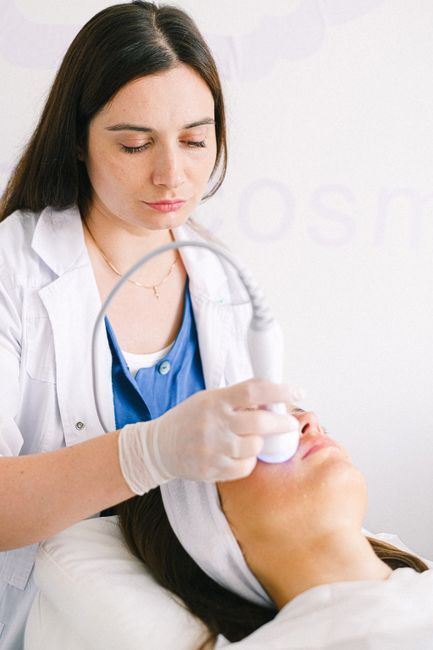 Hommage · Gangnam
Hommage Women's Clinic · Gangnam, Seoul
In-clinic soothing avoids exfoliation while the barrier recovers. Illustrative photo.
In the clinic
In-clinic barrier repair options compared
Home care does most of the work, but a few gentle in-clinic treatments can make the first weeks more comfortable or support the later stages. None of them involve peeling or exfoliating the skin. Evidence for these cosmetic devices is limited, so they are used as supportive care alongside the routine, not instead of it.
Coreg Cell-Fit
A non-thermal QMR treatment the clinic offers for dry or sensitive skin, once stinging settles.
Skin boosters
Injectable hydration considered later in recovery after a doctor's review; small bruises are possible.
Evidence
Do barrier repair creams work? What the research says
Much of the research on barrier lipids comes from laboratory studies and from people with eczema, a condition with a weakened barrier. There are few trials of "barrier repair" in otherwise healthy skin that has simply been over-treated. With that limit in mind, here is what the studies we reviewed show.
Lipid balance matters
In aged skin, a cholesterol-dominant mix of barrier lipids sped up barrier recovery at 6 hours compared with the vehicle alone (6 older adults).
Zettersten et al., J Am Acad Dermatol, 1997Trials pooled
A meta-analysis compared ceramide moisturizers with other moisturizers in atopic dermatitis.
Nugroho et al., Indian J Dermatol, 2023Eczema severity
Ceramide moisturizers improved eczema scores (SCORAD) more than other moisturizers.
Nugroho et al., 2023Water loss
Water loss through the skin (TEWL) improved in both groups, with no significant difference between ceramide and other moisturizers.
Nugroho et al., 2023Traveling to Seoul
Skin barrier repair in Seoul for international patients
Many visitors come to Seoul for skin treatments, and some find their skin reacting during the trip, after several procedures close together, a change of climate or a bag full of new Korean skincare. Hommage Women's Clinic in Gangnam, about a three-minute walk from Sinnonhyeon Station (Line 9 and Shinbundang Line), welcomes patients who were treated elsewhere.
Planning your visit
- Walk in during opening hours or message the clinic by WhatsApp, KakaoTalk or the contact form with your symptoms and dates.
- Bring your passport, the products you have been using (or photos of their labels) and the name and date of any recent procedure.
- One visit gives a diagnosis, a simple written routine and, if suitable, a soothing treatment the same day.
- If you have more procedures booked during your trip, ask whether they should be postponed until your skin settles.
- Stage 2 and 3 care happens over weeks, so you continue at home and can send photos to the clinic or see a local doctor for follow-up.
 Hommage · Seoul
Hommage Women's Clinic · Gangnam, Seoul
The clinic is in Gangnam, a short walk from Sinnonhyeon Station. Illustrative photo.
 Hommage · Gangnam
Hommage Women's Clinic · Gangnam, Seoul
Assessment first: your products, medicines and recent procedures are reviewed. Illustrative photo.
Choosing well
How to choose a clinic for sensitive skin care in Seoul
When skin is already irritated, the wrong treatment can set recovery back by weeks. These questions help at any clinic, including ours:
- Does a doctor examine you first? Eczema, rosacea and allergy need a diagnosis, not just soothing.
- Do they ask about every product and procedure? Finding the trigger is the most important step.
- Do they suggest doing less? A good plan often removes products before adding any.
- Do they avoid exfoliating treatments for now? Peels and strong lasers usually wait.
- Is there a review before restarting actives? Reintroduction should be planned, one product at a time.
- Do you get a written quote? Know which treatments are included before you start.
What affects the cost of skin barrier repair?
Cost depends on whether you need only an assessment and home plan, or also in-clinic soothing such as LDM or cryo, and on how many sessions and which later-stage treatments are added. Diagnosis and treatment of skin diseases such as eczema may be covered by Korea's National Health Insurance for enrolled patients, while cosmetic recovery treatments are not. You receive a written quote before treatment.
Your visit
What to expect at your barrier repair appointment
01
Bring your products
Bring or photograph your skincare and any medicines, and note recent peels, lasers or procedures.
02
Skin assessment
Dr. Hwang examines your skin to separate a damaged barrier from eczema, rosacea or allergy.
03
Staged plan
You agree on a simplified routine, any in-clinic soothing care and a written quote.
04
Follow-up
A review after a few weeks to check progress and decide when to reintroduce actives.
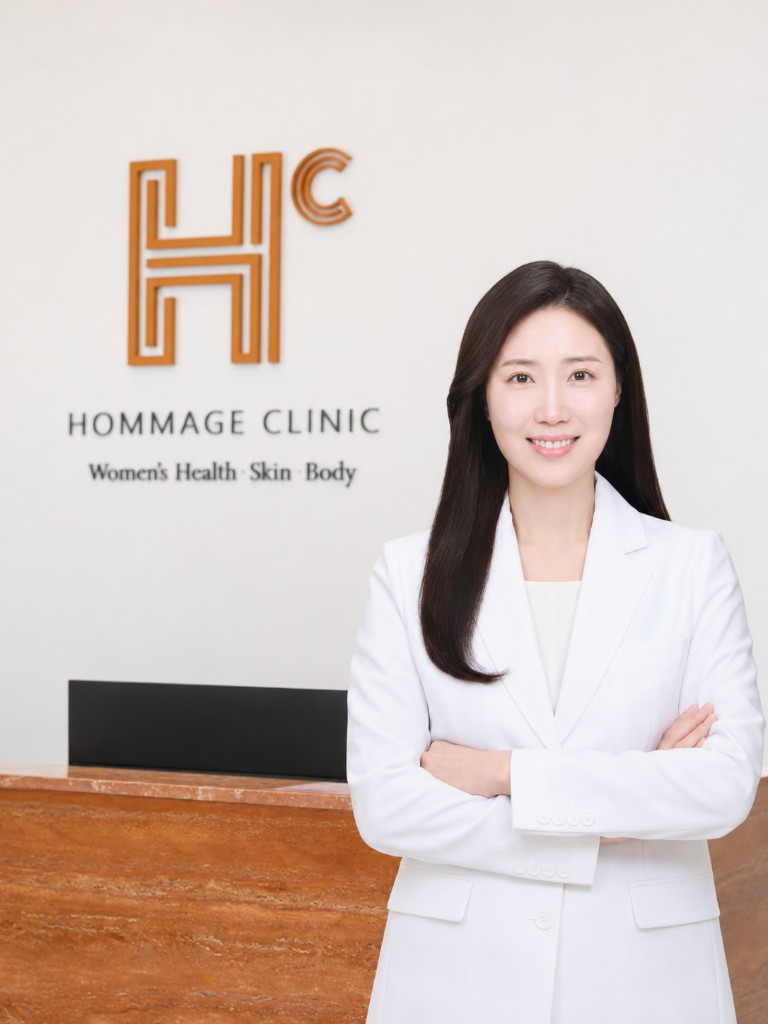
Your doctor
Dr. Hwang Seonhwa
Physician · Skin & Aesthetic Treatments
Dr. Hwang starts barrier care by identifying the trigger and ruling out eczema, rosacea or allergy, then plans recovery in stages so that soothing comes first and stronger treatments are only reintroduced once your skin is ready.
Physician for face and skin procedures, including lifting, laser and skin-improvement treatments, planned around facial proportions and skin condition.
Skin barrier repair: frequently asked questions
How do I know if my skin barrier is damaged?
Common signs of a damaged skin barrier are stinging or burning when you apply products, tightness after cleansing, flaking, redness and sudden sensitivity or breakouts. These often start after over-exfoliation, a procedure or a change in weather. Intense itching, oozing or a rash suggests a condition such as eczema or allergy, which needs a doctor's assessment.
How long does it take to repair a damaged skin barrier?
Many people feel less stinging and tightness within two to four weeks once the trigger is stopped and the routine is simplified. Recovery after strong procedures or long-term over-exfoliation can take longer. Reintroducing actives too early is a common reason sensitivity comes back, so changes should be made slowly.
What should I stop using when my skin barrier is damaged?
Pause exfoliating acids, scrubs, retinoids, vitamin C serums, fragranced products and foaming cleansers until your skin calms down. Keep a simple routine of a gentle cleanser, a fragrance-free moisturizer with ceramides and daily sunscreen. If you use prescription products, ask your doctor before stopping them.
Can I get a facial or laser while my skin barrier is damaged?
Exfoliating facials, peels and most lasers are usually postponed until the barrier recovers, because they can make irritation worse. Gentle soothing treatments such as LDM or cryo cooling may be suitable. A doctor can check when your skin is ready for stronger treatments again.
Is a damaged skin barrier the same as eczema?
No. A damaged barrier is a temporary weakness, often caused by products, procedures or weather, that usually improves with gentle care. Eczema is a long-term inflammatory skin condition with intensely itchy patches, which often needs prescription treatment. The two can overlap, so persistent itching or rash should be examined by a doctor.
Can foreigners get skin barrier treatment in Seoul?
Yes. Visitors and foreign residents can book a skin assessment at Hommage Clinic in Gangnam, including if your skin became sensitive after treatment at another clinic. Walk-ins are welcome, or book ahead for a set time; bring your passport and a list of products, and contact us before your visit to arrange language support.
Do ceramide creams repair the skin barrier?
Ceramides are one of the main lipids in the barrier, and moisturizers that contain them can support recovery. Research suggests barrier lipids work best together, with cholesterol and fatty acids. In a 2023 meta-analysis in eczema, ceramide moisturizers improved eczema severity more than other moisturizers, but the difference in water loss was not significant. A plain, fragrance-free moisturizer used consistently is what matters most.
Can oily skin have a damaged barrier?
Yes. Oily skin can still be dehydrated and irritated, especially after strong acne products or over-washing. It may look shiny yet feel tight and sting. A light, non-comedogenic moisturizer and a gentle cleanser usually help, and oil control can be added later. See sebum control therapy for the next step.
Why does my moisturizer sting?
When the barrier is damaged, ingredients reach nerve endings more easily, so even gentle products can sting for a few seconds. Persistent burning, or stinging with only one product, may mean an irritant or allergy, often to fragrance or preservatives. Switch to the simplest fragrance-free option and see a doctor if stinging continues or a rash appears.
Should I stop wearing makeup while my barrier heals?
Wearing less helps, but you do not have to stop completely. Choose a light, fragrance-free base, apply it over moisturizer and sunscreen, and remove it with a gentle cleanser rather than wipes or double cleansing with oils and foams. Skip heavy matte or long-wear formulas until the skin feels comfortable.
Can hormones affect my skin barrier?
Yes. Lower estrogen after menopause is linked to drier, thinner skin, and pregnancy can make skin more reactive. Barrier care is the same in principle, but some treatments change. Tell the clinic if you are pregnant, breastfeeding or going through menopause; our guide to skin care for hormonal changes explains more.
When can I start retinol or acids again?
Usually once your skin has felt comfortable with the basic routine for a while and no longer stings. Start with one product, two or three nights a week, and increase slowly over several weeks. If stinging returns, step back. Dr. Hwang can review your skin before you restart if you are unsure.
Is it safe to have skin treatments in Seoul right after barrier damage?
It is usually better to wait. Exfoliating facials, peels, many lasers and microneedling can worsen irritation and raise the risk of dark marks. If you are visiting Seoul with several treatments booked, a doctor can help you decide which to postpone and which gentle, soothing care is safe to have now.
References
Sources used for this page, reviewed by Dr. Hwang Seonhwa. Read our editorial and medical review policy.
- Zettersten EM, Ghadially R, Feingold KR, Crumrine D, Elias PM. Optimal ratios of topical stratum corneum lipids improve barrier recovery in chronologically aged skin. J Am Acad Dermatol. 1997;37(3 Pt 1):403–408. PubMed
- Nugroho WT, Sawitri S, Astindari A, et al. The efficacy of moisturisers containing ceramide compared with other moisturisers in the management of atopic dermatitis: a systematic literature review and meta-analysis. Indian J Dermatol. 2023;68(1):53–58. PMC
This page is general information and does not replace a personal consultation. Illustrations are original works of Hommage Women's Clinic, Gangnam, Seoul; photos marked illustrative are not of patients.
Related skin treatments
LDM
Gentle ultrasound treatment the clinic uses for hydration and soothing.
Cryotherapy Facial
Cooling care to calm heat and redness, including after procedures.
Redness Reduction Therapy
Medical options for persistent facial redness and flushing.
Skin Boosters
Injectable hydration that may help later in barrier recovery.
Rosacea Laser Treatment
Diagnosis and vascular laser care for rosacea-related redness.
Skin Care for Hormonal Changes
Why pregnancy, the pill and menopause can make skin more sensitive.
Get your sensitive skin back on track
Book a skin assessment with Dr. Hwang Seonhwa in Gangnam. We identify what is irritating your skin, rule out conditions that need medical treatment, and plan recovery step by step.
Hommage Clinic · 4F, Building A, 509 Gangnam-daero, Seoul (near Sinnonhyeon Station) · Mon & Fri 10:00–20:00 · Tue–Thu 10:00–19:00 · Sat 10:00–15:00