
Skin & Aesthetics · Injectables
Botox in Seoul: Wrinkle-Relaxing Injections Planned by a Doctor
Botox is an injection of botulinum toxin type A that temporarily relaxes the muscles behind expression lines such as forehead lines, frown lines and crow's feet, with results that typically last 3–4 months. At Hommage Clinic in Gangnam, Seoul, Dr. Kim Hyunbin assesses how your face moves first, then plans the dose for each muscle so you still look like yourself.
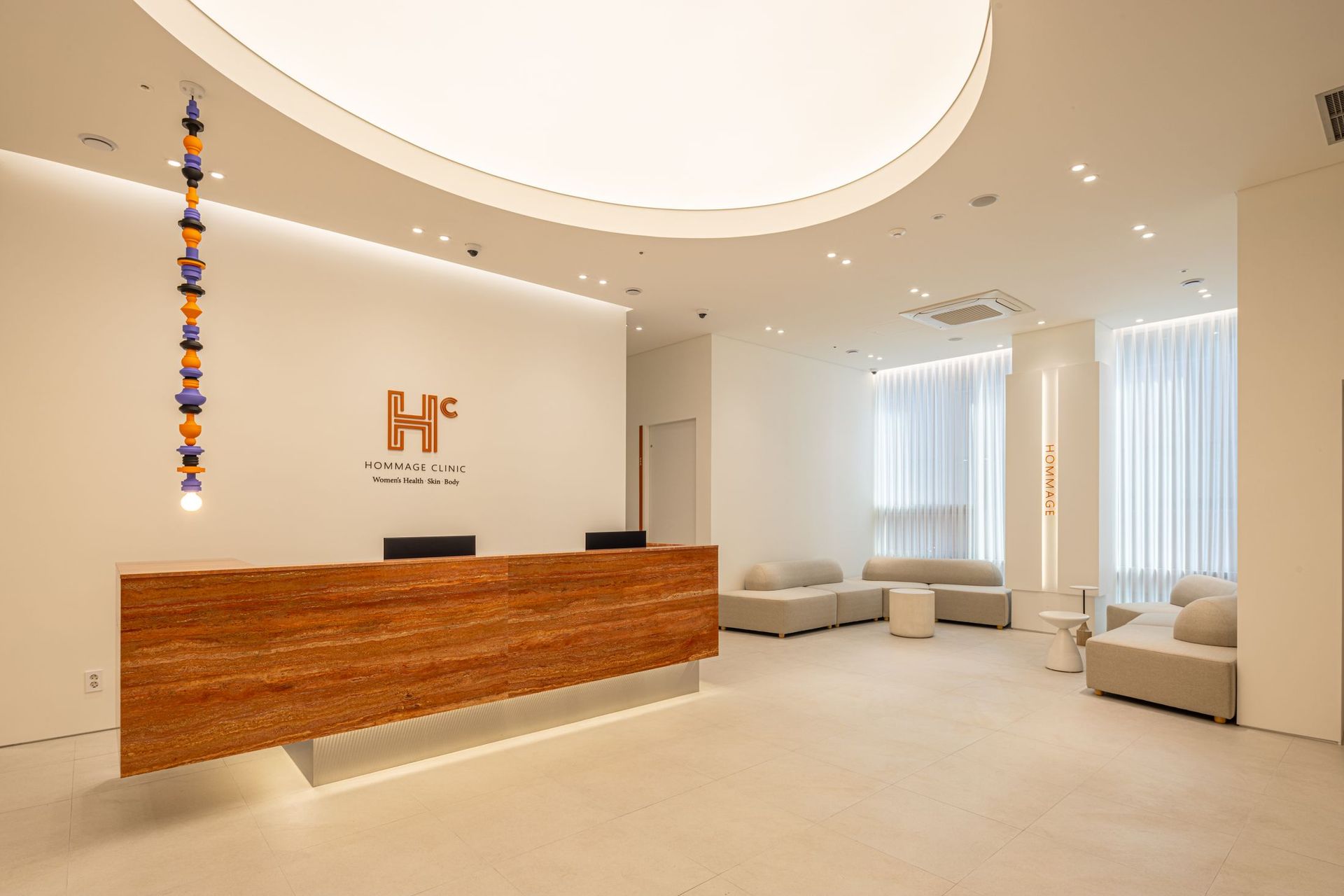
Quick answer
Botox is a quick injection of botulinum toxin type A that relaxes the muscles behind forehead lines, frown lines and crow's feet. At Hommage Women's Clinic in Gangnam, Seoul, Dr. Kim Hyunbin assesses how your face moves before planning the dose. Injections take about 10–15 minutes, the first change appears in 2–5 days, the full effect at about 2 weeks, and results for expression lines typically last 3–4 months.
Key takeaways
- Botox softens dynamic lines (lines that appear when you move). It does not fill hollows or lift sagging skin.
- In the licensing trials for frown lines, 80% of treated people were rated as having none or mild lines at day 30, against 3% with placebo.
- The most typical side effects are small bumps, bruising and headache; a temporary droopy eyelid is uncommon (about 3% in the frown-line trials).
- Different botulinum toxin brands use different units that are not interchangeable, so ask which product is planned.
- Visitors can be treated in a single visit; the result is best judged at about 2 weeks.
Infographic
Botox in numbers
Injection time
About 30 minutes including consultation and preparation.
First change
Movement softens gradually rather than overnight.
Full effect
The right time to judge the result or ask about a top-up.
Typical duration
For expression lines; jaw-muscle results often last longer.
Responders at day 30
Frown lines rated none or mild in licensing trials, vs 3% with placebo.
Between sessions
Treatments are usually spaced at least 3 months apart.
Botox at a glance
| Key fact | Details |
|---|---|
| Treatment time | About 10–15 minutes of injections; around 30 minutes with consultation and preparation |
| Comfort | Very fine needle; ice or numbing cream on request. Most people feel brief stings |
| Sessions | One session; repeated every 3–6 months if you want to keep the effect |
| Downtime | Minimal. Small bumps settle within an hour; pinpoint bruises are possible |
| Results visible | First changes in 2–5 days; full effect at about 2 weeks |
| How long results last | Typically 3–4 months for expression lines; jaw-muscle results often last longer |
| Performed by | A clinic physician from the skin & aesthetics team, such as Dr. Kim Hyunbin |
Botox may suit you if you have
- Forehead lines, frown lines (“11 lines”) or crow's feet that appear when you move your face
- Expression lines that are just starting to stay visible at rest
- A square-looking jaw from strong chewing muscles
- A wish for a subtle, gradually reversible first step before fillers or lifting
Wait or choose another option if you
- Are pregnant, trying to conceive soon or breastfeeding
- Have a neuromuscular condition such as myasthenia gravis or Lambert-Eaton syndrome
- Have an infection, cold sore or inflamed acne where the injections would go
- Have had an allergic reaction to botulinum toxin, or take aminoglycoside antibiotics
What is Botox and how does it work?
Botox relaxes the small facial muscles that crease your skin when you frown, squint or raise your eyebrows. It is a purified protein, botulinum toxin type A, injected in tiny doses. It blocks the nerve signal (acetylcholine) that tells a muscle to contract, so the muscle moves less and the skin above it folds less.
The effect is temporary. Over a few months the nerve endings form new connections, muscle movement returns, and lines gradually reappear unless you repeat treatment.
Strictly speaking, Botox® is one brand, made by Allergan (AbbVie), but the name is widely used for all botulinum toxin injections. In Korea, several botulinum toxin type A products are licensed by the Ministry of Food and Drug Safety (MFDS), both imported and Korean-made. They work in a similar way, but their dose units are not interchangeable, so you can ask which product will be used before treatment.
What can Botox treat?
Botox is most effective for dynamic wrinkles, the lines caused by movement. It does not fill hollows or lift sagging skin. Common areas include:
- Forehead lines: horizontal lines when you raise your eyebrows.
- Frown lines: vertical lines between the brows, often called “11 lines”.
- Crow's feet: fan-shaped lines at the outer corners of the eyes.
- Bunny lines and chin dimpling: creases on the sides of the nose and an “orange-peel” chin.
- Jaw and neck: relaxing an enlarged masseter muscle slims the lower face over several weeks. This has its own page: jawline Botox for masseter reduction .
In Korea you may also hear of “skin Botox”, where a diluted toxin is placed in tiny droplets just under the skin. It aims to soften fine lines and may reduce oiliness and the look of pores, and it is often paired with skin boosters . Lines that stay deep when your face is still usually need more than Botox alone.
Does Botox hurt? What happens during treatment
Most people find Botox only mildly uncomfortable: each injection feels like a quick sting. The injections usually take 10–15 minutes, and you can normally return to work straight away.
- Your doctor asks about your medical history, medicines and any previous injections.
- You make expressions (frown, smile, raise your brows) so the doctor can see which muscles create each line.
- Your skin is cleansed and injection points are marked. Ice or numbing cream can be used if you are sensitive to needles.
- Small doses are placed with a very fine needle, followed by gentle pressure to limit bruising.
How long does Botox last?
Botox for expression lines typically lasts about 3–4 months. Results for jaw-muscle reduction often last longer, around 4–6 months. The first change appears after 2–5 days and the full effect at about 2 weeks, which is the right time to judge the result.
To help the product stay where it was placed:
- Stay upright for about 4 hours and do not rub or massage the treated areas that day.
- Avoid strenuous exercise, saunas, hot baths and alcohol for about 24 hours.
- Makeup can usually be applied gently after a few hours.
- Ask before having facial massage or energy-based treatments on the same area in the following two weeks.
Treatments are usually spaced at least 3 months apart. Very frequent, high-dose treatment may raise the chance of antibodies that make future injections less effective.
Risks and possible side effects of Botox
Botox is a well-studied treatment, but it can cause side effects, and you should know them before you decide.
- Common and mild: redness, small bumps at injection points, pinpoint bruising, tenderness, or a mild headache for a day or two.
- Less common: an uneven result, a heavy feeling in the brows, or a drooping eyelid (ptosis) if the toxin affects a nearby muscle. These are temporary and usually fade over a few weeks.
- Lower-face areas: treatment around the mouth or chin can briefly affect your smile or make some words harder to say.
- Rare: allergic reaction, or spread of the toxin effect beyond the treated area.
Seek emergency care straight away if you have difficulty swallowing, speaking or breathing after treatment. Contact the clinic if you notice an eyelid droop, double vision, signs of infection, or an asymmetry that is still present two weeks after treatment.
Botox vs fillers: which do you need?
Botox relaxes muscles, while fillers add volume. If a line disappears when your face is still, Botox is usually the right tool. If a line or hollow is there all the time, such as deep nasolabial folds or under-eye hollows, hyaluronic acid dermal fillers are usually more effective.
Many people use both: Botox for frown lines or crow's feet, and a small amount of filler where volume has been lost. Loose or sagging skin is a third problem that neither fully solves; energy-based lifting such as HIFU facial lifting may suit you better. You can compare options in our skin and aesthetics treatment guide .
Botox at Hommage Clinic
Hommage Clinic is a women's health and skin clinic in Gangnam, a short walk from Sinnonhyeon Station (Line 9 / Sinbundang Line). Walk-ins are welcome, or book ahead for a set time, and your consultation is never rushed. A doctor assesses your expressions, explains possible side effects and performs the injections.
Because women's health and skin care are under one roof, skin changes linked to pregnancy, PCOS or menopause can be considered together; seeskin care for hormonal changes. The cost of Botox depends on the areas treated, the number of units and the product used. Cosmetic Botox is not covered by Korea's National Health Insurance, and you receive a written quote before treatment.
Mechanism
How does Botox work on wrinkles?
Every expression line sits above a small muscle. When you frown, a nerve releases a chemical messenger called acetylcholine at the point where it meets the muscle, and the muscle contracts and pleats the skin above it. Botulinum toxin type A is taken up by that nerve ending and stops acetylcholine from being released. The muscle receives a weaker signal, so it relaxes and the skin folds less.
Nothing is removed and no tissue is damaged. Over roughly three to four months the nerve grows small new connections and normal movement returns. This is why Botox is temporary and why the dose matters: a small, measured amount softens a line while keeping natural expression, while too much in the wrong place can make a brow feel heavy. Dr. Kim watches you frown, smile and raise your brows before choosing the points and dose for each muscle.
Treatment areas
Botox areas: forehead, frown lines, crow's feet and jaw
The three most-studied cosmetic areas are the frown lines between the brows (glabellar lines), the crow's feet at the outer eyes (lateral canthal lines) and the horizontal forehead lines. These are the areas for which BOTOX Cosmetic has regulatory approval in the United States, with set doses: 20 units for frown lines, 24 units for crow's feet and 40 units when forehead and frown lines are treated together. Other brands licensed in Korea use their own units, so the numbers are not directly comparable.
Forehead lines are usually treated together with the frown area. The forehead muscle is the one that lifts your brows, so relaxing it on its own can let the brows sit lower. Lower-face areas such as the chin, the corners of the mouth and the jaw need more caution because these muscles help you smile, speak and chew.
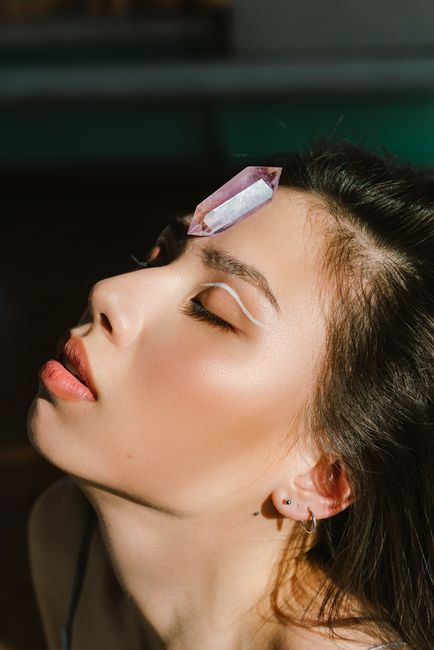 Hommage · Gangnam
Hommage Women's Clinic · Gangnam, Seoul
Forehead and frown lines are the most commonly treated Botox areas. Illustrative photo.
Results
Botox results timeline: when it kicks in and how long it lasts
Botox does not work instantly. Small bumps at the injection points settle within about an hour, but the muscle only starts to relax after the toxin has been taken up by the nerve endings. Most people notice the first softening after 2–5 days, and the effect builds to its peak at about 2 weeks. That two-week point is when Dr. Kim recommends judging the result, because an apparent difference between sides in the first days often evens out.
For expression lines the effect usually lasts about 3–4 months, then fades gradually rather than stopping suddenly. Jaw-muscle treatment often lasts longer. How long your own result lasts depends on the dose, the strength of the muscle, the product and your metabolism, so the re-treatment interval is set on how you respond rather than on a fixed calendar.
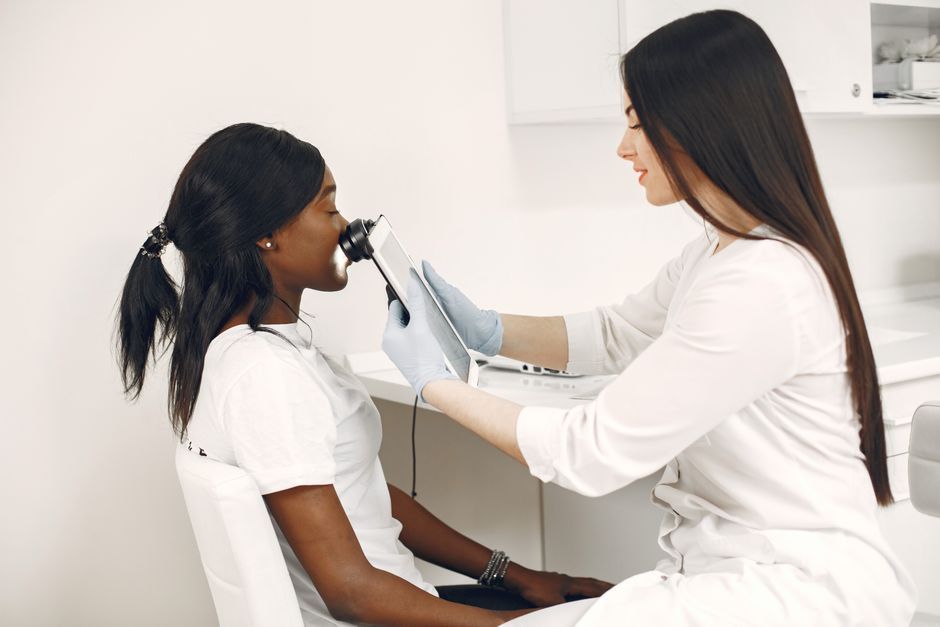 Hommage · Gangnam
Hommage Women's Clinic · Gangnam, Seoul
Lines are checked at rest and in motion before choosing Botox, filler or both. Illustrative photo.
Compare
Botox vs filler vs skin Botox: which one fits your line?
A simple test helps: look in a mirror with your face completely relaxed. If the line disappears, it is a dynamic line and Botox is usually the right tool. If it stays, volume loss or skin ageing is involved, and a hyaluronic acid filler or a skin-quality treatment may help more. Many people combine them.
Botox
Works on
Muscle movement
Best for
Frown lines, forehead lines, crow's feet, jaw
Lasts
About 3–4 months
Filler
Works on
Lost volume
Best for
Lines and hollows visible at rest
Lasts
Usually longer than Botox; varies by product and area
Skin Botox
Works on
Superficial skin
Best for
Fine lines, oiliness, pore appearance
Evidence
Limited, mostly small studies
Aftercare
Botox aftercare: what to do and avoid in the first 24 hours
Aftercare after Botox is simple, and most people go straight back to work. The aim of the first day is to let the product settle in the muscles where it was placed and to keep bruising to a minimum. Pinpoint bruises can be covered with makeup after a few hours. A mild headache on the first day is common and usually settles with ordinary pain relief; ask the clinic which one suits you.
Plan around events: if you have a wedding, photo shoot or important meeting, book Botox at least two weeks before so the full effect has developed and any small bruise has faded.
Do
- Stay upright for about 4 hours
- Apply makeup gently after a few hours
- Use a cold pack wrapped in cloth for small bruises
- Judge the result at about 2 weeks
- Contact the clinic about any eyelid droop or swallowing problem
Don't
- Rub or massage the treated areas that day
- Do hard exercise for about 24 hours
- Use saunas, hot baths or drink alcohol for about 24 hours
- Book facial massage or energy treatments on the area within 2 weeks without asking
- Repeat treatment sooner than 3 months
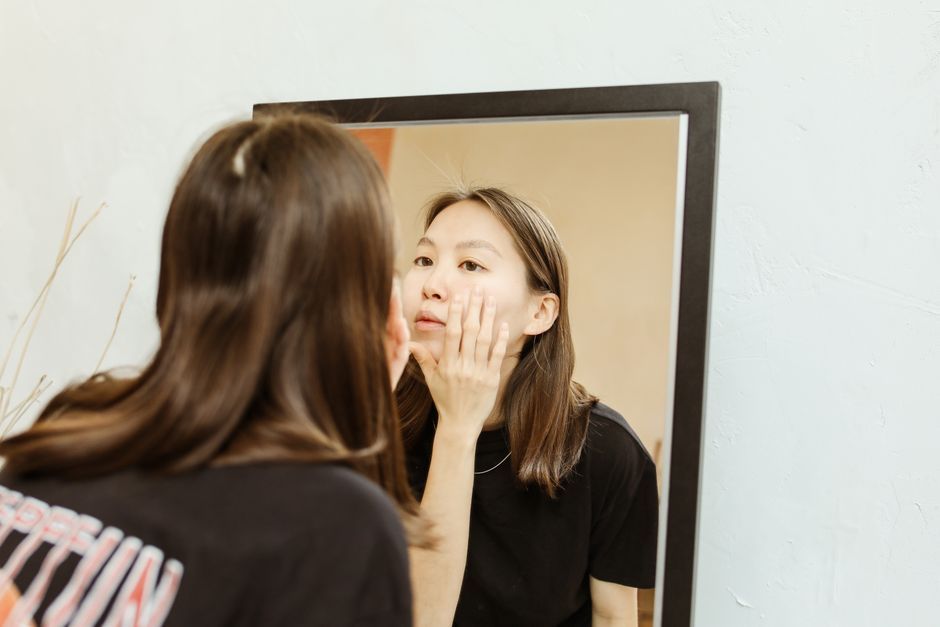 Hommage · Gangnam
Hommage Women's Clinic · Gangnam, Seoul
Most people return to normal activities the same day, with a few simple precautions. Illustrative photo.
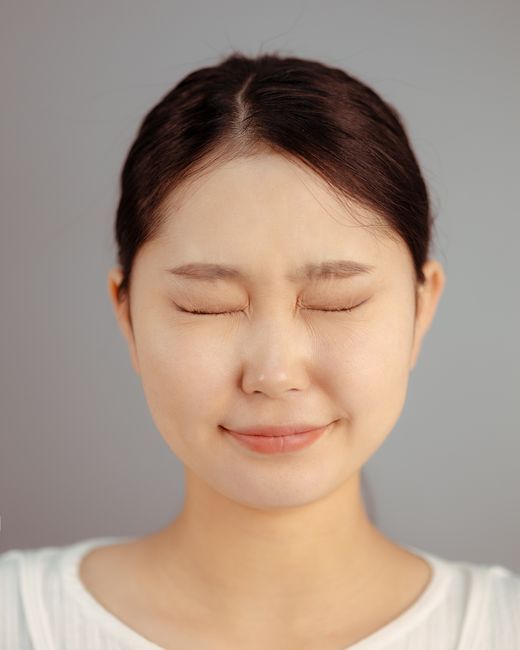 Hommage · Gangnam
Hommage Women's Clinic · Gangnam, Seoul
The goal is softer lines while you can still smile and frown naturally. Illustrative photo.
Natural results
Natural-looking Botox: avoiding the “frozen” look
A frozen or surprised look usually comes from a dose that is too high for the muscle, or from treating the forehead without balancing the muscles that pull the brows down. A conservative approach starts with the lowest dose likely to work, keeps some movement, and adds a small top-up at the two-week review only if needed. It is easier to add than to wait for an overly strong result to wear off.
Who is a good candidate?
Botox tends to work best for adults with lines that are mainly visible when they move, who want a subtle, temporary change and are happy to repeat treatment if they like the result. It is not recommended during pregnancy or breastfeeding, and it is not suitable for people with certain neuromuscular conditions or an infection at the injection site. Deep lines that are visible at rest often need a combined plan.
Tell your doctor before Botox if you…
- Are pregnant, trying to conceive or breastfeeding
- Have myasthenia gravis or another nerve or muscle condition
- Take aminoglycoside antibiotics, blood thinners or muscle relaxants
- Had a reaction to botulinum toxin before, or had any injection in the last 3 months
- Have an event coming up within 2 weeks
Evidence
Is Botox safe and effective? What the research says
Botulinum toxin for frown lines is one of the best-studied cosmetic treatments, with many randomized placebo-controlled trials. A 2021 Cochrane review rated the evidence that it improves frown lines as moderate certainty. Most trials last a few months and are funded by manufacturers, and data on decades of repeated use are more limited, so the numbers below describe short-term results in carefully selected adults.
Frown lines none or mild
Doctor-rated at day 30; 405 treated vs 132 placebo.
BOTOX Cosmetic prescribing informationFelt a clear improvement
Patient-rated at day 30, vs 7% with placebo.
BOTOX Cosmetic prescribing informationDroopy eyelid
Eyelid ptosis in frown-line trials, vs 0% with placebo; temporary.
BOTOX Cosmetic prescribing informationAny side effect per 100
Overall adverse events were similar to placebo (low-certainty evidence).
Camargo et al., Cochrane Review, 2021Traveling to Seoul
Botox in Seoul for international patients
Botox fits easily into a trip to Seoul: consultation and injections usually happen in the same visit, and there is no real downtime. Hommage Women's Clinic is in Gangnam, a short walk from Sinnonhyeon Station (Line 9 and Shinbundang Line).
Planning your visit
- Book early in your trip, ideally 10–14 days before you fly home, so you can return at about 2 weeks if a small adjustment is needed.
- Bring your passport, a list of your medicines, and the brand and date of any previous toxin or filler treatment.
- Send questions or photos in advance by WhatsApp, KakaoTalk or the contact form, and ask for language support if you need it.
- Flying the day after Botox is generally fine; avoid rubbing your face against a neck pillow on the first day.
After you fly home
Ask for the product name and dose for your records, so a doctor at home can plan future treatment. Contact the clinic with photos if anything looks uneven at two weeks, and seek urgent local care for any difficulty swallowing, speaking or breathing.
 Hommage · Gangnam
Hommage Women's Clinic · Gangnam, Seoul
Botox can be done in a single visit during a stay in Seoul. Illustrative photo.
 Hommage · Gangnam
Hommage Women's Clinic · Gangnam, Seoul
Ask who injects, which product is used and how follow-up works. Illustrative photo.
Choosing well
How to choose a Botox clinic in Seoul
Gangnam has many clinics offering Botox, often with eye-catching event prices. The injection itself is quick, but the result depends on assessment, product and placement. These questions help you compare clinics fairly.
Ask before you book
- Is the injection given by a doctor who assessed my face first?
- Which product is used, is it licensed by Korea's MFDS, and how many units?
- Can I see the vial or get the product name in writing?
- Is a review at about 2 weeks included if something looks uneven?
- Who do I contact if I have a side effect after hours or after flying home?
What affects the cost of Botox in Seoul?
The cost depends on the number of areas, the units needed for your muscle strength, the product (imported or Korean-made), and whether a review visit is included. Very low advertised prices may refer to a single small area or a lower dose. Cosmetic Botox is not covered by Korea's National Health Insurance, and at Hommage Women's Clinic you receive a written quote before treatment.
Your visit
What to expect at your Botox appointment
01
Consultation
Dr. Kim reviews your health, medicines and past injections, watches your expressions, and explains which lines Botox can help.
02
Marking and comfort
Your skin is cleansed and injection points are marked. Ice or numbing cream can be used if you are sensitive to needles.
03
Injections
Small, measured doses are placed with a very fine needle. Injection time is usually 10–15 minutes.
04
Aftercare and review
You go home with aftercare instructions. If anything looks uneven once the full effect develops at about 2 weeks, contact the clinic.

Your doctor
Dr. Kim Hyunbin
Associate Director · Skin & Aesthetic Treatments
Dr. Kim plans Botox by first watching how your face moves at rest and in expression, then setting the dose for each muscle so lines soften while natural movement remains. The plan, including which product will be used, is reviewed with you before any injection.
Associate director dedicated to skin and aesthetic procedures, with extensive experience in lifting, botulinum toxin, fillers and laser treatments.
Botox: frequently asked questions
Does Botox hurt?
Most people find Botox only mildly uncomfortable. Each injection feels like a quick sting or pinch lasting a second or two, and a very fine needle is used. Ice or numbing cream can make it more comfortable if you are sensitive. Injection time is usually 10–15 minutes, and any tenderness fades within a few hours.
How long does Botox last?
Botox for expression lines typically lasts about 3–4 months. Jaw-muscle (masseter) treatment often lasts longer, around 4–6 months. How long it lasts depends on the dose, the muscle treated, the product and your own metabolism, so your doctor suggests a re-treatment interval based on how you respond.
When will I see Botox results?
You will usually notice the first change after 2–5 days, and the full effect appears at around 2 weeks. That is the right time to judge your result. If one side looks different from the other at that point, contact the clinic so the doctor can check whether a small adjustment is needed.
Can I wear makeup or exercise after Botox?
You can usually apply makeup gently after a few hours, as long as you do not rub or massage the injected areas. Avoid strenuous exercise, saunas, hot baths and alcohol for about 24 hours, and stay upright for around 4 hours. These steps reduce bruising and help the product stay where it was placed.
Is Botox safe during pregnancy or breastfeeding?
Botox is not recommended during pregnancy or while breastfeeding, because its safety has not been established in these situations. If you are pregnant, planning to conceive soon or nursing, it is sensible to wait. Skin concerns during pregnancy can often be managed in other ways; see skin care for hormonal changes.
Can foreigners get Botox in Seoul?
Yes. Visitors and foreign residents can have Botox at Hommage Clinic; bring your passport or residence card for registration. Walk-ins are welcome during opening hours, or you can book ahead; contact us before your visit to arrange language support. Flying after Botox is generally fine, but the full result is easiest to check at about 2 weeks.
What is the difference between Botox and Korean botulinum toxin brands?
Botox® is one brand of botulinum toxin type A. Korea's Ministry of Food and Drug Safety (MFDS) also licenses other imported and Korean-made type A products. They work in a similar way, but their units are not interchangeable, so a dose of one cannot be converted directly into another. Ask which product is planned and keep a record of it.
How many units of Botox do I need?
It depends on the area, the strength of your muscles and the product. As a reference, BOTOX Cosmetic is licensed in the United States at 20 units for frown lines, 24 units for crow's feet and 40 units for forehead and frown lines together. Your doctor adjusts the dose after watching how your face moves.
Can Botox cause a droopy eyelid?
It can, but it is uncommon and temporary. In the licensing trials for frown lines, about 3% of treated people had eyelid ptosis, compared with none on placebo. It usually fades over a few weeks. Avoid rubbing the area on the day of treatment and contact the clinic if you notice an eyelid droop or double vision.
Will I look frozen after Botox?
Not if the dose is planned for your muscles. A frozen look usually comes from too high a dose or from treating the forehead without balancing the brow muscles. A conservative first treatment with a review at about 2 weeks lets the doctor add a little more only if needed.
Does Botox stop working if I use it often?
Most people keep responding to repeated treatment. Rarely, the body makes antibodies that reduce the effect, and very frequent, high-dose treatment may make this more likely. Spacing treatments at least 3 months apart and using the lowest effective dose is the usual approach.
What happens if I stop getting Botox?
The muscles gradually return to their normal movement over a few months, and lines return to how they would have looked without treatment. Stopping does not make wrinkles worse than before.
Can I combine Botox with fillers or skin boosters?
Yes, combining treatments is common: Botox for movement lines, and fillers or skin boosters for volume or skin quality. Your doctor will advise whether to do them the same day or in separate sessions, depending on the areas involved.
References
Sources used for this page, reviewed by Dr. Kim Hyunbin. Read our editorial and medical review policy.
- Camargo CP, Xia J, Costa CS, Gemperli R, Tatini MDC, Bulsara MK, Riera R. Botulinum toxin type A for facial wrinkles. Cochrane Database Syst Rev. 2021;(7):CD011301. doi:10.1002/14651858.CD011301.pub2.
- Allergan (AbbVie). BOTOX® Cosmetic (onabotulinumtoxinA) prescribing information: glabellar, lateral canthal and forehead lines. PDF
- Ministry of Food and Drug Safety (MFDS), Republic of Korea. Licensing of botulinum toxin type A products.
This page is general information and does not replace a personal consultation. Illustrations are original works of Hommage Women's Clinic, Gangnam, Seoul; photos marked illustrative are not of patients.
Related skin and aesthetic treatments
Jawline Botox
Relaxes enlarged jaw muscles to slim a square-looking lower face over several weeks.
Dermal Fillers
Hyaluronic acid fillers for lines and hollows that stay visible when your face is still.
Skin Boosters
Injectable hydration and regeneration for fine lines, dull skin and rough texture.
Face Slimming Injections
Injection options for a slimmer, more balanced face shape without surgery.
HIFU Facial Lifting
Focused ultrasound lifting for early sagging along the jawline and cheeks.
Skin Care for Hormonal Changes
How pregnancy, PCOS and menopause affect your skin, and which treatments help.
Plan your Botox with a doctor in Gangnam
Book a consultation with Dr. Kim Hyunbin near Sinnonhyeon Station. Your expressions are assessed first, and treatment can often be done in the same visit.
Hommage Clinic · 4F, Building A, 509 Gangnam-daero, Seoul (near Sinnonhyeon Station) · Mon & Fri 10:00–20:00 · Tue–Thu 10:00–19:00 · Sat 10:00–15:00