
Skin & Aesthetics · Regenerative care
PRP for Skin in Seoul: Platelet-Rich Plasma for Face and Scars
PRP (platelet-rich plasma) skin treatment uses a concentrate of platelets from a small sample of your own blood, injected or applied after microneedling or laser, to support collagen renewal and help improve texture, fine lines and acne scars. At Hommage Clinic in Gangnam, Seoul, Dr. Kim Hyunbin explains the moderate evidence honestly and plans PRP alone or alongside other treatments.
Quick answer
PRP for skin uses platelet-rich plasma concentrated from a small sample of your own blood, injected or applied with microneedling or laser, to support collagen renewal. At Hommage Women's Clinic in Gangnam, Seoul, Dr. Kim Hyunbin offers it mainly as an add-on for acne scars and texture. A course is usually 3 sessions about 4 weeks apart, with 1–3 days of redness; evidence for anti-aging alone is limited.
Key takeaways
- Best supported as an add-on to microneedling or laser for acne scars; weaker evidence for general rejuvenation.
- Made from your own blood, so allergy is very unlikely, but sterile, single-use preparation is essential.
- Results are gradual and modest, judged about 4–12 weeks after starting.
- Not suitable with low platelets, bleeding disorders, blood thinners, pregnancy or active infection.
Infographic
PRP for skin in numbers
Visit length
Including blood draw, preparation and numbing.
Sessions
About 4 weeks apart, then maintenance once or twice a year.
Redness
Small bruises can last up to a week.
Results
Gradual change as collagen renews.
Scars with needling
Higher odds of >50% scar improvement when PRP is added (14 studies).
Reviews low quality
For facial rejuvenation, confidence in reviews rated low or critically low.
PRP for skin at a glance
| Key fact | Details |
|---|---|
| Treatment time | About 45–60 minutes, including the blood draw, preparation and numbing |
| Comfort | Numbing cream; you feel pinpricks, pressure and a blood draw like a routine test |
| Sessions | Typically 3 sessions about 4 weeks apart, then maintenance once or twice a year |
| Downtime | Redness and swelling for 1–3 days; small bruises can last up to a week |
| Results visible | Gradually, usually 4–12 weeks after starting a course |
| How long results last | Often several months to about a year; varies with skin, age and lifestyle |
| Performed by | A doctor from the skin & aesthetics team, such as Dr. Kim Hyunbin |
PRP for skin may suit you if you have
- Dull or rough skin texture and early fine lines
- Shallow acne scars, as an add-on to microneedling or fractional laser
- A preference for a treatment made from your own blood rather than a product
- Realistic expectations of a gradual, modest improvement
Wait or choose another option if you
- Are pregnant or breastfeeding
- Have a low platelet count, a bleeding disorder, anemia or take blood thinners
- Have an active skin infection, cold sore or are being treated for cancer
- Want lifting or volume, which PRP does not provide
What is PRP and how does it work on the skin?
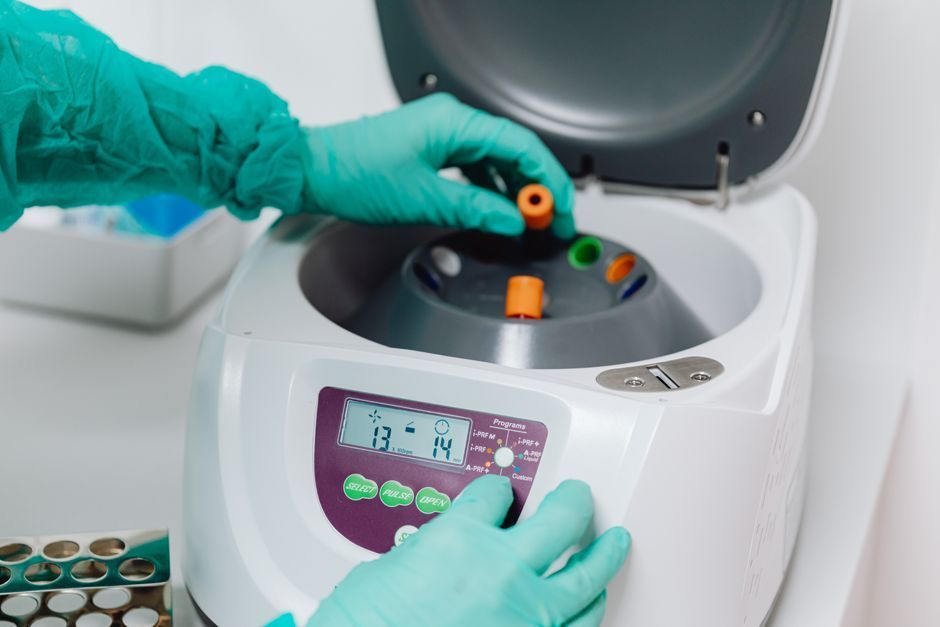
PRP is made by taking a small amount of your blood and spinning it in a centrifuge, which separates the plasma and platelets from the red blood cells. The result is plasma containing a higher concentration of platelets than normal blood.
Platelets release growth factors involved in wound healing, such as PDGF, TGF-beta and VEGF. When PRP is placed in the skin, these signals are thought to stimulate fibroblasts to make new collagen and elastin and to support small blood vessels, which may improve texture, tone and fine lines over time.
PRP can be delivered in three main ways:
- Injection: many small injections into the skin, sometimes around the eyes or on the neck.
- With microneedling: PRP is applied during and after microneedling, a method often called a "vampire facial". See microneedling for acne scars .
- After laser: PRP is applied to the skin straight after fractional laser treatment to support healing.
The same principle is used for thinning hair, described on our PRP for hair loss page.
Does PRP work for skin? What the evidence shows
PRP has moderate evidence for skin. It is most consistently supported as an add-on for acne scars, and less certain for general anti-aging.
- Acne scars: several controlled studies and reviews suggest that adding PRP to fractional laser or microneedling gives somewhat better scar improvement and may shorten redness after treatment, compared with the procedure alone.
- Texture and fine lines: smaller studies report improved texture, firmness and skin quality, but many had few participants and no comparison group.
- Dark circles and under-eye crepiness: results are mixed, and evidence is limited.
PRP preparation methods, platelet concentration and treatment schedules vary widely between clinics and studies, which makes results hard to compare. Expect a gradual, modest improvement rather than a dramatic change.
What happens during a PRP skin treatment?
A PRP session usually takes 45–60 minutes, most of which is preparation. Most people find it uncomfortable rather than painful.
- Your doctor reviews your skin, medical history and medicines. Anti-inflammatory painkillers such as ibuprofen can reduce platelet activity, so ask before stopping or taking anything.
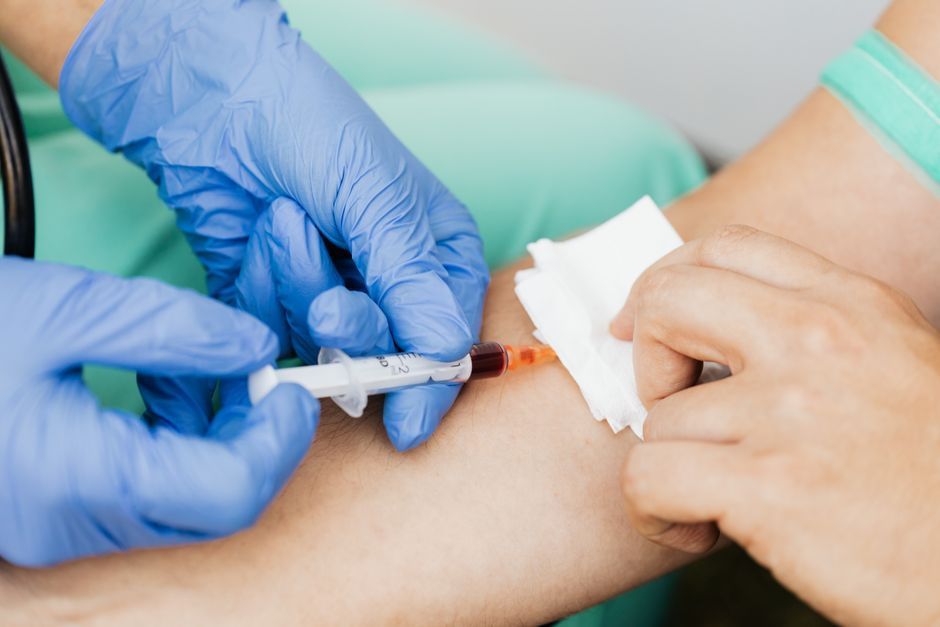
- A small blood sample is taken from your arm, much like a routine blood test.
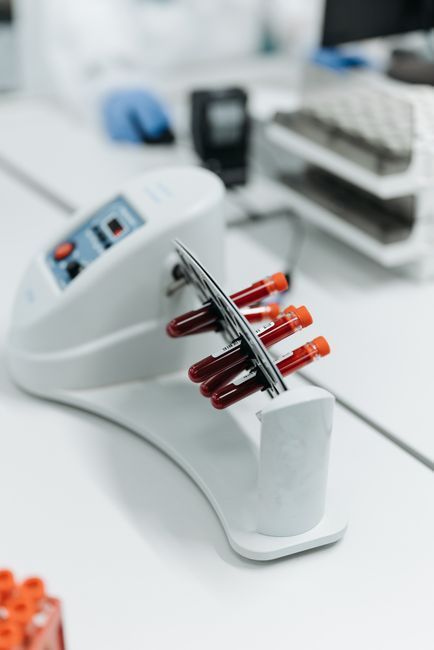
- The blood is spun in a centrifuge to concentrate the platelets.
- Numbing cream is applied to your face for about 30 minutes while the PRP is prepared.
- PRP is injected in small amounts, or applied during microneedling or after laser, depending on your plan.
PRP should always be prepared from your own blood using sterile, single-use equipment, and it must never be shared or reused.
How long does PRP take to work, and how long does it last?
Results build gradually. Skin may look slightly brighter within days as swelling settles, but collagen changes take time, so most people judge results about 4–12 weeks after starting a course.
A common plan is 3 sessions spaced about 4 weeks apart. Improvements often last several months to about a year, and many people choose a maintenance session once or twice a year. Results depend on your age, skin, sun exposure and smoking, and not everyone responds to the same degree.
Aftercare
- Expect redness, mild swelling and pinpoint marks for 1–3 days, and possibly small bruises.
- Avoid makeup for about 24 hours, and use a gentle cleanser and moisturizer.
- Skip saunas, intense exercise, alcohol and active ingredients such as retinoids for 2–3 days.
- Use a broad-spectrum sunscreen every day.
Risks and possible side effects of PRP
Because PRP comes from your own blood, allergic reactions to it are very unlikely. It is still a medical procedure with possible side effects.
- Common and temporary: redness, swelling, tenderness, pinpoint bleeding and bruising for a few days, plus soreness or bruising where blood was drawn.
- Less common: lumps at injection sites, a cold sore flare-up in people prone to them, darker marks after bruising or inflammation, and feeling faint during the blood draw.
- Rare: skin infection, a reaction to the numbing cream and, as with any facial injection, injury to a blood vessel.
Infections, including blood-borne infections, have been reported in other countries when PRP facials were performed in unlicensed settings that reused equipment. This is why PRP should only be prepared and performed in a medical clinic with single-use sterile kits.
Contact the clinic if you notice spreading redness, warmth, pus, fever, or pain that gets worse after the first two days.
PRP vs Rejuran vs exosome treatment: which is right for you?
All three aim to improve skin quality rather than add volume, but they differ in source and evidence. The right choice depends on your skin, budget and preferences.
- PRP: made from your own blood, with moderate evidence, particularly as an add-on for acne scars. Results vary between people and preparation methods.
- Rejuran: a ready-made polynucleotide booster derived from salmon DNA, used for repair, texture and fine lines, and supported mainly by smaller studies.
- Exosome and stem cell skin therapy: an emerging regenerative option with the least clinical evidence of the three.
For deeper scars, a combination such as RF microneedling for scars or subcision with PRP is often more effective than any single booster.
PRP skin treatment at Hommage Clinic
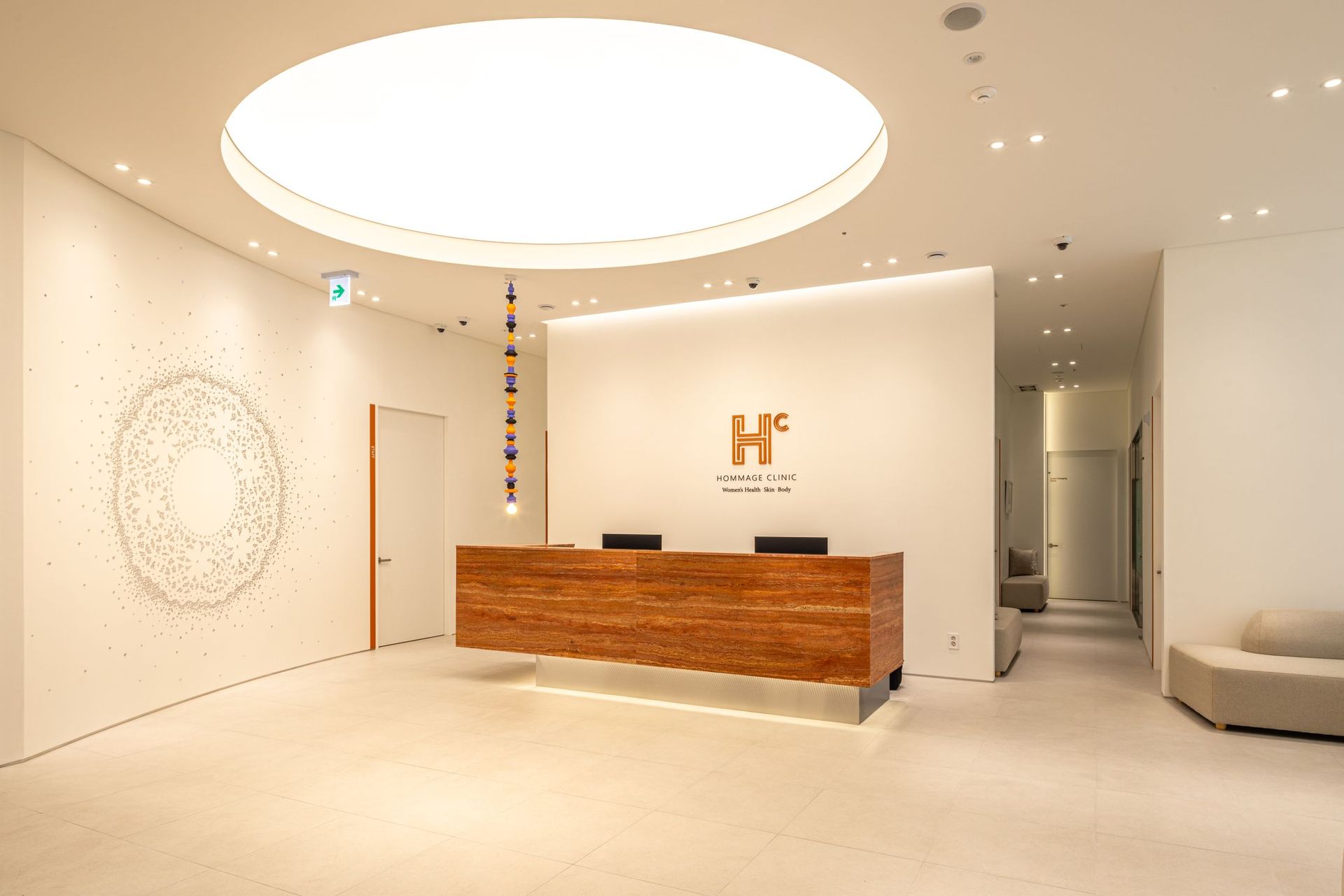
Hommage Clinic is a women's health and skin clinic in Gangnam, a short walk from Sinnonhyeon Station, welcoming walk-ins during opening hours. A doctor assesses your skin, explains how your PRP will be prepared and delivered, and performs the treatment. PRP can be combined with laser or skin booster treatments in one plan. For PRP in intimate care, seePRP vaginal rejuvenation, which is handled by the clinic's gynecology team.
Cost depends on the delivery method, number of sessions and any combined treatments. PRP for skin is cosmetic and not covered by National Health Insurance, and you receive a written quote before treatment. Browse related options in ourskin and aesthetics services.
How it is made
How PRP is prepared, from blood draw to skin
PRP is made fresh at each visit from your own blood. The whole process happens in the treatment room in well under an hour, and every step uses sealed, single-use equipment. Understanding the steps helps you see why preparation quality matters: the way blood is spun and separated changes how many platelets end up in the final plasma, and that is one reason results vary between clinics and studies.
Compare
PRP injections vs PRP microneedling (vampire facial) vs PRP after laser
PRP itself is the same in all three methods; what changes is how it reaches the skin. Injections place it directly into specific areas such as under the eyes. Microneedling and fractional laser create tiny channels that PRP can enter, and the procedure itself does much of the collagen work. That difference matters for expectations: when PRP is added to needling or laser, much of the improvement comes from the procedure, with PRP as a supporting factor.
The best evidence is for the add-on use. A 2022 meta-analysis found that adding PRP to microneedling for acne scars roughly tripled the odds of more than 50% improvement, while a 2024 overview of 13 systematic reviews judged evidence for PRP in general facial rejuvenation insufficient for firm conclusions.
| Compare | Injection | With microneedling | After fractional laser |
|---|---|---|---|
| Often used for | Fine lines, crepey under-eye skin | Texture, pores, shallow acne scars | Acne scars, resurfacing recovery |
| Evidence | Limited, mostly small studies | Best supported for acne scars | Low to very low certainty; may reduce redness |
| Downtime | 1–3 days; small bruises possible | 1–3 days of redness | Depends on the laser used |
| Learn more | This page | Microneedling for acne scars | Fractional laser for acne scars |
Safety first
Is PRP safe? Why sterile, single-use preparation matters
Because PRP is made from your own blood, allergic reactions are very unlikely. The main safety risk is not the PRP itself but how it is handled. In 2024 the US Centers for Disease Control and Prevention reported HIV infections in former clients of an unlicensed spa in New Mexico that offered PRP microneedling facials. Investigators found unlabeled blood tubes stored with food and no equipment for sterilizing instruments. The exact source of contamination was not identified.
The lesson is simple: PRP is a blood procedure and belongs in a medical clinic. At Hommage Women's Clinic, your blood is drawn, labeled, processed and used within the same visit with sealed, single-use kits, by medical staff, and nothing is ever reused or shared.
- Is it done in a licensed medical clinic? PRP involves drawing and handling blood.
- Is the kit sealed and opened in front of me? Tubes, needles and cartridges should be single-use.
- Is my tube labeled with my name? Your blood should never leave your sight unlabeled.
- Is a doctor checking my blood history? Platelet problems, anemia and blood thinners matter.
 Hommage · Gangnam
Hommage Women's Clinic · Gangnam, Seoul
Your blood is drawn into sealed, labeled tubes and used the same visit. Illustrative photo.
 Hommage · Gangnam
Hommage Women's Clinic · Gangnam, Seoul
A consultation sets realistic expectations before any blood is drawn. Illustrative photo.
Realistic expectations
What PRP can and cannot do for your skin
PRP is often marketed as a natural fountain of youth. The honest picture is narrower. It is a supporting treatment that may help skin heal and renew, and its best-supported role is alongside a procedure that does the main work.
What PRP may help with
- Shallow acne scars, when combined with microneedling or fractional laser.
- Recovery after resurfacing, with some studies reporting less redness.
- Mild dullness and rough texture, gradually and modestly.
What PRP does not do
- Add volume or fill hollows; consider dermal fillers or collagen stimulators.
- Lift sagging skin; consider HIFU or thread lifting.
- Remove brown pigment such as melasma.
Timeline
PRP facial results timeline: sessions and maintenance
PRP is a slow treatment. Swelling settles in a few days, and any early glow is mostly from that. Real change, if it comes, follows collagen renewal over weeks. The illustration shows a typical three-session course and when it is fair to judge results.
 Hommage · Gangnam
Hommage Women's Clinic · Gangnam, Seoul
The blood draw feels like a routine blood test. Illustrative photo.
Before and after
PRP preparation and aftercare: do's and don'ts
Because PRP depends on healthy platelets, what you do in the days before matters as well as aftercare. Drink water and eat normally on the day so the blood draw goes smoothly, and ask your doctor before changing any medicine. You receive written instructions and can message the clinic during recovery.
Do
- Drink water and eat a normal meal before your visit
- Tell the doctor about blood thinners, supplements and anemia
- Use acetaminophen (paracetamol) for discomfort if needed
- Cleanse gently and use sunscreen daily
- Report spreading redness, warmth, pus or fever
Don't
- Take ibuprofen or aspirin around treatment unless your doctor agrees
- Stop a prescribed blood thinner on your own
- Wear makeup for about 24 hours
- Use saunas, hard exercise, alcohol or retinoids for 2–3 days
- Massage or press on injection points
Evidence
Does PRP for the face work? What the research says
PRP is popular, but the quality of evidence varies a lot by use. For acne scars, when added to microneedling or laser, controlled studies point in a consistently positive direction. For general facial rejuvenation, a careful 2024 overview concluded the evidence is too weak for firm conclusions. We share both so you can decide with realistic expectations.
Acne scars with microneedling
Higher odds of >50% improvement when PRP is added; 14 studies, 472 patients.
Kang & Lu, Front Med, 2022Patient satisfaction
Higher with PRP plus microneedling than needling alone; no clear rise in severe redness or swelling.
Kang & Lu, 2022Reviews on facial rejuvenation
Covering 28 primary studies, 18 of them uncontrolled; evidence judged insufficient for firm conclusions.
Cruciani et al., Blood Transfus, 2024Reviews tracked side effects
Adverse events were a planned outcome in only two reviews, a gap in the research.
Cruciani et al., 2024Traveling to Seoul
PRP for skin in Seoul for international patients
A single PRP session takes under an hour and fits easily into a short trip, with 1–3 days of redness. A full course needs sessions about 4 weeks apart, so visitors often combine one session with each trip, or pair PRP with a microneedling or laser session they are already having. Hommage Women's Clinic is in Gangnam, a short walk from Sinnonhyeon Station.
Before you book
- Message your concern and preferred dates by WhatsApp, KakaoTalk or the contact form.
- Tell us about blood thinners, anemia, low platelets, pregnancy or breastfeeding.
- Eat and drink normally on the day; bring your passport and a list of medicines.
- Ask for language support if you need it.
After you fly home
Flying the next day is generally fine. Keep up sun protection and send photos to the clinic if you notice anything unexpected.
 Hommage · Seoul
Hommage Women's Clinic · Gangnam, Seoul
Gangnam: the clinic is a short walk from Sinnonhyeon Station. Illustrative photo.
 Hommage · Gangnam
Hommage Women's Clinic · Gangnam, Seoul
How PRP is spun and separated affects platelet concentration. Illustrative photo.
Choosing well
How to choose a clinic for PRP in Seoul
PRP is offered in many settings, from medical clinics to spas. Because it involves your blood, choose carefully. Use these questions at any consultation, including ours:
- Is a doctor responsible for my treatment? A physician should assess you and supervise the procedure.
- How is the PRP prepared? Ask about the kit and how many times blood is spun.
- Is the evidence explained honestly? Be wary of promises of dramatic anti-aging.
- Is PRP the best choice for my concern? Volume, sagging or pigment need other treatments.
- What is combined with it and why? Microneedling or laser often does most of the work.
- Is there a written quote and aftercare plan? Before you start, not after.
What affects the cost of PRP for skin?
The total depends on the delivery method (injection, microneedling or after laser), the number of sessions, the area treated and whether it is combined with another procedure such as RF microneedling or skin boosters. PRP for skin is cosmetic and not covered by National Health Insurance, and you receive a written quote before treatment.
Your visit
What to expect at your PRP skin appointment
01
Skin assessment
Dr. Kim reviews your skin, scars, medicines and blood-related conditions, and agrees whether PRP is used alone or with microneedling or laser.
02
Blood draw
A small sample is taken from your arm and spun in a centrifuge to concentrate the platelets.
03
Numbing and treatment
After about 30 minutes of numbing cream, PRP is injected or applied according to your plan.
04
Aftercare and next session
You receive written aftercare, and the next session is usually about 4 weeks later.
Your doctor
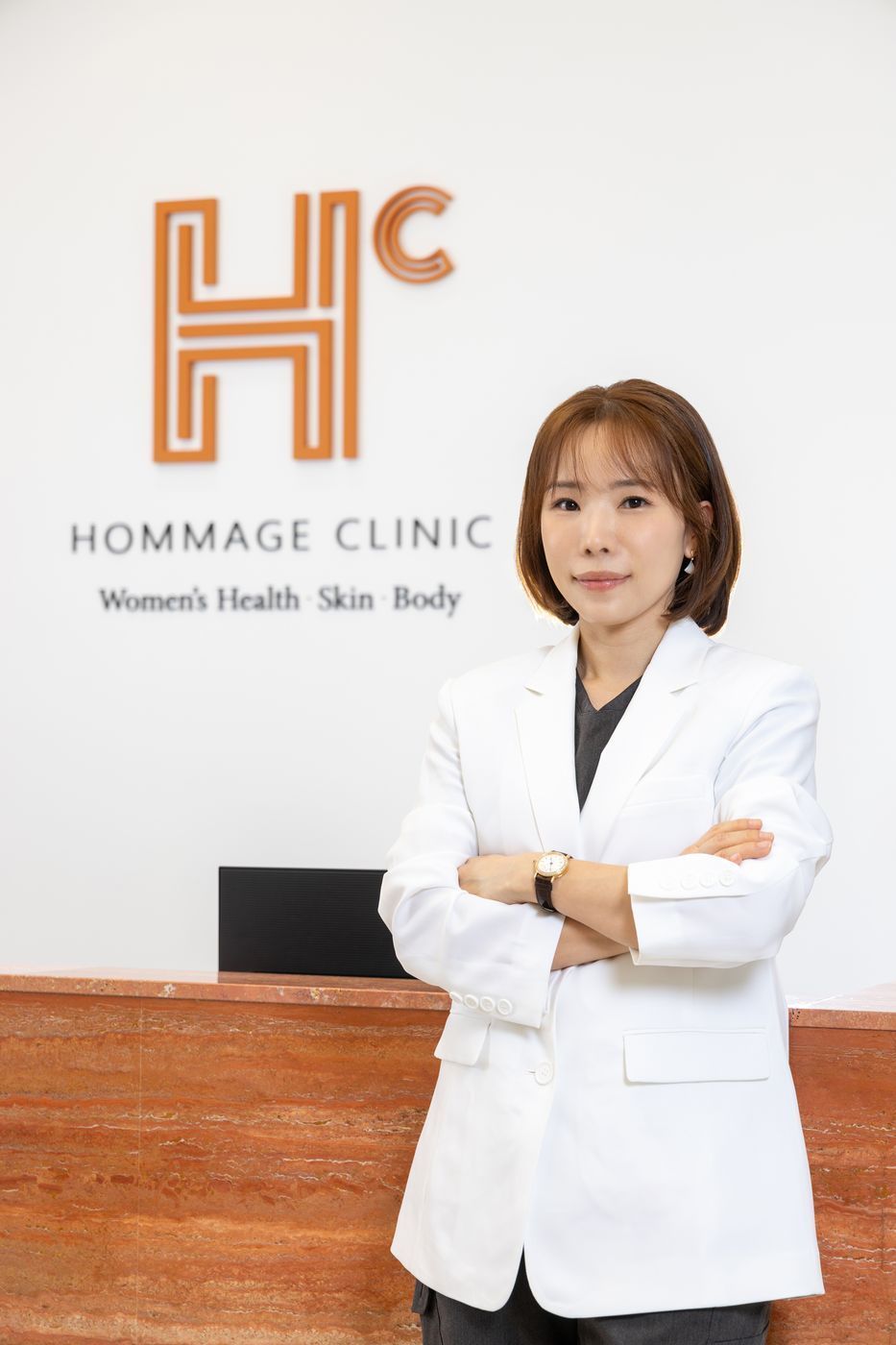
Dr. Kim Hyunbin
Associate Director · Skin & Aesthetic Treatments
Dr. Kim presents PRP for skin as a gradual, moderate-evidence option and often recommends it as an add-on to microneedling or laser for acne scars rather than as a standalone fix. Blood-related conditions and medicines are checked first, because they affect both safety and results.
Associate director dedicated to skin and aesthetic procedures, with extensive experience in lifting, botulinum toxin, fillers and laser treatments.
PRP for skin: frequently asked questions
Does PRP for the face hurt?
Most people describe PRP as uncomfortable rather than painful. Numbing cream is applied for about 30 minutes, and you feel pinpricks and pressure during injections or microneedling. The blood draw feels like a routine blood test. Tenderness and redness usually settle within one to three days.
How many PRP sessions do I need for my skin?
A typical course is 3 sessions about 4 weeks apart, followed by maintenance once or twice a year. For acne scars, PRP is usually paired with each session of microneedling or fractional laser. Your doctor adjusts the number of sessions to your skin and how it responds.
Is a vampire facial the same as PRP?
"Vampire facial" is a popular name for microneedling combined with PRP applied to the skin. It is one way of delivering PRP; injections and application after laser are others. Whatever the name, the PRP should be prepared from your own blood in a medical clinic with sterile, single-use equipment.
How long does PRP for skin last?
Improvements often last several months to about a year. Because your skin keeps aging, the effect fades gradually, so many people choose a maintenance session once or twice a year. Daily sunscreen, not smoking and a consistent skincare routine help results last longer.
Can I take painkillers before or after PRP?
Anti-inflammatory painkillers such as ibuprofen and aspirin can reduce platelet activity, so your doctor may advise avoiding them for a few days before and after PRP if this is safe for you. Acetaminophen (paracetamol) is usually acceptable. Never stop a prescribed blood thinner without your own doctor's advice.
Is PRP safe during pregnancy or breastfeeding?
PRP is usually postponed during pregnancy and breastfeeding, because cosmetic treatments have not been studied in these groups and anemia is common in pregnancy. Skin concerns such as melasma during pregnancy can be discussed separately; see skin care for hormonal changes.
Can foreigners get PRP treatment in Seoul?
Yes. International patients and foreign residents can have PRP at Hommage Clinic; bring your passport for registration. A course usually needs sessions about 4 weeks apart, so plan around your stay. Contact us before your visit to arrange language support; you can walk in during opening hours or book ahead for a set time.
Does PRP really work for skin, or is it hype?
It depends on the use. Adding PRP to microneedling for acne scars has fairly consistent support from controlled studies. For general anti-aging, a 2024 overview of 13 systematic reviews found the evidence too weak for firm conclusions. Expect a modest, gradual change rather than a dramatic one.
Can PRP get infected or transmit disease?
Infection is rare when PRP is prepared from your own blood in a medical clinic with sealed, single-use kits. The serious infections reported abroad, including HIV cases linked to an unlicensed spa in New Mexico, involved unsafe settings. Always confirm that a licensed clinic and new sterile equipment are used.
Is PRP or Rejuran better for my skin?
They work differently. PRP is made from your own blood and is best supported as an add-on for acne scars. Rejuran is a ready-made polynucleotide booster used for repair and texture. Your doctor can suggest one, or a combination, based on your skin and goals.
Can PRP treat dark circles under the eyes?
Results for dark circles are mixed and the evidence is limited. PRP may help crepey, thin skin a little, but it does not fix hollowness or pigment. Hollows may respond better to under-eye filler, and pigment to targeted treatment.
Who should not have PRP?
PRP is not suitable if you have a low platelet count, a bleeding disorder, significant anemia, an active skin infection or cold sore, are being treated for cancer, or are pregnant or breastfeeding. Blood thinners also need discussion. Your doctor checks these before treatment.
Can PRP be combined with other treatments on the same day?
Yes. PRP is often applied during microneedling or straight after fractional laser, and can be part of a plan with skin boosters. The doctor plans the order so each treatment can heal properly.
References
Sources used for this page, reviewed by Dr. Kim Hyunbin. Read our editorial and medical review policy.
- Cruciani M, Masiello F, Pati I, Pupella S, De Angelis V. Platelet rich plasma for facial rejuvenation: an overview of systematic reviews. Blood Transfus. 2024;22(5):429–439. Full text
- Kang C, Lu D. Combined effect of microneedling and platelet-rich plasma for the treatment of acne scars: a meta-analysis. Front Med. 2022;8:788754. Full text
- Stadelman-Behar AM, Gehre MN, Atallah L, et al. Report on presumptive HIV transmission associated with cosmetic PRP microneedling at an unlicensed spa, New Mexico. MMWR Morb Mortal Wkly Rep. 2024;73:372–376. doi:10.15585/mmwr.mm7316a3. Summary (The Aesthetic Society)
This page is general information and does not replace a personal consultation. Illustrations are original works of Hommage Women's Clinic, Gangnam, Seoul; photos marked illustrative are not of patients.
Related regenerative and scar treatments
Rejuran
Salmon-derived polynucleotide booster for skin repair, texture and fine lines.
Stem Cell Skin Therapy
Exosome and regenerative skin treatments, with the evidence explained honestly.
Microneedling for Acne Scars
Fine-needle treatment for scars, often combined with PRP.
Fractional Laser for Acne Scars
Laser resurfacing for scars, with PRP as an optional add-on.
PRP for Hair Loss
Platelet-rich plasma scalp injections for thinning hair, after checking the cause.
PRP Vaginal Rejuvenation
PRP in intimate care, with an OB/GYN specialist.
Find out whether PRP suits your skin
Book a consultation with Dr. Kim Hyunbin in Gangnam to compare PRP with boosters and scar treatments, with a written quote before treatment.
Hommage Clinic · 4F, Building A, 509 Gangnam-daero, Seoul (near Sinnonhyeon Station) · Mon & Fri 10:00–20:00 · Tue–Thu 10:00–19:00 · Sat 10:00–15:00