
Skin & Aesthetics · Pigment lasers
Laser Toning in Seoul: The Korean Laser Facial for Even Skin Tone
Laser toning is a series of low-energy laser sessions, usually with a 1064 nm Q-switched or picosecond laser, that gradually breaks up excess pigment and brightens dull, uneven skin with very little downtime. At Hommage Clinic in Gangnam, Seoul, Dr. Hwang Seonhwa diagnoses the cause of your uneven tone first and spaces sessions to avoid overtreatment.
Quick answer
Laser toning, often called the Korean laser facial, is a course of low-energy 1064 nm laser sessions that gradually lighten diffuse pigment such as melasma and post-acne marks. At Hommage Women's Clinic in Gangnam, Seoul, Dr. Hwang Seonhwa diagnoses the pigment first. Each session takes about 10–20 minutes with only a few hours of redness; most people need 5–10 sessions, 1–4 weeks apart, with brightening usually noticeable after 3–5.
Key takeaways
- Toning is for diffuse, uneven pigment; single, well-defined spots usually clear faster with spot treatment.
- Melasma improves but tends to return, so toning is combined with sunscreen, creams and sometimes tranexamic acid.
- Too many, too-frequent sessions can cause lasting white spots, so sessions are spaced and counted.
- There is no crusting, so you can usually wear makeup the next day.
Infographic
Laser toning in numbers
Per session
Full face, usually without numbing cream.
Sessions in a course
Then maintenance only if needed.
Between sessions
Set by your doctor, not by a package.
Sessions to notice change
Brightening builds gradually.
Usual wavelength
Q-switched or picosecond Nd:YAG with a wide, flat beam.
Visible redness
Makeup is usually fine the next day.
Laser toning at a glance
| Key fact | Details |
|---|---|
| Treatment time | About 10–20 minutes for the full face |
| Comfort | Light snapping and warmth; numbing cream is usually not needed |
| Sessions | Typically a course of 5–10 sessions, 1–4 weeks apart |
| Downtime | Minimal: mild redness for a few hours; makeup usually the next day |
| Results visible | Gradual brightening, usually noticeable after 3–5 sessions |
| How long results last | Varies; pigment returns with sun exposure and hormones, so maintenance is common |
| Reviewed by | Dr. Hwang Seonhwa, physician for skin and aesthetic treatments |
Laser toning may suit you if you have
- Dull, uneven or blotchy skin tone
- Mild to moderate melasma, as part of a wider treatment plan
- Brown marks left after acne or irritation (post-inflammatory pigmentation)
- Little time for downtime and a preference for gradual change
Wait or talk to us first if you
- Are pregnant or breastfeeding
- Have a sunburn, fresh tan, active eczema or skin infection on the face
- Have had many toning sessions recently or notice white spots after past lasers
- Have a spot that is growing, bleeding or changing shape
What is laser toning?
Laser toning delivers low-energy laser pulses over the whole face in several even passes. The aim is to break up pigment a little at a time without wounding the skin, so there is no crusting and very little redness.
Most toning uses a 1064 nm Nd:YAG laser in either nanosecond (Q-switched) or picosecond pulses with a large, flat beam. This wavelength passes the surface and reaches pigment in the deeper epidermis and upper dermis while putting relatively little heat into the skin, which matters because Asian skin is prone to darkening after inflammation. Many patients and clinics in Korea call it a “Korean laser facial”, but it is a medical laser treatment and is planned by a doctor as part of our skin and aesthetic treatments .
What does laser toning treat?
Laser toning works mainly on diffuse, uneven pigment rather than single dark spots. Common reasons to have it are:
- Melasma: low-energy toning is one option within a melasma treatment plan that also includes sun protection and topical or oral medication such as tranexamic acid .
- Dull or uneven tone: a general brightening effect across the face. See also skin tone evenness therapy .
- Post-inflammatory pigmentation: brown marks after acne, insect bites or irritation.
- Mild pore and texture concerns: a modest secondary benefit from gentle dermal heating.
Well-defined freckles and sun spots usually clear faster with targeted spot treatment from a pico laser or Q-switched laser.
What happens during a laser toning session?
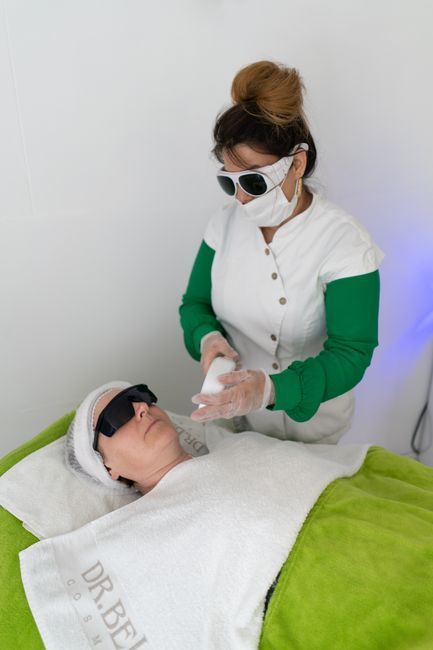
A session is quick, usually 10–20 minutes of laser time. Your face is cleansed, makeup is removed and you wear protective eye shields.
The doctor passes the handpiece over the face several times, checking the skin's response as the session goes on. Most people feel a light snapping and mild warmth. Afterward, a soothing mask or cooling may be applied, followed by sunscreen. You can return to work or sightseeing the same day.
How many laser toning sessions do you need, and how long do results last?
Most people need a course of about 5–10 sessions, typically 1–4 weeks apart, with brightening becoming noticeable after 3–5 sessions. Results build gradually rather than appearing overnight.
How long results last depends on the cause of the pigment. Post-acne marks may not return once cleared. Melasma is chronic and often comes back with sun, heat and hormonal change, so maintenance sessions and daily sun protection are usually part of the plan.
- Aftercare: use a gentle cleanser and moisturizer, apply broad-spectrum SPF 30 or higher every day and reapply outdoors.
- Avoid for a few days: saunas, scrubs, peels, and retinoid or acid products, unless your doctor says otherwise.
Risks and possible side effects
Laser toning is gentle, but side effects can still occur. Short-lived redness, mild swelling, dryness and acne-like breakouts may last a day or two.
The more important risks relate to overtreatment:
- Mottled white spots (hypopigmentation): reported after many frequent toning sessions, especially in Asian skin. They can last a long time, which is why the number and spacing of sessions are limited.
- Rebound darkening: pigment may get darker, particularly in melasma, if the skin becomes irritated or the energy is too high.
- Uncommon effects: small blisters, cold sore flare-ups or eye injury if eye protection is not used.
Contact the clinic if your skin darkens, develops light patches, blisters, or shows signs of infection after a session.
Laser toning vs pico toning vs IPL: which is right for you?
All three can brighten uneven skin, but they suit different skin types and lesions. Q-switched 1064 nm toning is the classic approach for melasma and diffuse pigment. Pico toning uses shorter pulses with less heat and may suit people who darken easily, though evidence of a clear advantage is mixed.
IPL treats scattered brown spots and redness at the same time, but it is riskier in melasma and in tanned or darker skin. Your doctor will recommend one approach, or a combination, after examining your skin.
Laser toning at Hommage Clinic
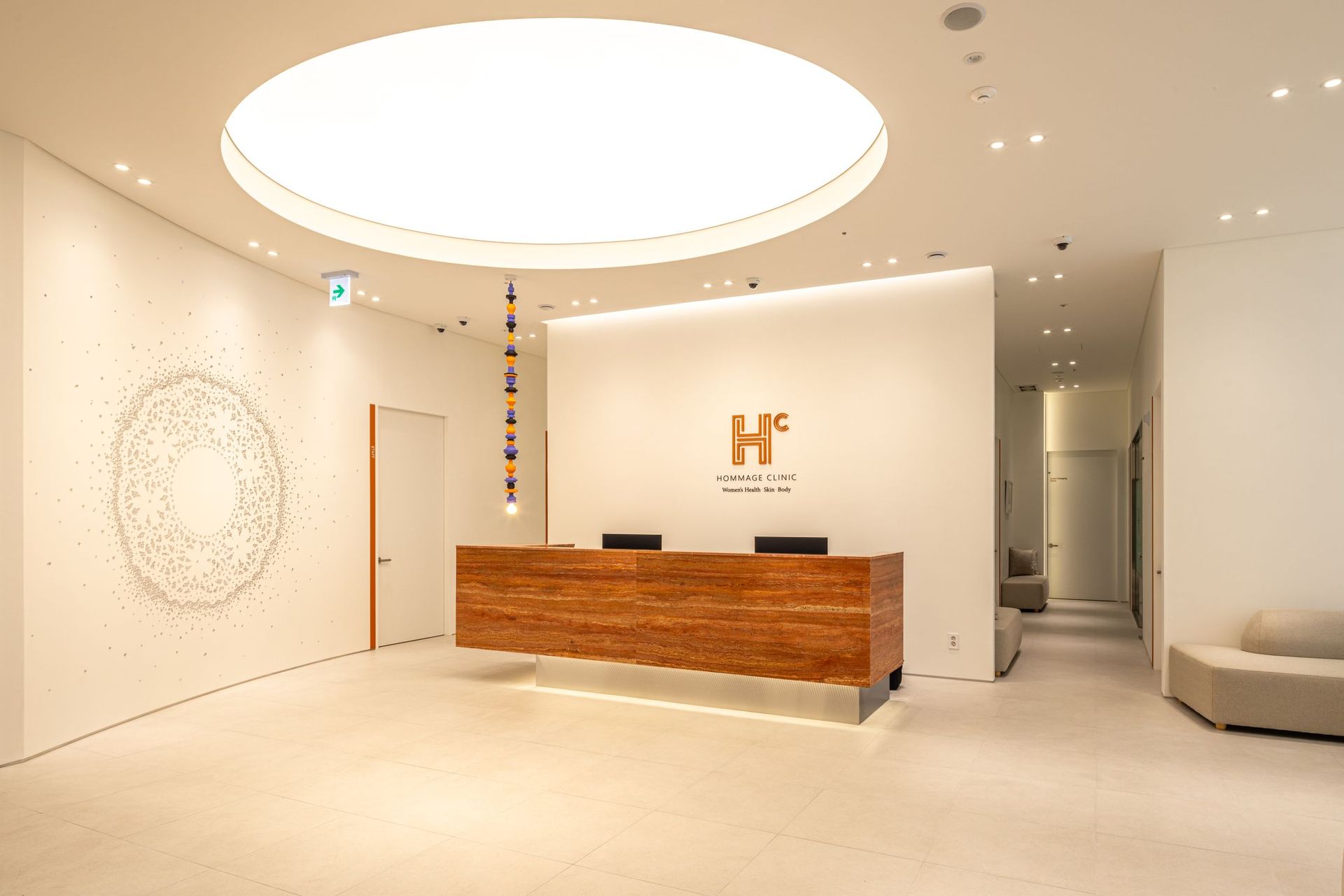
At Hommage Clinic in Gangnam, a short walk from Sinnonhyeon Station, laser toning starts with a diagnosis rather than a package. Dr. Hwang Seonhwa separates melasma, freckles, sun spots and post-acne marks, then decides whether toning fits and how many sessions are reasonable. Walk-ins are welcome during opening hours, and the same physician-led team reviews your progress at each visit.
Because Hommage is also a women's health clinic, pigment that changes with pregnancy, the pill or menopause can be discussed with our gynecology team; seeskin care for hormonal changes. Cost depends on the number of sessions and any combined treatment. Cosmetic laser toning is not covered by National Health Insurance, and you receive a written quote before starting.
Mechanism
How laser toning works: low energy, many passes
A standard pigment laser uses enough energy to destroy a spot in one go, which is why the spot crusts. Laser toning does the opposite. It uses a wide, flat beam at low energy (in published studies, roughly 0.5–3.8 J/cm² with a 6–10 mm spot) and passes over the face several times. Each pass breaks up a little of the pigment stored inside skin cells without killing the pigment cells or wounding the surface, so there is no crust and the skin looks normal within hours.
Because each session does only a little, results come from the course as a whole. The 1064 nm wavelength is used because it passes through the surface with relatively little absorption by surface melanin, which lowers the risk of burns and darkening in Asian skin. The trade-off is that the effects are gradual, and the total energy delivered over many sessions has to be watched carefully.
Your course
Laser toning sessions schedule: what a typical course looks like
A laser toning course is planned in stages with review points, rather than as an open-ended number of visits. In a 2022 systematic review of 42 studies, most protocols used about 9–10 sessions at 1–2 week intervals. At Hommage, a course is usually 5–10 sessions, 1–4 weeks apart, and your skin is photographed and reviewed before the course continues. If there is no meaningful change after the first several sessions, or any sign of light spots appears, the plan is changed rather than repeated.
Compare options
Q-switched toning vs pico toning vs IPL at a glance
These three are often offered side by side in Seoul. They overlap, but each has a place. The comparison below is a starting point for your consultation, not a ranking.
Q-switched toning
- Nanosecond 1064 nm pulses
- Most studied option for melasma
- Minimal downtime
- Spacing matters to avoid white spots
Pico toning
- Picosecond pulses, less heat
- May suit skin that darkens easily
- Clear advantage over Q-switched not proven
- See pico laser
IPL
- Not a laser; many wavelengths at once
- Treats brown spots and redness together
- Riskier in melasma and tanned skin
- See IPL
 Hommage · Gangnam
Hommage Women's Clinic · Gangnam, Seoul
Each toning session takes about 10–20 minutes with eye protection on. Illustrative photo.
Safety
How often is laser toning safe? Avoiding white spots
The best-known problem with laser toning is mottled hypopigmentation: small, confetti-like white spots that can last for years. It is linked to high total energy, which builds up when sessions are too frequent, too strong or simply too many. In one retrospective analysis of 177 patients cited in a 2022 systematic review, 11.9% developed these spots within 10 sessions. In a small Singapore case series, all 23 women who had toning three times a week for two months developed white spots, and none had repigmented when followed up months later.
These are small studies, but the message is consistent: more is not better. Dr. Hwang counts every session, keeps intervals of at least one week, and stops or changes the plan at the first sign of light patches. Tell us about any toning you have had at other clinics, including at home or abroad.
 Hommage · Gangnam
Hommage Women's Clinic · Gangnam, Seoul
Simple skin care and daily sunscreen keep laser toning results. Illustrative photo.
Aftercare
Laser toning aftercare: do's and don'ts
Laser toning has little downtime, but the days between sessions decide how well it works. Sun, heat and irritation all push pigment back, especially in melasma.
Do
- Apply broad-spectrum SPF 30+ daily and reapply outdoors
- Use a gentle cleanser and a plain moisturizer
- Wear a hat in strong sun, even in winter in Seoul
- Keep using any prescribed brightening cream
- Tell the clinic about pale dots or new darkening
Don't
- Use saunas, scrubs or peels for a few days
- Restart retinoids or acids until advised
- Add extra toning at another clinic between sessions
- Tan or sunbathe during the course
- Rub or massage the face hard while pink
Melasma
Laser toning for melasma: why it works best as part of a plan
Melasma is the most common reason people in Korea ask about laser toning. It is driven by sun, visible light, heat and hormones, and it involves blood vessels and inflammation as well as pigment. A laser on its own addresses only part of that, which explains why melasma so often returns after a course of toning stops.
A 2022 systematic review of low-fluence 1064 nm toning found that combining it with other treatments, such as oral tranexamic acid, chemical peels, azelaic acid or other light devices, generally reduced side effects, and some combinations worked better than toning alone. In practice, a melasma plan at Hommage usually includes:
- Daily broad-spectrum sunscreen, ideally tinted to block visible light as well
- A prescription brightening cream where appropriate
- Oral or topicaltranexamic acidfor suitable patients, after a health check
- A measured toning course, then occasional maintenance
See our fullmelasma treatmentguide for how these fit together.
 Hommage · Gangnam
Hommage Women's Clinic · Gangnam, Seoul
Sun and heat are the main reasons melasma returns after toning. Illustrative photo.
Evidence
Does laser toning work? What the research says
Laser toning has been studied mostly for melasma, and mostly in Asian patients. The research supports it as a generally effective and safe option when used carefully, but it also shows two clear weaknesses: melasma often comes back, and overtreatment can cause white spots. The numbers below come from a 2022 systematic review and a published case series.
Studies reviewed
1,736 patients treated with low-fluence 1064 nm toning for melasma.
Lee et al., Medicina, 2022Typical sessions
Most protocols used sessions 1–2 weeks apart.
Lee et al., Medicina, 2022White spots within 10 sessions
21 of 177 patients in one retrospective analysis.
Cited in Lee et al., 2022Melasma back at 1 year
8 of 21 patients in one study; other studies reported higher rates.
Cited in Lee et al., 2022Traveling to Seoul
Laser toning in Seoul for international patients
Laser toning is popular with visitors because there is no crusting and you can sightsee the same day. The catch is that it works as a course, so one session on a short trip gives limited change. Hommage Women's Clinic is in Gangnam, a short walk from Sinnonhyeon Station (Line 9 and Shinbundang Line).
Making it work on a trip
- Short visit (2–7 days): an assessment and one toning session, plus a written plan you can continue at home.
- Longer stay (2–4 weeks): two to four sessions, about a week apart, with photo review.
- Repeat visitors and residents: a full 5–10 session course with planned reviews.
What to bring
Your passport, a list of medicines and supplements, details of any laser toning you have had elsewhere (number of sessions and dates), sunscreen and a hat. Send questions and preferred dates by WhatsApp, KakaoTalk or the contact form before you travel.
 Hommage · Seoul
Hommage Women's Clinic · Gangnam, Seoul
Seoul: the clinic is in Gangnam, a short walk from Sinnonhyeon Station. Illustrative photo.
 Hommage · Gangnam
Hommage Women's Clinic · Gangnam, Seoul
A good toning plan has a set number of sessions and review dates. Illustrative photo.
Choosing well
How to choose a laser toning clinic in Seoul
Laser toning is often sold in large packages. These questions help you judge any offer, including ours:
- Is my pigment diagnosed by a doctor first? Toning suits diffuse pigment and melasma; other spots may need a different laser.
- How many sessions, and how far apart? A clear number and interval, not unlimited weekly visits.
- Who sets the energy? Settings should be chosen and adjusted by a physician.
- Are photos taken and compared? Objective review is how overtreatment is caught early.
- What else is in the plan? For melasma, sunscreen and medication matter as much as the laser.
- What happens if white spots appear? The clinic should stop or change the plan, not continue.
What affects laser toning cost in Seoul?
The price depends on the number of sessions in your course, whether a Q-switched orpico laseris used, the size of the area, and whether toning is combined with creams,tranexamic acid therapyor abrightening facial. Cosmetic laser toning is not covered by Korea's National Health Insurance, and you receive a written quote after your assessment.
Your visit
What to expect at your laser toning appointment
01
Skin assessment
Dr. Hwang examines your pigment, asks about sun exposure, hormones and previous lasers, and confirms whether toning is suitable.
02
Cleansing and protection
Makeup is removed, your skin is photographed for comparison, and eye shields are put on.
03
Toning passes
About 10–20 minutes of low-energy laser passes, adjusted to how your skin responds.
04
Soothing and plan
Cooling and sunscreen are applied, and your next session is scheduled, usually 1–4 weeks later.

Your doctor
Dr. Hwang Seonhwa
Physician · Skin & Aesthetic Treatments
Dr. Hwang uses laser toning as one part of a pigment plan rather than an open-ended package, keeping energy conservative and reviewing the skin at each session for early signs of irritation or light spots.
Physician for face and skin procedures, including lifting, laser and skin-improvement treatments, planned around facial proportions and skin condition.
Laser toning: frequently asked questions
Does laser toning hurt?
Laser toning is usually well tolerated. Most people feel a light snapping sensation and mild warmth, and numbing cream is rarely needed. Sensitive areas such as the upper lip and around the nose may feel slightly sharper. Tell the doctor during the session if anything feels too hot.
How often should I get laser toning?
Sessions are usually 1–4 weeks apart during an initial course of about 5–10 sessions, then spaced out for maintenance if needed. Having toning too often, or for too many sessions in a row, increases the risk of white spots and rebound darkening, so intervals are set by your doctor rather than by a fixed package.
Can laser toning remove melasma completely?
No treatment removes melasma permanently. Laser toning can lighten it, especially combined with sun protection, topical treatment and sometimes tranexamic acid, but melasma tends to return with sun, heat and hormonal changes. Long-term maintenance is usually needed. See our melasma treatment page for the full plan.
Can I wear makeup after laser toning?
Yes, usually from the next day, and some people apply light makeup the same evening. Use clean brushes and gentle products, and avoid exfoliating cleansers for a few days. Apply sunscreen every morning, since protecting the skin from UV is essential for keeping the results of toning.
Is laser toning safe during pregnancy or breastfeeding?
Cosmetic laser treatments, including laser toning, are generally postponed during pregnancy. Pregnancy-related pigmentation often fades on its own after delivery, and treatment decisions are easier once hormones settle. If you are breastfeeding, discuss timing and any medication, such as tranexamic acid, with your doctor before starting.
Can foreigners get laser toning in Seoul?
Yes. Visitors and foreign residents can book laser toning at Hommage Clinic; bring your passport for registration. Because toning is designed as a course over several weeks, a single session on a short trip gives limited change. Contact us before your visit to arrange language support and plan the timing.
What is a Korean laser facial?
"Korean laser facial" is a popular name for laser toning: a series of low-energy 1064 nm laser sessions over the whole face to even out tone. Despite the name, it is a medical laser treatment rather than a spa facial, and it should be planned by a doctor after diagnosing your pigment.
How many laser toning sessions until I see results?
Most people notice gradual brightening after about 3–5 sessions, with more change across a full course of 5–10. If there is little change after several sessions, the plan should be reviewed rather than simply extended, because extra sessions add risk without guaranteed benefit.
Can laser toning cause white spots?
Yes. Mottled hypopigmentation, small pale dots, is a known risk of frequent or high-energy toning. One analysis cited in a 2022 systematic review found it in 11.9% of patients within 10 sessions. Spacing sessions, counting them and stopping at the first sign of pale spots lowers the risk.
Is pico toning better than laser toning?
Pico toning uses shorter pulses with less heat and may suit skin that darkens easily. A 2023 meta-analysis found the 1064 nm picosecond laser reduced melasma scores, but there is no clear proof that it is better than Q-switched toning overall. See pico laser treatment.
Does laser toning help acne marks and pores?
It can lighten flat brown marks left after acne, which often also fade with time and sun protection. The effect on pores and texture is modest. For active acne or acne scars, other treatments are usually more effective, and your doctor will suggest the right one.
Can I combine laser toning with other treatments?
Yes, and for melasma this often works better. Common combinations include sunscreen and prescription creams, oral or topical tranexamic acid, and gentle brightening facials. Peels and other lasers are timed so they do not irritate the skin in the same week.
How long do laser toning results last?
It depends on the cause. Post-acne marks often stay clear once faded. Melasma frequently returns: in one study cited in a 2022 review, it came back in 38% of patients within a year, and other studies reported higher rates. Daily sunscreen and occasional maintenance help results last longer.
References
Sources used for this page, reviewed by Dr. Hwang Seonhwa. Read our editorial and medical review policy.
- Lee YS, Lee YJ, Lee JM, Han TY, Lee JH, Choi JE. The low-fluence Q-switched Nd:YAG laser treatment for melasma: a systematic review. Medicina. 2022;58(7):936. PMC
- Tian B. The Asian problem of frequent laser toning for melasma. J Clin Aesthet Dermatol. 2017;10(7):40–42.
- Feng J, Shen S, Song X, Xiang W, et al. Efficacy and safety of picosecond laser for the treatment of melasma: a systematic review and meta-analysis. Lasers Med Sci. 2023;38:84. PubMed
This page is general information and does not replace a personal consultation. Illustrations are original works of Hommage Women's Clinic, Gangnam, Seoul; photos marked illustrative are not of patients.
Related pigment and tone treatments
Pico Laser Treatment
Ultra-short pulse laser for freckles, sun spots, dermal pigment and texture.
Melasma Treatment
A long-term plan for hormonal, relapsing brown patches on the cheeks and forehead.
Tranexamic Acid Therapy
Oral and topical tranexamic acid as part of melasma and pigment care.
Skin Tone Evenness Therapy
A combined plan for blotchy, dull or uneven skin tone.
Brightening Facial
Gentle in-clinic facials that support brightness between laser sessions.
Skin Care for Hormonal Changes
How pregnancy, the pill and menopause affect pigment, acne and skin.
Plan a laser toning course that fits your skin
Book a skin assessment with Dr. Hwang Seonhwa in Gangnam to find out what is causing your uneven tone and how many sessions are reasonable.
Hommage Clinic · 4F, Building A, 509 Gangnam-daero, Seoul (near Sinnonhyeon Station) · Mon & Fri 10:00–20:00 · Tue–Thu 10:00–19:00 · Sat 10:00–15:00