
Skin & Aesthetics · Acne
Extraction Facial in Seoul: Hygienic, Doctor-Planned Acne Care
An extraction facial is a skin treatment in which clogged pores, such as blackheads and whiteheads, are cleared with sterile instruments after the skin is cleansed and softened, followed by calming care. At Hommage Clinic in Gangnam, Seoul, Dr. Hwang Seonhwa examines your acne first, decides which spots are safe to extract, and adds medical treatment when breakouts need more than a facial.
Quick answer
An extraction facial clears blackheads and whiteheads with sterile instruments after the skin is cleansed and softened, followed by calming care. At Hommage Women's Clinic in Gangnam, Seoul, Dr. Hwang Seonhwa examines your acne first and decides which spots are safe to extract. A visit takes about 40–60 minutes, redness usually fades within a day or two, and during an active acne phase it is often repeated every 2–4 weeks alongside medical care.
Key takeaways
- Extraction removes existing clogged pores; topical retinoids and other treatment prevent new ones.
- Deep, painful nodules and cysts are never squeezed; they need medical treatment.
- Sterile tools and gentle technique lower the risk of infection, marks and scars compared with squeezing at home.
- Breakouts that follow your cycle may have a hormonal cause worth checking.
- Daily sunscreen helps prevent brown marks after treatment.
Infographic
Extraction facial in numbers
Visit time
Assessment, softening, extraction, calming.
Between sessions
During an active acne phase.
Redness and marks
Small pink marks usually fade quickly.
Gentle aftercare
No scrubs, peels, saunas or heavy makeup.
Patients in a trial
Extraction every 2 weeks vs doxycycline, both with topical care.
Cysts squeezed
Deep lesions are treated medically instead.
Extraction facial at a glance
| Key fact | Details |
|---|---|
| Treatment time | Usually 40–60 minutes, including cleansing, softening, extraction and soothing |
| Comfort | Brief pressure and stinging over each spot; numbing is usually not needed |
| Sessions | Often every 2–4 weeks during an active acne phase, alongside home or medical care |
| Downtime | Redness and small marks for a few hours to 1–2 days; makeup usually the next day |
| Results visible | Clearer pores right away; fewer new clogged pores depends on ongoing treatment |
| How long results last | Pores tend to refill over weeks; topical retinoids help slow new clogging |
| Performed by | Planned by Dr. Hwang Seonhwa; done by the doctor or trained staff under supervision |
An extraction facial may suit you if you have
- Blackheads and whiteheads on the nose, forehead or chin that keep coming back
- Mild to moderate acne with mostly clogged pores and a few inflamed spots
- Closed comedones (small skin-colored bumps) that skincare alone has not cleared
- A habit of squeezing spots at home and want a safer alternative
Wait or ask about alternatives if you
- Have deep, painful nodules or cysts: these should not be squeezed and need medical treatment
- Have a cold sore, skin infection, open wound or rash in the area
- Take isotretinoin or stopped it recently: tell the doctor first, as skin heals more slowly
- Have a rosacea flare or very irritated, broken skin
What is an extraction facial?
An extraction facial clears comedones, the plugs of oil (sebum) and dead skin cells that block hair follicles and start most acne. Open comedones are blackheads, which look dark because the plug is exposed to air, not because of dirt. Closed comedones are whiteheads, which sit under a thin layer of skin.
In a medical setting, the skin is first cleansed and softened, often with warmth or a mild exfoliating solution. Each plug is then removed with a sterile comedone extractor, a small metal loop that presses evenly around the pore. Closed comedones may need a tiny opening made with a sterile lancet first, so the contents come out without forcing them deeper.
Korean-style acne care usually finishes with calming steps, such as a soothing mask, cooling or LDM ultrasound care , to settle redness. If your main concern is blackheads and visible pores on the nose rather than acne, deep cleansing pore therapy may be a closer match.
Is an extraction facial enough to treat acne?
Extraction clears the comedones you have now, but it does not stop new ones from forming. For mild comedonal acne it can be a helpful part of care; moderate to severe acne usually needs prescription treatment as the foundation.
Acne is a medical skin condition, and guidelines such as those of the American Academy of Dermatology place topical retinoids (for example adapalene or tretinoin), benzoyl peroxide and azelaic acid at the center of treatment. Depending on severity, a doctor may add a short course of antibiotics, hormonal treatment for women or isotretinoin for severe or scarring acne. Procedures such as chemical peels for acne and acne laser treatment can support this plan.
Breakouts along the jaw and chin that flare before periods, or acne with irregular cycles or new hair growth, can have a hormonal cause. Hommage Clinic can arrange an assessment for PCOS and other hormonal causes in the same clinic.
What happens during an extraction facial?
A typical visit takes about 40–60 minutes. Most people feel brief pressure and stinging over each spot, which eases as soon as the extractor is lifted.
- Assessment: the doctor checks your skin and marks out which spots are suitable for extraction and which should be left alone.
- Cleansing and softening: makeup and sunscreen are removed, and the skin is softened so plugs release more easily.
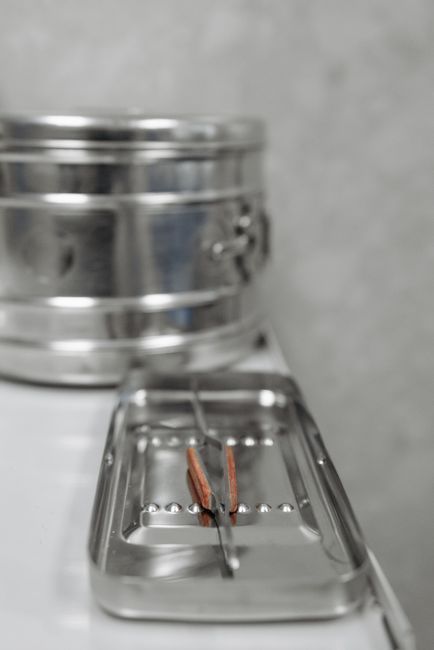
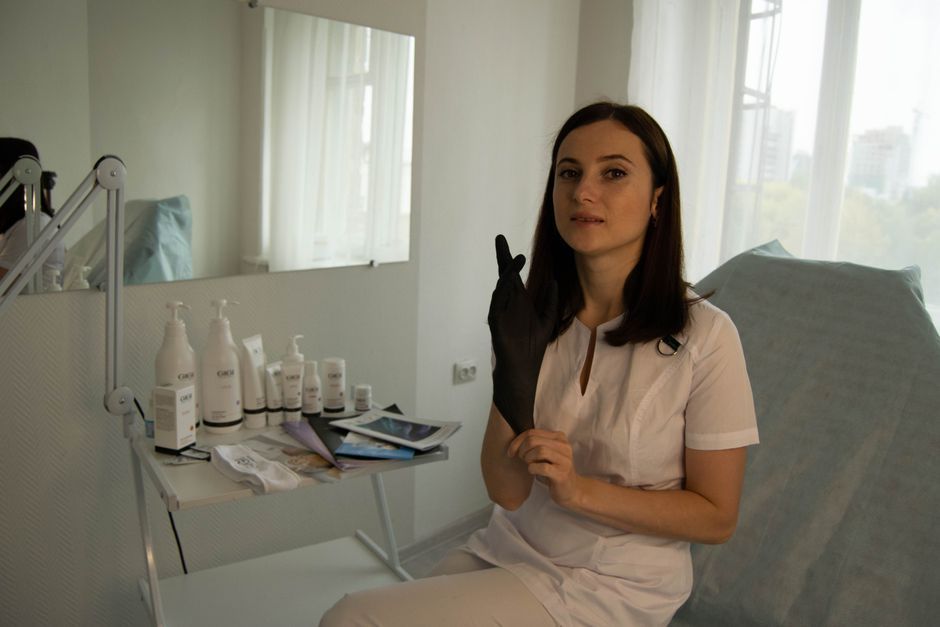
- Extraction: sterile, single-patient instruments are used with gloved hands, working gently and stopping when a spot does not release.
- Calming: an antiseptic step, then soothing care such as a mask or cooling to reduce redness.
Deep, tender lumps are not squeezed. A painful cyst can instead be settled with a small corticosteroid acne injection from the doctor.
Why shouldn't you squeeze pimples at home?
Squeezing spots with fingers or nails often pushes oil and bacteria deeper into the skin instead of out. This can break the wall of the follicle, which turns a small blackhead into a larger inflamed spot.
Home squeezing also raises the risk of infection, red or brown marks that last for months, and permanent acne scars. Fingers press unevenly, it is hard to keep the skin clean, and it is difficult to judge when to stop. A trained professional uses sterile tools at the correct angle and leaves inflamed or deep lesions untreated. If you find it hard to stop picking, tell your doctor, as this is common and can be addressed as part of your plan.
How long do extraction facial results last?
Pores look clearer straight away, but they tend to refill over a few weeks. How long the effect lasts depends mostly on your skin type and on the skincare or medical treatment you use between visits.
Expect some redness and small pink marks for a few hours to a day or two. For the next 24–48 hours:
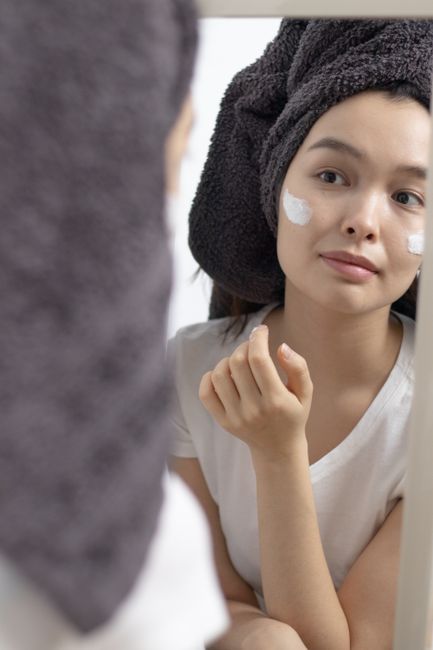
- Use a gentle cleanser and a light, non-comedogenic moisturizer.
- Apply sunscreen every morning, as treated spots can darken with sun exposure.
- Skip scrubs, peels and strong active ingredients unless your doctor says otherwise.
- Avoid saunas, hot baths and heavy exercise, and keep makeup light until the next day.
- Do not pick at small scabs; let them fall off on their own.
During an active acne phase, extraction is often repeated every 2–4 weeks. Once your skin is stable, many people need it only occasionally.
Risks and possible side effects
Extraction is a low-risk procedure when done hygienically, but side effects can still occur. Common, short-lived effects include redness, mild swelling, tenderness and small scabs where a spot was opened. Some people notice a few new breakouts in the following days.
Less common risks include tiny broken blood vessels or bruising on thin skin, infection, and post-inflammatory hyperpigmentation (brown marks) or lingering redness, which is more likely in darker skin tones or if the area is exposed to sun. Over-forceful extraction can cause scarring, which is why inflamed or deep lesions are left alone.
Tell the clinic if you take blood thinners, isotretinoin or other acne medicines, or if you are pregnant. Contact the clinic promptly if you notice increasing pain or swelling, spreading redness, pus or yellow crusting, or fever after treatment.
Extraction facials at Hommage Clinic
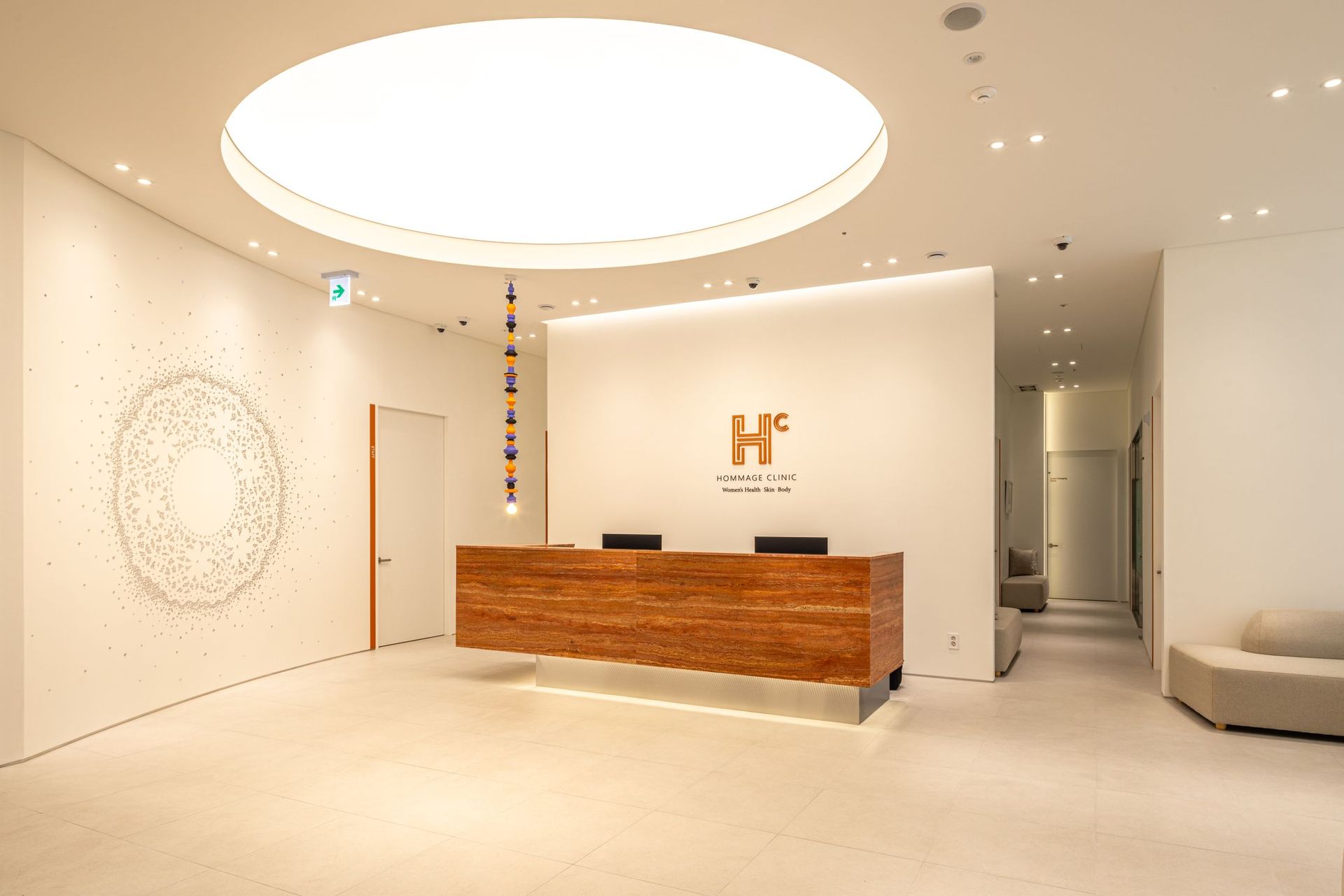
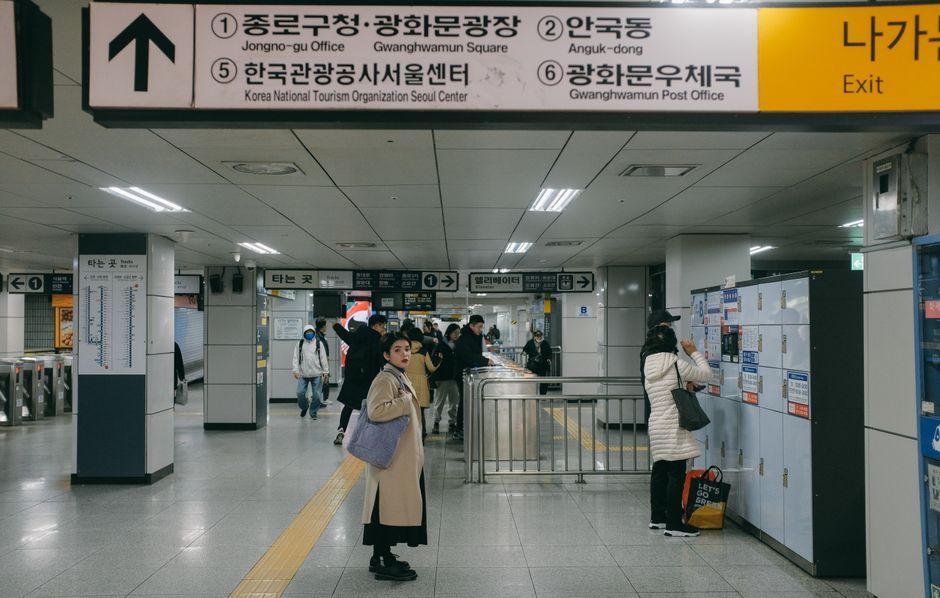
Hommage Clinic is a women's health and skin clinic in Gangnam, about a three-minute walk from Sinnonhyeon Station. A doctor examines your skin before any extraction, so a facial is not used in place of treatment your acne actually needs. Soothing care such as LDM or cryo cooling can be added afterward, and extraction can be combined with peels, light therapy or prescription care. See our full range ofskin and aesthetic treatments.
Because gynecology and skin care are under one roof, hormonal acne can be looked at from both sides. Cost depends on the treatments combined and how many visits you need. Consultations and prescription medicines for acne may be covered by Korea's National Health Insurance for enrolled patients, while cosmetic facials are not. You receive a written quote before treatment, and walk-ins are welcome during opening hours.
Know your spots
Blackheads, whiteheads, pimples and cysts: which can be extracted?
Not every spot should be extracted. The safe candidates are comedones: open comedones (blackheads) and closed comedones (whiteheads). Some superficial pustules near the surface can be gently drained by a professional. Red, tender papules have no plug to remove yet, and squeezing them mainly adds inflammation. Deep nodules and cysts sit far below the surface and should never be squeezed, because pressure can rupture them deeper into the skin and increase the risk of scarring.
This is why the first step is always the doctor's assessment. Dr. Hwang decides lesion by lesion what to extract, what to leave, and what to treat another way, such as acorticosteroid acne injection for a painful cyst.
 Hommage · Gangnam
Hommage Women's Clinic · Gangnam, Seoul
Sterile, single-patient instruments are used for every extraction. Illustrative photo.
Compare
Professional extraction vs squeezing pimples at home
The difference between a clinic extraction and squeezing at home is mainly where the pressure goes. A comedone extractor presses evenly around the pore opening, so the plug moves up and out. Fingers press unevenly from the sides and often push part of the contents downward, which can break the follicle wall underneath and spread inflammation into the surrounding skin.
| Compare | Clinic extraction | Squeezing at home |
|---|---|---|
| Tools | Sterile extractor, lancet if needed, gloves | Fingers or nails |
| Which spots | Only suitable comedones and superficial pustules | Often inflamed or deep spots too |
| Pressure | Even, around the pore; stops if it does not release | Uneven; tends to push contents deeper |
| Risks | Brief redness, small marks | Infection, lasting marks, scarring |
 Hommage · Gangnam
Hommage Women's Clinic · Gangnam, Seoul
Extraction works best as one part of a doctor-led acne plan. Illustrative photo.
Your acne plan
Korean acne care: where an extraction facial fits
Think of acne care as layers. The foundation is daily treatment that stops new clogged pores from forming, usually a topical retinoid, benzoyl peroxide or azelaic acid. On top of that, medicines may be added for inflamed or more severe acne. Procedures such as extraction, peels and light therapy sit at the top: they speed up clearing and make skin look better sooner, but they work best on a solid foundation.
Evidence
Does acne extraction work? What the research says
Comedone extraction has been part of dermatology for a long time, but it has few large trials. One of the larger studies, from two teaching hospitals in Indonesia and published in 2021, compared extraction with an oral antibiotic in 128 people with moderate acne. Everyone used the same topical treatment (tretinoin cream and benzoyl peroxide gel); one group also had all facial lesions extracted every two weeks, the other took doxycycline.
By week six, inflamed lesions had fallen more in the extraction group, and the authors concluded extraction was more effective than doxycycline in this setting. Side effects of extraction were limited to redness, local swelling, minor bleeding that stopped by itself and a welt that settled within a day. The published summary did not report full lesion counts, and the study has not been widely repeated. The 2024 American Academy of Dermatology guideline judged the overall evidence for extraction insufficient to make a formal recommendation.
People with moderate acne
Randomized to extraction every 2 weeks or oral doxycycline, both with the same topical care.
Sitohang et al., J Clin Aesthet Dermatol, 2021Inflamed lesions fell more
In the extraction group than the antibiotic group by week six.
Sitohang et al., 2021Welts settled
Extraction side effects were redness, swelling, minor bleeding and a short-lived welt.
Sitohang et al., 2021Formal AAD recommendation
Evidence for lesion extraction was judged insufficient in 2024.
Reynolds et al., J Am Acad Dermatol, 2024Aftercare
After an extraction facial: do's and don'ts
For a day or two, treated pores are open and the skin is healing tiny wounds. Keeping things clean, calm and protected from the sun prevents infection and the brown marks that can follow irritation, especially in Asian skin.
Do
- Wash hands before touching your face
- Use a gentle cleanser and light, non-comedogenic moisturizer
- Apply SPF every morning to prevent brown marks
- Use a clean pillowcase and phone screen
- Restart prescribed acne treatment when your doctor says
Don't
- Pick at small scabs or squeeze new spots
- Use scrubs, peels or strong actives for 24–48 hours
- Go to a sauna, hot bath or heavy workout that day
- Wear heavy foundation until the next day
- Ignore spreading redness, pus or fever: contact the clinic
 Hommage · Gangnam
Hommage Women's Clinic · Gangnam, Seoul
Light moisturizer and daily sunscreen help treated skin settle. Illustrative photo.
 Hommage · Seoul
Hommage Women's Clinic · Gangnam, Seoul
The clinic is about a three-minute walk from Sinnonhyeon Station. Illustrative photo.
Traveling to Seoul
Korean acne extraction facial for international patients
An extraction facial with an acne assessment takes about an hour and needs no follow-up visit, so it fits into most trips. Visitors staying two weeks or longer can sometimes have a second session. Because new comedones form within weeks, the most useful thing to take home is a written plan for daily acne care.
- Book early in your trip so redness and small marks settle before photos or flights.
- Bring your passport and a list of acne medicines you use, especially isotretinoin, retinoids, antibiotics or blood thinners.
- Ask whether a prescription can be written for the time you are in Korea, and take product names home for your own doctor.
- Pack SPF and a hat; sun on freshly treated skin raises the risk of dark marks.
- Contact the clinic by WhatsApp, KakaoTalk or the contact form to arrange language support; walk-ins are also welcome.
Choosing well
How to choose an acne extraction clinic in Seoul
Acne extraction is offered by dermatology clinics, aesthetic clinics and skincare shops. Because hygiene and judgment matter more than anything else, use these questions to compare, including here:
- Does a doctor assess my acne first? Someone should decide which spots are safe to extract.
- Are instruments sterile and single-patient? Gloves and sterilized extractors or lancets every time.
- Will they leave cysts and nodules alone? Deep lesions should be treated medically.
- Can they prescribe acne treatment if needed? Extraction alone does not prevent new spots.
- Do they ask about hormones and medicines? Including isotretinoin, the pill and cycle-related breakouts.
- Is there a written quote and aftercare? Before treatment starts.
What affects extraction facial cost in Seoul?
Cost depends on how many areas are treated, whether extraction is combined with a peel, light therapy or soothing care, and how many visits you need. Acne consultations and prescription medicines may be covered by Korea's National Health Insurance for enrolled patients, while cosmetic facials are not. You receive a written quote before treatment.
 Hommage · Gangnam
Hommage Women's Clinic · Gangnam, Seoul
Gloves and sterile tools are the baseline for safe extraction. Illustrative photo.
Your visit
What to expect at your extraction facial
01
Skin check
Dr. Hwang looks at your acne type, skin tone, current products and medicines, and asks about cycles and hormonal symptoms.
02
Your plan
You agree on which spots to extract, whether peels, light therapy or prescription care should be added, and how often to come back.
03
Treatment
Cleansing, softening, sterile extraction and soothing care. Plan about an hour, and come without heavy makeup if you can.
04
Aftercare
You leave with written aftercare. Progress is reviewed at each visit, and the plan is adjusted as your skin settles.
Your doctor
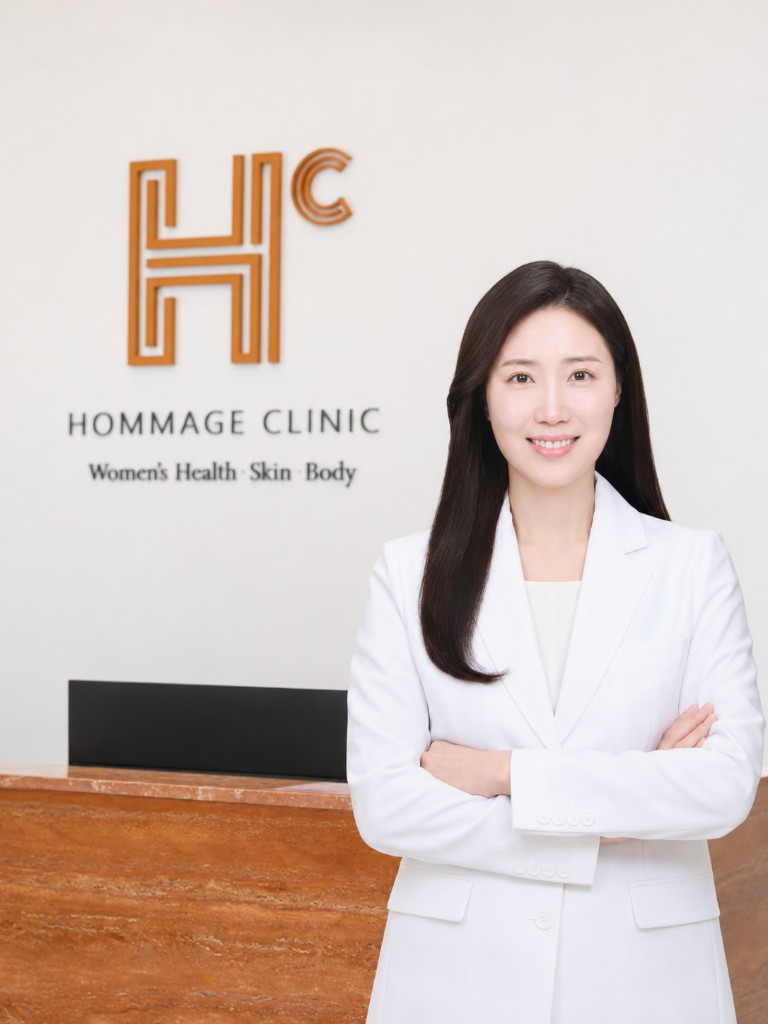
Dr. Hwang Seonhwa
Physician · Skin & Aesthetic Treatments
Dr. Hwang separates clogged pores, inflamed spots and deep nodules before any extraction is planned, so only suitable lesions are treated. When breakouts need more than a facial, Dr. Hwang adds prescription or procedural acne treatment and reviews progress at each visit.
Physician for face and skin procedures, including lifting, laser and skin-improvement treatments, planned around facial proportions and skin condition.
Extraction facial: frequently asked questions
Does an extraction facial hurt?
Most people feel brief pressure and a sharp sting over each spot, which stops as soon as the extractor is lifted. The nose and chin tend to be more sensitive than the cheeks. Numbing cream is usually not needed, and you can ask for a pause at any time during the treatment.
How often should I get an extraction facial?
During an active acne phase, extraction is often done every 2–4 weeks, which gives the skin time to recover between visits. More frequent extraction can irritate the skin. Once breakouts are under control with skincare or medication, many people only need occasional sessions, or none at all.
Will an extraction facial leave marks or scars?
Mild redness and small pink marks are normal and usually fade within a day or two. Scarring is uncommon when extraction is gentle and inflamed or deep spots are left alone. Brown marks can appear in people prone to pigmentation, so daily sunscreen afterward is important.
Can I wear makeup after an extraction facial?
It is better to keep the skin bare for the rest of the day so treated pores can settle. Most people can wear light, non-comedogenic makeup the next day. Avoid heavy foundation and use clean brushes or sponges for the first few days.
Can I have an extraction facial while pregnant?
Extraction itself uses no medication, so it is usually possible during pregnancy. Some add-ons, such as certain peels and retinoid-containing products, are avoided, so tell the clinic you are pregnant when you book. Pregnancy hormones can also make skin more reactive, so the treatment is kept gentle.
Is a Korean extraction facial different from a spa facial?
The main difference is the medical setting. At a clinic, a doctor first diagnoses your acne, sterile instruments are used, and extraction can be combined with prescription treatment, peels or blue light acne therapy. A spa facial focuses on relaxation and cannot treat the medical causes of acne.
Can foreigners get an extraction facial in Seoul?
Yes. International patients and foreign residents can be treated at Hommage Clinic in Gangnam. Bring your passport for registration and a list of any acne medicines you use. Walk-ins are welcome, or book ahead for a set time, and contact us before your visit to arrange language support.
Why do blackheads come back after extraction?
Extraction removes the plugs that are there now, but the pore keeps producing oil and shedding cells, so new plugs form within weeks. Daily treatment such as a topical retinoid helps slow this. Pore size and oil production are partly genetic, so some return is normal.
Can whiteheads (closed comedones) be extracted?
Yes, but they sit under a thin layer of skin, so the doctor may make a tiny opening with a sterile lancet first. This lets the contents come out without forcing them deeper. Squeezing closed comedones at home is a common cause of inflamed spots.
Should painful cysts be extracted?
No. Deep nodules and cysts should not be squeezed, because pressure can push inflammation deeper and increase scarring. They are treated medically, for example with a corticosteroid acne injection or prescription treatment.
Can I have extraction while taking isotretinoin?
Tell the doctor first. Skin heals more slowly on isotretinoin, so extraction is approached carefully and may be limited to gentle removal of stubborn comedones. The plan depends on your dose and how your skin is responding.
Is acne extraction backed by research?
Some. A 2021 randomized study of 128 people with moderate acne found that extraction every two weeks, combined with topical treatment, reduced inflamed lesions more than an oral antibiotic by week six. Overall, though, the evidence is limited, and the 2024 American Academy of Dermatology guideline made no formal recommendation for extraction.
Are my breakouts hormonal?
Breakouts along the jaw and chin that flare before periods, or acne with irregular cycles or new hair growth, can have a hormonal cause such as PCOS. Hommage Clinic can arrange a hormonal assessment in the same clinic.
References
Sources used for this page, reviewed by Dr. Hwang Seonhwa. Read our editorial and medical review policy.
- Reynolds RV, Yeung H, Cheng CE, et al. Guidelines of care for the management of acne vulgaris. J Am Acad Dermatol. Published January 30, 2024.
- AAD releases updated guidelines for the management of acne vulgaris. Dermatology Times. 2024. dermatologytimes.com
- Sitohang IBS, Soebaryo RW, Kanoko M. Acne lesion extraction versus oral doxycycline for moderate acne vulgaris. J Clin Aesthet Dermatol. 2021. Summary: MedEsthetics
- Girgis L. Updated clinical guidelines for the treatment of acne vulgaris. MDedge Family Medicine. 2024. MDedge
This page is general information and does not replace a personal consultation. Illustrations are original works of Hommage Women's Clinic, Gangnam, Seoul; photos marked illustrative are not of patients.
Related acne treatments
Deep Cleansing Pore Therapy
Clinic pore cleansing for blackheads, congestion and visible pores on the nose and T-zone.
Chemical Peels for Acne
Peels that loosen clogged pores and calm breakouts, often paired with extraction.
Acne Laser Treatment
Laser and light sessions for inflamed breakouts and post-acne redness.
Acne Injection
A small steroid injection to settle a painful cyst that should not be squeezed.
Sebum Control Therapy
Medical and procedural options for persistently oily, breakout-prone skin.
PCOS Treatment
Hormonal assessment for adult acne with irregular periods or new hair growth.
Clear clogged pores without squeezing at home
Book an acne assessment with Dr. Hwang Seonhwa in Gangnam. Extraction is planned together with any medical care your skin needs.
Hommage Clinic · 4F, Building A, 509 Gangnam-daero, Seoul (near Sinnonhyeon Station) · Mon & Fri 10:00–20:00 · Tue–Thu 10:00–19:00 · Sat 10:00–15:00