
Skin & Aesthetics · Injectables
Dermal Fillers in Seoul: Hyaluronic Acid Filler Explained
Dermal fillers are gel injections, most often hyaluronic acid, that restore lost volume, soften deep lines and refine contours such as the cheeks, chin, temples and under-eyes, with results that typically last 6–18 months. At Hommage Clinic in Gangnam, Seoul, Dr. Kim Hyunbin plans each treatment around your facial proportions and explains the risks, including how hyaluronic acid filler can be dissolved.

Quick answer
Dermal fillers are soft gel injections, usually hyaluronic acid (HA), that restore lost volume, soften lines visible at rest and refine contours such as the cheeks, chin, temples and under-eyes. At Hommage Women's Clinic in Gangnam, Seoul, Dr. Kim Hyunbin plans each treatment around your proportions. Injecting takes 15–30 minutes, results are immediate and settle over 2–4 weeks, and HA fillers typically last 6–18 months and can be dissolved.
Key takeaways
- Fillers add volume; Botox relaxes movement. Many faces need one, not both.
- Hyaluronic acid filler can be dissolved with hyaluronidase, a key safety advantage over other fillers.
- The most serious risk is filler blocking a blood vessel. It is rare, but you should know the warning signs.
- Small amounts across several areas usually look more natural than a large amount in one spot.
- Always ask the name of the product injected and keep a record of it.
Infographic
Dermal fillers in numbers
Injecting time
Plus 20–30 minutes for numbing cream.
Visible change
Swelling settles into the final shape over 2–4 weeks.
Typical duration
Lips fade sooner; chin and under-eyes often last longer.
Avoid pressure & heat
No massage, saunas, hard exercise or alcohol.
To dissolve HA
Hyaluronidase breaks down HA filler if needed.
Review & top-up
A small adjustment is offered if needed.
Dermal fillers at a glance
| Key fact | Details |
|---|---|
| Treatment time | About 15–30 minutes of injecting, plus 20–30 minutes for numbing cream |
| Comfort | Numbing cream, and most hyaluronic acid fillers contain the local anesthetic lidocaine |
| Sessions | Usually one; a small top-up is sometimes suggested after 2–4 weeks |
| Downtime | Swelling and possible bruising for a few days, occasionally up to 2 weeks |
| Results visible | Immediately, settling into the final shape over about 2–4 weeks |
| How long results last | Typically 6–18 months, depending on the product, area and your metabolism |
| Performed by | A clinic physician from the skin & aesthetics team, such as Dr. Kim Hyunbin |
Fillers may suit you if you have
- Hollow temples, under-eyes or cheeks from age-related volume loss
- Deep nasolabial folds or marionette lines that stay visible at rest
- A short chin or low nose bridge you would like to refine without surgery
- A preference for a gradual, adjustable result that can be dissolved
Wait or choose another option if you
- Are pregnant or breastfeeding
- Have an infection, cold sore or inflamed acne in the area to be treated
- Have had a severe allergic reaction to hyaluronic acid, lidocaine or hyaluronidase
- Have permanent filler or an implant in the same area (tell your doctor first)
What are dermal fillers and how do they work?
Dermal fillers are soft gels injected under the skin to replace volume and support the tissue above them. Most fillers used for the face are made of hyaluronic acid (HA) , a sugar molecule that occurs naturally in your skin and holds water.
In filler form, the hyaluronic acid is cross-linked so it lasts months rather than days. Firmer gels are placed deeper, near the bone, to build structure in the chin, nose or cheeks; softer gels are used in thin-skinned areas such as the under-eyes and lips. Your body gradually breaks the gel down, so results fade over time.
Not every injectable is an HA filler. Calcium hydroxylapatite and poly-lactic acid products work mainly by prompting your own collagen over weeks; these are covered on our collagen stimulators page. Permanent fillers such as liquid silicone are not recommended for cosmetic use because complications are hard to treat.
Which areas can fillers treat?
Fillers can treat most areas where volume has been lost or where a contour needs support. Each area has its own technique and level of risk, so several have their own guide:
- Under-eyes (tear troughs): hollows that cast a tired shadow. See under-eye filler .
- Temples: sunken temples that make the upper face look narrow. See temple filler .
- Nose: a non-surgical change to the bridge or tip profile. See nose filler .
- Chin and jawline: projection and a smoother V-line. See chin filler .
- Cheeks, nasolabial folds and marionette lines: restoring mid-face support and softening deep folds.
- Lips: hydration, definition or subtle volume.
Balancing several areas with small amounts often looks more natural than a large volume in one spot. That approach is described in facial balancing treatment .
Do fillers hurt? What happens during treatment
Most people feel pressure and mild stinging rather than sharp pain, because numbing cream is applied first and most HA fillers contain lidocaine. Injecting usually takes 15–30 minutes.
- Your doctor reviews your medical history, previous fillers and medicines that increase bruising.
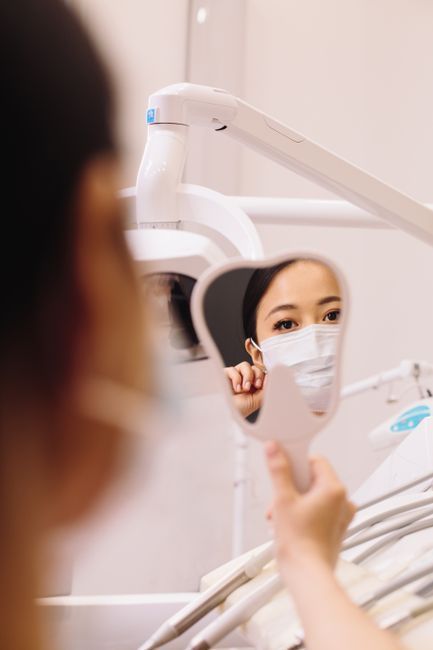
- Your face is assessed at rest and while you talk and smile, and the plan is agreed with a mirror.
- Numbing cream is applied for 20–30 minutes, then the skin is disinfected.
- The filler is placed slowly in small amounts, with a fine needle or a blunt-tipped cannula depending on the area.
- The result is checked from several angles, and you are shown the warning signs to watch for at home.
How long do fillers last, and what is recovery like?
Hyaluronic acid fillers typically last 6–18 months. Areas that move a lot, such as the lips, tend to fade sooner; deeper structural areas such as the chin, and low-movement areas such as the under-eyes, often last longer. Results are visible straight away but look their final shape after swelling settles at about 2–4 weeks.
- Expect mild swelling, tenderness and possibly bruising for a few days.
- Avoid pressing or massaging the area, strenuous exercise, saunas and alcohol for about 2–3 days unless your doctor advises otherwise.
- Gentle makeup is usually fine the next day.
- Avoid dental work and facial treatments with heat or pressure on the area for about 2 weeks.
Risks and possible side effects of dermal fillers
Most side effects of fillers are mild and temporary, but one rare complication is serious, and you should understand it before treatment.
- Common: swelling, bruising, redness, tenderness and small lumps that settle over days to a couple of weeks.
- Less common: asymmetry, visible bumps, a bluish tint if filler sits too close to the surface (Tyndall effect), prolonged swelling under the eyes, or infection.
- Delayed reactions: rarely, firm or tender nodules can appear weeks or months later, sometimes after an infection or vaccination.
- Vascular occlusion (rare but serious): filler can enter or press on a blood vessel and block blood flow. Without prompt treatment this can damage the skin, and in very rare cases cause vision loss or stroke. The nose, the area between the brows, the forehead, nasolabial folds and the under-eyes need particular caution.
Contact the clinic or emergency services straight away if you notice severe or increasing pain, skin that turns white, dusky or mottled purple, or any change in your vision. Early treatment with hyaluronidase matters.
Can fillers be dissolved?
Yes. Hyaluronic acid fillers can be dissolved with an enzyme called hyaluronidase, injected into the area. This is one of the main safety advantages of HA fillers: it is used urgently if a vascular complication is suspected, and electively if filler has migrated, looks lumpy or you simply prefer a smaller result.
Hyaluronidase usually works within hours to a couple of days, and more than one session may be needed. It can cause temporary swelling and, rarely, an allergic reaction. It does not dissolve calcium hydroxylapatite, poly-lactic acid or permanent fillers, which is one reason to know exactly which product you have received.
If your concern is lines caused by movement, such as frown lines or crow's feet, Botox is usually a better first step than filler.
Dermal fillers at Hommage Clinic
Hommage Clinic is a women's health and skin clinic in Gangnam, a short walk from Sinnonhyeon Station. Walk-ins are welcome, or book ahead for a set time, and a doctor plans and performs every filler treatment. You are told which product will be used before injection.
Alongside hyaluronic acid fillers, the clinic offers Hilo Wave, a hyaluronic acid injectable designed for mid-face volume and skin elasticity, and can dissolve HA fillers with hyaluronidase. Cost depends on the area, the amount of filler and the product. Cosmetic fillers are not covered by Korea's National Health Insurance, and you receive a written quote first. You can see related options in ourskin and aesthetics guide.
Mechanism
How does hyaluronic acid filler work? Depth and gel firmness
With age, the face loses volume in fat pads and bone, and the skin has less support. Hyaluronic acid filler replaces some of that support. The gel binds water, so it gives soft, natural-feeling volume, and because it is cross-linked it lasts months instead of days.
Where the filler is placed matters as much as how much is used. Firmer, more cohesive gels are placed deep, close to the bone, to rebuild structure in the cheeks, chin and nose. Softer, more flexible gels are used in thin-skinned or mobile areas such as the under-eyes and lips. Placing a firm gel too close to the surface can look lumpy or bluish, which is why Dr. Kim chooses both the product and the depth for each area.
Treatment areas
Filler areas: how long does filler last in each part of the face?
How long filler lasts depends on the product, how much is used, how much the area moves and your own metabolism. As a rule of thumb, areas that move constantly, such as the lips, fade fastest, while deep, structural areas such as the chin and areas that move little, such as the under-eyes, often last longer. Some areas also carry more risk than others because of the blood vessels that run through them, which is why each has its own technique.
 Hommage · Gangnam
Hommage Women's Clinic · Gangnam, Seoul
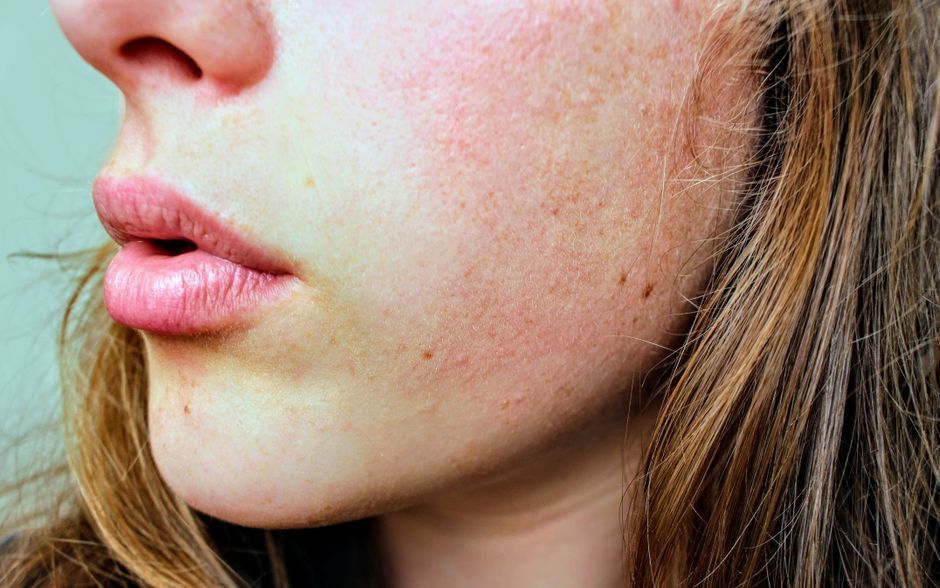
Mid-face support is one of the most common reasons for filler. Illustrative photo.
 Hommage · Gangnam
Hommage Women's Clinic · Gangnam, Seoul
The right injectable depends on whether the issue is volume, movement or skin quality. Illustrative photo.
Compare
Filler vs Botox vs collagen stimulators: which do you need?
These three injectables are often confused, but they solve different problems. Botox relaxes muscles that cause expression lines. Hyaluronic acid filler adds volume straight away. Collagen stimulators such as poly-L-lactic acid or calcium hydroxylapatite work gradually over weeks by prompting your own collagen, and they cannot be dissolved. Skin boosters improve hydration and texture rather than shape.
HA filler
Does
Adds volume and structure
Result
Immediate; settles in 2–4 weeks
Reversible
Yes, with hyaluronidase
Botox
Does
Relaxes expression muscles
Result
2–5 days; full at ~2 weeks
Reversible
Wears off in about 3–4 months
Collagen stimulator
Does
Prompts your own collagen
Result
Gradual, over weeks to months
Reversible
No; cannot be dissolved
Recovery
Filler swelling and recovery timeline
Filler results are visible immediately, but what you see on the first day is not the final result. Hyaluronic acid draws in water and the tissue reacts to the injections, so mild swelling peaks over the first two days and then settles. Bruises fade over about a week. The filler integrates with the surrounding tissue over 2–4 weeks, which is the right time to judge the shape and decide whether a small top-up is needed.
Under-eye swelling can take longer to settle than other areas, and lips often look fuller for the first few days than they will later. Plan treatment at least two weeks before an important event.
Safety
Filler safety: warning signs you should never ignore
Vascular occlusion, where filler blocks or presses on a blood vessel, is rare but is the complication every filler patient should understand. The US Food and Drug Administration lists vision problems including blindness, stroke and skin damage among the rare but reported outcomes of accidental injection into a blood vessel. A 2020 systematic review of vision loss after hyaluronic acid filler found that the nose, the area between the brows and the forehead were most often involved, and that very small volumes could be enough to cause harm.
That is why safety steps matter more than speed: aspiration and slow injection of small amounts, cannulas in some areas, knowledge of facial vessels, and hyaluronidase kept on hand. At Hommage Women's Clinic, Dr. Kim explains these warning signs before treatment and how to contact the clinic quickly afterwards.
Usually normal
- Mild swelling for a few days
- Small bruises that fade over a week
- Tenderness when touched
- Slight firmness while filler settles
Get help immediately
- Severe or increasing pain
- Skin that turns white, grey, blue or mottled
- Any change in vision
- Face drooping, numbness, trouble speaking or confusion
 Hommage · Gangnam
Hommage Women's Clinic · Gangnam, Seoul
Mild swelling is normal; severe pain or skin colour change needs urgent attention. Illustrative photo.
 Hommage · Gangnam
Hommage Women's Clinic · Gangnam, Seoul
The plan is agreed with a mirror before any filler is injected. Illustrative photo.
Natural results
Natural-looking filler: avoiding overfilled and “pillow face” results
An overfilled look usually builds up over time, when filler is added to the same spot again and again to chase a line, or when large volumes are placed in the cheeks and lips without considering the rest of the face. Hyaluronic acid can also stay in tissue longer than its visible effect suggests, so frequent top-ups can accumulate.
A natural plan starts with what has actually changed in your face: often a little support in the temples, mid-cheek or chin does more for a tired look than filling a fold directly. This is the idea behind facial balancing . Dr. Kim prefers modest amounts, a review at 2–4 weeks, and longer gaps between sessions.
Who should wait?
Fillers are best postponed during pregnancy or breastfeeding, with an active skin infection or cold sore in the area, or soon after dental work or a vaccination. If you have had filler elsewhere and do not know the product, tell your doctor; an ultrasound or a cautious plan may be suggested.
Aftercare: do
- Use a wrapped cold pack briefly for swelling
- Sleep with your head slightly raised the first night
- Apply gentle makeup from the next day
- Keep your review at 2–4 weeks
Aftercare: don't
- Press or massage the area for 2–3 days unless told to
- Use saunas, hot baths, hard exercise or alcohol for 2–3 days
- Book dental work or heat-based facials on the area for about 2 weeks
- Buy filler online or accept needle-free pen injections
Evidence
Are dermal fillers safe? What regulators and research say
Hyaluronic acid fillers have been used for many years and are regulated as medical devices in Korea, the US and Europe. Most side effects are mild and short-lived. The rare serious complications are well documented, and the research on them is mostly case reports and reviews of case reports, which tell us where problems happen but not exactly how often. The cards below summarize the most useful points.
Vision-loss cases analysed
From 26 articles in a systematic review; rare, but serious.
Aesthetic Plast Surg, 2020Higher-risk areas
Nose, between the brows and forehead were most often involved.
Aesthetic Plast Surg, 2020Small volumes matter
Volumes this small were reported to cause permanent vision loss.
Aesthetic Plast Surg, 2020Age for approved use
FDA approvals for fillers cover adults aged 22 and over.
US FDA, Dermal FillersTraveling to Seoul
Dermal fillers in Seoul for international patients
Filler can be done in a single visit, but because the result settles over 2–4 weeks and the first days carry the highest chance of a problem that needs quick treatment, timing your trip well matters. Hommage Women's Clinic is in Gangnam, a short walk from Sinnonhyeon Station (Line 9 and Shinbundang Line).
Planning your visit
- Have filler early in your stay and plan at least 5–7 days in Seoul afterwards, so you can return for a check.
- Bring your passport, a list of medicines, and the name, area and date of any previous filler.
- Stop non-essential blood-thinning supplements only if your own doctor agrees, to reduce bruising.
- Send photos and questions in advance by WhatsApp, KakaoTalk or the contact form, and ask for language support if you need it.
After you fly home
Ask for the product name, lot number and amount in writing, so a doctor at home can help if needed. Contact the clinic with photos at any time, and seek urgent local care straight away for severe pain, skin colour change or any vision change.
 Hommage · Gangnam
Hommage Women's Clinic · Gangnam, Seoul
Plan filler early in your stay so you can return for a check. Illustrative photo.
 Hommage · Gangnam
Hommage Women's Clinic · Gangnam, Seoul
Ask which product is used and what happens if a complication occurs. Illustrative photo.
Choosing well
How to choose a filler clinic in Seoul
Filler is a medical procedure with a rare but serious risk, so who injects and how they handle complications matter more than the price per syringe. These questions help you compare clinics.
Ask before you book
- Is the filler injected by a doctor, and is the product licensed by Korea's MFDS?
- Can I see the box and get the product name and amount in writing?
- Is hyaluronidase kept in the clinic, and what is the plan for a vascular complication?
- Will you suggest less filler, or a different treatment, if that suits me better?
- Is a review at 2–4 weeks included?
What affects the cost of fillers in Seoul?
The cost depends on the number of areas, the amount of filler (usually counted in syringes), the product and brand, whether a cannula or special technique is needed, and whether a review or dissolving is included. Cosmetic fillers are not covered by Korea's National Health Insurance, and at Hommage Women's Clinic you receive a written quote before treatment.
Your visit
What to expect at your filler appointment
01
Consultation
Dr. Kim reviews your history, previous fillers and medicines, assesses your face from several angles and agrees the plan with you.
02
Numbing
Numbing cream is applied for 20–30 minutes. The skin is then disinfected and injection points are marked.
03
Injection
Filler is placed slowly in small amounts with a needle or cannula, checking symmetry as the doctor works.
04
Aftercare
You receive written aftercare and the warning signs to watch for. A review at 2–4 weeks is offered if a small adjustment is needed.

Your doctor
Dr. Kim Hyunbin
Associate Director · Skin & Aesthetic Treatments
Dr. Kim plans fillers by assessing the whole face in proportion, often using modest amounts across a few areas rather than a large volume in one spot. Before any injection, Dr. Kim names the product, explains the warning signs of a vascular complication and confirms that hyaluronidase is on hand.
Associate director dedicated to skin and aesthetic procedures, with extensive experience in lifting, botulinum toxin, fillers and laser treatments.
Dermal fillers: frequently asked questions
Do dermal fillers hurt?
Most people find fillers mildly uncomfortable rather than painful. Numbing cream is applied for 20–30 minutes beforehand, and most hyaluronic acid fillers contain lidocaine, a local anesthetic, so the area becomes numb as the filler goes in. You may feel pressure and brief stinging, and some tenderness for a day or two afterward.
How long do dermal fillers last?
Hyaluronic acid fillers typically last 6–18 months. Lips usually fade faster, while the chin and under-eyes often last longer. The exact time depends on the product, the amount, the area and how quickly your body breaks it down. Many people choose a smaller top-up when they notice the effect fading, rather than waiting for it to disappear completely.
Can fillers be dissolved if I don't like the result?
Yes, if the filler is hyaluronic acid. An enzyme called hyaluronidase breaks it down, usually within hours to a few days, and more than one session may be needed. It does not dissolve collagen-stimulating fillers or permanent fillers. Hyaluronidase can cause temporary swelling and, rarely, an allergic reaction, so your doctor discusses this first.
What should I avoid after getting fillers?
For about 2–3 days, avoid pressing or massaging the area, strenuous exercise, saunas, hot baths and alcohol. Sleep with your head slightly raised for the first night if you can. Gentle makeup is usually fine the next day. Avoid dental work and heat-based facial treatments over the area for about 2 weeks.
Is it safe to fly after dermal fillers?
Flying after fillers is generally fine, although swelling can feel a little more noticeable in the first days. If you are visiting Seoul, it is sensible to have fillers early in your trip, so you can return to the clinic if you notice anything unusual or want a small adjustment before you leave.
Can foreigners get dermal fillers in Seoul?
Yes. Visitors and foreign residents can have fillers at Hommage Clinic; bring your passport or residence card. Walk-ins are welcome during opening hours, or you can book ahead; contact us before your visit to arrange language support. Bring the name of any filler you have had before, because it affects planning and whether it can be dissolved.
What is the difference between filler and Botox?
Filler adds volume to areas that have lost it, such as hollows and folds visible when your face is still. Botox relaxes the muscles that create expression lines, such as frown lines and crow's feet. If a line disappears when you relax your face, Botox is usually the better choice; if it stays, filler or a combination may help.
What is vascular occlusion and how is it treated?
It is a rare complication where filler blocks or presses on a blood vessel, reducing blood flow to the skin or, very rarely, the eye or brain. Warning signs include severe pain, skin that turns white, grey, blue or mottled, and any change in vision. HA filler blockages are treated urgently with hyaluronidase, so contact the clinic or emergency services immediately.
Which filler areas carry more risk?
A 2020 systematic review of vision loss after hyaluronic acid filler found the nose, the area between the brows and the forehead were most often involved. The under-eyes also need care. These areas can still be treated, but with techniques such as slow injection of small amounts, cannulas in some cases and detailed knowledge of the vessels.
Can filler migrate or cause lumps?
Small lumps right after treatment are usually swelling and settle. Filler can occasionally sit in the wrong layer or move slightly, especially with large volumes or frequent top-ups, and rarely delayed nodules form weeks or months later. HA lumps can usually be treated or dissolved with hyaluronidase.
Is it safe to buy filler online or use a hyaluron pen?
No. The US FDA warns against buying dermal fillers online, because products may be counterfeit or contaminated, and has not approved needle-free devices (hyaluron pens) for filler injection, citing reports of serious injuries. Filler should be injected by a trained medical professional using a licensed product.
How often can I get fillers?
There is no fixed rule, but most people top up when they notice the effect fading, often every 6–18 months depending on the area. Because HA can remain in tissue longer than its visible effect, frequent top-ups in the same spot can accumulate. A review at 2–4 weeks and longer gaps between sessions help keep results natural.
References
Sources used for this page, reviewed by Dr. Kim Hyunbin. Read our editorial and medical review policy.
- US Food and Drug Administration. Dermal fillers (soft tissue fillers). Updated July 2023. FDA
- Vision loss associated with hyaluronic acid fillers: a systematic review of literature. Aesthetic Plast Surg. 2020;44(3):929–944. PubMed
- Ministry of Food and Drug Safety (MFDS), Republic of Korea. Regulation of hyaluronic acid fillers as medical devices.
This page is general information and does not replace a personal consultation. Illustrations are original works of Hommage Women's Clinic, Gangnam, Seoul; photos marked illustrative are not of patients.
Filler and injectable treatments
Under-Eye Filler
Soft hyaluronic acid filler for tear-trough hollows and tired-looking shadows.
Temple Filler
Restores hollow temples to rebalance the upper face.
Nose Filler
Non-surgical nose reshaping for the bridge and profile, with extra safety steps.
Chin Filler
Adds chin projection and a smoother V-line profile without surgery.
Botox
Relaxes the muscles behind forehead lines, frown lines and crow's feet.
Collagen Stimulators
Injectables that build your own collagen gradually for firmer, thicker skin.
Plan your filler treatment with a doctor
Book a consultation with Dr. Kim Hyunbin in Gangnam. You will see the plan, the product and the risks before any filler is injected.
Hommage Clinic · 4F, Building A, 509 Gangnam-daero, Seoul (near Sinnonhyeon Station) · Mon & Fri 10:00–20:00 · Tue–Thu 10:00–19:00 · Sat 10:00–15:00