
Skin & Aesthetics · Pigmentation
Sun Spot Treatment in Seoul: Clearing Spots Caused by UV Damage
Sun spot treatment removes or lightens solar lentigines, the flat, well-defined brown spots caused by years of ultraviolet exposure, most often with a pigment laser or intense pulsed light. At Hommage Clinic in Gangnam, Seoul, Dr. Hwang Seonhwa examines each spot first to confirm it is a harmless sun spot, then chooses the treatment that fits your skin.
Quick answer
Sun spot treatment removes or lightens solar lentigines, the flat, sharply outlined brown spots caused by years of UV exposure. At Hommage Women's Clinic in Gangnam, Seoul, Dr. Hwang Seonhwa checks every spot first, then treats confirmed sun spots with a 532 nm pico or Q-switched laser (often 1–2 sessions, about 7–10 days of fine crusts) or IPL (usually 3–5 sessions). Daily sunscreen prevents new spots.
Key takeaways
- Any spot that is changing, irregular or bleeding is examined, never lasered first.
- Laser suits a few distinct spots; IPL suits many spots plus redness in untanned skin.
- Temporary darkening after treatment is the main risk in Asian skin; sun protection lowers it.
- Treated spots can stay away, but new ones form wherever UV keeps reaching the skin.
Infographic
Sun spot treatment in numbers
Laser sessions per spot
Some larger spots need another.
IPL sessions
For many spots across the face.
Fine crusts after laser
They flake off on their own.
Until review
Pink skin evens out first.
Usual age of onset
More common with age and sun.
Avoid strong sun
After treatment, to limit darkening.
Sun spot treatment at a glance
| Key fact | Details |
|---|---|
| Treatment time | Usually 10–20 minutes, plus about 30 minutes for numbing cream |
| Comfort | Quick snapping or warm flicks; numbing cream and cooling help |
| Sessions | Often 1–2 laser sessions per spot; IPL usually needs 3–5 sessions |
| Downtime | Laser: fine dark crusts for about 7–10 days. IPL: spots darken and flake within a week |
| Results visible | As crusts or flakes come off; pink skin evens out over several weeks |
| How long results last | Treated spots can stay away, but new ones form with ongoing sun exposure |
| Reviewed by | Dr. Hwang Seonhwa, physician for skin and aesthetic treatments |
Sun spot treatment may suit you if you have
- Flat, light to dark brown spots on the cheeks, temples, forehead or hands
- Spots that appeared in your 30s or later and do not fade in winter
- A history of outdoor sports, beach holidays or tanning
- Spots that a doctor has confirmed are harmless
Have the spot checked first if it is
- Growing, changing shape or color, or has an irregular border
- Bleeding, itching, crusting or not healing
- Much darker than your other spots or multicolored
- Raised or rough: it may be a different lesion that needs another method
What are sun spots?
Sun spots, or solar lentigines, are flat, sharply outlined brown spots where years of UV exposure have caused pigment cells to multiply and produce extra melanin. They range from a few millimeters to over a centimeter and appear on the most exposed areas: the cheeks, temples, forehead, nose, the backs of the hands and the forearms.
They usually appear from the mid-30s onward and become more common with age, which is why they are also called age spots . Unlike freckles, they do not fade in winter. Sun spots are harmless, but they are a sign of cumulative sun damage, so they are a reminder to check your skin and protect it.
How are sun spots different from freckles and melasma?
Sun spots, freckles and melasma are all brown, but they behave differently and are treated differently.
- Sun spots: individual, sharply defined spots that appear in adulthood and stay year-round.
- Freckles: many small spots from childhood that darken in summer and fade in winter. See freckle removal .
- Melasma: larger, blotchy patches with blurred edges on both cheeks, linked to hormones. It can get worse with strong laser, so it needs a gentler melasma treatment plan.
It is common to have sun spots and melasma at the same time, which is one reason a doctor's examination matters before choosing a laser.
Sun spot treatment options
Most sun spots respond well to treatments that target pigment. Your doctor will suggest one based on the number of spots, your skin tone and how much downtime you can accept.
- Pico or Q-switched laser (532 nm): precise treatment of individual spots. Often 1–2 sessions clear a spot, with about a week of fine crusting. See pico laser treatment .
- IPL: broad-spectrum light that treats many spots and sun-related redness across the face at once, with lighter downtime but more sessions. It suits lighter, untanned skin better. See IPL .
- Cryotherapy: freezing can treat spots on the hands or body, but it carries a higher risk of light marks in Asian skin.
- Topical creams and peels: retinoids, brightening agents and peels can fade spots slowly and help maintain results.
What happens during and after treatment?
A laser session for sun spots usually takes under an hour including numbing. After cleansing and about 30 minutes of numbing cream, you wear eye shields while each spot is treated; it turns gray-white or darker right away. The skin is cooled and sunscreen is applied.
Over the next days, the spots darken and form thin crusts that flake off in about 7–10 days. Keep the area moisturized, do not pick, and use broad-spectrum SPF 30 or higher every day. The pink skin underneath usually evens out over 4–8 weeks, and a second session can be considered after that.
Risks and possible side effects
Laser and light treatment for sun spots is well established, but side effects can occur. Short-term redness, swelling, crusting and mild discomfort are expected.
- Post-inflammatory hyperpigmentation: temporary darkening a few weeks after treatment, more likely in Asian or tanned skin and with sun exposure.
- Hypopigmentation: lighter spots, uncommon with laser and more common with cryotherapy.
- Incomplete clearance that needs another session, and rarely blistering, infection or scarring.
Most importantly, a spot that is changing or looks unusual should never be lasered before it is examined, because laser destroys the tissue that would be needed to diagnose skin cancer. Contact the clinic if a treated area blisters, oozes or does not heal.
Can you prevent new sun spots?
Yes, to a large extent. New sun spots form where UV continues to reach the skin, so daily protection is the most effective way to keep results.
- Use broad-spectrum SPF 30 or higher every morning, including cloudy days, and reapply every 2 hours outdoors.
- Wear a wide-brimmed hat and sunglasses, and seek shade in the middle of the day.
- Do not forget the backs of the hands, the neck and the ears.
- Have new or changing spots checked rather than treating them yourself.
Sun spot treatment at Hommage Clinic
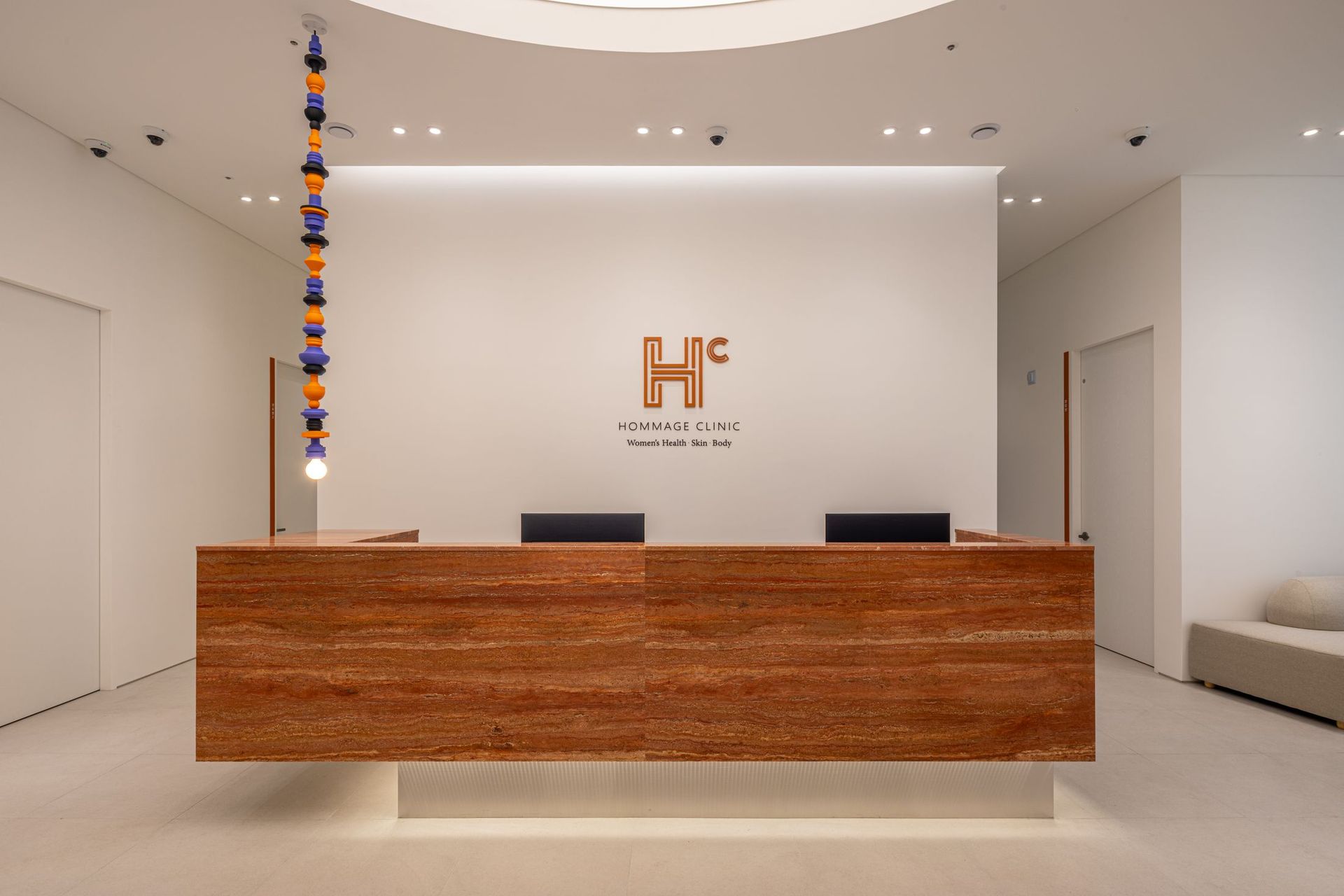
At Hommage Clinic in Gangnam, a short walk from Sinnonhyeon Station, every pigment treatment begins with a physician examination. Dr. Hwang Seonhwa checks each spot under magnification and refers anything suspicious for proper evaluation instead of treating it. Spots confirmed as sun spots are then treated by a physician, and walk-ins are welcome during opening hours. See our full range ofskin and aesthetic treatments.
Cost depends on the number and size of spots, the method and the number of sessions. Sun spot removal is cosmetic and is not covered by National Health Insurance, and you receive a written quote before treatment.
Check first
Is it a sun spot or something else? Warning signs to check
Most flat brown spots on sun-exposed skin are harmless solar lentigines. A small number of other lesions, including early skin cancers, can look similar at first glance. Dermatologists use the ABCDE signs as a simple screen: Asymmetry, irregular Border, uneven Color, Diameter larger than usual, and Evolving (changing) over time. A spot with any of these features is examined properly, and sometimes biopsied, before any cosmetic treatment.
This matters because laser destroys pigment and the cells around it. If a spot that needed diagnosis is lasered, the tissue that would have shown what it was is gone. That is why Dr. Hwang examines every spot under magnification first and refers anything suspicious for evaluation instead of treating it.
Compare options
Sun spot laser vs IPL: which is right for your skin?
Both laser and IPL target the pigment in sun spots, but they work differently. A 532 nm pico or Q-switched laser delivers one wavelength in very short pulses to a single spot, which is precise and usually needs fewer sessions. IPL uses a filtered flash of many wavelengths over a wider area, treating scattered spots and redness together with lighter downtime but more visits. In a split-face trial in 20 Korean women with sun spots, a picosecond 532 nm laser gave higher clearance scores than a Q-switched 532 nm laser at 12 weeks.
| Compare | Pico / Q-switched laser | IPL |
|---|---|---|
| Best for | A few distinct sun spots | Many scattered spots plus redness |
| Sessions | Often 1–2 per spot | Usually 3–5 |
| Downtime | Fine dark crusts for about 7–10 days | Spots darken and flake within a week |
| Skin type | Most skin types with careful settings | Lighter, untanned skin; caution with melasma |
| Learn more | Pico laser | IPL |
Healing
Sun spot laser recovery timeline: before and after
After laser, sun spots look darker for a few days, then form thin crusts that flake off in about 7–10 days. The skin underneath is pink and usually evens out over 4–8 weeks. This is also the period when temporary darkening (post-inflammatory hyperpigmentation) can appear, so sun protection is especially important. A second session, if needed, is planned after the review.
Aftercare
Sun spot aftercare and prevention: do's and don'ts
Sun spots are a record of past sun exposure, and they keep forming wherever UV keeps reaching the skin. Good aftercare protects the result of treatment; good daily habits slow new spots from appearing on your face, hands and arms.
Do
- Apply SPF 30+ every morning, including the backs of the hands
- Reapply every 2 hours outdoors
- Wear a wide-brimmed hat and sunglasses
- Keep crusts moisturized until they fall off
- Have new or changing spots checked
Don't
- Pick or scrub crusts
- Sunbathe or tan for at least 2–4 weeks
- Use retinoids or acids on treated spots for about a week
- Forget sunscreen on cloudy days or while driving
- Treat a changing spot with creams or devices at home
 Hommage · Gangnam
Hommage Women's Clinic · Gangnam, Seoul
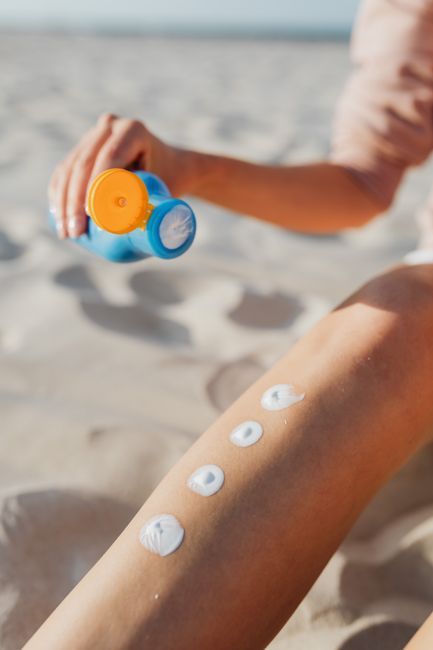
The backs of the hands are one of the most common places for sun spots. Illustrative photo.
 Hommage · Seoul
Hommage Women's Clinic · Gangnam, Seoul
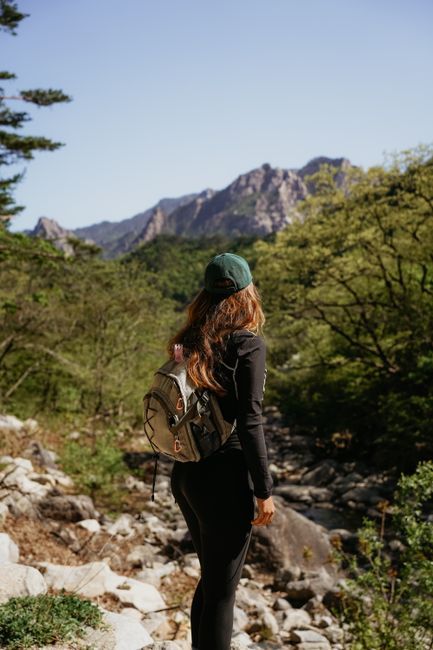
Hiking, golf and outdoor sports are common sources of cumulative sun exposure. Illustrative photo.
Your skin
Sun spots on the face and hands in Asian skin
In Korea, sun spots are very common from the 30s and 40s onward, especially in people who hike, golf, cycle or drive a lot. They usually appear on the cheekbones, temples and the backs of the hands. Asian skin responds well to pigment lasers, but it is also more likely to develop temporary darkening after treatment, so settings and aftercare are adjusted.
How treatment is adapted
- Conservative energy at the first session, especially if you have darkened after acne, cuts or previous lasers
- Treating sun spots andmelasmaseparately when both are present
- Avoiding treatment on freshly tanned skin
- For the hands, laser is usually preferred over freezing (cryotherapy), which more often leaves light marks in Asian skin
Raised, rough or waxy brown spots are often seborrheic keratoses rather than sun spots; seeage spot removalfor those.
Evidence
Does sun spot laser work? What the research says
Pigment lasers are an established treatment for sun spots. Recent trials in East Asian skin have compared picosecond and Q-switched lasers head to head. The studies are small, but they consistently show good clearance of sun spots, with temporary darkening as the main side effect to manage.
Clearance score at 12 weeks
Pico vs Q-switched 532 nm, split-face in 20 Korean women.
Kim et al., Ann Dermatol, 2020Darkening at 4 weeks
Pico vs Q-switched; not statistically significant (p=0.057).
Kim et al., 2020Good to excellent response
Pigment lesions in 12 Chinese women; lentigines and freckles did best.
Kung et al., Lasers Surg Med, 2019Trials reviewed for sun spots
A systematic review of 41 clinical trials (3,234 participants) found laser treatment generally more effective than other options, with mostly mild side effects; cryotherapy had more severe side effects.
Mardani et al., J Cosmet Dermatol, 2025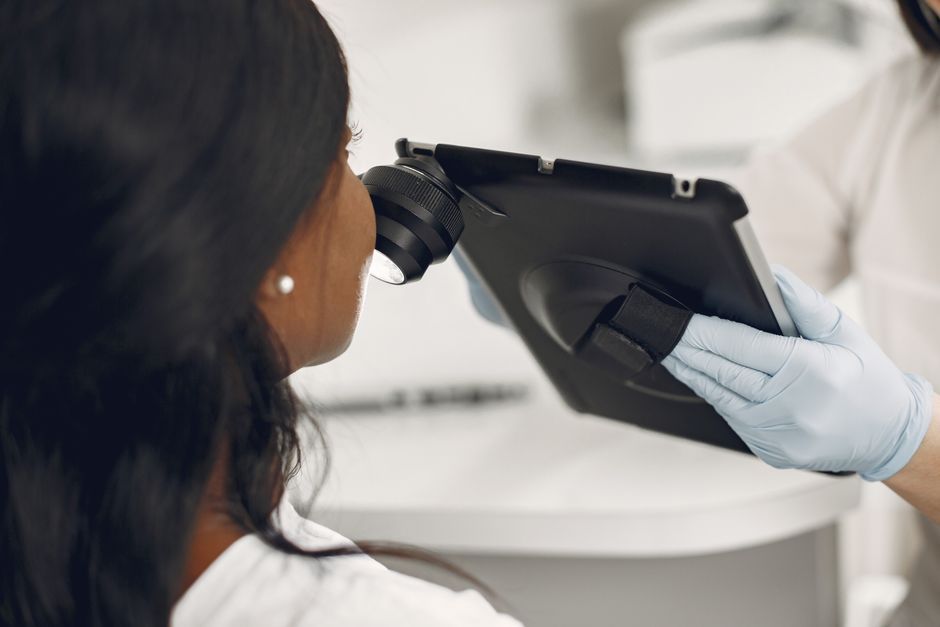 Hommage · Gangnam
Hommage Women's Clinic · Gangnam, Seoul
Each spot is checked under magnification before any laser. Illustrative photo.
Traveling to Seoul
Sun spot treatment in Seoul for international patients
Sun spot laser fits a one- to two-week trip if you treat early and plan around the crusting period. Hommage Women's Clinic is in Gangnam, a short walk from Sinnonhyeon Station (Line 9 and Shinbundang Line).
Planning your stay
- Laser: allow about 7–10 days for crusts to flake off; book in the first days of your trip.
- IPL: lighter downtime, but a series of 3–5 sessions is usually needed, so it suits longer stays or repeat visits.
- Suspicious spots: if a spot needs further evaluation, you will be told before any treatment so you can arrange it.
What to bring
Your passport, a list of medicines, notes on any previous skin checks or lasers, SPF 30+ sunscreen and a hat. Avoid scheduling a beach trip straight after. Send questions and preferred dates by WhatsApp, KakaoTalk or the contact form before you travel.
 Hommage · Seoul
Hommage Women's Clinic · Gangnam, Seoul
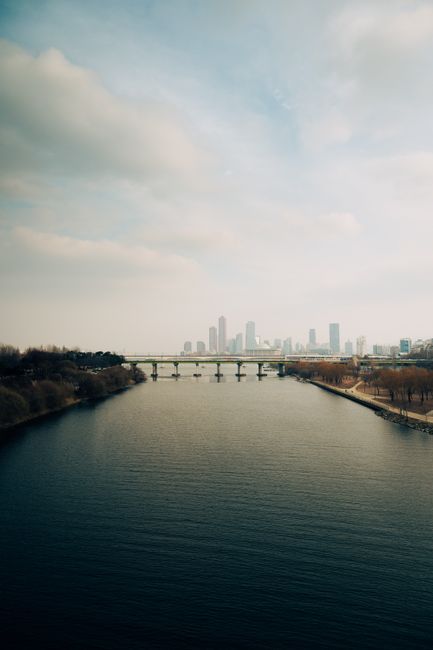
Seoul: protect treated skin with a hat and sunscreen while sightseeing. Illustrative photo.
 Hommage · Gangnam
Hommage Women's Clinic · Gangnam, Seoul
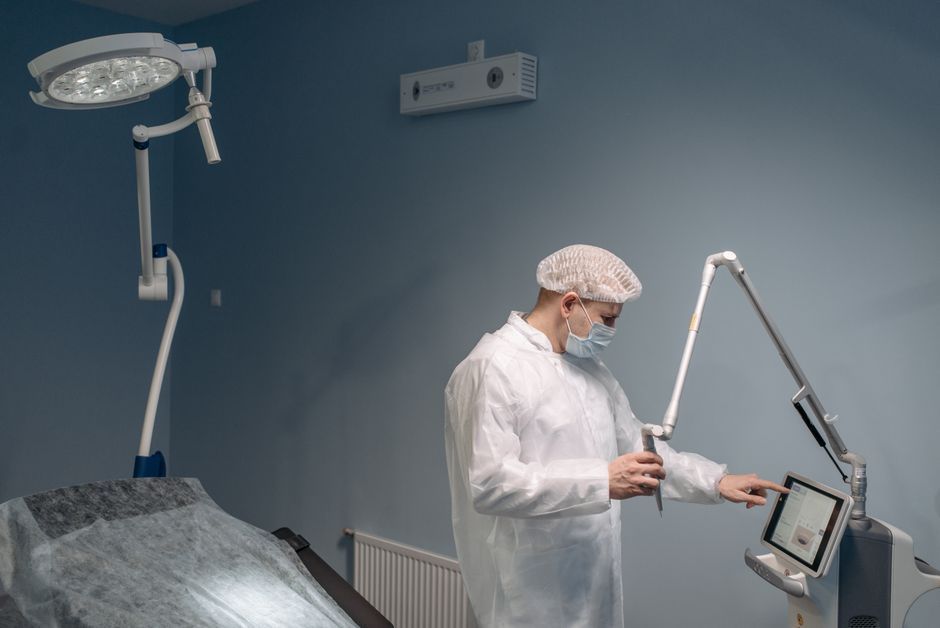
Laser or IPL is chosen after the spots are examined. Illustrative photo.
Choosing well
How to choose a sun spot clinic in Seoul
Sun spot removal is offered widely in Gangnam, sometimes without a proper spot check. These questions help at any consultation, including ours:
- Is every spot examined by a doctor first? Under magnification, with suspicious spots referred, not lasered.
- Laser or IPL, and why? The choice should fit your spots and skin tone.
- Who performs the treatment? Ask whether a physician sets and delivers it.
- How is darkening managed? Clear sun advice and a review after 4–8 weeks.
- Is melasma considered? It needs separate, gentler treatment.
What affects sun spot treatment cost in Seoul?
The price depends on the number and size of spots, the area (face, hands or arms), the method (pico laser, Q-switched laser orIPL) and the number of sessions. Sun spot removal is cosmetic and not covered by National Health Insurance; you receive a written quote before treatment.
Your visit
What to expect at your sun spot appointment
01
Spot check
Dr. Hwang examines each spot under magnification and confirms it is a sun spot before planning treatment.
02
Preparation
Your skin is cleansed and photographed, and numbing cream is applied for about 30 minutes.
03
Treatment
Laser or IPL is applied with eye protection, usually in 10–20 minutes, followed by cooling and sunscreen.
04
Follow-up
Crusts flake off in about a week; a review after 4–8 weeks decides whether another session is needed.

Your doctor
Dr. Hwang Seonhwa
Physician · Skin & Aesthetic Treatments
Dr. Hwang checks every brown spot before treatment, matches the device to the number of spots and your skin tone, and pairs treatment with a practical sun protection routine to slow new spots from forming.
Physician for face and skin procedures, including lifting, laser and skin-improvement treatments, planned around facial proportions and skin condition.
Sun spots: frequently asked questions
Can sun spots be removed completely?
Most sun spots can be cleared or lightened considerably with laser or IPL, often in 1–2 laser sessions. Treated spots can stay away for a long time, but new spots can form in sun-exposed areas, so daily sun protection is essential. Some deeper or larger spots need an extra session.
Are sun spots dangerous?
True sun spots are harmless, but they show that the skin has had a lot of UV exposure, which also raises skin cancer risk. A spot that is changing, irregular, multicolored, bleeding or not healing needs a medical check, because some early skin cancers can look like a brown spot. That is why spots are examined before any laser.
Does sun spot laser hurt?
Laser treatment feels like quick snaps of a rubber band. Numbing cream is applied beforehand, so most people find it tolerable, and the sensation stops shortly after the session. IPL feels like warm flicks across the skin and is often done without numbing.
Laser or IPL: which suits sun spots?
Laser is more precise for a small number of distinct spots and usually needs fewer sessions. IPL treats many spots and redness across the whole face at once with lighter downtime, but it needs more sessions and is riskier on tanned or darker skin. Your doctor will recommend one after examining your skin.
Can I go in the sun after sun spot treatment?
Avoid strong sun and tanning for at least 2–4 weeks after treatment, since UV exposure during healing raises the risk of new darkening. If you must be outdoors, use broad-spectrum SPF 30 or higher, reapply every 2 hours and wear a hat. Planning treatment for autumn or winter helps.
Can foreigners get sun spot treatment in Seoul?
Yes. International visitors and foreign residents can be treated at Hommage Clinic; bring your passport for registration. Allow about a week for crusting after laser and avoid scheduling a beach trip right afterward. Contact us before your visit to arrange language support; you can walk in during opening hours or book ahead for a set time.
Are sun spots and age spots the same?
Often, yes. "Age spots" and "liver spots" are everyday names for solar lentigines, the flat brown spots caused by sun exposure. Raised, rough or waxy brown spots are usually seborrheic keratoses, which are treated differently; see age spot removal.
Can sun spots on the hands be treated?
Yes. The backs of the hands are a very common site. Pigment lasers work well there, though healing can take slightly longer than on the face. Freezing (cryotherapy) is another option but more often leaves light marks in Asian skin. Daily sunscreen on the hands helps prevent new spots.
Is pico laser better than Q-switched for sun spots?
In a split-face trial in 20 Korean women, a picosecond 532 nm laser gave higher clearance scores than a Q-switched 532 nm laser at 12 weeks, with less darkening, although the darkening difference was not statistically significant. Both are effective; the choice depends on your skin and spots.
Will sun spots get darker before they fade?
Yes. After laser, treated spots usually look darker or grayish for a few days, then form thin crusts that flake off in about 7–10 days. After IPL, spots darken and flake within a week. Separately, temporary darkening can appear weeks later and usually fades with sun protection.
Can creams remove sun spots?
Retinoids, brightening agents and peels can fade sun spots slowly and help maintain results, but they rarely clear a well-defined sun spot fully. Laser or IPL is usually more effective. Avoid strong lightening products bought online without supervision.
Can I have sun spots and melasma together?
Yes, this is common in Korea. Sun spots can be treated with targeted laser, while melasma needs gentler, separate care, because strong laser can make melasma darker. A doctor's examination maps which is which first.
What is the best way to prevent new sun spots?
Daily broad-spectrum SPF 30+ sunscreen on the face, neck and backs of the hands, reapplied every 2 hours outdoors, plus a wide-brimmed hat and shade at midday. Have any new or changing spot checked rather than treating it yourself.
References
Sources used for this page, reviewed by Dr. Hwang Seonhwa. Read our editorial and medical review policy.
- Kim JY, Yang J, Huh G, Choi YJ, Kim WS. A split-face, single-blinded, randomized controlled comparison of 532 nm picosecond Nd:YAG laser versus 532 nm Q-switched Nd:YAG laser in the treatment of solar lentigines. Ann Dermatol. 2020;32(1). PMC
- Kung KY, Shek SY, Yeung CK, Chan HH. Evaluation of the safety and efficacy of the dual wavelength picosecond laser for the treatment of benign pigmented lesions in Asians. Lasers Surg Med. 2019;51:14–22. PubMed
- Garg S, Vashisht KR, Garg D, Oberoi B, Sharma G. Advancements in laser therapies for dermal hyperpigmentation in skin of color: a comprehensive literature review. J Clin Med. 2024;13(7):2116. PMC
- Mardani et al. Treatment of solar lentigines: a systematic review of clinical trials. J Cosmet Dermatol. 2025. doi:10.1111/jocd.70133
- Ortonne JP, Pandya AG, Lui H, Hexsel D. Treatment of solar lentigines. J Am Acad Dermatol. 2006;54(5 Suppl 2):S262–S271. doi:10.1016/j.jaad.2005.12.043
This page is general information and does not replace a personal consultation. Illustrations are original works of Hommage Women's Clinic, Gangnam, Seoul; photos marked illustrative are not of patients.
Related pigment treatments
Age Spot Removal
Options for larger brown spots and raised seborrheic keratoses that appear with age.
Pico Laser Treatment
Ultra-short pulse laser for freckles, sun spots, dermal pigment and texture.
IPL
Broad-spectrum light for scattered brown spots and redness in lighter skin.
Freckle Removal
Laser and light options for small, sun-sensitive freckles that darken in summer.
Melasma Treatment
A long-term plan for hormonal, relapsing brown patches on the cheeks and forehead.
Laser Mole Removal
When moles can be removed by laser, and when they need a check or excision first.
Have your sun spots checked and treated
Book a skin assessment with Dr. Hwang Seonhwa in Gangnam to confirm which spots are sun spots and choose between laser and IPL for your skin.
Hommage Clinic · 4F, Building A, 509 Gangnam-daero, Seoul (near Sinnonhyeon Station) · Mon & Fri 10:00–20:00 · Tue–Thu 10:00–19:00 · Sat 10:00–15:00