
Gynecology · Contraception
Emergency Contraception in Gangnam: Morning-After Pill and Copper IUD
Emergency contraception prevents pregnancy after unprotected sex or a contraceptive failure, such as a broken condom or missed pills. The options are a levonorgestrel pill (up to 72 hours), an ulipristal pill (up to 120 hours) or a copper IUD (up to 5 days), and all work better the sooner they are used. At Hommage Clinic in Gangnam, Seoul, OB/GYN specialist Dr. Park Yuna prescribes and fits these options.

Quick answer
Emergency contraception lowers the chance of pregnancy after unprotected sex or a contraceptive failure. The options are a levonorgestrel pill (within 72 hours), an ulipristal pill (within 120 hours) or a copper IUD (within 5 days), the most effective option at over 99%. In Korea the pills need a doctor's prescription. At Hommage Women's Clinic in Gangnam, Seoul, female OB/GYN specialist Dr. Park Yuna can prescribe the pill or fit a copper IUD, usually on the same day.
Key takeaways
- Time matters: every option works better the sooner it is used, so do not wait for your period.
- Emergency contraception is not an abortion pill. It cannot end or harm an established pregnancy.
- The pills work mainly by delaying ovulation; the copper IUD works even close to ovulation and then continues as long-term contraception.
- Body weight, some medicines and the time since sex can change which option suits you best.
- Take a pregnancy test if your period is more than 7 days late, or 3 weeks after the unprotected sex.
Infographic
Emergency contraception in numbers
Levonorgestrel window
Licensed up to 3 days after sex; most effective in the first 24 hours.
Ulipristal window
Up to 5 days after sex, and more effective than levonorgestrel from 72 to 120 hours.
Copper IUD
Of expected pregnancies prevented when fitted within 5 days (WHO).
All methods, early use
Of pregnancies can be prevented when EC is used within 5 days (WHO).
IUD failure rate
Pregnancy rate in a review of 7,034 post-coital IUD insertions.
At Hommage
Walk-ins welcome during opening hours for emergency contraception.
Emergency contraception at a glance
| Key fact | Details |
|---|---|
| Levonorgestrel pill | Up to 72 hours after sex; works better the earlier it is taken |
| Ulipristal pill | Up to 120 hours (5 days); more effective than levonorgestrel later in the window |
| Copper IUD | Up to 5 days; the most effective option, with ongoing contraception afterward |
| In Korea | Emergency contraceptive pills currently require a doctor's prescription |
| Is it abortion? | No. It prevents pregnancy and does not harm an established pregnancy |
| Follow-up | Pregnancy test if your period is over 7 days late, or 3 weeks after sex |
| Reviewed by | Dr. Park Yuna, OB/GYN specialist |
Consider emergency contraception if, in the last 5 days, you had
- Sex without contraception, or a condom that broke, slipped or came off
- Two or more missed combined pills, or a late progestin-only pill
- A late contraceptive injection, or a patch or ring used incorrectly
- Vomiting or severe diarrhea while relying on the pill
- Sex without consent: please also seek support and medical care for your safety
Seek urgent care instead if you have
- Severe lower abdominal pain, especially on one side, with or without bleeding
- A positive pregnancy test with pain, shoulder-tip pain or dizziness
- Heavy bleeding with fainting or a racing heart
How does emergency contraception work?
Emergency contraceptive pills work mainly by delaying or preventing ovulation, so no egg is available when sperm are present. Sperm can survive in the body for up to 5 days, which is why there is a window after sex in which pregnancy can still be prevented.
Because the pills act on ovulation, they are less likely to work if you have already ovulated. The copper IUD works differently: copper is toxic to sperm and eggs and also prevents a fertilized egg from implanting, so it remains effective even close to ovulation. None of these methods ends an existing pregnancy, and they are not the same as the abortion pill.
Which emergency contraception is most effective?
The copper IUD is the most effective option, preventing more than 99% of expected pregnancies when fitted within 5 days. Among the pills, ulipristal is more effective than levonorgestrel, particularly later in the window.
- Levonorgestrel 1.5 mg : a single tablet, licensed up to 72 hours after sex. It is most effective within the first 24 hours. It may work less well at higher body weight, for example over about 70 kg, and a different option or dose may then be advised.
- Ulipristal acetate 30 mg : a single tablet, effective up to 120 hours (5 days). Hormonal contraception should not be restarted for 5 days afterward, because it can reduce the effect of ulipristal.
- Copper IUD : fitted up to 5 days after unprotected sex, or up to 5 days after the earliest likely ovulation. It then continues as long-term contraception. See IUD insertion .
Some medicines, including certain epilepsy and tuberculosis drugs and St John's wort, can make the pills less effective; a copper IUD is then usually preferred. Tell the doctor about everything you take.
Do you need a prescription for the morning-after pill in Korea?
Yes. In Korea, emergency contraceptive pills currently require a doctor's prescription, unlike many regular combined birth control pills, which are sold over the counter. This means you need a medical visit first, so it is important to act quickly.
Come in or contact the clinic as soon as possible and say you need emergency contraception. Hommage Clinic welcomes walk-ins during opening hours, and we will see you promptly. The clinic is closed on Sundays and public holidays; if you cannot reach us in time, any medical clinic or a hospital emergency department in Korea can prescribe emergency contraception. Do not wait until the next weekday if that would take you past the time window.
The prescription is then filled at a pharmacy. If you choose a copper IUD, it can be fitted at the clinic within the 5-day window, after a pregnancy test and check-up.
What to expect after taking emergency contraception
Most women have no major problems after emergency contraception. Your next period may come a few days earlier or later than usual, and some women have light spotting in the days afterward.
- Take a pregnancy test if your period is more than 7 days late, is unusually light or short, or 3 weeks after the unprotected sex.
- Vomiting: if you vomit within 3 hours of taking a pill, contact a doctor, because you may need another dose.
- Ongoing contraception: emergency pills do not protect you for the rest of the cycle. Use condoms until your regular method is effective, and ask about starting a reliable method; see birth control options .
- Infection screening: unprotected sex can transmit infections. STD testing about 2 weeks later is sensible if you are unsure of your partner's status.
Side effects and risks of emergency contraception
Emergency contraceptive pills are safe for most women, including those who cannot use estrogen. They do not affect your long-term fertility and are not known to harm a pregnancy if they fail. Common, short-lived side effects include nausea, headache, tiredness, breast tenderness, lower abdominal pain and spotting.
If you are breastfeeding, levonorgestrel can be used; after ulipristal, it is usually advised to express and discard breast milk for one week. Copper IUD fitting carries the small risks of any IUD insertion, such as cramping, infection, expulsion and, rarely, perforation. Because the pills do not prevent an ectopic pregnancy, seek care urgently if you develop severe one-sided lower abdominal pain, shoulder-tip pain, dizziness or heavy bleeding, and call the clinic if your period is late.
Emergency contraception vs the abortion pill
They are different medicines with different purposes. Emergency contraception prevents a pregnancy from starting, while the abortion pill (mifepristone with misoprostol) ends an established pregnancy.
As of October 2026, the abortion pill is not approved in Korea and cannot be lawfully prescribed here; the government has announced plans to introduce it in 2027. Pills sold online are illegal and may be unsafe. If you think you may already be pregnant, a confidential consultation with an ultrasound is the recommended first step. Read more on our abortion pill page.
Emergency contraception at Hommage Clinic
Hommage Clinic is a women's clinic in Gangnam, a short walk from Sinnonhyeon Station. Dr. Park Yuna, a female OB/GYN specialist, can assess which option suits your timing and cycle, prescribe emergency pills or fit a copper IUD, and plan ongoing contraception with you. Your visit is confidential. See our other gynecology services , including pelvic ultrasound if a pregnancy needs to be checked.
Emergency contraception is generally not covered by National Health Insurance, so consultation and medication are paid directly; the cost depends on the option you choose. You receive a written quote before any procedure.
Mechanism
How does the morning-after pill work? Ovulation is the key
An egg can be fertilized for only about a day after it is released, but sperm can survive in the body for up to 5 days. That is why sex several days before ovulation can still lead to pregnancy, and why there is a window afterward in which emergency contraception can still help.
Both levonorgestrel and ulipristal pills work mainly by delaying or preventing the release of an egg. If ovulation is postponed until the sperm are no longer viable, fertilization does not happen. This also explains their main limitation: once ovulation has already occurred, the pills are much less likely to work. Ulipristal can delay ovulation slightly later in the cycle than levonorgestrel, which is one reason it performs better later in the 5-day window.
The copper IUD works differently. Copper ions are toxic to sperm and eggs, and the device also changes the lining of the womb, so it stays effective even if ovulation is close or has just happened. According to the World Health Organization, none of these methods can end an established pregnancy or harm a developing embryo.
 Hommage · Gangnam
Hommage Women's Clinic · Gangnam, Seoul
A short, confidential consultation helps match the method to your timing and cycle. Illustrative photo.
Compare
Morning-after pill vs copper IUD: which emergency contraception is better?
All three options are safe for most women, but they are not equally effective. The copper IUD is the most effective emergency contraception available: a systematic review of 42 studies and 7,034 insertions over more than 30 years found a pregnancy rate of about 0.09%, or fewer than one in a thousand. It also gives you up to 10 years of ongoing contraception if you want to keep it, or it can be removed after your next period.
The pills are easier and faster: a single tablet, no examination needed beyond a short consultation, and no procedure. Ulipristal (30 mg) is more effective than levonorgestrel (1.5 mg), particularly after the first 72 hours. Levonorgestrel remains a good option when taken early, if you are breastfeeding, or if you need to start hormonal contraception immediately. The table below sets out the practical differences; Dr. Park talks them through with you and respects your choice.
| Compare | Levonorgestrel pill | Ulipristal pill | Copper IUD |
|---|---|---|---|
| Time window | Up to 72 hours | Up to 120 hours | Up to 5 days |
| Effectiveness | Good when taken early | Better than levonorgestrel | Highest; about 0.09% pregnancy rate |
| Higher body weight | May work less well above about 70 kg or BMI 26 | May work less well above about 85 kg or BMI 30 | Not affected by weight |
| Breastfeeding | Compatible | Express and discard milk for 1 week | Compatible |
| Starting the pill afterward | Can start straight away | Wait 5 days (start on day 6) | No other method needed |
| Main drawbacks | Less effective after ovulation | Less effective after ovulation; interacts with hormones | Requires a fitting; cramping; small insertion risks |
Timing
How long after sex can you take emergency contraception?
The emergency contraception time window is measured from the first episode of unprotected sex in your current cycle. Levonorgestrel is licensed for up to 72 hours (3 days), while ulipristal and the copper IUD can be used for up to 120 hours (5 days). Within those windows, earlier is always better, because every hour brings you closer to possible ovulation.
If you have had unprotected sex more than once since your last period, tell the doctor. Pills only cover the sex that happened before you take them, and earlier episodes may fall outside the window. In that situation a pregnancy test is usually done first, and a copper IUD may still be possible if it can be fitted within 5 days of your earliest likely ovulation.
 Hommage · Gangnam
Hommage Women's Clinic · Gangnam, Seoul
In Korea the pill is prescribed by a doctor and then filled at a pharmacy. Illustrative photo.
Choosing
Which emergency contraception is right for me?
The right choice depends on a few practical questions. Dr. Park asks about each of them at a short consultation, and the answers usually point clearly to one option.
- How many hours since sex? Under 72 hours, any option. From 72 to 120 hours, ulipristal or a copper IUD.
- Where am I in my cycle? If ovulation may be close or has passed, a copper IUD is the most reliable choice.
- What is my weight? Pills may work less well at higher weight. Guidance suggests ulipristal or a double dose of levonorgestrel, or a copper IUD, may then be preferred.
- What medicines do I take? Some epilepsy, HIV and tuberculosis medicines and St John's wort reduce the pills' effect.
- Am I breastfeeding? Levonorgestrel and the copper IUD are compatible; ulipristal needs a one-week pause.
- Do I want ongoing contraception? A copper IUD can stay in for years; after a pill, you can plan a regular method.
If the copper IUD appeals to you, read more on our IUD insertion page. A pregnancy test is always done before fitting, and the device can stay as your regular contraception or be removed after your next period.
Afterward
After the morning-after pill: do's and don'ts
Emergency contraception is a one-time measure. It does not protect you against pregnancy if you have unprotected sex again later in the same cycle, and it does not protect against sexually transmitted infections. These simple steps help you stay protected and know when to check.
Do
- Take the pill as soon as you have it, with or without food
- Contact the clinic if you vomit within 3 hours of the tablet
- Use condoms until your next period or until a regular method is effective
- Note the date: test for pregnancy if your period is over 7 days late
- Book STD testing about 2 weeks later if you are unsure of your partner's status
- Ask about a reliable regular method of contraception
Don't
- Wait to see whether your period comes before seeking help
- Restart hormonal contraception within 5 days of ulipristal
- Take levonorgestrel and ulipristal in the same cycle without advice
- Buy pills from unofficial online sellers
- Rely on repeated emergency pills instead of a regular method
- Ignore severe one-sided pain, dizziness or heavy bleeding
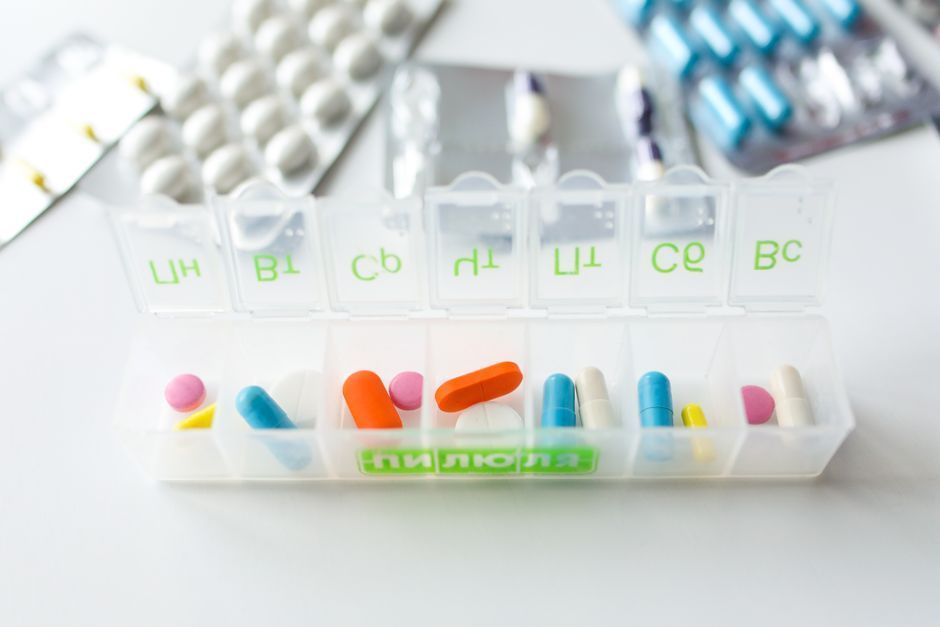 Hommage · Gangnam
Hommage Women's Clinic · Gangnam, Seoul
Mark the date: a pregnancy test is advised if your period is more than 7 days late. Illustrative photo.
Myths and facts
Emergency contraception myths: what is true?
Many women delay emergency contraception because of things they have heard from friends or online. The facts below come from the World Health Organization and international clinical guidance.
“It causes an abortion.”
Fact: emergency pills delay ovulation. They cannot end an established pregnancy or harm an embryo.
“It harms future fertility.”
Fact: fertility is not affected, and it returns straight away. You can get pregnant later in the same cycle.
“It only works the next morning.”
Fact: options work for up to 3 or 5 days, though sooner is always better.
“Using it twice is dangerous.”
Fact: repeated use has no known health risks, but it causes more cycle changes and is less reliable than a regular method.
“It protects me for the rest of the month.”
Fact: pills only cover sex before you take them. Use condoms afterward.
“Teenagers cannot use it.”
Fact: WHO states there are no age limits or absolute medical contraindications for emergency pills.
 Hommage · Gangnam
Hommage Women's Clinic · Gangnam, Seoul
In Korea, emergency contraceptive pills remain prescription-only medicines. Illustrative photo.
Rules in Korea
Morning-after pill in Korea: what the rules are in 2026
Emergency contraceptive pills are classified as prescription-only medicines in Korea. The Ministry of Food and Drug Safety considered reclassifying them as over-the-counter medicines from 2012, but in 2016 decided to keep them prescription-only, and that remains the case as of October 2026. In practice, this means you need a short visit to a doctor and then take the prescription to any pharmacy.
The same distinction matters for the abortion pill. On 16 September 2026 the Korean government announced plans to introduce mifepristone-based medication abortion for pregnancies up to 9 weeks, with a target of the first quarter of 2027, but the product had not been approved at the time of this review. Emergency contraception and the abortion pill are different medicines and are regulated separately. Our abortion pill and surgical abortion pages explain the current situation neutrally.
Confidentiality
Adults can request emergency contraception confidentially. Your consultation is recorded in your medical record like any other visit, and the clinic does not contact anyone else without your consent.
Evidence
How effective is emergency contraception? What the research says
Emergency contraception is one of the best-studied areas of contraception, with more than a hundred randomized trials. Even so, measuring effectiveness is difficult: researchers have to estimate how many pregnancies would have happened without treatment, and that depends on where each woman was in her cycle. The figures below are the most widely cited, and they consistently rank the copper IUD first and ulipristal ahead of levonorgestrel.
Copper IUD pregnancy rate
42 studies, 7,034 post-coital IUD insertions over 1979–2011.
Cleland et al., Hum Reprod, 2012Ulipristal vs levonorgestrel
Pregnancy rates in women treated within 72 hours, in a trial of 2,221 women.
Glasier et al., Lancet, 2010Ulipristal advantage
Fewer pregnancies with ulipristal than levonorgestrel; high-quality evidence.
Shen et al., Cochrane review, 2019 (115 trials, 60,479 women)Levonorgestrel
Range of pregnancy rates reported across studies.
WHO fact sheet, 2021Visitors and expats
Emergency contraception in Seoul for foreigners and travelers
If you are visiting Seoul or living here as a foreign resident, you can get emergency contraception at Hommage Women's Clinic in English, without a Korean health insurance card. Because the pills are prescription-only in Korea, you cannot buy them directly at a pharmacy as you might at home, so contact a clinic first.
What to do
- Message us by WhatsApp or KakaoTalk, or call +82 2-517-7125, and say it is urgent emergency contraception. Mention how many hours have passed.
- Bring your passport or residence card and a list of any medicines you take.
- The clinic is a short walk from Sinnonhyeon Station (Line 9 and Shinbundang Line). Walk-ins are welcome during opening hours.
- Most visits take under an hour; a copper IUD fitting needs a little longer.
- On Sundays or public holidays, a hospital emergency department can prescribe emergency contraception.
Flying home soon?
Emergency pills do not need any follow-up in Seoul. Keep a note of the date and the medicine taken, and test for pregnancy at home if your period is more than 7 days late. If you have a copper IUD fitted, Dr. Park explains how to check the threads and when a check-up with your own doctor is sensible.
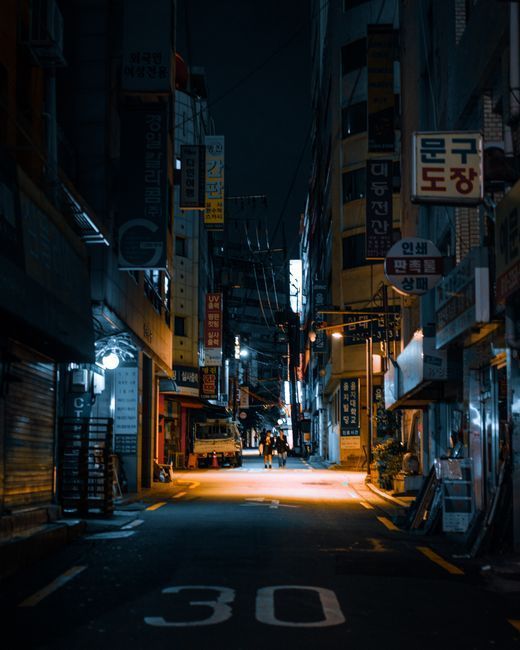 Hommage · Seoul
Hommage Women's Clinic · Gangnam, Seoul
Seoul: the clinic is in Gangnam, a short walk from Sinnonhyeon Station. Illustrative photo.
 Hommage · Gangnam
Hommage Women's Clinic · Gangnam, Seoul
Message us and mention it is urgent; we will fit you in promptly. Illustrative photo.
Choosing well
Where to get emergency contraception in Seoul
Any licensed doctor in Korea can prescribe emergency contraceptive pills, but an OB/GYN clinic can also offer a copper IUD, a pregnancy test and an ultrasound in the same visit. These questions help you choose quickly:
- Can they see me today? Timing matters more than anything else. Ask for a same-day or walk-in visit.
- Do they offer all three options? A gynecology clinic can fit a copper IUD as well as prescribe pills.
- Is the consultation in my language? You should understand your options and the side effects.
- Is a female doctor available? Many women feel more comfortable discussing sex and contraception with a woman.
- Will they plan ongoing contraception? A good visit ends with a plan, not just a pill.
- Is the cost explained upfront? Ask what the consultation and medicine or device include.
What affects the cost of emergency contraception in Korea?
The cost depends on which option you choose (levonorgestrel and ulipristal are priced differently, and a copper IUD includes the device and fitting), whether a pregnancy test or ultrasound is needed, and whether you add tests such as STD testing . Emergency contraception is generally not covered by National Health Insurance. The pill itself is bought at the pharmacy, separately from the consultation. You are told the cost before any procedure.
Your visit
What happens when you need emergency contraception
01
Contact us quickly
Call or message the clinic and say it is for emergency contraception, with how many hours have passed since sex.
02
Short consultation
Dr. Park asks about timing, your cycle, medicines, breastfeeding and weight to choose the right option.
03
Pill or copper IUD
You receive a prescription to fill at a pharmacy, or a copper IUD is fitted after a pregnancy test.
04
Follow-up
A pregnancy test if your period is late, STD testing if needed, and a plan for ongoing contraception.

Your doctor
Dr. Park Yuna
Medical Director · OB/GYN Specialist
Dr. Park focuses on getting you the right option quickly and without judgment. She matches the choice of pill or copper IUD to your timing, cycle and medicines, and helps you plan reliable contraception afterward if you want it.
OB/GYN specialist (Korea) and representative director of Hommage Clinic. Leads the clinic's women's health care, from screening and infections to hormones, contraception and fertility checks.
Emergency contraception: frequently asked questions
Do I need a prescription for emergency contraception in Korea?
Yes. Emergency contraceptive pills currently require a doctor's prescription in Korea, which you then fill at a pharmacy. Because the pills work better the sooner they are taken, contact a clinic as soon as possible. If your usual clinic is closed, a hospital emergency department can also prescribe it.
How long after sex can I take the morning-after pill?
Levonorgestrel can be taken up to 72 hours (3 days) after unprotected sex, and ulipristal up to 120 hours (5 days). A copper IUD can be fitted up to 5 days afterward. All options work better the sooner they are used, so do not wait to see whether your period comes.
How effective is emergency contraception?
The copper IUD is the most effective, preventing more than 99% of expected pregnancies. The pills are less effective but still prevent most pregnancies when taken early. Ulipristal works better than levonorgestrel, especially after the first 72 hours. Pills may work less well if ovulation has already happened or if body weight is higher.
Is the morning-after pill the same as the abortion pill?
No. Emergency contraception prevents pregnancy by delaying ovulation and does not end or harm an existing pregnancy. The abortion pill ends an established pregnancy and, as of October 2026, is not approved in Korea. See our abortion pill page for the current situation.
Will emergency contraception affect my future fertility?
No. Emergency contraceptive pills do not affect your ability to get pregnant in the future, and they can be used more than once if needed. Your next period may arrive a few days early or late. Using a regular method is more reliable than repeated emergency pills, so ask about ongoing contraception.
Can I take emergency contraception while breastfeeding?
Yes. Levonorgestrel is considered compatible with breastfeeding. If you take ulipristal, it is usually advised to express and discard breast milk for one week afterward. A copper IUD is another option. Tell the doctor you are breastfeeding so the most suitable option can be chosen.
Can foreigners get emergency contraception in Seoul?
Yes. International patients and foreign residents can get a prescription for emergency contraception or a copper IUD at Hommage Clinic. Bring your passport or residence card. Please contact us as soon as possible, mention that it is urgent, and ask to arrange language support when you book an appointment.
Can I buy the morning-after pill over the counter at a Korean pharmacy?
No. In Korea, emergency contraceptive pills are prescription-only medicines, and the government decided in 2016 to keep them that way. You need a short visit to a doctor first, then you fill the prescription at any pharmacy. Regular combined birth control pills, by contrast, can be bought without a prescription.
Does my weight affect the morning-after pill?
It may. UK guidance notes that levonorgestrel may be less effective above about 70 kg or a BMI of 26, and ulipristal above about 85 kg or a BMI of 30. The copper IUD is not affected by weight. Tell the doctor your weight so the most effective option can be chosen; a higher dose of levonorgestrel is sometimes advised.
What if I vomit after taking the emergency pill?
If you vomit within about 3 hours of taking the tablet, it may not have been absorbed, and you may need another dose. Contact the clinic or a doctor straight away. Nausea without vomiting is common and does not reduce the effect.
When will my period come after emergency contraception?
Most women have their next period around the expected time, but it may come a few days earlier or later. Some women notice light spotting in the days after the pill. Take a pregnancy test if your period is more than 7 days late, or unusually light or short.
Can I use emergency contraception more than once in a cycle?
Levonorgestrel can be taken again if you have unprotected sex again, and repeated use has no known health risks according to WHO. However, it causes more irregular bleeding and is less reliable than a regular method. Levonorgestrel and ulipristal should not be combined in the same cycle without medical advice. A copper IUD or regular contraception is a better long-term choice.
Does emergency contraception protect against STDs?
No. Emergency contraception only lowers the risk of pregnancy. If you are unsure of your partner's status, STD testing about 2 weeks after the unprotected sex is sensible, with some tests repeated later. After sexual assault, a copper IUD is generally not advised as emergency contraception because of infection risk, and specialist support is available.
References
Sources used for this page, reviewed by Dr. Park Yuna, OB/GYN specialist. Read our editorial and medical review policy.
- World Health Organization. Emergency contraception. Fact sheet, updated 9 November 2021. WHO
- Shen J, Che Y, Showell E, Chen K, Cheng L. Interventions for emergency contraception. Cochrane Database Syst Rev. 2019;(1):CD001324. Cochrane
- Cleland K, Zhu H, Goldstuck N, Cheng L, Trussell J. The efficacy of intrauterine devices for emergency contraception: a systematic review of 35 years of experience. Hum Reprod. 2012;27(7):1994–2000.
- Glasier AF, Cameron ST, Fine PM, et al. Ulipristal acetate versus levonorgestrel for emergency contraception: a randomised non-inferiority trial and meta-analysis. Lancet. 2010;375(9714):555–562.
- Faculty of Sexual and Reproductive Health (UK). Clinical Guideline: Emergency Contraception (updated guidance on body weight and BMI).
- Korea Herald. Morning-after pills to remain prescription drugs (Ministry of Food and Drug Safety decision), 25 May 2016.
- Kyunghyang Shinmun. Government plan to introduce early medication abortion (mifepristone) for pregnancies up to 9 weeks, 16 September 2026.
This page is general information and does not replace a personal consultation. Legal and regulatory information reflects the situation in Korea at the date of review. Illustrations are original works of Hommage Women's Clinic, Gangnam, Seoul; photos marked illustrative are not of patients.
Related contraception and women's health services
Birth Control
Compare the pill, IUDs, implant and condoms by real-world effectiveness and side effects.
IUD Insertion
Hormonal and copper IUDs, including copper IUD fitting as emergency contraception.
Abortion Pill
How the abortion pill differs from emergency contraception, and its current status in Korea.
STD Testing
Confidential testing after unprotected sex for chlamydia, gonorrhea and other infections.
Pelvic Ultrasound
A scan to confirm and locate an early pregnancy or check the uterus before an IUD.
Well-Woman Exam
A routine women's health check covering screening, contraception and sexual health.
Need emergency contraception? Act quickly
Contact Hommage Clinic in Gangnam as soon as possible. Dr. Park Yuna can prescribe a morning-after pill or fit a copper IUD within the time window.
Hommage Clinic · 4F, Building A, 509 Gangnam-daero, Seoul (near Sinnonhyeon Station) · Mon & Fri 10:00–20:00 · Tue–Thu 10:00–19:00 · Sat 10:00–15:00