
Gynecology · Contraception
IUD Insertion in Gangnam: Hormonal vs Copper and What to Expect
An IUD (intrauterine device) is a small T-shaped device placed in the uterus that prevents pregnancy for several years and is more than 99% effective. Hormonal IUDs release levonorgestrel and often make periods lighter, while copper IUDs are hormone-free. At Hommage Clinic in Gangnam, Seoul, OB/GYN specialist Dr. Park Yuna performs the insertion herself and checks the position by ultrasound.
Quick answer
IUD insertion is a 5–10 minute clinic procedure that places a small T-shaped hormonal or copper device in the uterus, giving more than 99% effective contraception for about 3–10 years depending on the device. At Hommage Women's Clinic in Gangnam, Seoul, female OB/GYN specialist Dr. Park Yuna performs every insertion herself, checks the uterus by ultrasound, plans pain relief with you and reviews the position after your first period.
Key takeaways
- Hormonal IUDs usually make periods lighter; copper IUDs are hormone-free but can make periods heavier.
- Cramping during insertion is common and short; local anesthetic options can reduce it.
- Serious complications are rare: perforation happens in about 1 in 1,000 insertions, more often while breastfeeding.
- Fertility returns quickly after removal.
Infographic
IUD insertion in numbers
Insertion time
Plan about 30–60 minutes for the whole visit.
Effective
Fewer than 1 in 100 users become pregnant each year.
Hormonal IUD
Depending on the product and its approved labeling.
Copper IUD
Hormone-free; also works as emergency contraception.
Follow-up check
After your first period, to confirm the position.
Perforation
Rare; higher if breastfeeding or soon after birth.
IUD insertion at a glance
| Key fact | Details |
|---|---|
| Procedure time | Insertion usually takes 5–10 minutes; plan about 30–60 minutes for the visit |
| Comfort | Cramping during insertion; pain relief tablets and local anesthetic can be used |
| How long it works | Hormonal IUD typically 3–8 years by product; copper IUD typically 5–10 years |
| Effectiveness | More than 99%; fewer than 1 in 100 users become pregnant each year |
| Recovery | Most return to normal activities the same day; cramping may last a few days |
| Follow-up | A check, often with ultrasound, after your first period (about 4–6 weeks) |
| Performed by | Dr. Park Yuna, OB/GYN specialist |
An IUD may suit you if you
- Want reliable contraception for a year or more without a daily pill
- Have heavy or painful periods (hormonal IUD) or prefer a hormone-free option (copper IUD)
- Cannot take estrogen because of migraine with aura, clotting risk or smoking over 35
- Are breastfeeding or have finished having children for now
- Need emergency contraception and want ongoing protection (copper IUD)
An IUD may need to wait or be avoided if you
- Could be pregnant, or have an untreated pelvic or sexually transmitted infection
- Have unexplained vaginal bleeding that has not been checked
- Have a uterus shape that the device cannot fit, such as some large fibroids
- Have cervical or uterine cancer, or (for copper) Wilson's disease or copper allergy
What is an IUD and how does it work?
An IUD is a small, flexible T-shaped device, about 3 cm long, that sits inside the uterus. Two fine strings pass through the cervix into the top of the vagina so the device can be checked and later removed.
- Hormonal IUDs (LNG-IUS) , such as Mirena or Kyleena, release a small daily dose of the progestin levonorgestrel. This thickens cervical mucus to block sperm and thins the lining of the uterus. Most of the hormone acts locally, so blood levels stay low.
- Copper IUDs contain no hormones. Copper ions are toxic to sperm and eggs and prevent fertilization.
Both are long-acting reversible contraception: fertility returns quickly after removal. An IUD does not protect against sexually transmitted infections, so condoms are still advised with new partners. For an overview of all methods, see our birth control guide .
Hormonal vs copper IUD: which is right for you?
Both types are highly effective. The main differences are their effect on periods and whether they contain hormones.
- Periods: hormonal IUDs usually make periods lighter and less painful after the first 3–6 months, and some users stop bleeding altogether. They are also used to treat heavy bleeding and can help period pain , adenomyosis and endometriosis. Copper IUDs keep your natural cycle but often make periods heavier and crampier, especially in the first months.
- Hormones: copper is the choice if you want no hormones at all. Hormonal IUDs may cause spotting, mild acne, breast tenderness or mood changes in some users.
- Duration: depending on the product and the approved labeling, hormonal IUDs last about 3–8 years and copper IUDs about 5–10 years.
- Emergency use: only the copper IUD is established as emergency contraception , within 5 days of unprotected sex.
Smaller hormonal devices, such as Kyleena, have a narrower insertion tube, which some women find more comfortable, especially if they have not given birth. Dr. Park will explain which products are available and suitable for you.
What happens during IUD insertion? Does it hurt?
Insertion is done in the clinic and usually takes 5–10 minutes. Most women feel strong period-like cramps for a short time; some describe it as mild, others as quite painful. You can ask to pause at any point.
- Before: a pregnancy test, and swabs for infection if needed. A pelvic ultrasound checks the size and shape of the uterus.
- Pain relief: taking ibuprofen or a similar painkiller about an hour before is usually recommended. A local anesthetic gel or injection around the cervix can be used to reduce discomfort.
- Insertion: a speculum is placed, the cervix is cleaned and gently steadied, the depth of the uterus is measured, and the IUD is placed through a thin tube. The strings are trimmed.
- After: you rest for a few minutes. Some women feel faint or lightheaded briefly, which settles with lying down.
If you are anxious about pain, or a previous insertion was difficult, tell us when you book so we can plan extra support.
Recovery and follow-up after an IUD
Most women return to normal activities the same day. Cramping and light bleeding are common for a few days and respond to ordinary painkillers. Irregular spotting can continue for 3–6 months with a hormonal IUD.
A copper IUD works immediately. A hormonal IUD works immediately if inserted within 7 days of the start of your period; otherwise use condoms for 7 days. Avoid tampons, menstrual cups, baths and sex for a short time if advised, usually a day or two.
A follow-up visit after your first period, about 4–6 weeks after insertion, checks that the IUD is in the right place and that you are comfortable with it. After that, you can learn to feel the strings yourself once a month, and attend routine check-ups.
Risks and side effects of IUDs
IUDs are safe for most women, but you should know the possible complications before you decide:
- Expulsion: the IUD partly or fully comes out in roughly 1 in 20 users, most often in the first year or soon after childbirth.
- Perforation: rarely, about 1 in 1,000 insertions, the IUD pushes through the wall of the uterus and needs to be removed, sometimes surgically.
- Infection: there is a small increased risk of pelvic infection in the first 3 weeks, mainly if an STI is present. Screening with STD testing lowers this risk.
- Pregnancy: very uncommon, but if it occurs with an IUD in place, there is a higher chance it is ectopic.
- Bleeding changes: heavier periods with copper; irregular spotting with hormonal IUDs, usually settling over months. Small ovarian cysts can occur with hormonal IUDs and usually resolve without treatment.
Contact the clinic urgently if you have severe or worsening pelvic pain, fever, unusual discharge, pain during sex, a positive pregnancy test, or if you cannot feel the strings or can feel the hard plastic of the device.
IUD insertion at Hommage Clinic
Hommage Clinic is a women's clinic in Gangnam, a short walk from Sinnonhyeon Station. Dr. Park Yuna, a female OB/GYN specialist, performs every insertion herself, with ultrasound available at the same visit to check the uterus beforehand and the IUD position afterward. Removal and replacement of an existing IUD are also available. See our othergynecology services.
Walk-ins are welcome for a consultation, though insertion is best booked ahead around your cycle. An IUD used only for contraception is generally not covered by National Health Insurance, while a hormonal IUD used to treat a medical condition such as heavy menstrual bleeding may be partly covered for enrolled patients. Visitors without coverage pay the clinic's fees directly. Costs depend on the device chosen, and you receive a written quote before insertion.
Compare
Hormonal IUD vs copper IUD: side-by-side comparison
Both IUDs look similar, a small flexible T about 3 cm long, and both are fitted the same way. The difference is what they release. A hormonal IUD (levonorgestrel intrauterine system, LNG-IUS) releases a small daily dose of progestin into the uterus. It thickens cervical mucus, thins the lining and usually makes periods lighter over the first 3–6 months. A copper IUD releases copper ions that are toxic to sperm, contains no hormones, and keeps your natural cycle, though periods are often heavier and crampier, especially at first.
If heavy or painful periods are part of the reason you want contraception, a hormonal IUD is often the better fit. If you want to avoid hormones completely, or need emergency contraception with ongoing protection, the copper IUD is the choice. Dr. Park explains which brands are currently available in Korea.
| Compare | Hormonal IUD | Copper IUD |
|---|---|---|
| How it works | Progestin thickens mucus and thins the lining | Copper is toxic to sperm and eggs |
| Periods | Usually lighter after 3–6 months; some stop | Natural cycle; often heavier at first |
| Starts working | At once if fitted within 7 days of period start; else 7 days of condoms | Immediately |
| Duration | About 3–8 years by product | About 5–10 years by product |
| Also used for | Heavy or painful periods, adenomyosis | Emergency contraception within 5 days |
The procedure
IUD insertion procedure, step by step
Knowing exactly what will happen makes IUD insertion easier for most women. The whole visit takes about 30–60 minutes, but the insertion itself is only 5–10 minutes. Dr. Park tells you before each step, and you can ask her to pause at any point.
The part most women feel is the moment the uterus is measured and the device passes through the cervix, which causes a strong period-like cramp. It usually fades within minutes. Some women feel briefly lightheaded or faint afterward, which is a normal reflex and settles after lying down for a few minutes. Plan to take it easy for the rest of the day.
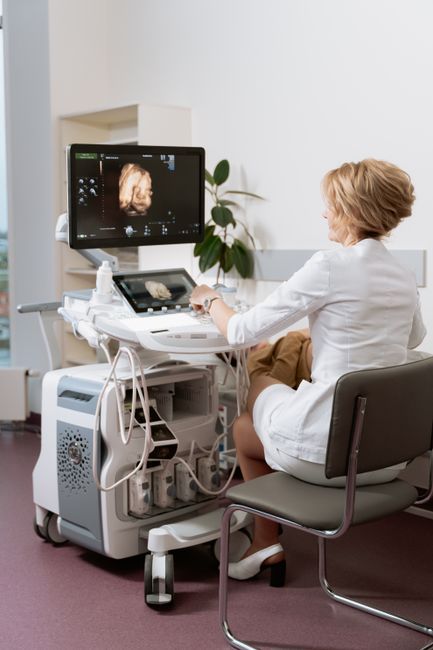 Hommage · Gangnam
Hommage Women's Clinic · Gangnam, Seoul
Each step is explained before it happens, and you can ask to pause. Illustrative photo.
 Hommage · Gangnam
Hommage Women's Clinic · Gangnam, Seoul
Pain relief for IUD insertion is planned with you in advance. Illustrative photo.
Comfort
IUD insertion pain relief: what actually helps?
Pain during IUD insertion varies a great deal from woman to woman, and it is reasonable to ask for a plan before the day. A Cochrane review of 33 randomized trials with 5,710 women (2015) found that some options lowered pain and others did not. Lidocaine applied in certain forms, such as a lidocaine-prilocaine cream, a 4% gel in women who had not given birth, a 10% spray in women who had, or a paracervical block (a local anesthetic injection beside the cervix), reduced pain at specific steps. Naproxen and tramadol helped in some groups of women who had given birth. Most other anti-inflammatory painkillers did not clearly reduce pain during insertion, though they can still help with cramps afterward, and misoprostol, a drug sometimes used to soften the cervix, did not reduce pain and caused more cramping.
Most evidence came from single trials of moderate quality, so no one method works for everyone. Dr. Park discusses options with you, including local anesthetic, taking a painkiller beforehand, and having someone with you or a calming approach if you are anxious.
May help
- Lidocaine cream, gel or spray (by formulation)
- Paracervical block at the cervix
- Naproxen or tramadol in women who have given birth
Less useful during insertion
- Most other NSAIDs for the insertion moment itself
- 2% lidocaine gel
- Misoprostol (more cramping)
Recovery
After IUD insertion: what to expect, day by day
Most women go back to work or study the same day or the next. Cramping and light bleeding are normal for a few days and respond to ordinary painkillers and a warm compress. With a hormonal IUD, irregular spotting is common for the first 3–6 months and then usually settles into lighter periods. With a copper IUD, the first few periods may be heavier and more painful than before.
The follow-up visit after your first period, about 4–6 weeks after insertion, is the key check: Dr. Park confirms the position by ultrasound and asks how you are getting on. After that, you can feel for the strings once a month, after your period, and keep routine check-ups.
Aftercare
IUD aftercare: do's and don'ts, and how to check your strings
Good aftercare is simple. The main goals are to manage cramps, notice early signs of infection or displacement, and know when the device is protecting you. To check your strings, wash your hands, sit or squat, and gently insert a finger until you reach the cervix, which feels firm like the tip of your nose. You should feel the soft threads, not the hard plastic of the device. Do not pull on them.
If you cannot feel the strings, they feel much longer or shorter than before, or you can feel the device itself, use condoms and contact the clinic. Often the strings have simply curled up behind the cervix, and an ultrasound confirms the IUD is in place.
Do
- Take ordinary painkillers and use a warm compress for cramps
- Use condoms for 7 days if your hormonal IUD was fitted later than day 7 of your cycle
- Keep the follow-up check after your first period
- Feel for the strings once a month
- Note the date your IUD will need replacing
- Use condoms for STI protection with new partners
Don't
- Pull on the strings
- Use tampons, cups, baths or have sex in the first day or two if advised not to
- Ignore fever, worsening pelvic pain or unusual discharge
- Assume you are protected if you cannot feel the strings
- Ignore a positive pregnancy test; contact the clinic promptly
 Hommage · Gangnam
Hommage Women's Clinic · Gangnam, Seoul
A warm compress and rest ease cramps in the first days. Illustrative photo.
Evidence
Is an IUD safe? What the research says
IUDs are among the most studied forms of contraception. The largest safety study, the European Active Surveillance Study for Intrauterine Devices (EURAS-IUD), followed 61,448 women using hormonal or copper IUDs. It confirmed that uterine perforation is rare, and identified two clear risk factors: breastfeeding at the time of insertion, and insertion within 36 weeks of giving birth. These factors do not mean an IUD cannot be used after birth, but they are why the uterus is assessed carefully and why the follow-up check matters.
Women followed
Hormonal and copper IUD users in the EURAS-IUD safety study.
MHRA Drug Safety Update, 2015Perforations per 1,000
Not breastfeeding, inserted more than 36 weeks after birth.
EURAS-IUD via MHRA, 2015Per 1,000 if breastfeeding
Breastfeeding and inserted within 36 weeks of birth.
EURAS-IUD via MHRA, 2015Pain relief reviewed
5,710 women; some lidocaine forms helped, misoprostol did not.
Cochrane Review CD007373, 2015Traveling to Seoul
IUD insertion in Seoul for international patients
An IUD fits well with a short stay in Seoul: the consultation, checks and insertion can usually be done on one day, and you go home with years of protection. Hommage Women's Clinic is in Gangnam, a short walk from Sinnonhyeon Station (Line 9 and Shinbundang Line).
Planning your stay
- Book around your cycle; insertion during or just after a period is common and makes it easier to rule out pregnancy.
- Ideally stay for the follow-up after your first period (about 4–6 weeks). If you cannot, arrange a string and position check with a local doctor at home.
- Avoid long-haul flights on the day of insertion if possible, in case of cramping or lightheadedness.
What to bring
- Passport, and residence card if enrolled in National Health Insurance
- Records of any previous IUD, including the brand and insertion date
- Recent STD or Pap results if you have them
Send your dates and questions by WhatsApp, KakaoTalk or the contact form .
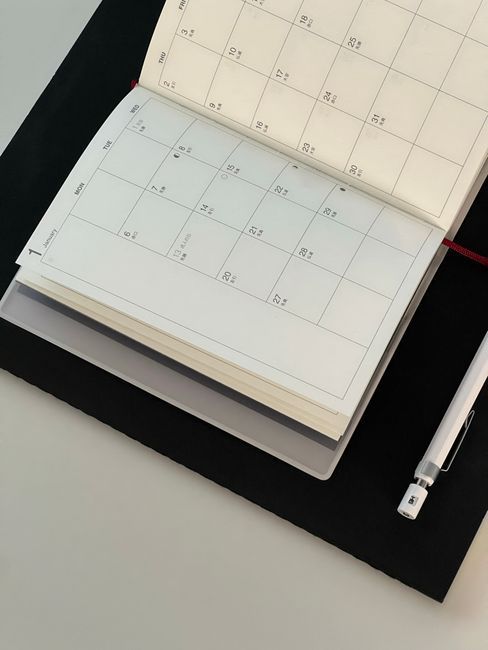 Hommage · Seoul
Hommage Women's Clinic · Gangnam, Seoul
Plan insertion around your cycle and your travel dates. Illustrative photo.
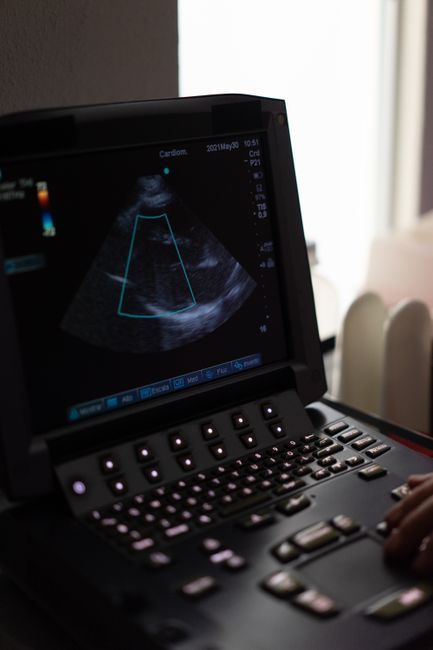 Hommage · Gangnam
Hommage Women's Clinic · Gangnam, Seoul
Ultrasound checks the uterus before insertion and the IUD position afterward. Illustrative photo.
Choosing well
How to choose a clinic for IUD insertion in Seoul
IUD insertion is quick, but experience and preparation matter. Use these questions at any clinic, including ours:
- Does an OB/GYN specialist insert it? Ask who performs the insertion and how often.
- Is ultrasound available on the day? It checks the uterus first and the position afterward.
- Is pain relief discussed in advance? You should know your options before you lie down.
- Which devices are offered, and why? Hormonal and copper options, with the approved duration of each.
- Is there a follow-up plan? A check after the first period, and a contact for problems.
- Do I get a written quote? Device, insertion, ultrasound and follow-up should be clear.
What affects the cost of an IUD in Korea?
The cost depends mainly on the device (hormonal IUDs generally cost more than copper), whether an ultrasound and infection tests are needed, any local anesthetic, and follow-up visits. An IUD used only for contraception is generally not covered by National Health Insurance, while a hormonal IUD used to treat heavy menstrual bleeding may be partly covered for enrolled patients. Because an IUD lasts several years, the cost per year is often lower than monthly pills. You receive a written quote before insertion.
Your visit
What to expect at your IUD appointment
01
Consultation
Dr. Park reviews your periods, health history and plans, and helps you choose between hormonal and copper IUDs.
02
Checks
A pregnancy test, infection screening if needed, and a pelvic ultrasound of the uterus.
03
Insertion
With pain relief as agreed, the IUD is placed in about 5–10 minutes. You rest afterward until you feel ready.
04
Follow-up
A check after your first period, about 4–6 weeks later, confirms the position. Contact us any time with concerns.

Your doctor
Dr. Park Yuna
Medical Director · OB/GYN Specialist
Dr. Park performs IUD insertions herself and explains each step as she goes, so you know what to expect and can ask to pause. She plans pain relief with you beforehand and uses ultrasound to check the uterus and the IUD position.
OB/GYN specialist (Korea) and representative director of Hommage Clinic. Leads the clinic's women's health care, from screening and infections to hormones, contraception and fertility checks.
IUD insertion: frequently asked questions
Does IUD insertion hurt?
Most women feel cramping during insertion, which ranges from mild to quite strong and usually eases within minutes. Taking ibuprofen beforehand and using local anesthetic around the cervix can reduce discomfort. Cramps and spotting may continue for a few days. Tell us if you are anxious so we can plan extra support.
How long does an IUD last?
It depends on the device. Hormonal IUDs typically last about 3–8 years depending on the product and its approved labeling, and copper IUDs about 5–10 years. You can have it removed at any time if you want to get pregnant or change methods, and fertility usually returns quickly.
Can I get an IUD if I have never given birth?
Yes. IUDs are suitable for most women who have never been pregnant, including teenagers and young adults. Insertion may be slightly more uncomfortable because the cervix is narrower, so smaller devices and pain relief options are often considered. Your doctor will check the size of your uterus with ultrasound first.
When in my cycle can I have an IUD inserted?
An IUD can be inserted at any time in your cycle if it is reasonably certain you are not pregnant. Insertion during or just after your period is common. A copper IUD works immediately; a hormonal IUD works immediately within 7 days of your period starting, otherwise use condoms for 7 days.
Will an IUD affect my periods?
Usually, yes. With a hormonal IUD, periods typically become lighter and shorter after a few months, and some women stop bleeding, which is not harmful. Irregular spotting is common at first. A copper IUD keeps your natural cycle but often makes periods heavier and more crampy, especially in the first months.
Can foreigners get an IUD in Seoul?
Yes. International patients and foreign residents can have an IUD inserted, checked, removed or replaced at Hommage Clinic. Bring your passport, or residence card if enrolled in National Health Insurance, and any records of a previous IUD. Please contact us before your visit to arrange language support when you book an appointment.
What pain relief works best for IUD insertion?
A Cochrane review of 33 trials found that some forms of lidocaine, such as a cream, certain gels and sprays, or a paracervical block injection, reduced pain at specific steps, while misoprostol did not help. Most evidence came from single trials, so Dr. Park plans pain relief with you individually before the day.
How common is IUD perforation?
It is rare. In the EURAS-IUD study of more than 61,000 women, perforation occurred in about 0.7 per 1,000 insertions in women who were not breastfeeding and more than 36 weeks after birth, and about 5.6 per 1,000 in women who were breastfeeding and within 36 weeks of birth. Most perforations are found at follow-up and managed by removing the device.
Can I get an IUD while breastfeeding?
Yes. Hormonal and copper IUDs do not affect breast milk supply in a meaningful way and are commonly used after birth. Breastfeeding is linked to a slightly higher risk of perforation, so insertion is done carefully and the position is checked at follow-up.
How do I check my IUD strings?
Once a month, after your period, wash your hands and gently insert a finger until you feel the cervix. You should feel soft threads but not the hard device. If you cannot feel the strings or they feel different, use condoms and contact the clinic; an ultrasound can confirm the position.
Can my partner feel the IUD during sex?
Usually not. Occasionally a partner notices the strings at first; they soften and curl around the cervix over time. If it remains a problem, the strings can be trimmed shorter at a check-up.
What happens if I get pregnant with an IUD?
Pregnancy with an IUD is very uncommon, but if it happens there is a higher chance that it is outside the uterus (ectopic). Take a pregnancy test and contact the clinic promptly if your period is late, you have a positive test, or you have one-sided pelvic pain.
Can an IUD be removed or replaced at the same visit?
Yes. Removal is usually quick and less uncomfortable than insertion. If you want to continue, a new IUD can often be inserted straight after the old one is removed, so there is no gap in protection.
References
Sources used for this page, reviewed by Dr. Park Yuna, OB/GYN specialist. Read our editorial and medical review policy.
- Medicines and Healthcare products Regulatory Agency (MHRA). Intrauterine contraception: uterine perforation – updated information on risk factors (EURAS-IUD). Drug Safety Update. June 2015. GOV.UK
- Lopez LM, Bernholc A, Zeng Y, et al. Interventions for pain with intrauterine device insertion. Cochrane Database Syst Rev. 2015;(7):CD007373. PubMed
- Cochrane. Methods to reduce pain during insertion of intrauterine contraception (plain language summary). Cochrane
- Medsafe (New Zealand). IUDs and uterine perforation. Prescriber Update. September 2014. Medsafe
- FDA approval of Mirena for up to 8 years of pregnancy prevention, based on the Mirena Extension Trial. PharmaNewsIntelligence
This page is general information and does not replace a personal consultation. Illustrations are original works of Hommage Women's Clinic, Gangnam, Seoul; photos marked illustrative are not of patients.
Related contraception and women's health services
Birth Control
Compare the pill, IUDs, implant and condoms by real-world effectiveness and side effects.
Emergency Contraception
Morning-after pills and the copper IUD after unprotected sex: timing and options in Korea.
Pelvic Ultrasound
A scan of the uterus and ovaries, used before insertion and to check IUD position.
Period Pain Treatment
Causes of painful periods and treatments, including the hormonal IUD.
Endometriosis Treatment
Diagnosis and care for endometriosis, where hormonal IUDs can ease pain.
STD Testing
Confidential STI screening, often recommended before IUD insertion.
Talk to us about an IUD
Book a consultation with Dr. Park Yuna in Gangnam to compare hormonal and copper IUDs, plan pain relief and arrange insertion.
Hommage Clinic · 4F, Building A, 509 Gangnam-daero, Seoul (near Sinnonhyeon Station) · Mon & Fri 10:00–20:00 · Tue–Thu 10:00–19:00 · Sat 10:00–15:00