
Gynecology · Sexual health
Genital Warts Treatment in Gangnam: Removal Options and HPV Care
Genital warts are small growths, usually not painful, on or around the vulva, vagina, cervix or anus, caused mainly by the low-risk HPV types 6 and 11. At Hommage Clinic in Gangnam, Seoul, female OB/GYN specialist Dr. Park Yuna confirms the diagnosis in a private exam, treats the warts with a method suited to their size and location, and reviews your cervical screening.
Quick answer
Genital warts treatment removes visible warts caused mainly by low-risk HPV types 6 and 11, using cryotherapy, prescription creams, or removal by electrocautery, laser or excision. At Hommage Women's Clinic in Gangnam, Seoul, female OB/GYN specialist Dr. Park Yuna examines the vulva, vagina and cervix, then chooses a method for the size and location of the warts. Several sessions 1–2 weeks apart are common, and new warts often appear in the first 3 months.
Key takeaways
- Treatment removes warts, not HPV itself; the immune system usually controls the virus over time.
- No single method is best for everyone; reviews find the research quality is low and results overlap.
- Warts are caused by low-risk HPV types and are not a sign of cervical cancer, but keep up with screening.
- In pregnancy, creams are avoided and cryotherapy is the usual choice.
Infographic
Genital warts in numbers
From HPV 6 and 11
Two low-risk types cause most genital warts.
Between sessions
Typical interval for repeat cryotherapy.
Highest recurrence
New warts are most common in the first months.
Clear on their own
Within about 6 months, without treatment (UK guidance).
Immune control
Most people bring HPV under control over time.
Review visit
To treat any remaining or new warts early.
Genital warts care at a glance
| Key fact | Details |
|---|---|
| What it is | Skin growths caused by low-risk HPV, mostly types 6 and 11, spread by skin-to-skin sexual contact |
| Common signs | Small flesh-colored or gray bumps, single or in clusters; sometimes itching, rarely bleeding |
| How it's diagnosed | Usually by a visual exam; a small biopsy only if a lesion looks unusual or does not respond |
| Treatment options | Cryotherapy, prescription creams, or removal by electrocautery, laser or excision |
| Sessions | Often several treatments 1–2 weeks apart; new warts are common in the first 3 months |
| Reviewed by | Dr. Park Yuna, OB/GYN specialist |
Book an assessment if you have
- New bumps, lumps or rough patches on the vulva, around the vaginal opening or anus
- Warts that came back after earlier treatment, in Korea or abroad
- A partner who has been diagnosed with genital warts
- Genital warts and a current or planned pregnancy
See a doctor promptly if you have
- A lesion that bleeds, is dark or hard, grows quickly, or a sore that does not heal
- Painful blisters or ulcers, which suggest herpes or another infection rather than warts
- Fever, spreading redness or pus after a wart treatment
What causes genital warts?
Genital warts are caused by the human papillomavirus (HPV), which spreads through skin-to-skin contact during vaginal, anal or oral sex. About 90% of warts come from two low-risk types, HPV 6 and HPV 11. Condoms lower the risk but do not cover all genital skin, so they cannot fully prevent it.
Warts usually appear weeks to months after contact, but the virus can stay silent for much longer, and many people who carry HPV never develop warts. The wart-causing types are different from the high-risk types, such as HPV 16 and 18, that can lead to cervical cancer. You can carry both kinds at once, which is why an HPV test and regular screening still matter.
What do genital warts look like, and how are they diagnosed?
Genital warts are usually soft, skin-colored, pink or gray bumps that may be flat, raised or clustered in a cauliflower-like shape. They can appear on the vulva, around the vaginal opening, inside the vagina, on the cervix, in the groin or around the anus. Most cause no pain, though some itch or bleed with friction.
Diagnosis is usually made by looking at the area under good light. A small biopsy is taken only if a lesion looks atypical, for example dark, hard or ulcerated, or if it does not respond to treatment. Some normal skin features and conditions, such as skin tags or molluscum contagiosum, can look similar, so a doctor's exam avoids unnecessary treatment.
Because warts are a sign of sexual exposure, it is sensible to check for other infections with STD testing at the same visit. Having warts does not mean you need a Pap smear more often than usual, but you should stay up to date with screening.
Genital warts treatment options
Treatment removes visible warts and relieves symptoms, but it does not remove HPV from the body. Without treatment, warts may fade on their own, stay the same or grow, so many women choose treatment for comfort and peace of mind. The right method depends on the number, size and location of the warts and on whether you are pregnant.
- Cryotherapy: liquid nitrogen freezes the wart, which then blisters and falls off. It suits small warts and is usually repeated every 1–2 weeks until they clear.
- Prescription creams: creams such as imiquimod, which helps your immune system attack the wart, are applied at home a few times a week for several weeks. They suit women who prefer to treat at home and have external warts only.
- Electrocautery, laser or excision: warts are removed with heat, a laser or a small blade after a local anesthetic. This suits larger, numerous or stubborn warts and often clears them in fewer visits.
Never use over-the-counter wart removers made for hands or feet on genital skin, as they can cause burns. Warts inside the vagina or on the cervix need assessment by a gynecologist before treatment.
Do genital warts come back after treatment?
Yes, recurrence is common, especially in the first three months, because the virus can remain in nearby skin that looked normal at the time of treatment. New warts during this period do not usually mean a new infection or that treatment failed. For most people, the immune system brings HPV under control over time, often within one to two years, and the warts stop returning.
A follow-up visit lets small new warts be treated early, while they are easiest to clear. Not smoking and avoiding shaving over affected skin may also help. If you have not been vaccinated, the HPV vaccine will not treat existing warts, but Gardasil 9 protects against HPV types you have not yet met, including types 6 and 11 and several high-risk types.
Possible side effects of genital wart treatment
All wart treatments irritate the skin to some degree, and Dr. Park will explain what to expect from the method you choose.
- Cryotherapy: stinging during treatment, then redness, swelling and blistering for a few days. Lighter or darker skin patches and, rarely, scarring can occur.
- Creams: redness, burning, soreness or raw skin at the application site. Imiquimod can occasionally cause flu-like tiredness and can weaken latex condoms and diaphragms, so wash it off before sex.
- Electrocautery, laser or excision: the anesthetic injection stings briefly, and the treated area stays sore while it heals, usually over one to three weeks. Infection, scarring and color change are possible.
Contact the clinic if you have severe pain, bleeding that does not stop with gentle pressure, pus, fever or difficulty passing urine after treatment.
Genital warts in pregnancy and with partners
Warts can grow or multiply during pregnancy because of hormonal and immune changes. Imiquimod and similar creams are not recommended while pregnant, but cryotherapy and removal can be used safely. Passing wart-causing HPV to a baby is rare, and a cesarean section is not needed just because of warts unless they block the birth canal or could bleed heavily.
If you have a regular partner, they have most likely been exposed already. Because HPV can stay silent for months or years, a new diagnosis does not show when or from whom the infection came, and it is not a sign of recent unfaithfulness. A partner with visible warts or other symptoms should see a doctor.
Genital wart treatment at Hommage Clinic
Hommage Clinic is a women's clinic in Gangnam, a short walk from Sinnonhyeon Station, and welcomes walk-ins during opening hours. Dr. Park Yuna, a female OB/GYN specialist, examines and treats you in a private room, including a check of the vagina and cervix that a general skin clinic may not include. STI tests and cervical screening can be arranged at the same visit. You can find our othergynecology serviceshere.
Cost depends on the number and size of the warts, the method used and how many sessions you need. If you are enrolled in Korea's National Health Insurance, part of the cost of diagnosis and medical treatment may be covered; visitors without coverage pay the clinic's fees directly. We explain the expected costs before treatment begins.
Compare options
Cryotherapy vs cream vs removal: which genital wart treatment is best?
There is no single best genital wart treatment. A 2019 network meta-analysis of 37 randomized trials found that surgical and laser methods tended to clear warts at the end of treatment more often, but it rated the overall quality of the evidence as low, and recurrence rates were not clearly different between methods. In practice the choice depends on how many warts you have, where they are, whether you are pregnant, and whether you prefer quick clinic treatment or a cream you apply at home.
Dr. Park often combines methods: for example, removing a few larger warts in the clinic and following with cryotherapy or a cream for small new ones. Warts inside the vagina or on the cervix are treated in the clinic, not with home creams.
| Compare | Cryotherapy | Prescription cream | Removal |
|---|---|---|---|
| Where | In clinic | At home | In clinic, local anesthetic |
| Best for | Small, few warts | External warts, women who prefer home care | Large, many or stubborn warts |
| Typical course | Repeated every 1–2 weeks | Several weeks, up to about 16 for imiquimod | Often one or two sessions |
| Pregnancy | Usual first choice | Not recommended | Can be used |
| Main side effects | Blistering, color change | Redness, soreness, raw skin | Soreness for 1–3 weeks, small scar risk |
In the clinic
Genital wart cryotherapy: what a session feels like
Cryotherapy is the most common first treatment for small genital warts. Liquid nitrogen is applied for a few seconds to each wart, usually with a fine spray or cotton tip. You feel intense cold and stinging that fades within minutes. Over the next few days the treated wart blisters, dries and falls off, and the skin underneath heals within about one to two weeks.
Because each session treats only what is visible, cryotherapy is repeated every one to two weeks until the warts clear. UK guidance suggests considering a different method if there is no response after about four weeks of treatment. Cryotherapy does not need a cream at home and is the usual choice during pregnancy.
Imiquimod and other creams
Creams work differently. Imiquimod stimulates your own immune response against the wart and is usually applied three times a week, then washed off 6–10 hours later, for up to about 16 weeks. Results come slowly, redness is expected, and the cream must be kept away from internal skin. Dr. Park reviews you every few weeks so the plan can change if progress is slow.
 Hommage · Gangnam
Hommage Women's Clinic · Gangnam, Seoul
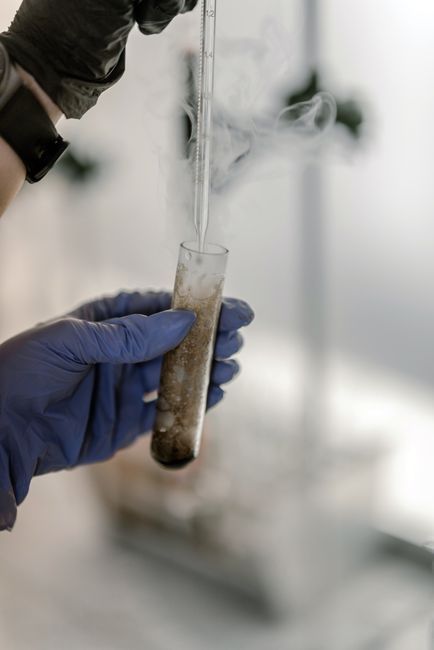
Cryotherapy freezes each wart for a few seconds; it is repeated every 1–2 weeks. Illustrative photo.
Healing and recurrence
Genital warts treatment timeline: from first visit to clear skin
Knowing the usual course makes recurrences less worrying. Most women need more than one visit, and small new warts in the first months are expected rather than a sign that treatment failed. The timeline below shows a typical path; your own may be shorter or longer depending on the number of warts and your immune response.
 Hommage · Gangnam
Hommage Women's Clinic · Gangnam, Seoul
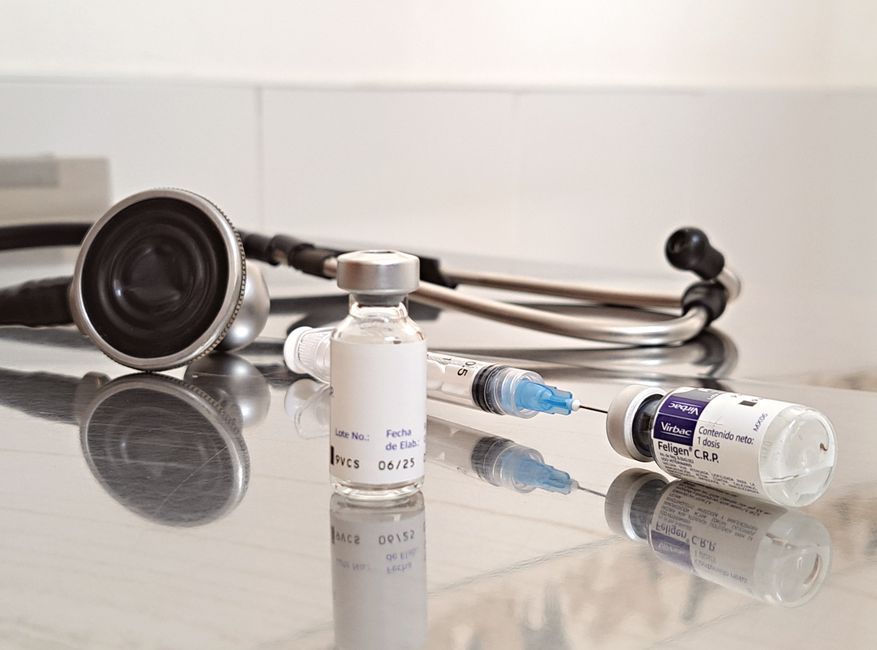
The 9-valent HPV vaccine covers wart-causing types 6 and 11. Illustrative photo.
Understanding HPV
Genital warts vs cervical cancer risk: low-risk and high-risk HPV
There are many types of HPV, and the genital types fall into two broad groups. Low-risk types, mainly HPV 6 and 11, cause warts but very rarely cancer. High-risk types, such as HPV 16 and 18, usually cause no visible change at all but can, over years, lead to cell changes on the cervix. That is why genital warts are treated on the skin, while cancer prevention relies on cervical screening and an HPV test .
Aftercare
After genital wart removal: do's and don'ts
Treated skin heals best when it is kept clean, dry and free from friction. Most women return to normal daily activities the same day; only the treated area needs care while it heals, usually over one to three weeks.
Do
- Rinse gently with lukewarm water and pat dry
- Wear loose cotton underwear
- Use simple pain relief if the area is sore
- Wash imiquimod off before sex, as directed
- Come back early if new warts appear
Don't
- Pick or pop blisters after cryotherapy
- Use hand or foot wart removers on genital skin
- Shave or wax over treated or affected skin
- Have sex until the skin has healed
- Smoke, which is linked to slower clearance
 Hommage · Gangnam
Hommage Women's Clinic · Gangnam, Seoul
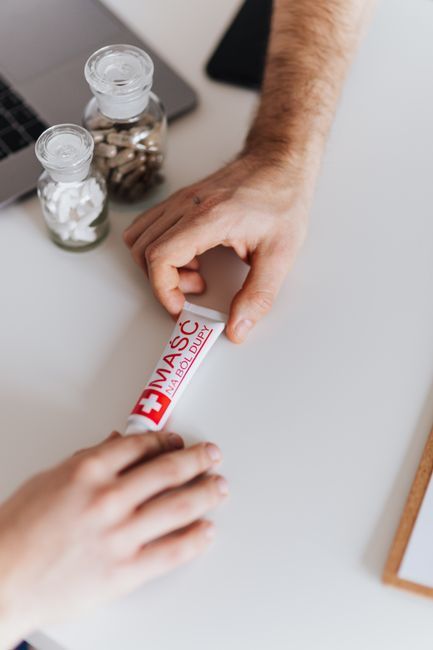
Prescription creams are applied at home and reviewed every few weeks. Illustrative photo.
Evidence
How well do genital wart treatments work? What the research says
Genital wart treatments have been studied in many trials, but most were small and short, and few compared methods directly. The figures below come from UK clinical guidance (based on the British Association for Sexual Health and HIV guideline) and a 2019 network meta-analysis. Clearance ranges are wide because studies measured success in different ways and over different time spans.
Cryotherapy clearance
Intention-to-treat; recurrence 21–42% in trials.
NHS Scotland guidance, citing BASHH 2015Imiquimod clearance
Intention-to-treat; recurrence 6–26% in trials.
NHS Scotland guidance, citing BASHH 2015Clear without treatment
Over up to 6 months.
NHS Scotland guidanceRandomized trials reviewed
Evidence quality rated low overall; no study at low risk of bias.
Barton et al., BMJ Open, 2019Traveling to Seoul
Genital warts treatment in Seoul for international patients
If you are in Seoul for a short stay, treatment can be planned around your dates. Because cryotherapy is usually repeated every one to two weeks, a stay of about two weeks allows a first treatment and one review. Removal under local anesthetic may clear several warts in a single visit, which can suit shorter trips.
Before your visit
- Message your travel dates by WhatsApp, KakaoTalk or the contact form, and ask for language support if you need it.
- Bring your passport or residence card, and records of any earlier wart treatment.
- Tell us if you are pregnant or could be, as this changes which treatments are safe.
- Consider adding STD testing or a Pap smear at the same visit.
After you fly home
You receive written aftercare and the name of any prescribed cream. If new warts appear, a local doctor can continue treatment, or you can send questions to the clinic. Seek care promptly for fever, spreading redness or bleeding that does not stop.
 Hommage · Gangnam
Hommage Women's Clinic · Gangnam, Seoul
A two-week stay usually allows a first treatment and one review. Illustrative photo.
 Hommage · Gangnam
Hommage Women's Clinic · Gangnam, Seoul
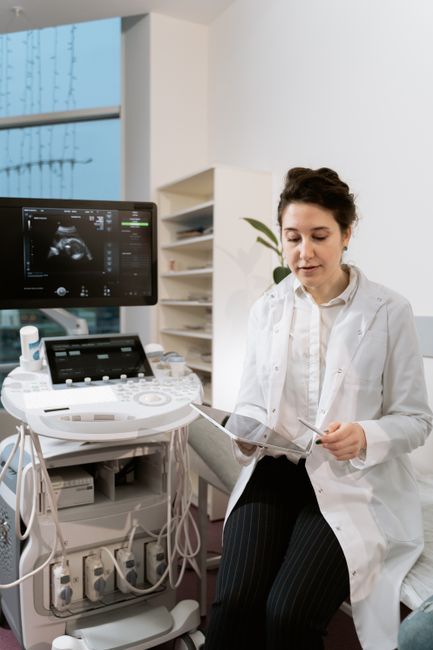
A full gynecological exam makes sure no internal warts are missed. Illustrative photo.
Choosing well
How to choose a clinic for genital wart removal in Seoul
Use these questions at any clinic, including ours:
- Will the vagina and cervix be checked? Internal warts can be missed by a skin-only exam.
- Is the diagnosis confirmed first? Skin tags and other bumps can look like warts.
- Are several methods offered? Cryotherapy, creams and removal each suit different warts.
- Is recurrence explained honestly? Beware of promises that warts will never return.
- Is follow-up included in the plan? Early review keeps new warts small.
- Are STI tests and screening offered? Warts are a good reason to check your wider sexual health.
What affects the cost of genital wart treatment in Seoul?
Cost depends on the number, size and location of the warts, the method chosen, whether local anesthetic or a biopsy is needed, and how many sessions it takes. Prescription creams add a medicine cost. Diagnosis and medical treatment may be partly covered by National Health Insurance for enrolled patients; visitors without coverage pay directly. You receive an explanation of the expected cost before treatment begins.
Your visit
What to expect at your genital warts appointment
01
Private consultation
Dr. Park asks when you noticed the bumps, about any earlier treatment, your sexual health history and whether you could be pregnant.
02
Examination
A gentle external exam and, when needed, a speculum exam to check the vagina and cervix. A biopsy is taken only if a lesion looks unusual.
03
Treatment plan
Small warts can often be treated the same day. Larger areas may be removed under local anesthetic, or you may be given a cream to use at home.
04
Follow-up
A review visit, usually in 2–4 weeks, to treat any remaining or new warts and go through STI or screening results.

Your doctor
Dr. Park Yuna
Medical Director · OB/GYN Specialist
Dr. Park examines the whole genital area, including the vagina and cervix, before choosing a treatment, so that no warts are missed and anything unusual is biopsied. She explains the likely course, including the chance of recurrence, so you can plan follow-up visits around your schedule.
OB/GYN specialist (Korea) and representative director of Hommage Clinic. Leads the clinic's women's health care, from screening and infections to hormones, contraception and fertility checks.
Genital warts: frequently asked questions
Do genital warts go away on their own?
Sometimes. Without treatment, genital warts may disappear within months to a year or two, stay the same, or grow and spread. Many women choose treatment because warts can itch, feel uncomfortable or cause worry. Treatment removes the visible warts but not HPV itself, so your immune system still does the long-term work of controlling the virus.
Are genital warts a sign of cervical cancer?
No. Genital warts are usually caused by HPV types 6 and 11, low-risk types that rarely cause cancer. Cervical cancer is caused by different, high-risk HPV types. It is possible to carry both kinds at once, so keep up with regular cervical screening such as a Pap smear. Having warts does not mean you need screening more often.
Does genital wart removal hurt?
Most treatments cause some discomfort, but it is usually manageable. Cryotherapy stings briefly and can leave the area sore for a few days. Electrocautery and laser removal are done after a local anesthetic, so you feel pressure rather than sharp pain. The treated skin stays tender while it heals, and simple pain relief usually helps.
Can I have sex after genital wart treatment?
Wait until the treated skin has fully healed, usually one to two weeks, to reduce pain, infection and the chance of passing HPV on. Condoms lower the risk of transmission but do not cover all skin. If you use imiquimod cream, wash it off before sex, because it can weaken latex condoms and diaphragms.
Can I get the HPV vaccine if I already have genital warts?
Yes. The vaccine does not treat warts you already have, but it can protect you against HPV types you have not yet been exposed to, including high-risk types linked to cervical cancer. Gardasil 9 covers types 6 and 11 and is approved in Korea for women up to age 45. Read more about the HPV vaccine for adult women.
Should my partner be checked too?
Your partner does not need treatment unless they have visible warts, but it is reasonable for them to see a doctor for an exam and STI testing. Because HPV can stay silent for months or years, a diagnosis does not show when or from whom the infection came. Couples who have been together for a while usually share the virus already.
Can foreigners get genital wart treatment in Seoul?
Yes. International patients and foreign residents can book genital wart treatment at Hommage Clinic in Gangnam. Bring your passport or residence card and any records of earlier treatment. If you are in Seoul for a short stay, tell us your travel dates so treatment and follow-up can be planned around them. Contact us before your visit to arrange language support.
Which genital warts treatment works best?
No single treatment is best for everyone. A 2019 review of 37 trials found that surgical and laser methods tended to clear warts more often at the end of treatment, but rated the overall evidence as low quality, and recurrence was not clearly different between methods. Dr. Park chooses based on the number, size and location of your warts, pregnancy and your schedule.
How many cryotherapy sessions will I need for genital warts?
It varies. Small warts may clear after one or two sessions, while larger or more numerous warts often need several, usually spaced 1–2 weeks apart. If there is little response after about four weeks of treatment, switching to another method is usually considered.
Can I treat genital warts at home?
Only with a prescription cream and after a doctor has confirmed the diagnosis. Creams such as imiquimod are used for external warts and are not suitable inside the vagina, on the cervix or in pregnancy. Do not use over-the-counter wart removers meant for hands or feet on genital skin.
Are genital warts treated differently during pregnancy?
Yes. Imiquimod and similar creams are not recommended in pregnancy, so cryotherapy or removal in the clinic is usually used. Warts can grow or multiply during pregnancy. A cesarean section is not needed just because of warts unless they block the birth canal or could bleed heavily.
How long after genital wart treatment can I swim or exercise?
Gentle activity is usually fine the same day. Wait until the treated skin has healed, often one to two weeks, before swimming, using hot tubs or doing exercise that causes a lot of friction, to lower the risk of irritation and infection.
Will genital wart removal leave a scar?
Most treated areas heal without a noticeable scar. Lighter or darker patches and, less often, small scars can occur, especially after cryotherapy or removal of larger warts. Avoiding picking at blisters or scabs and keeping the area clean helps the skin heal well.
References
Sources used for this page, reviewed by Dr. Park Yuna, OB/GYN specialist. Read our editorial and medical review policy.
- Barton S, Wakefield V, O'Mahony C, Edwards S. Effectiveness of topical and ablative therapies in treatment of anogenital warts: a systematic review and network meta-analysis. BMJ Open. 2019;9(10):e027765. BMJ Open
- NHS Dumfries and Galloway. External anogenital warts: management (summarizing the British Association for Sexual Health and HIV 2015 UK national guideline on the management of anogenital warts). NHS Scotland Right Decisions
- World Health Organization. Sexually transmitted infections (STIs). Fact sheet, 10 September 2025. WHO
This page is general information and does not replace a personal consultation. Illustrations are original works of Hommage Women's Clinic, Gangnam, Seoul; photos marked illustrative are not of patients.
Related sexual health services
HPV Testing
What a high-risk HPV DNA test shows and how results guide cervical follow-up.
HPV Vaccine
Gardasil 9 for adult women, covering wart-causing and high-risk HPV types.
STD Testing
Confidential tests for chlamydia, gonorrhea, syphilis, herpes and other infections.
Pap Smear
Cervical screening: how the test works and what results like ASC-US mean.
Colposcopy
A magnified look at the cervix after an abnormal Pap or HPV result.
Vaginal Infections
How to tell BV, yeast and trichomonas apart, and when to get tested.
Get genital warts checked discreetly
Book a private appointment with Dr. Park Yuna near Sinnonhyeon Station for diagnosis, treatment and STI testing in one visit.
Hommage Clinic · 4F, Building A, 509 Gangnam-daero, Seoul (near Sinnonhyeon Station) · Mon & Fri 10:00–20:00 · Tue–Thu 10:00–19:00 · Sat 10:00–15:00