
Gynecology · Periods
Irregular Periods: Causes, Tests and Treatment in Gangnam, Seoul
Irregular periods are menstrual cycles that vary a lot in length, come less often than every 35 days or more often than every 21 days, or stop for three months or more. At Hommage Clinic in Gangnam, Seoul, OB/GYN specialist Dr. Park Yuna finds the cause with an ultrasound and hormone tests, then treats it based on your health and pregnancy plans.
Quick answer
Irregular periods are cycles shorter than 21 days, longer than 35 days, varying a lot from month to month, or absent for three months or more. At Hommage Women's Clinic in Gangnam, Seoul, female OB/GYN specialist Dr. Park Yuna looks for the cause with a pregnancy test, same-day pelvic ultrasound and hormone blood tests. Common causes are PCOS, stress, weight change, thyroid problems, high prolactin and perimenopause; treatment targets the cause and your pregnancy plans.
Key takeaways
- A healthy cycle does not have to be 28 days; in a study of over 600,000 cycles only 13% were exactly 28 days long.
- Some irregularity is normal in the teens, after childbirth and in your 40s.
- Fewer than about four periods a year can thicken the uterine lining and should be checked.
- Very heavy bleeding with dizziness, or pain with a positive pregnancy test, needs urgent care.
Infographic
Irregular periods in numbers
Days in a typical cycle
Counted from day 1 of one period to day 1 of the next.
Cycles exactly 28 days
In 612,613 app-tracked cycles; average length was 29.3 days (Bull et al., 2019).
No period
Three months or more without a period and without pregnancy needs assessment.
Days in the teen years
About 90% of adolescent cycles fall in this wider range (ACOG).
Month-to-month change
Variation larger than this is usually described as irregular.
Visits to find the cause
Most causes are identified with history, ultrasound and blood tests at Hommage.
Irregular periods at a glance
| Key fact | Details |
|---|---|
| What it is | Cycles shorter than 21 days, longer than 35 days, very variable, or absent for 3+ months |
| Common causes | PCOS, stress, weight change, thyroid problems, high prolactin, perimenopause, the pill or IUD |
| How it's diagnosed | Cycle history, pregnancy test, pelvic ultrasound and hormone blood tests |
| Treatment options | Treating the cause, lifestyle support, cyclic progestin, birth control pill, ovulation support |
| Follow-up | Usually once results are back, then every 3–6 months while cycles settle |
| Reviewed by | Dr. Park Yuna, OB/GYN specialist |
Book an assessment if you have
- No period for 3 months or more without being pregnant
- Cycles regularly longer than 35 days or shorter than 21 days
- Cycle lengths that vary by more than 7–9 days from month to month
- Bleeding between periods or after sex
- Irregular periods with acne, excess hair growth or trouble getting pregnant
Seek urgent care instead if you have
- Very heavy bleeding that soaks a pad or tampon every hour for several hours
- Bleeding with dizziness, fainting or shortness of breath
- A positive pregnancy test with pain or bleeding
What counts as an irregular period?
A typical menstrual cycle lasts 21 to 35 days, counted from the first day of one period to the first day of the next, and bleeding usually lasts up to seven days. Your cycle does not need to be exactly 28 days to be healthy.
Doctors usually describe periods as irregular when:
- Cycles are regularly shorter than 21 days or longer than 35 days
- The length of your cycle changes a lot from month to month, by more than about 7 to 9 days
- Your periods stop for three months or more (secondary amenorrhea)
- You bleed between periods or after sex
Some irregularity is normal in the first few years after periods start, after pregnancy and breastfeeding, and in the years before menopause. Outside these times, a persistent change is worth checking.
What causes irregular periods?
The most common causes are hormonal conditions that interrupt ovulation, and lifestyle factors such as stress or weight change. Pregnancy is always ruled out first.
- Polycystic ovary syndrome (PCOS): the most common hormonal cause of infrequent periods, often with acne or excess hair.
- Stress, weight loss and exercise: major stress, low body weight, under-eating or intense training can switch off the brain signals that trigger ovulation.
- Thyroid disease and high prolactin: both can disrupt the cycle and are checked with a simple blood test.
- Perimenopause: cycles often become shorter, then longer and unpredictable, in your 40s.
- Contraception: the pill, progestin implants and hormonal IUDs can change bleeding patterns, and cycles may take a few months to settle after stopping.
- Structural causes: polyps, fibroids or an infection can cause bleeding between periods.
- Premature ovarian insufficiency: less commonly, the ovaries stop working normally before age 40.
Moving abroad can also play a part: a new time zone, work pressure, diet and climate are common triggers for a temporary change in cycles among people who have recently moved to Seoul.
How are irregular periods diagnosed?
Diagnosis combines your cycle history with a pregnancy test, a pelvic ultrasound and blood tests, and most causes can be identified within one or two visits.
Dr. Park asks about your cycle dates, weight changes, stress, exercise, medicines and symptoms such as acne, hair growth, hot flashes or nipple discharge. A pelvic ultrasound checks the ovaries and the lining of the uterus. Hormone testing usually includes FSH, LH, estradiol, thyroid hormones, prolactin and sometimes androgens or AMH. Some of these are ideally taken on days 2 to 5 of your cycle; if you have no periods, they can be done on any day.
If you have bleeding between periods or after sex, a cervical screening test and swabs for infection may also be recommended.
Treatment for irregular periods
Treatment depends on the cause and on whether you want to get pregnant now, later or not at all. The goals are to protect your health, control bleeding and support fertility when you need it.
- Treating the cause: thyroid medication, treatment for high prolactin, or nutrition support and gradual weight restoration when low energy availability is the cause.
- Regulating bleeding: a combined birth control pill or a cyclic progestin gives you predictable bleeds. See birth control options .
- Protecting the uterine lining: if you have fewer than about four periods a year, the lining can thicken, so a regular progestin-induced bleed is recommended.
- Trying to conceive: ovulation testing confirms whether you ovulate, and medication such as letrozole can help when you do not.
Many temporary changes, such as those after stress or travel, settle on their own within a few months, and watchful waiting with a cycle diary is sometimes the right choice.
Possible side effects of treatment
Hormonal treatment is widely used and generally well tolerated, but it has possible side effects that Dr. Park explains before you start. Birth control pills can cause nausea, breast tenderness, mood changes or spotting in the first months, and carry a small risk of blood clots, so they are not suitable if you smoke over age 35, have migraine with aura or a clotting history. Cyclic progestins can cause bloating, mood changes or breast tenderness. Ovulation medicines can occasionally cause multiple pregnancy, so they are used with monitoring.
Call the clinic if you have very heavy bleeding, severe pelvic pain, leg swelling, chest pain or sudden severe headaches while on hormonal treatment.
Irregular period care at Hommage Clinic
Hommage Clinic is a women's clinic in Gangnam, a short walk from Sinnonhyeon Station. Assessments are led by Dr. Park Yuna, a female OB/GYN specialist; the ultrasound is done during the visit and blood tests are taken on site. Because the clinic also treats skin, acne or hair changes linked to hormonal causes can be addressed in the same place.
If you are enrolled in Korea's National Health Insurance, consultations, ultrasound and hormone tests for irregular periods are generally covered when there is a medical reason; visitors without coverage pay the clinic's fees directly, and we explain costs before any test. Explore our other gynecology services .
Is my cycle normal?
Normal vs irregular menstrual cycle length chart
The question “is my cycle normal?” is easier to answer with a picture. The chart below shows how doctors usually describe cycle length in adults. Real-world data show how much healthy cycles vary: in a study of more than 600,000 cycles tracked with a fertility app, the average was 29.3 days, only 13% were exactly 28 days, and cycles gradually became shorter between ages 25 and 45. A large US study from the Apple Women's Health Study found that variability is lowest in the late 30s and rises in the teens and late 40s, and that cycles in Asian participants were on average about 1.6 days longer than in white participants.
So a 32-day cycle that comes reliably is normal. What matters more is a clear change from your usual pattern, very long gaps, or bleeding between periods.
Stress, sleep and food
Stress, diet and exercise: why your period can stop
Your cycle is controlled from the brain. The hypothalamus sends pulses of a hormone (GnRH) that tell the pituitary gland to release FSH and LH, which in turn ripen an egg and trigger ovulation. When the body senses stress or that it does not have enough energy, for example from heavy workloads, poor sleep, under-eating, rapid weight loss or intense training, these pulses slow down. Ovulation is delayed or skipped, and the period comes late or not at all. Doctors call this functional hypothalamic amenorrhea when periods stop completely.
This is a protective response, but if it lasts for months it lowers estrogen, which matters for bone health. The fix is usually not a pill but restoring energy balance: eating enough for your activity level, easing training, improving sleep and getting support for stress. Dr. Park checks for other causes first, then agrees realistic steps with you.
Helps your cycle
- Regular meals with enough energy for your activity
- 7–9 hours of sleep and a steady routine
- Rest days built into training
- Gradual, not rapid, weight change
- Tracking your period dates
Can disrupt it
- Skipping meals or very low-calorie diets
- Sudden increases in exercise
- Long-term high stress and poor sleep
- Frequent long-haul travel and jet lag
- Stopping or starting hormonal contraception
 Hommage · Gangnam
Hommage Women's Clinic · Gangnam, Seoul
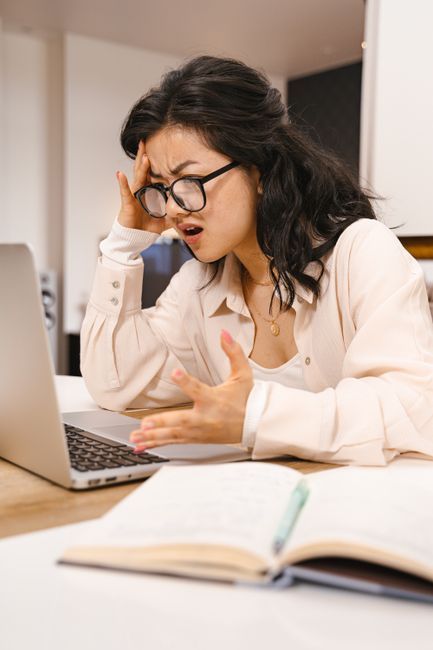
Work stress and short sleep are among the most common triggers of a late period. Illustrative photo.
Age matters
Irregular periods by age: teens, 20s–30s, after birth and your 40s
The most likely cause of an irregular period depends a lot on your stage of life. In the first years after periods start, the brain–ovary connection is still maturing, so long and variable cycles are common. In your 20s and 30s, PCOS, stress and weight change are the leading causes. After pregnancy, breastfeeding keeps prolactin high and periods may not return for months. In your 40s, falling ovarian reserve makes cycles shorter at first and then longer and unpredictable as you approachmenopause.
 Hommage · Gangnam
Hommage Women's Clinic · Gangnam, Seoul
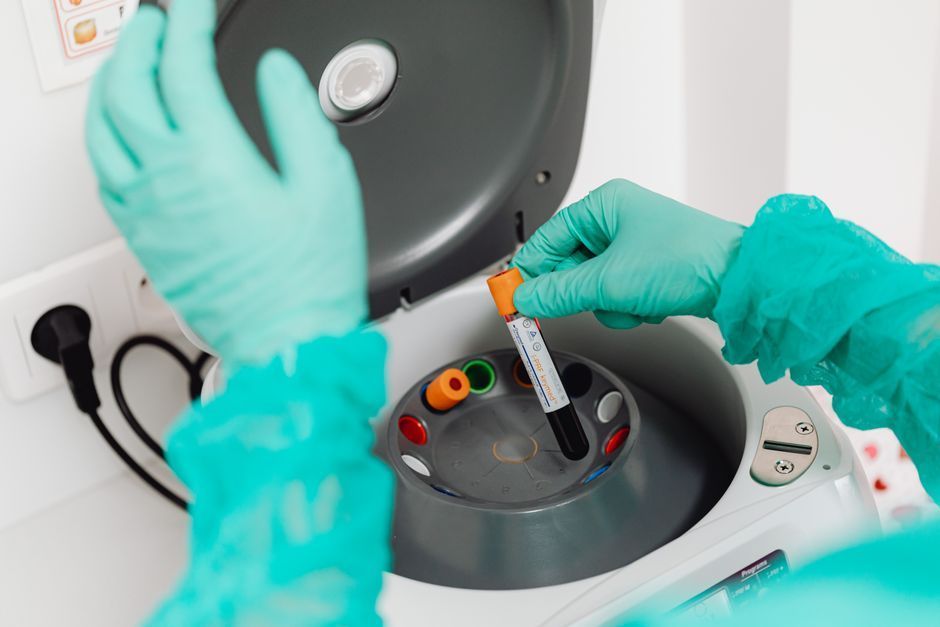
A handful of blood tests explains most irregular cycles. Illustrative photo.
Tests explained
Which tests for irregular periods, and what they show
You do not need every test. Dr. Park chooses them based on your history, and the table below shows what each one is looking for. Results are usually back within a few days, and many women have an answer after one or two visits.
Pregnancy test
Always done first when a period is late or missed.
Pelvic ultrasound
Shows the ovaries, uterine lining, polyps or fibroids.
TSH and prolactin
Thyroid problems and high prolactin are easy to treat once found.
FSH, LH, estradiol
Show how the brain and ovaries are communicating; best on days 2–5.
Testosterone or AMH
Added when PCOS or reduced ovarian reserve is suspected.
Cervical screening and swabs
For bleeding between periods or after sex.
Evidence
Menstrual cycle variation: what the research says
For decades the 28-day cycle was treated as the norm. Large studies using period-tracking apps now show how much healthy cycles vary between women and across life. These studies have limits: app users are not a random sample, cycles are self-reported, and most participants live in Europe or the US. They are still useful for one message: a cycle that differs from 28 days is not, on its own, a problem.
Average cycle length
612,613 ovulatory cycles from 124,646 app users.
Bull et al., npj Digit Med 2019Exactly 28 days
Most healthy cycles are longer or shorter than 28 days.
Bull et al., 2019Longer in Asian participants
Average versus white participants in 165,668 cycles.
Apple Women's Health Study, 2023More variable
Under 20 and at 45–49, compared with ages 35–39.
Apple Women's Health Study, 2023Expats and visitors
Irregular periods after moving to Seoul or traveling
A missed or late period is one of the most common reasons expats, students and visitors book a women's health check in Seoul. Jet lag, a new job or course, a different diet, a colder or more humid climate and weight change can all shift ovulation for a few months. Most of these changes settle on their own, but it is worth checking if your period has not come for three months, if cycles stay irregular for longer than that, or if you have other symptoms.
Before you visit
- Message us by WhatsApp, KakaoTalk or the contact form; ask for English or other language support if needed.
- Bring your period dates from a tracking app or diary for the last 6–12 months.
- Note any changes in weight, exercise, sleep or medication, including starting or stopping the pill.
- Bring your passport or alien registration card, and any earlier test results.
If you are only in Seoul for a short stay, the ultrasound and blood tests can be done in one visit, and results can be explained by message if you leave before they are ready.
 Hommage · Seoul
Hommage Women's Clinic · Gangnam, Seoul
A move or long trip can shift your cycle for a few months. Illustrative photo.
Choosing well
How to choose a gynecologist for irregular periods in Seoul
A good assessment looks for the cause rather than only prescribing the pill. Questions worth asking at any clinic:
- Will they look for the cause? Thyroid, prolactin, PCOS and lifestyle factors should all be considered.
- Is the ultrasound done in the same visit? It saves time and lets the doctor explain findings directly.
- Do they ask about pregnancy plans? Treatment differs if you want to conceive now, later or not at all.
- Do they protect your long-term health? Very infrequent periods need a plan for the uterine lining and bones.
- Can they explain results in your language? Clear communication matters for a condition that needs follow-up.
What affects the cost of an irregular period assessment?
Cost depends on whether you are enrolled in Korea's National Health Insurance, whichhormone testsare needed, whether an ultrasound or cervical screening is included, any medicine prescribed and how many follow-up visits you need. We explain the expected costs before any test.
 Hommage · Gangnam
Hommage Women's Clinic · Gangnam, Seoul
Your cycle history is often the most useful piece of information. Illustrative photo.
 Hommage · Gangnam
Hommage Women's Clinic · Gangnam, Seoul
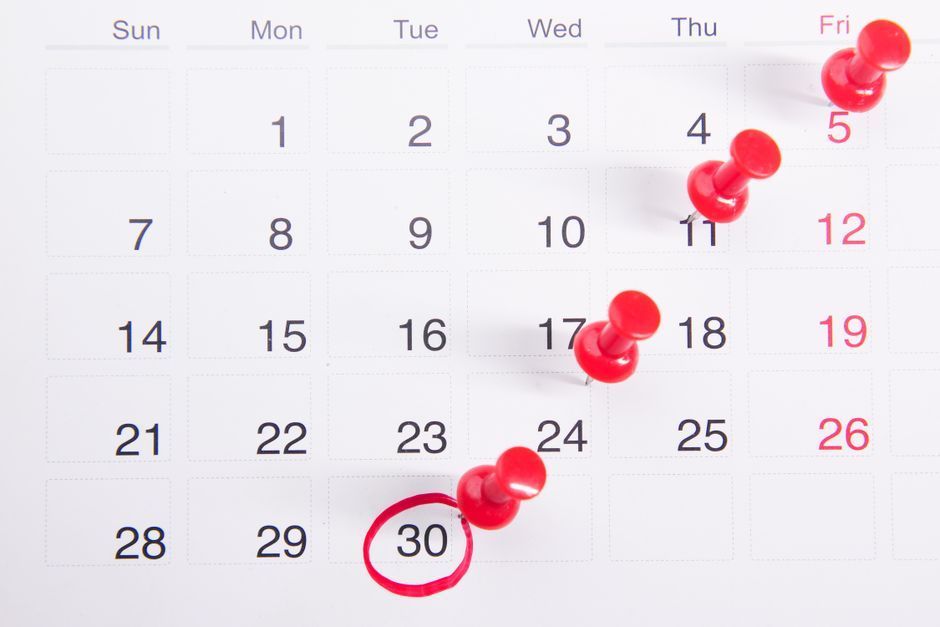
Mark the first day of each period; six months of dates is ideal. Illustrative photo.
Your visit
What to expect at your appointment
01
Consultation
Dr. Park reviews your cycle dates, lifestyle, medicines and related symptoms. Bring a period-tracking app record if you use one.
02
Ultrasound
A pelvic ultrasound checks the ovaries and uterine lining. A transabdominal scan is available if you are not sexually active.
03
Blood tests
A pregnancy test and hormone tests are taken on site. Some are timed to days 2–5 of your cycle.
04
Your plan
We go through your results and agree on a plan, from watchful waiting to hormonal treatment or fertility support.

Your doctor
Dr. Park Yuna
Medical Director · OB/GYN Specialist
Dr. Park looks for the reason behind an irregular cycle rather than simply prescribing the pill to make bleeding regular. She considers your plans for pregnancy, your skin and your long-term health when choosing a treatment.
OB/GYN specialist (Korea) and representative director of Hommage Clinic. Leads the clinic's women's health care, from screening and infections to hormones, contraception and fertility checks.
Irregular periods: frequently asked questions
When should I worry about an irregular period?
See a doctor if you have had no period for three months without being pregnant, your cycles are regularly shorter than 21 or longer than 35 days, you bleed between periods or after sex, or bleeding is very heavy. An occasional late period after stress or travel is common and usually not a concern.
Can stress make my period late?
Yes. Significant stress can delay or skip ovulation by affecting the brain hormones that control your cycle, which makes the period late or causes it to be missed. Cycles usually return to normal once the stress eases. If periods stay irregular for more than a few months, it is worth checking for other causes.
Can I get pregnant with irregular periods?
Yes, but it can take longer because you may ovulate less often and it is harder to predict your fertile days. If you are under 35 and have been trying for 12 months, or over 35 for 6 months, or your cycles are very irregular, an assessment is recommended. Ovulation testing can help.
Why did my period change after moving to Korea?
A move abroad brings new stress, sleep patterns, diet, climate and often weight change, all of which can temporarily affect ovulation. Many women notice a late or skipped period in the first months. If irregular periods last more than three months or come with other symptoms, a check-up can rule out PCOS, thyroid problems and other causes.
Is it bad to have only a few periods a year?
Having fewer than about four periods a year means the uterine lining is exposed to estrogen without regular shedding, which over time increases the risk of the lining thickening abnormally. It can also be a sign of low estrogen, which affects bone health. A doctor can find the cause and recommend treatment to protect your health.
Can foreigners get irregular periods checked in Seoul?
Yes. Foreign residents and visitors can book at Hommage Clinic; bring your passport or alien registration card to register. If you are enrolled in National Health Insurance, many tests are covered. Please contact us before your visit to arrange language support, and bring a record of your recent cycle dates.
Is a 28-day cycle the only normal cycle?
No. In a study of more than 600,000 tracked cycles, only 13% were exactly 28 days and the average was 29.3 days. Any regular cycle between about 21 and 35 days is considered normal in adults.
Can exercise or dieting stop my period?
Yes. Intense training, under-eating or rapid weight loss can switch off the brain signals that trigger ovulation. This is called functional hypothalamic amenorrhea. It is usually reversible by eating enough for your activity level and easing training, but long-lasting low estrogen can affect bone health, so it should be checked.
Can thyroid problems cause irregular periods?
Yes. Both an underactive and an overactive thyroid can change your cycle. A simple blood test (TSH) checks for this, and periods often become regular again once the thyroid is treated. See hormone testing.
Are irregular periods normal in your 40s?
Changes are common in perimenopause: cycles often become shorter at first and then longer and less predictable. Heavy, prolonged or very frequent bleeding, or bleeding after sex, should still be checked rather than put down to age.
Does the pill fix irregular periods?
The combined pill gives regular, predictable bleeds and protects the uterine lining, but it does not treat the underlying cause, and cycles may be irregular again when you stop. That is why Dr. Park looks for the cause first and then discusses whether the pill, a cyclic progestin or another option suits you.
How long after stopping the pill should my period return?
Many women have a period within a few weeks of stopping the pill, but cycles can take a few months to settle. If you have no period for three months after stopping, an assessment is recommended, because the pill may have been masking an underlying cause such as PCOS.
Are irregular periods in teenagers normal?
Often, yes. In the first years after periods start, about 90% of cycles fall between 21 and 45 days. A check is worthwhile if bleeding is very heavy, if irregular cycles come with acne or excess hair, or if there are signs of an eating disorder or excessive exercise.
References
Sources used for this page, reviewed by Dr. Park Yuna, OB/GYN specialist. Read our editorial and medical review policy.
- Bull JR, Rowland SP, Scherwitzl EB, Scherwitzl R, Gemzell Danielsson K, Harper J. Real-world menstrual cycle characteristics of more than 600,000 menstrual cycles. npj Digit Med. 2019;2:83. PMC
- Menstrual cycle length variation by demographic characteristics from the Apple Women's Health Study. npj Digit Med. 2023;6(1):100. PubMed
- American College of Obstetricians and Gynecologists, Committee on Adolescent Health Care. ACOG Committee Opinion No. 651: Menstruation in girls and adolescents: using the menstrual cycle as a vital sign. Obstet Gynecol. 2015;126(6):e143–e146. PubMed
- Munro MG, Critchley HOD, Fraser IS; FIGO Menstrual Disorders Committee. The two FIGO systems for normal and abnormal uterine bleeding symptoms and classification of causes of abnormal uterine bleeding in the reproductive years: 2018 revisions. Int J Gynaecol Obstet. 2018;143(3):393–408. doi:10.1002/ijgo.12666. PubMed
This page is general information and does not replace a personal consultation. Illustrations are original works of Hommage Women's Clinic, Gangnam, Seoul; photos marked illustrative are not of patients.
Related women's health services
PCOS Treatment
Diagnosis and care for polycystic ovary syndrome, the most common hormonal cause of irregular cycles.
Hormone Testing
Blood tests for reproductive, thyroid and other hormones that affect your cycle.
Ovulation Testing
Find out whether and when you ovulate with ultrasound and blood tests.
Period Pain Treatment
Help for painful periods and how to tell normal cramps from a sign of disease.
AMH Test
A blood test that estimates ovarian reserve and helps assess cycle changes.
Menopause Treatment
Care for perimenopause, when cycles become irregular before periods stop.
Find out why your cycle has changed
Book an assessment with Dr. Park Yuna in Gangnam. Ultrasound and hormone tests can be done during your visit.
Hommage Clinic · 4F, Building A, 509 Gangnam-daero, Seoul (near Sinnonhyeon Station) · Mon & Fri 10:00–20:00 · Tue–Thu 10:00–19:00 · Sat 10:00–15:00