

Best Laser for Hyperpigmentation in Korea
Best Laser for Hyperpigmentation in Korea
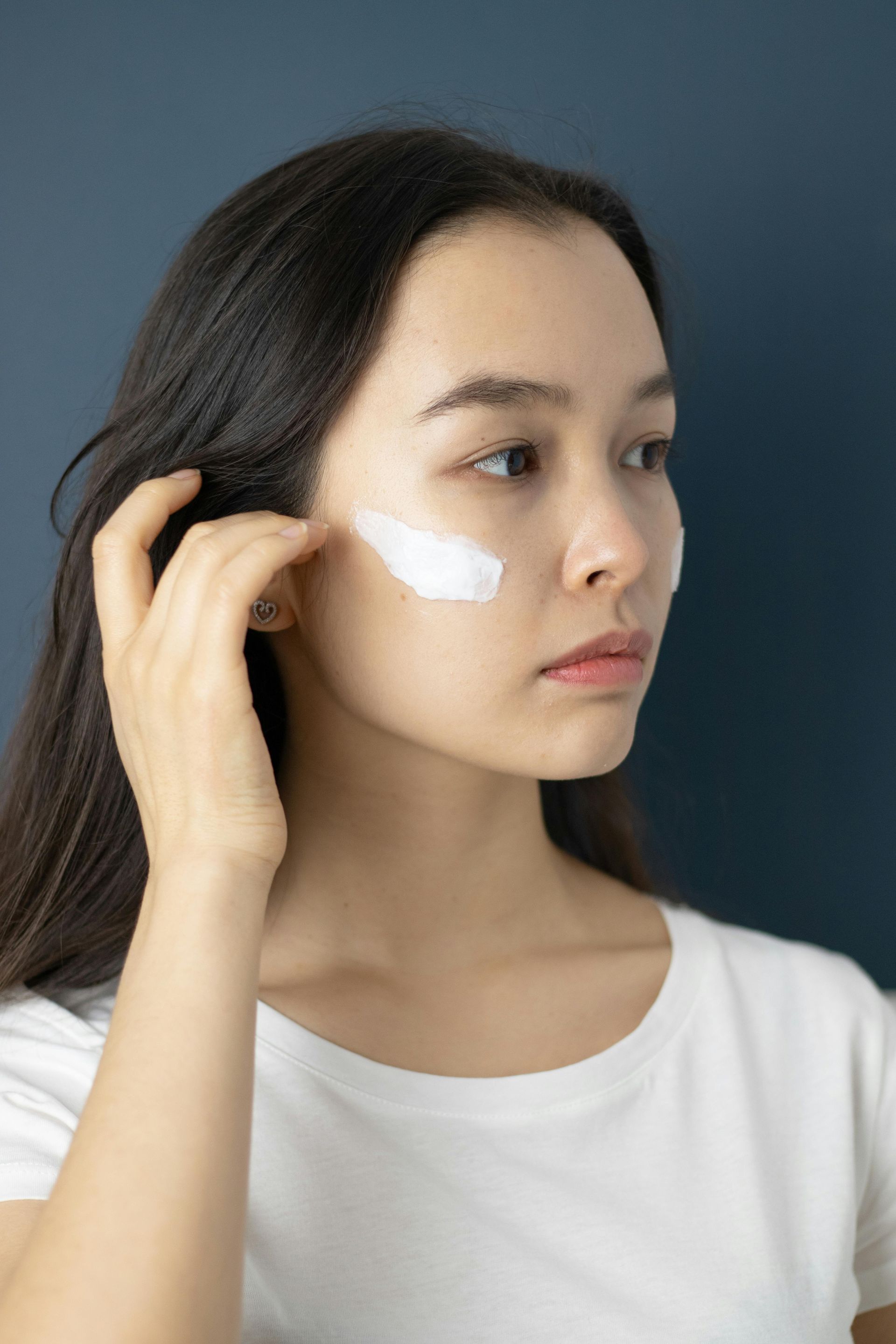
Hyperpigmentation—whether from sun damage, acne marks (PIH), or melasma—is one of the most commonly treated concerns in Korean dermatology. The key question most patients ask:
“Which laser is actually the best?”
The answer depends on your type of pigmentation, but in Korea, a few lasers consistently stand out as the most effective.
The Korean Standard: No Single “Best” Laser 💡
Korean dermatology doesn’t rely on one device. Instead, clinics choose based on:
- Type of pigmentation (melasma, freckles, PIH)
- Depth of pigment (superficial vs deep)
- Skin sensitivity and tone
👉 That said, there are 3 main lasers considered the best in Korea.
1. Pico Laser (Most Advanced & Versatile) ✨
Best overall laser for hyperpigmentation
Pico laser is widely considered the most advanced option in Korea today.
How it works:
- Uses ultra-short picosecond pulses
- Breaks pigment into extremely fine particles
- Minimizes heat damage to surrounding skin
Best for:
- Melasma (carefully controlled)
- Post-inflammatory hyperpigmentation (PIH)
- Freckles and sunspots
- Mixed pigmentation
Why it’s popular:
- Faster pigment clearance
- Less risk of heat-induced damage
- Effective across multiple pigment types
👉 Many Korean clinics use Pico as a primary or upgrade treatment for pigmentation.
2. Q-Switched Nd:YAG (Gold Standard for Melasma) 🔬
Best for long-term pigment control
This is the most widely used laser in Korea, especially for melasma.
How it works:
- Uses nanosecond pulses to gradually break down pigment
- Often used in “laser toning” sessions
Best for:
- Melasma
- Sensitive or reactive skin
- Maintenance treatment
Why dermatologists still love it:
- Very safe for repeated sessions
- Low risk of worsening pigmentation
- Ideal for gradual, stable improvement
👉 In Korea, this is often the first-line treatment for melasma.
3. Fractional / Thulium Laser (Texture + Pigment) 🌟
Best for combined concerns (pigment + skin quality)
Examples include:
- Thulium (1927 nm) lasers
- Fractional non-ablative lasers
How it works:
- Creates micro-injuries to stimulate skin renewal
- Helps push out pigment and improve texture
Best for:
- Sun damage
- Uneven tone + pores
- Mild to moderate pigmentation
👉 Often combined with other lasers for a “glass skin” effect.
Pico vs Q-Switched: Which Is Better? ⚖️
This is the most common comparison in Korea.
- Pico laser:
- Faster results
- Stronger pigment breakdown
- Better for mixed pigmentation
- Q-switched Nd:YAG:
- Safer for sensitive skin
- Better for melasma control
- Requires more sessions but stable results
👉 Studies show both are effective, with Pico offering more efficient pigment fragmentation, while Nd:YAG remains safer for long-term management
What Korean Clinics Actually Do 🔥
In reality, clinics rarely choose just one laser.
A typical Korean treatment plan includes:
- Q-switched laser toning (base treatment)
- Pico laser (for stubborn pigment)
- Skin boosters or topical care
👉 This combination approach treats:
- Pigment depth
- Skin sensitivity
- Recurrence risk
Which Laser Is Best for You? 🎯
Melasma (sensitive, recurring):
→ Q-switched Nd:YAG (primary) + gentle Pico
PIH (acne marks):
→ Pico laser
Freckles / sunspots:
→ Pico laser or Q-switched
Uneven tone + texture:
→ Fractional / thulium laser + toning
Final Verdict 💖
If you’re looking for the “best” laser in Korea:
- 🥇 Pico laser → best overall performance
- 🥇 Q-switched Nd:YAG → safest for melasma
- 🥇 Combination approach → best results
👉 The real secret of Korean dermatology is not the machine—it’s how treatments are combined and customized.
With the right plan, you can expect:
- ✨ Brighter, more even skin tone
- ✨ Reduced pigmentation
- ✨ Long-term skin clarity